
Digital client onboarding is the end to end process of verifying, approving and activating new clients fully online, from data capture to KYC and account opening.
A well designed digital journey can reduce onboarding times from weeks to under 24 hours while staying compliant with KYC, AML and data protection rules.
Integrating digital onboarding with a CRM such as InvestGlass, document checks and risk engines removes manual data entry and improves data accuracy.
Swiss or local data sovereignty is essential for regulated financial institutions that need full control over client data storage and processing.
This article provides a practical five step roadmap, actionable tips, concrete fintech examples, and guidance to get started with InvestGlass digital onboarding.
Why Digital Client Onboarding Matters In 2026
In 2024, a mid sized private bank in Zurich made a decision that transformed its business. By adopting a fully digital client onboarding process, they reduced their average time from initial contact to account activation from 30 days to just 2 days. Their relationship managers could finally focus on building rapport and serving clients rather than chasing paper forms and scanning id documents.
For banks, wealth managers and insurers, onboarding is often the first regulated interaction and sets the tone for the entire client relationship. When a new client’s experience begins with friction, delays and repeated document requests, building trust becomes an uphill battle from day one.
Industry studies in 2023 revealed that more than 60 percent of prospects abandon applications if digital onboarding takes longer than 15 minutes online. This abandonment rate represents lost customer acquisition opportunities and wasted marketing investments.
The complexity of KYC and anti money laundering requirements continues to grow, especially for cross border clients and politically exposed persons. Financial institutions must balance thorough compliance checks with the seamless process that modern customer expectations demand.
After COVID era branch closures, clients now expect fully remote onboarding via web and mobile, including video identification when required by local regulators. The shift to digital banking has become permanent, not temporary.
For European and Swiss institutions, digital customer onboarding must balance speed with strict adherence to rules such as FINMA circulars, MiFID II and GDPR. Regulatory compliance is not optional, it is foundational.
InvestGlass focuses specifically on regulated actors that need both you and your clients to experience high touch service alongside rigorous digital compliance. This combination of relationship quality and operational efficiency is what separates leaders from laggards in the financial sector.
What Is Digital Onboarding In Financial Services
Onboarding is the process of turning a prospect into an approved, active client using online forms, identity verification checks and automated workflows. It replaces physical paperwork, branch visits and email attachments with guided web flows, electronic signatures and secure document upload portals.
In 2026, a typical digital onboarding journey collects:
Data Category | Examples |
|---|---|
Identity Documents | Passport scans, national ID cards, company registries |
Address Verification | Utility bills, bank statements, government correspondence |
Tax Information | Tax identification numbers, FATCA and CRS declarations |
Investment Profile | Risk appetite questionnaires, investment experience, product suitability assessments |
Source of Funds | Employment records, wealth declarations, transaction histories |
Verifying the client’s identity is a crucial part of KYC procedures during onboarding, ensuring compliance with regulations and helping to prevent fraud by confirming the authenticity of each customer.
In wealth management and private banking, digital onboarding also covers investor profiling, risk tolerance assessments and product appropriateness tests that satisfy regulatory requirements while gathering relevant data for personalized service.
A digital onboarding platform orchestrates multiple tools, including CRM systems, KYC providers, sanctions screening services, core banking platforms, portfolio management software and client portals. The goal is to eliminate data silos and create a single source of truth for each individual client.
InvestGlass offers an integrated approach where onboarding forms, workflows, portfolio opening and ongoing reviews all sit on the same Swiss hosted infrastructure. This user friendly platform eliminates the need for clients complete steps across disconnected systems.
Common Barriers To Successful Digital Onboarding
Many banks and asset managers started digitisation projects after 2020 but still struggle to fully replace manual steps. Understanding these barriers is the first step toward overcoming them.
Legacy Systems Core banking and CRM platforms that are not API ready force staff to retype client information several times, increasing errors and wasting valuable time. Without api integration, data flows become manual and error prone.
Compliance Concerns Risk teams often prefer manual review for every file, making it difficult to implement straight through processing even for lower risk clients. This caution, while understandable, creates bottlenecks that frustrate both you and your new customers.
Organizational Silos Internal divisions between front office, compliance, legal and operations slow down approvals and lead to duplicated document requests. Clients end up providing the same information multiple times through different communication channels.
Poor User Experience Long static PDF forms, non responsive web pages and lack of mobile friendly flows cause drop offs. When the onboarding experience feels outdated, customer satisfaction suffers before the relationship even begins.
Data Residency Concerns Swiss institutions especially cannot store client data on generic foreign clouds without compromising data security and regulatory standing. Sovereignty requirements demand careful infrastructure choices.
An all in one Swiss hosted platform like InvestGlass can reduce integration complexity and address sovereignty and access control requirements from day one.
Customer Onboarding Strategies
A successful customer onboarding strategy is the cornerstone of building lasting relationships with new clients. By designing a thoughtful onboarding process, businesses can ensure that clients transition smoothly into their services, fostering trust and boosting client satisfaction from the outset. The most effective strategies combine advanced digital tools, automated workflows, and personalized communication to address the unique needs of each client.
Leveraging technologies such as biometric verification, document scanning, and API integration allows organizations to streamline onboarding tasks, minimize manual data entry, and enhance data accuracy. Automated workflows not only speed up the process but also ensure strict regulatory compliance, reducing the risk of errors and omissions. A user-friendly platform with clear expectations helps clients feel confident and informed at every step, leading to higher customer engagement and a more positive onboarding experience.
Ultimately, a well-executed onboarding process provides a significant competitive advantage. It demonstrates a commitment to efficiency, security, and client-centric service qualities that drive loyalty and set businesses apart in a crowded marketplace.
Five Steps To A Frictionless Digital Onboarding Process
The following roadmap applies to retail banking, private banking, asset management, insurance distribution and real estate investment firms. Each step builds on the previous one to create a seamless transition from prospect to active client.
These five steps have been refined through implementations across regulated industries in 2024 and 2025. They represent proven practices that deliver measurable improvements in both compliance and client experience.
Step 1 Connect Your Digital Onboarding To Your CRM
The client onboarding process should start in the CRM where the relationship manager creates a prospect record and triggers a digital invitation link. This connection ensures that onboarding is never a disconnected activity.
Deep integration avoids retyping client names, addresses and contact information by pre filling digital forms from existing systems. When a relationship manager already has prospect data, that information should flow automatically into onboarding forms.
With InvestGlass, relationship managers can launch onboarding journeys directly from the CRM timeline and track completion status in real time. There is no need to switch between applications or wonder where a client is in the process.
Using APIs and webhooks means that when clients complete a form, the CRM automatically updates and creates onboarding tasks for compliance and operations teams. This automation eliminates handoff delays and ensures nothing falls through the cracks.
Benefits of CRM integration include:
- Improved data quality through single entry
- Reduced manual errors from copy and paste workflows
- Full audit trails of every change made to client information
- Real time visibility into pipeline and completion rates
- Faster customer engagement with new clients
Step 2 Automate Data Capture And Document Collection
Responsive web forms with smart logic adapt questions based on client type, residency, product choice and risk category. A Swiss resident opening a simple investment account answers different questions than a corporate client with complex structures.
Auto fill features reuse existing data from previous relationships or corporate registries so that clients do not have to provide the same field twice. This respect for their valuable time builds early goodwill.
Identity documents such as passports, national ID cards and company registries are uploaded via secure portals, not by email. Document scanning technology captures high quality images that support accurate verification.
OCR and document recognition extract name, date of birth, document number and expiry date directly into structured CRM fields. This data collection automation eliminates manual data entry and reduces transcription errors.
InvestGlass supports digital onboarding checklists tailored for specific markets such as Switzerland, the European Union and the Middle East. These templates encode regulatory requirements so that relationship managers do not need to memorize complex rules.
Feature | Benefit |
|---|---|
Smart form logic | Clients answer only relevant questions |
Document upload portals | Secure, encrypted transmission |
OCR extraction | Automatic data population |
Auto fill | Reuse existing data |
Market specific checklists | Built in compliance |
Step 3 Embed KYC AML And Risk Scoring
All collected data must be checked against sanctions lists, politically exposed persons databases and adverse media sources in real time. Ensuring compliance at the moment of data capture prevents problems downstream.
Risk based rules classify clients as low, medium or high risk depending on geography, source of funds, transaction volume and product type. This classification drives the level of review required.
Lower risk retail or mass affluent clients can pass through straight through processing without manual review. This improved efficiency means faster account opening and better customer success metrics for standard cases.
Higher risk clients require enhanced due diligence with additional document verification and potentially liveness detection or biometric authentication. Fraud prevention demands proportionate controls based on actual risk.
InvestGlass orchestrates integrations with external KYC providers and case management tools within its workflows. The verification process happens seamlessly without requiring staff to toggle between multiple applications.
Every step, decision and override must be logged for future audits and regulatory inspections. Swiss hosted logs support data sovereignty needs while providing the image quality and detail regulators expect.
Step 4 Use A Secure Client Portal For Collaboration
A branded client portal lets applicants upload missing documents, answer clarifications and sign contracts digitally at their own pace. This self service approach respects busy clients while reducing inbound calls and emails.
Essential portal features include:
- Two factor authentication for security and compliance
- Message centre for secure communication
- Document vault for storing and organizing files
- Progress bar showing exactly where the client’s identity verification stands
- Clear expectations about next steps and timelines
InvestGlass portals can host suitability questionnaires, portfolio proposals and marketing content with Swiss hosted file storage. Everything stays within the same secure environment.
Consider a family office client who needs to onboard several family members and related entities. From one central portal login, they can manage all related applications, share documents across accounts and track progress for the entire family structure.
Self service portals give clients a premium, modern experience that aligns with high net worth expectations. For private banks competing on client retention, this digital client onboarding experience becomes a competitive advantage.
Step 5 Approve Activate And Hand Over To Ongoing Management
The internal review stage routes tasks to compliance, risk and operations teams who validate data, documents and signatures inside the workflow tool. Compliance checks happen within the same platform, not in separate systems.
Once approvals are complete, integrations push final data into core banking, portfolio management, insurance policy administration or payment systems. This seamless process eliminates the gap between onboarding and activation.
Account numbers, portfolios or policies can be created automatically with confirmation emails or portal messages sent to the client instantly. New clients receive immediate feedback that their application succeeded.
Marketing automation sequences in InvestGlass welcome new clients, send education material and propose first products based on their profiles. This early customer engagement sets the foundation for long term loyal customers.
The same platform schedules periodic KYC reviews and document refreshes so onboarding flows smoothly into lifecycle management. What begins as a project becomes an ongoing relationship supported by digital tools.
Designing A Compliant Digital Onboarding Journey
Aligning UX design with legal and regulatory requirements from day one prevents costly redesigns later. Security and compliance should be built in, not bolted on.
Start by mapping the full client journey for each segment. Retail clients, high net worth individuals, corporate entities, trusts and foundations all have different requirements and expectations. Provide clients with experiences tailored to their specific situations.
Design principles for compliant journeys:
- Limit the number of screens per step to reduce cognitive load
- Use progress indicators to make long KYC forms feel manageable
- Group questions logically by category (personal, tax, investment, risk)
- Setting expectations clearly at each stage
- Include save and resume functionality for complex applications
Electronic signature requirements vary by jurisdiction. EU eIDAS and Swiss ZertES frameworks define what constitutes a valid digital signature for financial contracts. Your onboarding platform must support compliant signing workflows.
Accessibility and multilingual interfaces are crucial for cross border private banks serving clients in English, French, German and Italian. Machine learning can help translate and adapt content, but human review ensures accuracy.
InvestGlass clients structure their digital forms to satisfy FINMA and EU directives without overwhelming users. The result is biometric verification, document verification and compliance checks that feel simple rather than burdensome.
Building Trust with Customers
Establishing trust is fundamental to a successful onboarding process. For new clients, the initial experience with your organization sets the tone for the entire relationship. Building trust starts with transparent communication channels, where clients feel heard and supported throughout their journey. Prompt responses to inquiries, clear explanations of each step, and consistent follow-through on commitments all contribute to a sense of reliability and professionalism.
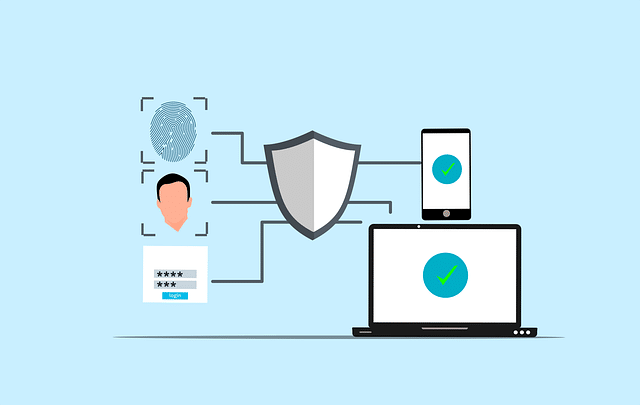
Security and compliance are equally vital in building trust. By implementing robust measures such as encryption and biometric authentication, businesses can assure clients that their sensitive information is protected at every stage. Demonstrating a commitment to safeguarding client information not only meets regulatory requirements but also reassures clients that their data is in safe hands.
When clients see that their needs are prioritized and their information is handled with care, they are more likely to remain loyal and engaged. Trust built during onboarding lays the foundation for long-term client retention and a strong, mutually beneficial relationship.
Communication Channels in Onboarding
The choice and management of communication channels play a pivotal role in the onboarding process. Effective communication ensures that clients receive timely updates, understand what is required of them, and feel supported as they provide identity documents and other necessary information. Utilizing a mix of channels such as secure email, phone calls, video conferencing, and instant messaging allows businesses to cater to individual client preferences and the sensitivity of the information being exchanged.
For the transmission of identity documents and confidential data, secure and encrypted channels are essential to protect client privacy and maintain compliance. Clear, consistent communication helps set expectations, reduces confusion, and fosters a sense of partnership between the business and its clients. By making it easy for clients to ask questions and receive guidance, organizations can enhance the onboarding experience and build trust from the very first interaction.
Customer Experience in Onboarding
Delivering an outstanding customer experience during onboarding is key to achieving high client satisfaction and long-term success. Every interaction from the initial welcome to the completion of onboarding tasks shapes the client’s perception of your business. A seamless, intuitive onboarding process that anticipates client needs and minimizes friction can significantly improve customer success and retention.
Personalized support, user-friendly interfaces, and efficient completion of onboarding tasks all contribute to a positive onboarding experience. Providing clear instructions, progress updates, and easy access to assistance ensures that clients feel valued and understood. Incorporating feedback mechanisms, such as surveys or direct feedback options, allows clients to share their experiences and suggestions, enabling continuous improvement of the onboarding process.
A focus on customer experience not only enhances satisfaction but also encourages clients to become advocates for your brand, driving growth through positive word-of-mouth and repeat business.
Data Security And Swiss Data Sovereignty
For regulated entities in Europe and Switzerland, data location and control are as important as user experience. Where customer data resides determines which laws apply and who can access it.
Data sovereignty means that client data remains under the jurisdiction of the country where it is stored. For Swiss institutions, this means Swiss law governs access, retention and protection of sensitive information.
InvestGlass offers Swiss hosted cloud and on premise deployments, ensuring that sensitive KYC records never leave controlled infrastructure. This approach satisfies regulators while giving institutions full control.
Security Practice | Purpose |
|---|---|
Encryption in transit and at rest | Protect data from interception |
Strong identity and access management | Control who sees what |
Detailed audit logs | Support regulatory inspections |
Swiss hosting | Maintain data sovereignty |
Regular security assessments | Identify and address vulnerabilities |
Relevant regulations include GDPR, Swiss FADP and sector specific rules for banks, asset managers and insurers. Biometric checks and biometric verification must comply with data protection requirements for sensitive personal data.
Some institutions serve Middle East or Asian clients but still choose Swiss hosting as a neutral, trusted data location. Switzerland’s reputation for privacy and stability extends beyond its borders.
Centralising onboarding, CRM and client portal on one sovereign platform reduces the number of vendors with access to regulated data. Fewer access points means lower risk and simpler vendor management.
Onboarding Metrics
Measuring the effectiveness of your onboarding process is essential for continuous improvement and maintaining a competitive edge. Key onboarding metrics include onboarding time, client satisfaction rates, drop-off rates, and retention rates. Tracking onboarding time helps identify bottlenecks and opportunities to streamline workflows, while client satisfaction rates provide insight into how well the onboarding experience meets client expectations.
Monitoring drop-off rates reveals where clients may be abandoning the process, allowing for targeted enhancements to reduce friction. Retention rates indicate the long-term success of your onboarding efforts, reflecting how many clients remain active after their initial onboarding experience. Regular analysis of these metrics supports data-driven decision-making, ensures ongoing regulatory compliance, and helps refine the onboarding process to better serve clients.
By focusing on these critical metrics, businesses can optimize their onboarding experience, improve client outcomes, and strengthen their position in the market.
Getting Started With Digital Onboarding Using InvestGlass
Starting a digital onboarding project does not require transforming everything at once. A phased approach delivers quick wins while building toward comprehensive coverage.
Phase 1: Choose Your Starting Point Begin with one or two client segments, such as Swiss resident retail investors or external asset manager relationships. Focus on a manageable scope where you can demonstrate results.
Phase 2: Audit and Convert Review existing paper forms, KYC checklists and approval steps. Document current workflows before converting them into dynamic digital workflows inside InvestGlass. This audit reveals opportunities for improvement.
Phase 3: Integrate Core Systems Set up integrations with at least a core banking or portfolio management system and one KYC or sanctions screening provider. These connections enable the automated workflows that deliver operational efficiency.
Phase 4: Pilot and Refine Test with a limited set of relationship managers and collect feedback on usability, completion times and error rates. Their insights will improve the experience before wider rollout.
Phase 5: Measure and Scale Quantify impact by measuring application completion rate, time from initial contact to account opening and number of manual interventions per file. These metrics demonstrate value and guide expansion to additional segments.
InvestGlass provides sandbox access so you can see digital onboarding flows, forms and portals configured for banking and wealth management before committing to implementation.
FAQ
The following questions address common concerns that banks, asset managers and insurance companies raise when evaluating digital onboarding solutions.
How long does it take to implement a digital onboarding solution
Timelines vary based on scope and complexity. A focused implementation of an out of the box solution like InvestGlass for one country and one segment can go live in three to six months.
More complex rollouts covering multiple booking centres, languages and products can take nine to twelve months depending on internal resources and integration requirements.
Reusing existing KYC policies and standard forms significantly shortens project duration. Organizations that have documented their current processes find implementation smoother than those starting from scratch.
Can digital onboarding fully replace face to face meetings
In many jurisdictions, fully remote onboarding is allowed for standard risk clients, provided biometric verification or video identification is used. Regulations increasingly accommodate digital alternatives to in person verification.
For ultra high net worth clients or complex structures, institutions often keep at least one relationship meeting but still capture documents and approvals digitally. The meeting becomes about relationship building rather than paper collection.
Digital tools should complement human advice, not remove relationship managers from the client experience. The goal is giving advisors more time for meaningful conversations by eliminating administrative burden.
How do we handle clients who are not digitally savvy
Offer assisted digital onboarding where relationship managers or call centre staff guide the client through the same digital journey in a branch or over a call. The process remains digital even when the client receives human support.
Keep paper or printable versions as contingency but ensure the master record is always in the digital system. This approach maintains data accuracy while accommodating different comfort levels.
Create simple step by step guides and short videos inside the client portal to support older or less technical clients. Good design reduces the need for assistance in the first place.
What internal teams should be involved in a digital onboarding project
Key stakeholders include front office, compliance, legal, operations, IT security and data protection officers. Each brings essential perspective on requirements and constraints.
Nominate a product owner from the business side, for example head of client onboarding or chief operating officer for wealth management. Business ownership ensures the project delivers practical value rather than just technical capability.
Early involvement of compliance teams reduces the risk of rework once workflows are ready for launch. Their requirements should shape design decisions from the beginning.
How does digital onboarding impact ongoing KYC reviews
Once onboarding is digital, periodic KYC refreshes can reuse existing data, trigger alerts for document expiry and invite clients to confirm or update information online. The foundation you build during onboarding supports the entire client lifecycle.
InvestGlass can schedule reviews based on risk level, for example every year for higher risk clients and every three years for lower risk profiles. This risk based approach focuses resources where they matter most.
This approach reduces the burden on both clients and internal teams compared with large, ad hoc remediation projects. Continuous maintenance is easier than periodic catch up.
Ready to transform how your institution welcomes new clients? With InvestGlass, you gain a partner who helps you scale faster, stay compliant, and deliver exceptional onboarding experience. Request a live demonstration or sandbox access to see digital onboarding flows configured for banking and wealth management in action.


