
Drafting a request for proposal for wealth management platforms is essential for choosing the right platform for your financial advisory services. This guide walks you through the key components, common pitfalls, and best practices to ensure your RFP attracts the most suitable vendors, enabling informed and strategic decision-making.
Key Takeaways
- Wealth management platforms enhance investment advisory services by streamlining financial planning, asset allocation, and providing real-time data for informed decision-making.
- Issuing a request for proposal (RFP) promotes transparency and fairness in vendor selection, allowing organizations to evaluate financial service providers based on clearly defined criteria and objectives.
- Customization of the RFP document is essential for aligning vendor proposals with the organization’s specific financial goals and requirements, ensuring that the selected platform meets long-term objectives.
Understanding Wealth Management Platforms

Wealth management platforms are designed to support investment advisors and wealth managers in providing better financial planning services. These platforms streamline the processes of financial planning, asset allocation, and portfolio analysis, saving financial advisors time and enhancing their ability to make informed decisions. Integrating various tools, wealth management platforms enhance data accuracy and offer a holistic view of client financials, essential for effective asset management and planning. In a crowded market, these platforms help financial firms stand out by enabling personalized service, agility, and transparency, allowing them to differentiate themselves from larger competitors.
One of the standout features of wealth management platforms is their ability to provide real-time data and predictive analytics. This capability is invaluable in an industry where market volatility and rapid changes in the financial landscape are the norms. Financial advisors and asset managers can leverage this real-time data to adjust strategies promptly and align with their clients’ investment philosophy.
Financial advisors often grapple with the challenge of accurately allocating assets to meet their clients’ long-term financial goals. Wealth management platforms address this by offering sophisticated asset allocation tools that consider various factors such as risk tolerance, financial strength, and market conditions. This not only enhances the financial advisor’s efficiency but also ensures that clients receive tailored strategies that align with their unique financial objectives. Extensive experience is a key differentiator for financial advisors and wealth managers, enabling them to navigate complex financial landscapes and build long-term client trust.
Moreover, these platforms offer comprehensive performance reporting, which includes tracking and evaluating investments against specific benchmarks. This feature is crucial for clients, particularly high-net-worth individuals and family offices, who demand transparency and accountability in their investment management services. By providing detailed performance reports, wealth managers can demonstrate their value and build trust with their clients.
In the ever-evolving financial industry, staying ahead of regulatory changes and compliance requirements is paramount. Wealth management platforms often come equipped with tools that help financial service providers navigate these complexities. Financial firms leverage technology and business development strategies to foster client relationships and drive long-term growth. This ensures that investment advisors and asset managers can maintain compliance while focusing on delivering exceptional investment management services to their clients.
InvestGlass is a leading platform that integrates these capabilities, providing financial advisors with a comprehensive digital solution to streamline their RFP processes and investment management workflows. Learn more about how InvestGlass can support your wealth management needs at InvestGlass.
Key Objectives of an RFP for Wealth Management Platforms

The primary goal of issuing an RFP for wealth management platforms is to ensure transparency, fair comparison, and compliance in the selection process. An RFP process allows organizations to evaluate various financial service providers on the same criteria, thereby enhancing fairness and enabling a more objective selection process.A well-crafted investment management RFP guarantees that plan sponsors, trustees, and investment committees assess potential firms using consistent criteria, clearly compare vendor responses, and ensure the final choice adheres to fiduciary responsibilities. This structured approach not only promotes a level playing field but also ensures that the chosen platform aligns with the organization’s strategic objectives and financial goals.
An investment committee plays a crucial role in the RFP process, ensuring that the selection of financial advisors is thorough, fair, and unbiased. By incorporating diverse perspectives within the investment committees, organizations can avoid biases and make more informed decisions. This is particularly important in the financial services industry, where the stakes are high, and the right platform can significantly impact the effectiveness of wealth management services. A registered investment adviser can provide valuable insights during this process, helping to identify the best advisor for the organization’s needs. Plan sponsors are also actively involved in issuing RFPs, evaluating investment advisors, and fulfilling fiduciary duties throughout the selection process.
Vendors must disclose their firm’s approach to compliance, risk management, and fiduciary duties in the RFP process. This requirement ensures transparency and accountability. This not only ensures compliance but also provides valuable insights into the vendor’s capabilities and commitment to meeting regulatory standards. The structured nature of the investment management RFP process facilitates a thorough comparison of different service providers, aiding in the selection of the most suitable platform. The importance of carefully selecting an investment manager through a structured process, including evaluating responses, conducting research on current advisors, and clearly defining investment objectives and constraints, ensures the right partnership and alignment with organizational goals.
Preparation is key to a successful RFP process. Organizations must carefully plan and ensure that the RFP reflects their goals and objectives. Defining investment objectives and constraints is a game-changing step in the investment management RFP process, as it empowers organizations to clearly communicate their financial goals, risk tolerance, and specific requirements to prospective investment advisors and asset managers. This involves considering weighting factors between investment and administrative services and ensuring that the RFP captures the organization’s unique needs and priorities. By doing so, organizations can enhance the probability of selecting the right financial service provider that aligns with their strategic objectives.
Ultimately, the RFP process is about creating a fair and transparent evaluation framework that helps organizations make informed decisions. Careful planning and execution of the investment management RFP process ensure that organizations select a wealth management platform aligned with their needs and long-term financial goals through management rfps.
Preparing the RFP Document
Preparing a comprehensive Request for Proposal (RFP) document is a foundational step in the investment management RFP process. This document acts as the official invitation for financial advisors, asset managers, and other financial service providers to present their solutions for your organization’s wealth management needs. To ensure a successful RFP process, the document must clearly articulate your organization’s investment objectives, risk tolerance, and financial goals, setting the stage for a transparent and effective evaluation process.
Begin by providing a concise overview of your organization, including its mission, investment philosophy, and long-term strategic objectives. This context helps prospective firms understand your priorities and tailor their proposals accordingly. Clearly outline the specific requirements for investment management services, such as asset allocation strategies, reporting expectations, and any unique needs related to your business model or client base.
A critical component of the RFP document is the section on fee structure. Specify your expectations regarding management fees, performance-based fees, and any other costs associated with the proposed investment management services. Transparency in this area ensures that all vendor responses are directly comparable, allowing for a fair assessment of value and cost-effectiveness.
Additionally, define the evaluation criteria that will be used to assess proposals. These criteria might include experience with similar organizations, demonstrated risk management capabilities, technological infrastructure, and alignment with your investment philosophy. By outlining these key aspects upfront, you set clear expectations for prospective providers and streamline the proposal evaluation process.
A well-prepared RFP document not only attracts high-quality responses but also facilitates a thorough and efficient review, ultimately leading to the selection of the best partner for your wealth management platform. Taking the time to craft a detailed and structured request for proposal RFP ensures that your organization’s needs are met and that the entire process runs smoothly from start to finish.
Platforms like InvestGlass offer tools to help create, manage, and evaluate RFP documents efficiently, centralizing responses and scoring to support a transparent and streamlined selection process.
Essential Components of a Wealth Management Platform RFP
Crafting an effective RFP for wealth management platforms involves identifying the key components that will ensure a comprehensive and fair evaluation of prospective vendors. A well-structured RFP not only enhances the selection process but also ensures that the proposals received are relevant and actionable. This section will outline the essential components of a wealth management platform RFP, providing a framework for organizations to follow.
First and foremost, a request for proposal should begin with comprehensive background information to establish foundational details for the project proposal. This includes:
- Information about the organization
- Its mission
- Long-term goals
- Investment philosophy
- Scope of services, including consulting services
Providing a clear context helps potential vendors align their proposals with the organization’s strategic objectives. Key components of a comprehensive wealth management RFP include organizational background, scope of services, investment objectives, and performance reporting requirements. For further information, please refer to the additional documentation.
The RFP design process should identify questions that reflect the true priorities of the organization. These questions should be carefully crafted to ensure they elicit detailed and relevant responses from vendors. Using an easily navigable investment RFP template can provide a starting point and guidance for creating an effective proposal. This approach not only streamlines the RFP process but also enhances the quality and consistency of the responses received during the rfp response process.
Defining Investment Management Services
Defining investment management services in the RFP is crucial for ensuring that the proposals received are aligned with the organization’s financial goals and risk tolerance. Investment management is critical for asset allocation and monitoring for long-term growth. Therefore, it is essential to include detailed information about:
- The mission statement of the wealth management provider
- The structure of the wealth management provider
- The long-term goals of the wealth management provider
- The investment policy statement of the wealth management provider
America’s best financial advisors offer comprehensive financial planning and investment management services, including investment services. Wealth management platforms typically provide a range of services, including financial planning, risk management, and other advisory services beyond just investment management. Clearly defining these services in the RFP communicates expectations and ensures potential vendors understand the requirements.
Clarity in investment objectives and constraints is vital for receiving relevant and actionable proposals. This includes defining financial goals, risk tolerance, and any specific constraints that may impact investment decisions. Financial advisors utilize tailored strategies and assessments for effective risk management, which should be reflected in the RFP to ensure that the proposals align with the organization’s needs.
Performance reporting is another critical aspect of investment management services. Wealth management platforms should provide detailed performance reports that track and evaluate investments against specific benchmarks. Including this requirement in the RFP ensures that potential vendors can demonstrate their ability to deliver transparent and accountable investment management services.
Overall, defining investment management services in the RFP helps organizations clearly communicate their financial goals and expectations to potential vendors. This not only enhances the relevance of the proposals received but also ensures that the selected platform can effectively support the organization’s long-term financial objectives.
Evaluation Criteria and Scoring Process
Establishing clear evaluation criteria and a transparent scoring process is essential for ensuring an objective and fair evaluation of vendor proposals. The evaluation process should include criteria such as the experience and previous success of the firms, as well as their infrastructure capabilities. By using predefined evaluation criteria, organizations can promote objectivity and uniform scoring of vendor responses.
One of the critical components to consider during the evaluation process is the fee structure. It is essential to disclose:
- management fees
- advisory fees
- performance-based fees
- any additional costs during the RFP evaluations. A breakdown of all costs, including management fees and trading costs, should be outlined in the RFP to ensure transparency. This transparency helps organizations make informed decisions based on the total cost of ownership and the value provided by the vendor.
A transparent scoring process guarantees an objective evaluation. This approach also ensures fairness in assessing all vendor responses. Documenting the final decision-making process ensures compliance and fairness, crucial for maintaining the integrity of the selection process. This approach not only enhances the credibility of the evaluation process but also provides a solid basis for audits and future reviews during the diligence process, covering the entire process.
Vendor Responses and Due Diligence
Thorough vendor responses and due diligence are critical components of the RFP process. Key questions related to fee disclosures and compliance responsibilities should be standardized in the RFP process to ensure that all prospective firms provide the necessary information. This standardization helps organizations compare vendor responses on the same criteria, enhancing the fairness and objectivity of the evaluation process.
Investment committees and plan sponsors have a fiduciary duty to act in the best interests of their organization or employees, which includes conducting adequate due diligence when selecting an investment advisor.
An effective investment committee should include:
- Members from HR
- Members from finance
- Members from legal
- Representatives from technology
- Representatives from executive leadership
- Two executives to facilitate decision-making
This recommended composition helps drive consensus during the RFP process.
Coordinating with your CPA and estate attorney during the RFP process can provide a comprehensive evaluation of proposals from prospective providers. This collaboration ensures that all aspects of the vendor’s capabilities and compliance responsibilities are thoroughly assessed.
Key protocols for ensuring continuity and efficiency in the evaluation process include:
- Establishing clear protocols for what happens if key personnel, such as the relationship manager, leave.
- Clearly outlining team responsibilities to streamline the evaluation processes involved in the RFP.
- Maintaining thorough documentation of vendor responses to aid in compliance and provide a solid basis for audits.
Customizing RFP questions is crucial for tailoring them to the organization’s specific needs. By doing so, organizations can enhance the relevance of vendor proposals and ensure that the responses received address their unique requirements. This customization not only improves the quality of the proposals but also helps organizations tailor solutions to make more informed decisions.
Overall, thorough vendor responses and due diligence are essential for ensuring that the selected wealth management platform meets the organization’s needs and supports its long-term financial goals through a thorough review.
Customizing Your RFP for Specific Needs

Customizing your request for proposal RFP to meet specific organizational needs is crucial for ensuring that the proposals received are relevant and actionable. Issuing an RFP allows organizations to define their needs clearly and make data-driven decisions. By clearly expressing their own rfp in the RFP document, organizations can avoid irrelevant responses and ensure that potential vendors understand their requirements.
Clearly specifying the investment philosophy in the RFP helps potential managers align their proposals with the organization’s strategic priorities. This alignment is particularly important for high-net-worth individuals and institutional investors who benefit from a tailored RFP that addresses their unique financial goals. Customizing the RFP questionnaire is essential for addressing the distinct requirements of different clients.
Understanding the specific needs of clients helps in formulating questions that will yield relevant and actionable vendor responses. The RFP process should reflect the complexity of clients’ financial situations, ensuring comprehensive evaluations. Tailoring the RFP to specific needs enhances the quality of proposals received and aids in making more informed decisions.
Platforms like InvestGlass provide customizable RFP templates and digital tools that make tailoring your RFP to specific needs easier and more efficient. Visit InvestGlass to explore these capabilities.
Common Pitfalls to Avoid in the RFP Process
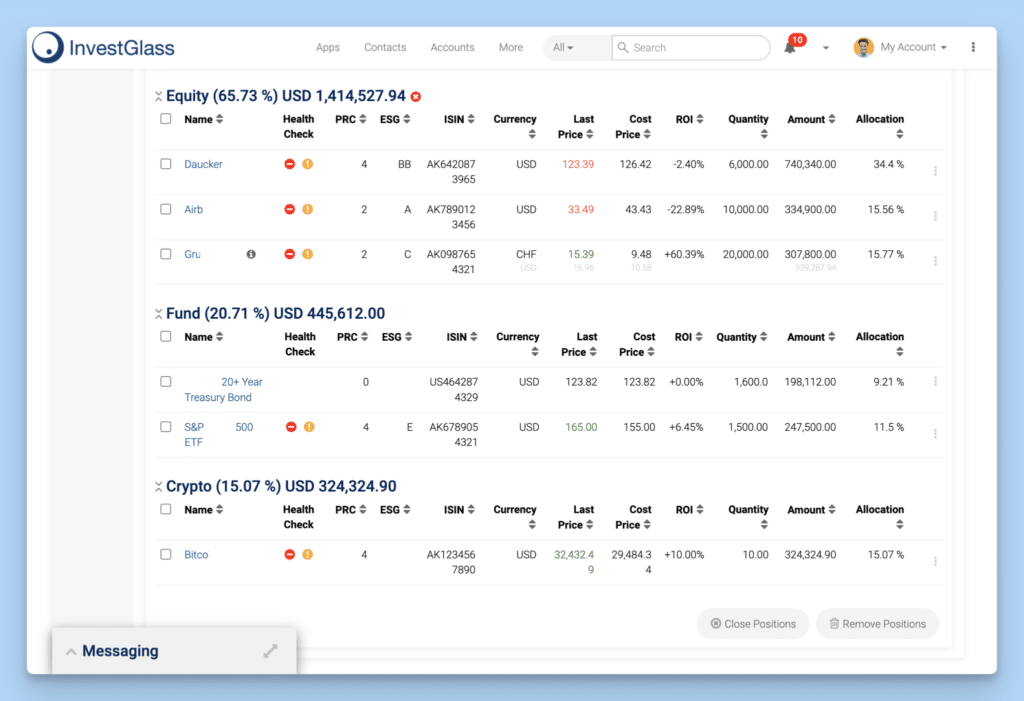
Despite the best intentions, organizations often fall into common pitfalls during the RFP process. One of the most frequent mistakes is neglecting to clearly highlight what differentiates their proposal, which can lead to a lackluster impression among evaluators. Carefully reading the RFP document is crucial to avoid misunderstandings and missed requirements.
Common mistakes to avoid in RFP responses include:
- Ignoring compliance requirements, which can result in disqualification from the selection process.
- Providing generic responses rather than customized proposals, weakening the effectiveness of the bid.
- Writing a poorly written executive summary, which can diminish the chances of advancing in the selection process.
- Using complex language, making proposals difficult to understand and less persuasive.
Common mistakes to avoid when submitting a proposal include:
- Neglecting to follow up after submission, which can mean missing out on valuable feedback from the client.
- Omitting essential sections or required documents, leading to immediate disqualification from consideration.
- Rushing to submit a proposal, often resulting in errors and missed opportunities for revisions.
- Poor formatting and presentation of a proposal, which can hinder evaluators’ ability to navigate and assess the content effectively.
By being aware of these common pitfalls, organizations can ensure that their RFP process is thorough, compliant, and effective in selecting the best wealth management platform.
Leveraging Technology in the RFP Process
Leveraging technology in the RFP process can significantly enhance efficiency, accuracy, and collaboration among team members. About 66% of financial services organizations utilized AI in their RFP workflows in the past year, improving speed and accuracy. RFP software can streamline workflows in financial services by providing basic functionalities like content library management and input features for RFPs.
The adoption of AI tools in RFP processes has doubled year-over-year for financial services organizations, highlighting their growing importance. Factors to consider when selecting RFP software include:
- Understanding your company’s pain points
- Identifying the specific features you require
- Recognizing problems in the RFP process, such as clunky content organization or formatting issues, to guide you to the right software solutions.
Integrating RFP software can centralize record-keeping, making audits easier and ensuring compliance. This centralization is crucial for maintaining thorough documentation of vendor responses and ensuring that all team members can access the necessary information. It is also important to provide adequate training and onboarding for RFP software to ensure all team members can use it effectively.
Leveraging technology optimizes the RFP process, improves collaboration, and ensures compliance and documentation requirements are met. This not only enhances the efficiency of the RFP process but also ensures that the organization can make informed and strategic decisions.
InvestGlass offers a comprehensive platform that incorporates AI and advanced RFP management tools tailored for wealth management firms. Discover how InvestGlass can transform your RFP process by visiting InvestGlass.
Best Practices for Evaluating Wealth Management Platforms

Implementing best practices for evaluating wealth management platforms is crucial for ensuring a thorough and strategic selection process. Conducting follow-up interviews with shortlisted candidates allows for clarification of any outstanding questions and provides deeper insights into their suitability. This step is essential for understanding the nuances of each proposal and ensuring that the selected platform aligns with the organization’s needs.
Utilizing a structured scoring system aids committees in making informed decisions based on objective data rather than subjective opinions. A thorough evaluate proposals is crucial to ensure the best candidates are selected for wealth management responsibilities. This involves considering various factors such as the platform’s capabilities, the vendor’s experience, and their ability to meet the organization’s financial goals.
Implementing these best practices ensures a more careful and strategic approach to selecting wealth management platforms. Following a structured evaluation process enables informed decisions that align with strategic objectives and enhance wealth management services.
Platforms like InvestGlass provide integrated scoring and evaluation tools that simplify the decision-making process for investment committees. Learn more at InvestGlass.
Selecting the Best Vendor for Your Wealth Management Platform
Selecting the best vendor for your wealth management platform is a critical decision that hinges on a meticulous and structured evaluation process. After receiving proposals, it’s essential to conduct a thorough review of each submission, focusing on key components that align with your organization’s strategic objectives and investment management needs.
Start by assessing each vendor’s investment philosophy and approach to risk management. The ability to tailor solutions to your specific requirements, whether for institutional investors, high net worth individuals, or family offices, demonstrates a vendor’s flexibility and understanding of your unique financial goals. Evaluate the proposed fee structure, including management fees and any performance-based fees, to ensure transparency and alignment with your budgetary expectations.
Experience is another vital factor. Review the vendor’s track record in delivering investment management services to organizations similar to yours. Examine performance records and request client references to gain valuable insights into the vendor’s reliability, consistency, and ability to deliver results over time. Assessing the financial strength of each prospective provider is also crucial, as it speaks to their long-term viability and capacity to support your evolving needs.
Beyond technical expertise, consider the vendor’s commitment to ongoing education and support. A partner who invests in keeping your team informed about market trends, regulatory changes, and best practices adds significant value to the relationship. Additionally, ensure that the vendor has robust processes in place for ensuring compliance with industry regulations and fiduciary duties.
By applying a structured evaluation process that incorporates these key aspects, your organization can make informed decisions and select the best vendor for your wealth management platform. This approach not only supports your immediate investment management objectives but also lays the groundwork for long-term success and strategic growth in the financial services industry.
Implementing and Monitoring the Selected Platform
Once a wealth management platform has been selected, the next critical step is its implementation and ongoing monitoring. Ongoing monitoring of the selected platform ensures it meets the organization’s strategic objectives and fiduciary responsibilities. Utilizing performance dashboards is crucial for continuously assessing the effectiveness of wealth management software.
Regularly evaluating software performance against established KPIs helps identify areas for improvement and ensures that the platform continues to meet the organization’s needs. Training staff thoroughly on the new software is vital for maximizing its usage and effectiveness. This training should cover:
- All aspects of the platform
- Its features
- Functionalities
- Best practices for usage.
Key aspects to focus on during and after implementation include:
- Integrating feedback mechanisms post-implementation to help refine processes and enhance user experience.
- Tracking key milestones during onboarding to ensure a smooth transition to the new wealth management platform.
- Monitoring compliance throughout the implementation process to ensure fiduciary duties are met and regulatory requirements are adhered to.
After selecting a financial advisor, it is crucial to track onboarding milestones to ensure a smooth transition. This involves setting clear expectations, providing necessary resources, and ensuring that all stakeholders are aligned with the new platform’s objectives. Implementing these strategies ensures a successful transition and maximizes the benefits of the chosen wealth management platform.
Summary
Crafting the best RFP for wealth management platforms involves a strategic approach that includes understanding the functionalities of these platforms, clearly defining objectives, and conducting thorough evaluations. By following the guidelines and best practices outlined in this guide, organizations can ensure a fair and transparent selection process that aligns with their strategic goals.
In conclusion, a well-crafted RFP is crucial for selecting a wealth management platform that meets an organization’s needs and supports its long-term financial objectives. By leveraging technology, customizing the RFP to specific needs, and implementing best practices for evaluation and monitoring, organizations can make informed decisions that enhance the effectiveness of their wealth management services.
Frequently Asked Questions
Why is an RFP important for selecting a wealth management platform?
An RFP is crucial for selecting a wealth management platform as it promotes transparency and fairness, enabling a thorough evaluation of providers against consistent criteria. This process helps organizations align their choices with strategic goals, ensuring informed decision-making.
What are the essential components of a wealth management platform RFP?
The essential components of a wealth management platform RFP include comprehensive background information, clearly defined investment management services, evaluation criteria, and a transparent scoring process for fair vendor proposal evaluation. These elements ensure a structured and objective assessment, leading to informed decision-making.
How can technology enhance the RFP process?
Technology significantly enhances the RFP process by improving efficiency, accuracy, and collaboration, while centralizing record-keeping and ensuring compliance. Utilizing AI and RFP software like InvestGlass allows teams to streamline their operations effectively.
What are common pitfalls to avoid in the RFP process?
To enhance the effectiveness of the RFP process, it is crucial to avoid common pitfalls such as neglecting to highlight unique proposal elements, ignoring compliance requirements, offering generic responses, and failing to follow up after submission. By addressing these issues, you can significantly improve your proposal outcomes.
What are best practices for evaluating wealth management platforms?
Evaluating wealth management platforms effectively requires conducting follow-up interviews with shortlisted candidates and employing a structured scoring system to assess proposals thoroughly. These practices ensure the selection of the most suitable candidates for wealth management responsibilities. Platforms like InvestGlass provide tools to facilitate this process seamlessly.


