
In 2024 and 2025, banks can no longer delay core modernization, as legacy platforms still consume more than half of IT budgets and block true digital onboarding, instant payments, and AI driven services.
Modernization does not have to mean risky big bang replacement; banks can wrap cores with APIs, move selected workloads to private cloud, and gradually introduce microservices without service disruption.
Swiss and European regulations around data residency and client privacy make architecture choices critical, and sovereign hosting in Switzerland or on premise can fully align modernization with FINMA and GDPR rules.
A modern client lifecycle stack with CRM, digital onboarding, KYC, portfolio management, and marketing automation integrated around the core is often the fastest way to unlock value while the core is evolving.
InvestGlass supports banks with a Swiss sovereign CRM and automation platform used as a modernization layer to digitize onboarding, compliance, and client engagement while legacy cores remain stable in the background.
Why Modernizing Legacy Banking Systems Cannot Wait Anymore
Between 2020 and 2023, the financial industry witnessed one of the most dramatic shifts in client behaviour ever recorded. Remote banking usage surged, digital onboarding became a baseline expectation, and customers began judging their bank against the seamless experiences offered by big tech and neobanks. Yet by late 2023, over 60 percent of global banking IT spend was still dedicated to maintaining outdated systems rather than building innovative solutions. This imbalance is no longer sustainable.
Customer expectations for instant onboarding, remote advisory, and twenty four seven access are shaped by platforms that deliver everything in seconds. Mainframe centric architectures from the nineteen nineties simply cannot keep pace. When a client can open an account with a digital challenger in minutes but faces days of paperwork at a traditional bank, the competitive gap becomes painfully clear.
Regulators have also taken notice:
- In early 2023, supervisors worldwide imposed hundreds of millions of dollars in fines for outages and migration failures
- Poor modernization execution is now considered as risky as no modernization at all
- Technology resilience has become a board level priority for financial institutions
Modernization is fundamentally about resilience and operational risk reduction, not just about shiny mobile interfaces or cost cutting. Banks that delay face mounting maintenance costs, talent shortages, and growing regulatory scrutiny. The question is no longer whether to modernize but how to do it without disrupting services or compromising data integrity.
What Counts As A Legacy Banking System In 2024
Legacy banking systems are typically monolithic cores written in COBOL, PL/I, or older Java versions, deployed on mainframes or tightly coupled Unix servers introduced between the nineteen eighties and early two thousands. These systems were revolutionary in their time but now represent significant constraints on business growth and innovation.
Concrete examples of legacy characteristics include:
- Batch based overnight payment processing instead of real time transactions
- End of day reconciliation windows that delay client visibility
- Green screen teller interfaces still used in many universal banks
- Limited or nonexistent API exposure for external integrations
- Proprietary data formats that resist modern analytics
A system becomes legacy not simply because of its age but because it cannot easily expose application programming interfaces, support real time data access, or meet current security practices like zero trust architecture and strong encryption. When every change requires months of testing and coordination, and when the technology infrastructure cannot adapt to regulatory requirements, the system has become a constraint rather than an enabler.
Core functions typically affected by legacy limitations:
Function | Common Legacy Constraint |
|---|---|
Current accounts | Batch posting delays |
Card processing | Limited real time authorization |
Mortgages | Manual document handling |
Treasury operations | Siloed data systems |
Portfolio recordkeeping | End of day valuations only |
Common Pain Points Of Legacy Core Platforms
The pain points of legacy core systems fall into four distinct categories that affect banks at every level of operation.
Operational cost: Some banks report more than seventy percent of their IT budget locked into run the bank activities, leaving little room for innovation, AI pilots, or competitive product development. High maintenance costs compound annually as hardware ages and specialist support becomes scarcer.
Agility constraints: Any change to a monolithic core can require months of testing and coordinated deployments. Launching new products such as sustainable investment mandates or innovative savings offers becomes a multi quarter exercise instead of a sprint.
Risk exposure: European banks have suffered multi day outages due to failed batch jobs, exposing customers to service disruptions and exposing institutions to regulatory penalties. System complexity makes incident response slower and root cause analysis more difficult.
Talent scarcity: Scarce COBOL specialists are retiring, and the pool of experts who understand these older programming languages shrinks every year. Relying on a diminishing talent base is a hidden resilience risk that many institutions underestimate.
Strategic Options To Modernize Legacy Banking Systems
There is no single modernization blueprint. Banks must choose approaches based on their specific circumstances, risk tolerance, and strategic objectives. Many institutions combine multiple strategies over several years, recognizing that modernizing legacy systems is a journey rather than a single event.
The primary modernization strategies include:
- Full core replacement for a clean slate
- Peeling and encapsulation around the legacy core
- Banking as a Service and greenfield platforms
- Digital engagement layer as a fast path to value
Approach | Cost | Risk | Time to Value | Best For |
|---|---|---|---|---|
Full core replacement | Very high | High | 3-5+ years | Banks with unsustainable legacy cores |
Peeling and encapsulation | Medium | Low to medium | 1-3 years | Gradual transformation with stability |
Banking as a Service | Variable | Medium | 6-18 months | New products, digital brands |
Digital engagement layer | Low to medium | Low | 3-12 months | Immediate CX and compliance wins |
The following subsections explore each approach, focusing on trade offs relevant for bank executives such as regulatory impact, migration risk, vendor dependence, and long term flexibility.
Full Core Replacement For A Clean Slate
Full replacement represents the big bang approach where the bank migrates from a mainframe or proprietary core to a modern modular core platform. European and Middle Eastern banks between 2015 and 2024 have undertaken such programmes, with project timelines often exceeding three years and budgets reaching hundreds of millions of euros.
Advantages of full system replacement:
- Simplified architecture with reduced system complexity
- Real time processing capabilities across all banking services
- Easier product configuration and faster time to market
- Compliance ready data models designed for modern banking regulations
Major risks to consider:
- Cutover failures that can disrupt banking operations for days
- Data migration errors affecting sensitive financial data
- Staff resistance and loss of institutional knowledge
- Significant investment requirements with long payback periods
This route is most suitable when the existing core cannot be economically sustained beyond a clear date, or when the entire core banking system requires fundamental restructuring. Banks considering this path should ensure robust operational readiness planning and extensive parallel testing before any production cutover.
Peeling And Encapsulation Around The Legacy Core
Peeling involves gradually moving specific banking functions such as payments, customer master data, or card issuing off the legacy core to dedicated modern components. Encapsulation exposes remaining core functionality through APIs or service layers without changing internal code, allowing new digital channels to integrate more easily.
Consider a bank introducing a separate real time payment engine in 2024 for instant transfers while leaving deposit accounting on the mainframe. This approach delivers immediate value while managing risk through targeted changes.
Benefits of this strategy:
- Reduced risk through incremental changes
- Investment spread over multiple budget cycles
- Continuous learning and improvement opportunities
- Preservation of existing systems that work well
Governance requirements:
- Strong architecture oversight to avoid creating a tangled hybrid landscape
- Clear documentation of integration points
- Regular review of which capabilities remain on legacy versus modern platforms
This approach suits banks that need to improve operational efficiency and digital banking capabilities without betting everything on a single transformation programme.
Banking As A Service And Greenfield Platforms
Some institutions launch greenfield digital brands or product lines on third party BaaS platforms while keeping the main legacy core for existing clients. This approach is common for card issuing, small business lending, or white label investment accounts where speed to market is essential.
Regulatory requirements and data residency expectations in regions such as Switzerland and the European Union mean that BaaS providers must offer clear controls around customer data. Private cloud and sovereign hosting options become critical evaluation criteria for financial institutions operating in a heavily regulated environment.
Considerations when evaluating BaaS:
Factor | Evaluation Question |
|---|---|
Vendor lock in | What are the exit strategies and data portability options? |
Integration capabilities | How does the platform connect to existing systems? |
Data sovereignty | Where is client data stored and processed? |
Regulatory compliance | Does the provider meet local supervisory requirements? |
BaaS is a complement to core modernization rather than a complete substitute. For large incumbent banks, it enables rapid experimentation while legacy modernization proceeds in parallel.
Digital Engagement Layer As A Fast Path To Value
The digital engagement layer approach modernizes the client facing stack first, deploying a new CRM, onboarding journeys, portals, and analytics platforms connected to the legacy core through APIs. This method can be implemented in twelve to eighteen months and immediately improves experience for relationship managers, compliance teams, and end clients without touching the core ledger system.
InvestGlass fits precisely into this category by providing digital onboarding, KYC, portfolio management, marketing automation, and a client portal that sit above existing core banking systems and mainframes. The platform acts as a modernization layer, enabling banks to deliver modern banking experiences while legacy platforms continue handling backend transactions.
Consider how a Swiss private bank might implement this approach:
- Deploy InvestGlass CRM and onboarding in three to six months
- Connect via APIs to the legacy core for account data
- Launch a new client portal with real time portfolio views
- Begin core replacement planning with reduced urgency
This pattern is especially attractive for private banks, wealth managers, and universal banks where customer experience and regulatory workflows are top priorities in 2024 and 2025.
A Step By Step Roadmap To Modernization Without Service Downtime
This roadmap offers a pragmatic eight step approach inspired by real programmes where banks modernize without interrupting client services or failing regulatory obligations. Each step builds on the previous, creating momentum while managing risk.
The steps incorporate parallel runs, canary releases, strict change management, and data migration rehearsals all proven techniques for reducing outage risk during transformation.
Step 1 Conduct A Deep Discovery Of Legacy Architecture And Data
The first step is a comprehensive audit of current systems including core banking, channels, CRM, risk systems, reporting warehouses, and integration middleware. This discovery phase creates the foundation for all subsequent modernization efforts.
Discovery activities include:
- Mapping data flows, interfaces, batch jobs, and manual workarounds
- Documenting regulatory reports generated from the legacy stack
- Using application dependency mapping tools
- Conducting interviews with operations staff
- Reviewing incident logs from the last three years
The output is a modernization heat map that marks high risk areas, quick wins, and places where encapsulation will be simplest. This heat map becomes the basis for the modernization plan and helps prioritize where to focus initial efforts.
Step 2 Establish Strong Governance And Risk Control For The Programme
Banks should form a cross functional steering committee including IT, business lines, risk, compliance, and operations, with a clear mandate and decision rights. This governance structure ensures that modernization efforts remain aligned with business strategy and regulatory requirements.
Key governance artifacts:
- Change control boards for approving technical modifications
- Architecture review forums for design decisions
- Monthly risk reviews aligned to regulatory expectations
- Defined acceptable service levels and rollback policies
- Communication plans for major changes
Modern tooling like automated testing and continuous integration should be formally integrated into governance to prevent rushed deployments that could compromise continuous service availability.
Step 3 Modernize At The Edges First With Microservices And APIs
Early work should focus on digital channels, CRM, analytics, and payment gateways where value can be delivered quickly and risk to the core ledger is limited. This approach aligns with the principle of improving operational processes incrementally.
Banks can use microservices for discrete capabilities such as:
- Transaction alerts and customer notifications
- Document generation for compliance purposes
- Marketing campaigns and client communications
- KYC checks and identity verification
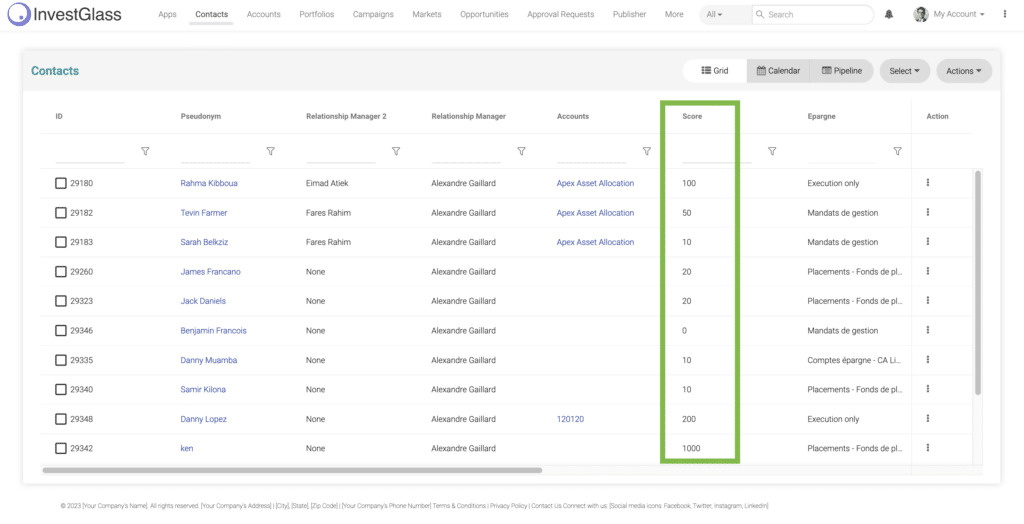
API gateways and integration platforms ensure that new services can be consumed by web and mobile apps without exposing mainframe complexity. A bank might add a new digital onboarding journey with InvestGlass while account opening on the core remains unchanged, demonstrating immediate value without legacy disruption.
Step 4 Run Legacy And Modern Components In Parallel
Parallel run means the new service operates alongside the old one, receiving the same transactions so outputs can be compared before cutover. This technique builds confidence among operations staff and supervisors who naturally fear instability during modernization.
Techniques for safe parallel operation:
- Feature toggles that allow instant rollback
- Canary releases that expose new features to a small user subset first
- Progressive client migration that reduces the blast radius of any issue
- Real time reconciliation between new and old systems
- Detailed audit trails for internal and external auditors
Running parallel for several weeks or even full reporting cycles before decommissioning legacy components ensures that the new solution performs as expected under real world conditions.
Step 5 Treat Data Migration As A Dedicated Engineering Programme
Data migration should be planned as carefully as a new system implementation, with its own budget, test cycles, and sign off gates. This is the most sensitive phase of any modernization effort because it directly affects data integrity and regulatory compliance.
Data migration steps:
Phase | Activities |
|---|---|
Inventory | Document all source data systems and formats |
Quality assessment | Identify data issues requiring remediation |
Schema mapping | Define transformations to new data models |
Dry runs | Execute multiple rehearsal migrations |
Reconciliation | Validate migrated data against source |
Regulatory needs such as preserving historical records for five to ten years depending on jurisdiction must be addressed. Modern techniques like change data capture keep legacy and new stores aligned during long running migrations, reducing risk of data loss.
Step 6 Prepare For Cloud Ready Or Sovereign Ready Operation
Even when a bank decides to keep core workloads on premise, applications can be built in a cloud ready style using containers, infrastructure as code, and automated deployment pipelines. This approach improves resilience and operational efficiency regardless of where systems physically run.
Key considerations for cloud and sovereign readiness:
- Data residency requirements in Europe and Switzerland
- Private cloud in Swiss data centers for sensitive workloads
- Non critical workloads like sandbox analytics as cloud adoption candidates
- Active active availability zones for improved resilience
- Automated scaling to handle demand spikes
InvestGlass hosting options in Switzerland demonstrate how banks can combine modern architecture with strict data protection, enabling cloud computing benefits without compromising Swiss data sovereignty.
Step 7 Embed Security, Compliance And Auditability From Day One
Security must be engineered into every new component with strong authentication, encryption of data at rest and in transit, and fine grained access control. This is not optional in a heavily regulated environment where regulatory compliance determines market access.
Essential security and compliance controls:
- Strong multi factor authentication
- Encryption meeting current standards
- Fine grained role based access control
- Continuous monitoring and SIEM tools
- Automated compliance checks
Specific regulatory frameworks such as GDPR, FINMA circulars, and PSD2 influence design of logging, consent management, and transaction monitoring. Audit trails for client communications, portfolio changes, and onboarding decisions can be captured directly in platforms like InvestGlass to assist regulators and internal auditors.
Step 8 Train Teams And Operationalize Continuous Change
Relationship managers, branch staff, back office teams, and compliance officers all need training on new portals, workflows, and dashboards. The human side of modernization often determines whether technological advancements translate into actual business value.
Effective training approaches:
- Phased training programmes aligned with rollout schedules
- E learning modules for self paced skill building
- Pilot branches or teams for early testing and feedback
- Champions who help peers adapt to new tools
- Updated runbooks reflecting hybrid stacks
A culture of continuous improvement and regular retrospectives after each release sustains momentum and prevents regression to old manual workarounds. Staff confidence directly correlates with programme success.
Technology Building Blocks For Modern Banking Architectures
Modern banking systems rely on a consistent set of technology building blocks that work together to deliver flexibility, scalability, and resilience. These components interact with legacy cores through integration platforms, queues, and data virtualization layers.
InvestGlass sits alongside these components by acting as the central client and process hub, orchestrating onboarding, KYC, and portfolio workflows while connecting to the underlying banking infrastructure.
APIs And Microservices As The New Integration Fabric
Application programming interfaces have become the primary way to expose specific banking functions such as account data, payment initiation, or portfolio views to internal and external applications. This represents a fundamental shift from the proprietary protocols used by legacy platforms.
Microservices are small, independently deployable services focused on specific business capabilities like payment authorisation or KYC checks. Banks use API gateways to secure and manage access, and standards such as Open Banking APIs in Europe drive interoperability across the financial industry.
Benefits for banks:
- Legacy cores can be wrapped by service layers
- New digital portals communicate through modern JSON based APIs
- Mobile banking features like real time balance updates become possible
- Investment dashboards can pull data from multiple sources seamlessly
Data Platforms And Real Time Analytics
The move from nightly batch based reporting to near real time analytics represents a significant shift in how banks leverage data. Data lakes, lakehouses, and streaming platforms enable insights that were previously impossible with siloed legacy databases.
Capabilities enabled by modern data platforms:
Capability | Business Impact |
|---|---|
Advanced risk models | Better risk management decisions |
Compliance monitoring | Proactive regulatory adherence |
Personalised marketing | Higher customer satisfaction |
Automated regulatory reporting | Reduced manual effort |
InvestGlass can consume and enrich such data to provide relationship managers with a complete view of client portfolios, interactions, and compliance status. A private bank might use daily portfolio analytics to trigger proactive advisory calls on concentrated positions, demonstrating how data drives better client outcomes.
Cloud, Private Cloud And Sovereign Hosting
Understanding the differences between public cloud, private cloud, and sovereign cloud is essential for making informed architecture decisions. Banks often prefer private or sovereign options for sensitive workloads, especially given regulatory scrutiny around data location.
From 2020 onwards, regulators in Switzerland and the European Union issued guidance clarifying how cloud providers must handle banking data. This increased comfort with cloud adoption under strict conditions while reinforcing the importance of data sovereignty.
Decision criteria for hosting choices:
- Data location and jurisdictional requirements
- Latency requirements for real time banking services
- Resilience and disaster recovery needs
- Vendor concentration risk
InvestGlass offers hosting in Swiss data centers as well as on premise deployments, giving banks a concrete way to meet data sovereignty expectations while modernizing. This flexibility is critical for institutions that differentiate on Swiss based confidentiality and control.
Low Code Automation And Workflow Engines
Low code tools and workflow engines allow banks to digitize and automate business processes like onboarding, KYC review, loan approvals, and investment suitability checks without extensive custom coding. This reduces dependence on scarce development resources.
Typical low code use cases:
- Digital onboarding form configuration
- KYC decision rule adjustments
- Approval workflow modifications
- Document collection automation
- E signature integration
InvestGlass includes no code and low code workflow capabilities that orchestrate identity verification, document collection, risk scoring, and e signature within a single client journey. A wealth manager could reduce account opening time from days to hours by automating these previously manual processes.
Modernizing Client Lifecycle And CRM Around The Core
Modern client lifecycle management is one of the fastest modernization wins because it directly improves revenue, customer satisfaction, and regulatory compliance while largely leaving the core accounting untouched. In many banks, CRM data, onboarding processes, and portfolio information are scattered across spreadsheets, email, legacy front office tools, and manual checklists.
A unified CRM and automation platform creates a single view of the client and orchestrates all interactions from first contact to ongoing portfolio reviews. InvestGlass was specifically built for financial institutions and can replace fragmented tools with an integrated stack for onboarding, KYC, portfolio management, marketing, and client portals.
Digital Onboarding And KYC As The New Front Door
Digital onboarding allows clients to start relationships remotely using web or mobile journeys, uploading documents, answering suitability questions, and signing agreements electronically. This capability has shifted from nice to have to essential for traditional banks competing with neobanks.
Regulatory frameworks such as KYC, anti money laundering rules, and suitability obligations for investment products must be embedded into these journeys. InvestGlass workflows guide clients and advisers through data capture, screening, risk scoring, and approvals while storing evidence and audit trails in Switzerland or on premise.
Quantitative improvements banks can expect:
Metric | Typical Improvement |
|---|---|
Onboarding time | Several days to less than one day |
NIGO rates | Significant reduction |
Manual touchpoints | 50% or greater reduction |
Compliance documentation | 100% automated capture |
Digital onboarding represents a visible modernization success for both clients and staff, making it a powerful early initiative that builds momentum for broader transformation.
CRM For Banks And Wealth Managers
Generic CRM tools often lack suitability for regulated environments, missing capabilities for tracking investment preferences, risk profiles, and regulatory interactions. A banking specific CRM addresses these gaps while supporting operational efficiency improvements.
InvestGlass combines contact management, opportunity tracking, compliance flags, and portfolio views in a single interface. Banks can configure segmentation, scoring, and review cadences in line with internal policies and regulatory expectations rather than forcing manual workarounds.
Integration capabilities that matter:
- Real time balances from core systems
- Holdings and transaction data from custodians
- Pending compliance tasks and deadlines
- Client communication history
A private bank in Geneva or Zurich can align CRM workflows with both MiFID II and local suitability rules using such a platform, ensuring consistent advisor behaviour across the organization.
Portfolio Management And Advisory Automation
In many wealth and private banks, portfolio data lives in separate core investment systems or spreadsheets, making it difficult to deliver consistent advisory processes and reporting. Integrated portfolio management addresses this fragmentation.
InvestGlass can centralize holdings, performance, model portfolios, and rebalancing while connecting to the bank core or custodian as a golden source for positions. Advisory workflows automate suitability checks, scenario analysis, and periodic reviews, generating client ready reports through templates instead of manual assembly.
Tangible results include:
- Faster preparation for client meetings
- More time for advisers to focus on high value conversations
- Complete audit trail for all advice and portfolio changes
- Reduced operational risk from manual errors
Marketing Automation And Client Portals
Modern banks use marketing automation to run compliant, segmented campaigns that respect communication preferences and investor classifications. This capability enhances customer experience while supporting regulatory requirements around suitable communications.
InvestGlass can trigger campaigns based on portfolio events, life events, or onboarding stages, helping banks deliver timely and relevant messages. Client portals and mobile interfaces allow end clients to review their portfolios, documents, and messages, and to submit requests securely without email.
Portals can be branded for specific business lines or external partners, supporting networks of independent advisers or external asset managers with appropriate permission controls. This flexibility transforms client engagement from reactive to proactive.
Risk Management, Compliance And Data Sovereignty In Modernization
Regulators in Switzerland, the European Union, and other regions increasingly scrutinize technology risk, outsourcing, and data protection in bank modernization projects. However, modernization is actually an opportunity to strengthen compliance and risk management controls through better data, automation, and audit trails.
Data sovereignty is especially important for Swiss institutions that prefer or are required to keep client data within national borders under specific supervisory rules. Getting architecture decisions right from the start prevents costly remediation later.
Regulatory Expectations For Technology And Outsourcing
Supervisors such as FINMA and European central banks have published circulars and guidelines on resilience, outsourcing, and cloud usage since around 2018. Banks must demonstrate understanding of their supply chain, including data location, subcontractors, and security responsibilities.
Regulatory requirements to address:
Requirement | Evidence Needed |
|---|---|
Supply chain transparency | Documented vendor relationships |
Business continuity | Tested recovery plans |
Exit strategies | Contractual arrangements for vendor termination |
Data residency | Clear documentation of data locations |
Audit trails | Comprehensive logging and retention |
Choosing platforms with clear data residency, full audit trails, and configurable retention policies makes it easier to answer regulator questions during on site inspections.
Swiss Data Sovereignty And On Premise Options
Swiss data sovereignty means keeping client data in Swiss jurisdiction for privacy, strategic, and reputational reasons. This is especially relevant for independent asset managers, family offices, and cantonal banks who differentiate on Swiss based confidentiality and control.
InvestGlass addresses this directly with hosting in Swiss data centers and the option for on premise deployment in the client’s own technology infrastructure. This model allows institutions to modernize digital onboarding, CRM, portfolio management, and client portals without moving sensitive financial data to foreign cloud regions.
Importantly, sovereign hosting does not mean giving up automation or machine learning capabilities. Models can still run inside Swiss environments, and banks gain the benefits of modern technologies while maintaining complete data control.
Automated Compliance Workflows And RegTech Integration
Modernization enables automated checks for KYC, AML, sanctions screening, transaction monitoring, and suitability by connecting to internal rule engines and external RegTech providers. This automation transforms compliance from a manual burden into a streamlined process.
InvestGlass orchestrates these checks in a consistent, auditable workflow, capturing decisions, rationales, and approvals for each client and transaction. Integrations with specialist vendors for screening or risk scoring can be achieved through APIs while keeping client master data within sovereign boundaries.
Benefits for compliance teams:
- Dashboard based oversight replaces spreadsheet tracking
- Alerts, queues, and aging metrics provide visibility
- Reduced regulatory risk through consistent processes
- Lower staff fatigue supporting better quality decisions
How InvestGlass Supports Legacy System Modernization
InvestGlass is designed to complement and modernize around existing bank cores rather than replace them. The platform is a Swiss sovereign CRM and automation solution that combines digital onboarding, KYC, portfolio management, marketing automation, document management, and a client portal in one ecosystem.
InvestGlass integrates through APIs or secure file interfaces to legacy systems, acting as a modern engagement and process layer while the core books and records remain stable. This positioning makes it an ideal partner for banks seeking digital transformation without the risks of full system replacement.
Integration Patterns With Legacy Cores And Custodians
InvestGlass connects to mainframe based cores, portfolio accounting systems, and external custodians using APIs, secure file exchange, or message queues depending on the bank’s environment.
Typical data flows:
Direction | Data Type | Purpose |
|---|---|---|
Inbound | Daily positions and transactions | Portfolio views and analytics |
Inbound | Static client data | CRM enrichment |
Outbound | New account requests | Account opening automation |
Outbound | Updated client data | Core system synchronization |
The platform supports multi custodian architectures common among independent asset managers and external asset managers in Switzerland and Europe. Integration is typically phased, starting with view only data and progressing to full bidirectional workflows once confidence is established.
Typical Implementation Journey With InvestGlass
A realistic implementation timeline spans three to six months for an initial deployment covering onboarding, CRM, and basic reporting, followed by further waves for advanced portfolio features and automation.
Project stages:
- Discovery and requirements gathering
- Configuration workshops to align platform to processes
- Integration setup with existing systems
- User training for all affected staff
- Pilot launch with selected business unit
- Wider roll out across the organization
Because InvestGlass is configurable rather than custom coded, many changes such as new forms, workflows, and reports can be delivered without long development cycles. Banks can start with one business unit and gradually extend to other segments and geographies. One European private bank reduced manual onboarding steps by more than half after the first implementation phase.
Business Outcomes Achieved By Clients
Clients commonly achieve concrete, quantifiable outcomes through InvestGlass implementation:
Operational improvements:
- Shorter onboarding times from days to hours
- Fewer manual touchpoints in client processes
- Improved data quality across client records
- Higher relationship manager productivity
Compliance benefits:
- More consistent KYC files with complete documentation
- Automated reminders for periodic reviews
- Auditable records stored in Switzerland
Client engagement gains:
- Higher adoption of portals by end clients
- Better response to targeted campaigns
- More timely portfolio reviews and communications
Internal collaboration improves as advisers, compliance, and operations teams share the same up to date view of each client within InvestGlass.
Continuous Improvement And Future Proofing After Modernization
Modernization is not a one off project but an ongoing process of refinement. Regulations, client expectations, and technological trends continue to evolve through the late twenty twenties, and banks must build capabilities for continuous adaptation.
Once a bank has a modern engagement and data layer, it can iterate rapidly on customer journeys, products, and analytics without revisiting core migration decisions every year. Platforms like InvestGlass support such continuous evolution through configuration tools, regular feature updates, and close alignment with regulatory trends.
Banks should think in horizons: what will improve in the next year, next three years, and next decade.
Defining And Tracking Modernization Success Metrics
Banks should monitor key performance indicators after each modernization wave to ensure investments deliver expected returns and identify areas for further improvement.
Recommended metrics:
Category | Key Performance Indicators |
|---|---|
System health | Uptime, incident frequency |
Process efficiency | Onboarding cycle time, STP rates |
Client impact | Customer satisfaction, NPS scores |
Operations | Manual handoffs, compliance check time |
Business | New product launch speed, revenue growth |
InvestGlass provides many of these metrics natively for processes it orchestrates, making it easier to measure impact without heavy reporting projects. Banks should select a focused set of metrics aligned with strategic goals rather than tracking everything.
Preparing For AI And Advanced Personalization
Once data and internal processes are centralized, banks can safely experiment with AI for tasks such as document analysis, next best action suggestions, and predictive risk alerts. Machine learning opens new possibilities for enhancing customer satisfaction and improving operational efficiency.
Considerations for AI adoption:
- Regulatory expectations around explainability
- Human oversight requirements for client affecting decisions
- Internal guidelines and ethical principles for AI use
- Data quality foundations required for reliable models
InvestGlass incorporates AI driven tools in a controlled manner, for example suggesting follow up actions for advisers based on client behaviour while leaving final decisions to humans. AI success depends on the solid data and process foundations described throughout this article, making modernization a prerequisite for advanced capabilities.
Frequently Asked Questions About Modernizing Legacy Banking Systems
How long does a typical legacy banking system modernization take
Timelines vary based on scope and approach, but many banks run modernization programmes in phases over two to five years. Visible wins such as digital onboarding or CRM improvements can be delivered in the first six to twelve months. Full core replacement often takes several years, while creating a modern engagement and process layer around the existing core can be much faster and carries less risk. InvestGlass projects for onboarding, CRM, and portal capabilities commonly deliver initial production use within a few months, depending on integration scope and internal resources. Starting with well scoped phases helps maintain momentum and stakeholder support throughout longer transformation journeys.
How can banks estimate the cost of modernizing their legacy systems
Cost estimation should consider multiple dimensions including software licenses or subscriptions, integration work, internal staff time, training, data migration, and potential decommissioning savings. Banks should begin with a discovery phase to map current systems and processes, which supports more accurate budget forecasts based on chosen modernization strategies. Using configurable SaaS platforms like InvestGlass for client lifecycle functions reduces custom development costs compared to building everything in house. Banks should also model long term operational savings from reduced manual work, lower maintenance on legacy technology, and fewer incidents. Modernization should be treated as a significant investment with payback over three to seven years rather than a one time expense.
Is it possible to modernize legacy banking systems without moving to public cloud
Yes, banks can modernize while keeping sensitive workloads in private data centers or sovereign clouds, as long as architectures adopt modern practices like APIs, microservices, and automation. Many European and Swiss institutions choose a hybrid model, with client facing platforms and analytics in private or sovereign clouds and cores running on premise or in tightly controlled environments. InvestGlass supports both Swiss hosted SaaS and full on premise deployment, enabling modernization even for institutions with strict cloud policies. The key is separating architecture modernization from cloud provider choice, treating them as related but distinct decisions.
How do we manage change with staff and clients during modernization
Successful modernization programmes include structured change management covering communication, training, support, and feedback loops for both employees and clients. Practical actions include involving frontline staff in design workshops, providing early access to new tools, and appointing champions who help peers adapt. Banks should communicate clearly with clients about new portals or onboarding experiences, offering parallel old and new channels for a transition period when necessary. Platforms like InvestGlass provide intuitive interfaces and configurable workflows, which reduce training effort compared to multiple legacy systems. Measuring adoption rates and satisfaction among staff and clients helps identify areas needing extra support.
Where should a bank start if modernization feels overwhelming
Banks should start with a focused assessment of client journeys and regulatory pain points, then select one or two high impact areas such as onboarding, CRM, or a specific product line for an initial project. Partnering with experienced vendors who understand regulated environments can accelerate this first step and reduce uncertainty. Implementing a modern engagement layer like InvestGlass often provides a strong foundation by improving data quality, process visibility, and integration readiness for later phases. Small, visible successes build confidence and support, making it easier to tackle deeper core modernization over time. The goal is translating strategic ambitions into a clear, phased modernization plan that balances risk, value, and regulatory commitments.

