
A request for proposal for IT services helps you outline project requirements and invites vendors to submit bids. This article will guide you on creating an effective RFP and provide a free template.
Key Takeaways
- A Request for Proposal (RFP) is essential for IT services procurement, promoting transparency and competition among multiple vendors.
- Key components of an effective RFP include a clear project overview, detailed technical specifications, established budget and timeline, and the inclusion of key information. Including key information helps identify suitable IT service providers and ensures the proposal process is thorough and targeted.
- Utilizing a structured evaluation process and providing constructive feedback to non-selected vendors can enhance future proposals and foster positive relationships.
Understanding the Request for Proposal (RFP) for IT Services
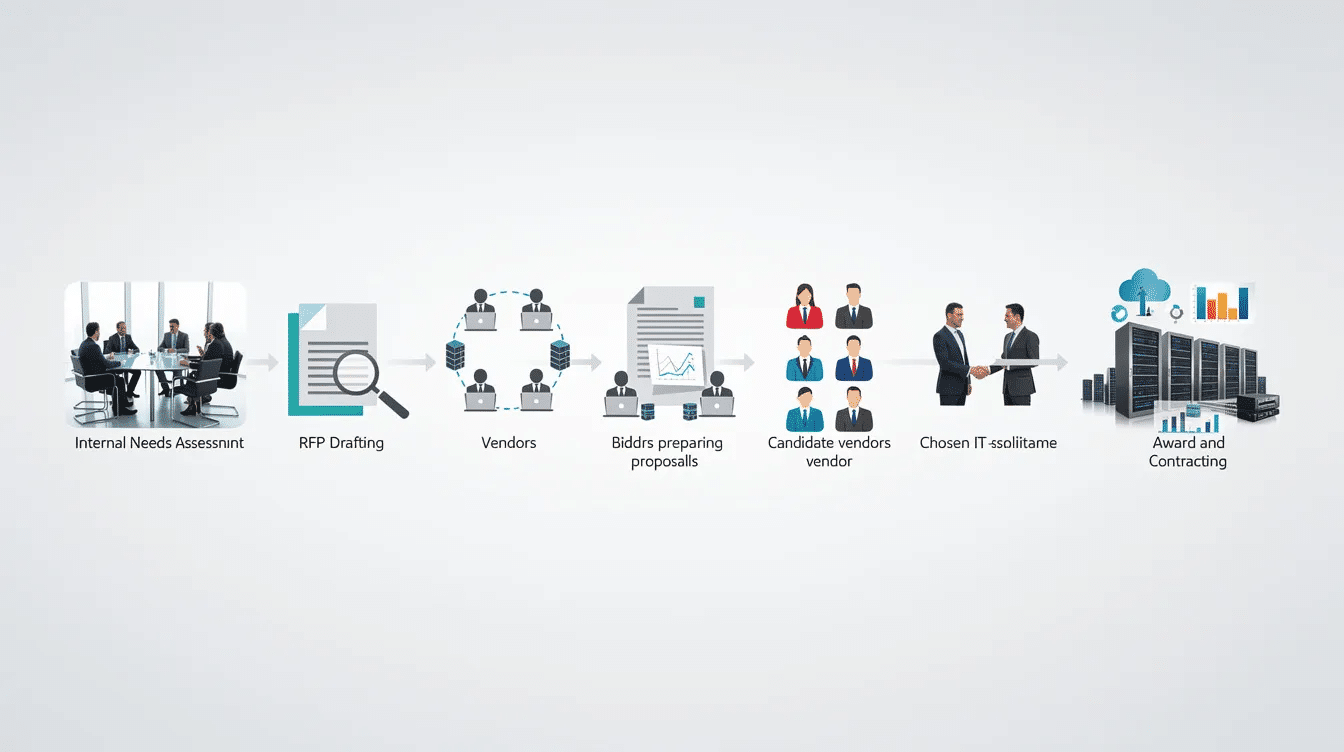
A Request for Proposal (RFP) is a business document in the realm of IT services procurement that facilitates formal communication with vendors. It outlines the specific requirements for a project and invites vendors to submit their proposals. The primary purpose of an RFP is to encourage potential partners to submit bids, allowing for a comprehensive comparison of solutions. An RFP provides a formal invitation, giving all interested vendors equal access to information and fostering a level playing field.
The RFP process is instrumental in broadening the pool of potential vendors, exposing projects to both familiar and unknown companies. This exposure is crucial for addressing complex requirements and facilitating detailed comparisons between different vendors. Moreover, issuing an RFP helps organizations connect with suitable vendors and partners, facilitating collaboration and procurement. An RFP also promotes fairness and transparency in vendor selection by clearly outlining the selection process.
Before diving into the specifics of an IT services proposal, it is imperative to understand the client’s or project’s requirements thoroughly. This understanding forms the foundation of a good RFP, ensuring that all service requirements and requests are met effectively.
When to Use an RFP for IT Services
An RFP becomes essential for complex projects within the IT services domain. A managed service provider (MSP) is a company that specializes in delivering managed IT services and can help organizations navigate the RFP process by leveraging their expertise in handling diverse IT needs and requirements. These projects often require detailed specifications and a structured approach to vendor engagement. An RFP streamlines the process of soliciting multiple vendor proposals, ensuring all project aspects are thoroughly considered and documented.
Utilizing an RFP not only encourages competition among vendors but also leads to better project outcomes. When vendors compete, they are motivated to offer their best solutions at competitive prices, ultimately benefiting the project.
Benefits of an RFP for IT Services
The competitive environment fostered by an RFP often results in better pricing and innovative solutions from vendors. RFPs encourage competitive bidding by allowing multiple vendors to bid against each other, which can lead to significant cost savings and a better price.
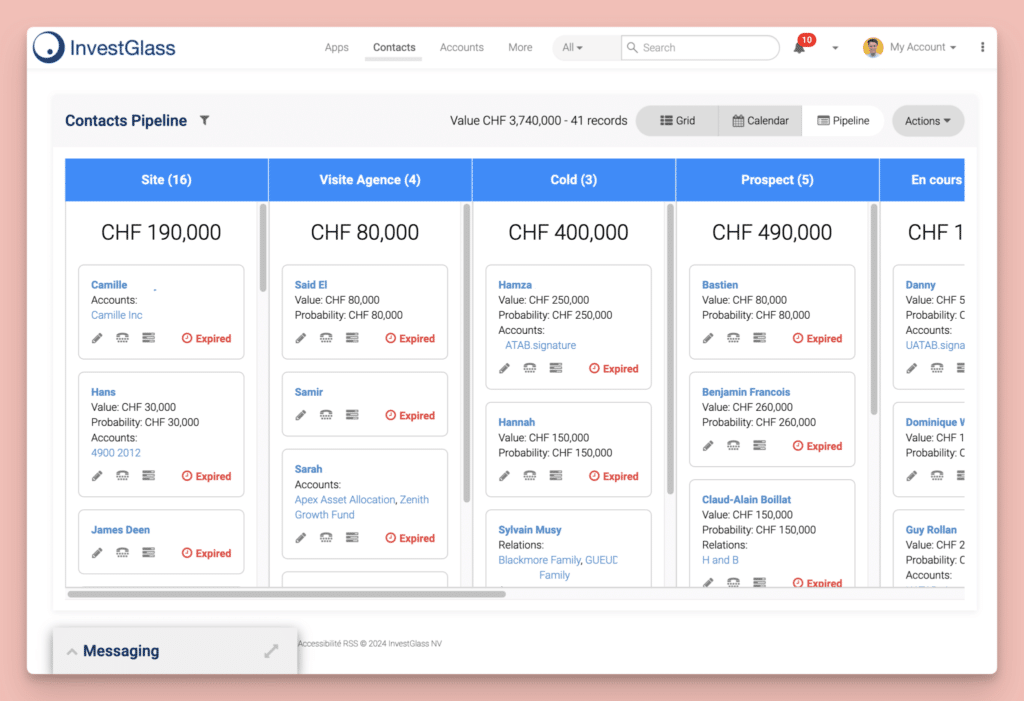
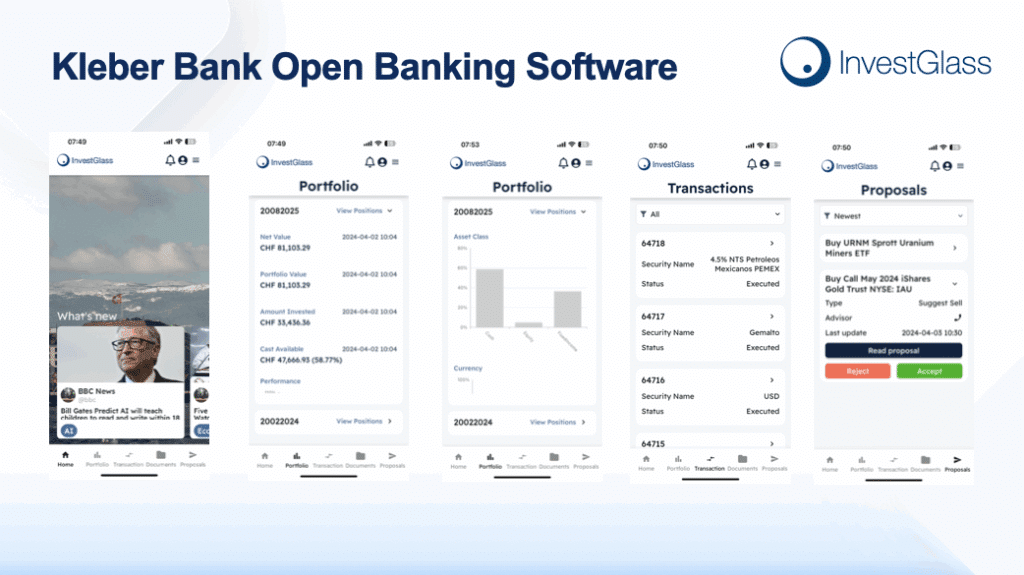
Leveraging available resources and support, such as the comprehensive knowledge base and expert guidance offered by platforms like InvestGlass, can streamline the RFP process and help ensure project success.
An RFP also enhances the understanding of project needs, providing a structured framework for evaluating proposals. This structure ensures accountability and transparency in vendor selection, making it easier to compare different proposals and choose the best fit.
Key Components of an Effective IT Services RFP
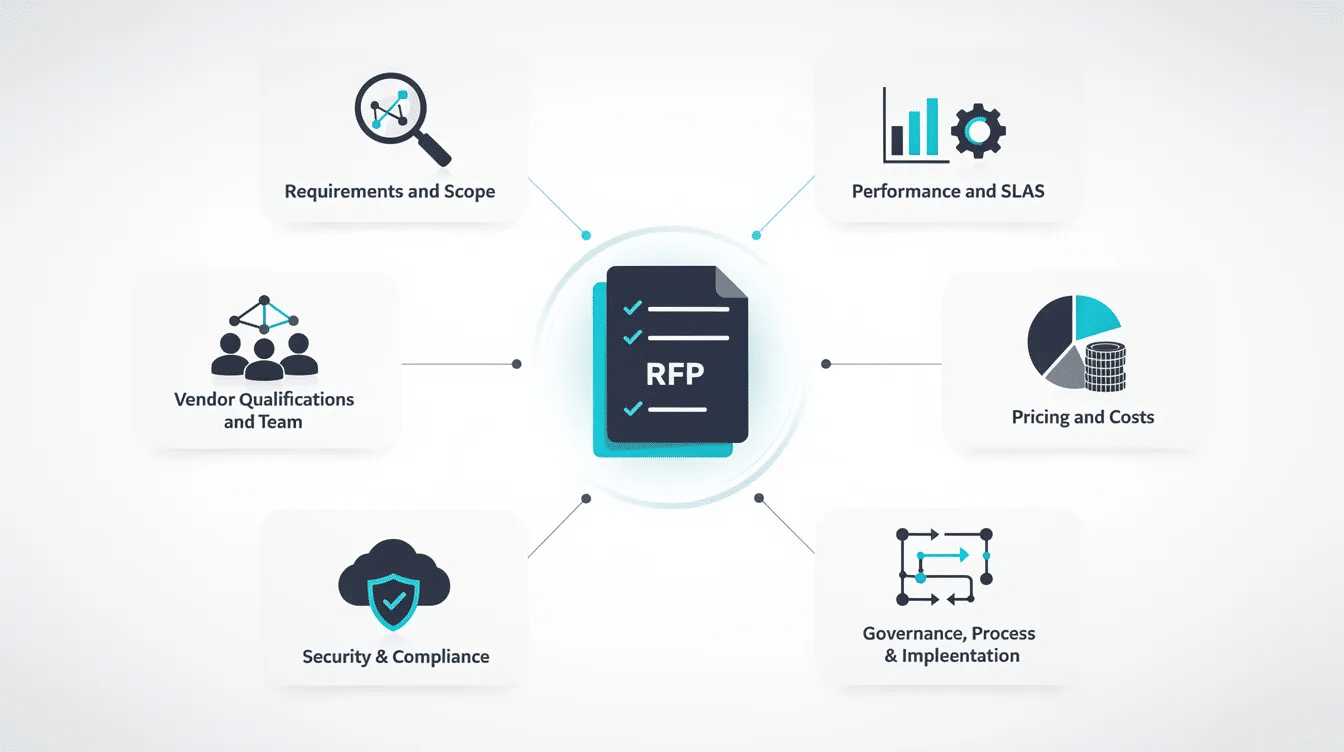
Crafting an effective RFP involves outlining several key elements that ensure clarity and thoroughness. These components typically include a company background, IT requirements, and evaluation criteria. Including specific questions in your RFP is crucial, as targeted inquiries help elicit detailed responses from vendors and clarify expectations. A well-structured RFP not only clarifies your IT needs but also improves communication with potential vendors.
These elements can lead to higher-quality submissions and a more efficient selection process. Using a proposal template from reliable sources such as InvestGlass helps ensure that all necessary information is included, avoiding confusion during vendor selection. Additionally, incorporating visual elements can significantly improve comprehension, making complex information more accessible. A comprehensive IT RFP should include sections such as an executive summary, scope of work, technical requirements, compliance and security standards, project timeline, budget range, and evaluation criteria.
Project Overview
A concise project overview is critical for helping vendors understand the intended outcomes and tailor their proposals accordingly. During the discovery and planning phases, it is essential to identify and emphasize priority needs or critical factors to ensure successful project outcomes. This section should outline the client’s challenges and needs, providing background information, an assessment of current issues, and specific examples to build a strong case for intervention, including an executive summary.
The scope of work should include a checklist of:
- Specific systems
- Tools
- Materials
- Essential components necessary for fulfilling the project requirements
Clearly outlining project needs ensures clarity for prospective vendors.
Technical Requirements
Detailed technical specifications are crucial for ensuring that vendors grasp the project’s specific needs and requirements. Clear technical specifications allow for a precise understanding of project goals and constraints, ultimately enhancing the quality of vendor proposals.
Clearly delineating project requirements helps vendors develop accurate bids, aligning better with the project’s goals. This clarity is essential for receiving high-quality proposals that meet the project’s technical needs.
Budget and Timeline
Specifying a budget in the RFP helps vendors tailor their proposals to the spending limits of the organization. Clearly outlining budget parameters ensures that vendor proposals align with the financial capabilities of the organization.
A timeline helps eliminate vendors unable to meet deadlines, ensuring the project’s pace is maintained. Transparency is key, so include caveats in the timeline section based on assumptions or known unknowns.
Crafting Your IT Services RFP
Crafting a comprehensive RFP requires collaboration among a diverse team, including procurement experts and end-users. This collaborative method guarantees that every aspect of the project is taken into account, resulting in a more comprehensive and effective RFP.
A systematic evaluation process helps identify the proposal that offers the greatest value for the project requirements. This step is crucial for ensuring that the selected vendor meets all the project goals.
Gathering Information from Key Stakeholders
The first step in the RFP process is the discovery phase. This phase involves key stakeholders. Gathering technical requirements, budget constraints, and timeline expectations from stakeholders ensures that the RFP addresses all critical aspects of the project.
Effective project collaboration requires taking into account the inputs of all stakeholders. It is essential to ensure that everyone’s viewpoints are considered. Planning stakeholder communicate involves providing the right information at the right time to facilitate understanding.
Drafting the RFP Document
Choosing a template foundation is the first step in drafting the RFP document. Key sections to include are the scope of work, requirements, evaluation criteria, and submission instructions.
Draft clear, concise content focused on specific requirements and expectations. Organizing the sections logically ensures clarity and readability, making the RFP more effective.
Finalizing and Issuing the RFP
Reviewing and editing the RFP document for accuracy and clarity is essential after drafting. Clear timelines and submission instructions guide vendors in their proposal submission, ensuring a smooth process.
During the RFP submission period, clarifying vendors’ questions ensures all parties have a shared understanding.
Evaluating IT Services Proposals
Evaluating IT services proposals involves using a scoring sheet to assess each proposal based on its alignment with project requirements. A scoring matrix can be particularly useful for evaluating and shortlisting vendor proposals effectively.
Structured evaluation criteria help eliminate bias in the assessment process, ensuring a fair and transparent selection criteria of the best-suited vendor. Team members can conduct independent reviews and then engage in group discussions about their scoring criteria and observations.
Establishing Evaluation Criteria
Establishing clear evaluation criteria is vital for ensuring fairness in the proposal evaluation process. These criteria should be directly linked to the project goals defined during the discovery phase.
Using a weighted scale allows for nuanced evaluations, giving different emphasis to criteria based on their significance for the project and various factors.
Shortlisting Vendors
The shortlisting process involves evaluating vendor proposals to determine which shortlisted vendors meet the project’s requirements. Holding off on responding to vendors until the selection process is complete ensures that the process is not time consuming and maintains clarity and organization.
An effective management approach to vendor selection ensures that only aligned and qualified vendors are considered for the project.
Conducting Vendor Interviews
Conducting vendor interviews is crucial for understanding the fit between vendor capabilities and project requirements. Establishing evaluation criteria for vendor interviews helps ensure vendors align well with project needs and organizational goals.
Gathering detailed insights during vendor interviews allows for a deeper understanding of each vendor’s capabilities and proposed solutions.
Awarding the Contract
Awarding the contract is the final stage of the RFP process, involving formalizing the agreement with the selected vendor. This stage ensures compliance with all specified terms and confirms the vendor’s capability to fulfill project obligations.
Finalizing the contract with the chosen contractors vendor formalizes the partnership, ensuring that all project requirements and implementation are met.
Selecting the Best Vendor
A structured evaluation process helps in effectively comparing proposals and aligning vendor capabilities with project requirements. Evaluating vendors includes comparing their proposals against set criteria to ensure alignment with project goals.
After the submission period ends, it is important not to engage with vendors until a final decision is reached.
Negotiating Terms and Conditions
Engaging legal and subject matter experts early in the negotiation process can streamline contract discussions. Their expertise in creating ensures that all legal and technical aspects are covered, reducing the risk of future disputes.
Including clauses that allow for flexibility, such as technology upgrades and changes in service terms, is crucial. This approach ensures that the contract aligns with both current business goals and potential future needs, making the partnership adaptable and resilient as a services provider.
Notifying Non-Selected Vendors
Maintaining transparency in the vendor selection process involves notifying non-selected vendors and explaining the decision. This practice not only upholds professional integrity but also fosters support for positive relationships for future opportunities.
Providing constructive feedback to non-selected vendors can enhance their future proposals and strengthen business relationships. Clear communication and professional courtesy ensure that the procurement process remains respectful and mutually beneficial.
Tips for Writing a Successful IT Services RFP
A well-crafted RFP sets clear expectations and attracts qualified vendors, ensuring alignment with project objectives. Focusing on clarity and conciseness streamlines the vendor selection process and saves valuable time.
Providing constructive feedback to non-selected vendors can enhance relationships and improve future proposals. Timely communication with vendors who were not selected is crucial for maintaining professional relationships and operational transparency.
Be Clear and Concise
Ensuring clarity in the RFP document helps prospective vendors fully understand project requirements and goals. Key components for clarity include a well-defined project overview, specific technical requirements, and clearly stated budget and timeline.
To maintain brevity, focus on essential information and avoid unnecessary jargon or lengthy descriptions when drafting the RFP. Incorporating visual aids such as charts and data timelines can enhance understanding and engagement in the RFP, so be sure to write clearly.
Use Visual Aids
Incorporating visuals in an RFP helps to convey information more effectively and keeps the document engaging. Different types of visuals, such as infographics and charts, can simplify complex information for better understanding. Timelines and charts can aid in illustrating project phases and expectations clearly.
A clear visual hierarchy in RFPs can guide the reader’s focus and enhance comprehension.
Include Contact Information
The contact information section of the RFP should include clear communication channels and contact details for multiple team members. Providing clear communication channels allows prospective vendors to easily ask questions and seek clarifications regarding the RFP.
Including detail contact information ensures that any uncertainties can be addressed promptly, supporting clarity and efficiency in the procurement process and providing critical information.
Free IT Services RFP Template
To aid you in crafting a comprehensive RFP, we offer free, easy-to-use RFP templates. These templates:
- Are business documents designed to solicit detailed proposals from vendors
- Can be customized to suit specific business needs
- Allow adding company branding and details
Using these templates helps organizations connect with the right vendors for their IT services projects.
Using pre-made RFP templates can significantly reduce the time needed to create proposals and help you receive proposals more efficiently. These templates ensure consistency in proposal format, making it easier to compare submissions and select the best vendor.
Take advantage of our free RFP templates to streamline your procurement process and attract the right vendors for your own rfp IT services projects.
Summary
In summary, a well-crafted RFP is pivotal in the IT services procurement process. Including key information, such as project overview, technical requirements, budget, and timeline, is essential for clarity and effectiveness, helping you identify suitable IT service providers and ensuring the proposal process is thorough and targeted.
By utilizing our free RFP template, leveraging available resources like InvestGlass, and adhering to the tips provided, you can streamline your RFP process, foster transparency, and build strong vendor relationships. Embrace these practices to enhance your procurement strategy and ensure successful project outcomes.
Frequently Asked Questions
What is the main purpose of an RFP in IT services?
The main purpose of an RFP in IT services is to clearly define project requirements and solicit proposals from vendors, which promotes transparency and encourages competitive bidding.
When should I use an RFP for IT services?
An RFP should be utilized for complex IT projects when detailed specifications are necessary and a structured approach to vendor engagement is required. This ensures clarity and facilitates effective evaluation of potential service providers.
What are the key components of an effective IT services RFP?
An effective IT services RFP must include a detailed project overview, clearly defined technical requirements, budget considerations, and a realistic timeline. These components are essential for ensuring clarity and comprehensiveness in your request for proposals.
How can I ensure clarity in my RFP document?
To ensure clarity in your RFP document, concentrate on essential information, eliminate unnecessary jargon, and incorporate visual aids like charts and timelines. This approach will enhance understanding and communication.
What should I include in the contact information section of an RFP?
Include the names, roles, email addresses, and phone numbers of key team members in the contact information section to facilitate clear communication and allow vendors to seek clarifications easily.


