
ChatGPT affects banking by bringing advanced ai into core banking work, changing how financial institutions handle fraud detection, customer service automation, personalized financial advice, and credit risk assessment. The banking industry is experiencing its most profound transformation since the advent of digital banking, with artificial intelligence reshaping every facet of financial services. Technological innovation is a driving force behind this transformation, enabling banking industries to adapt to rapid change and integrate advanced AI solutions. From fraud detection systems that process millions of transactions in milliseconds to personalized financial advice delivered through virtual assistants, ai systems are fundamentally changing how banks operate and serve customers.
This transformation isn’t happening gradually it’s accelerating at breakneck speed. In 2025, ai technologies have moved from experimental pilots to mission-critical infrastructure across financial institutions worldwide. For banking professionals, financial institutions, technology decision-makers, and other stakeholders tracking the future of financial services, the shift is now tied directly to competitiveness, efficiency, risk control, and customer growth. The impact spans every aspect of banking operations, from customer-facing applications to back-office processes that drive operational efficiency.
AIが銀行業務にどのような影響を与えるかを理解するには、日々の業務を再構築する直接的な変化と、金融サービスの未来を定義する長期的な戦略シフトの両方を検証する必要がある。銀行が競争力を維持するためには、進化する金融環境の中でイノベーション、業務効率、顧客中心主義をサポートする明確なビジネス戦略とAIの導入を整合させる必要があります。この包括的な分析では 銀行におけるai, changes in customer experience, operational efficiency, risk management, regulatory and compliance challenges, investment trends, best practices for adoption, and the emerging technologies shaping banking’s future.
銀行業務における人工知能入門
人工知能 (AI)は、銀行業務を再定義し、顧客が求める卓越した体験を提供するゲートウェイです。AIテクノロジーを採用することで、競争力を維持するだけでなく、急速に進化する今日の金融環境において、組織がより速く成長し、規模を拡大できる体制を整えることができます。高度なAIシステムをコアバンキング業務に統合することで、不正検知や信用リスク評価のような時間のかかる定型業務を自動化し、チームが真に重要な、価値ある顧客関係の構築と成長の推進に集中できるようになります。.
人工知能の導入は、単なる自動化にとどまらず、顧客とのつながり方やリスク管理の方法を変革するものです。AIモデルが膨大な顧客行動データを分析することで、個々のニーズに真に応えるパーソナライズされた金融アドバイスやテーラーメイドのソリューションを提供できます。このレベルのパーソナライゼーションは、顧客満足度を高めるだけでなく、長期的なロイヤリティを構築し、競合他社に差をつけることに貢献します。.
さらに、AIを活用したイノベーションは、プロセスを合理化し、運用コストを削減し、持続的な成長戦略をサポートすることで、一歩先を行くお手伝いをします。AIツールの高度化に伴い、これらのテクノロジーを活用することで、顧客のニーズをより深く洞察し、意思決定を最適化し、事業拡大の新たな機会を創出することができます。その AIの統合 銀行業務へのDX化はもはや選択肢ではなく、デジタル時代で成功し、卓越した顧客体験を提供する戦略的優位性なのです。.
即座のインパクト:AIは今日の銀行業務をどのように再構築するか
銀行セクターのai導入は前例のないレベルに達しており、金融機関は2023年中にaiテクノロジーに特別に$210億ドルを投資する。この巨額の投資は、金融機関全体で前年比78%の採用率増加を反映しており、aiの採用が実験段階から戦略的必須事項へと移行したことを示している。.
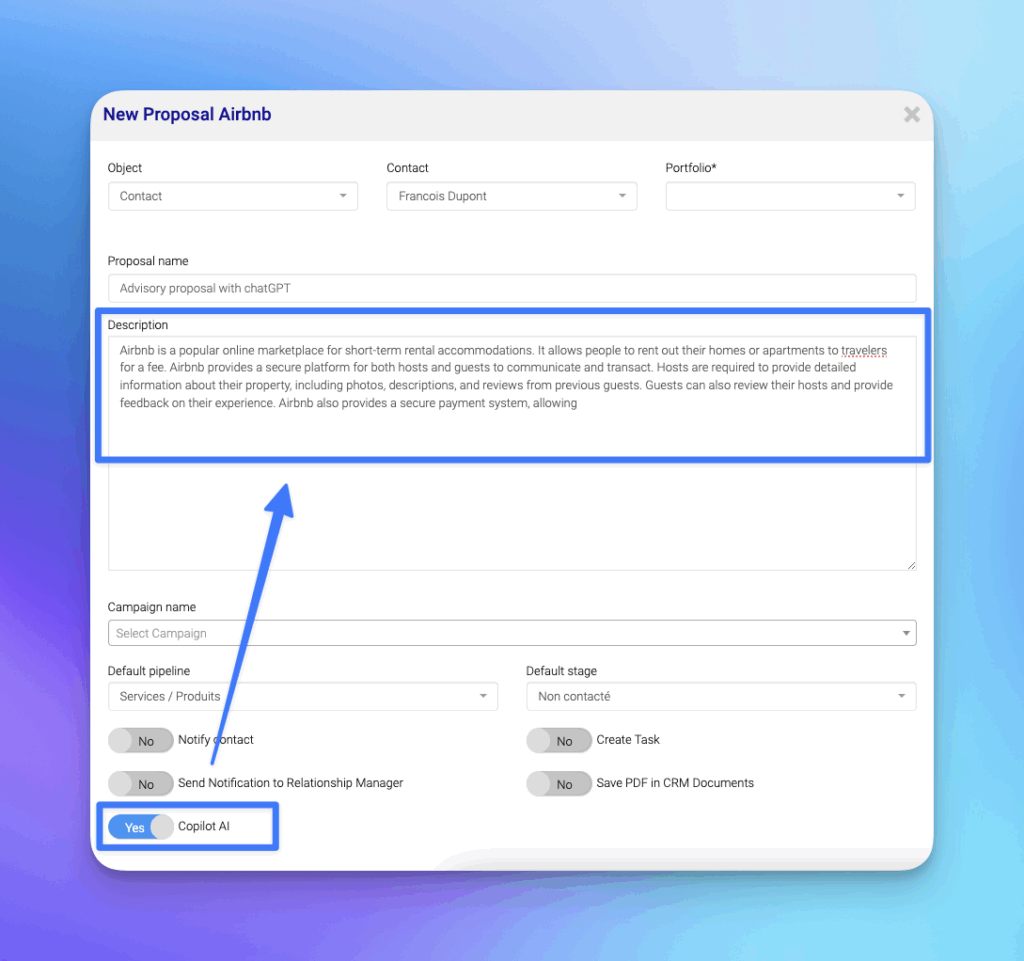
ChatGPTとInvestGlassの統合で銀行とアドバイザーを支援
The integration of AI technologies in financial institutions is driving a shift toward ai driven solutions that modernize traditional banking operations. These solutions streamline manual processes, improve decision-making, and, with emerging 銀行業務におけるエージェント型AI, help banks stay competitive in a rapidly evolving landscape.
リアルタイムの不正検知は、AIが銀行業務に即座に影響を与える最も目に見えるアプリケーションの一つである。高度なAIモデルは、取引パターン、ユーザー行動、リスク指標を分析し、数ミリ秒以内に疑わしい行動を特定します。これらのシステムは、従来の方法と比較して詐欺損失を最大40%削減すると同時に、以前は正当な取引をブロックしていた誤検知を最小限に抑えることで、顧客エクスペリエンスを向上させ、目覚ましい成果を達成している。.
この変換は次のようになる。 カスタマーサービス これらのAIツールは、自然言語による問い合わせを処理し、リアルタイムで顧客データにアクセスし、個々の口座履歴や好みに基づいてパーソナライズされた回答を提供する。これらのAIツールは、自然言語による問い合わせを処理し、リアルタイムで顧客データにアクセスし、個人の口座履歴や嗜好に基づいてパーソナライズされた回答を提供する。大手銀行の報告によると、これらのシステムは現在、基本的な顧客サービス対話の80%以上を処理し、人間の担当者は共感と高度な問題解決を必要とする複雑な問題に集中することができます。よくある質問への回答や簡単なリクエストの処理など、繰り返しの多い業務を自動化することで、担当者は顧客満足度とビジネスの成長を促進する、より価値の高い業務に集中することができます。.
おそらく最も重要なのは、自動化された信用スコアリングとローンである。 承認プロセス have revolutionized lending operations. ai algorithms analyze structured and unstructured data from multiple sources including traditional credit reports, bank transaction history, social media activity, and alternative data sources to make credit risk assessments. This comprehensive analysis cuts decision time from days to minutes, and some ChatGPT-assisted internal tasks that once took 12-15 minutes can now be completed in just a few seconds, helping to enhance efficiency in lending operations while improving accuracy in predicting repayment probability.
信用リスク評価における機械学習モデルの統合により、銀行はこれまで十分なサービスを受けられなかった人々の与信へのアクセスを拡大することができるようになった。より広範なデータセットを考慮し、人間のアンダーライターが見逃す可能性のあるパターンを特定することで、AIシステムは従来のクレジットヒストリーを持たない信用力のある借り手を特定し、リスク管理基準を維持しながら金融包摂を支援することができる。.
AI技術による顧客体験革命
The way customers interact with their banks has been completely transformed through ai capabilities, creating more personalized and efficient services that adapt to individual needs and preferences in real-time. AI enables banks to deliver personalized services by leveraging advanced data analysis and machine learning to tailor offerings, communications, and support to each customer’s unique financial situation. Modern banking apps powered by ai technologies analyze spending patterns, financial goals, and behavioral data to provide hyper-personalized recommendations that help customers make better financial decisions.
JPモルガン・チェースのような大手金融機関は、顧客の行動や市況の包括的な分析に基づき、パーソナライズされた金融アドバイスを提供するAI主導のプラットフォームを導入している。同社のバーチャル・アシスタントは、支出パターンを分析し、予算の最適化を提案し、個人のリスク・プロファイルや財務目標に合わせた投資機会を推奨することができる。.
Bank of America’s Erica virtual assistant exemplifies how ai tools have revolutionized customer interactions. This ai agent handles millions of customer requests monthly, from basic account inquiries to complex financial planning assistance. This kind of conversational banking helps customers feel understood and supported, which matters because 79% of customers expect brands to demonstrate understanding and care, especially from a trusted financial brand. Erica can predict customer needs based on transaction history, proactively alert users to unusual spending patterns, and provide insights that help customers achieve their financial goals.
As part of broader banking technology, these interfaces show how conversational banking extends beyond simple voice commands into more natural customer interactions. Customers can check account balances, transfer funds, pay bills, and receive financial insights using natural language voice commands. This technology integrates seamlessly with existing smart home ecosystems, making banking services accessible through familiar interfaces that customers already use daily.
Conversational AI also supports digital onboarding and compliance documentation.
リアルタイム・トランザクション・モニタリング aiアルゴリズムは、取引パターンを継続的に分析し、詐欺の可能性のある行為を特定し、プッシュ通知、テキストメッセージ、電子メールを通じて顧客に即座に警告を発します。このプロアクティブなアプローチは、金銭的な損失を防ぐだけでなく、顧客のセキュリティに対する銀行のコミットメントを示すことで信頼を築くことにもつながります。.
ai-driven wealth management platforms have democratized access to sophisticated investment advice previously available only to high-net-worth individuals. Robo-advisory services use advanced ai models to create and manage diversified investment portfolios based on individual risk tolerance, time horizons, and financial objectives. These platforms provide continuous AIによるポートフォリオ管理, automatic rebalancing, and tax-loss harvesting, delivering professional-grade wealth management at a fraction of traditional costs.
The personalization extends beyond investment advice to include customized product recommendations. ai systems analyze customer data to identify life events, changing financial needs, and opportunities for additional services. When a customer’s spending patterns suggest they’re planning a major purchase, the system can proactively offer relevant financing options or savings strategies, with financial education helping customers act on those recommendations confidently.
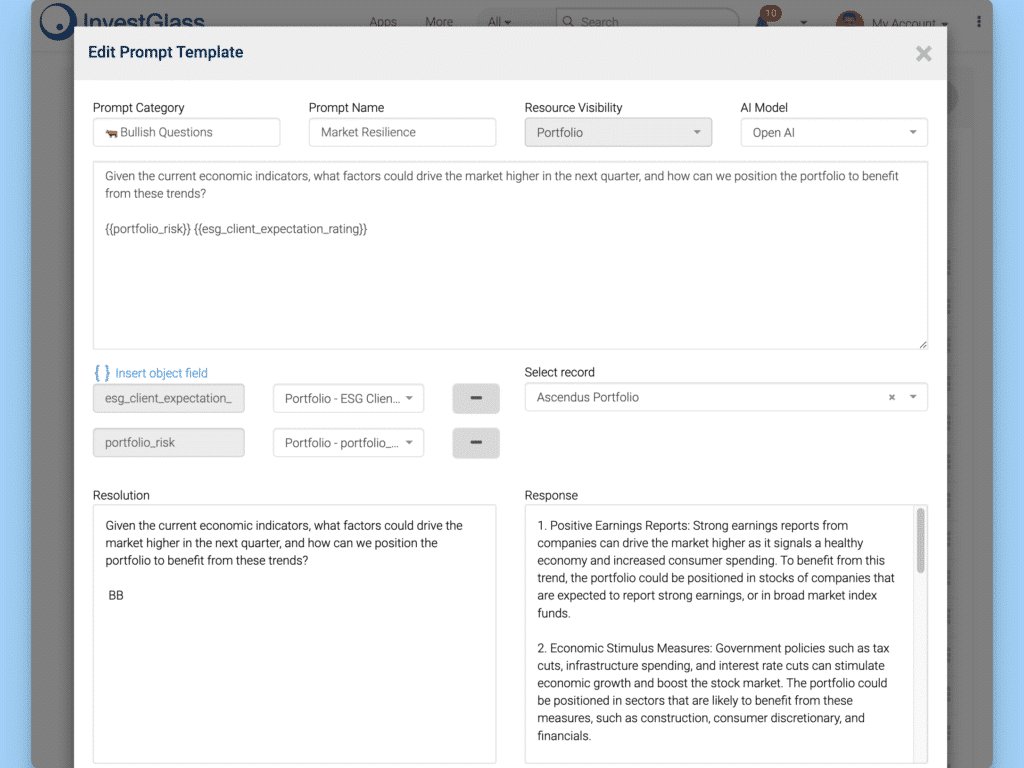
InvestGlassスマートエージェントプロンプト
業務の効率化とリスク管理の強化
Behind the scenes, ai technologies are driving unprecedented improvements in efficient services, risk management, and banking operations. 自動コンプライアンス・モニタリング は、複雑な規制要件に照らして取引、通信、ビジネスプロセスを継続的に監視することで、規制違反を60%削減する重要なアプリケーションとして浮上している。効果的なAI戦略は、今や規制遵守とリスク管理にとって不可欠であり、銀行は進化する規制と将来のトレンドに確実に適応できる。.
ai-powered document processing has eliminated manual data entry tasks that previously consumed thousands of hours of human labor. Natural language processing systems can extract relevant information from contracts, loan applications, regulatory filings, and other documents with greater accuracy and speed than human processors. This automation not only reduces costs but also minimizes errors that could lead to compliance issues or customer dissatisfaction. By automating these processes, banks reduce manual work for bank employees so teams can focus on higher-value tasks that drive growth and competitiveness.
Predictive analytics for market trends and investment opportunities represent another area where ai capabilities provide significant competitive advantages. ai models analyze vast amounts of market data, economic indicators, news sentiment, and historical patterns to identify trends and opportunities that human analysts might miss. These insights inform trading strategies, risk management decisions, and product development initiatives, and they are increasingly embedded in generative ai tools used across modern banking technology. AI also enhances a bank’s ability to monitor compliance and manage risk more effectively, improving risk mitigation and overall AIによるポートフォリオ管理. These advanced capabilities provide a competitive advantage for banks, enabling them to stay ahead of industry trends and outperform their rivals.
機械学習アルゴリズムは、複雑な取引や関係のネットワークから疑わしいパターンを特定することで、アンチマネーロンダリング(AML)検知に革命をもたらした。従来のルールベースのシステムは、手作業によるレビューが必要な多数の偽陽性を生成することが多かったが、AI駆動型システムは、はるかに高い精度で合法的な複雑な取引と実際のマネーロンダリング活動を区別することができる。.
自動化された規制当局への報告およびストレステスト機能により、以前は手作業で多大な労力を要していたコンプライアンス・プロセスが合理化されました。aiシステムは、複数のソースからのデータを集約して必要なレポートを作成し、規制当局の厳しい期限に対応しながら正確性と一貫性を確保することができます。機械学習を活用したストレス・テスト・モデルは、何千もの市場シナリオをシミュレートし、さまざまな経済状況下でのポートフォリオの回復力を評価することができます。.
リスク管理におけるAIツールの統合は、クレジットにも及んでいる。 ポートフォリオ管理, where predictive models continuously assess the likelihood of default across entire loan portfolios. These systems can identify early warning signs of borrower distress and recommend proactive interventions to minimize losses while supporting customer retention. In some banking use cases, generative AI can improve risk assessment efficiency by 27–35%.
不正検知とサイバーセキュリティの進歩
AIによる不正検知の進化は、最も洗練されたもののひとつである。 人工知能の応用 金融業界において。最新のAIシステムは、取引開始からミリ秒単位で不正なパターンを特定するために、リアルタイムで取引行動を分析します。これらのシステムは、取引金額、加盟店タイプ、地理的位置、時間帯、過去の支出パターンなど、数百の変数を同時に考慮し、驚くほど正確なリスクスコアを算出します。.
Behavioral biometric authentication has emerged as a powerful replacement for traditional password-based security systems. ai algorithms learn individual typing patterns, mouse movements, touch screen interactions, and other behavioral characteristics to create unique biometric profiles. This technology, combined with 自動本人確認, can detect account takeover attempts even when criminals have obtained legitimate login credentials, providing an additional layer of security that’s nearly impossible to replicate.
Ai-driven脅威検知システムは、ネットワーク・トラフィック、システム・ログ、ユーザーの行動を分析し、潜在的なサイバー攻撃が被害を引き起こす前に特定することで、銀行インフラを保護します。これらのシステムは、機械学習を使用してベースラインの正常な動作パターンを確立し、悪意のある活動を示す可能性のある異常値にフラグを立てます。プロアクティブなアプローチにより、セキュリティチームは脅威が深刻な侵害に拡大する前に対応することができます。.
不正防止ネットワーク強化のための組織横断的なデータ共有により、銀行が匿名化された不正指標を共有し、金融エコシステム全体を保護する共同防御システムが構築されている。aiシステムは、複数の機関にわたってパターンを分析し、新たな不正スキームを特定し、参加組織全体で防御策をリアルタイムで更新する。.
AIによる意思決定
AIは銀行の意思決定に革命をもたらし、金融機関はこれまで以上にスマートで迅速、かつ収益性の高い意思決定を行うことが可能になります。最先端のAIモデルを活用することで、銀行は膨大な顧客データ、市場トレンド、経済指標を分析し、業務のあらゆる領域でリアルタイムの意思決定を推進できます。これは単なるテクノロジーの問題ではなく、業界のリーダーと競合他社を差別化する洞察力で、あなたの機関を強化することなのです。.
このデータ主導の変革は、市場が変化したときに即座にピボットし、リスク・エクスポージャーを削減し、有利な機会が出現した瞬間にそれを捉えることができることを意味します。AIを活用した自動化により、定型的な意思決定が自動的に行われるため、貴重なチームは真のビジネス価値を生み出す複雑で戦略的な課題に取り組むことができます。その結果劇的な効率性の向上と、競合他社をバックミラーに映すような、よりスマートなリソースの割り当てが可能になります。.
AI主導の予測分析は、損益に影響が出る前にリスクと機会を発見するための水晶玉となります。顧客行動と市場シグナルを継続的にスキャンすることで、AIシステムは3歩先を予測し、戦略を積極的に調整し、永続的な価値を構築する持続可能な成長を促進します。情報に基づいたデータに基づいた意思決定を行うことで、競争優位性を向上させるだけでなく、組織の財務的な将来を確保することができます。.
今日の目まぐるしく変化する金融セクターにおいて、AIを活用した意思決定は、選択肢ではなく、不可欠なものとなっています。このテクノロジーを活用する銀行は、単に生き残るだけでなく、卓越した顧客体験を提供し、優れた機関を業界の巨人に変えるような持続的な成長を達成しています。問題は、AIへの投資をする余裕があるかどうかではなく、投資しない余裕があるかどうかです。.
AIバンキングにおける重要課題とリスク管理
aiは銀行業界に多大な機会をもたらす一方で、金融機関が責任あるaiの導入を確実にするために注意深く管理しなければならない重大な課題ももたらします。融資承認や与信判断に影響を与えるアルゴリズムの偏りは、最も深刻な懸念事項の一つであり、過去のデータに基づいて訓練されたAIモデルは、既存の差別的慣行を永続化または増幅させる可能性がある。.
Data privacy concerns with customer information processing have become increasingly complex as ai systems require access to vast amounts of personal and financial data to function effectively. Banks must balance the need for comprehensive data analysis with customer privacy expectations, data security, and regulatory requirements for data protection. The challenge is particularly acute given the sensitive nature of financial information and the potential consequences of data breaches.
Black box decision-making creates transparency issues that can undermine customer trust and regulatory compliance. Many ai models, particularly deep learning systems, operate in ways that are difficult to explain or interpret. ChatGPT may also struggle with understanding financial terminology, which can affect accuracy in sensitive banking contexts. When an ai system denies a loan application or flags a transaction as suspicious, customers and regulators may demand explanations that the technology cannot easily provide.
Regulatory compliance challenges across different jurisdictions add complexity to ai implementation, as banks operating internationally must navigate varying requirements for ai governance, data protection, and algorithmic transparency. These challenges also impact financial firms more broadly, as implementing ai tools requires alignment with financial regulations, and ai models must comply with federal regulations to avoid bias. The rapidly evolving regulatory landscape means that compliance frameworks must be continuously updated to address new requirements and guidance.
AIのモデルは敵対的な攻撃によって操作され、誤った意思決定をさせられる可能性があります。また、多くのAIのシステムは集中管理されているため、サイバー犯罪者にとって価値の高い標的となります。銀行は、システムのパフォーマンスと可用性を維持しながら、AIインフラを保護するために特別に設計された堅牢なセキュリティ対策を導入する必要があります。.
従来は人間の従業員が行っていた業務がAIシステムによって自動化されるため、伝統的な銀行業務における職務の転換が懸念され、慎重なチェンジ・マネジメントが求められる。AIは多くの場合、人間の能力を代替するのではなく、むしろ補強するものだが、一部の職務は時代遅れになる可能性があり、変革期における人員計画、再教育、従業員の士気維持に課題が生じる。.
規制の枠組みとコンプライアンス要件
銀行業務におけるAIに関する規制環境は急速に進化しており、人工知能システムがもたらす独自の課題に対処するための新たな枠組みが登場している。金融機関に対するEU AI法の実施要件は、AIシステムの開発、展開、監視に関する包括的なルールを定めている。欧州で事業を展開する銀行は、AIシステムがリスク評価、文書化、人的監視に関する厳格な要件を満たしていることを確認しなければならない。銀行がこれらの規制要件を効果的に満たし、プロセスを合理化し、リスク管理を強化するためには、AIのコンプライアンス・フレームワークへの統合が不可欠である。.
銀行セクターにおけるaiに関する米国大統領令のガイドラインは、イノベーションの勢いを維持しつつ、責任あるai開発の必要性を強調している。これらのガイドラインは、銀行に対し、aiの展開と運用を監督する適切なガバナンス構造を導入しつつ、aiシステムが公正性、安全性、有効性に与える影響を評価することを求めている。.
aiによる意思決定に関する文書化と監査可能性の基準は、銀行に対し、aiシステムがどのように意思決定を行うかについての包括的な記録を保持することを求めている。これには、トレーニングデータソース、モデルアーキテクチャ、検証手順、継続的なパフォーマンスモニタリングが含まれる。このドキュメンテーションは、内部ガバナンスプロセスをサポートする一方で、規制当局の審査や監査を可能にするのに十分でなければならない。.
消費者保護措置と説明可能なai要件は、銀行に、顧客に影響を与えるai主導の決定について明確な説明を提供することを義務付けている。AIシステムが与信を拒否したり、取引にフラグを立てたりした場合、顧客はその判断の理由を理解し、その結果について人による検証を要求する権利がある。.
AIバンキングの投資動向と市場成長
The financial commitment to ai technologies across the banking sector reflects the strategic importance of these innovations for competitive positioning and operational excellence. Total ai investment in financial services reached $35 billion during 2023, with major banks allocating 15-20% of their entire IT budgets specifically to ai initiatives. This level of investment demonstrates that ai adoption has moved beyond experimental projects to become a core component of digital transformation strategies, a view reinforced by the 66% of banking executives who believe new technologies will drive banking over the next five years.
Financial institutions are increasingly forming strategic partnerships with fintech companies to accelerate ai innovation and access specialized expertise. These collaborations enable traditional banks to leverage cutting-edge ai capabilities developed by technology-focused startups while providing fintechs with access to established customer bases and regulatory expertise. The partnership model has proven particularly effective for deploying generative ai applications, including developing digital advisors, and new customer-facing ai services.
aiへの投資によって期待されるリターンは大きく、aiを活用した金融サービスは、効率性の向上、金融サービスへのアクセスの拡大、リスク管理能力の強化を通じて、世界経済に$2兆ドルの貢献が可能であると予測している。個々の銀行は、主に業務コストの削減、リスク管理の改善、顧客獲得・維持の強化によって、AI投資に対して3年以内に300%のリターンが得られるというROI予測を報告している。.
The investment landscape reveals particular focus areas where banks expect the highest returns. In investment banking, AI is enhancing research, financial modeling, and advisory services, supporting deal-making, market analysis, and client engagement. Dedicated platforms like an AI-ready CRM for private banks help operationalize these capabilities across front and middle office teams. Fraud detection and prevention systems typically demonstrate ROI within 12-18 months due to direct loss reduction and improved operational efficiency. Customer service automation delivers returns through reduced staffing costs and improved customer satisfaction scores. Credit risk assessment improvements generate value through better loan performance and expanded lending opportunities.
Venture capital investment in banking ai startups has accelerated dramatically, with specialized funds emerging to focus exclusively on financial technology innovations. All-in-one platforms such as InvestGlass for sales automation exemplify how this ecosystem development ensures continued innovation flow from startups to established banks while creating competitive pressure to deploy ai capabilities more rapidly and effectively.
The geographic distribution of ai banking investments shows concentration in major financial centers, with New York, London, Singapore, and Hong Kong leading in both investment volume and innovation deployment. However, emerging markets are rapidly adopting ai banking solutions and specialized CRM systems for financial institutions, often leapfrogging traditional banking infrastructure to deploy mobile-first, ai-powered financial services.
将来の展望:2025年以降のAIバンキング動向
The trajectory of ai development in banking points toward even more transformative changes across the broader financial industry in the coming years. Embedded finance integration through ai-powered APIs will enable non-financial companies to seamlessly incorporate banking services into their products and platforms. This trend will blur traditional industry boundaries as retailers, healthcare providers, and technology companies offer banking services powered by ai infrastructure, while central banks themselves explore AI for monetary policy and digital currencies.
複雑な金融モデリングへの量子コンピューティングの応用は、リスク評価、ポートフォリオ最適化、不正検知に革命をもたらすパラダイムシフトを象徴している。まだ開発の初期段階にあるが、量子拡張AIシステムは、現在難解な計算問題を解決し、市場予測、暗号セキュリティ、リアルタイムのリスク分析への新たなアプローチを可能にすることが期待されている。.
generative ai for automated financial reporting and analysis will transform how banks create regulatory reports, investment research, and customer communications. Integrating AI technology into bank workflows and reporting systems will help these tools fit existing operations more effectively. These systems can generate comprehensive financial analyses, create personalized investment reports, and draft regulatory filings with minimal human intervention while maintaining accuracy and compliance with reporting standards.
ブロックチェーンとAI技術の融合は、金融取引のセキュリティと透明性の強化を約束する。aiを利用したスマートコントラクトは、リアルタイムのデータ分析に基づいて複雑な金融契約を自動的に実行することができ、ブロックチェーン技術は、aiシステムが不正検出やコンプライアンス監視のために分析できる不変の取引記録を提供する。.
Sustainable finance optimization through ai-driven ESG (Environmental, Social, and Governance) analysis will become increasingly important as regulatory requirements for sustainability reporting expand. ai systems can analyze vast amounts of ESG data to help banks assess the sustainability impact of their investments and lending decisions while identifying opportunities in green finance.
オープン・バンキング evolution with ai-powered data aggregation will create new possibilities for personalized financial services that span multiple institutions. ai platforms will analyze data from various financial sources to provide comprehensive financial insights, automated money management, and optimized product recommendations across the entire financial ecosystem. As these technologies mature, digital banking supercharges personalization, speed, and resilience.
Looking ahead, banks must remain adaptable, continuously learning and adjusting their strategies to harness ai’s full potential. Integrating ai technologies will be essential for fostering innovation and delivering secure services for a more resilient and agile banking sector in the future.
銀行業務のAIの未来を形作る新たなテクノロジー
契約分析および法的文書レビューのための自然言語処理は急速に進歩しており、現在では複雑な金融契約を分析し、重要な用語やリスクを特定し、潜在的なコンプライアンス問題にフラグを立てることができるシステムになっています。これらの機能は、正確性と一貫性を向上させながら、法的レビュープロセスに関連する時間とコストを劇的に削減します。.
銀行業務におけるコンピュータ・ビジョンの応用は、従来の小切手処理にとどまらず、次のような分野にも広がっている。 本人確認, 文書認証、支店のセキュリティ高度なシステムは、複数のバイオメトリック要素を同時に分析することで顧客の身元を確認し、人間の能力を超える詳細な画像分析によって不正な文書を検出することができます。.
支店でリアルタイムのAI処理を可能にするエッジコンピューティングは、分散型AIアーキテクチャへの大きな転換を意味する。集中型のクラウドシステムに依存するのではなく、ローカルでAIワークロードを処理することで、銀行は待ち時間を短縮し、プライバシー保護を向上させ、ネットワーク接続が制限されている場合でもサービスの可用性を維持することができます。こうした進歩は、顧客体験の最適化と業務ワークフローの合理化が競争力の維持に不可欠なリテール・バンキングにおいて、特に大きな影響を与える。.
銀行業務のシミュレーションと最適化のためのデジタル・ツイン・テクノロジーは、銀行業務プロセスの仮想レプリカを作成し、AIシステムが新しい戦略のテスト、ワークフローの最適化、本番環境に導入する前の業務変更の影響予測に利用できます。この機能により、データ主導の実験と最適化を通じて、銀行業務の継続的な改善が可能になります。.
戦略的導入:銀行業務におけるAI導入のベストプラクティス
Successful ai transformation in banking requires balancing ai automation with human oversight across technology deployment, organizational change, and risk management. Developing comprehensive ai governance frameworks represents the foundation of responsible ai adoption, establishing clear policies for ai system development, deployment, monitoring, and maintenance.
研修プログラムと戦略的採用を通じてai人材を育成することは、aiへの投資を最大化しようとする銀行にとって重要な成功要因となっている。組織は、外部の専門家の採用と内部の能力開発のバランスを取り、優秀なAI人材を惹きつけるキャリアパスを構築すると同時に、既存の従業員への知識移転を確実に行わなければならない。成功するプログラムでは通常、aiテクノロジーに関する公式トレーニングと、従業員が実際の銀行業務で新しいスキルを活用できる実践的なプロジェクト経験を組み合わせている。.
シームレスなAI導入のためのレガシーシステム統合戦略には、新しいAI機能が必要なデータにアクセスし、既存のビジネスプロセスと統合できるようにするための慎重な計画が必要です。多くの銀行では、AIとの統合を想定して設計されたことのない数十年前の基幹システムを維持しているため、ミドルウェア・ソリューションやapiの開発、システムの段階的な近代化を通じて対処しなければならない技術的な課題が生じています。.
Customer education initiatives for ai-powered services adoption play a crucial role in realizing the full value of ai investments. Customers must understand how ai enhances their banking experience while feeling confident that their data is protected and that they retain control over important financial decisions. Successful education programs use multiple channels to explain ai benefits in clear, non-technical language, help users understand generative ai tools used in banking services, and address common concerns about privacy and algorithm bias.
継続的なモデルのモニタリングとパフォーマンスの最適化プロセスにより、AIシステムの精度と有効性が長期にわたって維持されます。銀行を取り巻く環境は、市場環境、規制の更新、顧客ニーズの変化などにより常に変化するため、AIモデルは定期的に再トレーニングし、検証する必要があります。先進的な銀行では、モデルのパフォーマンスをリアルタイムで追跡し、潜在的な問題がカスタマー・エクスペリエンスやビジネス成果に影響を与える前に警告を出す自動モニタリング・システムを導入しています。.
Aiバンキング・プロジェクトの実施スケジュールは、主要な取り組みでは通常12~24カ月に及び、パイロット・プログラムはコンセプトの検証と組織の信頼構築のために3~6カ月以内に開始されることが多い。予算配分の推奨では、AI投資のうち60%をテクノロジー・インフラに、25%を人材育成とチェンジ・マネジメントに、15%を継続的なモニタリングと最適化活動に充てることが提案されている。.
最も成功しているAi導入は、チャットボットや不正検知のようなリスクの低いアプリケーションから始め、自動引受や投資アドバイスのような複雑なユースケースへと段階的に進めるアプローチをとっている。このような段階的なアプローチにより、組織は導入リスクを管理しながら、専門知識を構築し、ガバナンス・プロセスを開発し、価値を実証することができる。.
AI開発ライフサイクル全体のリスク軽減戦略には、包括的なテストプロトコル、バイアスの検出と修正手順、AIシステムが予期せぬ事態に遭遇した場合のサービス継続を保証するフォールバックメカニズムなどが含まれます。社内外を問わず、AIシステムのパフォーマンスを定期的に監査することで、潜在的な問題が顧客や事業運営に影響を与える前に特定することができます。.
AI技術による銀行の変革は、単なる技術的変化以上のものです。それは、金融機関の運営、競争、顧客へのサービス提供方法の根本的な再考です。この変革をうまく乗り越えた銀行は、AIを活用して持続可能な競争優位性を構築し、リスク管理を改善し、ビジネス価値を推進し、金融の安定を支える卓越した顧客体験を提供します。.
aiの機能が進化し続ける中、銀行は適応力を維持し、顧客が金融機関に寄せる信頼と信用を維持しながら、aiの可能性を最大限に活用するために継続的に学習し、戦略を調整しなければならない。この挑戦を受け入れる組織は、今後数十年にわたって銀行と金融サービスの未来を形作ることになるだろう。.
よくある質問 (FAQ)
Q1: How does ChatGPT enhance personalized customer service in banking?
ChatGPT leverages advanced natural language processing to provide 24/7 personalized customer support, handling over 80% of basic inquiries. It tailors responses based on individual account history and preferences, creating a conversational banking experience that improves customer satisfaction and loyalty.
Q2: What significant improvements can banks expect by integrating ChatGPT?
Banks can achieve significant improvements in operational efficiency by automating routine tasks, reducing fraud losses by up to 40%, and accelerating credit risk assessments. ChatGPT also enhances customer engagement through personalized financial advice and faster response times.
Q3: Are there challenges in implementing ChatGPT in banking?
Yes, challenges include ensuring data privacy and security, integrating ChatGPT with existing legacy systems, training customers and staff for adoption, and complying with evolving financial regulations. Banks must also address potential AI biases and maintain human oversight.
Q4: Can ChatGPT assist with loan applications and account management?
Absolutely. ChatGPT-powered chatbots can guide users through loan applications, monitor credit scores, and assist with account management tasks like automatic payments and updating personal information, making banking more accessible and convenient.
Q5: What are the future prospects of AI and ChatGPT in banking?
The future holds even more incredible prospects, including deeper integration with embedded finance, quantum computing for risk modeling, generative AI for automated reporting, and enhanced ESG analysis. These advancements will further personalize services and optimize banking operations.
結論
ChatGPT is revolutionizing the banking industry by enabling personalized customer service, driving significant improvements in operational efficiency, and transforming the conversational banking experience. By automating routine tasks and enhancing risk management, banks can focus on building stronger client relationships and delivering tailored financial solutions. While challenges such as data privacy, regulatory compliance, and customer adoption remain, the integration of ChatGPT and AI technologies offers even more incredible prospects for the future of banking. Financial institutions that embrace these innovations strategically will not only improve customer satisfaction but also secure a competitive advantage in the rapidly evolving financial landscape.


