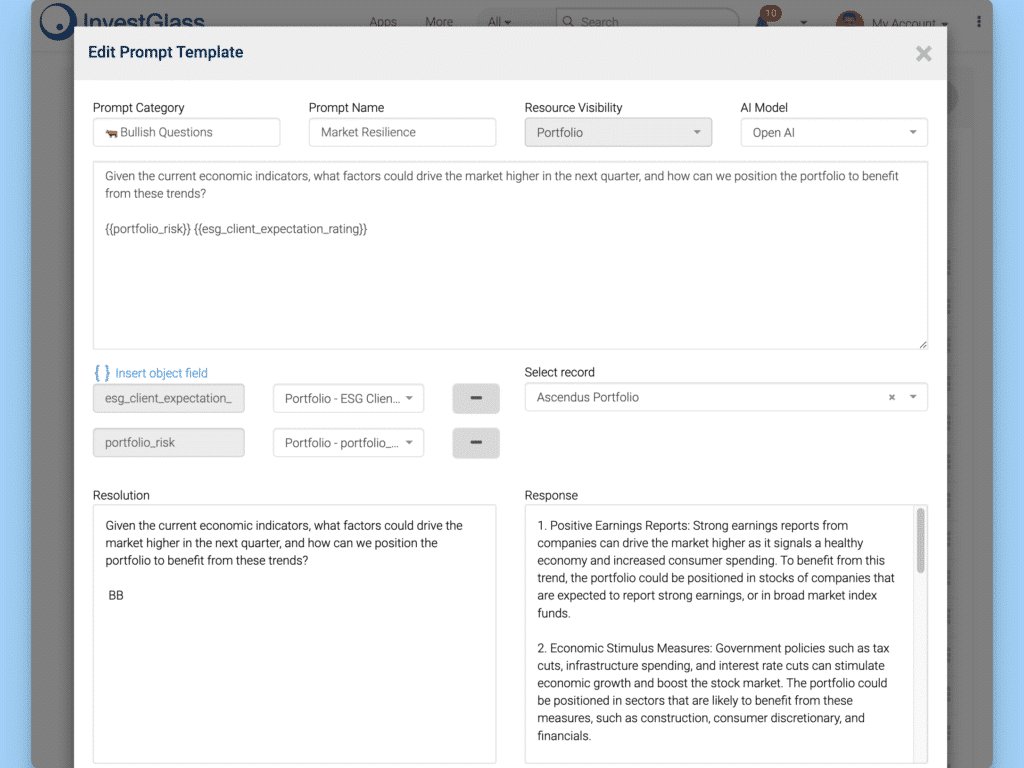
ChatGPT affects banking by bringing advanced ai into core banking work, changing how financial institutions handle fraud detection, customer service automation, personalized financial advice, and credit risk assessment. The banking industry is experiencing its most profound transformation since the advent of digital banking, with artificial intelligence reshaping every facet of financial services. Technological innovation is a driving force behind this transformation, enabling banking industries to adapt to rapid change and integrate advanced AI solutions. From fraud detection systems that process millions of transactions in milliseconds to personalized financial advice delivered through virtual assistants, ai systems are fundamentally changing how banks operate and serve customers.
This transformation isn’t happening gradually it’s accelerating at breakneck speed. In 2025, ai technologies have moved from experimental pilots to mission-critical infrastructure across financial institutions worldwide. For banking professionals, financial institutions, technology decision-makers, and other stakeholders tracking the future of financial services, the shift is now tied directly to competitiveness, efficiency, risk control, and customer growth. The impact spans every aspect of banking operations, from customer-facing applications to back-office processes that drive operational efficiency.
要了解人工智能对银行业的影响,就必须研究重塑日常运营的直接变化和决定金融服务未来的长期战略转变。为了保持竞争力,银行必须将人工智能的应用与明确的业务战略相结合,在不断变化的金融环境中支持创新、运营效率和以客户为中心。本综合分析报告探讨了 人工智能在银行业的应用, changes in customer experience, operational efficiency, risk management, regulatory and compliance challenges, investment trends, best practices for adoption, and the emerging technologies shaping banking’s future.
银行业人工智能简介
人工智能 (AI) is your gateway to redefining your banking operations and delivering the exceptional experiences your clients demand. When you embrace AI technologies, you’re not just staying competitive you’re positioning your institution to thrive and scale faster in today’s rapidly evolving financial landscape. By integrating advanced AI systems into your core banking operations, you can automate those time-consuming routine tasks like fraud detection and credit risk assessment, freeing up your teams to focus on what truly matters: building valuable client relationships and driving growth.
Your adoption of artificial intelligence isn’t just about automation it’s about transforming how you connect with clients and manage risk. With AI models analyzing vast amounts of customer behavior data, you can deliver personalized financial advice and tailored solutions that truly meet individual needs. This level of personalization doesn’t just enhance client satisfaction; it builds the long-term loyalty that keeps your institution ahead of the competition.
此外,人工智能驱动的创新通过简化流程、降低运营成本和支持可持续增长战略,帮助您保持领先地位。随着人工智能工具变得越来越复杂,您可以利用这些技术深入了解客户需求,优化决策,并为业务拓展创造新机遇。人工智能 整合人工智能 into your banking operations is no longer optional it’s your strategic advantage for thriving in the digital age and delivering exceptional client experiences.
直接影响:人工智能如何重塑当今的银行业务
银行业拥抱人工智能的热情达到了前所未有的高度,2023 年期间,金融机构将在人工智能技术上投入 $21 亿美元。这一巨额投资表明,各金融机构采用人工智能技术的比例比前一年增加了 78%,这表明人工智能技术的采用已从试验阶段进入到战略要务阶段。.
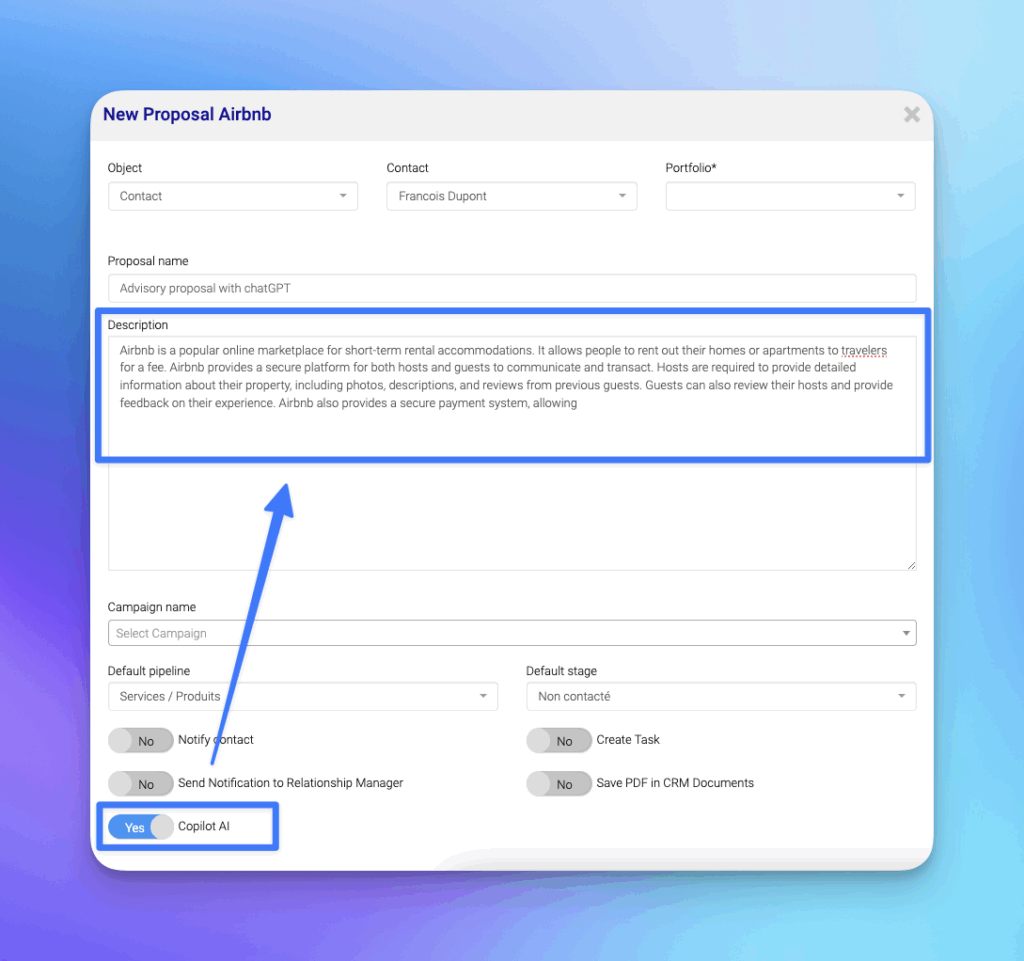
ChatGPT 与 InvestGlass 集成,帮助银行和顾问
The integration of AI technologies in financial institutions is driving a shift toward ai driven solutions that modernize traditional banking operations. These solutions streamline manual processes, improve decision-making, and, with emerging agentic AI in banking, help banks stay competitive in a rapidly evolving landscape.
实时欺诈检测是人工智能对银行业务产生直接影响的最显著应用之一。先进的人工智能模型可分析交易模式、用户行为和风险指标,在几毫秒内识别可疑活动。这些系统取得了显著的成果,与传统方法相比,欺诈损失最多可减少 40%,同时通过最大限度地减少以前阻止合法交易的误报,改善了客户体验。.
改造范围包括 客户服务 通过全天候人工智能聊天机器人和虚拟助理处理日常咨询,无需人工干预。这些人工智能工具可处理自然语言查询,实时访问客户数据,并根据个人账户历史和偏好提供个性化回复。据大型银行报告,这些系统目前可处理超过 80% 的基本客户服务互动,从而使人工客服人员能够专注于需要换位思考和复杂问题解决的复杂问题。通过将回答常见问题和处理简单请求等重复性任务自动化,员工能够专注于价值更高的活动,从而提高客户满意度,促进业务增长。.
也许最重要的是,自动信用评分和贷款 审批程序 have revolutionized lending operations. ai algorithms analyze structured and unstructured data from multiple sources including traditional credit reports, bank transaction history, social media activity, and alternative data sources to make credit risk assessments. This comprehensive analysis cuts decision time from days to minutes, and some ChatGPT-assisted internal tasks that once took 12-15 minutes can now be completed in just a few seconds, helping to enhance efficiency in lending operations while improving accuracy in predicting repayment probability.
将机器学习模型整合到信用风险评估中,使银行能够扩大以前得不到充分服务的人群获得信贷的机会。通过考虑更广泛的数据集和识别人工核保人员可能忽略的模式,ai 系统可以识别缺乏传统信用记录的信誉良好的借款人,在支持普惠金融的同时保持风险管理标准。.
人工智能技术带来的客户体验革命
The way customers interact with their banks has been completely transformed through ai capabilities, creating more personalized and efficient services that adapt to individual needs and preferences in real-time. AI enables banks to deliver personalized services by leveraging advanced data analysis and machine learning to tailor offerings, communications, and support to each customer’s unique financial situation. Modern banking apps powered by ai technologies analyze spending patterns, financial goals, and behavioral data to provide hyper-personalized recommendations that help customers make better financial decisions.
摩根大通等领先的金融机构已经实施了人工智能驱动的平台,根据对客户行为和市场状况的综合分析提供个性化的理财建议。他们的虚拟助理可以分析消费模式,提出预算优化建议,并根据个人风险状况和财务目标推荐投资机会。.
Bank of America’s Erica virtual assistant exemplifies how ai tools have revolutionized customer interactions. This ai agent handles millions of customer requests monthly, from basic account inquiries to complex financial planning assistance. This kind of conversational banking helps customers feel understood and supported, which matters because 79% of customers expect brands to demonstrate understanding and care, especially from a trusted financial brand. Erica can predict customer needs based on transaction history, proactively alert users to unusual spending patterns, and provide insights that help customers achieve their financial goals.
As part of broader banking technology, these interfaces show how conversational banking extends beyond simple voice commands into more natural customer interactions. Customers can check account balances, transfer funds, pay bills, and receive financial insights using natural language voice commands. This technology integrates seamlessly with existing smart home ecosystems, making banking services accessible through familiar interfaces that customers already use daily.
Conversational AI also supports digital onboarding and compliance documentation.
实时交易监控 人工智能算法不断分析交易模式,识别潜在的欺诈活动,并通过推送通知、短信或电子邮件即时提醒客户。这种积极主动的方法不仅能防止经济损失,还能通过展示银行对客户安全的承诺来建立信任。.
ai-driven wealth management platforms have democratized access to sophisticated investment advice previously available only to high-net-worth individuals. Robo-advisory services use advanced ai models to create and manage diversified investment portfolios based on individual risk tolerance, time horizons, and financial objectives. These platforms provide continuous 人工智能驱动的投资组合管理, automatic rebalancing, and tax-loss harvesting, delivering professional-grade wealth management at a fraction of traditional costs.
The personalization extends beyond investment advice to include customized product recommendations. ai systems analyze customer data to identify life events, changing financial needs, and opportunities for additional services. When a customer’s spending patterns suggest they’re planning a major purchase, the system can proactively offer relevant financing options or savings strategies, with financial education helping customers act on those recommendations confidently.
InvestGlass 智能代理提示
提高业务效率和加强风险管理
Behind the scenes, ai technologies are driving unprecedented improvements in efficient services, risk management, and banking operations. 自动合规性监测 已成为一项重要应用,通过根据复杂的监管要求对交易、通信和业务流程进行持续监控,减少了 60% 的监管违规行为。目前,有效的 AI 战略对于监管合规和风险管理至关重要,可确保银行适应不断变化的监管规定和未来趋势。.
ai-powered document processing has eliminated manual data entry tasks that previously consumed thousands of hours of human labor. Natural language processing systems can extract relevant information from contracts, loan applications, regulatory filings, and other documents with greater accuracy and speed than human processors. This automation not only reduces costs but also minimizes errors that could lead to compliance issues or customer dissatisfaction. By automating these processes, banks reduce manual work for bank employees so teams can focus on higher-value tasks that drive growth and competitiveness.
Predictive analytics for market trends and investment opportunities represent another area where ai capabilities provide significant competitive advantages. ai models analyze vast amounts of market data, economic indicators, news sentiment, and historical patterns to identify trends and opportunities that human analysts might miss. These insights inform trading strategies, risk management decisions, and product development initiatives, and they are increasingly embedded in generative ai tools used across modern banking technology. AI also enhances a bank’s ability to monitor compliance and manage risk more effectively, improving risk mitigation and overall 人工智能驱动的投资组合管理. These advanced capabilities provide a competitive advantage for banks, enabling them to stay ahead of industry trends and outperform their rivals.
机器学习算法通过识别复杂交易和关系网络中的可疑模式,彻底改变了反洗钱(AML)检测。传统的基于规则的系统往往会产生大量需要人工审核的误报,而人工智能驱动的系统可以更准确地区分合法的复杂交易和实际的洗钱活动。.
自动监管报告和压力测试功能简化了以前需要大量人工的合规流程。Ai 系统可以通过汇总多个来源的数据生成所需的报告,确保准确性和一致性,同时满足紧迫的监管期限要求。由机器学习驱动的压力测试模型可模拟数千种市场情景,以评估投资组合在各种经济条件下的弹性。.
将人工智能工具纳入风险管理的范围还包括信贷 投资组合管理, where predictive models continuously assess the likelihood of default across entire loan portfolios. These systems can identify early warning signs of borrower distress and recommend proactive interventions to minimize losses while supporting customer retention. In some banking use cases, generative AI can improve risk assessment efficiency by 27–35%.
欺诈检测和网络安全的进步
通过人工智能侦测欺诈的发展是最尖端的欺诈侦测技术之一。 人工智能的应用 in the banking sector. Modern ai systems analyze transaction behavior in real-time, identifying suspicious patterns within milliseconds of transaction initiation. These systems consider hundreds of variables simultaneously including transaction amount, merchant type, geographic location, time of day, and historical spending patterns to calculate risk scores with remarkable precision.
Behavioral biometric authentication has emerged as a powerful replacement for traditional password-based security systems. ai algorithms learn individual typing patterns, mouse movements, touch screen interactions, and other behavioral characteristics to create unique biometric profiles. This technology, combined with automated KYC verification, can detect account takeover attempts even when criminals have obtained legitimate login credentials, providing an additional layer of security that’s nearly impossible to replicate.
ai-driven 威胁检测系统通过分析网络流量、系统日志和用户行为来保护银行基础设施,从而在造成破坏之前识别潜在的网络攻击。这些系统利用机器学习建立基线正常行为模式,并标记可能表明恶意活动的异常情况。这种积极主动的方法使安全团队能够在威胁升级为严重漏洞之前对其做出反应。.
跨机构数据共享加强了欺诈预防网络,创建了协作防御系统,银行共享匿名欺诈指标,以保护整个金融生态系统。.
人工智能决策
AI is revolutionizing decision-making in banking, giving financial institutions the power to make smarter, faster, and more profitable decisions than ever before. With cutting-edge AI models at your fingertips, banks can unlock massive volumes of customer data, market trends, and economic indicators to drive real-time decision making across every corner of their operations. This isn’t just about technology it’s about empowering your institution with the insights that separate industry leaders from the competition.
这种数据驱动的转型意味着,当市场发生变化时,您的银行可以立即做出调整,降低风险敞口,并在有利可图的机会出现时立即抓住它们。人工智能驱动的自动化可自动处理常规决策,让您宝贵的团队有时间应对复杂的战略挑战,从而实现真正的业务价值。结果如何?显著提高效率,实现更智能的资源分配,让您的竞争对手望尘莫及。.
AI-driven predictive analytics are your crystal ball for spotting risks and opportunities before they hit your bottom line. By continuously scanning customer behaviors and market signals, AI systems help you stay three steps ahead adjusting strategies proactively and driving sustainable growth that builds lasting value. When you make informed, data-backed decisions, you’re not just improving your competitive edge you’re securing your institution’s financial future.
In today’s lightning-fast finance sector, AI-powered decision making isn’t optional it’s essential. Banks that harness this technology don’t just survive; they deliver exceptional customer experiences and achieve the kind of sustainable growth that transforms good institutions into industry titans. The question isn’t whether you can afford to invest in AI it’s whether you can afford not to.
人工智能银行的关键挑战和风险管理
虽然人工智能为银行业带来了巨大机遇,但也带来了重大挑战,金融机构必须谨慎管理,以确保负责任地部署人工智能。影响贷款审批和信贷决策的算法偏见是最令人担忧的问题之一,因为根据历史数据训练的人工智能模型可能会延续或扩大现有的歧视性做法。.
Data privacy concerns with customer information processing have become increasingly complex as ai systems require access to vast amounts of personal and financial data to function effectively. Banks must balance the need for comprehensive data analysis with customer privacy expectations, data security, and regulatory requirements for data protection. The challenge is particularly acute given the sensitive nature of financial information and the potential consequences of data breaches.
Black box decision-making creates transparency issues that can undermine customer trust and regulatory compliance. Many ai models, particularly deep learning systems, operate in ways that are difficult to explain or interpret. ChatGPT may also struggle with understanding financial terminology, which can affect accuracy in sensitive banking contexts. When an ai system denies a loan application or flags a transaction as suspicious, customers and regulators may demand explanations that the technology cannot easily provide.
Regulatory compliance challenges across different jurisdictions add complexity to ai implementation, as banks operating internationally must navigate varying requirements for ai governance, data protection, and algorithmic transparency. These challenges also impact financial firms more broadly, as implementing ai tools requires alignment with financial regulations, and ai models must comply with federal regulations to avoid bias. The rapidly evolving regulatory landscape means that compliance frameworks must be continuously updated to address new requirements and guidance.
人工智能系统中的网络安全漏洞为恶意行为者创造了新的攻击载体。人工智能模型可通过对抗性攻击进行操纵,使其做出错误的决策,而且许多人工智能系统的集中性为网络犯罪分子创造了高价值目标。银行必须实施强大的安全措施,专门用于保护人工智能基础设施,同时保持系统性能和可用性。.
当人工智能系统将以前由人类员工执行的任务自动化时,传统银行角色的职位转移问题需要谨慎的变革管理。虽然人工智能通常是增强而非取代人的能力,但有些角色可能会过时,从而给劳动力规划、再培训以及在转型期间保持员工士气带来挑战。.
监管框架和合规要求
银行业的人工智能监管环境正在迅速演变,新的框架不断涌现,以应对人工智能系统带来的独特挑战。欧盟《人工智能法》对金融机构的实施要求为人工智能系统的开发、部署和监控制定了全面的规则。在欧洲运营的银行必须确保其人工智能系统符合风险评估、文档和人工监督方面的严格要求。将人工智能纳入合规框架对银行有效满足这些监管要求、简化流程和加强风险管理至关重要。.
美国针对银行业人工智能的行政命令指导方针强调,在保持创新势头的同时,需要负责任地开发人工智能。这些指导方针要求银行评估人工智能系统对公平性、安全性和有效性的影响,同时实施适当的治理结构来监督人工智能的部署和运行。.
人工智能决策的文档和可审计性标准要求银行全面记录人工智能系统如何做出决策,包括培训数据源、模型架构、验证程序和持续的性能监控。这些文档必须足以支持监管部门的检查和审计,同时支持内部治理流程。.
消费者保护措施和可解释的人工智能要求规定,银行必须对影响客户的人工智能驱动决策提供清晰的解释。当人工智能系统拒绝授信或标记交易时,客户有权了解决定背后的原因,并要求对结果进行人工审核。.
人工智能银行业的投资趋势和市场增长
The financial commitment to ai technologies across the banking sector reflects the strategic importance of these innovations for competitive positioning and operational excellence. Total ai investment in financial services reached $35 billion during 2023, with major banks allocating 15-20% of their entire IT budgets specifically to ai initiatives. This level of investment demonstrates that ai adoption has moved beyond experimental projects to become a core component of digital transformation strategies, a view reinforced by the 66% of banking executives who believe new technologies will drive banking over the next five years.
Financial institutions are increasingly forming strategic partnerships with fintech companies to accelerate ai innovation and access specialized expertise. These collaborations enable traditional banks to leverage cutting-edge ai capabilities developed by technology-focused startups while providing fintechs with access to established customer bases and regulatory expertise. The partnership model has proven particularly effective for deploying generative ai applications, including developing digital advisors, and new customer-facing ai services.
人工智能投资的预期回报十分可观,预计人工智能驱动的金融服务可通过提高效率、扩大金融服务渠道和增强风险管理能力,为全球经济贡献$2万亿美元。个别银行报告的投资回报率预测显示,3 年内人工智能投资将获得 300% 的回报,其主要驱动因素是运营成本的降低、风险管理的改善以及客户获取和保留能力的增强。.
The investment landscape reveals particular focus areas where banks expect the highest returns. In investment banking, AI is enhancing research, financial modeling, and advisory services, supporting deal-making, market analysis, and client engagement. Dedicated platforms like an AI-ready CRM for private banks help operationalize these capabilities across front and middle office teams. Fraud detection and prevention systems typically demonstrate ROI within 12-18 months due to direct loss reduction and improved operational efficiency. Customer service automation delivers returns through reduced staffing costs and improved customer satisfaction scores. Credit risk assessment improvements generate value through better loan performance and expanded lending opportunities.
Venture capital investment in banking ai startups has accelerated dramatically, with specialized funds emerging to focus exclusively on financial technology innovations. All-in-one platforms such as InvestGlass for sales automation exemplify how this ecosystem development ensures continued innovation flow from startups to established banks while creating competitive pressure to deploy ai capabilities more rapidly and effectively.
The geographic distribution of ai banking investments shows concentration in major financial centers, with New York, London, Singapore, and Hong Kong leading in both investment volume and innovation deployment. However, emerging markets are rapidly adopting ai banking solutions and specialized CRM systems for financial institutions, often leapfrogging traditional banking infrastructure to deploy mobile-first, ai-powered financial services.
未来展望:2025 年及以后的人工智能银行趋势
The trajectory of ai development in banking points toward even more transformative changes across the broader financial industry in the coming years. Embedded finance integration through ai-powered APIs will enable non-financial companies to seamlessly incorporate banking services into their products and platforms. This trend will blur traditional industry boundaries as retailers, healthcare providers, and technology companies offer banking services powered by ai infrastructure, while central banks themselves explore AI for monetary policy and digital currencies.
量子计算在复杂金融建模中的应用代表着一种范式的转变,可以彻底改变风险评估、投资组合优化和欺诈检测。虽然量子增强型人工智能系统仍处于早期开发阶段,但它有望解决目前难以解决的计算问题,为市场预测、密码安全和实时风险分析提供新方法。.
generative ai for automated financial reporting and analysis will transform how banks create regulatory reports, investment research, and customer communications. Integrating AI technology into bank workflows and reporting systems will help these tools fit existing operations more effectively. These systems can generate comprehensive financial analyses, create personalized investment reports, and draft regulatory filings with minimal human intervention while maintaining accuracy and compliance with reporting standards.
区块链和人工智能技术的融合有望提高金融交易的安全性和透明度。由人工智能提供支持的智能合约可根据实时数据分析自动执行复杂的金融协议,而区块链技术可提供不可更改的交易记录,人工智能系统可对其进行分析,以侦测欺诈行为和监控合规性。.
Sustainable finance optimization through ai-driven ESG (Environmental, Social, and Governance) analysis will become increasingly important as regulatory requirements for sustainability reporting expand. ai systems can analyze vast amounts of ESG data to help banks assess the sustainability impact of their investments and lending decisions while identifying opportunities in green finance.
开放式银行 evolution with ai-powered data aggregation will create new possibilities for personalized financial services that span multiple institutions. ai platforms will analyze data from various financial sources to provide comprehensive financial insights, automated money management, and optimized product recommendations across the entire financial ecosystem. As these technologies mature, digital banking supercharges personalization, speed, and resilience.
Looking ahead, banks must remain adaptable, continuously learning and adjusting their strategies to harness ai’s full potential. Integrating ai technologies will be essential for fostering innovation and delivering secure services for a more resilient and agile banking sector in the future.
塑造银行业人工智能未来的新兴技术
用于合同分析和法律文件审查的自然语言处理技术发展迅速,现在的系统能够分析复杂的财务协议,识别关键条款和风险,并标记潜在的合规问题。这些功能将大大减少与法律审查流程相关的时间和成本,同时提高准确性和一致性。.
计算机视觉在银行业的应用超出了传统的支票处理,还包括 身份验证, 、文件认证和网点安全。先进的系统可以通过同时分析多个生物识别因素来验证客户身份,同时通过超出人类能力的详细图像分析来检测欺诈性文件。.
在分支机构实现实时人工智能处理的边缘计算是向分布式人工智能架构的重大转变。通过在本地处理人工智能工作负载,而不是依赖集中式云系统,银行可以减少延迟、改善隐私保护,并在网络连接受限的情况下保持服务可用性。这些进步对零售银行业的影响尤为明显,因为在零售银行业,优化客户体验和简化运营工作流程对于保持竞争优势至关重要。.
用于银行运营模拟和优化的数字孪生技术可创建银行流程的虚拟副本,Ai 系统可利用这些副本测试新策略、优化工作流程,并在生产环境中实施运营变革之前预测其影响。这一功能可通过数据驱动的实验和优化,不断改进银行业务。.
战略实施:银行业采用人工智能的最佳实践
Successful ai transformation in banking requires balancing ai automation with human oversight across technology deployment, organizational change, and risk management. Developing comprehensive ai governance frameworks represents the foundation of responsible ai adoption, establishing clear policies for ai system development, deployment, monitoring, and maintenance.
通过培训计划和战略性招聘来培养人工智能人才,已成为银行寻求最大化人工智能投资的关键成功因素。各机构必须在聘用外部专家与发展内部能力之间取得平衡,在确保向现有员工传授知识的同时,创建吸引顶尖人工智能人才的职业发展路径。成功的项目通常会将人工智能技术的正规培训与实践项目经验相结合,让员工在真实的银行业务环境中应用新技能。.
无缝部署人工智能的传统系统集成战略需要精心规划,以确保新的人工智能功能能够访问必要的数据并与现有业务流程集成。许多银行的核心系统已有几十年的历史,在设计时从未考虑过与人工智能的集成,这就造成了技术上的挑战,必须通过中间件解决方案、API 开发和逐步的系统现代化来解决。.
Customer education initiatives for ai-powered services adoption play a crucial role in realizing the full value of ai investments. Customers must understand how ai enhances their banking experience while feeling confident that their data is protected and that they retain control over important financial decisions. Successful education programs use multiple channels to explain ai benefits in clear, non-technical language, help users understand generative ai tools used in banking services, and address common concerns about privacy and algorithm bias.
持续的模型监控和性能优化流程可确保人工智能系统长期保持准确性和有效性。由于市场条件、监管更新和不断变化的客户需求,银行业务环境也在不断变化,这就要求对人工智能模型进行定期再培训和验证。领先银行实施的自动监控系统可实时跟踪模型性能,并在潜在问题影响客户体验或业务成果之前将其标记出来。.
人工智能银行项目的实施时间跨度通常为 12-24 个月,其中重大项目通常在 3-6 个月内启动试点项目,以验证概念并建立组织信心。预算分配建议建议将 60% 的人工智能投资用于技术基础设施,25% 用于人才培养和变革管理,15% 用于持续监控和优化活动。.
最成功的人工智能实施都是分阶段进行的,先从聊天机器人和欺诈检测等低风险应用开始,然后再发展到自动核保和投资建议等更复杂的用例。这种循序渐进的方法使企业能够在管理实施风险的同时,积累专业知识、开发治理流程并展示价值。.
在整个人工智能开发生命周期中,风险缓解策略包括全面的测试协议、偏差检测和纠正程序,以及在人工智能系统遇到意外情况时确保服务连续性的后备机制。定期对内部和外部的人工智能系统性能进行审核,有助于在潜在问题影响客户或业务运营之前将其识别出来。.
The transformation of banking through ai technologies represents more than technological change it’s a fundamental reimagining of how financial institutions operate, compete, and serve customers. Banks that successfully navigate this transformation will leverage ai to create sustainable competitive advantages, improve risk management, and deliver exceptional customer experiences that drive business value and support financial stability.
随着人工智能能力的不断发展,银行必须保持适应性,不断学习和调整战略,以充分发挥人工智能的潜力,同时保持客户对金融机构的信任和信心。迎接这一挑战的机构将在未来几十年内塑造银行和金融服务的未来。.
常见问题 (FAQ)
Q1: How does ChatGPT enhance personalized customer service in banking?
ChatGPT leverages advanced natural language processing to provide 24/7 personalized customer support, handling over 80% of basic inquiries. It tailors responses based on individual account history and preferences, creating a conversational banking experience that improves customer satisfaction and loyalty.
Q2: What significant improvements can banks expect by integrating ChatGPT?
Banks can achieve significant improvements in operational efficiency by automating routine tasks, reducing fraud losses by up to 40%, and accelerating credit risk assessments. ChatGPT also enhances customer engagement through personalized financial advice and faster response times.
Q3: Are there challenges in implementing ChatGPT in banking?
Yes, challenges include ensuring data privacy and security, integrating ChatGPT with existing legacy systems, training customers and staff for adoption, and complying with evolving financial regulations. Banks must also address potential AI biases and maintain human oversight.
Q4: Can ChatGPT assist with loan applications and account management?
Absolutely. ChatGPT-powered chatbots can guide users through loan applications, monitor credit scores, and assist with account management tasks like automatic payments and updating personal information, making banking more accessible and convenient.
Q5: What are the future prospects of AI and ChatGPT in banking?
The future holds even more incredible prospects, including deeper integration with embedded finance, quantum computing for risk modeling, generative AI for automated reporting, and enhanced ESG analysis. These advancements will further personalize services and optimize banking operations.
结论
ChatGPT is revolutionizing the banking industry by enabling personalized customer service, driving significant improvements in operational efficiency, and transforming the conversational banking experience. By automating routine tasks and enhancing risk management, banks can focus on building stronger client relationships and delivering tailored financial solutions. While challenges such as data privacy, regulatory compliance, and customer adoption remain, the integration of ChatGPT and AI technologies offers even more incredible prospects for the future of banking. Financial institutions that embrace these innovations strategically will not only improve customer satisfaction but also secure a competitive advantage in the rapidly evolving financial landscape.