
تؤثر شات جي بي تي على القطع المصرفي من خلال إدخال الذكاء الاصطناعي المتقدم في العمل المصرفي الأساسي، مما يغير طريقة تعامل المؤسسات المالية مع كشف الاحتيال، وأتمتة خدمة العملاء، والمشورة المالية المخصصة، وتقييم المخاطر الائتمانية. تشهد صناعة الخدمات المصرفية أعمق تحول لها منذ ظهور الخدمات المصرفية الرقمية، حيث يعيد الذكاء الاصطناعي صياغة كل جانب من جوانب الخدمات المالية. يعد الابتكار التكنولوجي قوة دافعة وراء هذا التحول، مما يمكن الصناعات المصرفية من التكيف مع التغير السريع ودمج حلول الذكاء الاصطناعي المتقدمة. من أنظمة كشف الاحتيال التي تعالج ملايين المعاملات في جزء من الألف من الثانية إلى المشورة المالية المخصصة التي يتم تقديمها من خلال المساعدين الافتراضيين، تعمل أنظمة الذكاء الاصطناعي على تغيير طريقة عمل البنوك وخدمتها للعملاء بشكل جذري.
لا يحدث هذا التحول تدريجياً، بل يتسارع بوتيرة جنونية. في عام 2025، انتقلت تقنيات الذكاء الاصطناعي من التجارب التجريبية إلى البنية التحتية بالغة الأهمية عبر المؤسسات المالية في جميع أنحاء العالم. وبالنسبة للمهنيين المصرفيين، والمؤسسات المالية، وصناع القرار التكنولوجيين، وغيرهم من الأطراف المعنية بتتبع مستقبل الخدمات المالية، فإن التحول مرتبط الآن ارتباطاً مباشراً بالتنافسية، والكفاءة، والتحكم في المخاطر، ونمو العملاء. ويمتد التأثير ليشمل كل جانب من جوانب العمليات المصرفية، بدءاً من التطبيقات الموجهة للعملاء ووصولاً إلى العمليات الخلفية التي تدفع الكفاءة التشغيلية.
يتطلب فهم كيفية تأثير الذكاء الاصطناعي على الخدمات المصرفية دراسة كل من التغييرات الفورية التي تعيد تشكيل العمليات اليومية والتحولات الاستراتيجية طويلة الأجل التي ستحدد مستقبل الخدمات المالية. ولكي تظل البنوك قادرة على المنافسة، يجب على البنوك مواءمة تبني الذكاء الاصطناعي مع استراتيجية عمل واضحة تدعم الابتكار والكفاءة التشغيلية والتركيز على العملاء في المشهد المالي المتطور. يستكشف هذا التحليل الشامل الوضع الحالي ل الذكاء الاصطناعي في الأعمال المصرفية, ، والتغيرات في تجربة العملاء، والكفاءة التشغيلية، وإدارة المخاطر، وتحديات التنظيم والامتثال، واتجاهات الاستثمار، وأفضل ممارسات الاعتماد، والتقنيات الناشئة التي تشكل مستقبل الخدمات المصرفية.
مقدمة في الذكاء الاصطناعي في الأعمال المصرفية
الذكاء الاصطناعي الذكاء الاصطناعي هو بوابتك لإعادة تعريف عملياتك المصرفية وتقديم التجارب الاستثنائية التي يطلبها عملاؤك. عندما تتبنى تقنيات الذكاء الاصطناعي، فإنك لا تكتفي بالحفاظ على تنافسيتك فحسب، بل تضع مؤسستك في مكانة تؤهلها للازدهار والتوسع بشكل أسرع في المشهد المالي سريع التطور اليوم. من خلال دمج أنظمة الذكاء الاصطناعي المتقدمة في عملياتك المصرفية الأساسية، يمكنك أتمتة تلك المهام الروتينية المستهلكة للوقت مثل اكتشاف الاحتيال وتقييم مخاطر الائتمان، مما يتيح لفرقك التفرغ لما يهم حقاً: بناء علاقات قيّمة مع العملاء ودفع عجلة النمو.
إن تبنيك للذكاء الاصطناعي لا يقتصر فقط على الأتمتة، بل يتعلق بتغيير طريقة تواصلك مع العملاء وإدارة المخاطر. فمن خلال نماذج الذكاء الاصطناعي التي تحلل كميات هائلة من بيانات سلوك العملاء، يمكنك تقديم مشورة مالية مخصصة وحلول مصممة خصيصاً لتلبية الاحتياجات الفردية حقاً. ولا يقتصر هذا المستوى من التخصيص على تعزيز رضا العملاء فحسب، بل يبني أيضاً الولاء طويل الأجل الذي يحافظ على تقدم مؤسستك على المنافسين.
علاوةً على ذلك، تساعدك الابتكارات القائمة على الذكاء الاصطناعي على البقاء في المقدمة من خلال تبسيط العمليات وخفض التكاليف التشغيلية ودعم استراتيجيات النمو المستدام. ومع ازدياد تطور أدوات الذكاء الاصطناعي، يمكنك الاستفادة من هذه التقنيات لاكتساب رؤى أعمق حول احتياجات العملاء، وتحسين عملية اتخاذ القرارات، وخلق فرص جديدة لتوسيع نطاق أعمالك. إن تكامل الذكاء الاصطناعي في عملياتك المصرفية لم يعد اختياريًا بل هو ميزتك الاستراتيجية للازدهار في العصر الرقمي وتقديم تجارب استثنائية للعملاء.
التأثير الفوري: كيف يعيد الذكاء الاصطناعي تشكيل العمليات المصرفية اليوم
لقد وصل تبني القطاع المصرفي للذكاء الاصطناعي إلى مستويات غير مسبوقة، حيث استثمرت المؤسسات المالية $21 مليار دولار أمريكي على وجه التحديد في تقنيات الذكاء الاصطناعي خلال عام 2023. ويعكس هذا الاستثمار الضخم زيادة في معدل التبني بمقدار 78% عن العام السابق عبر المؤسسات المالية، مما يدل على أن تبني الذكاء الاصطناعي قد انتقل من المرحلة التجريبية إلى الضرورة الاستراتيجية.
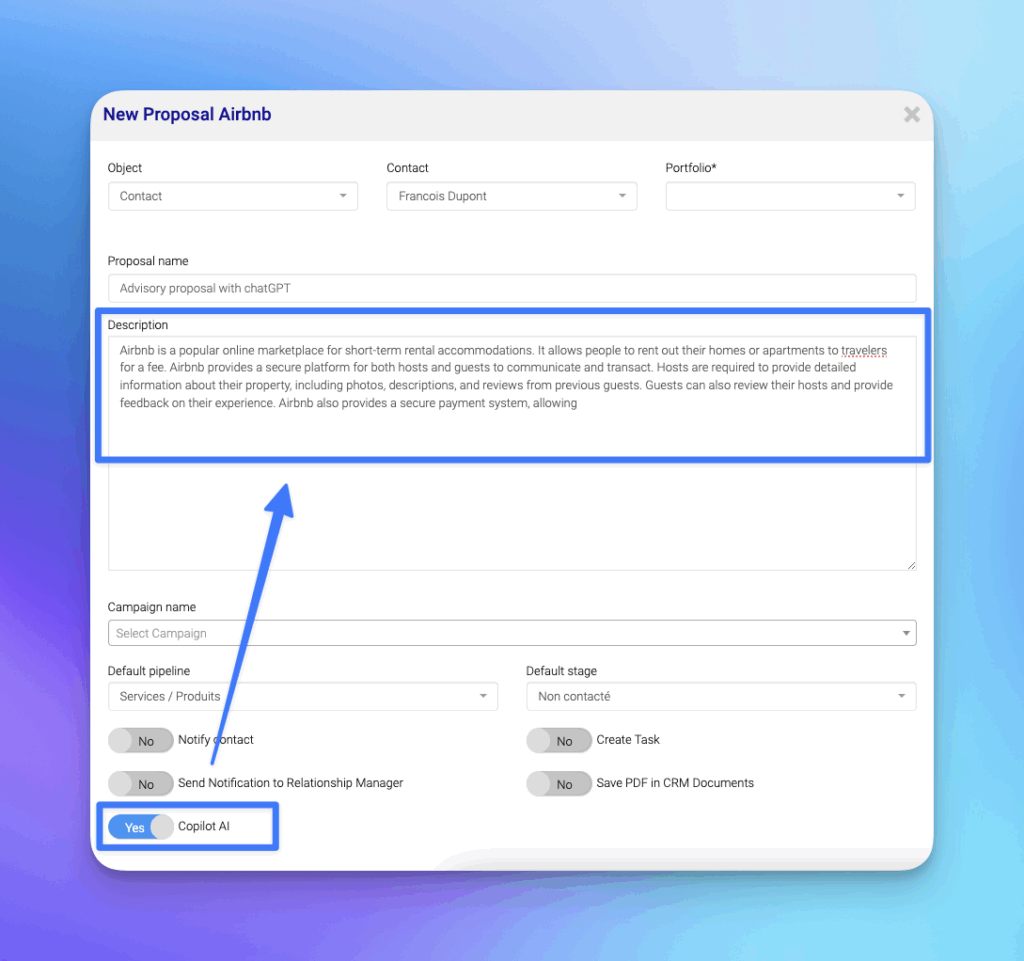
تكامل ChatGPT مع InvestGlass لمساعدة البنوك والمستشارين
إن integration التقنيات الذكطسية في المؤسسات المالية يدفع نحو التحول نحو حلول مدعومة بالذكاء الاصطناعي والتي تعمل على تحديث العمليات المصرفية التقليدية. تعمل هذه الحلول على تبسيط العمليات اليدوية، وتحسين عملية صنع القرار، ومع ظهور الذكاء الاصطناعي الوكيل في القطاع المصرفي, ، تساعد البنوك في الحفاظ على تنافسيتها في بيئة سريعة التطور.
يمثل الكشف عن الاحتيال في الوقت الحقيقي أحد أكثر التطبيقات وضوحًا حيث يؤثر الذكاء الاصطناعي على العمليات المصرفية بشكل فوري. تقوم نماذج الذكاء الاصطناعي المتقدمة بتحليل أنماط المعاملات وسلوك المستخدم ومؤشرات المخاطر لتحديد النشاط المشبوه في غضون أجزاء من الثانية. وقد حققت هذه الأنظمة نتائج رائعة، حيث قللت من خسائر الاحتيال بنسبة تصل إلى 401 تيرابايت إلى 3 تيرابايت مقارنةً بالطرق التقليدية مع تحسين تجربة العملاء في الوقت نفسه من خلال تقليل النتائج الإيجابية الخاطئة التي كانت تحجب المعاملات المشروعة في السابق.
يمتد التحول إلى خدمة العملاء من خلال روبوتات الدردشة الآلية والمساعدين الافتراضيين المدعومين بالذكاء الاصطناعي على مدار الساعة طوال أيام الأسبوع، والتي تتعامل مع الاستفسارات الروتينية دون تدخل بشري. تقوم أدوات الذكاء الاصطناعي هذه بمعالجة استفسارات اللغة الطبيعية، والوصول إلى بيانات العملاء في الوقت الفعلي، وتقديم ردود مخصصة بناءً على تاريخ الحساب الفردي وتفضيلاته. تشير البنوك الكبرى إلى أن هذه الأنظمة تتعامل الآن مع أكثر من 801 تيرابايت من تفاعلات خدمة العملاء الأساسية، مما يحرر الوكلاء البشريين للتركيز على المشكلات المعقدة التي تتطلب التعاطف وحل المشكلات المعقدة. ومن خلال أتمتة المهام المتكررة مثل الإجابة على الأسئلة المتداولة ومعالجة الطلبات البسيطة، يستطيع الموظفون التركيز على الأنشطة ذات القيمة الأعلى التي تؤدي إلى رضا العملاء ونمو الأعمال.
ولعل الأهم من ذلك كله، هو تسجيل الائتمان الآلي والقرض عمليات الموافقة أحدثت ثورة في عمليات الإقراض. تحلل خوارزميات الذكاء الاصطناعي البيانات المهيكلة وغير المهيكلة من مصادر متعددة بما في ذلك تقارير الائتمان التقليدية، وتاريخ المعاملات المصرفية، ونشاط وسائل التواصل الاجتماعي، ومصادر البيانات البديلة لإجراء تقييمات مخاطر الائتمان. هذا التحليل الشامل يقلص وقت اتخاذ القرار من أيام إلى دقائق، وبعض المهام الداخلية المدعومة بـ ChatGPT التي كانت تستغرق في السابق 12-15 دقيقة يمكن إنجازها الآن في ثوانٍ معدودة، مما يساعد على تعزيز الكفاءة في عمليات الإقراض مع تحسين الدقة في التنبؤ باحتمالية السداد.
لقد مكّن دمج نماذج التعلم الآلي في تقييم مخاطر الائتمان البنوك من توسيع نطاق الوصول إلى الائتمان للفئات السكانية التي كانت محرومة من الخدمات في السابق. ومن خلال النظر في مجموعات البيانات الأوسع نطاقًا وتحديد الأنماط التي قد يغفلها المكتتبون البشريون، يمكن لأنظمة الذكاء الاصطناعي تحديد المقترضين الجديرين بالائتمان الذين يفتقرون إلى التاريخ الائتماني التقليدي، مما يدعم الشمول المالي مع الحفاظ على معايير إدارة المخاطر.
ثورة تجربة العملاء من خلال تقنيات الذكاء الاصطناعي
لقد تحولت الطريقة التي يتفاعل بها العملاء مع بنوكهم بشكل كامل من خلال قدرات الذكاء الاصطناعي، مما أدى إلى إنشاء خدمات أكثر تخصيصاً وفعالية تتكيف مع الاحتياجات والتفضيلات الفردية في الوقت الفعلي. يتيح الذكاء الاصطناعي للبنوك تقديم خدمات مخصصة من خلال الاستفادة من تحليل البيانات المتقدم وتعلم الآلة لتصميم العروض والاتصالات والدعم بما يتناسب مع الوضع المالي الفريد لكل عميل. تعمل تطبيقات الخدمات المصرفية الحديثة المدعومة بتقنيات الذكاء الاصطناعي على تحليل أنماط الإنفاق والأهداف المالية وبيانات السلوك لتقديم توصيات شديدة التخصيص تساعد العملاء على اتخاذ قرارات مالية أفضل.
وقد قامت مؤسسات مالية رائدة مثل JPMorgan Chase بتطبيق منصات تعتمد على الذكاء الاصطناعي تقدم مشورة مالية مخصصة بناءً على تحليل شامل لسلوك العملاء وظروف السوق. يمكن لمساعدهم الافتراضي تحليل أنماط الإنفاق، واقتراح تحسينات في الميزانية، والتوصية بفرص استثمارية مصممة خصيصًا لملفات المخاطر الفردية والأهداف المالية.
يُعد المساعد الافتراضي «إيريكا» التابع لبنك أوف أمريكا مثالاً على الطريقة التي أحدثت بها أدوات الذكاء الاصطناعي ثورة في التفاعلات مع العملاء. يتولى هذا الوكيل الذي يعمل بالذكاء الاصطناعي معالجة ملايين طلبات العملاء شهريًّا، بدءًا من الاستفسارات الأساسية المتعلقة بالحسابات وصولاً إلى المساعدة في التخطيط المالي المعقد. يساعد هذا النوع من الخدمات المصرفية التفاعلية العملاء على الشعور بأنهم مفهومون ومدعومون، وهو أمر مهم لأن 79% من العملاء يتوقعون من العلامات التجارية إظهار التفاهم والاهتمام، خاصةً من علامة تجارية مالية موثوقة. تستطيع «إيريكا» توقع احتياجات العملاء استنادًا إلى سجل المعاملات، وتنبيه المستخدمين بشكل استباقي إلى أنماط الإنفاق غير المعتادة، وتقديم رؤى تساعد العملاء على تحقيق أهدافهم المالية.
كجزء من تكنولوجيا الخدمات المصرفية الأوسع، تُظهر هذه الواجهات كيف تتجاوز الخدمات المصرفية المحادثة الأوامر الصوتية البسيط لتصل إلى تفاعلات أكثر طبيعية مع العملاء. يمكن للعملاء التحقق من أرصدة الحسابات، وتحويل الأموال، ودفع الفواتير، وتلقي رؤى مالية باستخدام الأوامر الصوتية باللغة الطبيعية. تتكامل هذه التقنية بسلاسة مع أنظمة المنازل الذكية الحالية، مما يجعل الخدمات المصرفية في متناول اليد من خلال واجهات مألوفة يستخدمها العملاء بالفعل يومياً.
يدعم الذكاء الاصطناعي المحادثي أيضًا التأهيل الرقمي وثائق الامتثال.
مراقبة المعاملات في الوقت الفعلي يمثل تقدمًا حاسمًا في حماية العملاء وتجربتهم. تقوم خوارزميات الذكاء الاصطناعي بتحليل أنماط المعاملات باستمرار لتحديد الأنشطة الاحتيالية المحتملة وتنبيه العملاء على الفور من خلال الإشعارات الفورية أو الرسائل النصية أو البريد الإلكتروني. هذا النهج الاستباقي لا يمنع الخسائر المالية فحسب، بل يعزز الثقة من خلال إظهار التزام البنك بأمن العملاء.
أدت منصات إدارة الثروات المدعومة بالذكاء الاصطناعي إلى إضفاء الطابع الديمقراطي على الوصول إلى المشورة الاستثمارية المتطورة التي كانت متاحة سابقاً فقط للأفراد ذوي الثروات العالية. تستخدم خدمات المستشار الآلي نماذج ذكاء اصطناعي متقدمة لإنشاء وإدارة محفظات استثمارية متنوعة بناءً على مدى تحمل المخاطر الفردية، والآفاق الزمنية، والأهداف المالية. توفر هذه المنصات استمرارية إدارة المحافظ الاستثمارية القائمة على الذكاء الاصطناعي, ، وإعادة التوازن التلقائي، وجني الخسائر الضريبية، مما يوفر إدارة ثروات بمستوى احترافي بتكلفة زهيدة مقارنة بالتكاليف التقليدية.
تمتد التخصيصات لتتجاوز النصائح الاستثمارية لتشمل توصيات مخصصة للمنتجات. تحلل أنظمة الذكاء الاصطناعي بيانات العملاء لتحديد الأحداث الحياتية، والاحتياجات المالية المتغيرة، والفرص المتاحة للخدمات الإضافية. وعندما تشير أنماط إنفاق العميل إلى أنه يخطط لشراء كبير، يمكن للنظام أن يقدم بشكل استباقي خيارات تمويل ذات صلة أو استراتيجيات ادخار، مع توفير التعليم المالي لمساعدة العملاء على التصرف بناءً على تلك التوصيات بثقة.
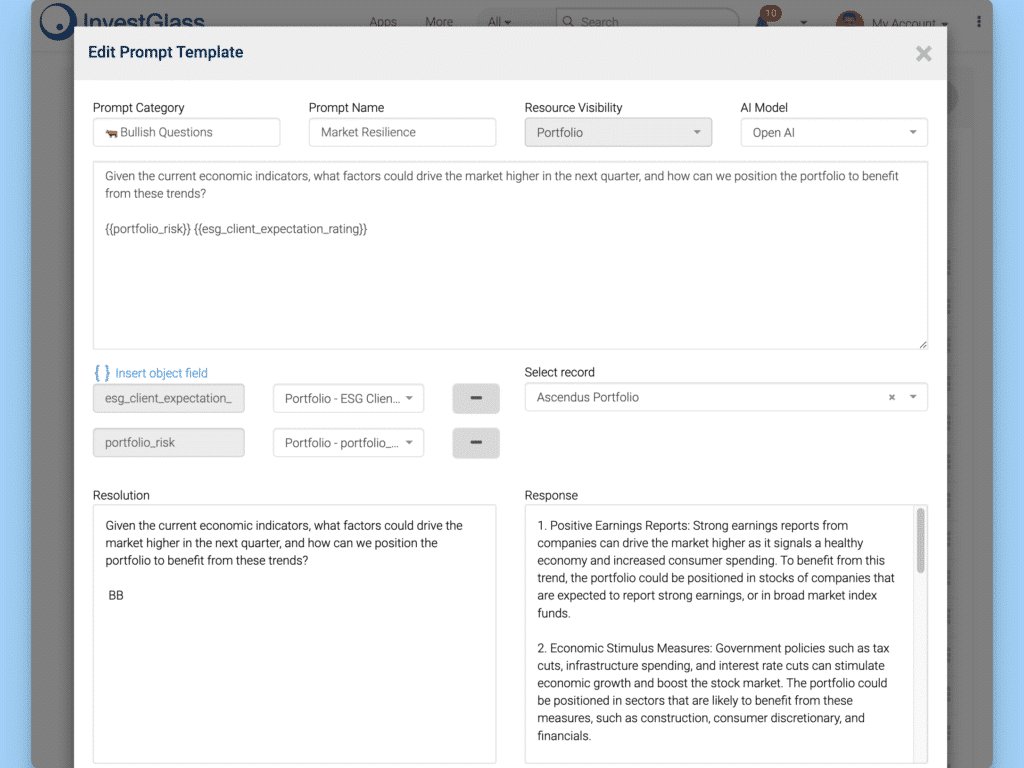
موجه العميل الذكي "إنفست جلاس
تعزيز الكفاءة التشغيلية وإدارة المخاطر التشغيلية
وراء الكوباليس، تقود تقنيات الذكاء الاصطناعي تحسينات غير مسبوقة في كفاءة الخدمات وإدارة المخاطر والعمليات المصرفية. مراقبة الامتثال الآلي برزت كتطبيق بالغ الأهمية، مما يقلل من الانتهاكات التنظيمية بنسبة 60% من خلال المراقبة المستمرة للمعاملات والاتصالات والعمليات التجارية مقابل المتطلبات التنظيمية المعقدة. تعد استراتيجيات الذكاء الاصطناعي الفعالة الآن ضرورية للامتثال التنظيمي وإدارة المخاطر، مما يضمن قدرة البنوك على التكيف مع اللوائح المتطورة والاتجاهات المستقبلية.
أدى معالجة المستندات المدعومة بالذكاء الاصطناعي إلى القضاء على مهام إدخال البيانات اليدوية التي كانت تستهلك سابقاً آلاف الساعات من العمل البشري. يمكن أنظمة معالجة اللغات الطبيعية استخراج المعلومات ذات الصلة من العقود، وطلبات القروض، والملفات التنظيمية، وغيرها من المستندات بدقة وسرعة أكبر من المعالجين البشر. لا يؤدي هذا الأتمتة إلى خفض التكاليف فحسب، بل يقلل أيضاً من الأخطاء التي قد تؤدي إلى مشكلات الامتثال أو عدم رضا العملاء. ومن خلال أتمتة هذه العمليات، تقلل البنوك العمل اليدوي لموظفيها لكي تتمكن الفرق من التركيز على المهام ذات القيمة الأعلى التي تدفع عجلة النمو والتنافسية.
التحليلات التنبؤية لاتجاهات السوق الفرص الاستثمارية تمثل مجالاً آخر توفر فيه قدرات الذكاء الاصطناعي مزايا تنافسية كبيرة. تقوم نماذج الذكاء الاصطناعي بتحليل كميات هائلة من بيانات السوق، والمؤشرات الاقتصادية، ومعنويات الأخبار، والأنماط التاريخية لتحديد الاتجاهات والفرص التي قد يفوتها المحللون البشريون. توجه هذه الرؤى استراتيجيات التداول، وقرارات إدارة المخاطر، ومبادرات تطوير المنتجات، وهي تدمج بشكل متزايد في أدوات الذكاء الاصطناعي التوليدي المستخدمة عبر تكنولوجيا الخدمات المصرفية الحديثة. كما يعزز الذكاء الاصطناعي قدرة البنك على مراقبة الامتثال وإدارة المخاطر بشكل أكثر فعالية، مما تحسن تخفيف المخاطر والوضع الإجمالي إدارة المحافظ الاستثمارية المدعومة بالذكاء الاصطناعي. توفر هذه القدرات المتقدمة ميزة تنافسية للبنوك، مما يمكنها من مواكبة اتجاهات الصناعة والتفوق على منافسيها.
لقد أحدثت خوارزميات التعلّم الآلي ثورة في مجال الكشف عن مكافحة غسيل الأموال (AML) من خلال تحديد الأنماط المشبوهة عبر شبكات معقدة من المعاملات والعلاقات. وغالبًا ما كانت الأنظمة التقليدية القائمة على القواعد تولد العديد من النتائج الإيجابية الخاطئة التي تتطلب مراجعة يدوية، في حين أن الأنظمة القائمة على الذكاء الاصطناعي يمكنها التمييز بين المعاملات المعقدة المشروعة وأنشطة غسل الأموال الفعلية بدقة أكبر بكثير.
لقد أدت إمكانات إعداد التقارير التنظيمية المؤتمتة واختبار الإجهاد إلى تبسيط عمليات الامتثال التي كانت تتطلب في السابق جهدًا يدويًا كبيرًا، حيث يمكن لأنظمة الذكاء الاصطناعي إنشاء التقارير المطلوبة من خلال تجميع البيانات من مصادر متعددة، مما يضمن الدقة والاتساق مع الالتزام بالمواعيد النهائية التنظيمية الضيقة. يمكن لنماذج اختبار الإجهاد المدعومة بالتعلم الآلي محاكاة الآلاف من سيناريوهات السوق لتقييم مرونة المحفظة في ظل الظروف الاقتصادية المختلفة.
يمتد دمج أدوات الذكاء الاصطناعي في إدارة المخاطر إلى الائتمان إدارة المحفظة, ، حيث تعمل النماذج التنبؤية على تقييم احتمالية التخلف عن السداد بشكل مستمر عبر محافظ القروض بأكملها. ويمكن لهذه الأنظمة تحديد مؤشرات الإنذار المبكر التي تدل على معاناة المقترضين، وتقديم توصيات بالتدخلات الاستباقية لتقليل الخسائر إلى أدنى حد ممكن مع دعم الاحتفاظ بالعملاء. وفي بعض حالات الاستخدام المصرفية، يمكن للذكاء الاصطناعي التوليدي تحسين كفاءة تقييم المخاطر بنسبة تتراوح بين 27 و35%.
اكتشاف الاحتيال والتقدم في مجال الأمن السيبراني
يمثل تطور الكشف عن الاحتيال من خلال الذكاء الاصطناعي أحد أكثر عمليات الكشف عن الاحتيال تطوراً تطبيقات الذكاء الاصطناعي في القطاع المصرفي. تحلل أنظمة الذكاء الاصطناعي الحديثة سلوك المعاملات في الوقت الفعلي، وتحدد الأنماط المشبوهة في غضون مللي ثانية من بدء المعاملة. تأخذ هذه الأنظمة في الاعتبار مئات المتغيرات في وقت واحد، بما في ذلك مبلغ المعاملة، ونوع التاجر، والموقع الجغرافي، ووقت اليوم، وأنماط الإنفاق التاريخية لحساب درجات المخاطر بدقة ملحوظة.
برز المصادقة الحيوية السلوكية كبديل قوي لأنظمة الأمان التقليدية القائمة على كلمات المرور. تتعلم خوارزميات الذكاء الاصطناعي أنماط الكتابة الفردية، وحركات الفأرة، وتفاعلات شاشة اللمس، وغيرها من الخصائص السلوكية لإنشاء ملفات تعريف حيوية فريدة. هذه التكنولوجيا، مقترنة بـ التحقق الآلي من معرفة عميلك, ، يمكنه اكتشاف محاولات الاستحواذ على الحسابات حتى عندما يحصل المجرمون على بيانات اعتماد تسجيل الدخول الشرعية، مما يوفر طبقة إضافية من الأمان يكاد يكون من المستحيل تكرارها.
تحمي أنظمة الكشف عن التهديدات التي يحركها الذكاء الاصطناعي البنية التحتية المصرفية من خلال تحليل حركة مرور الشبكة وسجلات النظام وسلوك المستخدم لتحديد الهجمات الإلكترونية المحتملة قبل أن تتسبب في أضرار. وتستخدم هذه الأنظمة التعلم الآلي لتحديد أنماط السلوك العادي الأساسية والإبلاغ عن الحالات الشاذة التي قد تشير إلى نشاط ضار. يُمكِّن هذا النهج الاستباقي فرق الأمن من الاستجابة للتهديدات قبل أن تتفاقم وتتحول إلى اختراقات خطيرة.
وقد أدى تبادل البيانات بين المؤسسات من أجل تعزيز شبكات منع الاحتيال إلى إنشاء أنظمة دفاعية تعاونية تتشارك فيها البنوك مؤشرات الاحتيال مجهولة المصدر لحماية النظام المالي بأكمله. تقوم أنظمة الذكاء الاصطناعي بتحليل الأنماط عبر مؤسسات متعددة لتحديد مخططات الاحتيال الناشئة وتحديث التدابير الدفاعية في الوقت الفعلي عبر المؤسسات المشاركة.
اتخاذ القرارات باستخدام الذكاء الاصطناعي
يُحدث الذكاء الاصطناعي ثورة في عملية صنع القرار في القطاع المصرفي، مما يمنح المؤسسات المالية القدرة على اتخاذ قرارات أكثر ذكاءً وسرعة وأكثر ربحية من أي وقت مضى. ومع توفر نماذج الذكاء الاصطناعي المتطورة بين يديك، يمكن للبنوك الاستفادة من حجم هائل من بيانات العملاء، وتوجهات السوق، والمؤشرات الاقتصادية لتحفيز اتخاذ القرار في الوقت الفعلي عبر كل جانب من جوانب عملياتها. لا يقتصر هذا الأمر على التكنولوجيا فحسب، بل يتعلق بتمكين مؤسستك بالرؤى التي تفصل بين رواد الصناعة والمنافسين.
يعني هذا التحول المستند إلى البيانات أن مصرفك يمكنه التمحور على الفور عندما تتغير الأسواق، وتقليل التعرض للمخاطر، واقتناص الفرص المربحة لحظة ظهورها. تهتم الأتمتة المدعومة بالذكاء الاصطناعي بالقرارات الروتينية تلقائيًا، مما يحرر فرقك القيّمة لمعالجة التحديات الاستراتيجية المعقدة التي تحقق قيمة حقيقية للأعمال. والنتيجة؟ مكاسب هائلة في الكفاءة وتخصيص أكثر ذكاءً للموارد، مما يضع منافسيك في مرآة الرؤية الخلفية.
التحليل التنبئي المدعوم بالذكاء الاصطناعي هو كرتك البلوري لرصد المخاطر والفرص قبل أن تؤثر على صافي أرباحك. من خلال الفحص المستمر لسلوكيات العملاء إشارات السوق، تساعدك أنظمة الذكاء الاصطناعي على البقاء متقدماً بثلاث خطوات، وتعديل الاستراتيجيات بشكل استباقي، ودفع نمو مستدام يبني قيمة دائمة. عندما تتخذ قرارات مستنيرة مدعومة بالبيانات، فأنت لا تحسن ميزتك التنافسية فحسب، بل تأمن المستقبل المالي لمؤسستك.
في قطاع المالي سريع التطور اليوم، لم يعد اتخاذ القرار المدعوم بالذكاء الاصطناعي خياراً، بل أصبح ضرورة. فالbanks التي تستغل هذه التكنولوجيا لا تنجو فحسب؛ بل تقدم تجارب عملاء استثنائية وتحقق نوعاً من النمو المستدام الذي يحول المؤسسات الجيدة إلى عمالقة في الصناعة. والسؤال ليس ما إذا كنت قادراً على الاستثمار في الذذكاء الاصطناعي، بل ما إذا كنت قادراً على تحمل تكلفة عدم القيام بذلك.
التحديات الحرجة وإدارة المخاطر في الخدمات المصرفية القائمة على الذكاء الاصطناعي
في حين أن الذكاء الاصطناعي يوفر فرصاً هائلة للقطاع المصرفي، إلا أنه يطرح أيضاً تحديات كبيرة يجب على المؤسسات المالية إدارتها بعناية لضمان نشر الذكاء الاصطناعي بشكل مسؤول. ويمثل التحيز الخوارزمي الذي يؤثر على الموافقات على القروض والقرارات الائتمانية أحد أخطر المخاوف، حيث إن نماذج الذكاء الاصطناعي المدربة على البيانات التاريخية قد تديم أو تضخم الممارسات التمييزية القائمة.
أصبحت مخاوف خصوصية البيانات المتعلقة بمعالجة معلومات العملاء أكثر تعقيداً بشكل متزايد نظراً لأن أنظمة الذكاء الاصطناعي تتطلب الوصول إلى كميات هائل من البيانات الشخصية والمالية لكي تعمل بفعالية. ويجب على البنوك الموازنة بين الحاجة إلى تحليل شامل للبيانات وتوقعات العملاء بشأن الخصوصية، وأمن البيانات، والمتطلبات التنظيمية لحماية البيانات. وتُعد هذه التحديات حادة بشكل خاص بالنظر إلى الطبيعة الحساسة للمعلومات المالية والعواقب المحتملة لخرق البيانات.
يؤدي اتخاذ القرار عبر الصندوق الأسود إلى خلق مشكلات في الشفافية يمكن أن تقوض ثقة العملاء والامتثال التنظيمي. تعمل العديد من نماذج الذكاء الاصطناعي، لا سيما أنظمة التعلم العميق، بطرق يصعب شرحها أو تفسيرها. قد تعاني شات جي بي تي (ChatGPT) أيضاً من صعوبة في فهم المصطلحات المالية، مما قد يؤثر على الدقة في السياقات المصرفية الحساسة. وعندما يرفض نظام الذكاء الاصطناعي طلباً للحروض أو يصنف معاملة على أنها مشبوهة، قد يطالب العملاء والجهات التنظيمية بتفسيرات لا تستطيع التكنولوجيا تقديمها بسهولة.
تضيف تحديات الامتثال التنظيمي عبر الولايات القضائية المختلفة تعقيداً إلى تنفيذ الذكاء الاصطناعي، حيث يجب على البنوك التي تعمل دولياً التعامل zمتطلبات متفاوتة لحوكمة الذكاء الاصطناعي، وحماية البيانات، وشفافية الخوارزميات. تؤثر هذه التحديات أيضاً على الشركات المالية بشكل أوسع، نظراً لأن تنفيذ أدوات الذكاء الاصطناعي يتطلب التوافق مع اللوائح المالية، ويجب أن تمتثل نماذج الذكاء الاصطناعي لللوائح الفيدرالية لتجنب التحيز. إن المشهد التنظيمي المتطور بسرعة يَعني أنه يجب تحديث أطر الامتثال باستمرار لمواجهة المتطلبات والإرشادات الجديدة.
تخلق ثغرات الأمن السيبراني في أنظمة الذكاء الاصطناعي نواقل هجوم جديدة قد تستغلها الجهات الخبيثة، حيث يمكن التلاعب بنماذج الذكاء الاصطناعي من خلال هجمات عدائية تجعلها تتخذ قرارات غير صحيحة، كما أن الطبيعة المركزية للعديد من أنظمة الذكاء الاصطناعي تخلق أهدافًا عالية القيمة لمجرمي الإنترنت. يجب على البنوك تنفيذ تدابير أمنية قوية مصممة خصيصًا لحماية البنية التحتية للذكاء الاصطناعي مع الحفاظ على أداء النظام وتوافره.
تتطلب مخاوف الإزاحة الوظيفية بالنسبة للأدوار المصرفية التقليدية إدارة التغيير بعناية حيث تعمل أنظمة الذكاء الاصطناعي على أتمتة المهام التي كان يؤديها الموظفون البشريون في السابق. في حين أن الذكاء الاصطناعي غالبًا ما يعزز القدرات البشرية بدلاً من أن يحل محلها، إلا أن بعض الأدوار قد تصبح متقادمة، مما يخلق تحديات لتخطيط القوى العاملة وإعادة التدريب والحفاظ على معنويات الموظفين خلال فترات التحول.
الإطار التنظيمي ومتطلبات الامتثال
تتطور البيئة التنظيمية للذكاء الاصطناعي في القطاع المصرفي بسرعة، مع ظهور أطر عمل جديدة لمواجهة التحديات الفريدة التي تفرضها أنظمة الذكاء الاصطناعي. تضع متطلبات تنفيذ قانون الاتحاد الأوروبي للذكاء الاصطناعي للمؤسسات المالية قواعد شاملة لتطوير أنظمة الذكاء الاصطناعي ونشرها ومراقبتها. يجب على البنوك العاملة في أوروبا التأكد من أن أنظمة الذكاء الاصطناعي الخاصة بها تفي بالمتطلبات الصارمة لتقييم المخاطر والتوثيق والإشراف البشري. ويُعد دمج الذكاء الاصطناعي في أطر الامتثال أمرًا ضروريًا للبنوك لتلبية هذه المتطلبات التنظيمية بفعالية وتبسيط العمليات وتعزيز إدارة المخاطر.
تشدد المبادئ التوجيهية للأمر التنفيذي الأمريكي الخاص بالذكاء الاصطناعي في القطاع المصرفي على الحاجة إلى تطوير الذكاء الاصطناعي المسؤول مع الحفاظ على زخم الابتكار. تتطلب هذه المبادئ التوجيهية من البنوك تقييم تأثيرات نظام الذكاء الاصطناعي على العدالة والسلامة والفعالية مع تنفيذ هياكل الحوكمة المناسبة للإشراف على نشر الذكاء الاصطناعي وتشغيله.
تتطلب معايير التوثيق وقابلية التدقيق في عملية اتخاذ القرارات المتعلقة بالذكاء الاصطناعي أن تحتفظ البنوك بسجلات شاملة لكيفية اتخاذ أنظمة الذكاء الاصطناعي للقرارات، بما في ذلك مصادر بيانات التدريب وبنى النماذج وإجراءات التحقق من الصحة ومراقبة الأداء المستمرة. يجب أن تكون هذه الوثائق كافية لتمكين الفحص والتدقيق التنظيمي مع دعم عمليات الحوكمة الداخلية.
تُلزم تدابير حماية المستهلك ومتطلبات الذكاء الاصطناعي القابلة للتفسير البنوك بتقديم تفسيرات واضحة للقرارات التي يتخذها الذكاء الاصطناعي والتي تؤثر على العملاء. عندما يرفض نظام الذكاء الاصطناعي الائتمان أو يضع علامة على معاملة، يحق للعملاء فهم الأسباب الكامنة وراء القرار وطلب مراجعة بشرية للنتيجة.
اتجاهات الاستثمار ونمو السوق في الخدمات المصرفية القائمة على الذكاء الاصطناعي
يعكس الالتزام المالي بتقنيات الذكاء الاصطناعي في القطاع المصرفي الأهمية الاستراتيجية لهذه الابتكارات في تعزيز الميزة التنافسية والتميز التشغيلي. بلغ إجمالي الاستثمار في الذكاء الاصطناعي في مجال الخدمات المالية $35 مليار خلال عام 2023، حيث خصصت البنوك الكبرى ما بين 15 و20% من إجمالي ميزانيات تكنولوجيا المعلومات لديها لمبادرات الذكاء الاصطناعي تحديدًا. ويُظهر هذا المستوى من الاستثمار أن اعتماد الذكاء الاصطناعي قد تجاوز مرحلة المشاريع التجريبية ليصبح مكونًا أساسيًا في استراتيجيات التحول الرقمي، وهو رأي يؤيده 66% من المديرين التنفيذيين في القطاع المصرفي الذين يعتقدون أن التقنيات الجديدة ستكون المحرك الرئيسي للقطاع المصرفي خلال السنوات الخمس المقبلة.
تنشئ المؤسسات المالية بشكل متزايد شراكات استراتيجية مع شركات التكنولوجيا المالية لتسريع الابتكار في مجال الذكاء الاصطناعي والوصول إلى الخبرات المتخصصة. تمكن هذه التعاونات البنوك التقليدية من الاستفادة من قدرات الذكاء الاصطناعي المتطورة التي تطورها الشركات الناشئة المرتكزة على التكنولوجيا، بينما توفر لشركات التكنولوجيا المالية إمكانية الوصول إلى قاعدة عملاء راسخة وخبرة تنظيمية. وقد أثبت نموذج الشراكة فعالية خاصة في نشر تطبيقات الذكاء الاصطناعي التوليدي، بما في ذلك تطوير المستشارين الرقميين والخدمات الجديدة للذكاء الاصطناعي الموجهة للعملاء.
إن العوائد المتوقعة على استثمارات الذكاء الاصطناعي كبيرة، حيث تشير التوقعات إلى أن الخدمات المالية التي تعمل بالذكاء الاصطناعي يمكن أن تساهم بمبلغ $2 تريليون دولار في الاقتصاد العالمي من خلال تحسين الكفاءة وتوسيع نطاق الوصول إلى الخدمات المالية وتعزيز قدرات إدارة المخاطر. وتشير توقعات عائدات الاستثمار في البنوك الفردية إلى أن عائدات الاستثمار في استثمارات الذكاء الاصطناعي تبلغ 3001 تريليون تيرابايت في غضون 3 سنوات، مدفوعة في المقام الأول بتخفيض التكاليف التشغيلية وتحسين إدارة المخاطر وتعزيز اكتساب العملاء والاحتفاظ بهم.
يكشف مشهد الاستثمار عن مجالات تركيز محددة تتوقع فيها البنوك تحقيق أعلى العوائد. ففي مجال الخدمات المصرفية الاستثمارية، يعمل الذكاء الاصطناعي على تعزيز الأبحاث، والنمذجة المالية، والخدمات الاستشارية، مما يدعم إبرام الصفقات، وتحليل السوق، وتفاعل العملاء. منصات مخصصة مثل نظام إدارة علاقات العملاء الجاهز للذكاء الاصطناعي للبنوك الخاصة المساعدة في تفعيل هذه القدرات عبر فرق العمل الأمامية والوسطى. عادةً ما تحقق أنظمة اكتشاف الاحتيال والوقاية منها عائدًا على الاستثمار في غضون 12-18 شهرًا بسبب تقليل الخسائر المباشرة وتحسين الكفاءة التشغيلية. يحقق أتمتة خدمة العملاء عوائد من خلال تقليل تكاليف الموظفين وتحسين درجات رضا العملاء. تولد تحسينات تقييم مخاطر الائتمان قيمة من خلال أداء أفضل للقروض وفرص إقراض توسعية.
تسارع استثمار رأس المال المغامر في الشركات الناشئة المتخصصة في الذكاء الاصطناعي المصرفي بشكل دراماتيكي، مع ظهور صناديق متخصصة تركز حصرياً على الابتكارات في مجال التكنولوجيا المالية. المنصات الشاملة مثل إنفست غلاس لأتمتة المبيعات يوضح كيف يضمن تطوير هذا النظام البيئي استمرار تدفق الابتكار من الشركات الناشئة إلى البنوك القائمة، مع خلق ضغط تنافسي لنشر قدرات الذكاء الاصطناعي بشكل أسرع وأكثر فعالية.
يظهر التوزيع الجغرافي للاستثمارات المصرفية في مجال الذكاء الاصطناعي تركيزاً في المراكز المالية الكبرى، حيث تقود نيويورك ولندن وسنغافورة وهونغ كونغ من حيث حجم الاستثمار ونشر الابتكار. ومع ذلك، فإن الأسواق الناشئة تعتمد بسرعة حلول الخدمات المصرفية القائمة على الذكاء الاصطناعي والمتخصصة أنظمة إدارة علاقات العملاء للمؤسسات المالية, غالباً ما تتجاوز البنية التحتية المصرفية التقليدية لتنشر خدمات مالية تعتمد على الهاتف المحمول أولاً ومدعومة بالذكاء الاصطناعي.
التوقعات المستقبلية: الاتجاهات المصرفية للذكاء الاصطناعي لعام 2025 وما بعده
يشير مسار تطوير الذكاء الاصطناعي في الخدمات المصرفية نحو تغييرات أكثر تحولاً عبر الصناعة المالية الأوسع في السنوات القادمة. إن دمج التمويل المضمن من خلال واجهات برمجة التطبيقات المدعومة بالذكاء الاصطناعي سيمكن الشركات غير المالية من دمج الخدمات المصرفية بسلاسة في منتجاتها ومنصاتها. هذا الاتجاه سيطمس حدود الصناعة التقليدية حيث يقدم تجار التجزئة ومقدمو الرعاية الصحية وتكنولوجيا المعلومات خدمات مصرفية مدعومة بننية تحتية للذكاء الاصطناعي، بينما تستكشف البنوك المركزية نفسها الذكاء الاصطناعي للسياسة النقديَّة والعملات الرقميَّة.
تمثل تطبيقات الحوسبة الكمية للنمذجة المالية المعقدة نقلة نوعية يمكن أن تحدث ثورة في تقييم المخاطر وتحسين المحافظ الاستثمارية وكشف الاحتيال. وعلى الرغم من أن أنظمة الذكاء الاصطناعي المعززة كمياً لا تزال في مراحل التطوير المبكرة، إلا أنها تعد بحل المشاكل الحسابية المستعصية حالياً، مما يتيح أساليب جديدة للتنبؤ بالسوق وأمن التشفير وتحليل المخاطر في الوقت الحقيقي.
الذكاء الاصطناعي التوليدي لإعداد التقارير والتحليلات المالية الآلية سيغير طريقة إنشاء البنوك للتقارير التنظيمية، والبحوث الاستثمارية، وتصالات العملاء. إن دمج تكنولوجيا الذكاء الاصطناعي في سير عمل البنوك وأنظمة التقارير سيساعد هذه الأدوات على التوافق مع العمليات القائمة بشكل أكثر فعالية. يمكن لهذه الأنظمة توليد تحليلات مالية شاملة، وإنشاء تقارير استثمارية مخصصة، وصياغة الإفصاحات التنظيمية بأقل قدر من التدخل البشري مع الحفاظ على الدقة والامتثال لمعايير إعداد التقارير.
يعد التقارب بين تقنيات سلسلة الكتل والذكاء الاصطناعي بتعزيز الأمن والشفافية في المعاملات المالية. يمكن للعقود الذكية المدعومة بالذكاء الاصطناعي تنفيذ الاتفاقيات المالية المعقدة تلقائيًا استنادًا إلى تحليل البيانات في الوقت الفعلي، بينما توفر تقنية سلسلة الكتل سجلات معاملات غير قابلة للتغيير يمكن لأنظمة الذكاء الاصطناعي تحليلها للكشف عن الاحتيال ومراقبة الامتثال.
تحسين التمويل المستدام من خلال تحليل الحوكمة البيئية والاجتماعية والمؤسسية المدعوم بالذكاء الاصطناعي سكتسب أهمية متزايدة مع توسع المتطلبات التنظيمية لتقارير الاستدامة. يمكن أنظمة الذكاء الاصطناعي تحليل كميات هائلة من بيانات الحوكمة البيئية والاجتماعية والمؤسسية لمساعدة البنوك على تقييم تأثير الاستدامة لاستثماراتها القرارات الإقراضية مع تحديد الفرص في التمويل الأخضر.
الخدمات المصرفية المفتوحة إن التطور المقترن بتجميع البيانات المدعوم بالذكاء الاصطناعي سيخلق إمكانيات جديدة للخدمات المالية المخصصة التي تمتد عبر مؤسسات متعددة. ستعمل منصات الذكاء الاصطناعي على تحليل البيانات الواردة من مختلف المصادر المالية لتوفير رؤى مالية شاملة، وإدارة آلية للأموال، وتوصيات محسنة للمنتجات عبر النظام البيئي المالي بأكمله. ومع نضوج هذه التقنيات، تعمل الخدمات المصرفية الرقمية على تعزيز التخصيص والسرعة والمرونة بشكل كبير.
بالنظر إلى المستقبل، يجب على البنوك أن تظل قابلة للتكيف، وأن تواصل التعلم وتعديل استراتيجياتها للاستفادة من الإمكانات الكاملة للذكاء الاصطناعي. سيكون دمج تقنيات الذكاء الاصطناعي أمراً أساسياً تعزيزاً للابتكار وتقديماً لخدمات آمنة من أجل قطاع مصرفي أكثر مرونة ورشاقة في المستقبل.
التقنيات الناشئة التي تشكل مستقبل الذكاء الاصطناعي في القطاع المصرفي
تتقدم عملية معالجة اللغة الطبيعية لتحليل العقود ومراجعة المستندات القانونية بشكل سريع، حيث أصبحت الأنظمة الآن قادرة على تحليل الاتفاقيات المالية المعقدة، وتحديد المصطلحات والمخاطر الرئيسية، والإشارة إلى مشكلات الامتثال المحتملة. ستعمل هذه القدرات على تقليل الوقت والتكلفة المرتبطين بعمليات المراجعة القانونية بشكل كبير مع تحسين الدقة والاتساق.
تمتد تطبيقات الرؤية الحاسوبية في الأعمال المصرفية إلى ما هو أبعد من معالجة الشيكات التقليدية لتشمل التحقق من الهوية, والمصادقة على المستندات وأمن الفروع. يمكن للأنظمة المتقدمة التحقق من هوية العميل من خلال تحليل عوامل بيومترية متعددة في وقت واحد مع الكشف عن المستندات المزورة من خلال تحليل مفصل للصور يتجاوز القدرات البشرية.
تمثل حوسبة الحافة التي تتيح معالجة الذكاء الاصطناعي في الوقت الفعلي في مواقع الفروع تحولاً كبيراً نحو بنى الذكاء الاصطناعي الموزعة. من خلال معالجة أعباء عمل الذكاء الاصطناعي محلياً بدلاً من الاعتماد على الأنظمة السحابية المركزية، يمكن للبنوك تقليل زمن الاستجابة وتحسين حماية الخصوصية والحفاظ على توافر الخدمة حتى عندما يكون الاتصال بالشبكة محدوداً. هذه التطورات مؤثرة بشكل خاص في الخدمات المصرفية للأفراد، حيث يعد تحسين تجربة العملاء وتبسيط سير العمل التشغيلي أمرًا ضروريًا للحفاظ على الميزة التنافسية.
تعمل تكنولوجيا التوأم الرقمي لمحاكاة العمليات المصرفية وتحسينها على إنشاء نسخ افتراضية متماثلة من العمليات المصرفية التي يمكن أن تستخدمها أنظمة الذكاء الاصطناعي لاختبار الاستراتيجيات الجديدة وتحسين سير العمل والتنبؤ بتأثير التغييرات التشغيلية قبل تنفيذها في بيئات الإنتاج. تتيح هذه الإمكانية التحسين المستمر للعمليات المصرفية من خلال التجريب والتحسين القائم على البيانات.
التنفيذ الاستراتيجي: أفضل الممارسات لاعتماد الذكاء الاصطناعي في القطاع المصرفي
يتطلب التحول الناجح للذكاء الاصطناعي في الخدمات المصرفية موازنة الأتمتة القائمة على الذكاء الاصطناعي مع الإشراف البشري عبر نشر التكنولوجيا، والتغيير التنظيمي، وإدارة المخاطر. ويمثل تطوير أطر عمل شاملة لحوكمة الذكاء الاصطناعي الأساس تبني الذكاء الاصطناعي بطريقة مسؤولة، من خلال وضع سياسات واضحة لتطوير أنظمة الذكاء الاصطناعي، ونشرها، ومراقبتها، وصيانتها.
لقد أصبح بناء المواهب في مجال الذكاء الاصطناعي من خلال برامج التدريب والتوظيف الاستراتيجي عامل نجاح حاسم للبنوك التي تسعى إلى تعظيم استثماراتها في مجال الذكاء الاصطناعي. يجب على المؤسسات أن توازن بين توظيف الخبرات الخارجية وتطوير القدرات الداخلية، وإنشاء مسارات وظيفية تجذب أفضل المواهب في مجال الذكاء الاصطناعي مع ضمان نقل المعرفة إلى الموظفين الحاليين. عادةً ما تجمع البرامج الناجحة بين التدريب الرسمي على تقنيات الذكاء الاصطناعي والخبرة العملية في المشاريع التي تسمح للموظفين بتطبيق المهارات الجديدة في سياقات مصرفية حقيقية.
تتطلب استراتيجيات تكامل الأنظمة القديمة من أجل النشر السلس للذكاء الاصطناعي تخطيطًا دقيقًا لضمان إمكانية وصول قدرات الذكاء الاصطناعي الجديدة إلى البيانات الضرورية والتكامل مع العمليات التجارية الحالية. تحتفظ العديد من البنوك بأنظمة أساسية عمرها عقود من الزمن لم يتم تصميمها أبدًا لتكامل الذكاء الاصطناعي، مما يخلق تحديات تقنية يجب معالجتها من خلال حلول البرمجيات الوسيطة وتطوير واجهة برمجة التطبيقات والتحديث التدريجي للنظام.
تؤدي مبادرات تثقيف العملاء من أجل تبني الخدمات المدعومة بالذكاء الاصطناعي دوراً حاسماً في تحقيق القيمة الكاملة لاستثماراتها. يجب على العملاء فهم كيف يعزز الذكاء الاصطناعي تجربتهم المصرفية مع شعورهم بالثقة في أن بياناتهم محمية وأنهم يحتفظون بالسيطرة على القرارات المالية المهمة. تستخدم برامج التعليم الناجحة قنوات متعددة لشرح فوائد الذكاء الاصطناعي بلغة واضحة وغير تقنية، ومساعدة المستخدمين على فهم أدوات الذكاء الاصطناعي التوليدي المستخدمة في الخدمات المصرفية، ومعالجة المخاوف الشائعة بشأن الخصوصية وتحيز الخوارزميات.
تضمن عمليات المراقبة المستمرة للنموذج وعمليات تحسين الأداء أن تحافظ أنظمة الذكاء الاصطناعي على الدقة والفعالية بمرور الوقت. تتغير البيئات المصرفية باستمرار بسبب ظروف السوق والتحديثات التنظيمية واحتياجات العملاء المتطورة، مما يتطلب إعادة تدريب نماذج الذكاء الاصطناعي والتحقق من صحتها بانتظام. تقوم البنوك الرائدة بتطبيق أنظمة المراقبة الآلية التي تتعقب أداء النماذج في الوقت الفعلي وتحدد المشكلات المحتملة قبل أن تؤثر على تجربة العملاء أو نتائج الأعمال.
عادةً ما تمتد الجداول الزمنية لتنفيذ المشاريع المصرفية للذكاء الاصطناعي من 12 إلى 24 شهرًا للمبادرات الرئيسية، مع إطلاق برامج تجريبية غالبًا في غضون 3-6 أشهر للتحقق من صحة المفاهيم وبناء الثقة التنظيمية. تقترح توصيات تخصيص الميزانية تخصيص 601 تيرابايت-3 تيرابايت من استثمارات الذكاء الاصطناعي للبنية التحتية للتكنولوجيا، و251 تيرابايت-3 تيرابايت لتطوير المواهب وإدارة التغيير، و151 تيرابايت-3 تيرابايت لأنشطة المراقبة والتحسين المستمر.
تتبع أكثر تطبيقات الذكاء الاصطناعي نجاحاً نهجاً مرحلياً يبدأ بالتطبيقات منخفضة المخاطر مثل روبوتات الدردشة واكتشاف الاحتيال قبل الانتقال إلى حالات الاستخدام الأكثر تعقيداً مثل الاكتتاب الآلي والمشورة الاستثمارية. يسمح هذا التدرج للمؤسسات ببناء الخبرات وتطوير عمليات الحوكمة وإثبات القيمة أثناء إدارة مخاطر التنفيذ.
تتضمن استراتيجيات التخفيف من المخاطر طوال دورة حياة تطوير الذكاء الاصطناعي بروتوكولات اختبار شاملة، وإجراءات الكشف عن التحيزات وتصحيحها، وآليات احتياطية تضمن استمرارية الخدمة إذا واجهت أنظمة الذكاء الاصطناعي حالات غير متوقعة. تساعد عمليات التدقيق المنتظمة لأداء نظام الذكاء الاصطناعي، الداخلية والخارجية على حد سواء، في تحديد المشكلات المحتملة قبل أن تؤثر على العملاء أو العمليات التجارية.
إن تحول الخدمات المصرفية من خلال تقنيات الذكاء الاصطناعي يمثل أكثر من مجرد تغيير تكنولوجي، فهو إعادة تصور جوهرية لكيفية عمل المؤسسات المالية وتنافسها وخدمتها لعملائها. إن البنوك التي تنجح في اجتياز هذا التحول ستستفيد من الذكاء الاصطناعي لخلق مزايا تنافسية مستدامة، وتحسين إدارة المخاطر، وتقديم تجارب استثنائية للعملاء تعزز قيمة الأعمال وتدعم الاستقرار المالي.
مع استمرار تطور قدرات الذكاء الاصطناعي في التطور، يجب أن تظل البنوك قادرة على التكيف والتعلم المستمر وتعديل استراتيجياتها لتسخير إمكانات الذكاء الاصطناعي الكاملة مع الحفاظ على الثقة التي يضعها العملاء في مؤسساتهم المالية. ستشكل المؤسسات التي تتبنى هذا التحدي مستقبل الخدمات المصرفية والمالية لعقود قادمة.
الأسئلة الشائعة (FAQs)
س1: كيف يُحسن تشات جي بي تي (ChatGPT) خدمة العملاء المخصصة في الخدمات المصرفية؟
يستفيد ChatGPT من تقنيات معالجة اللغة الطبيعية المتقدمة لتقديم دعم عملاء مخصص على مدار الساعة طوال أيام الأسبوع، حيث يتعامل مع أكثر من 80% من الاستفسارات الأساسية. ويقوم بتخصيص الردود بناءً على سجل الحساب الفردي وتفضيلات العميل، مما يخلق تجربة مصرفية تفاعلية تعزز رضا العملاء وولائهم.
السؤال الثاني: ما هي التحسينات الكبيرة التي يمكن أن تتوقعها البنوك من خلال دمج ChatGPT؟
يمكن للبنوك تحقيق تحسينات كبيرة في الكفاءة التشغيلية من خلال أتمتة المهام الروتينية، وتقليل الخسائر الناجمة عن الاحتيال بنسبة تصل إلى 40%، وتسريع عمليات تقييم مخاطر الائتمان. كما يعزز ChatGPT تفاعل العملاء من خلال تقديم المشورة المالية المخصصة وتقصير أوقات الاستجابة.
س3: هل توجد تحديات في تطبيق شات جي بي تي في الخدمات المصرفية؟
نعم، تشمل التحديات ضمان خصوصية البيانات وأمنها، ودمج ChatGPT مع الأنظمة القديمة الحالية، وتدريب العملاء والموظفين على اعتماده، والامتثال للتشريعات المالية المتطورة. يجب على البنوك أيضاً معالجة التحيزات المحتملة للذكاء الاصطناعي والحفاظ على الإشراف البشري.
س 4: هل يمكن لـ ChatGPT المساعدة في طلبات القروض وإدارة الحسابات؟
بالتأكيد. يمكن لروبوتات المحادثة المدعومة بتقنية ChatGPT إرشاد المستخدمين خلال طلبات القروض، ومراقبة درجات الائتمان، والمساعدة في مهام إدارة الحسابات مثل المدفوعات التلقائية وتحديث البيانات الشخصية، مما يجعل الخدمات المصرفية أكثر سهولة وملائمة.
س5: ما هي الآفاق المستقبلية للذكاء الاصطناعي وشات جي بي تي (ChatGPT) في مجال الخدمات المصرفية؟
يحمل المستقبل آفاقاً أكثر روعة، بما في ذلك التكامل الأعمق مع التمويل المدمج، والحوسبة الكمومية لتحديد نماذج المخاطر، والذكاء الاصطناعي التوليدي لإعداد التقارير الآلية، وتحسين تحليل الحوكمة البيئية والاجتماعية والمؤسسية (ESG). وستعمل هذه التطورات على تخصيص الخدمات بشكل أكبر وتحسين العمليات المصرفية.
الخاتمة
يحدث شات جي بي تي ثورة في قطاع الخدمات المصرفية من خلال تمكين خدمة عملاء مخصصة، ودفع تحسينات كبيرة في الكفاءة التشغيلية، وتحويل تجربة الخدمات المصرفية الحوارية. ومن خلال أتمتة المهام الروتينية وتعزيز إدارة المخاطر، تستطيع البنوك التركيز على بناء علاقات أقوى مع العملاء وتقديم حلول مالية مخصصة. وعلى الرغم من أن تحديات مثل خصوصية البيانات، والامتثال التنظيمي، وتبني العملاء لا تزال قائمة، فإن دمج شات جي بي تي وتقنيات الذكاء الاصطناعي يقدم آفاقاً أكثر روعة لمستقبل الخدمات المصرفية. إن المؤسسات المالية التي تتبنى هذه الابتكار بطريقة استراتيجية لن تحسن رضا العملاء فحسب، بل ستحقق أيضاً ميزة تنافسية في المشهد المالي سريع التطور.

