
ChatGPT влияет на банковский сфера, внедряя передовой искусственный интеллект в основные банковские операции, изменяя то, как финансовые организации подходят к обнаружению мошенничества, автоматизации обслуживания клиентов, персонализированным финансовым советам и оценке кредитного риска. Банковская индустрия переживает самую глубокую трансформацию со времен появления цифрового банкинга: искусственный интеллект меняет каждый аспект финансовых услуг. Технологические инновации являются движущей силой этой трансформации, позволяя банковской сфере адаптироваться к быстрым изменениям и интегрировать передовые решения на базе ИИ. От систем обнаружения мошенничества, обрабатывающих миллионы транзакций за миллисекунды, до персонализированных финансовых рекомендаций, предоставляемых через виртуальных помощников, системы ИИ кардинально меняют то, как банки работают и обслуживают клиентов.
Эта трансформация происходит не постепенно, она ускоряется с головокружительной скоростью. В 2025 году технологии искусственного интеллекта перешли от экспериментальных пилотных проектов к критически важной инфраструктуре в финансовых учреждениях по всему миру. Для банковских специалистов, финансовых институтов, лиц, принимающих решения в сфере технологий, и других заинтересованных сторон, отслеживающих будущее финансовых услуг, этот сдвиг теперь напрямую связан с конкурентоспособностью, эффективностью, контролем рисков и ростом клиентской базы. Это влияние охватывает каждый аспект банковской деятельности — от клиентских приложений до бэк-офисных процессов, которые обеспечивают операционную эффективность.
Понимание того, как ИИ влияет на банковскую деятельность, требует изучения как непосредственных изменений, меняющих повседневную работу, так и долгосрочных стратегических сдвигов, которые определят будущее финансовых услуг. Чтобы оставаться конкурентоспособными, банки должны согласовывать внедрение ИИ с четкой бизнес-стратегией, поддерживающей инновации, операционную эффективность и клиентоориентированность в условиях меняющегося финансового ландшафта. В этом комплексном анализе рассматривается текущее состояние ай в банковском деле, изменения в клиентском опыте, операционная эффективность, управление рисками, проблемы регулирования и комплаенса, инвестиционные тенденции, передовые практики внедрения и новые технологии, формирующие будущее банкинга.
Введение в искусственный интеллект в банковском деле
Искусственный интеллект Искусственный интеллект (ИИ) — это ваш путь к переосмыслению банковских операций и обеспечению исключительного качества обслуживания, которого требуют ваши клиенты. Внедряя технологии ИИ, вы не просто сохраняете конкурентоспособность, вы создаете условия для того, чтобы ваша организация процветала и масштабировалась быстрее в современных условиях стремительно развивающегося финансового ландшафта. Интегрируя передовые системы ИИ в свои основные банковские операции, вы можете автоматизировать трудоемкие рутинные задачи, такие как обнаружение мошенничества и оценка кредитного риска, что позволит вашим сотрудникам сосредоточиться на по-настоящему важном: построении ценных отношений с клиентами и обеспечении роста.
Внедрение искусственного интеллекта — это не просто автоматизация, это трансформация того, как вы взаимодействуете с клиентами и управляете рисками. Благодаря тому, что модели ИИ анализируют огромные объемы данных о поведении клиентов, вы можете предоставлять персонализированные финансовые консультации и индивидуальные решения, которые действительно отвечают конкретным потребностям. Такой уровень персонализации не просто повышает уровень удовлетворенности клиентов, он формирует долгосрочную лояльность, которая позволяет вашему институту оставаться впереди конкурентов.
Кроме того, инновации, основанные на искусственном интеллекте, помогают вам оставаться впереди, оптимизируя процессы, сокращая операционные расходы и поддерживая стратегии устойчивого роста. По мере совершенствования инструментов искусственного интеллекта вы сможете использовать эти технологии для более глубокого понимания потребностей клиентов, оптимизации процесса принятия решений и создания новых возможностей для расширения бизнеса. Сайт интеграция искусственного интеллекта в ваши банковские операции больше не является опциональным — это ваше стратегическое преимущество для процветания в цифровую эпоху и обеспечения исключительного клиентского опыта.
Непосредственное влияние: как ИИ меняет банковские операции сегодня
В банковском секторе внедрение ai достигло беспрецедентного уровня: в 2023 году финансовые учреждения инвестируют в ai технологии $21 миллиард. Эти масштабные инвестиции отражают рост коэффициента внедрения на 78% по сравнению с предыдущим годом среди финансовых учреждений, демонстрируя, что внедрение ай перешло из экспериментальной стадии в стратегический императив.
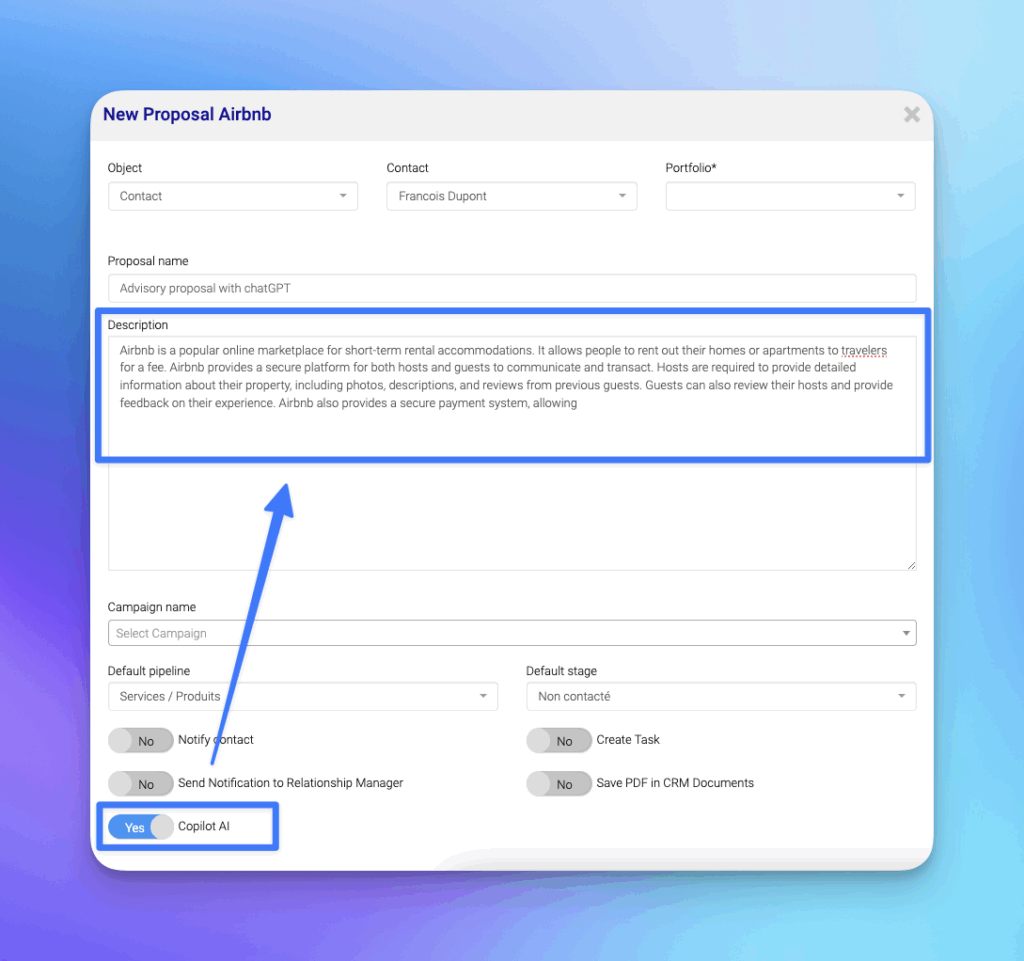
Интеграция ChatGPT с InvestGlass поможет банкам и консультантам
Интеграция технологий искусственного интеллекта в финансовых учреждениях стимулирует переход к решениям на базе ИИ, которые модернизируют традиционные банковские операции. Эти решения оптимизируют ручные процессы, улучшают принятие решений и, с появлением агентный ИИ в банковской сфере, помогают банкам оставаться конкурентоспособными в стремительно меняющейся среде.
Обнаружение мошенничества в режиме реального времени - одно из самых заметных приложений, в которых аи незамедлительно влияют на банковские операции. Передовые модели ai анализируют шаблоны транзакций, поведение пользователей и показатели риска, чтобы выявить подозрительную активность за миллисекунды. Эти системы достигли поразительных результатов, сократив потери от мошенничества до 40% по сравнению с традиционными методами и одновременно улучшив качество обслуживания клиентов за счет минимизации ложных срабатываний, которые ранее блокировали законные транзакции.
Преобразование распространяется на обслуживание клиентов с помощью круглосуточно работающих чат-ботов и виртуальных помощников, которые обрабатывают рутинные запросы без участия человека. Эти ai инструменты обрабатывают запросы на естественном языке, получают доступ к данным о клиенте в режиме реального времени и предоставляют персонализированные ответы, основанные на индивидуальной истории счета и предпочтениях. Крупнейшие банки сообщают, что в настоящее время эти системы обрабатывают более 80% основных операций по обслуживанию клиентов, освобождая сотрудников, чтобы они могли сосредоточиться на сложных вопросах, требующих сопереживания и сложного решения проблем. Благодаря автоматизации повторяющихся задач, таких как ответы на часто задаваемые вопросы и обработка простых запросов, сотрудники могут сосредоточиться на более важных видах деятельности, которые способствуют повышению удовлетворенности клиентов и росту бизнеса.
Возможно, наиболее значимыми являются автоматический кредитный скоринг и кредитование процессы утверждения произвели революцию в кредитных операциях. Алгоритмы искусственного интеллекта анализируют структурированные и неструктурированные данные из множества источников, включая традиционные кредитные отчеты, историю банковских транзакций, активность в социальных сетях и альтернативные источники данных, для оценки кредитного риска. Этот всесторонний анализ сокращает время принятия решений с дней до минут, а некоторые внутренние задачи с поддержкой ChatGPT, которые раньше занимали 12–15 минут, теперь могут быть выполнены всего за несколько секунд, что помогает повысить эффективность кредитных операций и одновременно улучшить точность прогнозирования вероятности погашения.
Интеграция моделей машинного обучения в оценку кредитных рисков позволила банкам расширить доступ к кредитам для ранее не обслуживаемых групп населения. Рассматривая более широкие массивы данных и выявляя закономерности, которые могут не заметить андеррайтеры, ай-системы могут выявлять кредитоспособных заемщиков, не имеющих традиционной кредитной истории, что способствует расширению доступа к финансовым услугам при соблюдении стандартов управления рисками.
Революция в области клиентского опыта с помощью технологий искусственного интеллекта
То, как клиенты взаимодействуют со своими банками, претерпело полное пре благодаря возможностям искусственного интеллекта, создав более персонализированные и эффективные услуги, которые адаптируются к индивидуальным потребностям и предпочтениям в режиме реального времени. Искусственный интеллект позволяет банкам предоставлять персонализированные услуги за счет использования передового анализа данных и машинного обучения для адаптации предложений, коммуникаций и поддержки к уникальной финансовой ситуации каждого клиента. Современные банковские приложения на базе технологий искусственного интеллекта анализируют структуры расходов, финансовые цели и поведенческие данные, чтобы предоставлять гиперперсонализированные рекомендации, помогающие клиентам принимать более правильные финансовые решения.
Ведущие финансовые учреждения, такие как JPMorgan Chase, внедрили платформы на базе ai-технологий, которые предоставляют персонализированные финансовые консультации на основе всестороннего анализа поведения клиентов и рыночной ситуации. Их виртуальный помощник может анализировать структуру расходов, предлагать оптимизацию бюджета и рекомендовать инвестиционные возможности с учетом индивидуальных профилей риска и финансовых целей.
Виртуальный помощник «Эрика» от Bank of America является ярким примером того, как инструменты искусственного интеллекта кардинально изменили взаимодействие с клиентами. Этот ИИ-агент ежемесячно обрабатывает миллионы запросов клиентов — от простых запросов о состоянии счета до помощи в составлении сложных финансовых планов. Такой подход к банковскому обслуживанию в формате диалога помогает клиентам почувствовать, что их понимают и поддерживают, что очень важно, поскольку 79% клиентов ожидают от брендов проявления понимания и заботы, особенно от надежного финансового бренда. Эрика может прогнозировать потребности клиентов на основе истории транзакций, проактивно предупреждать пользователей о необычных моделях расходов и предоставлять аналитическую информацию, которая помогает клиентам достигать своих финансовых целей.
Являясь частью более широких банковских технологий, эти интерфейсы демонстрируют, как разговорный банкинг выходит за рамки простых голосовых команд, переходя к более естественному взаимодействию с клиентами. Клиенты могут проверять баланс счетов, переводить средства, оплачивать счета и получать финансовую аналитику с помощью голосовых команд на естественном языке. Эта технология органично интегрируется в существующие экосистемы умного дома, делая банковские услуги доступными через привычные интерфейсы, которые клиенты уже используют ежедневно.
Диалоговый ИИ также поддерживает цифровое оформление и документацию по соблюдению нормативных требований.
Мониторинг транзакций в режиме реального времени Алгоритмы ai постоянно анализируют схемы транзакций, выявляя потенциально мошеннические действия, и мгновенно оповещают клиентов с помощью push-уведомлений, текстовых сообщений или электронной почты. Такой проактивный подход не только предотвращает финансовые потери, но и укрепляет доверие, демонстрируя приверженность банка к безопасности клиентов.
платформы управления благосостоянием на базе искусственного интеллекта демократизировали доступ к сложным инвестиционным советам, ранее доступным только состоятельным людям. Услуги робо-эдвайзинга используют передовые модели ИИ для создания и управления диверсифицированными инвестиционными портфелями на основе индивидуальной склонности к риску, временных горизонтов и финансовых целей. Эти платформы обеспечивают непрерывное Управление портфелем на основе искусственного интеллекта, автоматическое ребалансирование и налоговое сальдирование, обеспечивая профессиональное управление благосостоянием за малую долю традиционных затрат.
Персонализация выходит за рамки инвестиционных советов и включает в себя индивидуальные рекомендации продуктов. Системы ИИ анализируют данные клиентов, чтобы выявлять жизненные события, меняющиеся финансовые потребности и возможности для получения дополнительных услуг. Когда структура расходов клиента указывает на то, что он планирует крупную покупку, система может заблаговременно предложить подходящие варианты финансирования или стратегии сбережений, а финансовое просвещение поможет клиентам уверенно следовать этим рекомендациям.
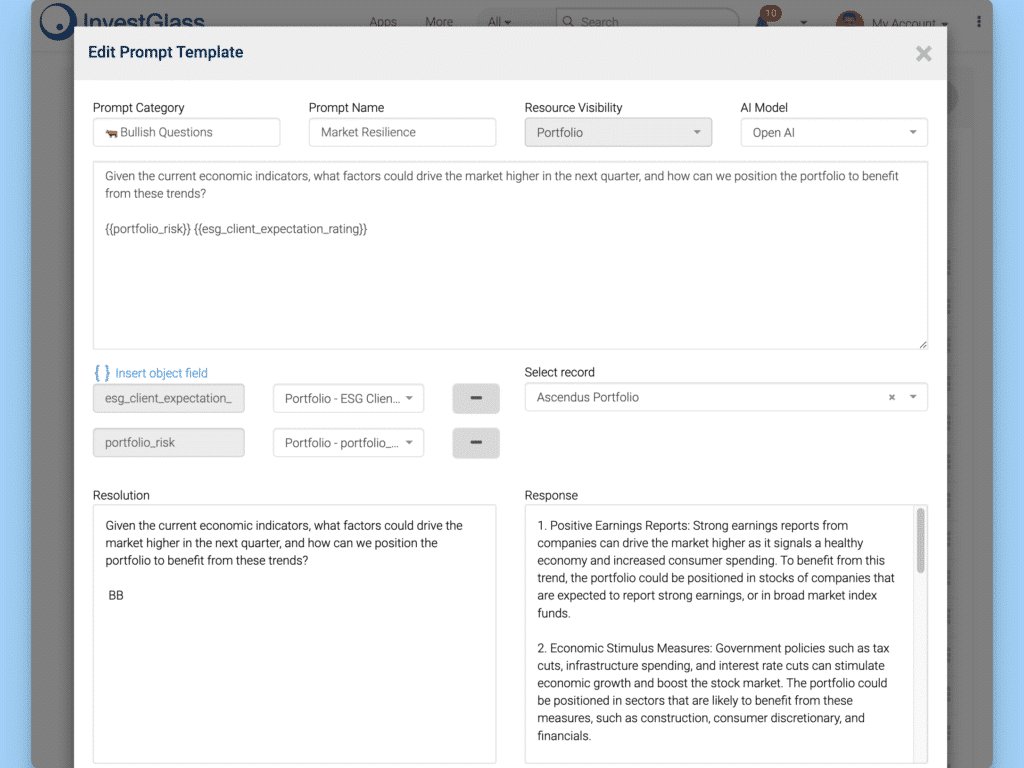
Интеллектуальный агент InvestGlass
Повышение операционной эффективности и улучшение управления рисками
За кулисами технологии искусственного интеллекта обеспечивают беспрецедентное повышение эффективности услуг, управления рисками и банковских операций. Автоматизированный мониторинг соответствия стала критически важным приложением, позволяющим сократить количество нарушений нормативных требований на 60% благодаря непрерывному мониторингу транзакций, коммуникаций и бизнес-процессов в соответствии со сложными нормативными требованиями. Эффективные стратегии ai сегодня необходимы для обеспечения соответствия нормативным требованиям и управления рисками, гарантируя, что банки смогут адаптироваться к изменяющимся нормативным требованиям и будущим тенденциям.
Документооборот на базе искусственного интеллекта устранил задачи по ручному вводу данных, которые ранее поглощали тысячи часов человеческого труда. Системы обработки естественного языка могут извлекать релевантную информацию из договоров, заявок на получение кредитов, регуляторной отчетности и других документов с большей точностью и скоростью, чем операторы-люди. Эта автоматизация не только снижает затраты, но и сводит к минимуму ошибки, которые могут привести к проблемам с соблюдением требований или недовольству клиентов. Автоматизируя эти процессы, банки сокращают объем ручной работы для своих сотрудников, позволяя командам сосредоточиться на более ценных задачах, которые стимулируют рост и конкурентоспособность.
Пredictive analytics for market trends and investment opportunities represent another area where ai capabilities provide significant competitive advantages. ai models analyze vast amounts of market data, economic indicators, news sentiment, and historical patterns to identify trends and opportunities that human analysts might miss. These insights inform trading strategies, risk management decisions, and product development initiatives, and they are increasingly embedded in generative ai tools used across modern banking technology. AI also enhances a bank’s ability to monitor compliance and manage risk more effectively, improving risk mitigation and overall Управление портфелем на основе искусственного интеллекта. Эти передовые возможности обеспечивают банкам конкурентное преимущество, позволяя им опережать отраслевые тенденции и превосходить своих соперников.
Алгоритмы машинного обучения произвели революцию в сфере противодействия отмыванию денег (AML), выявляя подозрительные закономерности в сложных сетях транзакций и отношений. Традиционные системы, основанные на правилах, часто генерировали многочисленные ложные срабатывания, которые требовали ручной проверки, в то время как системы, основанные на алгоритмах машинного обучения, могут с гораздо большей точностью отличать законные сложные транзакции от реальной деятельности по отмыванию денег.
Автоматизированная отчетность и стресс-тестирование позволили оптимизировать процессы соблюдения нормативных требований, которые ранее требовали значительных ручных усилий. Системы ai могут генерировать необходимые отчеты, агрегируя данные из нескольких источников, обеспечивая точность и согласованность при соблюдении жестких сроков регулирования. Модели стресс-тестирования, основанные на машинном обучении, могут имитировать тысячи рыночных сценариев для оценки устойчивости портфеля в различных экономических условиях.
Интеграция ай-инструментов в управление рисками распространяется и на кредиты управление портфелем, где прогнозные модели постоянно оценивают вероятность дефолта по всем кредитным портфелям. Эти системы способны выявлять ранние признаки финансовых затруднений заемщиков и предлагать меры упреждающего характера, направленные на минимизацию убытков и сохранение клиентов. В некоторых банковских сценариях применения генеративный ИИ может повысить эффективность оценки рисков на 27–35%.
Обнаружение мошенничества и достижения в области кибербезопасности
Эволюция выявления мошенничества с помощью ai представляет собой одну из самых сложных Применение искусственного интеллекта в банковском секторе. Современные системы искусственного интеллекта анализируют поведение транзакций в режиме реального времени, выявляя подозрительные паттерны за миллисекунды до инициирования транзакции. Эти системы одновременно учитывают сотни переменных, включая сумму транзакции, тип торговой точки, географическое положение, время суток и историю трат, для расчета показателей риска с поразительной точностью.
Поведенческая биометрическая аутентификация стала мощной заменой традиционным системам безопасности на основе паролей. Искусственный интеллект изучает индивидуальные паттерны набора текста, движения мыши, взаимодействия с сенсорным экраном и другие поведенческие характеристики для создания уникальных биометрических профилей. Эта технология в сочетании с автоматизированная проверка KYC, обнаруживает попытки захвата аккаунтов даже тогда, когда злоумышленники получили законные учетные данные для входа, обеспечивая дополнительный уровень безопасности, который практически невозможно воспроизвести.
Системы обнаружения угроз ai-driven защищают банковскую инфраструктуру, анализируя сетевой трафик, системные журналы и поведение пользователей, чтобы выявить потенциальные кибератаки до того, как они смогут нанести ущерб. Эти системы используют машинное обучение для определения базовых моделей нормального поведения и выявления аномалий, которые могут указывать на вредоносную активность. Проактивный подход позволяет службам безопасности реагировать на угрозы до того, как они перерастут в серьезные нарушения.
Межведомственный обмен данными для расширенных сетей предотвращения мошенничества позволил создать совместные системы защиты, в которых банки обмениваются анонимными индикаторами мошенничества для защиты всей финансовой экосистемы. Системы анализируют шаблоны по нескольким учреждениям для выявления возникающих схем мошенничества и обновления защитных мер в режиме реального времени во всех участвующих организациях.
Принятие решений с помощью искусственного интеллекта
Искусственный интеллект произвел революцию в принятии решений в банковской сфере, предоставив финансовым организациям возможность принимать более разумные, быстрые и прибыльные решения, чем когда-либо прежде. Имея под рукой передовые модели ИИ, банки могут использовать огромные объемы клиентских данных, рыночных тенденций и экономических индикаторов для принятия решений в реальном времени во всех сферах своей деятельности. Речь идет не просто о технологиях — речь идет о том, чтобы предоставить вашей организации аналитические данные, которые отличают лидеров отрасли от конкурентов.
Эта трансформация, основанная на данных, означает, что ваш банк может мгновенно перестроиться при изменении ситуации на рынке, сократить риски и использовать прибыльные возможности в момент их появления. Автоматизация на основе искусственного интеллекта автоматически принимает рутинные решения, освобождая ваши ценные команды для решения сложных стратегических задач, которые обеспечивают реальную ценность бизнеса. Результат? Значительное повышение эффективности и более разумное распределение ресурсов, благодаря чему ваши конкуренты оказываются в зеркале заднего вида.
Предиктивная аналитика на базе искусственного интеллекта служит вашим хрустальным шаром для выявления рисков и возможностей до того, как они скажутся на вашей прибыли. Непрерывно анализируя поведение клиентов и рыночные сигналы, системы ИИ помогают вам опережать события на три шага вперед, упреждающе корректируя стратегии и стимулируя устойчивый рост, который создает долгосрочную ценность. Принимая обоснованные решения, опирающиеся на данные, вы не просто повышаете свою конкурентоспособность, а обеспечиваете финансовое будущее своей организации.
В сегодняшнем стремительном финансовом секторе принятие решений на основе искусственного интеллекта — это не роскошь, а необходимость. Банки, которые используют эту технологию, не просто выживают: они обеспечивают исключительный клиентский опыт и достигают такого уровня устойчивого роста, который превращает хорошие финансовые институты в титанов индустрии. Вопрос не в том, можете ли вы позволить себе инвестировать в ИИ, а в том, можете ли вы позволить себе этого не делать.
Критические проблемы и управление рисками в банковской сфере с использованием искусственного интеллекта
Несмотря на то, что аи открывает огромные возможности для банковской отрасли, они также создают значительные проблемы, которые финансовые учреждения должны тщательно контролировать, чтобы обеспечить ответственное внедрение аи. Алгоритмическая предвзятость, влияющая на одобрение кредитов и кредитных решений, представляет собой одну из наиболее серьезных проблем, поскольку модели ai, обученные на исторических данных, могут увековечить или усилить существующую дискриминационную практику.
Проблемы конфиденциальности данных при обработке информации о клиентах стали еще более сложными, поскольку для эффективной работы систем искусственного интеллекта требуется доступ к огромным объемам персональных и финансовых данных. Банки должны находить баланс между необходимостью всестороннего анализа данных и ожиданиями клиентов в отношении конфиденциальности, информационной безопасностью и требованиями нормативных правовых актов по защите данных. Эта задача стоит особенно остро ввиду конфиденциального характера финансовой информации и возможных последствий утечки данных.
Принятие решений по принципу «черного ящика» порождает проблемы с прозрачностью, которые могут подорвать доверие клиентов и соблюдение нормативных требований. Многие модели искусственного интеллекта, особенно системы глубокого обучения, функционируют так, что их трудно объяснить или интерпретировать. ChatGPT также может испытывать трудности с пониманием финансовой терминологии, что способно повлиять на точность в деликатных банковских контекстах. Когда система искусственного интеллекта отклоняет заявку на кредит или помечает транзакцию как подозрительную, клиенты и регуляторы могут потребовать объяснений, которые технология не может легко предоставить.
Проблемы соблюдения нормативных требований в различных юрисдикциях добавляют сложности в внедрение искусственного интеллекта, поскольку банки, работающие на международном уровне, должны ориентироваться в различающихся требованиях к управлению ИИ, защите данных и алгоритмической прозрачности. Эти проблемы также более широко затрагивают финансовые компании, поскольку внедрение инструментов ИИ требует соответствия финансовым регуляторам, а модели ИИ должны соответствовать федеральным нормам во избежание предвзятости. Быстро меняющаяся нормативно-правовая база означает, что системы комплаенса должны постоянно обновляться для решения новых задач и учета новых руководящих принципов.
Уязвимости кибербезопасности в ai системах создают новые векторы атак, которыми могут воспользоваться злоумышленники. ai моделями можно манипулировать с помощью атак, заставляющих их принимать неверные решения, а централизованный характер многих ai систем создает высокопривлекательные цели для киберпреступников. Банки должны внедрять надежные меры безопасности, специально разработанные для защиты инфраструктуры ai при сохранении производительности и доступности системы.
Проблема перемещения рабочих мест в традиционных банковских сферах требует тщательного управления изменениями по мере того, как аи-системы автоматизируют задачи, ранее выполнявшиеся сотрудниками. Хотя аи часто дополняют, а не заменяют человеческие возможности, некоторые роли могут устареть, что создаст проблемы для кадрового планирования, переобучения и поддержания морального духа сотрудников в периоды трансформации.
Нормативно-правовая база и требования к соответствию
Нормативно-правовая база, регулирующая применение искусственного интеллекта в банковской сфере, стремительно развивается, появляются новые механизмы, призванные решать уникальные задачи, которые ставят перед собой системы искусственного интеллекта. Требования к реализации Закона ЕС об искусственном интеллекте для финансовых учреждений устанавливают комплексные правила разработки, развертывания и мониторинга систем искусственного интеллекта. Банки, работающие в Европе, должны обеспечить соответствие своих систем искусственного интеллекта строгим требованиям к оценке рисков, документации и человеческому контролю. Интеграция искусственного интеллекта в систему обеспечения соответствия нормативным требованиям необходима банкам для эффективного выполнения этих нормативных требований, оптимизации процессов и повышения эффективности управления рисками.
Руководящие принципы исполнительного приказа США по использованию ай в банковском секторе подчеркивают необходимость ответственного подхода к развитию ай, сохраняя при этом инновационный импульс. Согласно этим рекомендациям, банки должны оценивать воздействие систем искусственного интеллекта на справедливость, безопасность и эффективность, а также внедрять соответствующие структуры управления для надзора за внедрением и эксплуатацией искусственного интеллекта.
Стандарты документирования и проверяемости принятия решений с помощью аи требуют от банков ведения всесторонней документации о том, как аи-системы принимают решения, включая источники данных для обучения, архитектуру моделей, процедуры проверки и текущий мониторинг производительности. Эта документация должна быть достаточной для проведения экспертизы и аудита со стороны регулирующих органов, а также для поддержки процессов внутреннего управления.
Меры по защите прав потребителей и требования к объяснимости ai обязывают банки предоставлять четкие объяснения решений, принимаемых с помощью ai и влияющих на клиентов. Если система отказывает в кредите или фиксирует транзакцию, клиент имеет право понять причину принятого решения и потребовать пересмотра результатов.
Инвестиционные тенденции и рост рынка банковского искусственного интеллекта
Финансовые вложения в технологии искусственного интеллекта (ИИ) в банковском секторе отражают стратегическую важность этих инноваций для укрепления конкурентных позиций и обеспечения операционной эффективности. Общий объем инвестиций в ИИ в сфере финансовых услуг в 2023 году достиг $35 миллиардов, при этом крупнейшие банки выделили 15–20% от своих общих ИТ-бюджетов непосредственно на инициативы в области ИИ. Такой уровень инвестиций свидетельствует о том, что внедрение ИИ вышло за рамки экспериментальных проектов и стало ключевым компонентом стратегий цифровой трансформации; эту точку зрения подтверждают 66% руководителей банков, считающих, что новые технологии будут определять развитие банковского сектора в течение следующих пяти лет.
Финансовые организации все чаще формируют стратегические партнерства с финтех-компаниями для ускорения внедрения инноваций в области искусственного интеллекта и получения доступа к специализированной экспертизе. Эти коллаборации позволяют традиционным банкам задействовать передовые возможности ИИ, разработанные технологическими стартапами, одновременно предоставляя финтех-компаниям доступ к устоявшейся клиентской базе и регуляторному опыту. Модель партнерства оказалась особенно эффективной для развертывания приложений генеративного искусственного интеллекта, включая разработку цифровых советников и новых клиентских ИИ-сервисов.
Ожидаемая отдача от инвестиций в ai значительна: согласно прогнозам, финансовые услуги с использованием ai могут принести мировой экономике $2 триллиона долларов за счет повышения эффективности, расширения доступа к финансовым услугам и улучшения возможностей управления рисками. Отдельные банки сообщают о прогнозах окупаемости инвестиций в ай в течение 3 лет, которые в основном обусловлены снижением операционных расходов, улучшением управления рисками, а также привлечением и удержанием клиентов.
Инвестиционный ландшафт выявляет конкретные приоритетные направления, где банки ожидают наибольшей отдачи. В инвестиционном банкинге ИИ совершенствует исследования, финансовое моделирование и консультационные услуги, поддерживая заключение сделок, анализ рынка и взаимодействие с клиентами. Специализированные платформы, такие как CRM с поддержкой искусственного интеллекта для частных банков помогите внедрить эти возможности в работу подразделений фронт- и мидл-офиса. Системы обнаружения и предотвращения мошенничества обычно демонстрируют окупаемость (ROI) в течение 12–18 месяцев за счет прямого сокращения убытков и повышения операционной эффективности. Автоматизация клиентского сервиса обеспечивает отдачу за счет снижения затрат на персонал и роста показателей удовлетворенности клиентов. Совершенствование оценки кредитных рисков создает ценность за счет улучшения качества кредитного портфеля и расширения возможностей кредитования.
Инвестиции венчурного капитала в ИИ-стартапы в банковской сфере резко ускорились: появились специализированные фонды, ориентированные исключительно на инновации в сфере финансовых технологий. Универсальные платформы, такие как InvestGlass для автоматизации продаж Приведите пример того, как развитие этой экосистемы обеспечивает непрерывный поток инноваций от стартапов к устоявшимся банкам, создавая при этом конкурентное давление для более быстрого и эффективного внедрения возможностей искусственного интеллекта.
Географическое распределение инвестиций в искусственный интеллект в банковском секторе демонстрирует концентрацию в крупных финансовых центрах, где Нью-Йорк, Лондон, Сингапур и Гонконг лидируют как по объемам инвестиций, так и по внедрению инноваций. Тем не менее, развивающиеся рынки быстро внедряют банковские решения на базе ИИ и специализированные CRM-системы для финансовых учреждений, часто обходя традиционную банковскую инфраструктуру для внедрения мобильных финансовых услуг на базе искусственного интеллекта.
Перспективы будущего: Тенденции развития банковского ИИ в 2025 году и далее
Траектория развития искусственного интеллекта в банковской сфере указывает на еще более масштабные изменения во всей финансовой индустрии в ближайшие годы. Интеграция встроенных финансов посредством API на базе ИИ позволит нефинансовым компаниям беспрепятственно внедрять банковские услуги в свои продукты и платформы. Эта тенденция стирает традиционные границы между отраслями, поскольку ритейлеры, поставщики медицинских услуг и технологические компании предлагают банковские услуги на базе инфраструктуры ИИ, в то время как сами центральные банки изучают ИИ для монетарной политики и цифровых валют.
Применение квантовых вычислений для сложного финансового моделирования представляет собой смену парадигмы, которая может произвести революцию в оценке рисков, оптимизации портфеля и выявлении мошенничества. Пока еще находящиеся на ранних стадиях разработки, квантовые системы Ai обещают решить вычислительные проблемы, которые в настоящее время являются неразрешимыми, что позволит использовать новые подходы к прогнозированию рынка, криптографической безопасности и анализу рисков в режиме реального времени.
Генеративный ИИ для автоматизированной финансовой отчетности и анализа изменит то, как банки создают регуляторные отчеты, инвестиционные исследования и клиентские коммуникации. Интеграция технологий ИИ в рабочие процессы и системы отчетности банков поможет этим инструментам более эффективно вписаться в существующие операции. Эти системы могут генерировать всесторонние финансовые анализы, создавать персонализированные инвестиционные отчеты и составлять проекты регуляторных документов с минимальным вмешательством человека, обеспечивая при этом точность и соблюдение стандартов отчетности.
Конвергенция технологий blockchain и ai обещает повысить безопасность и прозрачность финансовых операций. Смарт-контракты на базе ai могут автоматически выполнять сложные финансовые соглашения на основе анализа данных в режиме реального времени, а технология blockchain обеспечивает неизменяемость записей о транзакциях, которые системы ai могут анализировать для выявления мошенничества и контроля соблюдения требований.
Оптимизация устойчивого финансирования с помощью анализа ESG (экологические, социальные и управленческие факторы) на базе искусственного интеллекта приобретет важнейшее значение по мере расширения нормативных требований к отчетности об устойчивом развитии. Системы искусственного интеллекта могут анализировать огромные объемы данных ESG, чтобы помочь банкам оценивать влияние их инвестиций и решений о кредитовании на устойчивое развитие, одновременно выявляя возможности в сфере зеленого финансирования.
Открытое банковское обслуживание эволюция с агрегацией данных на базе искусственного интеллекта создаст новые возможности для персонализированных финансовых услуг, охватывающих множество учреждений. платформы ИИ будут анализировать данные из различных финансовых источников для предоставления комплексной финансовой аналитики, автоматизированного управления деньгами и оптимизированных рекомендаций по продуктам во всей финансовой экосистеме. по мере взросления этих технологий цифровой банкинг выводит на новый уровень персонализацию, скорость и устойчивость.
Заглядывая в будущее, банки должны сохранять гибкость, постоянно учиться и корректировать свои стратегии, чтобы задействовать весь потенциал искусственного интеллекта. Внедрение технологий ИИ будет иметь решающее значение для стимулирования инноваций и предоставления безопасных услуг в интересах более устойчивого и гибкого банковского сектора в будущем.
Новые технологии, формирующие будущее банковского искусственного интеллекта
Система обработки естественного языка для анализа договоров и проверки юридических документов развивается быстрыми темпами, и теперь системы способны анализировать сложные финансовые соглашения, выявлять ключевые условия и риски, а также отмечать потенциальные проблемы с соблюдением требований. Эти возможности позволят значительно сократить время и расходы, связанные с процессами юридической экспертизы, а также повысить точность и согласованность.
Применение компьютерного зрения в банковской сфере выходит за рамки традиционной обработки чеков и включает в себя проверка личности, аутентификация документов и безопасность отделений. Передовые системы могут проверять личность клиента, анализируя одновременно несколько биометрических факторов и выявляя поддельные документы с помощью детального анализа изображений, превосходящего возможности человека.
Пограничные вычисления, позволяющие обрабатывать ай в режиме реального времени в филиалах, представляют собой значительный сдвиг в сторону распределенных ай-архитектур. Обрабатывая ai рабочие нагрузки локально, а не полагаясь на централизованные облачные системы, банки могут снизить задержки, улучшить защиту конфиденциальности и поддерживать доступность услуг даже при ограниченном сетевом подключении. Эти достижения особенно важны для розничных банков, где оптимизация обслуживания клиентов и оптимизация операционных рабочих процессов являются важнейшими условиями сохранения конкурентных преимуществ.
Технология "цифрового двойника" для моделирования и оптимизации банковских операций создает виртуальные копии банковских процессов, которые Ai Systems может использовать для тестирования новых стратегий, оптимизации рабочих процессов и прогнозирования влияния операционных изменений до их внедрения в производственную среду. Эта возможность позволяет непрерывно совершенствовать банковские операции путем проведения экспериментов и оптимизации на основе данных.
Стратегическое внедрение: Лучшие практики внедрения ИИ в банковской сфере
Успешная ИИ-трансформация в банковском секторе требует соблюдения баланса между ИИ-автоматизацией и человеческим контролем при внедрении технологий, организационных изменениях и управлении рисками. Разработка комплексных систем управления ИИ представляет собой основу для ответственного внедрения искусственного интеллекта, устанавливая четкие правила для разработки, развертывания, мониторинга и обслуживания ИИ-систем.
Формирование айтишников с помощью программ обучения и стратегического найма стало критически важным фактором успеха для банков, стремящихся максимизировать свои айти-инвестиции. Организации должны балансировать между привлечением внешних специалистов и развитием внутреннего потенциала, создавая карьерные траектории, которые привлекают лучших айтишников и одновременно обеспечивают передачу знаний существующим сотрудникам. Успешные программы, как правило, сочетают формальное обучение технологиям ai с практическим проектным опытом, который позволяет сотрудникам применять новые навыки в реальных банковских условиях.
Стратегии интеграции устаревших систем для беспрепятственного внедрения ai требуют тщательного планирования, чтобы новые ai могли получить доступ к необходимым данным и интегрироваться с существующими бизнес-процессами. Во многих банках используются основные системы, созданные десятилетиями назад, которые никогда не были рассчитаны на интеграцию с ai, что создает технические проблемы, которые необходимо решать с помощью промежуточных решений, разработки api и постепенной модернизации системы.
Инициативы по просвещению клиентов в области внедрения услуг на базе искусственного интеллекта играют решающую роль в реализации полной ценности инвестиций в ИИ. Клиенты должны понимать, как ИИ улучшает их опыт взаимодействия с банком, и при этом чувствовать уверенность в том, что их данные защищены, а они сами сохраняют контроль над важными финансовыми решениями. Успешные образовательные программы используют множество каналов для объяснения преимуществ ИИ на ясном, нетехническом языке, помогают пользователям понять инструменты генеративного ИИ, используемые в банковских услугах, и решают распространенные проблемы, связанные с конфиденциальностью и предвзятостью алгоритмов.
Постоянный мониторинг моделей и процессы оптимизации производительности обеспечивают сохранение точности и эффективности ai систем с течением времени. Банковская среда постоянно меняется под влиянием рыночной конъюнктуры, обновлений нормативных актов и меняющихся потребностей клиентов, что требует регулярного переобучения и проверки ai-моделей. Ведущие банки внедряют автоматизированные системы мониторинга, которые отслеживают работу моделей в режиме реального времени и выявляют потенциальные проблемы до того, как они повлияют на клиентский опыт или бизнес-результаты.
Сроки реализации проектов ai banking обычно составляют 12-24 месяца для крупных инициатив, а пилотные программы часто запускаются в течение 3-6 месяцев для проверки концепций и укрепления доверия организации. Рекомендации по распределению бюджета предлагают направить 60% инвестиций в ai на технологическую инфраструктуру, 25% - на развитие талантов и управление изменениями, а 15% - на текущий мониторинг и оптимизацию.
Наиболее успешные внедрения ai следуют поэтапному подходу, который начинается с приложений с низким уровнем риска, таких как чат-боты и обнаружение мошенничества, а затем переходит к более сложным сценариям использования, таким как автоматизированное андеррайтинг и инвестиционное консультирование. Такая последовательность позволяет организациям накапливать опыт, разрабатывать процессы управления и демонстрировать преимущества, управляя при этом рисками внедрения.
Стратегии снижения рисков на протяжении всего жизненного цикла разработки ai включают в себя протоколы комплексного тестирования, процедуры обнаружения и исправления ошибок, а также механизмы резервного копирования, обеспечивающие непрерывность обслуживания в случае возникновения непредвиденных ситуаций с ai системами. Регулярные аудиты производительности ай-систем, как внутренние, так и внешние, помогают выявить потенциальные проблемы до того, как они повлияют на клиентов или бизнес-операции.
Трансформация банковской сферы с помощью технологий искусственного интеллекта представляет собой нечто большее, чем технологическое изменение — это фундаментальное переосмысление того, как финансовые институты функционируют, конкурируют и обслуживают клиентов. Банки, которые успешно пройдут эту трансформацию, будут использовать искусственный интеллект для создания устойчивых конкурентных преимуществ, улучшения управления рисками и предоставления исключающего клиентского опыта, который стимулирует рост бизнеса и поддерживает финансовую стабильность.
По мере развития возможностей ai банки должны оставаться адаптируемыми, постоянно учиться и корректировать свои стратегии, чтобы использовать весь потенциал ai, сохраняя доверие клиентов к своим финансовым учреждениям. Организации, которые примут этот вызов, будут определять будущее банковских и финансовых услуг на десятилетия вперед.
Часто задаваемые вопросы (FAQ)
Q1: Как ChatGPT улучшает персонализированное обслуживание клиентов в банковской сфере?
ChatGPT использует передовые технологии обработки естественного языка для предоставления круглосуточной персонализированной поддержки клиентов, обрабатывая более 80% простых запросов. Система адаптирует ответы с учетом истории и предпочтений конкретного клиента, создавая интерактивный банковский сервис, который повышает уровень удовлетворённости и лояльности клиентов.
Вопрос 2: Каких значительных улучшений могут ожидать банки от интеграции ChatGPT?
Банки могут значительно повысить операционную эффективность за счет автоматизации рутинных задач, сокращения убытков от мошенничества на 40% и ускорения оценки кредитных рисков. ChatGPT также способствует укреплению взаимодействия с клиентами благодаря персонализированным финансовым рекомендациям и более оперативному реагированию.
В3: Существуют ли трудности при внедрении ChatGPT в банковской сфере?
Да, задачи включают в себя обеспечение конфиденциальности и безопасности данных, интеграцию ChatGPT с существующими устаревшими системами, обучение клиентов и персонала для внедрения, а также соблюдение меняющихся финансовых нормативных требований. Банки также должны бороться с потенциальными предвзятостями ИИ и сохранять надзор со стороны человека.
Q4: Может ли ChatGPT помочь с заявками на получение кредита и управлением счетом?
Совершенно верно. Чат-боты на базе ChatGPT могут сопровождать пользователей при оформлении кредитов, отслеживать кредитный рейтинг и помогать в управлении учетными записями, такими как автоматические платежи и обновление личной информации, что делает банковские услуги более доступными и удобными.
В5: Каковы перспективы ИИ и ChatGPT в банковской сфере?
Будущее таит в себе еще более невероятные перспективы, включая более глубокую интеграцию со встроенными финансами, квантовые вычисления для моделирования рисков, генеративный ИИ для автоматизированной отчетности и расширенный анализ ESG. Эти достижения позволят еще больше персонализировать услуги и оптимизировать банковские операции.
Заключение
ChatGPT производит революцию в банковской отрасли, обеспечивая персонализированное обслуживание клиентов, повышая операционную эффективность и преобразуя опыт диалогового банкинга. Автоматизируя рутинные задачи и улучшая управление рисками, банки могут сосредоточиться на выстраивании более прочных отношений с клиентами и предоставлении индивидуальных финансовых решений. Хотя такие проблемы, как конфиденциальность данных, соблюдение нормативных требований и их принятие клиентами, остаются актуальными, интеграция ChatGPT и технологий искусственного интеллекта открывает еще более невероятные перспективы для будущего банковского дела. Финансовые институты, которые стратегически внедряют эти инновации, не только повысят уровень удовлетворенности клиентов, но и обеспечат себе конкурентное преимущество в стремительно меняющемся финансовом ландшафте.


