
人工知能(AI)は、効率性の向上、定型業務の自動化、不正検知の改善により、銀行業界に革命をもたらしつつある。イングランド銀行と金融行動監視機構による2024年の調査では、以下のことが明らかになった。 英国の金融機関の75%がすでにAIを活用している, さらに10%が今後3年以内に採用する予定である。
この記事では、AIが銀行業務にどのような革命をもたらし、金融サービスの未来を形作るのかを探る。.
 銀行業界はますます バンキング 人工知能 (AI)は、金融サービスセクター全体の効率性を高め、イノベーションを開拓する極めて重要な力となっている。AIが金融業界にもたらす経済効果は相当なもので、その貢献は$1兆ドルに達すると予測されている。このような数字は、金融サービス業界におけるAIの重要性を裏付けている。 プロセスの最適化におけるAI技術の役割, サービスの有効性を強化し、運営経費を削減する。
とはいえ、AIを 銀行システムには、次のような困難がつきまとう。 スキルの不足や、既存の制度の枠組みの中で新しいテクノロジーを融合させるという課題。こうした障害にもかかわらず、多くの銀行はAI導入への道を着実に歩んでいる。実際、導入を開始した銀行のうち86%が、将来の繁栄のために不可欠であると考えている。銀行の業務においてこのようなテクノロジーへの依存が強まるにつれ、最先端のテクノロジー・ソリューションに支えられた顧客中心のビジネスモデルへの進化を目の当たりにしている。
AIの模範的な導入事例は、このセクターにおけるAIの影響力の大きさを物語っている。例えば、バンク・オブ・アメリカの先進的なチャットボットEricaは、高度な技術によって顧客サポートを大幅に向上させた。 管理 数え切れないほどの問い合わせは、AIへの継続的な投資が、すべての銀行の業務遂行の将来的な軌道を決定づけるという明確な兆候である。.
銀行業界はますます バンキング 人工知能 (AI)は、金融サービスセクター全体の効率性を高め、イノベーションを開拓する極めて重要な力となっている。AIが金融業界にもたらす経済効果は相当なもので、その貢献は$1兆ドルに達すると予測されている。このような数字は、金融サービス業界におけるAIの重要性を裏付けている。 プロセスの最適化におけるAI技術の役割, サービスの有効性を強化し、運営経費を削減する。
とはいえ、AIを 銀行システムには、次のような困難がつきまとう。 スキルの不足や、既存の制度の枠組みの中で新しいテクノロジーを融合させるという課題。こうした障害にもかかわらず、多くの銀行はAI導入への道を着実に歩んでいる。実際、導入を開始した銀行のうち86%が、将来の繁栄のために不可欠であると考えている。銀行の業務においてこのようなテクノロジーへの依存が強まるにつれ、最先端のテクノロジー・ソリューションに支えられた顧客中心のビジネスモデルへの進化を目の当たりにしている。
AIの模範的な導入事例は、このセクターにおけるAIの影響力の大きさを物語っている。例えば、バンク・オブ・アメリカの先進的なチャットボットEricaは、高度な技術によって顧客サポートを大幅に向上させた。 管理 数え切れないほどの問い合わせは、AIへの継続的な投資が、すべての銀行の業務遂行の将来的な軌道を決定づけるという明確な兆候である。.
リッチなスマートエージェントを作る 
AI+人間が鍵 
InvestGlassスマートエージェントプロンプト 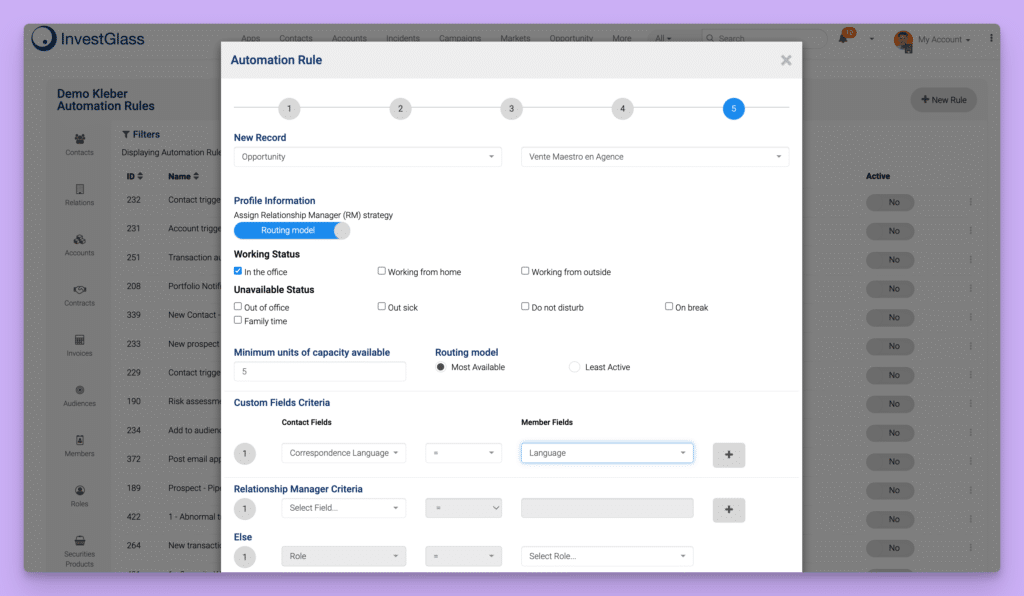
スマートルーティング
要点
- 人工知能が銀行に変革をもたらす 産業 効率性を高め、コストを削減し、最大で$1兆ドルの経済効果をもたらす。.
- AIが大幅に改善 顧客 パーソナライズされたサービス、チャットボットによるリアルタイムのサポート、持続可能なバンキングの実践を通じたエクスペリエンスは、顧客満足度の向上に貢献する。.
- 銀行の未来は、次のようなものによって形作られるだろう。 ジェネレーティブAI などの新たなテクノロジーが登場する。私たちは、銀行が効率性を向上させ、大きな価値を提供することを目的としたAIソリューションを徐々に導入し、以下を強化すると予想している。 リスク管理, そして、この分野におけるAI市場の大幅な成長を牽引している。.
銀行業務における人工知能の台頭
銀行部門は大きな影響を受けている。 人工知能の登場による変革 (AI)の導入が進んでいる。金融機関は、収益拡大、意思決定の強化、リスク管理の改善のため、AI技術の採用を加速させている。銀行業務におけるAI化の推進は、顧客体験の向上、コスト削減、業務効率化の必要性に後押しされている。AIの重要なサブセットである機械学習は、膨大なデータセットを分析してパターンを特定することに優れており、銀行はより多くの情報に基づいた意思決定を行うことができる。 このようなAIの台頭は、革新的なビジネスモデルにも道を開いている。例えば、ロボ・アドバイザリー・サービスは、AIアルゴリズムを活用してパーソナライズされた投資アドバイスを提供し、ファイナンシャル・プランニングをより身近で個人のニーズに合ったものにする。さらに、AIを搭載したチャットボットは現代のバンキングにおける定番となっており、以下のようなサービスを提供している。 顧客との便利で効率的な交流方法 が銀行と連携している。このような進歩は、AIが銀行業務を再構築し、より迅速で顧客中心のものにするという極めて重要な役割を担っていることを裏付けている。.現代の銀行業務における人工知能の役割
銀行業界はますます バンキング 人工知能 (AI)は、金融サービスセクター全体の効率性を高め、イノベーションを開拓する極めて重要な力となっている。AIが金融業界にもたらす経済効果は相当なもので、その貢献は$1兆ドルに達すると予測されている。このような数字は、金融サービス業界におけるAIの重要性を裏付けている。 プロセスの最適化におけるAI技術の役割, サービスの有効性を強化し、運営経費を削減する。
とはいえ、AIを 銀行システムには、次のような困難がつきまとう。 スキルの不足や、既存の制度の枠組みの中で新しいテクノロジーを融合させるという課題。こうした障害にもかかわらず、多くの銀行はAI導入への道を着実に歩んでいる。実際、導入を開始した銀行のうち86%が、将来の繁栄のために不可欠であると考えている。銀行の業務においてこのようなテクノロジーへの依存が強まるにつれ、最先端のテクノロジー・ソリューションに支えられた顧客中心のビジネスモデルへの進化を目の当たりにしている。
AIの模範的な導入事例は、このセクターにおけるAIの影響力の大きさを物語っている。例えば、バンク・オブ・アメリカの先進的なチャットボットEricaは、高度な技術によって顧客サポートを大幅に向上させた。 管理 数え切れないほどの問い合わせは、AIへの継続的な投資が、すべての銀行の業務遂行の将来的な軌道を決定づけるという明確な兆候である。.
銀行業務におけるAIのメリット
銀行業務におけるAIの利点は多岐にわたる。主な利点の1つは、大規模なデータセットを分析し、パターンを特定する能力である。AIは以下を強化する。 パーソナライズされたサービスの提供による顧客体験 を、個人の嗜好や行動に合わせてカスタマイズすることができる。このレベルのカスタマイズは、顧客満足度を向上させるだけでなく、忠誠心を育てる。 さらに、AIは手作業を自動化することでコストを大幅に削減する。 プロセスと業務効率の向上. .かつては人間の多大な労力を必要とした作業も、現在ではAIシステムによって迅速かつ正確に実行できるようになり、スタッフはより複雑で付加価値の高い業務に専念できるようになった。リスク管理の面では、AIは膨大なデータセットを分析して潜在的なリスクを特定し、銀行がリスクを軽減するための事前対策を講じることを可能にします。さらにAIは、疑わしい活動をリアルタイムで特定し、全体的なセキュリティを強化することで、マネーロンダリングや詐欺などの金融犯罪を検知・防止する上で重要な役割を果たしている。.AI主導のカスタマー・エクスペリエンス
機械学習による業務の自動化
銀行業界は、AIの導入により効率が大幅に向上した。 ロボティック・プロセス・オートメーション (RPA)が極めて重要な役割を果たしている。RPAは金融機関の日常業務を自動化し、スピードとスピードアップを実現します。 生産性向上. .この自動化シフトは業務効率を最適化するだけでなく、スタッフが複雑なやり取りにより多くの注意を払えるようにすることで、カスタマーケアの水準を向上させる。 銀行は、膨大な量の取引データを消化し、プロセス改善のための領域を特定し、業務全体を向上させることに優れているため、機械学習技術を活用している。AIを 銀行システム は、人為的ミスを減らし、プロセスを迅速化することで、金融機関のコストを大幅に削減します。正確性が極めて重要なコンプライアンス業務では、機械学習の知見に基づく様々な手法を採用しながら、銀行業務全体の精度レベルを高めることに直結する。さらに、音声認識はAI対応のチャットボットやバーチャルアシスタントにおける重要な機能であり、ユーザーが銀行サービスと口頭でやり取りできるようにすることで、口座照会や支払い処理などの業務を円滑に進めることができる。 ジェネレーティブAIは、業界内の日常的な側面をさらに見直す能力で際立っている。参考 KYC認証の自動化 プロトコルを作成し、不必要な警告を抑制することで、コンプライアンス手順を効率的に改善する。このような技術的進歩は、生成的AIがいかに日常を変革する道を開くかを明確に示している。 銀行業務をより信頼性の高い合理化されたプロセスへ.不正の検出と防止を強化
リスク管理と与信判断におけるAI
AIテクノロジーは、そのあり方を大きく変えようとしている。 銀行はリスクを管理し、与信を行う を決定する。クレジットヒストリーの乏しい顧客の行動データを分析することで、AIはより正確に信用力を測ることができる。この強化された能力により、与信判断の迅速性と精度の両方が大幅に強化され、与信判断のスピードが加速される。 意思決定プロセス. AIをプロセスに取り入れることで、多くの銀行機関が与信承認時の意思決定を合理化し、与信限度額の設定に関連する承認階層の階層を簡素化することが可能になった。これは 与信管理のための強力なツール 膨大な量のデータを迅速に選別し、リスクを示すパターンを発見することで、重要な財務判断の精度を向上させる。このような洗練されたテクノロジーによる自動化によって、リアルタイムのモニタリングが可能になる。 銀行は、顧客の与信の変更に関する機敏な対応メカニズムを提供する。 それでもなお、この領域における生成AIの導入には、倫理的な課題が伴わないわけではない。部分的データセットでのトレーニングに起因して内在するバイアスが現れる可能性があり、それが差別的な融資慣行を引き起こすおそれがある。これは、AIシステムの原則に基づいた活用を確実きすることを目的とした複雑なかじ取りが求められる規制の海を航行する金融機関にとって、直面しなければならない最重要課題である。 銀行がEUのガイドラインに定められているような、規定された地域の規制を遵守することは依然として不可欠である。AI媒体を介した透明性のある処理を義務付ける人工知能に関する法案は、最先端技術の導入に伴う潜在的リスクを巧みに回避するために不可欠である。 テクノロジーは、現代の進歩がもたらす約束を果たすとともに 業界のパラダイムにおけるジェネレーティブAIのようなもの。透明性と包括性を明確に扱う強固な社内ガイドラインを作成する。 関連するリスクに関する管理戦略は、組織を効果的に強化する。 先駆的な技術アプリケーションが提供する強力な能力を活用する。.生成AI:機会と課題
銀行業務における持続可能性と社会的責任へのAIの影響
AIは、銀行部門における持続可能性と社会的責任の推進において、変革的な役割を果たす可能性を秘めている。大規模なデータセットを処理・分析することで、AIは銀行が持続可能性と社会的責任の取り組みを強化できる分野を特定するのに役立つ。例えば、AIは金融面で排除されるリスクのある顧客を特定し、金融面での幸福度を向上させるためのオーダーメイドのサービスや提案を提供することができる。 さらに、AIは銀行が環境に与える影響を軽減する手助けをすることができる。エネルギー消費パターンを分析することで、AIは銀行がエネルギー使用量を削減し、持続可能性の実践を強化する機会を特定することができる。このことは、以下のことに取り組む顧客に金融サービスを提供することに重点を置くグリーン・バンキングなど、より持続可能なビジネスモデルの開発につながる可能性がある。 サステナビリティ. .こうした取り組みを通じて、AIは銀行がより責任ある経営を行えるようにするだけでなく、より持続可能な未来を目指すリーダーとしての地位を確立している。.銀行業務におけるAIの導入と採用
その実施と 銀行におけるAIの導入 には、戦略的かつ綿密なアプローチが必要である。銀行はまず、自社のビジネス・ニーズを明確に理解し、AIが最も価値を付加できる特定の分野を特定することから始める必要がある。そのためには AIの導入をサポートし、確実にすることができる堅牢なデータ・インフラストラクチャ 必要なデータが入手可能で、質が高いこと。 また、熟練した労働力を育成することも重要である。 AIシステム導入の成功. .そのためには、従業員にAI技術の管理・運用に必要なスキルを身につけさせるための研修・育成プログラムに多額の投資を行う必要がある。さらに、組織内に革新と実験の文化を醸成することは、AIの採用を促進し、継続的な改善を推進するために不可欠である。 銀行はまた、以下のようなAI導入に伴うリスクにも対処しなければならない。 データのプライバシーとセキュリティ を懸念している。こうしたリスクを軽減し、AIシステムが責任を持って倫理的に使用されるようにするためには、強固なリスク管理の枠組みを構築することが不可欠である。以下を考慮した戦略的アプローチをとることで ビジネスニーズ, データ・インフラ、従業員のスキル、リスク管理など、銀行はAIの力を効果的に活用することで、イノベーションを推進し、事業目標を達成することができる。.金融機関におけるAIの持続可能性への影響
人工知能 AIは銀行サービスの機能面を一新するだけでなく、業界内での環境持続可能な実践をも促進している。膨大な量のデータを処理することにより、AIモデルはエコフレンドリーな取引を自動的に分類することができる。これにより、金融機関は持続可能性を中核プロセスに組み込むことが可能となり、環境への影響を最小限に抑えることに尽力する銀行にとって極めて重要なステップとなる。 これらの取り組みを成功させるには、法人顧客から新しい情報を取得することが不可欠である。そのようなデータは、環境目標に共鳴する意思決定を容易にする。多くの銀行がグリーンイニシアチブを支援するために調整されたAI技術を採用するにつれて、業界内のより持続可能な未来へ向けて舵を切るリーダーとしての地位を確立することになる。.AI導入の地域差
銀行セクターにおけるAI技術の統合は、以下のような様々な影響により、地域によって大きく異なる:- 地方レベルの競争状況
- 規制措置の進展
- 銀行の投資能力
- 消費者の嗜好
- テクノロジーへの習熟
銀行の人工知能の将来動向


