
ChatGPT affects banking by bringing advanced ai into core banking work, changing how financial institutions handle fraud detection, customer service automation, personalized financial advice, and credit risk assessment. The banking industry is experiencing its most profound transformation since the advent of digital banking, with artificial intelligence reshaping every facet of financial services. Technological innovation is a driving force behind this transformation, enabling banking industries to adapt to rapid change and integrate advanced AI solutions. From fraud detection systems that process millions of transactions in milliseconds to personalized financial advice delivered through virtual assistants, ai systems are fundamentally changing how banks operate and serve customers.
This transformation isn’t happening gradually it’s accelerating at breakneck speed. In 2025, ai technologies have moved from experimental pilots to mission-critical infrastructure across financial institutions worldwide. For banking professionals, financial institutions, technology decision-makers, and other stakeholders tracking the future of financial services, the shift is now tied directly to competitiveness, efficiency, risk control, and customer growth. The impact spans every aspect of banking operations, from customer-facing applications to back-office processes that drive operational efficiency.
बैंकिंग पर एआई के प्रभाव को समझने के लिए दैनिक कार्यों को नया रूप देने वाले तात्कालिक परिवर्तनों और वित्तीय सेवाओं के भविष्य को परिभाषित करने वाले दीर्घकालिक रणनीतिक बदलावों दोनों का अध्ययन करना आवश्यक है। प्रतिस्पर्धी बने रहने के लिए, बैंकों को एआई को अपनाने के साथ-साथ एक स्पष्ट व्यावसायिक रणनीति का समन्वय करना होगा जो बदलते वित्तीय परिदृश्य में नवाचार, परिचालन दक्षता और ग्राहक-केंद्रितता का समर्थन करती हो। यह व्यापक विश्लेषण एआई की वर्तमान स्थिति का विश्लेषण करता है। बैंकिंग में एआई, changes in customer experience, operational efficiency, risk management, regulatory and compliance challenges, investment trends, best practices for adoption, and the emerging technologies shaping banking’s future.
बैंकिंग में कृत्रिम बुद्धिमत्ता का परिचय
कृत्रिम होशियारी (AI) is your gateway to redefining your banking operations and delivering the exceptional experiences your clients demand. When you embrace AI technologies, you’re not just staying competitive you’re positioning your institution to thrive and scale faster in today’s rapidly evolving financial landscape. By integrating advanced AI systems into your core banking operations, you can automate those time-consuming routine tasks like fraud detection and credit risk assessment, freeing up your teams to focus on what truly matters: building valuable client relationships and driving growth.
Your adoption of artificial intelligence isn’t just about automation it’s about transforming how you connect with clients and manage risk. With AI models analyzing vast amounts of customer behavior data, you can deliver personalized financial advice and tailored solutions that truly meet individual needs. This level of personalization doesn’t just enhance client satisfaction; it builds the long-term loyalty that keeps your institution ahead of the competition.
इसके अलावा, एआई-संचालित नवाचार प्रक्रियाओं को सुव्यवस्थित करके, परिचालन लागतों को कम करके और आपकी सतत विकास रणनीतियों का समर्थन करके आपको आगे रहने में मदद करते हैं। जैसे-जैसे एआई उपकरण अधिक परिष्कृत होते जाते हैं, आप इन तकनीकों का लाभ उठाकर ग्राहकों की जरूरतों की गहरी समझ प्राप्त कर सकते हैं, अपने निर्णय लेने को अनुकूलित कर सकते हैं और व्यवसाय विस्तार के नए अवसर पैदा कर सकते हैं। एआई का एकीकरण into your banking operations is no longer optional it’s your strategic advantage for thriving in the digital age and delivering exceptional client experiences.
तत्काल प्रभाव: किस प्रकार एआई आज बैंकिंग संचालन को नया आकार दे रहा है
बैंकिंग क्षेत्र में एआई को अपनाने का स्तर अभूतपूर्व हो गया है, वित्तीय संस्थानों ने 2023 के दौरान विशेष रूप से एआई प्रौद्योगिकियों में 14,000 अरब डॉलर का निवेश किया है। यह भारी निवेश वित्तीय संस्थानों में पिछले वर्ष की तुलना में 781,000 अरब डॉलर की अपनाने की दर में वृद्धि को दर्शाता है, जिससे पता चलता है कि एआई को अपनाना प्रायोगिक चरण से रणनीतिक अनिवार्यता में बदल गया है।.
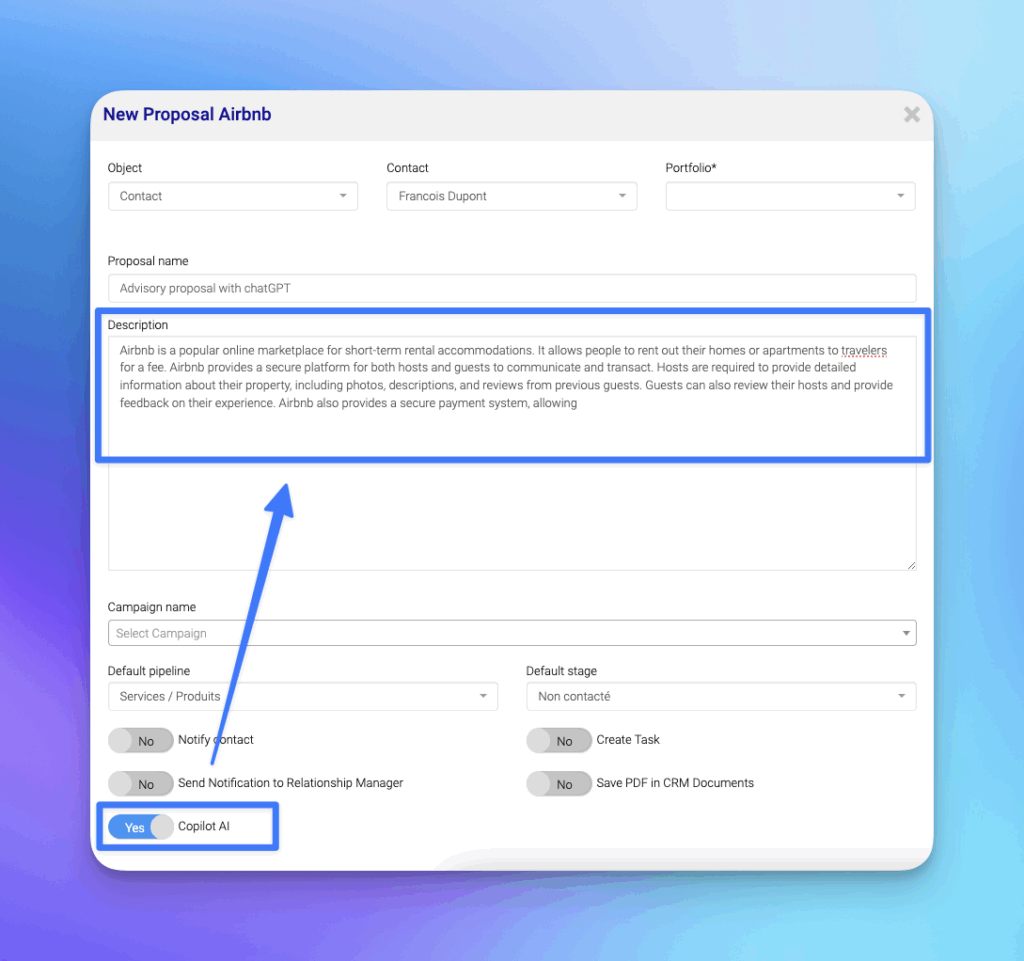
बैंकों और सलाहकारों की मदद के लिए इन्वेस्टग्लास के साथ चैटजीपीटी का एकीकरण।
The integration of AI technologies in financial institutions is driving a shift toward ai driven solutions that modernize traditional banking operations. These solutions streamline manual processes, improve decision-making, and, with emerging बैंकिंग में एजेंटिक एआई, help banks stay competitive in a rapidly evolving landscape.
रियल-टाइम धोखाधड़ी का पता लगाना उन सबसे स्पष्ट अनुप्रयोगों में से एक है जहां एआई बैंकिंग कार्यों को तुरंत प्रभावित करता है। उन्नत एआई मॉडल लेनदेन पैटर्न, उपयोगकर्ता व्यवहार और जोखिम संकेतकों का विश्लेषण करके कुछ ही मिलीसेकंड में संदिग्ध गतिविधि की पहचान कर लेते हैं। इन प्रणालियों ने उल्लेखनीय परिणाम प्राप्त किए हैं, पारंपरिक तरीकों की तुलना में धोखाधड़ी से होने वाले नुकसान को 40% तक कम किया है, साथ ही साथ गलत पहचान को कम करके ग्राहक अनुभव को बेहतर बनाया है, जिससे पहले वैध लेनदेन अवरुद्ध हो जाते थे।.
यह परिवर्तन निम्नलिखित क्षेत्रों तक फैला हुआ है: ग्राहक सेवा चौबीसों घंटे चलने वाले एआई-संचालित चैटबॉट और वर्चुअल असिस्टेंट के ज़रिए, जो मानवीय हस्तक्षेप के बिना ही सामान्य पूछताछ का जवाब देते हैं। ये एआई उपकरण प्राकृतिक भाषा में पूछे गए प्रश्नों को संसाधित करते हैं, ग्राहकों के डेटा को वास्तविक समय में एक्सेस करते हैं और व्यक्तिगत खाता इतिहास और प्राथमिकताओं के आधार पर व्यक्तिगत प्रतिक्रियाएँ प्रदान करते हैं। प्रमुख बैंकों का कहना है कि ये सिस्टम अब 801 ट्रिलियन डॉलर से अधिक बुनियादी ग्राहक सेवा संबंधी बातचीत को संभालते हैं, जिससे मानव एजेंट सहानुभूति और परिष्कृत समस्या-समाधान की आवश्यकता वाले जटिल मुद्दों पर ध्यान केंद्रित करने के लिए स्वतंत्र हो जाते हैं। बार-बार पूछे जाने वाले प्रश्नों के उत्तर देने और सरल अनुरोधों को संसाधित करने जैसे दोहराव वाले कार्यों को स्वचालित करके, कर्मचारी उच्च-मूल्य वाली गतिविधियों पर ध्यान केंद्रित करने में सक्षम होते हैं जो ग्राहक संतुष्टि और व्यवसाय वृद्धि को बढ़ावा देती हैं।.
शायद सबसे महत्वपूर्ण बात यह है कि स्वचालित क्रेडिट स्कोरिंग और ऋण अनुमोदन प्रक्रियाएँ have revolutionized lending operations. ai algorithms analyze structured and unstructured data from multiple sources including traditional credit reports, bank transaction history, social media activity, and alternative data sources to make credit risk assessments. This comprehensive analysis cuts decision time from days to minutes, and some ChatGPT-assisted internal tasks that once took 12-15 minutes can now be completed in just a few seconds, helping to enhance efficiency in lending operations while improving accuracy in predicting repayment probability.
क्रेडिट जोखिम मूल्यांकन में मशीन लर्निंग मॉडल के एकीकरण ने बैंकों को उन वर्गों तक क्रेडिट की पहुंच बढ़ाने में सक्षम बनाया है जिन्हें पहले क्रेडिट की सुविधा नहीं मिल पाती थी। व्यापक डेटा सेट पर विचार करके और उन पैटर्न की पहचान करके जिन्हें मानव अंडरराइटर शायद नज़रअंदाज़ कर दें, एआई सिस्टम उन क्रेडिट योग्य उधारकर्ताओं की पहचान कर सकते हैं जिनके पास पारंपरिक क्रेडिट इतिहास नहीं है, जिससे जोखिम प्रबंधन मानकों को बनाए रखते हुए वित्तीय समावेशन को बढ़ावा मिलता है।.
एआई तकनीकों के माध्यम से ग्राहक अनुभव में क्रांतिकारी बदलाव
The way customers interact with their banks has been completely transformed through ai capabilities, creating more personalized and efficient services that adapt to individual needs and preferences in real-time. AI enables banks to deliver personalized services by leveraging advanced data analysis and machine learning to tailor offerings, communications, and support to each customer’s unique financial situation. Modern banking apps powered by ai technologies analyze spending patterns, financial goals, and behavioral data to provide hyper-personalized recommendations that help customers make better financial decisions.
जेपी मॉर्गन चेस जैसे प्रमुख वित्तीय संस्थानों ने एआई-आधारित प्लेटफॉर्म लागू किए हैं जो ग्राहकों के व्यवहार और बाजार की स्थितियों के व्यापक विश्लेषण के आधार पर व्यक्तिगत वित्तीय सलाह प्रदान करते हैं। उनका वर्चुअल असिस्टेंट खर्च करने के तरीकों का विश्लेषण कर सकता है, बजट को अनुकूलित करने के सुझाव दे सकता है और व्यक्तिगत जोखिम प्रोफाइल और वित्तीय उद्देश्यों के अनुरूप निवेश के अवसरों की सिफारिश कर सकता है।.
Bank of America’s Erica virtual assistant exemplifies how ai tools have revolutionized customer interactions. This ai agent handles millions of customer requests monthly, from basic account inquiries to complex financial planning assistance. This kind of conversational banking helps customers feel understood and supported, which matters because 79% of customers expect brands to demonstrate understanding and care, especially from a trusted financial brand. Erica can predict customer needs based on transaction history, proactively alert users to unusual spending patterns, and provide insights that help customers achieve their financial goals.
As part of broader banking technology, these interfaces show how conversational banking extends beyond simple voice commands into more natural customer interactions. Customers can check account balances, transfer funds, pay bills, and receive financial insights using natural language voice commands. This technology integrates seamlessly with existing smart home ecosystems, making banking services accessible through familiar interfaces that customers already use daily.
Conversational AI also supports digital onboarding and compliance documentation.
वास्तविक समय में लेनदेन की निगरानी यह ग्राहक सुरक्षा और अनुभव में एक महत्वपूर्ण प्रगति का प्रतिनिधित्व करता है। एआई एल्गोरिदम संभावित धोखाधड़ी वाली गतिविधियों की पहचान करने के लिए लेनदेन पैटर्न का लगातार विश्लेषण करते हैं और पुश नोटिफिकेशन, टेक्स्ट मैसेज या ईमेल के माध्यम से ग्राहकों को तुरंत सूचित करते हैं। यह सक्रिय दृष्टिकोण न केवल वित्तीय नुकसान को रोकता है बल्कि ग्राहक सुरक्षा के प्रति बैंक की प्रतिबद्धता को प्रदर्शित करके विश्वास भी बढ़ाता है।.
ai-driven wealth management platforms have democratized access to sophisticated investment advice previously available only to high-net-worth individuals. Robo-advisory services use advanced ai models to create and manage diversified investment portfolios based on individual risk tolerance, time horizons, and financial objectives. These platforms provide continuous एआई-संचालित पोर्टफोलियो प्रबंधन, automatic rebalancing, and tax-loss harvesting, delivering professional-grade wealth management at a fraction of traditional costs.
The personalization extends beyond investment advice to include customized product recommendations. ai systems analyze customer data to identify life events, changing financial needs, and opportunities for additional services. When a customer’s spending patterns suggest they’re planning a major purchase, the system can proactively offer relevant financing options or savings strategies, with financial education helping customers act on those recommendations confidently.
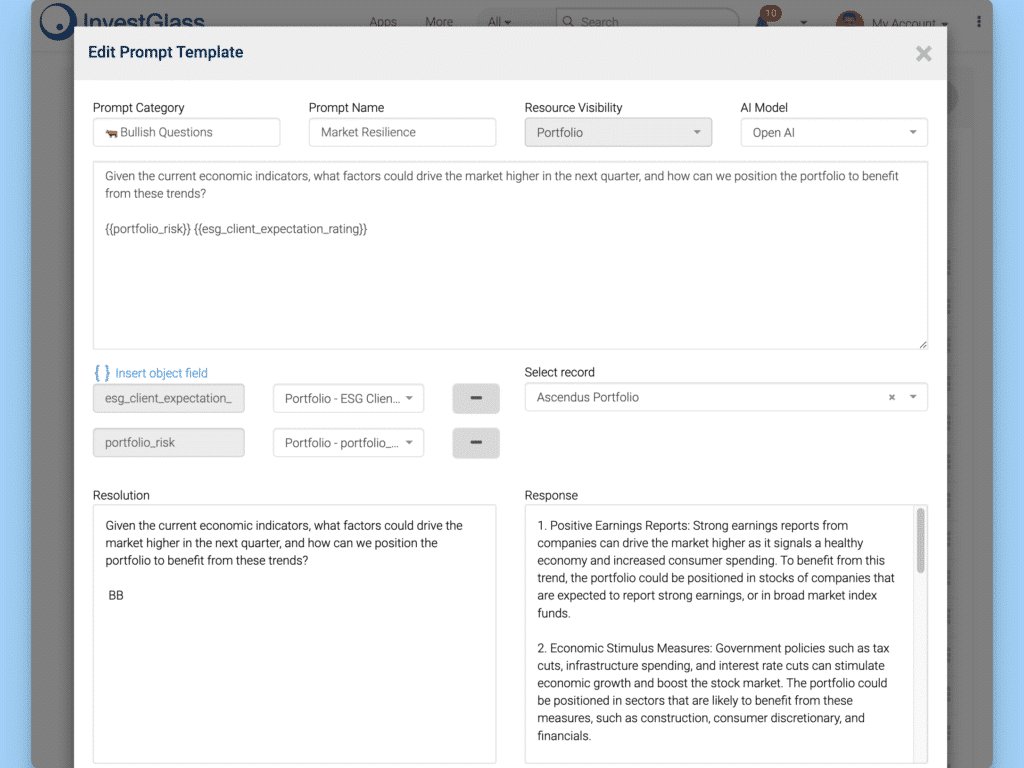
इन्वेस्टग्लास स्मार्ट एजेंट प्रॉम्प्ट
परिचालन दक्षता और जोखिम प्रबंधन संवर्धन
Behind the scenes, ai technologies are driving unprecedented improvements in efficient services, risk management, and banking operations. स्वचालित अनुपालन निगरानी जटिल नियामक आवश्यकताओं के विरुद्ध लेन-देन, संचार और व्यावसायिक प्रक्रियाओं की निरंतर निगरानी के माध्यम से नियामक उल्लंघनों को कम करने में 60% एक महत्वपूर्ण अनुप्रयोग के रूप में उभरा है। प्रभावी एआई रणनीतियाँ अब नियामक अनुपालन और जोखिम प्रबंधन के लिए आवश्यक हैं, जिससे यह सुनिश्चित होता है कि बैंक बदलते नियमों और भविष्य के रुझानों के अनुकूल हो सकें।.
ai-powered document processing has eliminated manual data entry tasks that previously consumed thousands of hours of human labor. Natural language processing systems can extract relevant information from contracts, loan applications, regulatory filings, and other documents with greater accuracy and speed than human processors. This automation not only reduces costs but also minimizes errors that could lead to compliance issues or customer dissatisfaction. By automating these processes, banks reduce manual work for bank employees so teams can focus on higher-value tasks that drive growth and competitiveness.
Predictive analytics for market trends and investment opportunities represent another area where ai capabilities provide significant competitive advantages. ai models analyze vast amounts of market data, economic indicators, news sentiment, and historical patterns to identify trends and opportunities that human analysts might miss. These insights inform trading strategies, risk management decisions, and product development initiatives, and they are increasingly embedded in generative ai tools used across modern banking technology. AI also enhances a bank’s ability to monitor compliance and manage risk more effectively, improving risk mitigation and overall एआई-संचालित पोर्टफोलियो प्रबंधन. These advanced capabilities provide a competitive advantage for banks, enabling them to stay ahead of industry trends and outperform their rivals.
मशीन लर्निंग एल्गोरिदम ने लेन-देन और संबंधों के जटिल नेटवर्क में संदिग्ध पैटर्न की पहचान करके मनी लॉन्ड्रिंग विरोधी (एएमएल) पता लगाने के क्षेत्र में क्रांतिकारी बदलाव ला दिए हैं। पारंपरिक नियम-आधारित प्रणालियाँ अक्सर कई गलत परिणाम देती थीं जिनकी मैन्युअल समीक्षा की आवश्यकता होती थी, जबकि एआई-संचालित प्रणालियाँ वैध जटिल लेन-देन और वास्तविक मनी लॉन्ड्रिंग गतिविधियों के बीच कहीं अधिक सटीकता से अंतर कर सकती हैं।.
स्वचालित नियामक रिपोर्टिंग और स्ट्रेस टेस्टिंग क्षमताओं ने अनुपालन प्रक्रियाओं को सरल बना दिया है, जिनमें पहले काफी मैन्युअल प्रयास की आवश्यकता होती थी। एआई सिस्टम कई स्रोतों से डेटा एकत्रित करके आवश्यक रिपोर्ट तैयार कर सकते हैं, जिससे सटीकता और निरंतरता सुनिश्चित होती है और साथ ही सख्त नियामक समयसीमाओं का भी पालन होता है। मशीन लर्निंग द्वारा संचालित स्ट्रेस टेस्टिंग मॉडल विभिन्न आर्थिक स्थितियों में पोर्टफोलियो की मजबूती का आकलन करने के लिए हजारों बाजार परिदृश्यों का अनुकरण कर सकते हैं।.
जोखिम प्रबंधन में एआई उपकरणों का एकीकरण क्रेडिट तक भी फैला हुआ है। श्रेणी प्रबंधन, where predictive models continuously assess the likelihood of default across entire loan portfolios. These systems can identify early warning signs of borrower distress and recommend proactive interventions to minimize losses while supporting customer retention. In some banking use cases, generative AI can improve risk assessment efficiency by 27–35%.
धोखाधड़ी का पता लगाने और साइबर सुरक्षा में प्रगति
कृत्रिम बुद्धिमत्ता के माध्यम से धोखाधड़ी का पता लगाने का विकास सबसे परिष्कृत तकनीकों में से एक है। कृत्रिम बुद्धिमत्ता के अनुप्रयोग in the banking sector. Modern ai systems analyze transaction behavior in real-time, identifying suspicious patterns within milliseconds of transaction initiation. These systems consider hundreds of variables simultaneously including transaction amount, merchant type, geographic location, time of day, and historical spending patterns to calculate risk scores with remarkable precision.
Behavioral biometric authentication has emerged as a powerful replacement for traditional password-based security systems. ai algorithms learn individual typing patterns, mouse movements, touch screen interactions, and other behavioral characteristics to create unique biometric profiles. This technology, combined with स्वचालित केवाई सी सत्यापन, can detect account takeover attempts even when criminals have obtained legitimate login credentials, providing an additional layer of security that’s nearly impossible to replicate.
कृत्रिम बुद्धिमत्ता पर आधारित खतरे का पता लगाने वाली प्रणालियाँ नेटवर्क ट्रैफ़िक, सिस्टम लॉग और उपयोगकर्ता व्यवहार का विश्लेषण करके बैंकिंग अवसंरचना की सुरक्षा करती हैं, ताकि संभावित साइबर हमलों को नुकसान पहुँचाने से पहले ही पहचाना जा सके। ये प्रणालियाँ मशीन लर्निंग का उपयोग करके सामान्य व्यवहार पैटर्न स्थापित करती हैं और उन असामान्यताओं को चिह्नित करती हैं जो दुर्भावनापूर्ण गतिविधि का संकेत दे सकती हैं। यह सक्रिय दृष्टिकोण सुरक्षा टीमों को गंभीर उल्लंघनों में तब्दील होने से पहले ही खतरों का जवाब देने में सक्षम बनाता है।.
धोखाधड़ी रोकथाम नेटवर्क को बेहतर बनाने के लिए अंतर-संस्थागत डेटा साझाकरण ने सहयोगात्मक रक्षा प्रणालियाँ बनाई हैं, जहाँ बैंक संपूर्ण वित्तीय पारिस्थितिकी तंत्र की सुरक्षा के लिए गुमनाम धोखाधड़ी संकेतकों को साझा करते हैं। एआई सिस्टम कई संस्थानों में पैटर्न का विश्लेषण करके उभरती धोखाधड़ी योजनाओं की पहचान करते हैं और सहभागी संगठनों में वास्तविक समय में रक्षा उपायों को अपडेट करते हैं।.
एआई के साथ निर्णय लेना
AI is revolutionizing decision-making in banking, giving financial institutions the power to make smarter, faster, and more profitable decisions than ever before. With cutting-edge AI models at your fingertips, banks can unlock massive volumes of customer data, market trends, and economic indicators to drive real-time decision making across every corner of their operations. This isn’t just about technology it’s about empowering your institution with the insights that separate industry leaders from the competition.
डेटा-आधारित इस बदलाव का मतलब है कि बाज़ार में उतार-चढ़ाव आने पर आपका बैंक तुरंत बदलाव कर सकता है, जोखिम को कम कर सकता है और उभरते ही आकर्षक अवसरों का लाभ उठा सकता है। AI-संचालित स्वचालन नियमित निर्णयों को स्वचालित रूप से संभालता है, जिससे आपकी मूल्यवान टीमें उन जटिल, रणनीतिक चुनौतियों से निपटने के लिए स्वतंत्र हो जाती हैं जो वास्तविक व्यावसायिक मूल्य प्रदान करती हैं। परिणाम? दक्षता में ज़बरदस्त वृद्धि और संसाधनों का बेहतर आवंटन जो आपके प्रतिस्पर्धियों को पीछे छोड़ देता है।.
AI-driven predictive analytics are your crystal ball for spotting risks and opportunities before they hit your bottom line. By continuously scanning customer behaviors and market signals, AI systems help you stay three steps ahead adjusting strategies proactively and driving sustainable growth that builds lasting value. When you make informed, data-backed decisions, you’re not just improving your competitive edge you’re securing your institution’s financial future.
In today’s lightning-fast finance sector, AI-powered decision making isn’t optional it’s essential. Banks that harness this technology don’t just survive; they deliver exceptional customer experiences and achieve the kind of sustainable growth that transforms good institutions into industry titans. The question isn’t whether you can afford to invest in AI it’s whether you can afford not to.
एआई बैंकिंग में महत्वपूर्ण चुनौतियाँ और जोखिम प्रबंधन
हालांकि कृत्रिम बुद्धिमत्ता बैंकिंग उद्योग के लिए अपार अवसर प्रस्तुत करती है, लेकिन यह कई महत्वपूर्ण चुनौतियां भी खड़ी करती है जिनका वित्तीय संस्थानों को जिम्मेदारीपूर्ण तरीके से प्रबंधन करना आवश्यक है ताकि कृत्रिम बुद्धिमत्ता का सही उपयोग सुनिश्चित हो सके। ऋण स्वीकृति और क्रेडिट निर्णयों को प्रभावित करने वाला एल्गोरिथम पूर्वाग्रह सबसे गंभीर चिंताओं में से एक है, क्योंकि ऐतिहासिक डेटा पर प्रशिक्षित कृत्रिम बुद्धिमत्ता मॉडल मौजूदा भेदभावपूर्ण प्रथाओं को कायम रख सकते हैं या उन्हें बढ़ा सकते हैं।.
Data privacy concerns with customer information processing have become increasingly complex as ai systems require access to vast amounts of personal and financial data to function effectively. Banks must balance the need for comprehensive data analysis with customer privacy expectations, data security, and regulatory requirements for data protection. The challenge is particularly acute given the sensitive nature of financial information and the potential consequences of data breaches.
Black box decision-making creates transparency issues that can undermine customer trust and regulatory compliance. Many ai models, particularly deep learning systems, operate in ways that are difficult to explain or interpret. ChatGPT may also struggle with understanding financial terminology, which can affect accuracy in sensitive banking contexts. When an ai system denies a loan application or flags a transaction as suspicious, customers and regulators may demand explanations that the technology cannot easily provide.
Regulatory compliance challenges across different jurisdictions add complexity to ai implementation, as banks operating internationally must navigate varying requirements for ai governance, data protection, and algorithmic transparency. These challenges also impact financial firms more broadly, as implementing ai tools requires alignment with financial regulations, and ai models must comply with federal regulations to avoid bias. The rapidly evolving regulatory landscape means that compliance frameworks must be continuously updated to address new requirements and guidance.
कृत्रिम बुद्धिमत्ता प्रणालियों में साइबर सुरक्षा संबंधी कमजोरियाँ नए आक्रमण के रास्ते बनाती हैं जिनका दुर्भावनापूर्ण तत्व फायदा उठा सकते हैं। कृत्रिम बुद्धिमत्ता मॉडल को विरोधी हमलों के माध्यम से हेरफेर किया जा सकता है जिससे वे गलत निर्णय लेने के लिए मजबूर हो जाते हैं, और कई कृत्रिम बुद्धिमत्ता प्रणालियों की केंद्रीकृत प्रकृति साइबर अपराधियों के लिए उच्च मूल्य वाले लक्ष्य बनाती है। बैंकों को प्रणाली के प्रदर्शन और उपलब्धता को बनाए रखते हुए कृत्रिम बुद्धिमत्ता अवसंरचना की सुरक्षा के लिए विशेष रूप से डिज़ाइन किए गए मजबूत सुरक्षा उपायों को लागू करना चाहिए।.
पारंपरिक बैंकिंग भूमिकाओं में नौकरी छूटने की आशंकाओं को देखते हुए, कृत्रिम बुद्धिमत्ता प्रणालियों द्वारा मानव कर्मचारियों द्वारा पहले किए जाने वाले कार्यों को स्वचालित किए जाने के कारण सावधानीपूर्वक परिवर्तन प्रबंधन की आवश्यकता है। हालांकि कृत्रिम बुद्धिमत्ता अक्सर मानव क्षमताओं को प्रतिस्थापित करने के बजाय उन्हें बढ़ाती है, फिर भी कुछ भूमिकाएँ अप्रचलित हो सकती हैं, जिससे परिवर्तन काल के दौरान कार्यबल नियोजन, पुनर्प्रशिक्षण और कर्मचारियों के मनोबल को बनाए रखने में चुनौतियाँ उत्पन्न हो सकती हैं।.
नियामक ढांचा और अनुपालन आवश्यकताएं
बैंकिंग क्षेत्र में कृत्रिम बुद्धिमत्ता (एआई) के लिए नियामक वातावरण तेजी से विकसित हो रहा है, और कृत्रिम बुद्धिमत्ता प्रणालियों द्वारा उत्पन्न अनूठी चुनौतियों से निपटने के लिए नए ढांचे उभर रहे हैं। वित्तीय संस्थानों के लिए यूरोपीय संघ के एआई अधिनियम के कार्यान्वयन संबंधी आवश्यकताओं में एआई प्रणाली के विकास, तैनाती और निगरानी के लिए व्यापक नियम स्थापित किए गए हैं। यूरोप में कार्यरत बैंकों को यह सुनिश्चित करना होगा कि उनकी एआई प्रणालियाँ जोखिम मूल्यांकन, दस्तावेज़ीकरण और मानवीय निगरानी के लिए निर्धारित सख्त आवश्यकताओं को पूरा करती हैं। अनुपालन ढाँचों में एआई को एकीकृत करना बैंकों के लिए इन नियामक आवश्यकताओं को प्रभावी ढंग से पूरा करने, प्रक्रियाओं को सुव्यवस्थित करने और जोखिम प्रबंधन को बेहतर बनाने के लिए आवश्यक है।.
अमेरिकी कार्यकारी आदेश के दिशानिर्देशों में बैंकिंग क्षेत्र में कृत्रिम बुद्धिमत्ता (एआई) के लिए नवाचार की गति को बनाए रखते हुए जिम्मेदार एआई विकास की आवश्यकता पर जोर दिया गया है। इन दिशानिर्देशों के अनुसार, बैंकों को एआई प्रणाली के निष्पक्षता, सुरक्षा और प्रभावशीलता पर पड़ने वाले प्रभावों का आकलन करना होगा और एआई की तैनाती और संचालन की निगरानी के लिए उपयुक्त शासन संरचनाएं लागू करनी होंगी।.
कृत्रिम बुद्धिमत्ता (एआई) द्वारा निर्णय लेने के लिए प्रलेखन और लेखापरीक्षा मानकों के अनुसार बैंकों को एआई प्रणालियों द्वारा निर्णय लेने के तरीके का व्यापक रिकॉर्ड रखना आवश्यक है, जिसमें प्रशिक्षण डेटा स्रोत, मॉडल संरचना, सत्यापन प्रक्रियाएं और निरंतर प्रदर्शन निगरानी शामिल हैं। यह प्रलेखन नियामक जांच और लेखापरीक्षा को सक्षम बनाने के साथ-साथ आंतरिक शासन प्रक्रियाओं का समर्थन करने के लिए पर्याप्त होना चाहिए।.
उपभोक्ता संरक्षण उपायों और व्याख्या योग्य एआई आवश्यकताओं के तहत बैंकों को एआई द्वारा लिए गए उन निर्णयों की स्पष्ट व्याख्या प्रदान करना अनिवार्य है जो ग्राहकों को प्रभावित करते हैं। जब कोई एआई प्रणाली ऋण अस्वीकार करती है या किसी लेनदेन को चिह्नित करती है, तो ग्राहकों को निर्णय के पीछे के कारणों को समझने और परिणाम की मानवीय समीक्षा का अनुरोध करने का अधिकार है।.
एआई बैंकिंग में निवेश के रुझान और बाजार की वृद्धि
The financial commitment to ai technologies across the banking sector reflects the strategic importance of these innovations for competitive positioning and operational excellence. Total ai investment in financial services reached $35 billion during 2023, with major banks allocating 15-20% of their entire IT budgets specifically to ai initiatives. This level of investment demonstrates that ai adoption has moved beyond experimental projects to become a core component of digital transformation strategies, a view reinforced by the 66% of banking executives who believe new technologies will drive banking over the next five years.
Financial institutions are increasingly forming strategic partnerships with fintech companies to accelerate ai innovation and access specialized expertise. These collaborations enable traditional banks to leverage cutting-edge ai capabilities developed by technology-focused startups while providing fintechs with access to established customer bases and regulatory expertise. The partnership model has proven particularly effective for deploying generative ai applications, including developing digital advisors, and new customer-facing ai services.
एआई निवेश पर अपेक्षित प्रतिफल काफी अधिक है, अनुमानों से संकेत मिलता है कि एआई-संचालित वित्तीय सेवाएं बेहतर दक्षता, वित्तीय सेवाओं तक विस्तारित पहुंच और उन्नत जोखिम प्रबंधन क्षमताओं के माध्यम से वैश्विक अर्थव्यवस्था में 1 ट्रिलियन डॉलर का योगदान दे सकती हैं। व्यक्तिगत बैंकों ने 3 वर्षों के भीतर एआई निवेश पर 3001 ट्रिलियन डॉलर के प्रतिफल का अनुमान लगाया है, जो मुख्य रूप से परिचालन लागत में कमी, बेहतर जोखिम प्रबंधन और ग्राहकों को आकर्षित करने और बनाए रखने में वृद्धि के कारण संभव होगा।.
The investment landscape reveals particular focus areas where banks expect the highest returns. In investment banking, AI is enhancing research, financial modeling, and advisory services, supporting deal-making, market analysis, and client engagement. Dedicated platforms like an AI-ready CRM for private banks help operationalize these capabilities across front and middle office teams. Fraud detection and prevention systems typically demonstrate ROI within 12-18 months due to direct loss reduction and improved operational efficiency. Customer service automation delivers returns through reduced staffing costs and improved customer satisfaction scores. Credit risk assessment improvements generate value through better loan performance and expanded lending opportunities.
Venture capital investment in banking ai startups has accelerated dramatically, with specialized funds emerging to focus exclusively on financial technology innovations. All-in-one platforms such as InvestGlass for sales automation exemplify how this ecosystem development ensures continued innovation flow from startups to established banks while creating competitive pressure to deploy ai capabilities more rapidly and effectively.
The geographic distribution of ai banking investments shows concentration in major financial centers, with New York, London, Singapore, and Hong Kong leading in both investment volume and innovation deployment. However, emerging markets are rapidly adopting ai banking solutions and specialized CRM systems for financial institutions, often leapfrogging traditional banking infrastructure to deploy mobile-first, ai-powered financial services.
भविष्य की संभावनाएं: 2025 और उसके बाद के लिए एआई बैंकिंग के रुझान
The trajectory of ai development in banking points toward even more transformative changes across the broader financial industry in the coming years. Embedded finance integration through ai-powered APIs will enable non-financial companies to seamlessly incorporate banking services into their products and platforms. This trend will blur traditional industry boundaries as retailers, healthcare providers, and technology companies offer banking services powered by ai infrastructure, while central banks themselves explore मौद्रिक नीति और डिजिटल मुद्राओं के लिए एआई.
जटिल वित्तीय मॉडलिंग के लिए क्वांटम कंप्यूटिंग अनुप्रयोग एक ऐसा क्रांतिकारी बदलाव ला सकते हैं जो जोखिम मूल्यांकन, पोर्टफोलियो अनुकूलन और धोखाधड़ी का पता लगाने के क्षेत्र में क्रांति ला सकता है। हालांकि क्वांटम-संवर्धित एआई सिस्टम अभी विकास के प्रारंभिक चरणों में हैं, लेकिन ये उन गणनात्मक समस्याओं को हल करने का वादा करते हैं जो वर्तमान में असाध्य हैं, जिससे बाजार पूर्वानुमान, क्रिप्टोग्राफिक सुरक्षा और वास्तविक समय जोखिम विश्लेषण के लिए नए दृष्टिकोण संभव हो सकेंगे।.
generative ai for automated financial reporting and analysis will transform how banks create regulatory reports, investment research, and customer communications. Integrating AI technology into bank workflows and reporting systems will help these tools fit existing operations more effectively. These systems can generate comprehensive financial analyses, create personalized investment reports, and draft regulatory filings with minimal human intervention while maintaining accuracy and compliance with reporting standards.
ब्लॉकचेन और एआई प्रौद्योगिकियों के संगम से वित्तीय लेनदेन में बेहतर सुरक्षा और पारदर्शिता का वादा किया गया है। एआई द्वारा संचालित स्मार्ट कॉन्ट्रैक्ट वास्तविक समय के डेटा विश्लेषण के आधार पर जटिल वित्तीय समझौतों को स्वचालित रूप से निष्पादित कर सकते हैं, जबकि ब्लॉकचेन तकनीक अपरिवर्तनीय लेनदेन रिकॉर्ड प्रदान करती है जिनका विश्लेषण एआई सिस्टम धोखाधड़ी का पता लगाने और अनुपालन निगरानी के लिए कर सकते हैं।.
Sustainable finance optimization through ai-driven ESG (Environmental, Social, and Governance) analysis will become increasingly important as regulatory requirements for sustainability reporting expand. ai systems can analyze vast amounts of ESG data to help banks assess the sustainability impact of their investments and lending decisions while identifying opportunities in green finance.
ओपन बैंकिंग evolution with ai-powered data aggregation will create new possibilities for personalized financial services that span multiple institutions. ai platforms will analyze data from various financial sources to provide comprehensive financial insights, automated money management, and optimized product recommendations across the entire financial ecosystem. As these technologies mature, digital banking supercharges personalization, speed, and resilience.
Looking ahead, banks must remain adaptable, continuously learning and adjusting their strategies to harness ai’s full potential. Integrating ai technologies will be essential for fostering innovation and delivering secure services for a more resilient and agile banking sector in the future.
उभरती प्रौद्योगिकियां बैंकिंग के एआई भविष्य को आकार दे रही हैं
अनुबंध विश्लेषण और कानूनी दस्तावेज़ समीक्षा के लिए प्राकृतिक भाषा प्रसंस्करण (NIC) तकनीक तेजी से विकसित हो रही है। अब सिस्टम जटिल वित्तीय समझौतों का विश्लेषण करने, प्रमुख शर्तों और जोखिमों की पहचान करने और संभावित अनुपालन संबंधी समस्याओं को इंगित करने में सक्षम हैं। इन क्षमताओं से कानूनी समीक्षा प्रक्रियाओं में लगने वाला समय और लागत काफी कम हो जाएगी, साथ ही सटीकता और एकरूपता में भी सुधार होगा।.
बैंकिंग में कंप्यूटर विज़न के अनुप्रयोग पारंपरिक चेक प्रोसेसिंग से आगे बढ़कर कई अन्य क्षेत्रों तक विस्तारित हैं। पहचान सत्यापन, दस्तावेज़ प्रमाणीकरण और शाखा सुरक्षा। उन्नत प्रणालियाँ एक साथ कई बायोमेट्रिक कारकों का विश्लेषण करके ग्राहक की पहचान सत्यापित कर सकती हैं, साथ ही विस्तृत छवि विश्लेषण के माध्यम से जाली दस्तावेजों का पता लगा सकती हैं जो मानवीय क्षमता से कहीं अधिक है।.
शाखाओं में वास्तविक समय में एआई प्रोसेसिंग को सक्षम बनाने वाली एज कंप्यूटिंग, वितरित एआई आर्किटेक्चर की दिशा में एक महत्वपूर्ण बदलाव का प्रतिनिधित्व करती है। केंद्रीकृत क्लाउड सिस्टम पर निर्भर रहने के बजाय स्थानीय स्तर पर एआई वर्कलोड को संसाधित करके, बैंक विलंबता को कम कर सकते हैं, गोपनीयता सुरक्षा में सुधार कर सकते हैं और नेटवर्क कनेक्टिविटी सीमित होने पर भी सेवा उपलब्धता बनाए रख सकते हैं। ये प्रगति विशेष रूप से खुदरा बैंकिंग में महत्वपूर्ण हैं, जहां प्रतिस्पर्धी बढ़त बनाए रखने के लिए ग्राहक अनुभव को बेहतर बनाना और परिचालन कार्यप्रवाह को सुव्यवस्थित करना आवश्यक है।.
बैंक संचालन सिमुलेशन और अनुकूलन के लिए डिजिटल ट्विन तकनीक बैंकिंग प्रक्रियाओं की आभासी प्रतिकृतियां बनाती है, जिनका उपयोग एआई सिस्टम नई रणनीतियों का परीक्षण करने, कार्यप्रवाह को अनुकूलित करने और उत्पादन वातावरण में लागू करने से पहले परिचालन परिवर्तनों के प्रभाव का पूर्वानुमान लगाने के लिए कर सकते हैं। यह क्षमता डेटा-संचालित प्रयोग और अनुकूलन के माध्यम से बैंकिंग संचालन में निरंतर सुधार को सक्षम बनाती है।.
रणनीतिक कार्यान्वयन: बैंकिंग में एआई को अपनाने के लिए सर्वोत्तम अभ्यास
Successful ai transformation in banking requires balancing ai automation with human oversight across technology deployment, organizational change, and risk management. Developing comprehensive ai governance frameworks represents the foundation of responsible ai adoption, establishing clear policies for ai system development, deployment, monitoring, and maintenance.
प्रशिक्षण कार्यक्रमों और रणनीतिक भर्ती के माध्यम से एआई प्रतिभाओं का विकास करना उन बैंकों के लिए सफलता का एक महत्वपूर्ण कारक बन गया है जो अपने एआई निवेश को अधिकतम करना चाहते हैं। संगठनों को बाहरी विशेषज्ञता की भर्ती और आंतरिक क्षमताओं के विकास के बीच संतुलन बनाए रखना होगा, शीर्ष एआई प्रतिभाओं को आकर्षित करने वाले कैरियर पथ तैयार करने होंगे और साथ ही मौजूदा कर्मचारियों को ज्ञान हस्तांतरण सुनिश्चित करना होगा। सफल कार्यक्रम आमतौर पर एआई प्रौद्योगिकियों में औपचारिक प्रशिक्षण को व्यावहारिक परियोजना अनुभव के साथ जोड़ते हैं, जिससे कर्मचारियों को वास्तविक बैंकिंग संदर्भों में नए कौशल लागू करने का अवसर मिलता है।.
निर्बाध एआई परिनियोजन के लिए विरासत प्रणाली एकीकरण रणनीतियों में सावधानीपूर्वक योजना की आवश्यकता होती है ताकि यह सुनिश्चित किया जा सके कि नई एआई क्षमताएं आवश्यक डेटा तक पहुंच सकें और मौजूदा व्यावसायिक प्रक्रियाओं के साथ एकीकृत हो सकें। कई बैंक दशकों पुरानी कोर प्रणालियों का उपयोग करते हैं जिन्हें एआई एकीकरण के लिए कभी डिज़ाइन नहीं किया गया था, जिससे तकनीकी चुनौतियां उत्पन्न होती हैं जिन्हें मिडलवेयर समाधानों, एपीआई विकास और क्रमिक प्रणाली आधुनिकीकरण के माध्यम से हल किया जाना चाहिए।.
Customer education initiatives for ai-powered services adoption play a crucial role in realizing the full value of ai investments. Customers must understand how ai enhances their banking experience while feeling confident that their data is protected and that they retain control over important financial decisions. Successful education programs use multiple channels to explain ai benefits in clear, non-technical language, help users understand generative ai tools used in banking services, and address common concerns about privacy and algorithm bias.
निरंतर मॉडल निगरानी और प्रदर्शन अनुकूलन प्रक्रियाएं यह सुनिश्चित करती हैं कि एआई सिस्टम समय के साथ सटीकता और प्रभावशीलता बनाए रखें। बाज़ार की स्थितियों, नियामक अद्यतनों और ग्राहकों की बदलती ज़रूरतों के कारण बैंकिंग परिवेश लगातार बदलता रहता है, जिसके लिए एआई मॉडलों को नियमित रूप से पुनः प्रशिक्षित और मान्य करना आवश्यक होता है। अग्रणी बैंक स्वचालित निगरानी प्रणालियाँ लागू करते हैं जो वास्तविक समय में मॉडल के प्रदर्शन को ट्रैक करती हैं और संभावित समस्याओं को ग्राहक अनुभव या व्यावसायिक परिणामों पर प्रभाव डालने से पहले ही चिह्नित करती हैं।.
एआई बैंकिंग परियोजनाओं के कार्यान्वयन की समयसीमा आम तौर पर प्रमुख पहलों के लिए 12-24 महीने तक होती है, जबकि पायलट कार्यक्रम अक्सर अवधारणाओं को मान्य करने और संगठनात्मक विश्वास बनाने के लिए 3-6 महीनों के भीतर शुरू किए जाते हैं। बजट आवंटन संबंधी अनुशंसाओं में प्रौद्योगिकी अवसंरचना के लिए 601 ट्रिलियन पाउंड, प्रतिभा विकास और परिवर्तन प्रबंधन के लिए 251 ट्रिलियन पाउंड और निरंतर निगरानी और अनुकूलन गतिविधियों के लिए 151 ट्रिलियन पाउंड एआई निवेश समर्पित करने का सुझाव दिया गया है।.
एआई के सबसे सफल कार्यान्वयन में चरणबद्ध दृष्टिकोण अपनाया जाता है, जो चैटबॉट और धोखाधड़ी का पता लगाने जैसे कम जोखिम वाले अनुप्रयोगों से शुरू होकर स्वचालित अंडरराइटिंग और निवेश सलाह जैसे अधिक जटिल उपयोग मामलों की ओर बढ़ता है। यह प्रगति संगठनों को विशेषज्ञता हासिल करने, शासन प्रक्रियाओं को विकसित करने और कार्यान्वयन जोखिम का प्रबंधन करते हुए मूल्य प्रदर्शित करने में सक्षम बनाती है।.
एआई विकास चक्र के दौरान जोखिम कम करने की रणनीतियों में व्यापक परीक्षण प्रोटोकॉल, पूर्वाग्रह का पता लगाने और उसे ठीक करने की प्रक्रियाएं, और बैकअप तंत्र शामिल हैं जो एआई सिस्टम द्वारा अप्रत्याशित स्थितियों का सामना करने पर सेवा की निरंतरता सुनिश्चित करते हैं। एआई सिस्टम के प्रदर्शन का नियमित आंतरिक और बाह्य ऑडिट, ग्राहकों या व्यावसायिक कार्यों पर प्रभाव डालने से पहले संभावित समस्याओं की पहचान करने में मदद करता है।.
The transformation of banking through ai technologies represents more than technological change it’s a fundamental reimagining of how financial institutions operate, compete, and serve customers. Banks that successfully navigate this transformation will leverage ai to create sustainable competitive advantages, improve risk management, and deliver exceptional customer experiences that drive business value and support financial stability.
जैसे-जैसे कृत्रिम बुद्धिमत्ता की क्षमताएं विकसित हो रही हैं, बैंकों को अनुकूलनशील बने रहना होगा, लगातार सीखते रहना होगा और ग्राहकों के वित्तीय संस्थानों पर रखे गए विश्वास और भरोसे को बनाए रखते हुए, कृत्रिम बुद्धिमत्ता की पूरी क्षमता का लाभ उठाने के लिए अपनी रणनीतियों को समायोजित करना होगा। जो संगठन इस चुनौती को स्वीकार करेंगे, वे आने वाले दशकों तक बैंकिंग और वित्तीय सेवाओं के भविष्य को आकार देंगे।.
अक्सर पूछे जाने वाले प्रश्न (FAQs)
Q1: How does ChatGPT enhance personalized customer service in banking?
ChatGPT leverages advanced natural language processing to provide 24/7 personalized customer support, handling over 80% of basic inquiries. It tailors responses based on individual account history and preferences, creating a conversational banking experience that improves customer satisfaction and loyalty.
Q2: What significant improvements can banks expect by integrating ChatGPT?
Banks can achieve significant improvements in operational efficiency by automating routine tasks, reducing fraud losses by up to 40%, and accelerating credit risk assessments. ChatGPT also enhances customer engagement through personalized financial advice and faster response times.
Q3: Are there challenges in implementing ChatGPT in banking?
Yes, challenges include ensuring data privacy and security, integrating ChatGPT with existing legacy systems, training customers and staff for adoption, and complying with evolving financial regulations. Banks must also address potential AI biases and maintain human oversight.
Q4: Can ChatGPT assist with loan applications and account management?
Absolutely. ChatGPT-powered chatbots can guide users through loan applications, monitor credit scores, and assist with account management tasks like automatic payments and updating personal information, making banking more accessible and convenient.
Q5: What are the future prospects of AI and ChatGPT in banking?
The future holds even more incredible prospects, including deeper integration with embedded finance, quantum computing for risk modeling, generative AI for automated reporting, and enhanced ESG analysis. These advancements will further personalize services and optimize banking operations.
निष्कर्ष
ChatGPT is revolutionizing the banking industry by enabling personalized customer service, driving significant improvements in operational efficiency, and transforming the conversational banking experience. By automating routine tasks and enhancing risk management, banks can focus on building stronger client relationships and delivering tailored financial solutions. While challenges such as data privacy, regulatory compliance, and customer adoption remain, the integration of ChatGPT and AI technologies offers even more incredible prospects for the future of banking. Financial institutions that embrace these innovations strategically will not only improve customer satisfaction but also secure a competitive advantage in the rapidly evolving financial landscape.


