
Kunde-lifecycle management inden for bankvæsen involverer styring af hver enkelt fase af en kundes rejse med banken. Fremtrædende banker har forbedret deres kundelivsc ሂደeprocesser betydeligt og fremviser transformationelle succeshistorier, der understreger vigtigheden af at administrere kundeinteraktioner effektivt gennem forskellige faser. Denne artikel vil bryde de vigtigste faser og strategier ned for effektiv ledelse og demonstrere, hvordan platforme som InvestGlass kan revolutionere din tilgang.
Hurtigt Svar
Hvad er customer lifecycle management i bankverdenen?
Customer lifecycle management (CLM) i banksektoren er den strategiske proces med at overvåge alle faser af en kundes forhold til en finansiel institution, fra indledende erhvervelse og onboarding til langsigtet fastholdelse og loyalitet. Effektiv CLM udnytter data, kunstig intelligens og digitale værktøjer såsom InvestGlass CRM til at levere personlige oplevelser, sikre overholdelse af lovgivningen (compliance) og maksimere kundens livstidsværdi.
Hvad du vil lære
- Kerneforbindelsen og den afgørende betydning af kundelivscyklusstyring i den moderne banksektor.
- Vigtige faser på kunderejsen, herunder tiltrækning, onboarding, adoption, fastholdelse og loyalitet.
- Sådan udnytter du kunstig intelligens og digitale bankløsninger til at forbedre kundeoplevelser.
- Den afgørende rolle, som dataindsamling, analyse og nedbrydning af datasiloer spiller i personaliseringen af banktjenester.
- Strategier til sikring af streng overholdelse af regulering (KYC og AML) gennem hele kundens livscyklus.
- Virkelige statistikker og tendenser, der former fremtidens bankvirksomhed i 2026.
- Hvordan InvestGlass leverer en omfattende løsning til at mestre CLM.
Forståelse af Customer Lifecycle Management i bankverdenen
Styring af kundens livscyklus i finansielle institutioner er en vigtig strategisk foranstaltning, der omfatter alt fra den første kontakt til den endelige lukning af kontoen. Kundelivscyklusprocesser er afgørende for en effektiv styring af kundeinteraktioner i forskellige faser. Det betyder en kundes rejse i banksektoren, der starter med valg af service og ideelt set fører til, at de udvikler sig til engagerede kunder. At opretholde en klar kommunikation gennem hele forløbet er afgørende for at skabe tillid og undgå misforståelser.
I den konkurrenceprægede verden inden for finansielle tjenesteydelser har digitale interaktioner, der er rettidige, relevante og skræddersyede, en betydelig indflydelse på kundetilfredsheden. Et effektivt styringssystem for kundens livscyklus kræver, at man sætter kundernes behov i centrum. Hvert eneste kontaktpunkt bør udformes med henblik på at forbedre kundernes samlede oplevelse. Bankvirksomheder er nødt til at implementere strategier, der både har til formål at tiltrække nye kunder og sikre, at de eksisterende forbliver tilfredse, for at bevare deres relevans på markedet.

Faserne, der er involveret i styringen af en banks kundelivscyklus, består af erhvervelse, aktivering, fastholdelse og opbygning af loyalitet. Specifikke taktikker er påkrævet på hvert enkelt tidspunkt for at sikre tilfredshed blandt klientellet samt optimere deres levetidsværdi forbundet med disse tjenester, der tilbydes af banker. Ved dygtigt at anvende data relateret til kundernes adfærd og præferencer sammen med streng overholdelse af regler kan banker pleje varige forbindelser. Udnyttelse af en robust platform som InvestGlass fremstår som et afgørende element for aktører i branchen, der er interesserede i at udvide disse relationer over lange perioder i forbindelse med moderne bankpraksis på dagens dynamiske marked.
Definition og betydning af Customer Lifecycle Management
Customer lifecycle management (CLM) er en kritisk proces for finansielle institutioner, der omfatter hele kundens rejse fra den første interaktion til langsigtet fastholdelse. Den involverer en dyb forståelse af kundernes behov, præferencer og adfærd for at levere personlige oplevelser, der forbedrer kundetilfredsheden og øger kundens livstidsværdi.
Effektiv CLM er afgørende for, at finansielle institutioner kan forblive konkurrencedygtige på et dynamisk marked, reducere kundeafgang og opbygge stærke, loyale relationer til deres kunder. Ved at fokusere på alle faser af kundelivscentret kan bankerne sikre, at de opfylder og overgår kundernes forventninger. Dette fremmer en følelse af tillid og loyalitet, som omsættes til langsigtede indtægter. Implementering af et omfattende CRM-system, såsom InvestGlass, giver banker mulighed for at centralisere disse data og automatisere kritiske kontaktpunkter.
Fordele ved at implementere en Customer Lifecycle Management-proces
Implementering af en process for styring af kundelivscyklussen giver adskillige fordele for finansielle institutioner. Disse fordele spænder fra operationelle forbedringer til betydelig omsætningsvækst.
Forbedret kundetilfredshed og fastholdelse
Ved at forstå og imødekomme kundernes behov i hver enkelt fase kan bankerne øge tilfredsheden og styrke loyaliteten. Den gennemsnitlige globale kundefastholdelsesrate i banksektoren lå i 2025 på 82,41 TP3T, hvilket understreger vigtigheden af at fastholde kundernes engagement.
Øget livstidsværdi for kunderne
Personlige interaktioner og målrettede tilbud kan maksimere den værdi, der opnås fra hver enkelt kunde gennem hele kundeforholdet med banken. At miste 1.000 kunder med en beskeden livstidsværdi på $2.500 svarer til et indtægtstab på $2,5 millioner, hvilket understreger, at det er økonomisk afgørende at fastholde kunderne.
Forbedrede kundeoplevelser på tværs af hele rejsen
En sammenhængende og ensartet oplevelse ved hvert eneste kontaktpunkt sikrer større engagement og tilfredshed. Rene netbanker, som ofte udmærker sig på dette område, har en bemærkelsesværdig lav kundeafgang på blot 10,8%.
Bedre forståelse af kundernes behov og præferencer
Datadrevne indsigter gør det muligt for banker at skræddersy deres tjenester, så de imødekommer specifikke kundekrav. Platforme som InvestGlass leverer de analytiske værktøjer, der er nødvendige for at afkode disse komplekse adfærdsmønstre.
Personaliserede markedsførings- og salgsindsatser
Målrettede kampagner og tilbud baseret på kundedata kan forbedre konverteringsrater og kundeengagement. Markedsføring automatisering sikrer, at den rigtige besked når ud til den rigtige klient på det optimale tidspunkt.
Forbedret driftseffektivitet og reducerede omkostninger
Strømlinede processer og automatisering reducerer de operationelle omkostninger og forbedrer serviceleverancen. For eksempel kan automatiseret onboarding reducere den manuelle behandlingstid betydeligt.
Øgede indtægtsstrømme gennem mersalg og krydssalg
Identificering af muligheder for yderligere tjenester kan øge omsætningen. En dyb forståelse af kundens økonomiske situation giver mulighed for yderst relevante produktanbefalinger.
Konkurrencefordele i banksektoren
En velgennemført CLM-strategi kan adskille en bank fra sine konkurrenter og dermed tiltrække og fastholde flere kunder. I en tid, hvor 77% af bankkontakterne foregår via digitale kanaler, er teknologisk overlegenhed en afgørende konkurrencefordel.
| Fordelskategori | Specifik fordel | Indvirkning på bankdrift |
| Økonomisk | Øget kundelivstidsværdi | Maksimerer omsætningen pr. kunde og reducerer påvirkningen af høje omkostninger til kundekværver. |
| Operationel | Forbedret effektivitet | Automatiserer rutineopgaver, reducerer faste omkostninger og giver personalet mulighed for at fokusere på komplekse klientbehov. |
| Strategisk | Konkurrencemæssig differentiering | Positionerer banken som en moderne, kundecentreret institution, hvilket er afgørende for at tiltrække yngre målgrupper. |
| Overensstemmelse | Effektiviseret KYC/AML | Reducerer regulatoriske risikoer og undgår omkostningstunge bøder gennem automatiseret due diligence. |
De vigtigste faser i kundens livscyklus i bankverdenen
Forståelse af de kritiske faser i kundens livscyklus er afgørende for en vellykket kundelivscyklusstyring. I bankverdenen indebærer det en segmentering i kategorierne erhvervelse, onboarding og fastholdelse. Opmærksom forfining af disse faser kan markant forbedre kundetilfredshed og loyalitet.
Hver fase har en vigtig position i hele kundens rejse. Kontinuummet strækker sig fra det tidspunkt, hvor en person første gang viser interesse for Banktjenester helt frem til deres første onboarding-forløb og løbende engagement med jeres bank. Alle disse berøringspunkter giver muligheder for at opbygge tillid og styrke loyaliteten.
At fokusere på kundeloyalitet er afgørende, da det ikke kun handler om at tiltrække nye kunder, men også om at fastholde dem gennem hele kundelivscyklussen. Ved at udnytte digitale værktøjer og personlige interaktioner kan kundeforholdene styrkes, med det endelige formål at opbygge livslang kundeloyalitet og maksimere kundens livstidsværdi. En dybere undersøgelse af hver enkelt fase vil afsløre strategier, hvorved banker kan forbedre deres processer til effektiv styring af klientlivscyklussen.
Erhvervelse af kunder
Den første fase i styringen af kundelivscyklussen, kendt som kundehvervning, er afgørende og måske det mest vitale trin i denne proces. Målet her er at tiltrække potentielle kunder og pleje dem til at blive kunder ved at tilbyde skræddersyede interaktioner og oplevelser, der svarer til deres behov. For at gøre dette effektivt er det afgørende at have en forståelse af din målgruppe, etablere definitive Key Performance Indicators (KPI'er) og vælge passende kanaler til engagement.
En styrkelse af de personaliserede tiltag i kundeakquisitionsfasen kan øge konverteringsraterne markant. Bankerne kan få potentielle kunder til at gå fra lav købsintention til høj købsintention ved at udnytte kundedata klogt. Denne tilgang forbedrer ikke blot afkastet af investeringen i kundeakquisition, men bidrager også til at sænke kundeakquisitionsomkostningerne (CAC) ved at skabe mere relevante møder allerede fra den første interaktion. Den gennemsnitlige CAC for privatbankvirksomhed ligger på ca. $561, hvilket gør effektive kunderekrutteringsstrategier økonomisk uundværlige.

En effektiv strategi til at tiltrække kunder involverer en flydende integration af digitale ressourcer og platforme, som gør det muligt at indsamle indsigt om forbrugere, overvåge, hvordan de interagerer med indhold eller tjenester, og løbende forbedre markedsføringsstrategierne derefter. Denne omhyggelige opmærksomhed sikrer, at al kommunikation tilpasses effektivt både tidsmæssigt og relevansmæssigt. Førende platforme som InvestGlass tilbyder sofistikerede værktøjer til at spore disse indledende interaktioner, hvilket fører til højere konverteringsraten og samtidig fremmer større tilfredshed blandt nye kunder.
Onboarding-proces for kunder
Den indledende kontakt med nye kunder gennem kundonboardingprocessen er et afgørende øjeblik for banker til at skabe et varigt indtryk. Det er bydende nødvendigt, at denne proces er hurtig, fri for forhindringer og overholder reguleringsstandarder strengt for at fremme gode kundeoplevelser og forblive i overensstemmelse med reglerne. Banker anvender i stigende grad banebrydende teknologi og sofistikerede datastyringssystemer som en del af deres digital onboarding veje til at opfylde disse mål.
Ved at integrere dialogbaseret AI sammen med andre innovative digitale værktøjer kan bankerne reducere den tid, kunderne bruger på at vente i onboarding-fasen, betydeligt. Denne forbedring fremskynder ikke blot hele processen, men sikrer også, at den overholder strenge lovkrav, såsom kravene i »Know Your Customer« (KYC)-reglerne, samtidig med at kundetilfredsheden øges. Undersøgelser viser, at bankerne årligt bruger omkring $15,9 millioner på onboarding, men at 7,7% af kunderne afbryder processen, hvis den er for besværlig.
Banker, der fra starten håndterer kundedata på en dygtig måde, sætter en standard for at tilbyde kunderne en ensartet og uafbrudt oplevelse gennem hele deres kundeforløb. Effektiv dataadministration i hvert trin er afgørende for at skabe sådanne problemfri interaktioner mellem finansielle institutioner og deres kunder. Implementering af en løsning som InvestGlass kan føre til en 75%-reduktion i onboarding-tiden for komplekse kunder, hvilket forvandler et traditionelt omkostningscenter til en konkurrencemæssig fordel.
Kundens behov og forventninger på hvert trin
At forstå kundernes behov og forventninger på hvert stadie af kundelivscyklussen er afgørende for at levere personlige oplevelser og forbedre kundetilfredsheden. De vigtigste stadier i kundelivscyklussen omfatter forskellige psykologiske og praktiske krav.
Erhvervelse
Kunder forventer en fejlfri onboarding-proces, nem oprettelse af en konto og tydelig kommunikation om produkter og tjenester. Det er afgørende at sikre en glat og imødekommende første oplevelse for at konvertere emner til kunder. De kræver gennemsigtighed omkring gebyrer og øjeblikkelig adgang til digitale platforme.
Adoption
Under denne fase forventer kunderne personlig support, rettidige svar på henvendelser og nem adgang til kontooplysninger. At yde omfattende og tilgængelig support hjælper med at opbygge tillid og sikkerheid. De ønsker at se, at banken forstår deres økonomiske mål og tilbyder relevante værktøjer til at opnå dem.
Fastholdelse
Løbende engagement, relevante tilbud og konstant forbedring af produkter og tjenester er afgørende for at holde kunderne tilfredse og loyale. Regelmæssig kommunikation og værditilvækst kan forhindre frafald. Kunder forventer proaktiv rådgivning, ikke kun reaktiv problemløsning.
Loyalitet
Loyale kunder forventer personlige belønninger, eksklusive tilbud og prioritering. Anerkendelse og belønning af loyalitet kan forvandle tilfredse kunder til brandambassadører. De forventer, at deres langvarige relation vil blive anerkendte gennem bedre satser eller dedikerede kundeafvikarer.
Fastholdelse af kunder og loyalitet
I banksektoren er det afgørende at sikre kundeloyalitet og at kunderne forbliver engagerede for at maksimere deres livtidsværdi. Udvikling af strategier for effektivt engagement kan i høj grad mindske risikoen for, at kunder vælger konkurrerende finansielle institutioner. Ved at præsentere tilbud og indhold, der er skræddersyet specifikt til den enkelte kundes behov, kan banker øge tilfredshedsniveauet og fremme gentagne transaktioner.
At opretholde en konsekvent kommunikation med kunderne gennem personaliserede engagementstiltag er afgørende for at opbygge langvarig loyalitet. Når bankerne tager sig tid til at forstå, hvad deres kunder ønsker, og hurtigt imødekommer eventuelle bekymringer, forbedrer de den samlede tilfredshed markant, samtidig med at de skaber varige relationer. Den gennemsnitlige kundefastholdelsesrate i banksektoren ligger på omkring 75%, hvilket betyder, at den årlige kundeafgang er på hele 25%.
Leverer enestående kundeservice er et centralt element i arbejdet med at fremme loyalitet inden for banksektoren. Det er 200% dyrere at miste kunder i løbet af det første år end at fastholde dem. Derfor er brugen af avancerede CRM-funktioner, såsom dem der tilbydes af InvestGlass, ikke blot en driftsmæssig forbedring, men en afgørende finansiel strategi for at bevare kundebasen.
[Visuel procesbillede-pladsholder: Et rutediagram, der illustrerer stadierne i Customer Lifecycle Management: Erhvervelse -> Onboarding -> Adoption -> Fastholdelse -> Loyalitet, hvor InvestGlass CRM fungerer som det centrale dataknudepunkt, der forbinder alle faser.]
Udnyttelse af teknologi til forbedret CLM
Udnyttelsen af teknologi er afgørende for at fremme både kunde- og styring af klientens livscyklus (CLM). Fremtrædende banker har væsentligt forbedret deres kundelivscyklusprocesser og fremviser transformative succeshistorier, der understreger vigtigheden af at administrere kundeinteraktioner effektivt gennem forskellige faser. Det er afgørende for virksomheder løbende at finpudse deres CLM-processer for at holde trit med ændrede forbrugerkrav og branchens standarder. Virksomheder, der er dedikerede til at løfte kundeoplevelsen, har potentiale til at vokse hurtigere sammenlignet med rivaler, hvilket understreger betydningen af at udnytte den teknologiske udvikling.
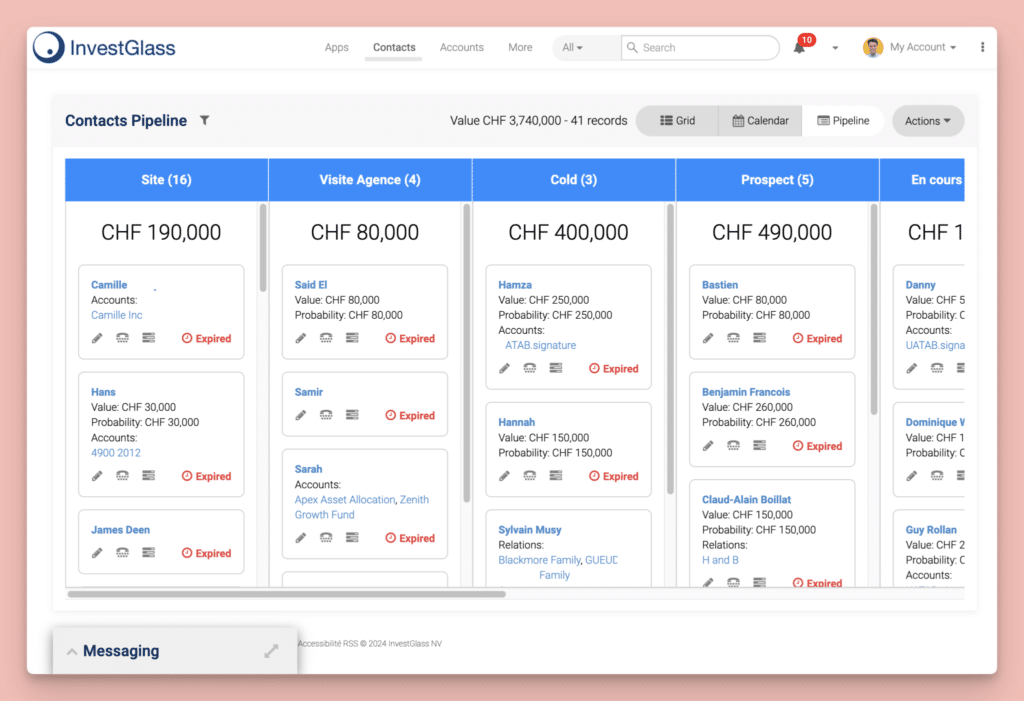
Vedtagelse af løsninger som kunstig intelligens, digitale bankgrænseflader og værktøjer til løbende overvågning kan resultere i en glat oplevelse for kunderne, samtidig med at det øger den operationelle effektivitet. Disse innovative teknologier højner ikke kun kundetilfredsheden, men er også afgørende for at opfylde regulatoriske overholdelsesstandarder, hvilket gør dem uundværlige i det moderne banklandskab. Platforme som InvestGlass integrerer disse avanceret funktioner i et samlet system, hvilket forenkler det teknologiske spring for finansielle institutioner.
Brug af kunstig intelligens
Implementeringen af kunstig intelligens (AI) er klar til at transformere forvaltningen af kundelivscyklus i bankverdenen sektoren betydeligt. Gennem prædiktiv analyse drevet af AI kan banker forudse deres kunders behov og skræddersy tjenester, så de opfylder disse krav. Intelligente algoritmer har evnen til at gennemgå kundeadfærd og identificere relevante produkter eller tjenester, der kan forbedre personlige interaktioner.
Samtale-AI-værktøjer som chatbots spiller en afgørende rolle i at reducere ventetiderne for kunder, der søger hjælp, og forbedrer dermed deres oplevelse. Kunstig intelligens tilbyder også automatiseringsmuligheder til styring af kampagner i realtid. Dette fører til mere strømlinede kundeinteraktioner og øger den generelle tilfredshed blandt bankkunderne. Integrationen af agentbaseret AI i platforme som InvestGlass kan reducere KYC-omkostningerne med op til 50%, samtidig med at compliance forbedres og den manuelle arbejdsbyrde mindskes.
Digitale bankløsninger
Integrationen af moderne teknologi i bankdriften er afgørende for at forbedre styringen af kundens livscyklus, og digitale bankplatforme spiller en central rolle i denne proces. De giver kunderne en strømlinet adgang til tjenester via online- og mobilgrænseflader, hvilket gør det nemmere for dem at holde overblik over deres bankaktiviteter. Den moderne forbruger forventer netop denne grad af tilgængelighed; 58% af millenniumgenerationen udfører nu finansrelaterede aktiviteter udelukkende via digitale kanaler.
Banker, der omfavner Digital bankvirksomhed Løsninger er positioneret til at styrke kundetilfredsheden og fremme loyalitet i et digitalt udviklende miljø. Ved at anvende digitale værktøjer og personlige interaktioner kan banker forbedre kundeforhold og opbygge livslang kundeloyalitet. Tilgængeligheden, effektiviteten og brugervenligheden, som disse platforme leverer, løfter den samlede kundeoplevelse og engagementet med bankens tjenester væsentligt.
Udvikling af brugervenlige apps og digitale platforme
Udvikling af brugervenlige apps og digitale platforme er afgørende for, at finansielle institutioner kan levere problemfri kundeoplevelser og forbedre kundetilfredsheden. Nøglefunktioner i brugervenlige apps og digitale platforme omfatter flere kritiske komponenter.
Nem navigation og intuitivt design
En brugervenlig grænseflade sikrer, at kunderne nemt kan finde og bruge de funktioner, de har brug for. Komplekse menuer fører til frustration og sletning af appen.
Personligt indhold og anbefalinger
Tilpasning af indhold og tilbud baseret på kundedata øger relevansen og engagementet. InvestGlass udmærker sig ved at levere disse målrettede indsigter direkte til brugergrænsefladen.
Kontoinformation og opdateringer i realtid
Det at levere opdaterede oplysninger hjælper kunderne med at administrere deres økonomi mere effektivt. Forsinkelser i transaktionsrapportering er ikke længere acceptable i 2026.
Sikre og bekvemme betalingsmuligheder
Sikring af sikre transaktioner og tilbud om flere betalingsmuligheder forbedrer tilliden og bekvemmeligheden. Biometrisk godkendelse er ved at blive en almindelig forventning.
Omnichannel-oplevelse på tværs af mobil-, web- og filialkanaler
En konsekvent oplevelse på tværs af alle kanaler sikrer, at kunderne kan interagere med banken på den måde, der passer dem bedst. Uanset om man starter en ansøgning på en telefon og afslutter den i en filial, skal overgangen være fejlfri.
Kontinuerlig overvågning og forbedring
Effektiv styring af kundelivscyklussen kræver vedvarende årvågenhed og forbedring. Ved at anvende digital sporing og analytiske instrumenter kan banker overvåge deres kundeengagement nøje, hvilket gør det muligt for dem hurtigt at justere taktikken i henhold til øjeblikkelig feedback. Denne strategi er afgørende for at minimere frafald og samtidig øge tilpasningen, der er skræddersyet til individuelle kunder.
Ved at indføre kontinuerlige feedback-loops har finansielle institutioner mulighed for at finpudse deres strategier vedrørende klientinteraktioner, hvilket fører til en forbedring af den operationelle effektivitet. De benytter visse indikatorer som den tid, der kræves for at onboarde nye klienter, eller andelen af konti, der fornyes, som benchmarks for at fastslå, hvor godt deres processer for kundelivscyklusstyring fungerer.
Sikring af overholdelse af lovgivningen gennem hele kundens livscyklus
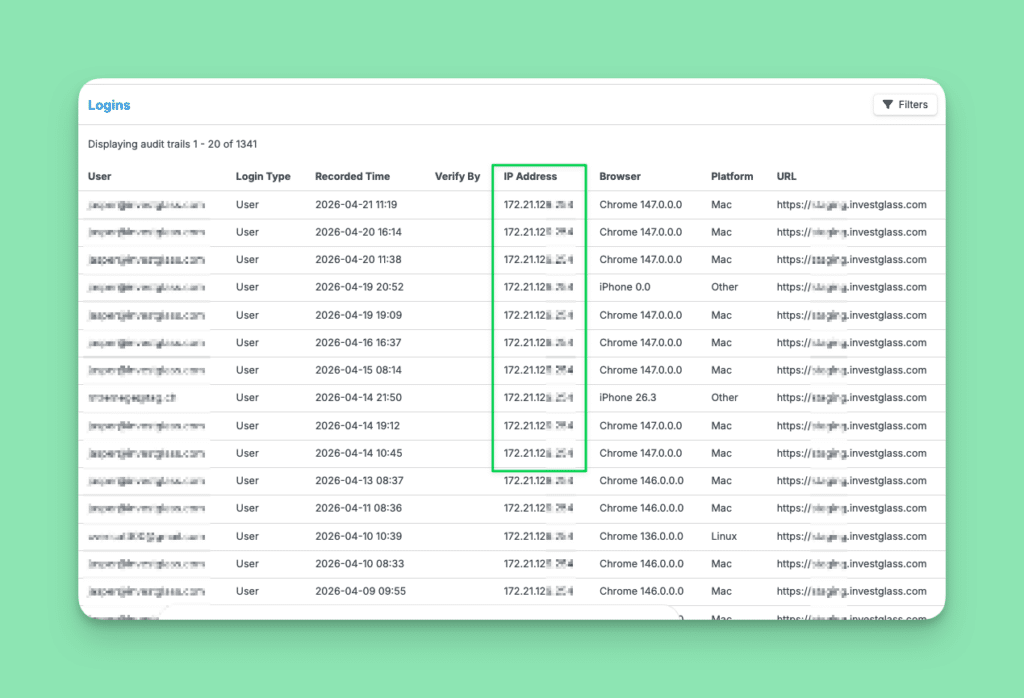
Overholdelse af lovgivningen er et grundlæggende aspekt af kundelivscyklusstyring i bankverdenen. Opretholdelse af overensstemmelse med KYC og AML Reglerne er afgørende for at sikre integriteten i processen for styring af kundernes livscyklus. Automatiserede compliance-løsninger kan hjælpe banker med at tilpasse sig forskellige globale regler effektivt, reducere fejl og forbedre datasynligheden.
Etablering af en compliance-kultur er afgørende og skal værdsættes fra top ledelse til medarbejdere. Ved at integrere datahåndtering og compliance-værktøjer kan banker strømline compliance-processer og sikre, at alle lovgivningsmæssige krav opfyldes. Dette øger ikke blot kundetilfredsheden, men opbygger også tillid og troværdighed i den finansielle institution. InvestGlass leverer robuste, automatiserede compliance-tjek, der integreres problemfrit i bankprofessionelles daglige arbejdsgang.
Kend din kunde (KYC) og due diligence
Kend din kunde (KYC) og due diligence er kritiske komponenter i processen for kundelivscyklusstyring. KYC indebærer verificering af kundens identitet, vurdering af risiko og overvågning af transaktioner for at forebygge økonomisk kriminalitet. Due diligence indebærer, at der foretages grundige undersøgelser og analyser for at sikre overholdelse af lovkrav og mindske risici. De gennemsnitlige årlige udgifter til AML/KYC-aktiviteter ligger nu på svimlende US$72,9 millioner pr. virksomhed, hvilket understreger den enorme økonomiske byrde, som overholdelse af reglerne medfører.
Effektive KYC- og due diligence-processer hjælper finansielle institutioner med at opnå flere vigtige målsætninger.
Forebyg økonomisk kriminalitet og hvidvaskning af penge
Ved at verificere identiteter og overvåge transaktioner kan banker opdage og forhindre ulovlige aktiviteter. Dette beskytter institutionen mod alvorlig omdømmeskade.
Overhold de lovgivningsmæssige krav
Overholdelse af KYC- og AML-retningslinjer sikrer, at banker opfylder juridiske forpligtelser og undgår sanktioner. Det regulatoriske landskab ændrer sig konstant og kræver agile systemer.
Reducer risikoen og forbedr den operationelle effektivitet
Grundig due diligence reducerer risikoen for svindel og forbedrer effektiviteten af compliance-processer. Automatiserede systemer som InvestGlass kan håndtere størstedelen af de rutinemæssige tjek.
Forbedre kundernes tillid og tryghed
Gennemsigtige og sikre processer opbygger tillid hos kunderne og styrker deres tiltro til institutionen. Kunderne sætter pris på at vide, at deres aktiver er beskyttet af strenge standarder.
Forbedre kundeoplevelser gennem personlige tjenester
Ved at forstå kundeprofiler kan banker tilbyde skræddersyede tjenester, der imødekommer individuelle behov. KYC-data er ikke kun til for at sikre overholdelse; det er grundlaget for personalisering.
Datas rolle i Customer Lifecycle Management
Kundedata fungerer som hjørnestenen for effektiv styring af kundelivscyklussen. Fremtrædende banker har forbedret deres klientlivscyklusprocesser væsentligt og fremviser transformationelle succeshistorier, der understreger vigtigheden af at administrere klientinteraktioner effektivt igennem forskellige faser. Det er afgørende for at forstå kundernes præferencer og forbedre deres oplevelse med et brand. Banker, der dygtigt udnytter disse data, er godt positionerede til at tilbyde personlig rådgivning og tjenester, der skræddersys specifikt til individuelle krav. Dette styrker ikke blot kundetilfredsheden, men fremmer også loyaliteten.
Indsamling og fortolkning af kundedata sætter banker i stand til at opnå en dyb forståelse af deres kunders adfærd og præferencer. Såelig indsats er afgørende for at finpudse kunderejsen og sikre, at den er skræddersyet til at imødekomme unikke behov, hvorved personaliseringen i de oplevelser, disse finansielle institutioner tilbyder, højnes. Vi vil dykke ned i, hvordan samling af kundeoplysninger og nedbrydning af barrierer mellem adskilte databaser kan forbedre Customer Lifecycle Management (CLM) betydeligt.
Indsamling og analyse af kundedata
Indsamling og undersøgelse af kundedata danner grundlaget for styringen af en kundes livscyklus. Banker anvender forskellige strategier, herunder undersøgelser, fokusgrupper og direkte feedback, for at opnå en dybdegående forståelse af deres kunders krav. Udnyttelse af platforme såsom sociale medier, online spørgeskemaer og mobilapps viser sig effektiv til at indsamle indsigt i forbrugeradfærd.
Genkendelse af mønstre i kundeadfærd er afgørende, når kommunikationstaktikken skal finpudses i den indledende fase af kundeerhvervelsen. Anvendelse af databaserede metoder giver banker mulighed for at finjustere deres tilgang til at vinde nye kunder og samtidig levere skræddersyede interaktioner helt fra starten. Dette øger ikke blot tilfredsheden blandt forbrugerne, men styrker også den langsigtede loyalitet. InvestGlass centraliserer denne dataindsamling og leverer én samlet sandhedskilde for hver enkelt klientinteraktion.
Nedbrydning af datasiloer
For at banker kan skabe et komplet billede af kundeprofiler, er det afgørende at flette data fra forskellige afdelinger sammen. Denne integration muliggør en helhedsdækning af kundelivscyklussen, hvilket reducerer ineffektivitet og forbedrer den samlede oplevelse for kunderne i deres interaktioner med finansielle institutioner. Når marketing-, salgs- og compliance-teams arbejder ud fra den samme samlede database såsom InvestGlass CRM, oplever kunden en sammenhængende og intelligent servicerejse.
Forbedring af kundeoplevelsen gennem personalisering
I den finansielle sektor er det afgørende at skræddersy tjenester til individuelle kunder for at højne kundeoplevelsen. En sådan tilpasning fremmer større kundetilfredshed og kan mindske hyppigheden af, at kunder skifter bank. Inkorporeringen af sofistikeret analyse og kunstig intelligens i kundelivscyklusstyringssystemer (CLM-systemer) sætter finansielle institutioner i stand til at finpudse deres interaktioner med kunder på et personligt grundlag.
Gennem undersøgelsen af kundedata er banker i stand til at identificere specifikke præferencer og tilpasse deres tilbud derefter. Denne tilgang styrker ikke blot relationerne til kunderne, men åbner også op for yderligere indtjeningsmuligheder inden for bankdriften. Personalisering strækker sig ud over blot at være en aktuel trend. Den udgør en væsentlig komponent i moderne banktjenestestrategier.
Casestudier: Succesfulde CLM-implementeringer i banker
Eksempler fra den faktiske praksis på effektiv Styring af kundernes livscyklus CLM-implementeringer kan tilbyde nyttige læringspunkter og tjene som en kilde til motivation. Tag for eksempel tilfældet, hvor BNP Paribas blev anerkendt med Celent Model Risk Manager-prisen på grund af deres banebrydende One KYC-initiativ, som fokuserede på at gøre processen for kundeverificering mere strømlinet. Dette tiltag styrkede i høj grad både præcisionen og effektiviteten i forbindelse med deres CLM-procedurer.
I samme ånd moderniserede Silicon Valley Bank sin tilgang til at modtage nye kunder grundigt i et forsøg på bedre at imødekomme startups. Ved at implementere avancerede CRM-løsninger svarende til InvestGlass lykkedes det dem at reducere on-boarding-tiderne væsentligt, hvorved den første kundeoplevelse blev forbedret, og grundlaget for langsigtet fastholdelse blev lagt.
Sammenfatning
At beherske kundelivscyklusstyring i bankverdenen er afgørende for at fremme langsigtede kundeforhold og forblive konkurrencedygtig i det finansielle landskab. Ved at forstå de vigtigste faser i kundelivscyklussen og udnytte teknologien kan bankerne øge kundetilfredsheden og -loyaliteten.
Effektive datastyrings- og personaliseringsstrategier er afgørende for at levere gode kundeoplevelser. Som vi har set fra casestudierne og branchens statistikker, kan vellykkede CLM-implementeringer føre til væsentlige forbedringer i effektivitet og kundetilfredshed. Rejsen slutter ikke her; løbende forbedring og tilpasning er nøglen til at mestre CLM i banksektoren. For institutioner, der ønsker at modernisere deres tilgang, er det et kritisk næste skridt at udforske omfangsrige platforme som InvestGlass. Få en demo i dag for at se, hvordan din bank kan transformere sin kundelivscyklus.
Ofte stillede spørgsmål
1. Hvad er kundelivscyklusstyring inden for bankvirksomhed?
Inden for banksektoren indebærer styring af kundelivscyklussen en struktureret tilgang til at overvåge alle faser af interaktionen med kunderne, lige fra deres første engagement til det tidspunkt, hvor de lukker deres konti. Denne strategi prioriterer at forbedre kundetilfredsheden og pleje varig loyalitet. Ved at vedtage denne metodologi er banker rustet til at imødekomme kundernes specifikke krav gennem alle aspekter af deres rejse med finansinstituttet.
2. Hvorfor er kundetilgang vigtig i banksektoren?
Kundeakquiring er af afgørende betydning i banksektoren, da det sikrer en stabil vækst i kundebasen, hvilket øger rentabiliteten og samtidig optimerer investeringsafkastet. Effektive strategier reducerer omkostningerne ved kundeakquiring (CAC) og fremmer langsigtede kundeforhold gennem personaliserede interaktioner. Den gennemsnitlige CAC inden for detailbankvirksomhed ligger på ca. $561, hvilket gør effektiv kundeakquiring afgørende.
3. Hvordan forbedrer kunstig intelligens kundelivscyklusstyring?
Kunstig intelligens forbedrer styringen af kundelivscyklussen ved at udnytte prædiktiv analyse til at forudsige klienters behov, personliggøre tjenester og automatisere kampagnestyring, hvorved kundetilfredsheden og den operationelle effektivitet forbedres. Denne målrettede tilgang sikrer, at virksomheder er bedre rustet til at imødekomme deres kunders forventninger. Derudover kan kunstig intelligens væsentligt reducere de omkostninger, der er forbundet med manuelle overholdelseskontroller.
4. Hvilken rolle spiller data i styringen af kundelivscyklussen?
Data er afgørende for styring af kundelivscyklussen, da det giver værdifuld indsigt i kundeadfærdi og -præferencer. Dette gør organisationer i stand til at levere personlige oplevelser, optimere kunderejsen og opretholde overholdelse af lovgivningen. Et unificeret CRM-system som InvestGlass er nødvendigt for at forhindre datasiloer og sikre, at alle afdelinger har et komplet overblik over kunden.
5. How can banks ensure regulatory compliance throughout the customer lifecycle?
To maintain regulatory compliance across the customer lifecycle, banks should comply with KYC and AML guidelines, employ automated solutions for compliance, and adopt unified data management systems that boost process effectiveness while reducing mistakes. Integrating compliance checks directly into the onboarding and transaction monitoring workflows is the most effective strategy.
6. What is the average customer retention rate in the banking industry?
The average global banking customer retention rate in 2025 is approximately 82.4%. However, this means the annual churn rate is still significant. Digital-only banks tend to perform better, holding a customer churn rate of just 10.8%, highlighting the importance of digital transformation in retention strategies.
7. How much does poor onboarding cost financial institutions?
Poor onboarding processes are incredibly costly. Banks spend an average of $15.9 million annually on onboarding, and cumbersome manual processes can lead to millions in lost revenue due to customer abandonment. Implementing streamlined digital onboarding solutions can reduce processing time by 60-80%.
8. How does InvestGlass help with Customer Lifecycle Management?
InvestGlass provides a comprehensive CRM and CLM platform designed specifically for financial institutions. It centralises customer data, automates marketing and sales efforts, streamlines KYC/AML compliance, and facilitates seamless digital onboarding. By breaking down data silos, InvestGlass enables banks to deliver highly personalised and efficient customer experiences.
9. Why is breaking down data silos important for banks?
Breaking down data silos is important because it allows banks to create a complete, 360-degree picture of customer profiles by merging data from different departments (e.g., marketing, sales, compliance). This holistic approach reduces inefficiencies, prevents contradictory communications, and significantly improves the overall customer experience.
10. What are the key stages of the banking customer lifecycle?
The key stages of the banking customer lifecycle typically include Acquisition (attracting prospects), Onboarding (setting up accounts and verifying identity), Adoption (encouraging the use of services), Retention (keeping the customer engaged and satisfied), and Loyalty (turning satisfied customers into brand advocates). Each stage requires specific strategies and technological support to manage effectively.


