
Il Customer Lifecycle Management nel settore bancario implica la gestione di ogni fase del percorso di un cliente con la banca. Importanti banche hanno migliorato significativamente i loro processi relativi al ciclo di vita della clientela, mostrando storie di successo trasformative che sottolineano l'importanza di gestire le interazioni con i clienti in modo efficiente attraverso varie fasi. Questo articolo analizzerà le fasi chiave e le strategie per una gestione efficace, dimostrando come piattaforme come InvestGlass possano rivoluzionare il vostro approccio.
Risposta rapida
Che cos'è la gestione del ciclo di vita del cliente nel settore bancario?
Il Customer lifecycle management (CLM) nel settore bancario è il processo strategico di supervisione di ogni fase della relazione di un cliente con un istituto finanziario, dalla fase iniziale di acquisizione e onboarding fino alla fidelizzazione e alla retention a lungo termine. Un CLM efficace sfrutta dati, intelligenza artificiale e strumenti digitali come InvestGlass CRM per offrire esperienze personalizzate, garantire la conformità normativa e massimizzare il valore della vita del cliente.
Cosa imparerete
- La definizione fondamentale e l'importanza critica della gestione del ciclo di vita del cliente nel settore bancario moderno.
- Fasi chiave del percorso del cliente, tra cui acquisizione, onboarding, adozione, retention e fedeltà.
- Come sfruttare l'intelligenza artificiale e le soluzioni di digital banking per migliorare l'esperienza dei clienti.
- Il ruolo vitale della raccolta dati, dell'analisi e dell'abbattimento dei silos di dati nella personalizzazione dei servizi bancari.
- Strategie per garantire una rigorosa conformità normativa (KYC e AML) durante l'intero ciclo di vita del cliente.
- Statistiche del mondo reale e tendenze che plasmano il futuro del settore bancario nel 2026.
- In che modo InvestGlass offre una soluzione completa per padroneggiare il CLM.
Comprendere la gestione del ciclo di vita del cliente nel settore bancario
La gestione del ciclo di vita del cliente all'interno delle istituzioni finanziarie è una misura strategica essenziale, che comprende tutto ciò che va dal coinvolgimento iniziale alla chiusura finale del conto. I processi del ciclo di vita del cliente sono fondamentali per gestire in modo efficiente le interazioni con i clienti nelle varie fasi. Il ciclo di vita del cliente rappresenta il suo percorso nel settore bancario, che inizia con la scelta del servizio e che, idealmente, lo porta a diventare un cliente convinto. Mantenere una comunicazione chiara durante tutto questo percorso è fondamentale per coltivare la fiducia e prevenire i malintesi.
Nel competitivo settore dei servizi finanziari, le interazioni digitali tempestive, pertinenti e personalizzate influenzano significativamente i livelli di soddisfazione dei clienti. Un efficace sistema di gestione del ciclo di vita del cliente richiede un orientamento incentrato sui bisogni dei clienti. Ogni punto di contatto dovrebbe essere strutturato per elevare l'esperienza complessiva dei clienti. Gli istituti bancari devono implementare strategie volte sia ad acquisire nuovi clienti che a mantenere soddisfatti quelli esistenti per preservare la propria rilevanza sul mercato.

Le fasi coinvolte nella gestione del ciclo di vita del cliente di una banca consistono nell'acquisizione, nell'attivazione, nella fidelizzazione e nella creazione di lealtà. Sono necessarie tattiche specifiche in ogni fase per garantire la soddisfazione della clientela e ottimizzare il valore della loro vita utile associata a questi servizi offerti dalle banche. Applicando abilmente i dati relativi ai comportamenti e alle preferenze dei propri clienti, insieme a un rigoroso rispetto della conformità, le banche possono coltivare relazioni durature. L'utilizzo di una piattaforma robusta come InvestGlass si distingue come un elemento cruciale per gli attori del settore interessati a estendere queste relazioni nel lungo periodo nel contesto delle pratiche bancarie contemporanee nel dinamico mercato odierno.
Definizione e importanza della gestione del ciclo di vita del cliente
La gestione del ciclo di vita del cliente (Customer lifecycle management - CLM) è un processo fondamentale per le istituzioni finanziarie, che comprende l'intero percorso di un cliente dall'interazione iniziale alla fidelizzazione a lungo termine. Richiede una profonda comprensione delle esigenze, delle preferenze e dei comportamenti dei clienti per offrire esperienze personalizzate che migliorano la soddisfazione del cliente e aumentano il valore della vita del cliente.
Una gestione efficace del ciclo di vita del cliente (CLM) è essenziale per le istituzioni finanziarie per rimanere competitive in un mercato dinamico, ridurre l'abbandono dei clienti e costruire relazioni forti e durature con essi. Concentrandosi su ogni fase del ciclo di vita del cliente, le banche possono garantire di soddisfare e superare le aspettative dei clienti. Ciò favorisce un senso di fiducia e fedeltà che si traduce in una redditività a lungo termine. L'implementazione di un sistema CRM completo, come InvestGlass, consente alle banche di centralizzare questi dati e automatizzare i punti di contatto critici.
Vantaggi dell'implementazione di un processo di gestione del ciclo di vita del cliente
L'implementazione di un processo di gestione del ciclo di vita del cliente offre numerosi vantaggi per gli istituti finanziari. Questi vantaggi vanno dai miglioramenti operativi a una significativa crescita dei ricavi.
Miglioramento della soddisfazione e della fidelizzazione dei clienti
Comprendendo e rispondendo alle esigenze dei clienti in ogni fase, le banche possono aumentare la soddisfazione e favorire la fidelizzazione. Il tasso medio globale di fidelizzazione dei clienti bancari nel 2025 si è attestato all'82,4%, a riprova dell'importanza di mantenere vivo l'interesse dei clienti.
Aumento del valore della vita del cliente
Le interazioni personalizzate e le offerte mirate possono massimizzare il valore generato da ciascun cliente nel corso dell’intero rapporto con la banca. La perdita di 1.000 clienti con un modesto valore nel corso della vita pari a $2.500 si traduce in $2,5 milioni di ricavi persi, il che sottolinea l’importanza finanziaria della fidelizzazione.
Migliore esperienza per i clienti lungo tutto il percorso
Un’esperienza fluida e coerente in ogni punto di contatto garantisce un maggiore coinvolgimento e una maggiore soddisfazione. Le banche esclusivamente digitali, che spesso eccellono in questo ambito, registrano un tasso di abbandono dei clienti straordinariamente basso, pari a soli 10,8%.
Migliore comprensione delle esigenze e delle preferenze dei clienti
Le informazioni basate sui dati consentono alle banche di personalizzare i propri servizi per soddisfare le specifiche esigenze dei clienti. Piattaforme come InvestGlass forniscono gli strumenti analitici necessari per decodificare questi complessi modelli comportamentali.
Iniziative personalizzate di marketing e vendita
Campagne mirate e offerte basate sui dati dei clienti possono migliorare i tassi di conversione e il coinvolgimento dei clienti. Marketing l'automazione assicura che il messaggio giusto arrivi al cliente giusto nel momento ottimale.
Miglioramento dell'efficienza operativa e riduzione dei costi
I processi snelli e l'automazione riducono i costi operativi e migliorano l'erogazione dei servizi. Ad esempio, l'onboarding automatizzato può ridurre significativamente i tempi di elaborazione manuale.
Aumento dei flussi di reddito attraverso l'upselling e il cross-selling
L'individuazione di opportunità per servizi aggiuntivi può incrementare il fatturato. Una profonda comprensione della situazione finanziaria del cliente consente di formulare raccomandazioni di prodotti altamente pertinenti.
Vantaggio competitivo nel settore bancario
Una strategia CLM ben attuata può consentire a una banca di distinguersi dalla concorrenza, attirando e fidelizzando un maggior numero di clienti. In un’epoca in cui il 77% delle interazioni bancarie avviene attraverso i canali digitali, la superiorità tecnologica rappresenta un fattore chiave di differenziazione.
| Categoria di beneficio | Vantaggio specifico | Impatto sulle operazioni bancarie |
| Finanziario | Valore della vita del cliente aumentato | Massimizza i ricavi per cliente e riduce l'impatto degli alti costi di acquisizione. |
| Operativo | Efficienza migliorata | Automatizza le attività di routine, riducendo i costi generali e consentendo al personale di concentrarsi sulle esigenze complesse dei clienti. |
| Strategico | Differenziazione competitiva | Posiziona la banca come un'istituzione moderna e incentrata sul cliente, fondamentale per attrarre le fasce demografiche più giovani. |
| Conformità | KYC/AML semplificato | Riduce i rischi normativi ed evita sanzioni costose attraverso la due diligence automatizzata. |
Fasi chiave del ciclo di vita del cliente nel settore bancario
Comprendere le fasi critiche del ciclo di vita del cliente è fondamentale per una gestione efficace del ciclo di vita del cliente. Nel settore bancario, ciò implica la segmentazione in categorie di acquisizione, onboarding e retention. Affinare con attenzione queste fasi può migliorare sensibilmente la soddisfazione e la fedeltà dei clienti.
Ogni fase occupa una posizione significativa nell'intero percorso di un cliente. Il continuum va dal momento in cui un individuo mostra per la prima volta interesse per servizi bancari fino alla loro esperienza di inserimento iniziale e al coinvolgimento continuo con la vostra banca. Tutti questi punti di contatto offrono opportunità per coltivare la fiducia e rafforzare la fedeltà.
Concentrarsi sulla fedeltà dei clienti è essenziale, poiché non comporta solo l'acquisizione di nuovi clienti, ma anche la loro fidelizzazione lungo tutto il ciclo di vita del cliente. L'utilizzo di strumenti digitali e interazioni personalizzate può migliorare le relazioni con i clienti, con l'obiettivo finale di costruire una fedeltà a lungo termine e massimizzare il valore del ciclo di vita del cliente. Un'esplorazione più approfondita di ogni fase rivelerà le strategie con cui le banche possono migliorare i propri processi per gestire efficacemente il ciclo di vita del cliente.
Acquisizione clienti
La fase iniziale della gestione del ciclo di vita del cliente, nota come acquisizione del cliente, è cruciale e forse la fase più vitale di questo processo. L'obiettivo è attirare i potenziali clienti e farli diventare clienti offrendo interazioni ed esperienze su misura che rispondano alle loro esigenze. Per farlo in modo efficace, è fondamentale conoscere il proprio pubblico di riferimento, stabilire indicatori di prestazione chiave (KPI) definitivi e selezionare canali di coinvolgimento adeguati.
Potenziare le iniziative personalizzate durante la fase di acquisizione dei clienti può aumentare notevolmente i tassi di conversione. Le banche sono in grado di far passare i potenziali clienti da un livello di interesse basso a uno elevato utilizzando in modo oculato i dati sui clienti. Questo approccio non solo migliora il ritorno sull’investimento per l’acquisizione, ma contribuisce anche a ridurre il costo di acquisizione del cliente (CAC), offrendo esperienze più pertinenti fin dalla prima interazione. Il CAC medio nel settore del retail banking è di circa $561, rendendo le strategie di acquisizione efficienti un imperativo finanziario.

Una strategia efficace per l'acquisizione di clienti prevede un'integrazione fluida di risorse e piattaforme digitali che facilita la raccolta di informazioni sui consumatori, il monitoraggio di come interagiscono con i contenuti o i servizi e il continuo miglioramento delle strategie di marketing di conseguenza. Questa rigorosa attenzione garantisce che tutte le comunicazioni siano personalizzate in modo efficiente sia in termini di tempismo che di pertinenza. Piattaforme leader come InvestGlass offrono strumenti sofisticati per tracciare queste interazioni iniziali, portando a tassi di conversione più elevati e promuovendo al contempo una maggiore soddisfazione tra i nuovi clienti.
Processo di inserimento del cliente
Il primo coinvolgimento con i nuovi clienti attraverso il processo di onboarding dei clienti è un momento cruciale per le banche per stabilire un impatto duraturo. È imperativo che questo processo sia rapido, privo di ostacoli e aderisca rigorosamente agli standard normativi al fine di coltivare esperienze favorevoli per i clienti e rimanere conformi. Le banche stanno utilizzando sempre più tecnologie all'avanguardia e sofisticati sistemi di gestione dei dati come parte del loro onboarding digitale percorsi per raggiungere questi obiettivi.
Integrando l’IA conversazionale con altri strumenti digitali innovativi, le banche possono ridurre significativamente i tempi di attesa dei clienti durante la fase di onboarding. Questo miglioramento non solo accelera l’intera procedura, ma la rende anche conforme a normative rigorose come quelle relative ai requisiti “Know Your Customer” (KYC), aumentando al contempo la soddisfazione dei clienti. Le ricerche indicano che le banche spendono circa $15,9 milioni all’anno per l’onboarding, eppure il 7,7% dei clienti abbandona il processo se questo risulta troppo macchinoso.
Le banche che gestiscono con competenza i dati dei clienti sin dall’inizio creano un precedente per offrire un’esperienza unificata e senza interruzioni ai clienti durante tutto il loro percorso. Una gestione efficace dei dati in ogni fase è fondamentale per consolidare tali interazioni senza soluzione di continuità tra gli istituti finanziari e la loro clientela. L’implementazione di una soluzione come InvestGlass può portare a una riduzione del 75% dei tempi di onboarding per i clienti complessi, trasformando un tradizionale centro di costo in un vantaggio competitivo.
Esigenze e aspettative del cliente in ciascuna fase
Comprendere i bisogni e le aspettative dei clienti in ogni fase del ciclo di vita del cliente è fondamentale per offrire esperienze personalizzate e migliorare la soddisfazione del cliente. Le fasi chiave del ciclo di vita del cliente includono requisiti psicologici e pratici distinti.
Acquisizione
I clienti si aspettano un processo di onboarding fluido, una facile configurazione dell'account e una comunicazione chiara su prodotti e servizi. Garantire un'esperienza iniziale agevole e accogliente è fondamentale per convertire i potenziali clienti in clienti effettivi. Richiedono trasparenza riguardo alle commissioni e accesso immediato alle piattaforme digitali.
Adozione
Durante questa fase, i clienti si aspettano un supporto personalizzato, risposte tempestive alle richieste e un facile accesso alle informazioni sul conto. Offrire un supporto completo e accessibile aiuta a costruire fiducia e sicurezza. Vogliono vedere che la banca comprende i loro obiettivi finanziari e offre strumenti pertinenti per raggiungerli.
Mantenimento
Un coinvolgimento costante, offerte pertinenti e il miglioramento continuo di prodotti e servizi sono essenziali per mantenere i clienti soddisfatti e fedeli. Una comunicazione regolare e servizi a valore aggiunto possono prevenire l'abbandono. I clienti si aspettano una consulenza proattiva, non solo una risoluzione reattiva dei problemi.
Fedeltà
I clienti fedeli si aspettano premi personalizzati, offerte esclusive e un servizio prioritario. Riconoscere e premiare la fedeltà può trasformare clienti soddisfatti in sostenitori del marchio. Essi prevedono che la loro relazione di lunga data venga riconosciuta attraverso tariffe migliori o gestori di relazioni dedicati.
Fidelizzazione dei clienti
Nel settore bancario, garantire la fedeltà dei clienti e fare in modo che rimangano coinvolti è fondamentale per massimizzare il loro valore nel corso della vita. Lo sviluppo di strategie per un coinvolgimento efficace può ridurre notevolmente le probabilità che i clienti optino per istituzioni finanziarie concorrenti. Presentando offerte e contenuti che rispondono specificamente alle esigenze del singolo cliente, le banche possono aumentare i livelli di soddisfazione e promuovere la ripetizione delle transazioni.
Mantenere una comunicazione costante con i clienti attraverso strategie di coinvolgimento personalizzate è fondamentale per fidelizzarli nel lungo periodo. Quando le banche si prendono il tempo necessario per comprendere le esigenze dei propri clienti e rispondere prontamente alle loro preoccupazioni, migliorano significativamente i livelli di soddisfazione complessivi, instaurando al contempo legami duraturi. Il tasso medio di fidelizzazione dei clienti nel settore bancario si attesta intorno al 75%, il che significa che il tasso di abbandono annuale raggiunge l’incredibile cifra del 25%.
Fornire un'eccezionale servizio clienti rappresenta un aspetto fondamentale per favorire la fidelizzazione nel settore bancario. La perdita di clienti entro il primo anno risulta 200% più costosa rispetto alla loro fidelizzazione. Pertanto, l’utilizzo di funzionalità CRM avanzate, come quelle offerte da InvestGlass, non è solo un miglioramento operativo, ma una strategia finanziaria fondamentale per preservare la base clienti.
[Segnaposto per immagine del processo visivo: Un diagramma di flusso che illustra le fasi del Customer Lifecycle Management: Acquisizione -> Onboarding -> Adozione -> attrazione -> Fedeltà, con InvestGlass CRM che funge da hub dati centrale che collega tutte le fasi.]
Sfruttare la tecnologia per migliorare il CLM
L'utilizzo della tecnologia è fondamentale per far progredire sia il cliente che gestione del ciclo di vita del cliente (CLM). Importanti banche hanno migliorato in modo significativo i loro processi di gestione del ciclo di vita del cliente (client lifecycle management), presentando storie di successo trasformative che sottolineano l'importanza di gestire in modo efficiente le interazioni con i clienti nelle varie fasi. È essenziale che le aziende perfezionino costantemente i propri processi CLM per tenere il passo con l'evoluzione delle esigenze dei consumatori e dei parametri di riferimento del settore. Le aziende che si dedicano a migliorare l'esperienza del cliente hanno il potenziale per crescere a un ritmo più rapido rispetto ai rivali, sottolineando l'importanza di sfruttare il progresso tecnologico.
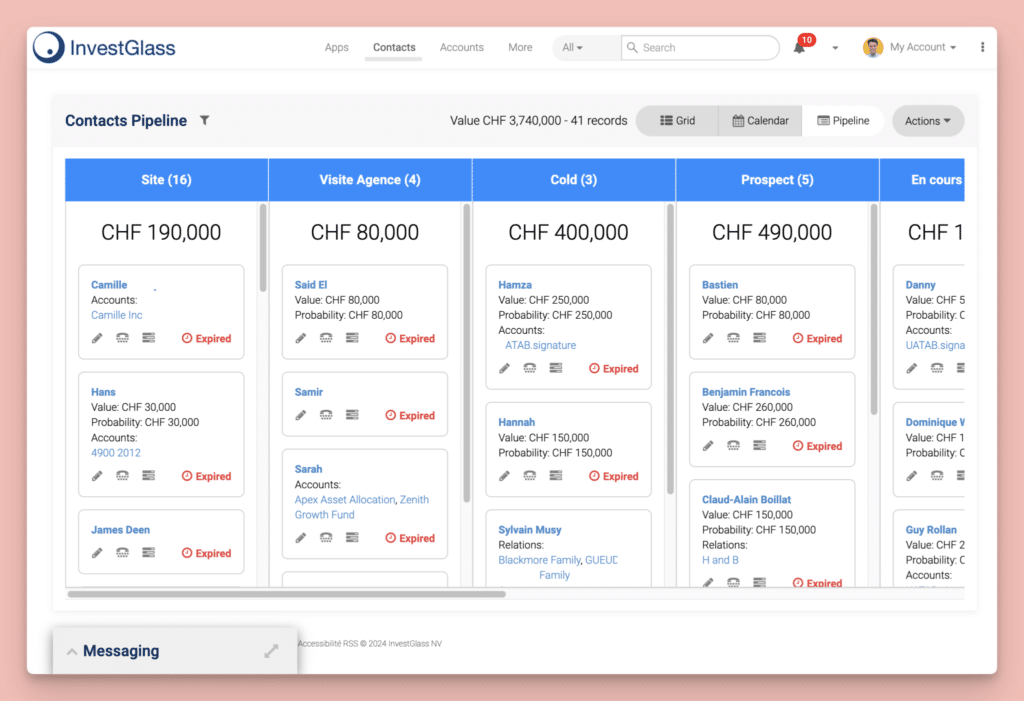
L'adozione di soluzioni come intelligenza artificiale, le interfacce di digital banking e gli strumenti di monitoraggio continuo possono offrire un'esperienza fluida ai clienti, aumentando al contempo l'efficienza operativa. Queste tecnologie innovative non solo accrescono la soddisfazione della clientela, ma sono anche fondamentali per rispettare gli standard di conformità normativa, risultando indispensabili nel panorama bancario contemporaneo. Piattaforme come InvestGlass integrano queste funzionalità avanzate in un sistema unificato, semplificando il salto tecnologico per le istituzioni finanziarie.
Uso dell'intelligenza artificiale
L'implementazione dell'intelligenza artificiale (IA) è pronta a trasformare la gestione del settore. ciclo di vita del cliente nel settore bancario settore in modo significativo. Attraverso l'analisi predittiva basata sull'intelligenza artificiale, le banche possono anticipare le esigenze dei propri clienti e personalizzare i servizi per soddisfare tali richieste. Gli algoritmi intelligenti hanno la capacità di setacciare i comportamenti dei clienti e identificare prodotti o servizi pertinenti che migliorerebbero le interazioni personalizzate.
Gli strumenti di IA conversazionale, come i chatbot, sono fondamentali per ridurre i tempi di attesa dei clienti che richiedono assistenza, migliorando così la loro esperienza. L’intelligenza artificiale offre inoltre funzionalità di automazione per la gestione delle campagne in tempo reale. Ciò porta a interazioni più snelle con i clienti e aumenta la soddisfazione complessiva degli utenti delle banche. L’integrazione dell’IA agentica in piattaforme come InvestGlass può ridurre i costi KYC fino al 50%, migliorando al contempo la conformità e riducendo i carichi di lavoro manuali.
Soluzioni bancarie digitali
L’integrazione della tecnologia moderna nelle operazioni bancarie è fondamentale per migliorare la gestione del ciclo di vita del cliente, e le piattaforme bancarie digitali svolgono un ruolo essenziale in questo processo. Esse offrono ai clienti un accesso semplificato ai servizi tramite interfacce online e mobili, facilitando così una comoda supervisione delle loro attività bancarie. Il consumatore moderno esige questo livello di accessibilità; il 58% dei millennial svolge ormai le proprie attività finanziarie esclusivamente attraverso canali digitali.
Banche che abbracciano banca digitale Le soluzioni sono posizionate per rafforzare la soddisfazione del cliente e favorire la fedeltà all'interno di un ambiente in evoluzione digitale. Sfruttando strumenti digitali e interazioni personalizzate, le banche possono migliorare le relazioni con i clienti e costruire una fedeltà duratura nel tempo. La disponibilità, l'efficienza e la facilità d'uso offerte da queste piattaforme elevano in modo significativo l'esperienza complessiva del cliente e il suo coinvolgimento con i servizi bancari.
Sviluppo di applicazioni e piattaforme digitali di facile utilizzo
Lo sviluppo di app e piattaforme digitali intuitive è essenziale per le istituzioni finanziarie per offrire esperienze clienti senza interruzioni e migliorare la soddisfazione dei clienti. Le caratteristiche chiave di app e piattaforme digitali intuitive includono diversi componenti fondamentali.
Navigazione facile e design intuitivo
Un'interfaccia intuitiva assicura che i clienti possano trovare e utilizzare facilmente le funzionalità di cui hanno bisogno. Menu complessi portano a frustrazione e abbandono dell'app.
Contenuti e consigli personalizzati
L'adattamento di contenuti e offerte basato sui dati dei clienti migliora la pertinenza e il coinvolgimento. InvestGlass eccelle nel fornire questi approfondimenti mirati direttamente all'interfaccia utente.
Informazioni e aggiornamenti sul conto in tempo reale
Fornire informazioni aggiornate aiuta i clienti a gestire le proprie finanze in modo più efficace. I ritardi nella rendicontazione delle transazioni non sono più accettabili nel 2026.
Opzioni di pagamento sicure e convenienti
Garantire transazioni sicure e offrire opzioni di pagamento multiple migliora la fiducia e la comodità. L'autenticazione biometrica sta diventando un'aspettativa standard.
Esperienza omnicanale attraverso i canali mobile, web e filiale
Un'esperienza coerente su tutti i canali garantisce che i clienti possano interagire con la banca nel modo che più si adatta alle loro esigenze. Che si tratti di iniziare una richiesta su uno smartphone e completarla in filiale, la transizione deve essere impeccabile.
Monitoraggio e miglioramento continuo
Una gestione efficace del ciclo di vita del cliente richiede vigilanza e miglioramento costanti. Impiegando strumenti di tracciamento digitale e analitici, le banche possono monitorare da vicino il coinvolgimento dei clienti, consentendo loro di adeguare tempestivamente le tattiche in base al feedback immediato. Questa strategia è fondamentale per ridurre al minimo l'abbandono e al contempo potenziare la personalizzazione su misura per i singoli clienti.
Istituendo cicli continui di feedback, le istituzioni finanziarie hanno la capacità di perfezionare le proprie strategie riguardo alle interazioni con i clienti, il che porta a un miglioramento dell'efficienza operativa. Esse utilizzano determinati indicatori come la durata necessaria per l'onboarding di nuovi clienti o la percentuale di conti che vengono rinnovati come parametri di riferimento per accertare il rendimento dei loro processi di gestione del ciclo di vita del cliente.
Garantire la conformità normativa durante l'intero ciclo di vita del cliente
La conformità normativa è un aspetto fondamentale della gestione del ciclo di vita del cliente nel settore bancario. Mantenere la conformità con KYC e AML è fondamentale per garantire l'integrità del processo di gestione del ciclo di vita del cliente. Le soluzioni automatizzate per la conformità possono aiutare le banche ad adattarsi alle varie normative globali in modo efficiente, riducendo gli errori e migliorando la visibilità dei dati.
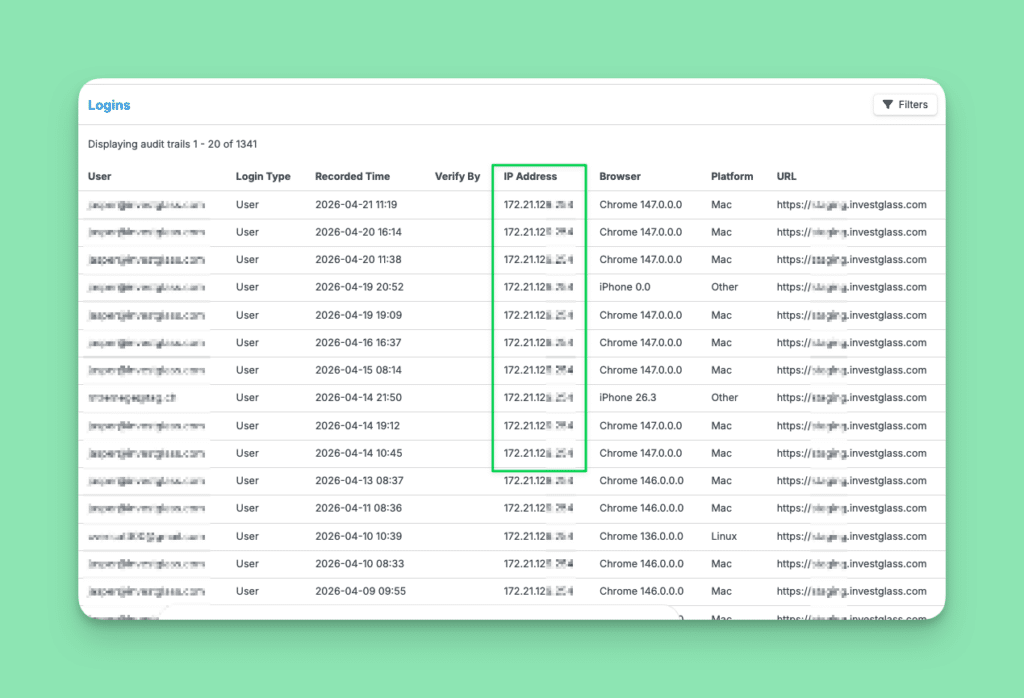
Creare una cultura della conformità è essenziale e deve essere valorizzata dai vertici aziendali fino ai dipendenti. Integrando la gestione dei dati e gli strumenti di conformità, le banche possono semplificare i processi di conformità e garantire che tutti i requisiti normativi siano soddisfatti. Ciò non solo migliora la soddisfazione del cliente, ma costruisce anche fiducia e credibilità nell'istituzione finanziaria. InvestGlass offre controlli di conformità robusti e automatizzati che si integrano perfettamente nel flusso di lavoro quotidiano dei professionisti bancari.
Conoscere il cliente (KYC) e la due diligence
La conoscenza del cliente (KYC) e la due diligence sono componenti fondamentali del processo di gestione del ciclo di vita del cliente. La KYC prevede la verifica dell'identità del cliente, la valutazione del rischio e la due diligence. monitoraggio delle transazioni per prevenire i reati finanziari. La due diligence prevede lo svolgimento di ricerche e analisi approfondite volte a garantire il rispetto dei requisiti normativi e a mitigare i rischi. La spesa media annua per le operazioni AML/KYC si attesta attualmente alla cifra sbalorditiva di US$72,9 milioni per azienda, a dimostrazione dell’enorme onere finanziario rappresentato dalla conformità normativa.
Processi efficaci di KYC e due diligence aiutano le istituzioni finanziarie a raggiungere diversi obiettivi chiave.
Prevenire i crimini finanziari e il riciclaggio di denaro
Verificando le identità e monitorando le transazioni, le banche possono rilevare e prevenire attività illecite. Questo protegge l'istituto da gravi danni reputazionali.
Conformità ai requisiti normativi
L'adesione alle linee guida antiriciclaggio e KYC garantisce che le banche rispettino gli obblighi legali ed evitino sanzioni. Il panorama normativo è in continua evoluzione e richiede sistemi agili.
Riduzione del rischio e miglioramento dell'efficienza operativa
Una due diligence approfondita riduce il rischio di frode e migliora l'efficienza dei processi di conformità. I sistemi automatizzati come InvestGlass possono gestire la maggior parte dei controlli di routine.
Migliorare la fiducia dei clienti
Processi trasparenti e sicuri costruiscono la fiducia con i clienti, rafforzando la loro fiducia nell'istituzione. I clienti apprezzano sapere che i loro beni sono protetti da standard rigorosi.
Migliora le esperienze dei clienti attraverso servizi personalizzati
Comprendendo i profili dei clienti, le banche possono offrire servizi su misura che soddisfano le esigenze individuali. I dati KYC non servono solo alla conformità; sono la base della personalizzazione.
Il ruolo dei dati nella gestione del ciclo di vita del cliente
I dati dei clienti rappresentano la pietra angolare per la gestione efficace del ciclo di vita del cliente. Le banche di primo piano hanno migliorato significativamente i loro processi relativi al ciclo di vita della clientela, mostrando storie di successo trasformative che sottolineano l'importanza di gestire in modo efficiente le interazioni con i clienti nelle varie fasi. Ciò è fondamentale per comprendere le preferenze dei clienti e valorizzare la loro esperienza con un marchio. Le banche che utilizzano abilmente questi dati sono nella posizione ideale per offrire consulenza e servizi personalizzati, rispondendo specificamente alle esigenze individuali. Questo non solo rafforza la soddisfazione del cliente, ma ne favorisce anche la fedeltà.
La raccolta e l'interpretazione dei dati dei clienti consentono alle banche di acquisire una profonda comprensione dei comportamenti e delle preferenze dei propri clienti. Tali approfondimenti sono fondamentali per perfezionare il percorso del cliente, garantendo che sia personalizzato per soddisfare esigenze specifiche, elevando così la personalizzazione nelle esperienze offerte da queste istituzioni finanziarie. Approfondiremo come l'accumulo di informazioni sui clienti e l'abbattimento delle barriere tra pool di dati disparati possano migliorare significativamente la gestione del ciclo di vita del cliente (CLM).
Raccolta e analisi dei dati dei clienti
La raccolta e l'analisi dei dati dei clienti costituiscono la base della gestione del ciclo di vita del cliente. Le banche impiegano diverse strategie, tra cui sondaggi, focus group e feedback diretto, per ottenere una comprensione approfondita delle esigenze dei loro clienti. L'utilizzo di piattaforme come i social media, i questionari online e le app mobili si dimostra efficace per raccogliere informazioni sul comportamento dei consumatori.
Riconoscere i modelli nei comportamenti dei clienti è fondamentale per perfezionare le tattiche di comunicazione durante la fase iniziale di acquisizione della clientela. L'impiego di metodi basati sui dati consente alle banche di ottimizzare il proprio approccio per acquisire nuovi clienti, offrendo al contempo interazioni personalizzate fin dall'inizio. Ciò non solo aumenta la soddisfazione dei consumatori, ma rafforza anche la fedeltà a lungo termine. InvestGlass centralizza questa raccolta di dati, fornendo un'unica fonte di verità per ogni interazione con il cliente.
Abbattere i silos di dati
Affinché le banche possano creare un quadro completo dei profili dei clienti, è essenziale unire i dati provenienti da diversi reparti. Questa integrazione consente un approccio olistico alla gestione del ciclo di vita del cliente, riducendo le inefficienze e migliorando l'esperienza complessiva dei clienti nelle loro interazioni con le istituzioni finanziarie. Quando i team di marketing, vendite e conformità operano dallo stesso database unificato, come InvestGlass CRM, il cliente sperimenta un percorso di servizio coerente e intelligente.
Migliorare l'esperienza del cliente attraverso la personalizzazione
Nel settore bancario, l'offerta di servizi su misura per i singoli clienti è fondamentale per elevare l'esperienza del cliente. Tale personalizzazione favorisce una maggiore soddisfazione della clientela e può ridurre la frequenza con cui i clienti cambiano banca. L'integrazione di analisi avanzate e intelligenza artificiale all'interno dei sistemi di Customer Lifecycle Management (CLM) consente alle istituzioni finanziarie di perfezionare le loro interazioni con i clienti su base personalizzata.
Mediante l'esame dei dati dei clienti, le banche sono in grado di discernere preferenze specifiche e di adattare di conseguenza le proprie offerte. Questo approccio non solo consolida le relazioni con i clienti, ma apre anche ulteriori opportunità per la generazione di ricavi all'interno delle operazioni bancarie. La personalizzazione va oltre l'essere semplicemente una tendenza attuale; rappresenta una componente essenziale nelle strategie di servizio bancario contemporaneo.
Casi di studio: Implementazioni di successo del CLM nelle banche
Esempi di pratica effettiva Gestione del ciclo di vita del cliente Le implementazioni di CLM possono offrire lezioni utili e servire da fonte di motivazione. Si prenda, ad esempio, il caso in cui BNP Paribas ha ricevuto il premio Celent Model Risk Manager grazie alla sua rivoluzionaria iniziativa One KYC, incentrata sul rendere il processo di verifica dei clienti più efficiente. Questo sforzo ha rafforzato notevolmente sia la precisione che l'efficienza relative alle loro procedure di CLM.
In modo simile, la Silicon Valley Bank ha modernizzato radicalmente il suo approccio all'accoglienza di nuovi clienti nel tentativo di venire incontro più efficacemente alle startup. Implementando soluzioni CRM avanzate simili a InvestGlass, sono riusciti a ridurre significativamente i tempi di onboarding, migliorando così l'esperienza iniziale del cliente e ponendo le basi per la fidelizzazione a lungo termine.
Sintesi
Padroneggiare la gestione del ciclo di vita del cliente nel settore bancario è essenziale per promuovere relazioni a lungo termine con i clienti e rimanere competitivi nel panorama finanziario. Comprendendo le fasi chiave del ciclo di vita del cliente e sfruttando la tecnologia, le banche possono migliorare la soddisfazione e la fedeltà dei clienti.
Strategie efficaci di gestione dei dati e di personalizzazione sono cruciali per offrire esperienze cliente eccezionali. Come abbiamo visto dai casi studio e dalle statistiche del settore, implementazioni di successo del CLM possono portare a miglioramenti significativi in termini di efficienza e soddisfazione del cliente. Il viaggio non finisce qui; il miglioramento continuo e l'adattamento sono fondamentali per padroneggiare il CLM nel settore bancario. Per gli istituti che desiderano modernizzare il proprio approccio, esplorare piattaforme complete come InvestGlass rappresenta un passo successivo fondamentale. Richiedi una demo oggi per scoprire in che modo la vostra banca può trasformare il ciclo di vita del cliente.
Domande frequenti
1. Che cos'è la gestione del ciclo di vita del cliente nel settore bancario?
Nel settore bancario, la gestione del ciclo di vita del cliente prevede un approccio strutturato per supervisionare ogni fase dell'interazione con i clienti, dal primo contatto fino alla chiusura del conto. Questa strategia dà la priorità al miglioramento della soddisfazione del cliente e alla promozione di una fedeltà duratura. Adottando questa metodologia, le banche sono attrezzate per rispondere alle specifiche esigenze dei clienti in ogni aspetto del loro percorso con l'istituto finanziario.
2. Perché l'acquisizione di clienti è importante nel settore bancario?
L'acquisizione di nuovi clienti è fondamentale nel settore bancario perché garantisce una crescita costante della base clienti, aumentando la redditività e ottimizzando al contempo il ritorno sull'investimento. Strategie efficaci riducono il costo di acquisizione dei clienti (CAC) e favoriscono relazioni a lungo termine con i clienti attraverso interazioni personalizzate. Il CAC medio nel settore bancario al dettaglio è pari a circa $561, il che rende fondamentale un'acquisizione efficiente.
3. In che modo l'IA migliora la gestione del ciclo di vita del cliente?
L'intelligenza artificiale migliora la gestione del ciclo di vita del cliente utilizzando l'analisi predittiva per anticipare le esigenze dei clienti, personalizzare i servizi e automatizzare la gestione delle campagne, migliorando così la soddisfazione del cliente e l'efficienza operativa. Questo approccio mirato garantisce che le aziende siano meglio attrezzate per soddisfare le aspettative dei propri clienti. Inoltre, l'IA può ridurre significativamente i costi associati ai controlli di conformità manuali.
4. Che ruolo giocano i dati nella gestione del ciclo di vita del cliente?
I dati sono essenziali nella gestione del ciclo di vita del cliente poiché offrono preziose informazioni sul comportamento e sulle preferenze dei clienti. Ciò consente alle organizzazioni di offrire esperienze personalizzate, ottimizzare il percorso del cliente e mantenere la conformità normativa. Un sistema CRM unificato come InvestGlass è necessario per prevenire i silos di dati e garantire che tutti i reparti abbiano una visione completa del cliente.
5. In che modo le banche possono garantire la conformità normativa durante tutto il ciclo di vita del cliente?
To maintain regulatory compliance across the customer lifecycle, banks should comply with KYC and AML guidelines, employ automated solutions for compliance, and adopt unified data management systems that boost process effectiveness while reducing mistakes. Integrating compliance checks directly into the onboarding and transaction monitoring workflows is the most effective strategy.
6. What is the average customer retention rate in the banking industry?
The average global banking customer retention rate in 2025 is approximately 82.4%. However, this means the annual churn rate is still significant. Digital-only banks tend to perform better, holding a customer churn rate of just 10.8%, highlighting the importance of digital transformation in retention strategies.
7. How much does poor onboarding cost financial institutions?
Poor onboarding processes are incredibly costly. Banks spend an average of $15.9 million annually on onboarding, and cumbersome manual processes can lead to millions in lost revenue due to customer abandonment. Implementing streamlined digital onboarding solutions can reduce processing time by 60-80%.
8. How does InvestGlass help with Customer Lifecycle Management?
InvestGlass provides a comprehensive CRM and CLM platform designed specifically for financial institutions. It centralises customer data, automates marketing and sales efforts, streamlines KYC/AML compliance, and facilitates seamless digital onboarding. By breaking down data silos, InvestGlass enables banks to deliver highly personalised and efficient customer experiences.
9. Why is breaking down data silos important for banks?
Breaking down data silos is important because it allows banks to create a complete, 360-degree picture of customer profiles by merging data from different departments (e.g., marketing, sales, compliance). This holistic approach reduces inefficiencies, prevents contradictory communications, and significantly improves the overall customer experience.
10. What are the key stages of the banking customer lifecycle?
The key stages of the banking customer lifecycle typically include Acquisition (attracting prospects), Onboarding (setting up accounts and verifying identity), Adoption (encouraging the use of services), Retention (keeping the customer engaged and satisfied), and Loyalty (turning satisfied customers into brand advocates). Each stage requires specific strategies and technological support to manage effectively.


