
はじめに
To start a development bank, you need more than a banking licence and capital: you need a clear developmental mandate, rigorous market and regulatory research, a detailed business plan and governance structure, robust operating and technology systems, and the compliance framework to support long-term lending at scale. Unlike traditional commercial banks driven primarily by profit motives, development banks are established to provide long-term financing for projects aligned with national or regional priorities. Their purpose is to expand access to finance, drive economic growth, and support development goals that conventional lenders often overlook, especially in sectors such as infrastructure, renewable energy, and small and medium-sized enterprises (SMEs).
For financial innovators, institutions, and entrepreneurs seeking to build a bank with measurable economic and social impact, understanding how a development bank is structured, licensed, funded, and operated is essential. These institutions help close funding gaps where private capital is limited or risk-averse, which makes them central to financial inclusion, economic resilience, and sustainable development. This comprehensive guide, brought to you by InvestGlass, a leading Swiss-based CRM and automation platform for financial services, explains the market role of development banks, the step-by-step establishment process, the global regulatory mosaic from the Financial Conduct Authority (FCA) in the UK to the Monetary Authority of Singapore (MAS), and the operational infrastructure required to launch and scale effectively.
It also examines capitalisation and funding strategies, governance, compliance and risk management, and the technology backbone needed to run a modern development bank, including how platforms like InvestGlass support these requirements. With the right vision, tools, and execution, founders can create institutions that not only operate soundly but also finance national priorities and catalyse long-term economic progress.
何を学ぶか
The fundamental definition and market role of development banks.
Key regulatory bodies and frameworks across Europe, Asia, and the Middle East.
A step-by-step guide to the establishment process, from conception to launch.
The critical role of technology and operational infrastructure, with a focus on InvestGlass solutions.
The unique advantages of Swiss data sovereignty and InvestGlass’s commitment to compliance.
Strategies for capitalisation, funding, compliance, risk management, and sustainable growth.
開発銀行を理解する:定義と市場概要
開発銀行は、しばしば開発金融機関(DFI)と呼ばれ、経済開発プロジェクトに長期資金を提供するために、国または多国間機関によって設立された専門金融機関である。短期融資と利潤の最大化に主眼を置く商業銀行とは異なり、開発銀行は、市場の失敗を解決し、持続可能な成長を促進し、国の戦略的優先事項を支援するという公的使命に基づいている。その中核的な役割は、経済発展にとって極めて重要であるにもかかわらず、リスクが高く、事業化までの期間が長く、即座のリターンが低いために十分な民間投資を呼び込めないセクターに資金を流すことである。このようなセクターには通常、インフラストラクチャー(運輸、エネルギー、通信)、農業、教育、医療、中小企業(SMEs)などが含まれる。.
開発銀行の歴史的背景は、第二次世界大戦後、多くの政府が経済再建と産業育成のための専門機関の必要性を認識していた時代にさかのぼる。インド産業開発銀行のような初期の開発銀行は、新興産業のために資本と専門知識を動員する上で極めて重要な役割を果たした。時が経つにつれ、開発銀行の任務は、貧困削減、環境の持続可能性、社会的公平性など、より広範な開発目標を包含するように発展してきた。今日、開発銀行は、国、地域、国際といった様々なレベルで活動している。一方、開発途上国では、限られた資源と確立された枠組みがないため、より根本的なニーズに取り組み、より大きな課題に直面している。例えば、世界銀行グループ、欧州投資銀行(EIB)、ドイツのKfWのような国営開発銀行などが挙げられる。.
The market overview for development banking reveals a diverse landscape. Some development banks operate as wholesale lenders, providing funds to commercial banks or other financial intermediaries, which then on-lend to target beneficiaries. Others engage in direct lending, equity investments, guarantees, and technical assistance. A key characteristic is their ability to undertake higher risks and accept lower returns than commercial banks, often leveraging their public backing to attract funding from international capital markets, government budgets, and bilateral/multilateral donors. This unique positioning allows them to finance projects that are vital for long-term economic health but might otherwise remain unfunded. The operational efficiency and strategic focus of these institutions are increasingly supported by advanced CRM and automation platforms, such as InvestGlass’s all-in-one sales and automation platform, which enable streamlined client management, project tracking, and compliance adherence, thereby enhancing their overall impact and reach in complex financial ecosystems. In fact, evidence-based insights and reliable data are essential for assessing the effectiveness and credibility of development banks in achieving their objectives.
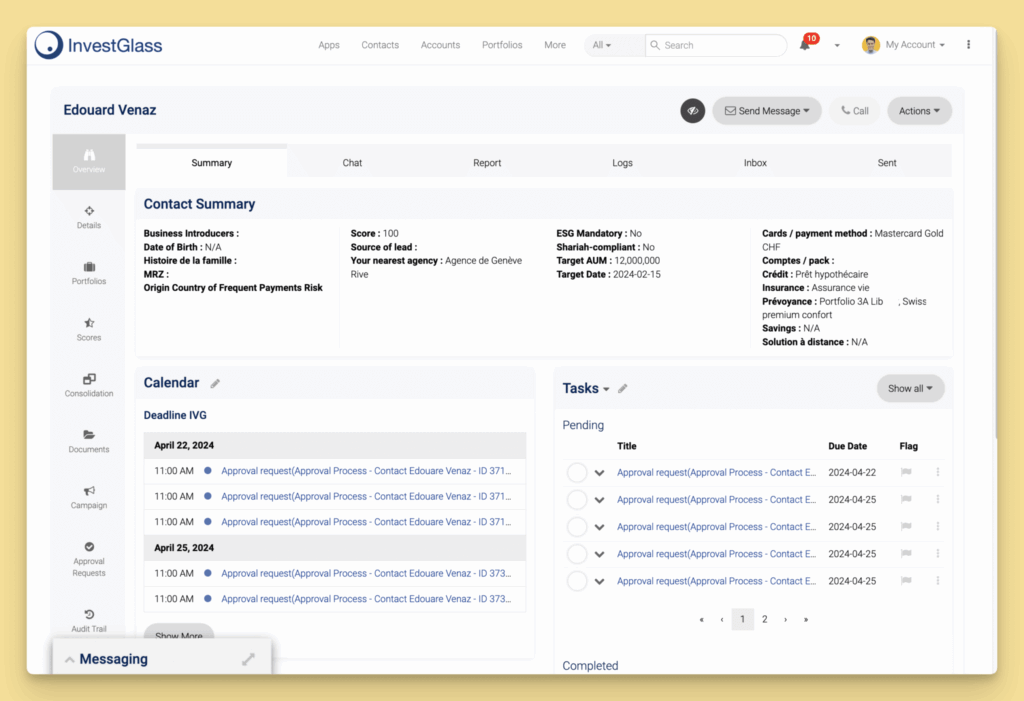
完全に柔軟なCRM InvestGlass
グローバルな規制の状況国際的なコンプライアンスのナビゲート
開発銀行を設立するには、さまざまな管轄区域の金融機関を管理する多様で複雑な規制の枠組みを十分に理解し、細心の注意を払って遵守する必要がある。規制機関は、正式に承認された銀行のみが営業できるようにし、正式な承認段階を通過することの重要性を強調している。規制は、金融の安定を確保し、消費者を保護し、マネー・ロンダリングやテロ資金供与などの不法行為を防止するために設計されている。開発銀行にとって、この世界的なモザイクの中を進むには、一般的な銀行規制を遵守するだけでなく、その銀行独自の職務権限や資金調達メカニズムに関連する特定の規定も遵守する必要がある。規制のプロセスは通常、プロジェクトや組織の成功を確実にするため、計画から資源配分、承認、評価まで、特定の順序に従って進められる。以下は、各地域における主な規制当局とその役割の概要である。.
ヨーロッパ
欧州には、高度で調和のとれた、しかし地域的に微妙な規制環境がある。開発銀行を志す者は、スイスのような非EU加盟国であっても、各国当局と包括的なEU指令の両方と戦わなければならない。.
United Kingdom (UK): Financial Conduct Authority (FCA)
FCAは、英国の金融サービス企業に対するプルデンシャル規制および行為規制当局である。プルデンシャル規制庁(PRA)が銀行のプルデンシャル規制を担当するのに対し、FCAは消費者保護と市場の健全性に重点を置いている。開発銀行にとって、これは金融商品の設計、マーケティング、販売方法に関する厳格な規則を遵守し、顧客の公正な扱いを確保することを意味する。FCAの認可手続きは厳格で、詳細な事業計画、強固なガバナンス構造、十分な財源を証明することが求められる。[1]
Germany: Bundesanstalt für Finanzdienstleistungsaufsicht (BaFin)
BaFinはドイツの総合金融監督機関であり、銀行、金融サービス業者、保険会社、証券取引を監督する責任を負っている。その任務は、金融機関の支払能力を確保し、ドイツの金融システムの完全性と安定性を維持することである。ドイツの開発銀行は、BaFinの厳しいライセンス要件、自己資本比率規制、および継続的な監督義務に準拠する必要があり、これらは重要な機関に対する欧州中央銀行(ECB)のガイドラインの影響を受けることが多い。[2]
France: Autorité des Marchés Financiers (AMF)
フランスでは、AMFが金融市場を規制し、投資家保護を確保する一方、ACPR(Autorité de Contrôle Prudentiel et de Résolution)が銀行と保険会社のプルデンシャル監督に責任を負っている。開発銀行は、主にACPRの許認可とプルデンシャル監督に関与し、資本要件、リスク管理の枠組み、ガバナンス基準の遵守を確保する。AMFの役割は、開発銀行が証券発行や公開市場での業務に関与する場合に重要になる。[3]
Switzerland: Swiss Financial Market Supervisory Authority (FINMA)
FINMAはスイスの独立した金融市場監督当局である。銀行、保険会社、証券取引所、証券ディーラー、その他金融機関の監督を担当している。FINMAの規制アプローチは、安定性、投資家保護、金融犯罪対策に重点を置いていることで知られている。スイスで事業を展開しようとする開発銀行にとって、FINMAの認可プロセスは包括的で、厳格な資本、流動性、組織要件に加え、強固なリスク管理とコンプライアンスの枠組みの遵守が求められる。スイスのデータ保護に関する連邦法(FADP)などの強力なデータ保護法も重要な役割を果たしている。[4]
Luxembourg: Commission de Surveillance du Secteur Financier (CSSF)
CSSFは、銀行、投資会社、その他の金融専門家を含むルクセンブルクの金融部門のプルデンシャル監督当局です。ルクセンブルクは、特に投資ファンドや国境を越えた金融サービスにおいて、重要な金融ハブとなっている。ルクセンブルクに開発銀行を設立する場合、欧州の指令に沿ったCSSFの認可手続きを経る必要があり、その手続きは強固なガバナンス、リスク管理、資本増強に重点が置かれている。CSSFはまた、マネーロンダリング防止(AML)とテロ資金供与対策(CTF)の監督においても重要な役割を果たしている。[5]
Ireland: Central Bank of Ireland (CBI)
アイルランド中央銀行は中央銀行機能と金融サービス事業者の規制の両方を担っています。銀行、投資会社、その他の金融機関を監督し、健全性と消費者保護に重点を置いています。開発銀行の場合、CBIの認可プロセスでは、欧州の銀行監督の枠内で、資本要件、ガバナンス体制、リスク管理の枠組みを遵守していることを証明する必要があります。.
アジア
アジアの金融市場はダイナミックで多様性に富み、規制当局も急速な経済成長と技術の進歩に対応している。.
· Singapore: Monetary Authority of Singapore (MAS)
MASはシンガポールの中央銀行として、また総合的な金融規制当局として機能している。銀行、保険会社、資本市場仲介業者を含むシンガポールのすべての金融機関を監督している。MASは、特にFinTechや持続可能な金融などの分野において、将来を見据えた強固な規制アプローチで知られている。シンガポールの開発銀行は、MASの厳しい認可基準、自己資本比率、包括的なリスク管理ガイドラインを満たす必要があり、コーポレート・ガバナンスと技術的な回復力に重点を置いている。[6]
· Hong Kong: Securities and Futures Commission (SFC)
SFCは香港の証券および先物市場の主要な監督機関である。香港金融管理局(HKMA)は銀行を監督しているが、開発銀行が債券やその他の証券を発行するような資本市場活動に関わる場合、SFCの役割は極めて重要である。SFCの規制を遵守することで、そのような事業における市場の整合性と投資家保護が確保される。[7]
· Japan: Financial Services Agency (FSA)
金融庁は日本の総合的な金融規制当局であり、銀行、証券、保険部門を監督している。その目的は、金融システムの安定を確保し、投資家を保護することである。日本における開発銀行は、健全かつ効率的な金融システムを維持するために設計された、許認可、資本要件、監督監視を含む金融庁の包括的な規制枠組みに従うことになる。[8]
· South Korea: Financial Services Commission (FSC)
金融監督院は韓国の金融規制当局のトップで、金融政策、金融機関の監督、検査を担当している。日常的な監督を担当する金融監督院(FSS)と連携している。開発銀行はFSCの免許制度、自己資本比率基準、リスク管理ガイドラインを遵守する必要があり、これらのガイドラインはグローバルなベストプラクティスや国内経済状況を反映して継続的に更新されている。.
· India: Securities and Exchange Board of India (SEBI)
SEBI はインドの証券市場の規制当局である。銀行についてはインド準備銀行(RBI)が主要な規制当局であるが、公募増資や有価証券の上場など資本市場活動に従事する開発銀行にとって、SEBIの役割は極めて重要である。SEBIの規制を遵守することで、急速に成長するインドの金融市場の透明性と投資家保護が確保される。.
中東
中東では、従来型金融とイスラム金融の規制が混在しており、金融自由区域では明確な枠組みがある。.
· United Arab Emirates (UAE): Dubai Financial Services Authority (DFSA) in Dubai International Financial Centre (DIFC) and Abu Dhabi Global Market (ADGM)
UAEは二重の規制システムを運用しており、オンショア規制と金融フリーゾーン内の別個の枠組みがある。DFSAはDIFCで行われる金融サービスを規制し、金融サービス規制庁(FSRA)はADGMで行われる金融サービスを規制している。両者とも独立した規制当局で、銀行業務、投資、その他の金融活動をカバーする包括的なルールブックを持っています。これらのフリーゾーンで活動する開発銀行は、DFSAまたはFSRAのいずれかからライセンスを取得し、それぞれのプルデンシャル規制と行動規制を遵守する必要があります。[9]
· Saudi Arabia: Capital Market Authority (CMA)
サウジアラビアでは、サウジアラビア中央銀行(SAMA)が銀行に対する主要な規制当局であり、CMAが資本市場を規制している。開発銀行は、免許、資本、流動性要件など、銀行業務に関しては主に SAMA の管轄下に置かれる。開発銀行が証券関連業務を行う場合は、先進的な資本市場の発展と投資家保護を目的とするCMAの規制にも準拠する必要がある。[10]
· Bahrain: Central Bank of Bahrain (CBB)
バーレーンはイスラム金融の重要なハブである。バーレーンはイスラム金融の重要な拠点である。バーレーンの開発銀行は、CBBによる包括的なルールブックの対象となり、ライセンス、自己資本比率、コーポレート・ガバナンス、リスク管理などをカバーする。[11]
· Qatar: Qatar Financial Centre Regulatory Authority (QFCRA)
QFCRAは、金融フリーゾーンであるカタール金融センター(QFC)で行われる金融サービスの独立した規制機関です。QFCRAの規制の枠組みは国際的なベストプラクティスに基づいており、国際的な金融機関の誘致を目的としています。QFC内で活動する開発銀行は、QFCRAの認可を受け、プルデンシャル基準、業務遂行、マネーロンダリング防止要件などを網羅するQFCRAの規制を遵守する必要がある。.
開発銀行設立のためのステップ・バイ・ステップ・ガイド
Establishing a development bank is a complex, multi-stage process that demands meticulous planning, significant capital, and a deep understanding of regulatory requirements. While the specifics may vary by jurisdiction, the fundamental steps remain consistent. This guide outlines the critical phases involved in bringing a development bank from conception to operational reality, complementing broader resources on founding your own private bank step by step.
- 概念化と実現可能性調査:
· Define the Mandate: Clearly articulate the development bank’s mission, target sectors (e.g., infrastructure, SMEs, green finance), geographical focus, and desired impact. This mandate will guide all subsequent decisions.
· Market Analysis: Conduct a comprehensive study to identify market gaps, unmet financing needs, and potential beneficiaries. Assess the economic landscape, including growth prospects, existing financial infrastructure, and the competitive environment.
· Legal and Regulatory Review: Research the specific legal and regulatory requirements in the chosen jurisdiction(s). This includes understanding licensing procedures, capital adequacy rules, governance standards, and anti-money laundering (AML)/counter-terrorist financing (CTF) obligations. Consult with legal and regulatory experts early in this stage.
· Financial Projections: Develop detailed financial models, including start-up costs, operational expenses, revenue streams, and projected profitability. This will inform capital raising strategies and demonstrate long-term viability.
- ビジネスプランの策定
· Comprehensive Business Plan: Create a robust business plan that articulates the bank’s vision, mission, strategic objectives, target markets, products and services, organisational structure, risk management framework, and financial projections. This document will be central to securing regulatory approval and attracting investors.
· Governance Structure: Design a clear and effective governance framework, including the board of directors, management committees, and internal control mechanisms. Emphasise independence, transparency, and accountability.
· Risk Management Framework: Outline a comprehensive risk management strategy covering credit risk, operational risk, market risk, liquidity risk, and reputational risk. This should include policies, procedures, and systems for identification, measurement, monitoring, and control of risks.
- 資本金と資金調達
· Initial Capital: Secure the necessary initial capital, which is often substantial and mandated by regulators. This may come from government allocations, multilateral institutions, private investors, or a combination thereof.
· Funding Strategy: Develop a diversified funding strategy, which could include long-term debt issuance, grants, concessional loans from international financial institutions, and equity participation. For instance, InvestGlass can assist in managing investor relations and capital raising processes through its CRM capabilities.
· In addition to core funding sources, development banks may receive supplementary support such as technical assistance or grants to enhance their capacity and effectiveness.
- 規制申請とライセンス
· Pre-Application Engagement: Engage in pre-application discussions with the relevant regulatory authorities (e.g., FCA, BaFin, FINMA, MAS) to understand their expectations and address any preliminary concerns. This proactive approach can streamline the formal application process.
· Formal Application Submission: The applicant must prepare and submit a detailed application package, including the business plan, financial projections, governance documents, risk management policies, and fit-and-proper assessments for key personnel. This is a highly scrutinised stage, requiring precision and completeness.
· Applicants must demonstrate that all eligibility criteria have been met before proceeding to the next stage of the licensing process.
· Due Diligence and Interviews: Be prepared for extensive due diligence by regulators, including interviews with prospective board members and senior management. Regulators will assess the robustness of the proposed operations and the competence of the leadership team.
· Licensing Approval: Upon successful completion of the regulatory review, the development bank will be granted a banking license, permitting it to commence operations.
- オペレーションのセットアップとテクノロジーの導入:
· Organisational Structure: Establish the operational structure, including departments for lending, risk management, compliance, finance, and human resources.
· Technology Infrastructure: Implement robust and scalable technology systems, including core banking platforms, CRM systems, risk management software, and compliance tools. This is where platforms like InvestGlass become invaluable, offering automation for client onboarding, due diligence, portfolio management, and regulatory reporting, ensuring efficiency and compliance from day one.
· Once the technology infrastructure is implemented, ongoing support and training are essential for operational success.
· Policy and Procedure Development: Develop detailed internal policies and procedures for all operational aspects, from loan origination and disbursement to financial reporting and compliance monitoring.
· Staffing and Training: Recruit and train qualified personnel across all functions, ensuring they possess the necessary skills and understand the bank’s mandate and operational protocols.
- 立ち上げと継続的なオペレーション:
· Phased Launch: Consider a phased launch, starting with a limited range of products or target sectors, and gradually expanding as operational capabilities and market acceptance grow.
· Performance Monitoring: Continuously monitor financial performance, developmental impact, and adherence to regulatory requirements. Regular internal audits and external reviews are crucial.
· Stakeholder Engagement: Maintain active engagement with stakeholders, including government bodies, investors, beneficiaries, and the wider community, to ensure alignment with developmental objectives and foster long-term support. InvestGlass can facilitate this through its comprehensive client relationship management features, enabling effective communication and reporting to all stakeholders.
Technology Infrastructure and Operations: Powering Modern Development Banking and Development Financing
21世紀において、成功する金融機関、特にそのユニークな使命を持つ開発銀行の運営上のバックボーンは、そのテクノロジー・インフラである。高度なデータ管理、顧客とのシームレスなやり取り、厳格なリスク評価、透明性の高いレポーティング。堅牢でスケーラブルなテクノロジー・スタックは、単なる利点ではなく、効率性、コンプライアンス、そして最終的には開発目標の達成のために基本的に必要なものである。InvestGlassのようなプラットフォームが不可欠な強みを発揮するのはこの点だ。.
At its core, a development bank requires a comprehensive suite of technological solutions. This includes a Core Banking System (CBS) for managing accounts, transactions, and financial products; a Customer Relationship Management (CRM) system for client onboarding, interaction tracking, and relationship management that supports digital differentiation for banks through automation and AI; and Enterprise Resource Planning (ERP) software for integrating various business processes. Beyond these foundational elements, specialised tools for risk management, compliance (AML/CTF), data analytics, and reporting are crucial. The ability to integrate these systems seamlessly ensures a holistic view of operations and client engagements.
InvestGlass, a Swiss-based CRM and automation platform tailored to financial services, is uniquely positioned to empower development banks with the technological capabilities they need. Its modular architecture allows for tailored implementation, addressing specific requirements from client lifecycle management to complex regulatory reporting. For instance, the InvestGlass platform can automate the client onboarding process, significantly reducing manual effort and enhancing data accuracy. Its advanced workflow automation capabilities streamline loan application processing, due diligence, and approval workflows, ensuring that funds are deployed efficiently and transparently. This automation is critical for development banks that often deal with a high volume of diverse projects and beneficiaries.
Furthermore, InvestGlass provides powerful tools for portfolio management and impact assessment. Development banks need to track not only financial returns but also the social and economic impact of their investments. The platform’s analytical capabilities allow for the aggregation and analysis of project data, enabling AI-enhanced portfolio monitoring and key performance indicators (KPIs) related to developmental objectives. This data-driven approach supports informed decision-making and demonstrates accountability to stakeholders and funders. The CRM functionalities also ensure that client interactions are meticulously recorded, fostering strong relationships with beneficiaries and partners, which is vital for the long-term success of developmental initiatives. The effective management and operation of this technology infrastructure depend on qualified staff, including IT, compliance, and project management personnel, whose expertise ensures systems run smoothly and securely—much as sector-specific CRMs, for example InvestGlass for dental practices, rely on trained teams to fully leverage digital onboarding and automation. By leveraging InvestGlass, development banks can ensure their operations are not only compliant and secure but also agile and effective in driving positive change.
なぜInvestGlassなのか?金融機関のためのスイスのデータ主権
金融機関、特に複数の管轄区域にまたがって活動する開発銀行にとって、データセキュリティ、プライバシー、規制遵守は単なる業務上の考慮事項ではなく、信頼と安定の基本的な柱です。このような重要な状況において、InvestGlassはスイスのデータ主権と政治的中立性に根ざした説得力のある提案を行い、機密性の高い金融データに比類ないレベルの保証を提供します。.
スイスは長い間、安定性、プライバシー、堅固な金融サービスの代名詞とされてきた。この評判は、世界的に最も厳しいデータ保護法にも及んでいます。InvestGlassはこの環境を活用し、最高水準のデータレジデンシーとセキュリティを満たすソリューションを提供しています。顧客はスイスのデータセンターでオンプレミスのホスティングオプションを柔軟に選択でき、インフラとデータを完全に管理することができます。また、クラウド・ソリューションをご希望のお客様には、InvestGlassは完全なデータレジデンシーを持つスイスのクラウド・ホスティングを提供します。これにより、すべてのデータはスイス国内に留まり、スイスの法律で保護され、米国のCLOUD法のような外国からのデータアクセス要求の対象にはなりません。.
コンプライアンスはInvestGlassのサービスの要です。このプラットフォームは、欧州連合のGDPR(一般データ保護規則)やスイスのデータ保護に関する連邦法(FADP)などの厳しいデータ保護規制への準拠を促進するように設計されています。この二重のコンプライアンスにより、開発銀行は欧州および国際的な業務において自信を持って顧客データを管理することができ、規制上のリスクを軽減し、プライバシーへのコミットメントを示すことができます。InvestGlassのアーキテクチャーは、銀行レベルのセキュリティと暗号化標準を取り入れ、高度な暗号技術と多要素認証を採用し、不正アクセス、侵害、サイバー脅威からデータを保護します。このレベルのセキュリティは、機密性の高い経済情報や個人情報を扱う金融機関にとって最も重要です。.
さらに、InvestGlassは開発銀行がクロス管轄の規制コンプライアンスを維持する上で極めて重要な役割を果たしています。InvestGlassの堅牢なCRMと自動化機能により、各地域の規制要件に合わせてワークフローや報告メカニズムをカスタマイズすることができます。この機能は、様々な国々にまたがる多様なマンデートと顧客基盤を持ち、それぞれに独自の規則がある開発銀行にとって極めて重要です。スイスの法的枠組みから生まれたInvestGlassが提供する固有のデータ保護の利点は、規制対象の金融機関に大きな競争力をもたらします。InvestGlassは、顧客やパートナーのデータが細心の注意と機密性をもって取り扱われることを保証し、信頼を強化し、より円滑な国際協力を促進します。.
結局のところ、InvestGlassはスイスの銀行機密保持の伝統をCRMデータに適用したものです。現代の規制は伝統的な銀行機密から発展してきましたが、顧客の機密性、データの完全性、プライバシーの基本原則はスイスの金融倫理に深く根付いています。InvestGlassはこれらの原則をデジタル・ソリューションにも適用し、開発銀行に対し、最も貴重な資産である顧客情報を管理するための、安全でコンプライアンスに適合した、政治的に中立なプラットフォームを提供しています。InvestGlassは、データ主権とセキュリティへのコミットメントにより、弾力性があり、信頼性が高く、グローバルに準拠した業務の構築を目指す開発銀行にとって理想的なパートナーとなっています。.
資本要件と資金調達戦略
開発銀行の設立と維持には、免許取得のための初期資金と、運営活動や融資義務のための継続的資金の両方が必要である。開発銀行が財務的な持続可能性を達成し、測定可能な開発効果を実証するには、数年かかる場合があることに留意することが重要である。主に預金に依存する商業銀行とは異なり、開発銀行は長期的な投資視野と開発目標を反映し、より多様で複雑な資金調達構造を持つことが多い。これらの資本要件と資金調達源を理解し、戦略的に管理することは、銀行の安定性と使命を果たす能力にとって最も重要である。.
当初の資本要件
各法域の規制当局は、新規の銀行機関に対して最低資本要件を課している。これらの要件は、銀行の支払能力と潜在的な損失を吸収する能力を確保するためのものである。開発銀行の場合、これらの数値は、業務の範囲や認識されるリスクプロファイルにもよるが、数千万から数億ユーロ、ポンド、フランに及ぶことが多く、大きな金額になることがある。FCA、BaFin、FINMA、MASのような規制当局は、許認可プロセスにおいて、初期自己資本の妥当性を入念に評価する。この資本は通常、オペレーショナルリスクや信用リスクに対するバッファーとして機能し、創業者のコミットメントと金融機関を支える能力を示すものである。.
資金調達戦略
開発銀行は、長期的な投資や業務上の必要資金を調達するために、様々な資金調達戦略を採用している:
7. Government Allocations and Subsidies: Many development banks are state-owned or state-backed, receiving direct budgetary allocations, grants, or concessional loans from national governments. This funding reflects the government’s commitment to specific developmental goals and provides a stable, often low-cost, capital base.
8. Multilateral and Bilateral Development Institutions: Partnerships with international financial institutions (IFIs) such as the World Bank, International Finance Corporation (IFC), European Investment Bank (EIB), and various bilateral development agencies are crucial. These institutions provide long-term loans, credit lines, and technical assistance, often at favourable terms, enabling the development bank to leverage its capital and expand its reach.
9. Issuance of Bonds and Debt Instruments: Development banks frequently access international and domestic capital markets by issuing bonds. Their public or quasi-sovereign backing often grants them higher credit ratings, allowing them to raise funds at competitive rates. These bonds can be tailored to specific projects (e.g., green bonds for environmental initiatives) or general funding purposes.
10. Equity Investments: Beyond initial capital from founders or governments, development banks may attract equity investments from institutional investors, pension funds, or other financial entities that align with their developmental mandate. This broadens the ownership base and introduces private sector discipline.
11. Loan Repayments and Interest Income: As a bank, a significant portion of its ongoing funding comes from the repayment of loans and the interest generated on its lending portfolio. Effective portfolio management and robust credit assessment are vital to ensure a healthy repayment cycle.
12. Guarantees and Risk-Sharing Mechanisms: Development banks often provide guarantees to commercial banks, encouraging them to lend to riskier developmental projects. They may also engage in risk-sharing agreements, where a portion of the risk is borne by other financial partners or government entities.
13. Deposits (Limited): While not their primary funding source, some development banks may accept deposits, particularly from institutional clients or specific government entities, though this is less common than for commercial banks.
Effective management of these diverse funding sources requires sophisticated financial planning and treasury management. InvestGlass’s private banking-grade CRM capabilities can assist development banks in managing their investor relations, tracking funding commitments, and ensuring transparent reporting to various capital providers, thereby optimising their funding mix and enhancing financial stability.
コンプライアンスとリスク管理
For any financial institution, and particularly for a development bank with its public mandate and often complex funding structures, a robust compliance and risk management framework is not just a regulatory requirement but a cornerstone of its credibility and long-term sustainability. The result of such a framework is enhanced institutional credibility and long-term sustainability. This framework must be comprehensive, proactive, and deeply embedded in the institution’s culture and operations, increasingly relying on automated KYC verification and onboarding workflows. It encompasses a wide range of activities, from adhering to anti-money laundering (AML) and counter-terrorist financing (CTF) regulations to managing credit, operational, and reputational risks.
コンプライアンスの枠組み
開発銀行のコンプライアンス・フレームワークは、開発銀行が活動する全ての司法管轄区にまたがる多数の法的・規制的義務に対応しなければならない。主な構成要素には以下が含まれる:
· AML/CTF Compliance: This is a critical area, requiring robust systems for customer due diligence (CDD), know-your-customer (KYC) checks, transaction monitoring, and reporting of suspicious activities to relevant authorities. The complexity of development finance, which can involve cross-border transactions and politically exposed persons (PEPs), necessitates a highly sophisticated approach to AML/CTF.
· Regulatory Reporting: Development banks are subject to extensive reporting requirements from regulatory bodies such as the FCA, BaFin, FINMA, and MAS. These reports cover financial performance, capital adequacy, liquidity, risk exposures, and compliance with various regulations. Timely and accurate reporting is essential to maintain a good standing with regulators.
· Data Privacy and Protection: Adherence to data protection laws like GDPR and the Swiss FADP is paramount. This involves implementing policies and procedures for the lawful collection, processing, storage, and transfer of personal data, as well as ensuring that clients’ privacy rights are respected.
· Conduct and Ethics: A strong ethical culture, supported by a code of conduct and policies on conflicts of interest, anti-bribery, and corruption, is vital. This is particularly important for development banks, which are entrusted with public funds and a developmental mission.
リスク管理の枠組み
開発銀行のリスク管理の枠組みは、金融リスクと非金融リスクの両方を含む、その銀行独自のリスクプロファイルに合わせて調整されなければならない:
· Credit Risk: This is the risk of loss arising from a borrower’s failure to repay a loan or meet its contractual obligations. Development banks often lend to higher-risk sectors or projects, making robust credit risk assessment, portfolio diversification, and effective loan workout strategies essential.
· Operational Risk: This encompasses the risk of loss resulting from inadequate or failed internal processes, people, and systems, or from external events. It includes legal risk, but excludes strategic and reputational risk. For a development bank, this can range from technology failures to internal fraud.
· Market Risk: This is the risk of losses arising from movements in market prices, such as interest rates, foreign exchange rates, and equity prices. Development banks with international operations and diverse funding sources are particularly exposed to market risk.
· Liquidity Risk: This is the risk that the bank will be unable to meet its financial obligations as they fall due. It requires careful management of assets and liabilities to ensure sufficient cash flow.
· Reputational Risk: For a development bank, reputational risk is a significant concern. Any perception of mismanagement, corruption, or failure to achieve developmental impact can undermine public trust and jeopardise funding.
コンプライアンスとリスク管理におけるテクノロジーの役割
Modern technology platforms like InvestGlass are instrumental in building and maintaining an effective compliance and risk management framework. InvestGlass provides automated tools for KYC/AML checks, client onboarding, and ongoing due diligence, ensuring a consistent and auditable process and supporting AI-driven portfolio management and risk analytics. Its CRM capabilities allow for the systematic tracking of client interactions and risk profiles, while its reporting features can be configured to generate regulatory reports in the required formats. By centralising client and project data, InvestGlass enables a holistic view of risk exposures, facilitating more effective risk management and compliance oversight. This technological support is crucial for development banks to navigate the complexities of the global financial landscape while staying true to their developmental mission.
成長・拡大戦略
開発銀行が設立され、運営されるようになると、その焦点は持続可能な成長とインパクトの拡大に移る。開発銀行の規模拡大とは、単に融資の量を増やすことではなく、開発への影響を深め、その範囲を拡大し、財務的な持続可能性を高めることである。そのためには、財務的な慎重さと中核的使命とのバランスをとる戦略的アプローチが必要である。.
インパクトの測定と伝達
継続的な効果を確保するために、開発銀行はその効果を厳密に測定し、伝えなければならない。プロジェクトが意図した成果を上げ、顕著なプラスの効果を達成したかどうかを評価するために、正式な評価が実施される。こうした評価は、アカウンタビリティを実証し、今後の戦略に反映させるのに役立つ。.
戦略的拡大
14. Geographical Expansion: Depending on the initial mandate, a development bank might consider expanding its operations to new regions or countries. This requires thorough market research, understanding new regulatory environments, and building local partnerships. For instance, a national development bank might evolve into a regional one, or a regional bank might target specific sub-regions with high developmental needs.
15. Product and Service Diversification: Expanding the range of financial products and services can cater to a broader spectrum of developmental needs. This could include introducing new types of loans (e.g., green loans, social impact bonds), equity investments, guarantees, technical assistance programmes, or advisory services. Diversification should always align with the bank’s core mandate and risk appetite.
16. Sectoral Deepening: Instead of broad expansion, a development bank might choose to deepen its expertise and investment in specific sectors. For example, a bank initially focused on general infrastructure might specialise further in renewable energy projects, developing bespoke financial instruments and technical knowledge in that niche.
経営効率と影響力の強化
· Leveraging Technology for Scale: Technology is a critical enabler for scaling. Implementing advanced CRM and automation platforms, such as InvestGlass, allows development banks to manage a larger client base, process more transactions, and handle complex data more efficiently without a proportional increase in operational costs. InvestGlass’s capabilities in client onboarding, workflow automation, and regulatory reporting are essential for maintaining efficiency and compliance as the bank grows.
· Partnerships and Collaboration: Strategic alliances with other financial institutions, government agencies, NGOs, and international organisations can significantly amplify a development bank’s reach and impact. Co-financing arrangements, risk-sharing agreements, and knowledge-sharing initiatives can unlock new opportunities and leverage collective resources.
· Talent Development and Organisational Capacity: Scaling requires a corresponding growth in human capital and organisational capacity. Investing in talent acquisition, training, and leadership development is crucial to ensure the bank has the expertise and leadership to manage increased complexity and expanded operations.
インパクトの測定と伝達
開発銀行が規模を拡大するにつれ、その開発効果を厳密に測定し、伝えることが一層重要になる。これには、明確なインパクト測定基準を確立し、確実なデータを収集し、透明性をもって成果を報告することが必要である。InvestGlassのようなプラットフォームは、インパクトの追跡と報告のためのツールを提供することで、これを促進することができ、銀行は利害関係者にその価値を示し、さらなる資金を集め、その正当性を強化することができる。インパクト・アセスメントに基づく継続的な評価と適応は、成長を意義ある持続可能な発展に確実につなげるための鍵である。.
よくある質問
Q1:開発銀行と商業銀行の主な違いは何ですか?
A1:主な違いは、それぞれの中核業務にある。商業銀行は、短期融資、預金業務、個人・企業向けの広範な金融サービスに重点を置く、利益追求型の金融機関である。一方、開発銀行は、市場の失敗に対処し、国家の戦略的優先事項を支援し、社会的または環境的インパクトを生み出すプロジェクトに長期的な融資を提供することによって、経済開発を促進することを目的として設立されたミッション主導型の機関であり、多くの場合、商業金融機関にとってはリスクが高すぎると見なされるセクターで利用されている。.
Q2:開発銀行は一般的にどのようなプロジェクトに融資するのですか?
A2:開発銀行は通常、持続可能な経済成長と社会福祉に貢献するプロジェクトに融資する。これには、大規模なインフラ・プロジェクト(道路、橋、発電所、電気通信など)、農業開発、再生可能エネルギーへの取り組み、教育、医療施設、通常の融資を受けにくい中小企業への支援などが含まれます。.
Q3:開発銀行はどのように資金を調達しているのですか?
A3:開発銀行には多様な資金源がある。これらの資金源には、政府予算からの直接配分、補助金、譲許的融資が含まれることが多い。また、多国間開発機関(世界銀行や地域開発銀行など)から資金を確保したり、資本市場で債券を発行したり(多くの場合、ソブリンが支援)、機関投資家から株式投資を受けることもあります。融資の返済やポートフォリオからの利子収入も、継続的な資金調達に大きく貢献している。.
Q4: 欧州の開発銀行に対する主な規制機関は?
A4:欧州では、英国の金融行動監督機構(FCA)とプルデンシャル規制庁(PRA)、ドイ ツのドイツ連邦銀行(BaFin)、フランスのACPR(Autorité de Contrôle Prudentiel et de Résolution)、スイスの金融市場監督庁 (FINMA)、ルクセンブルクのCSSF(Commission de Surveillance du Secteur Financier)、アイルラ ンド中央銀行(CBI)などが主要な規制機関となっている。それぞれ、プルデンシャル監督と行為監督に特化した権限を有している。.
Q5: InvestGlassは開発銀行のコンプライアンス達成をどのようにサポートしていますか?
A5: スイスを拠点とするCRMと自動化プラットフォームのInvestGlassは、自動化されたKYC/AMLチェックとデューデリジェンスを含む、強固な顧客ライフサイクル管理のためのツールを提供することで、開発銀行をサポートしています。カスタマイズ可能なワークフローは、国や地域によって異なる様々な規制要件への準拠を容易にします。さらに、スイスのデータ主権へのコミットメントは、GDPRやFADPのような厳格なデータ保護法への準拠を保証し、機密性の高い金融データのための銀行レベルのセキュリティを提供します。.
Q6: なぜスイスのデータ主権が金融機関にとって重要なのですか?
A6: スイスのデータ主権は金融機関にとって極めて重要です。なぜなら、世界でも最も厳し いデータ保護法(FADP など)によって保護されたスイス国内で、顧客データが保存・処理さ れるからです。これにより、高水準のプライバシー、機密性、セキュリティが提供され、外国からのアクセス要求からデータを保護し、特に国際的に事業を展開し、機密性の高い金融情報を取り扱う金融機関にとっては信頼が高まります。.
Q7: 開発銀行が直面する主なリスクは何ですか?
A7:開発銀行は、信用リスク(借り手の債務不履行)、オペレーショナル・リスク(内部プロセスやシステムの不具合)、市場リスク(金利や為替レートの変動)、流動性リスク(金融債務の履行不能)、レピュテーショナル・リスク(社会的信用の失墜)など、いくつかのリスクに直面している。これらの課題を軽減するためには、効果的なリスク管理の枠組みが不可欠である。.
Q8:開発銀行はどのようにして開発効果を測定するのですか?
A8:開発インパクトの測定には、銀行のミッションに沿った、明確で定量化可能な測定基準を確立することが必要である。これには、雇用創出、貧困削減、必要不可欠なサービスへのアクセス(例:清潔な水、電気)、対象地域の経済成長、環境面での便益などの追跡が含まれます。InvestGlassのようなプラットフォームは、このようなインパクト指標の収集、分析、報告を支援し、説明責任と戦略的調整のためのデータ主導の洞察を提供することができる。.
Q9:開発銀行の業務効率化において、テクノロジーはどのような役割を果たしますか?
A9: テクノロジーは、近代的な開発銀行の業務効率化に不可欠です。自動化により、顧客のオンボーディング、ローン申請処理、ポートフォリオ管理などの合理化されたプロセスが可能になります。InvestGlassのような堅牢なCRMシステムは、顧客との対話とデータ管理を強化し、統合されたリスク・コンプライアンス・ツールは規制要件の遵守を保証し、業務の全体像を把握することで、最終的にスピード、正確性、透明性を向上させます。.
Q10:開発銀行が、開発目標を追求しながら財務的に持続可能であることは可能ですか?
A10: はい、それは可能であり、しばしば重要な目標です。開発銀行は、商業銀行よりも高いリスクと低いリターンを受け入れるかもしれませんが、長期的な存続可能性と独立性を確保するために、財務の持続可能性を目指しています。これは、多角的な資金調達戦略、慎重な財務管理、効果的な融資回収、開発的でありながら財務的リターンやコスト回収が合理的に見込めるプロジェクトに重点を置くことによって達成されます。財政的持続可能性と開発効果のバランスは、継続的な戦略的課題である。.
結論
開発銀行の設立は、野心的でありながら大きな影響力を持つ事業であり、経済の強靭性と持続可能な成長を促進するユニークな道筋を提供するものである。本ガイドが示すように、構想から運用開始までの道のりは、複雑な規制、多額の資本要件、強固な技術インフラの必要性によって舗装されている。FCA、BaFin、FINMA、MASといった機関の厳しい認可プロセスを通過することから、包括的な事業計画を綿密に練り上げ、多様な資金を確保することまで、各ステップでは戦略的な先見性と揺るぎないコミットメントが求められる。.
現代の開発銀行は、市場の失敗に対処し、公益を促進するという使命に根ざしているが、同時に、一流の金融機関としての効率性、安全性、コンプライアンスをもって運営されなければならない。InvestGlassのようなプラットフォームとの戦略的パートナーシップは、まさにこの点で非常に貴重である。InvestGlassのスイスベースのCRMと自動化機能を活用することで、開発銀行は銀行レベルのセキュリティを確保し、GDPRやFADPのようなグローバルなデータ保護基準を遵守し、複雑な業務ワークフローを合理化することができる。スイスのデータ主権へのコミットメントは、機密性の高い金融データを保護するだけでなく、信頼性を高め、クロス管轄の規制コンプライアンスを容易にし、今日の相互接続された金融世界において重要な優位性を提供します。.
最終的に、開発銀行の成功は財務実績だけでなく、具体的な開発効果によって評価される。明確なマンデート、よく実行された戦略、そして適切な技術ツールがあれば、意欲的な金融イノベーターは、繁栄するだけでなく、変革の触媒となり、国家の経済的、社会的幸福に大きく貢献する機関を構築することができます。InvestGlassは、開発銀行が複雑性を克服し、コンプライアンスを確保し、グローバルな舞台で積極的な影響力を最大限に発揮できるよう支援し、この重要な使命をサポートする準備が整っています。.
参考文献
1]金融行動監視機構(FCA)。[https://www.fca.org.uk/
2]Bundesanstalt für Finanzdienstleistungsaufsicht (BaFin).[https://www.bafin.de/EN/Homepage/homepage_node.html
3]金融市場庁(AMF)。[https://www.amf-france.org/en/regulation/regulation-homepage
4]スイス金融市場監督局(FINMA)。[https://www.finma.ch/en/
5]金融監督委員会(CSSF)。[https://www.cssf.lu/en/
6]シンガポール金融管理局(MAS)。[https://www.mas.gov.sg/
7]香港証券先物委員会(SFC)。[https://www.sfc.hk/en/
8]金融庁[https://www.fsa.go.jp/en/
9]アブダビ・グローバル・マーケット(ADGM)金融サービス規制庁(FSRA)。[https://www.adgm.com/financial-services-regulatory-authority
10] Capital Market Authority (CMA) Saudi Arabia. [https://cma.gov.sa/en/RulesRegulations/Pages/default.aspx
11] Central Bank of Bahrain (CBB)
開発銀行とコミュニティ金融 - 10のFAQ
1.開発銀行は営利目的か?
Development banks typically operate not for profit, but rather for public or community development goals. Their mission is to finance projects that boost economic growth, infrastructure, and job creation especially in underserved areas that traditional banks may overlook.
2.自分の銀行を持つにはいくらかかる?
銀行を立ち上げるには多額の資本投資が必要で、多くの場合、立地、規制要件、ビジネスモデルにもよるが、$1,000万ドルから$3,000万ドルである。開発金融機関の場合は、コミュニティ志向か商業志向かによって最低額が異なる場合があります。.
3.自分のために銀行を設立することはできますか?
It’s not possible to create a bank solely for personal use. Regulatory agencies require banks to serve the financial mainstream, maintain capital adequacy, and meet public service standards, just as specialised financial CRMs, like InvestGlass for therapists and healthcare practices, must align with sector-specific compliance and client-care expectations. However, you could establish a private credit union or investment network under strict legal and financial oversight.
4.自分で銀行を設立することは合法ですか?
Yes, it’s legal but highly regulated. You must obtain approval and designation from your country’s central bank or financial authority (e.g., in the Philippines, from the Bangko Sentral ng Pilipinas). Applicants must demonstrate strong experience, financial capacity, and a sound business plan.
5.開発資金とは何か?
開発金融とは、特に低所得層や新興地域における経済成長プロジェクトを支援するために提供される資金を指す。多くの場合、インフラ、農業、小企業を対象としており、地域社会の正規経済への参入や地域の財政問題の解決を支援している。.
6.地域開発銀行は伝統的な銀行とどう違うのですか?
Community development banks focus on serving underserved areas rather than maximizing profits. They evaluate success by social impact such as improving access to credit unions, supporting eligible applicants, and building local financial networks.
7.誰が地域開発銀行の資金を申請できますか?
申請資格を有するのは、通常、地域社会の向上を目指す中小企業、非営利団体、地方自治体、起業家などである。申請手続きには通常、財務書類、プロジェクト提案書、地域社会への影響を証明する書類が必要となる。.
8.開発銀行は融資の申請をどのように評価するのですか?
財政的な実行可能性、社会的影響、リスク評価に基づいて評価される。申請者の経験、事業実績、プロジェクトが開発目標に合致していることが、承認には不可欠である。.
9.開発銀行はどのような問題の解決に貢献しているのか?
Development banks address market gaps in the financial mainstream such as lack of credit, infrastructure, or investment in rural areas. They help communities enter sustainable growth cycles by providing accessible financing and long-term support.
10.自分の住んでいる地域で開発銀行を見つけるにはどうすればよいですか?
まず、国の金融機関一覧、地方自治体のウェブサイト、開発金融ネットワークから検索することができます。例えばフィリピンでは、公認の開発銀行が財務省やBSPによってリストアップされていることが多い。.


