
导言
创办一家开发银行,需要的远不止银行业牌照和资本:还需要清晰的发展使命、严谨的市场与监管研究、详细的业务计划与治理结构、稳健的运营和技术系统,以及支持大规模长期贷款的合规框架。与主要受利润驱动的传统商业银行不同,设立开发银行旨在为符合国家或区域优先事项的项目提供长期融资。其宗旨是扩大融资渠道、推动经济增长,并支持传统放贷机构往往忽视的发展目标,尤其是在基础设施、可再生能源以及中小企业等领域。.
对于旨在建立具有可衡量的经济和社会影响的银行的金融创新者、机构和企业家而言,了解开发银行的架构、发牌、资金筹措和运营方式至关重要。这些机构有助于填补私人资本有限或风险厌恶地区的资金缺口,这使它们成为促进金融包容性、经济韧性和可持续发展的核心。本全面指南由总部位于瑞士、面向金融服务的领先 CRM 与自动化平台 InvestGlass 为您呈现,详细阐述了开发银行的市场角色、分步设立流程、从英国金融行为管理局 (FCA) 到新加坡金融管理局 (MAS) 的全球监管格局,以及有效启动和扩展所需的运营基础设施。.
它还审视了资本化和资金筹措策略、治理、合规与风险管理,以及运营现代开发银行所需的技术骨干,包括InvestGlass等平台如何支持这些需求。凭借正确的愿景、工具和执行力,创始人们可以创建不仅运营稳健,还能为国家重点项目提供融资并促进长期经济发展的机构。.
您将了解到
开发性金融机构的基本定义与市场角色。.
欧洲、亚洲和中东地区的主要监管机构与框架。.
从构思到发布,设立过程的分步指南。.
技术与运营基础设施的关键作用,重点关注 InvestGlass 解决方案。.
瑞士数据主权独一无二的优势与 InvestGlass 对合规性的承诺。.
资本化、资金筹措、合规管理、风险管理以及可持续增长的策略。.
了解开发银行:定义和市场概述
开发银行通常被称为发展金融机构(DFIs),是由国家或多边组织建立的专门金融实体,为经济发展项目提供长期资本。与主要关注短期贷款和利润最大化的商业银行不同,开发银行的公共使命是解决市场失灵、促进可持续增长和支持国家战略重点。它们的核心职能是将资金引入对经济发展至关重要,但由于风险高、酝酿期长或即时回报低而可能无法吸引足够私人投资的部门。这些部门通常包括基础设施(交通、能源、电信)、农业、教育、医疗保健和中小型企业(SMEs)。.
开发银行的历史可以追溯到二战后,当时许多国家的政府认识到需要专门的机构来重建经济和促进工业化。早期的开发银行,如印度工业发展银行,在为新兴产业调动资金和专业知识方面发挥了关键作用。随着时间的推移,开发银行的任务不断演变,涵盖了更广泛的发展目标,包括减贫、环境可持续性和社会公平。如今,开发银行在国家、地区和国际等不同层面开展业务。在发达国家,这些银行通常侧重于创新和先进的基础设施,利用更多的金融资源和成熟的机构,而在发展中国家,由于资源有限和框架不完善,它们要满足更基本的需求,面临更大的挑战。这方面的例子包括世界银行集团、欧洲投资银行(EIB)以及德国复兴信贷银行(KfW)等国家开发银行。.
开发银行的市场概况展现出一个多元化的格局。一些开发银行作为批发贷款机构运营,向商业银行或其他金融中介机构提供资金,然后由其转贷给目标受益对象。另一些则从事直接贷款、股权投资、担保和技术援助。其一个关键特征是,它们能够承担比商业银行更高的风险并接受较低的回报,通常利用其公共后盾从国际资本市场、政府预算以及双边/多边捐赠方吸引资金。这种独特的定位使它们能够资助对长期经济健康至关重要、但否则可能无法获得资金的项目。这些机构的运营效率和战略重点正日益得到先进的客户关系管理(CRM)和自动化平台的支撑,例如 InvestGlass多合一销售与自动化平台, ,这些工具能够实现简化的客户管理、项目追踪和合规性遵循,从而增强其在复杂金融生态系统中的整体影响力和辐射范围。事实上,基于证据的见解和可靠的数据对于评估开发银行在实现其目标方面的有效性和公信力至关重要。.
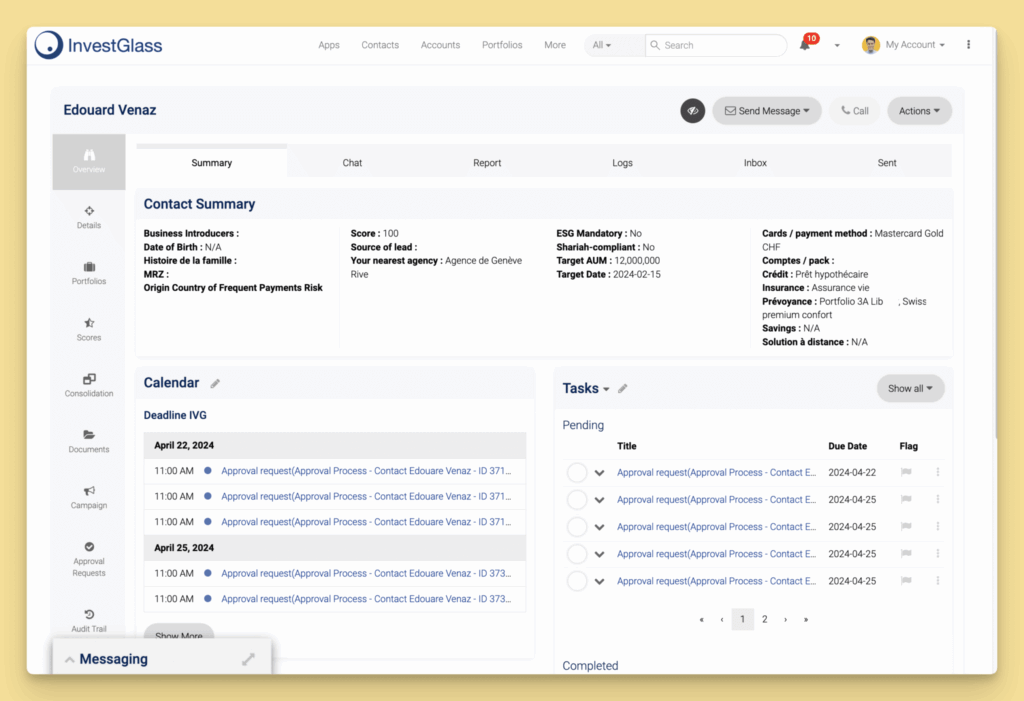
完全灵活的 CRM InvestGlass
全球监管格局:国际合规导航
要建立一家开发银行,就必须透彻了解并严格遵守不同司法管辖区对金融机构的不同且往往复杂的监管框架。监管机构确保只有获得正式批准的银行才能运营,这就强调了通过正式审批阶段的重要性。监管环境旨在确保金融稳定、保护消费者、防止洗钱和恐怖主义融资等非法活动。对于开发银行来说,要在全球范围内游刃有余,不仅需要遵守一般的银行法规,还需要遵守与其独特任务和筹资机制有关的具体规定。监管过程通常遵循特定的顺序,从规划和资源分配到审批和评估,以确保项目和机构的成功。以下是特定地区主要监管机构及其作用的概述。.
欧洲
欧洲的监管环境复杂而统一,但各地区之间又有细微差别。即使在瑞士这样的非欧盟国家,有抱负的开发银行也必须同时面对国家当局和欧盟的总体指令。.
英国:金融行为监管局 (FCA)
FCA 是英国金融服务公司的审慎和行为监管机构。英国审慎监管局 (PRA) 负责银行的审慎监管,而 FCA 则侧重于消费者保护和市场诚信。对于开发银行来说,这意味着要严格遵守金融产品的设计、营销和销售规则,并确保公平对待客户。FCA 的授权程序非常严格,要求制定详细的业务计划、建立健全的治理结构,并提供充足的财务资源证明。[1]
德国:联邦金融监督管理局 (BaFin)
BaFin 是德国的综合金融监管机构,负责监管银行、金融服务提供商、保险机构和证券交易。其职责包括确保金融机构的偿付能力,维护德国金融体系的完整性和稳定性。德国的开发银行需要遵守 BaFin 严格的许可要求、资本充足率规则和持续的监管义务,而这些通常受到欧洲中央银行(ECB)针对重要机构的指导方针的影响。[2]
法国金融市场管理局(AMF)
在法国,AMF 监管金融市场并确保投资者保护,而 Autorité de Contrôle Prudentiel et de Résolution (ACPR) 则负责银行和保险公司的审慎监管。开发银行将主要与 ACPR 合作进行许可和审慎监督,确保遵守资本要求、风险管理框架和治理标准。如果开发银行参与证券发行或在公共市场上开展业务,AMF 的作用将变得十分重要。[3]
瑞士:瑞士金融市场监督管理局 (FINMA)
FINMA 是瑞士独立的金融市场监督机构。它负责监管银行、保险公司、证券交易所、证券交易商和其他金融机构。FINMA 的监管方法以强调稳定性、投资者保护和打击金融犯罪而著称。对于寻求在瑞士开展业务的开发银行而言,瑞士金融业监管局的授权程序非常全面,要求遵守严格的资本、流动性和组织要求,以及健全的风险管理和合规框架。瑞士强大的数据保护法律,如《瑞士联邦数据保护法》(FADP),也发挥着重要作用。[4]
卢森堡:金融监管委员会(CSSF)
CSSF 是卢森堡金融行业(包括银行、投资公司和其他金融专业人士)的审慎监管机构。卢森堡是重要的金融中心,尤其是在投资基金和跨境金融服务方面。在此成立的开发银行需要通过 CSSF 的授权程序,该程序与欧洲指令一致,重点关注稳健治理、风险管理和资本化。CSSF 还在反洗钱 (AML) 和反恐融资 (CTF) 监管方面发挥着至关重要的作用。[5]
爱尔兰:爱尔兰中央银行 (CBI)
爱尔兰中央银行既负责中央银行职能,也负责监管金融服务提供商。它负责监督银行、投资公司和其他金融实体,重点关注审慎稳健和消费者保护。对于开发银行而言,爱尔兰中央银行的授权程序包括证明其符合资本要求、治理安排和风险管理框架,所有这些都是在欧洲银行监管的背景下进行的。.
亚洲
亚洲的金融市场充满活力和多样性,监管机构不断适应快速的经济增长和技术进步。.
·新加坡:新加坡金融管理局(MAS)
新加坡金管局是新加坡的中央银行和综合金融监管机构。它负责监管新加坡的所有金融机构,包括银行、保险公司和资本市场中介机构。新加坡金管局以其前瞻性和稳健的监管方式而闻名,尤其是在金融科技和可持续金融等领域。新加坡的开发银行需要满足新加坡金管局严格的许可标准、资本充足率和全面的风险管理准则,并着重强调公司治理和技术弹性。[6]
· 香港:证券及期货事务监察委员会(证监会)
证监会是香港证券和期货市场的主要监管机构。虽然香港金融管理局(金管局)负责监管银行,但对于参与资本市场活动(如发行债券或其他证券)的开发银行而言,证监会的作用至关重要。遵守证监会的规定将确保任何此类投资活动的市场诚信和投资者保护。[7]
· 日本:金融厅 (FSA)
金融服务管理局是日本的综合金融监管机构,负责监管银行、证券和保险行业。其目标包括确保金融体系的稳定和保护投资者。日本的开发银行将受金融服务管理局全面监管框架的约束,包括许可、资本要求和监管监督,目的是维持一个健全、高效的金融体系。[8]
· 韩国:金融委员会(FSC)
金融服务委员会是韩国最高金融监管机构,负责金融政策、监督和检查金融机构。它与负责日常监管的金融监管局(FSS)合作。开发银行需要遵守金融服务委员会的许可制度、资本充足标准和风险管理准则,这些制度和准则会不断更新,以反映全球最佳实践和国内经济状况。.
· 印度:印度证券交易委员会 (SEBI)
SEBI 是印度证券市场的监管机构。虽然印度储备银行(RBI)是银行的主要监管机构,但对于从事资本市场活动(如通过公开发行或上市证券筹集资金)的开发银行来说,证监会的作用至关重要。遵守 SEBI 的规定可确保印度快速发展的金融市场的透明度和投资者保护。.
中东
中东既有传统金融法规,也有伊斯兰金融法规,金融自由区的框架也各不相同。.
· 阿拉伯联合酋长国(阿联酋):迪拜国际金融中心(DIFC)的迪拜金融服务管理局(DFSA)以及阿布扎比全球市场(ADGM)
阿联酋实行双重监管体系,在岸监管和金融自由区内的独立框架。免税区金融服务管理局(DFSA)负责监管在免税区金融金融中心(DIFC)开展的金融服务,而金融服务监管局(FSRA)则负责监管 ADGM 的金融服务。两者都是独立的监管机构,拥有涵盖银行、投资和其他金融活动的综合规则手册。在这些自由区开展业务的开发银行需要获得丹麦金融服务管理局或金融服务监管局的许可,并遵守各自的审慎监管和行为监管规定,这些规定通常以国际标准为基准。[9]
· 沙特阿拉伯:资本市场管理局 (CMA)
在沙特阿拉伯,沙特中央银行(SAMA)是银行的主要监管机构,而资本市场管理局(CMA)负责监管资本市场。开发银行的银行业务主要由 SAMA 负责,包括许可、资本和流动性要求。如果开发银行从事与证券相关的活动,则还需要遵守旨在发展先进资本市场和保护投资者的 CMA 法规。[10]
· 巴林:巴林中央银行 (CBB)
巴林中央银行是巴林整个金融部门(包括传统和伊斯兰银行、保险公司和投资公司)的唯一监管机构。巴林是伊斯兰金融的重要枢纽。巴林的开发银行须遵守巴林中央银行的综合规则手册,其中涵盖许可、资本充足率、公司治理和风险管理,并在适用情况下对伊斯兰金融机构做出具体规定。[11]
· 卡塔尔:卡塔尔金融中心监管局 (QFCRA)
卡塔尔金融监管局是卡塔尔金融中心(QFC)(一个金融自由区)内金融服务的独立监管机构。卡塔尔金融监管局的监管框架以国际最佳实践为基础,旨在吸引国际金融机构。在卡塔尔金融中心开展业务的开发银行需要获得卡塔尔金融监管局的许可,并遵守其规定,其中包括审慎标准、业务行为和反洗钱要求。.
创办开发银行分步指南
建立一家开发银行是一个复杂的多阶段过程,需要周密的计划、大量的资金以及对监管要求的深入理解。虽然具体细节可能因司法管辖区而异,但基本步骤保持一致。本指南概述了将开发银行从构想变为现实所涉及的关键阶段,作为对相关更广泛资源的补充 逐步建立你自己的私人银行.
- 概念化和可行性研究:
· 明确职责:清晰阐明开发银行的使命、目标领域(例如基础设施、中小企业、绿色金融)、地理重点以及预期影响。该职责将指导所有后续决策。.
· 市场分析:进行全面研究,以识别市场空白、未满足的融资需求以及潜在受益群体。评估经济环境,包括增长前景、现有金融基础设施以及竞争环境。.
· 法律与监管审查:研究选定司法管辖区的具体法律和监管要求。这包括了解许可程序、资本充足率规则、治理标准以及反洗钱(AML)/打击资助恐怖主义(CTF)义务。在此阶段早期咨询法律和监管专家。.
· 财务预测:开发详细的财务模型,包括启动成本、运营费用、收入来源和预计盈利能力。这将为筹资策略提供依据,并证明长期的生存能力。.
- 制定商业计划:
· 全面的商业计划书:制定一份详尽的商业计划书,阐明银行的愿景、使命、战略目标、目标市场、产品与服务、组织架构、风险管理框架以及财务预测。该文件将是获得监管批准和吸引投资者的核心。.
· 治理结构:设计一个清晰且有效的治理框架,包括董事会、管理委员会和内部控制机制。强调独立性、透明度和问责制。.
· 风险管理框架:制定涵盖信用风险、操作风险、市场风险、流动性风险和声誉风险的综合风险管理战略。这应包括用于识别、计量、监测和控制风险的政策、程序和系统。.
- 资本化和资金:
· 初始资本:筹集必要的初始资本,这通常数额巨大且是监管机构所要求的。资金来源可以是通过政府拨款、多边机构、私人投资者或这些途径的组合。.
· 资金战略:制定多元化的资金战略,可包括发行长期债务、赠款、国际金融机构的优惠贷款以及股权参与。例如,InvestGlass可以通过其CRM功能协助管理投资者关系和资本筹集流程。.
· 除核心资金来源外,开发银行还可能获得技术援助或赠款等补充支持,以增强其能力和效力。.
- 监管申请和许可:
· 申请前沟通:与相关监管机构(例如 FCA、BaFin、FINMA、MAS)进行申请前讨论,以了解其期望并解决任何初步关切。这种积极主动的方法可以简化正式申请流程。.
· 正式申请提交:申请人必须准备并提交一份详细的申请材料,包括商业计划书、财务预测、治理文件、风险管理政策以及关键人员的适任评估(fit-and-proper assessments)。这是一个受到严密审查的阶段,要求准确无误且完整。.
申请人必须证明已满足所有资格标准,然后方可进入许可流程的下一阶段。.
· 尽职调查与面谈:做好应对监管机构广泛尽职调查的准备,包括与拟任董事会成员和高级管理层的面谈。监管机构将评估拟议运营的稳健性以及领导团队的能力。.
· 牌照批准:在成功完成监管审查后,该开发银行将获得银行业牌照,从而得以开始运营。.
- 运行设置和技术实施:
· 组织架构:建立运营架构,包括借贷、风险管理、合规、财务和人力资源等部门。.
· 技术基础设施:实施强大且可扩展的技术系统,包括核心银行平台、CRM系统、风险管理软件和合规工具。正是在这里,像InvestGlass这样的平台变得弥足珍贵,它们为客户入驻、尽职调查、投资组合管理和监管报告提供自动化功能,确保从第一天起就实现高效与合规。.
· 一旦技术基础设施落实到位,持续的支持和培训对于业务运营的成功至关重要。.
· 政策与程序制定:针对所有运营环节制定详细的内部政策和程序,从贷款受理和发放,到财务报告和合规监控。.
· 人员配备与培训:在所有职能部门中招募并培训合格的人员,确保他们具备必要的技能,并理解银行的使命与运营规程。.
- 启动和持续运行:
· 分阶段推出:考虑采取分阶段推出(Phased Launch)的方式,从有限的产品范围或目标市场开始,随着运营能力和市场接受度的提升而逐步扩展。.
· 绩效监控:持续监控财务绩效、发展影响以及对监管要求的合规性。定期内部审计和外部审查至关重要。.
· 利益相关者参与:保持与政府机构、投资者、受益者以及更广泛社区等利益相关者的积极互动,以确保与发展目标保持一致并赢得长期支持。InvestGlass可以通过其全面的客户关系管理功能为此提供便利,从而实现与所有利益相关者的有效沟通和报告。.
技术基础设施与运营:赋能现代开发银行与开发融资
在 21 世纪,任何成功的金融机构,尤其是肩负独特使命的开发银行,其业务支柱都是技术基础设施。现代开发银行超越了传统的借贷,它涉及复杂的数据管理、无缝的客户互动、严格的风险评估和透明的报告。稳健、可扩展的技术堆栈不仅是一种优势,更是提高效率、合规性并最终实现发展目标的基本要求。这正是 InvestGlass 等平台不可或缺的优势所在。.
从核心上看,开发银行需要一套全面的技术解决方案。这包括用于管理账户、交易和金融产品的核心银行系统(CBS);用于客户入驻、互动跟踪和关系管理的客户关系管理(CRM)系统,该系统支持 通过自动化与人工智能实现银行业务的数字化差异化; ;以及用于整合各项业务流程的企业资源规划(ERP)软件。除了这些基础要素之外,用于风险管理、合规(反洗钱/反恐融资)、数据分析和报告的专业工具也至关重要。无缝集成这些系统的能力可确保对运营和客户互动形成一个整体的视角。.
InvestGlass 是一家总部位于瑞士的客户关系管理(CRM)与自动化平台,专为金融服务业量身定制, 具备独特的优势,能够为开发银行赋能所需的的技术能力。其模块化架构允许进行定制化实施,满足从客户生命周期管理到复杂监管报告的特定需求。例如,InvestGlass 平台可以自动化客户入驻流程,显着减少人工劳动并提高数据准确性。其先进的工作流程自动化功能简化了贷款申请处理、尽职调查和审批流程,确保资金高效、透明地部署。这种自动化对于经常处理大量不同项目和受益者的开发银行至关重要。.
此外,InvestGlass 还为投资组合管理和影响评估提供了强大的工具。开发银行不仅需要追踪财务回报,还需要追踪其投资的社会和经济影响。该平台的分析功能可对项目数据进行汇总和分析,从而使 AI赋能的投资组合监控与关键绩效指标(KPI) 与发展目标相关。这种数据驱动的方法支持明智的决策,并向利益相关者和资助者展示问责制。CRM功能还确保对客户互动进行细致的记录,从而与受益者和合作伙伴建立牢固的关系,这对于发展倡议的长期成功至关重要。这一技术基础设施的有效管理和运营依赖于合格的员工,包括IT、合规和项目管理人员,他们的专业知识确保系统运行顺畅且安全——正如特定行业的CRM一样 面向牙科诊所的 InvestGlass, ,依靠经过培训的团队充分利用数字开户和自动化。通过利用 InvestGlass,开发银行可以确保其运营不仅合规且安全,而且在推动积极变革方面具有敏捷性和有效性。.
为什么选择 InvestGlass:瑞士金融机构数据主权
对于金融机构,特别是在多个司法管辖区运营的开发银行而言,数据安全、隐私和监管合规不仅是运营方面的考虑因素,也是信任和稳定的基本支柱。在这一关键领域,InvestGlass 以瑞士数据主权和政治中立为基础,为敏感的金融数据提供了无与伦比的保障。.
长期以来,瑞士一直是稳定、隐私和强大金融服务的代名词。瑞士的数据保护法也享有盛誉,是全球最严格的数据保护法之一。InvestGlass 充分利用这一环境,提供符合最高数据驻留和安全标准的解决方案。客户可灵活选择在瑞士数据中心进行内部托管,从而完全控制其基础设施和数据。此外,对于喜欢云解决方案的客户,InvestGlass 在瑞士提供具有完全数据驻留功能的云托管服务,确保所有数据都在瑞士境内,受瑞士法律保护,不受美国《云法案》等外国数据访问请求的限制。.
合规是 InvestGlass 产品的基石。该平台旨在促进遵守严格的数据保护法规,包括欧盟的 GDPR(通用数据保护条例)和瑞士联邦数据保护法 (FADP)。这种双重合规性确保开发银行能够在欧洲和国际业务中自信地管理客户数据,降低监管风险,并展示对隐私的承诺。InvestGlass 的架构采用银行级安全和加密标准,采用先进的加密技术和多因素身份验证,以保护数据免受未经授权的访问、泄露和网络威胁。对于处理敏感经济和个人信息的金融机构而言,这种安全级别至关重要。.
此外,InvestGlass 在帮助开发银行保持跨司法管辖区监管合规性方面发挥着关键作用。其强大的客户关系管理和自动化功能允许定制工作流程和报告机制,以符合不同地区的具体监管要求。这种能力对于开发银行来说至关重要,因为开发银行的业务往往涉及不同国家的各种任务和客户群,每个国家都有自己的一套规则。InvestGlass 提供的数据保护优势源自瑞士的法律框架,为受监管的金融机构提供了显著的竞争优势。它向客户和合作伙伴保证,他们的数据将得到最谨慎和保密的处理,从而加强信任,促进更顺畅的国际合作。.
最终,InvestGlass 体现了应用于客户关系管理数据的瑞士银行保密传统。虽然现代法规已从传统的银行保密制度演变而来,但客户保密性、数据完整性和隐私性等基本原则仍然深深根植于瑞士的金融精神之中。InvestGlass 将这些原则延伸到其数字解决方案中,为开发银行提供安全、合规、政治中立的平台,以管理其最宝贵的资产:客户信息。这种对数据主权和安全的承诺使 InvestGlass 成为开发银行的理想合作伙伴,帮助其建立弹性、可信和全球合规的业务。.
资金需求和筹资战略
建立和维持一家开发银行需要大量资金,包括最初用于发放执照的资金以及持续开展业务活动和贷款任务的资金。值得注意的是,开发银行可能需要数年时间才能实现财务可持续性,并显示出对发展的可衡量影响。与主要依靠存款的商业银行不同,开发银行的资金结构往往更加多样化和复杂,反映了其长期投资视野和发展目标。了解这些资本要求和资金来源并对其进行战略管理,对于银行的稳定性及其履行使命的能力至关重要。.
初始资本要求
每个司法管辖区的监管当局都对新成立的银行机构规定了最低资本要求。这些要求旨在确保银行的偿付能力和吸收潜在损失的能力。对于开发银行来说,这些数字可能相当可观,通常从数千万到数亿欧元、英镑或法郎不等,具体取决于业务范围和预期风险状况。金融监管局、德国联邦金融管理局、英国金融业监管局和新加坡金融管理局等监管机构在许可过程中会对初始资本的充足性进行细致评估。这些资本通常是对运营和信贷风险的缓冲,并表明创始人支持机构的承诺和能力。.
筹资战略
开发银行采用各种筹资战略,为其长期投资和业务需求提供资金:
7. 政府拨款与补贴:许多开发银行由国家所有或由国家支持,接受来自本国政府的直接预算拨款、赠款或优惠贷款。这种资金体现了政府对特定发展目标的承诺,并提供了一个稳定且通常成本低廉的资本基础。.
8. 多边与双边发展机构:与世界银行(WB)、国际金融公司(IFC)、欧洲投资银行(EIB)以及各双边发展机构等国际金融机构(IFI)的伙伴关系至关重要。这些机构提供长期贷款、信贷额度和技术援助,且通常附带优惠条件,使开发银行能够杠杆化其资本并扩大其业务范围。.
9. 债券及债务工具发行:开发银行经常通过发行债券进入国际和国内资本市场。其公共或准主权担保通常能赋予其较高的信用评级,使其能够以有竞争力的利率筹集资金。这些债券既可以针对特定项目(例如用于环保倡议的绿色债券),也可以用于一般筹资目的。.
10. 股权投资:除了来自创始人和政府的初始资金外,开发银行还可能吸引与其次要发展宗旨相契合的机构投资者、养老基金或其他金融实体的股权投资。这扩大了所有权基础并引入了私营部门的纪律。.
11. 贷款回收与利息收入:作为一家银行,其持续资金来源很大一部分来自于贷款本金的偿还以及信贷资产组合所产生的利息。有效的投资组合管理和稳健的信用评估对于确保健康的还款周期至关重要。.
12. 担保与风险共担机制:开发银行通常向商业银行提供担保,鼓励其向风险较高的发展项目发放贷款。它们还可以参与风险共担协议,由其他金融伙伴或政府实体承担一部分风险。.
13. 存款(受限):虽然存款并非其主要的资金来源,但一些开发银行可能会接受存款,特别是来自机构客户或特定政府实体的存款,尽管这不像商业银行那样普遍。.
有效管理这些多样化的资金来源需要复杂的财务规划和资金管理。. InvestGlass 具备私人银行级别的 CRM 功能 可以协助开发银行管理投资者关系、跟踪资金承诺并确保向各类资金提供者进行透明报告,从而优化其资金结构并增强财务稳定性。.
合规与风险管理
对于任何金融机构,尤其是肩负公共使命且往往拥有复杂融资结构的开发银行而言,健全的合规与风险管理框架不仅是一项监管要求,更是其信誉和长期可持续发展的基石。这样一个框架的结果是增强了机构的信誉和长期可持续发展能力。该框架必须是全面的、前瞻性的,并深入植根于机构的文化和运营之中,并且越来越依赖于 自动化KYC验证和客户入驻工作流. 它涵盖了广泛的活动,从遵守反洗钱(AML)和打击资助恐怖主义(CTF)法规,到管理信用、操作和声誉风险。.
合规框架
开发银行的合规框架必须涉及其开展业务的所有司法管辖区的众多法律和监管义务。主要内容包括
· AML/CTF合规:这是一个关键领域,需要健全的系统来进行客户尽职调查(CDD)、了解你的客户(KYC)检查、交易监控以及向相关主管机构报告可疑活动。发展融资具有复杂性,可能涉及跨境交易和政治公众人物(PEP),因此需要采取高度复杂的方法来实现AML/CTF合规。.
· 监管报告:开发性银行须遵守英国金融行为监管局(FCA)、德国联邦金融监管局(BaFin)、瑞士金融市场监督管理局(FINMA)以及新加坡金融管理局(MAS)等监管机构的大量报告要求。这些报告涵盖财务绩效、资本充足率、流动性、风险敞口以及对各项法规的遵守情况。及时、准确的报告对于维持与监管机构的良好关系至关重要。.
· 数据隐私与保护:遵守GDPR和瑞士FADP等数据保护法律至关重要。这包括实施相关政策和程序,以合法收集、处理、存储和传输个人数据,并确保尊重客户的隐私权。.
· 行为准则与道德:建立在行为准则以及利益冲突、反贿赂和反腐败政策基础之上的强大道德文化至关重要。对于肩负公共资金和发展使命开发银行而言,这一点尤为重要。.
风险管理框架
开发银行的风险管理框架必须适合其独特的风险状况,包括金融风险和非金融风险:
· 信用风险:这是指因借款人未能偿还贷款或履行其合同义务而产生损失的风险。开发银行通常向高风险部门或项目发放贷款,因此健全的信用风险评估、投资组合多元化以及有效的贷款重组策略至关重要。.
· 操作风险:这包括因内部流程、人员和系统的不完善或故障,或因外部事件而导致损失的风险。它包括法律风险,但不包括战略风险和声誉风险。对于一家开发银行而言,这可能涵盖从技术故障到内部欺诈的各种风险。.
· 市场风险:这是指由于市场价格(如利率、汇率和股票价格)波动而产生损失的风险。具有国际业务和多元化资金来源开发银行尤其面临市场风险。.
· 流动性风险:指银行无法在到期时履行其财务义务的风险。这需要对资产和负债进行审慎管理,以确保有充足的现金流。.
· 声誉风险:对于开发银行而言,声誉风险是一个重大隐患。任何管理不善、腐败或未能实现发展成效的负面印象,都可能动摇公众信任并危及资金筹措。.
技术在合规与风险管理中的作用
诸如 InvestGlass 这样的现代技术平台对于构建和维护有效的合规与风险管理框架起着至关重要的作用。InvestGlass 为 KYC/AML 审查、客户入驻以及持续尽职调查提供自动化工具,确保流程的一致性和可审计性,并支持 AI驱动的投资组合管理与风险分析. 其CRM功能可系统化地追踪客户互动和风险概况,而其报告功能则可进行配置,以生成所需格式的监管报告。通过集中管理客户和项目数据,InvestGlass能够全面了解风险敞口,从而促进更有效的风险管理和合规监督。这种技术支持对于开发银行在应对全球金融格局复杂性的同时,坚守其发展使命至关重要。.
增长和扩展战略
一旦开发银行成立并投入运营,重点就会转向可持续增长和扩大影响。扩大开发银行的规模不仅仅是增加贷款量,而是要深化其对发展的影响,扩大其覆盖范围,增强其财务可持续性。这就需要采取一种战略方法,在财务审慎与其核心使命之间取得平衡。.
衡量和宣传影响
为确保持续有效,开发银行必须严格衡量和宣传其影响。进行正式评估是为了评估项目是否取得了预期成果,是否产生了显著的积极影响。这些评估有助于证明问责制,并为未来战略提供依据。.
战略扩张
14. 地理扩张:根据最初的授权,开发银行可能会考虑将其业务扩展到新的地区或国家。这需要进行深入的市场研究、了解新的监管环境并建立地方合作伙伴关系。例如,国家开发银行可能会演变为区域性银行,或者区域性银行可能会将目标锁定在发展需求较高的特定次区域。.
15. 产品与服务多元化:扩大金融产品和服务的范围能够满足更广泛的发展需求。这可以包括引入新型贷款(例如绿色贷款、社会影响债券)、股权投资、担保、技术援助计划或咨询服务。多元化始终应与银行的核心使命和风险偏好保持一致。.
16. 行业深化:开发银行可能不会盲目进行广泛扩张,而是选择在特定行业中深化其专业知识和投资。例如,一家最初专注于一般基础设施的银行,可能会进一步专门从事可再生能源项目,在该细长领域开发量身定制的金融工具和技术知识。.
提高业务效率和影响力
· 利用技术实现规模化:技术是实现规模化发展的关键赋能因素。开发银行通过实施先进的客户关系管理(CRM)和自动化平台(例如 InvestGlass),能够以更高效的方式管理更广泛的客户群体、处理更多的交易并管理复杂的数据,同时不会导致运营成本按比例增加。InvestGlass 在客户入驻、工作流自动化和监管报告方面的功能,对于在银行发展壮大过程中保持高效和合规至关重要。.
· 伙伴关系与协作:与其他金融机构、政府机构、非政府组织和国际组织的战略联盟可以显着扩大开发银行的影响力和辐射范围。联合融资安排、风险分担协议和知识共享倡议可以释放新的机遇并充分利用集体资源。.
· 人才发展与组织能力:业务规模的扩大需要人力资本和组织能力实现相应的增长。投资于人才获取、培训和领导力发展至关重要,以确保银行具备应对日益增加的复杂性和不断扩展的业务所需的专业知识与领导力。.
衡量和宣传影响
随着开发银行规模的扩大,严格衡量和宣传其对发展的影响变得更加重要。这就需要建立明确的影响衡量标准,收集可靠的数据,并以透明的方式报告结果。InvestGlass 等平台可通过提供影响跟踪和报告工具来促进这项工作,使银行能够向利益相关者展示其价值,吸引更多资金,并加强其合法性。基于影响评估的持续评估和调整是确保增长转化为有意义的可持续发展的关键。.
常见问题
问题 1:开发银行与商业银行的主要区别是什么?
答 1:主要区别在于其核心任务。商业银行是以盈利为目的的机构,侧重于短期贷款、吸收存款以及为个人和企业提供广泛的金融服务。相反,开发银行是以使命为导向的实体,通过为解决市场失灵、支持国家战略重点、产生社会或环境影响的项目提供长期融资,来促进经济发展。.
问题 2:开发银行通常为哪些类型的项目提供融资?
答复 2:开发银行通常为有助于可持续经济增长和社会福利的项目提供资金。这包括大型基础设施项目(如道路、桥梁、发电厂、电信)、农业发展、可再生能源倡议、教育、医疗保健设施,以及对难以获得常规融资的中小型企业(SMEs)的支持。.
问题 3:开发银行的资金来源是什么?
答 3:开发银行的资金来源多种多样。这通常包括政府直接拨款、赠款和来自国家预算的优惠贷款。它们还从多边发展机构(如世界银行或区域开发银行)获得资金,在资本市场上发行债券(通常有主权支持),并可能从机构合作伙伴处获得股权投资。贷款偿还及其投资组合的利息收入也为其持续供资做出了重大贡献。.
问题 4:欧洲开发银行的主要监管机构有哪些?
答 4:在欧洲,主要监管机构包括英国的金融行为监管局 (FCA) 和审慎监管局 (PRA)、德国的联邦金融监管局 (BaFin)、法国的审慎监管与解决机构 (ACPR)、瑞士的瑞士金融市场监管局 (FINMA)、卢森堡的金融业监管委员会 (CSSF) 以及爱尔兰中央银行 (CBI)。每个机构都有审慎监管和行为监管的具体任务。.
问题 5:InvestGlass 如何帮助开发银行实现合规?
答 5:InvestGlass 是总部设在瑞士的客户关系管理和自动化平台,为开发银行提供强大的客户生命周期管理工具,包括自动化的 KYC/AML 检查和尽职调查。其可定制的工作流程有助于遵守各辖区的各种监管报告要求。此外,其对瑞士数据主权的承诺确保符合 GDPR 和 FADP 等严格的数据保护法律,为敏感的金融数据提供银行级别的安全性。.
问题 6:为什么瑞士数据主权对金融机构很重要?
答 6:瑞士的数据主权对金融机构至关重要,因为它确保客户数据在瑞士境内存储和处理,并受到世界上一些最严格的数据保护法(如 FADP)的保护。这提供了高度的隐私性、保密性和安全性,使数据免受外国访问请求的影响,并提高了信任度,特别是对于开展国际业务和处理敏感金融信息的机构而言。.
问题 7:开发银行面临的主要风险是什么?
答复 7:开发银行面临若干风险,包括信贷风险(借款人违约)、业务风险(内部程序或 系统故障)、市场风险(利率或汇率波动)、流动性风险(无力履行财务义务)和声誉风 险(公众信任受损)。有效的风险管理框架对减轻这些挑战至关重要。.
问题 8:开发银行如何衡量其对发展的影响?
答 8:衡量对发展的影响需要根据银行的使命制定明确、可量化的衡量标准。这包括跟踪创造就业、减少贫困、获得基本服务(如清洁水、电)、目标地区的经济增长和环境效益。InvestGlass 等平台可协助收集、分析和报告这些影响指标,为问责制和战略调整提供数据驱动的见解。.
问题 9:技术对开发银行的运营效率有什么作用?
答 9:技术对现代开发银行的运营效率至关重要。它通过自动化实现了客户入职、贷款申请处理和投资组合管理等流程的简化。强大的客户关系管理系统(如 InvestGlass)可加强客户互动和数据管理,而集成的风险和合规工具可确保遵守监管要求,并提供业务的整体视图,最终提高速度、准确性和透明度。.
问题 10:开发银行是否有可能在追求发展目标的同时实现财务可持续?
答复 10:是的,这是可能的,而且往往是一个关键目标。与商业银行相比,开发银行可能接受较高的风险和较低的回报,但它们的目标是实现财务可持续性,以确保其长期生存能力和独立性。要做到这一点,就要采取多样化的筹资战略,进行审慎的财务管理,有效地收回贷款,并把重点放在那些既能促进发展,又有合理的财务回报或成本回收前景的项目上。财务可持续性与发展影响之间的平衡是一项持续的战略挑战。.
结论
建立开发银行是一项雄心勃勃但影响深远的事业,它为促进经济恢复能力和可持续增长提供了一条独特的途径。正如本指南所述,从构想到实际运营的过程中,需要面对错综复杂的监管环境、大量的资本要求以及强大的技术基础设施。从通过 FCA、BaFin、FINMA 和 MAS 等机构的严格授权流程,到精心制定全面的业务计划和确保多元化的资金来源,每一步都需要战略远见和坚定不移的承诺。.
现代开发银行的使命是解决市场失灵和推动公益事业,同时还必须以任何领先金融机构的效率、安全性和合规性开展业务。这正是与 InvestGlass 等平台建立战略合作伙伴关系的宝贵之处。通过利用 InvestGlass 基于瑞士的客户关系管理和自动化功能,开发银行可以确保银行级别的安全性,遵守 GDPR 和 FADP 等全球数据保护标准,并简化复杂的业务工作流程。这种对瑞士数据主权的承诺不仅保护了敏感的金融数据,还增强了信任,促进了跨司法管辖区的监管合规,在当今相互关联的金融世界中提供了至关重要的优势。.
归根结底,衡量一家开发银行成功与否,不仅要看其财务业绩,还要看其对发展产生的切实影响。有了明确的任务、执行良好的战略和正确的技术工具,有抱负的金融创新者就能建立起不仅蓬勃发展,而且能促进变革的机构,为各国的经济和社会福祉做出重大贡献。InvestGlass 随时准备支持这一重要使命,帮助开发银行驾驭复杂性,确保合规性,并最大限度地发挥其在全球舞台上的积极影响。.
参考资料
1]金融行为监管局(FCA)。[https://www.fca.org.uk/
2]Bundesanstalt für Finanzdienstleistungsaufsicht (BaFin).[https://www.bafin.de/EN/Homepage/homepage_node.html
3]Autorité des Marchés Financiers (AMF).[https://www.amf-france.org/en/regulation/regulation-homepage
4]瑞士金融市场监管局(FINMA)。[https://www.finma.ch/en/
5]金融业监管委员会(CSSF)。[https://www.cssf.lu/en/
6]新加坡金融管理局(MAS)。[https://www.mas.gov.sg/
7]香港证券及期货事务监察委员会(SFC)。[https://www.sfc.hk/en/
8]日本金融厅(FSA)。[https://www.fsa.go.jp/en/
9]阿布扎比全球市场(ADGM) 金融服务监管局(FSRA)。[https://www.adgm.com/financial-services-regulatory-authority
10] 沙特阿拉伯资本市场管理局 (CMA)。[https://cma.gov.sa/en/RulesRegulations/Pages/default.aspx
11] 巴林中央银行 (CBB)
开发银行与社区融资 - 10 个常见问题
1.开发银行是盈利的吗?
开发银行通常不以营利为目的,而是以公共或社区发展目标为导向。其使命是资助能够促进经济增长、基础设施建设和就业创造的项目,尤其是那些传统银行可能会忽视的服务不足的地区。.
2.开办自己的银行需要多少钱?
开办银行需要大量资本投入,通常在 $1000 万美元到 $3000 万美元之间,具体取决于您所在的地区、监管要求和业务模式。对于发展融资机构而言,最低投资额可能会因侧重点是社区导向型还是商业型而有所不同。.
3.我可以为自己开办银行吗?
无法仅为个人使用创建银行。监管机构要求银行服务于主流金融、维持资本充足率并满足公共服务标准,正如专业的金融客户关系管理系统(CRM),例如 面向治疗师和医疗诊所的 InvestGlass, must align with sector-specific compliance and client-care expectations. However, you could establish a private credit union or investment network under strict legal and financial oversight.
4.开办自己的银行合法吗?
Yes, it’s legal but highly regulated. You must obtain approval and designation from your country’s central bank or financial authority (e.g., in the Philippines, from the Bangko Sentral ng Pilipinas). Applicants must demonstrate strong experience, financial capacity, and a sound business plan.
5.什么是发展筹资?
发展融资是指为支持经济增长项目而提供的资金,尤其是在低收入或新兴地区。它通常以基础设施、农业或小型企业为目标,帮助社区进入正规经济,解决当地的财政问题。.
6.社区发展银行与传统银行有何不同?
Community development banks focus on serving underserved areas rather than maximizing profits. They evaluate success by social impact such as improving access to credit unions, supporting eligible applicants, and building local financial networks.
7.谁可以申请社区开发银行的资金?
符合条件的申请者通常包括小企业、非营利组织、地方政府和旨在改善社区的企业家。申请过程通常需要提供财务文件、项目建议书和社区影响证明。.
8.开发银行如何评估贷款申请?
他们根据财务可行性、社会影响和风险评估进行评估。申请者的经验、业务记录以及项目与发展目标的一致性对审批至关重要。.
9.开发银行帮助解决哪些问题?
Development banks address market gaps in the financial mainstream such as lack of credit, infrastructure, or investment in rural areas. They help communities enter sustainable growth cycles by providing accessible financing and long-term support.
10.如何找到我所在地区的开发银行?
您可以从国家金融目录、地方政府网站或开发金融网络开始搜索。例如,在菲律宾,财政部或菲律宾中央银行通常会列出公认的开发银行。.

