
परिचय
एक विकास बैंक शुरू करने के लिए, आपको केवल एक बैंकिंग लाइसेंस और पूंजी से अधिक की आवश्यकता होती है: आपको एक स्पष्ट विकासात्मक अधिदेश, कठोर बाजार और विनियामक अनुसंधान, एक विस्तृत व्यवसाय योजना और शासन संरचना, मजबूत संचालन और प्रौद्योगिकी प्रणालियों, और बड़े पैमाने पर दीर्घकालिक ऋण देने का समर्थन करने के लिए अनुपालन ढांचे की आवश्यकता होती है। मुख्य रूप से लाभ के उद्देश्यों से संचालित पारंपरिक वाणिज्यिक बैंकों के विपरीत, विकास बैंकों की स्थापना राष्ट्रीय या क्षेत्रीय प्राथमिकताओं के साथ संरेखित परियोजनाओं के लिए दीर्घकालिक वित्तपोषण प्रदान करने के लिए की जाती है। उनका उद्देश्य वित्त तक पहुंच का विस्तार करना, आर्थिक विकास को बढ़ावा देना और उन विकास लक्ष्यों का समर्थन करना है जिन्हें पारंपरिक ऋणदाता अक्सर नजरअंदाज कर देते हैं, विशेष रूप से बुनियादी ढांचा, अक्षय ऊर्जा और लघु और मध्यम उद्यमों (एसएमई) जैसे क्षेत्रों में।.
वित्तीय नवप्रवर्तकों, संस्थानों और उद्यमियों के लिए जो मापने योग्य आर्थिक और सामाजिक प्रभाव वाला बैंक बनाने के इच्छुक हैं, यह समझना अनिवार्य है कि विकास बैंक की संरचना, लाइसेंस, वित्तपोषण और संचालन कैसे किया जाता है। ये संस्थान उन क्षेत्रों में धन के अंतर को पाटने में मदद करते हैं जहाँ निजी पूँजी सीमित या जोखिम से बचने वाली होती है, जो उन्हें वित्तीय समावेशन, आर्थिक लचीलेपन और सतत विकास के केंद्र में रखती है। इन्वेस्टग्लास (InvestGlass)—जो वित्तीय सेवाओं के लिए एक अग्रणी स्विस-आधारित सीआरएम और स्वचालन मंच है—द्वारा प्रस्तुत यह व्यापक मार्गदर्शिका, विकास बैंकों की बाजार भूमिका, चरण-दर-चरण स्थापना प्रक्रिया, यूके में फाइनेंशियल कंडक्ट अथॉरिटी (FCA) से लेकर सिंगापुर के मॉनेटरी अथॉरिटी (MAS) तक के वैश्विक विनियामक मोज़ेक, और प्रभावी ढंग से लॉन्च तथा स्केल करने के लिए आवश्यक परिचालन बुनियादी ढाचे की व्याख्या करती है।.
यह पूंजीकरण और वित्तपोषण रणनीतियों, शासन, अनुपालन और जोखिम प्रबंधन, और एक आधुनिक विकास बैंक को चलाने के लिए आवश्यक तकनीकी रीढ़ की भी जांच करता है, जिसमें यह शामिल है कि इन्वेस्टग्लास (InvestGlass) जैसे प्लेटफ़ॉर्म इन आवश्यकताओं का समर्थन कैसे करते हैं। सही विजन, टूल और क्रियान्वयन के साथ, संस्थापक ऐसी संस्थाएं बना सकते हैं जो न केवल सुचारू रूप से संचालित होती हैं बल्कि राष्ट्रीय प्राथमिकताओं को वित्तपोषित करती हैं और दीर्घकालिक आर्थिक प्रगति को उत्प्रेरित करती हैं।.
आप क्या सीखेंगे
विकास बैंकों की मौलिक परिभाषा और बाजार में उनकी भूमिका।.
यूरोप, एशिया और मध्य पूर्व में प्रमुख नियामक निकाय और फ्रेमवर्क।.
स्थापना प्रक्रिया के लिए चरण-दर-चरण मार्गदर्शिका, अवधारणा से लेकर लॉन्च तक।.
प्रौद्योगिकी और परिचालन बुनियादी ढाँचे की महत्वपूर्ण भूमिका, इन्वेस्टग्लास (InvestGlass) समाधानों पर विशेष ध्यान देने के साथ।.
स्विस डेटा संप्रभुता के अनूठे लाभ और अनुपालन के प्रति इन्वेस्टग्लास (InvestGlass) की प्रतिबद्धता।.
पूंजीकरण, वित्तपोषण, अनुपालन, जोखिम प्रबंधन और सतत विकास के लिए रणनीतियाँ।.
विकास बैंकों को समझना: परिभाषा और बाजार का अवलोकन
विकास बैंक, जिन्हें अक्सर विकास वित्त संस्थान (डीएफआई) कहा जाता है, राष्ट्रीय या बहुपक्षीय संगठनों द्वारा स्थापित विशेष वित्तीय संस्थाएं हैं जो आर्थिक विकास परियोजनाओं के लिए दीर्घकालिक पूंजी उपलब्ध कराती हैं। वाणिज्यिक बैंकों के विपरीत, जो मुख्य रूप से अल्पकालिक ऋण और लाभ को अधिकतम करने पर ध्यान केंद्रित करते हैं, विकास बैंक बाजार की विफलताओं को दूर करने, सतत विकास को बढ़ावा देने और रणनीतिक राष्ट्रीय प्राथमिकताओं का समर्थन करने के सार्वजनिक जनादेश से प्रेरित होते हैं। इनका मुख्य कार्य उन क्षेत्रों में धन का संचार करना है जो आर्थिक उन्नति के लिए महत्वपूर्ण हैं लेकिन उच्च जोखिम, लंबी अवधि या कम तात्कालिक प्रतिफल के कारण पर्याप्त निजी निवेश आकर्षित नहीं कर पाते हैं। इन क्षेत्रों में आमतौर पर अवसंरचना (परिवहन, ऊर्जा, दूरसंचार), कृषि, शिक्षा, स्वास्थ्य सेवा और लघु एवं मध्यम आकार के उद्यम (एसएमई) शामिल हैं।.
विकास बैंकों का ऐतिहासिक संदर्भ द्वितीय विश्व युद्ध के बाद के युग से जुड़ा है, जब कई सरकारों ने अर्थव्यवस्थाओं के पुनर्निर्माण और औद्योगीकरण को बढ़ावा देने के लिए समर्पित संस्थानों की आवश्यकता को पहचाना। भारतीय औद्योगिक विकास बैंक जैसे प्रारंभिक विकास बैंकों ने नवोदित उद्योगों के लिए पूंजी और विशेषज्ञता जुटाने में महत्वपूर्ण भूमिका निभाई। समय के साथ, उनके कार्यक्षेत्र का विस्तार हुआ और अब उनमें गरीबी उन्मूलन, पर्यावरणीय स्थिरता और सामाजिक समानता जैसे व्यापक विकासात्मक उद्देश्य शामिल हैं। आज, विकास बैंक विभिन्न स्तरों पर कार्य करते हैं: राष्ट्रीय, क्षेत्रीय और अंतर्राष्ट्रीय। विकसित देशों में, ये बैंक अक्सर नवाचार और उन्नत बुनियादी ढांचे पर ध्यान केंद्रित करते हैं, अधिक वित्तीय संसाधनों और परिपक्व संस्थानों का लाभ उठाते हैं, जबकि विकासशील देशों में, वे अधिक मूलभूत आवश्यकताओं को पूरा करते हैं और सीमित संसाधनों और कम स्थापित ढांचों के कारण अधिक चुनौतियों का सामना करते हैं। उदाहरणों में विश्व बैंक समूह, यूरोपीय निवेश बैंक (ईआईबी) और जर्मनी के केएफडब्ल्यू जैसे राष्ट्रीय विकास बैंक शामिल हैं।.
विकास बैंकिंग का बाज़ार अवलोकन एक विविध परिदृश्य को उजागर करता है। कुछ विकास बैंक थोक ऋणदाताओं के रूप में काम करते हैं, जो वाणिज्यिक बैंकों या अन्य वित्तीय मध्यस्थों को धन प्रदान करते हैं, जो फिर लक्षित लाभार्थियों को आगे ऋण देते हैं। अन्य प्रत्यक्ष ऋण, इक्विटी निवेश, गारंटी और तकनीकी सहायता में संलग्न हैं। एक मुख्य विशेषता वाणिज्यिक बैंकों की तुलना में उच्च जोखिम उठाने और कम रिटर्न स्वीकार करने की उनकी क्षमता है, जो अक्सर अंतर्राष्ट्रीय पूंजी बाजारों, सरकारी बजट और द्विपक्षीय/बहुपक्षीय दाताओं से धन आकर्षित करने के लिए अपने सार्वजनिक समर्थन का लाभ उठाते हैं। यह अनूठी स्थिति उन्हें ऐसी परियोजनाओं को वित्तपोषित करने की अनुमति देती है जो दीर्घकालिक आर्थिक स्वास्थ्य के लिए महत्वपूर्ण हैं लेकिन अन्यथा बिना वित्तपोषित रह सकती हैं। इन संस्थानों की परिचालन दक्षता और रणनीतिक फोकस को उन्नत सीआरएम और स्वचालन प्लेटफार्मों द्वारा तेजी से समर्थन मिल रहा है, जैसे कि InvestGlass का ऑल-इन-वन सेल्स और ऑटोमेशन प्लेटफ़ॉर्म, जो सुव्यवस्थित क्लाइंट प्रबंधन, प्रोजेक्ट ट्रैकिंग और अनुपालन का पालन करने में सक्षम बनाते हैं, जिससे जटिल वित्तीय पारिस्थितिकी तंत्र में उनका समग्र प्रभाव और पहुंच बढ़ती है। वास्तव में, साक्ष्य-आधारित अंतर्दृष्टि और विश्वसनीय डेटा विकास बैंकों के अपने उद्देश्यों को प्राप्त करने में उनकी प्रभावशीलता और विश्वसनीयता का आकलन करने के लिए आवश्यक हैं।.
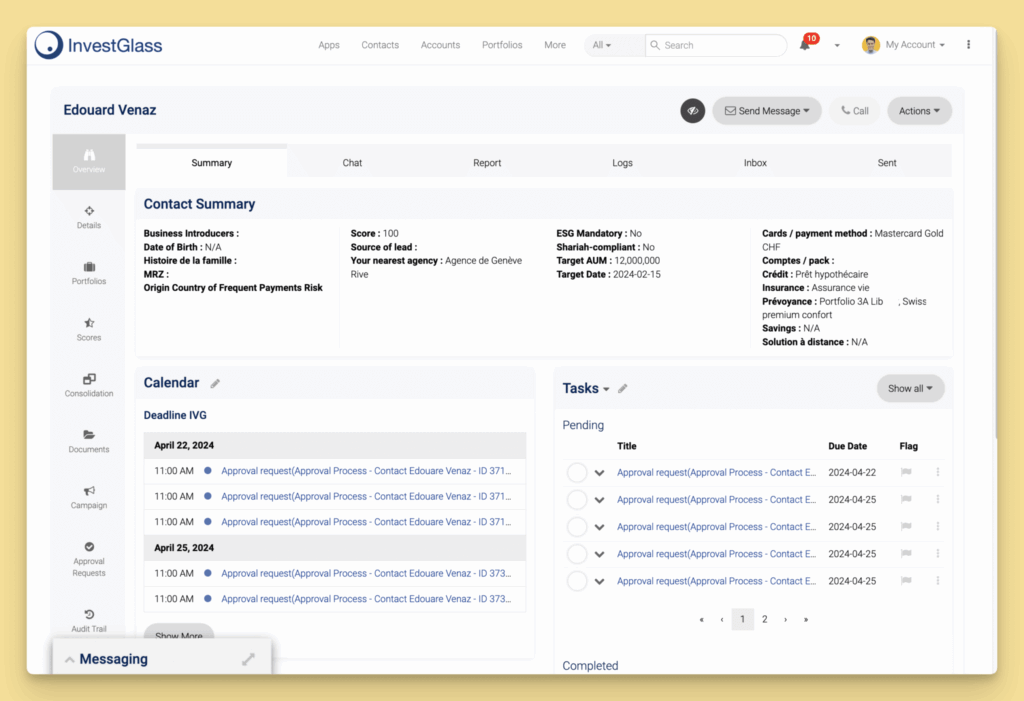
पूरी तरह से लचीला सीआरएम इन्वेस्टग्लास
वैश्विक नियामक परिदृश्य: अंतर्राष्ट्रीय अनुपालन का मार्गदर्शन
विकास बैंक की स्थापना के लिए विभिन्न अधिकारक्षेत्रों में वित्तीय संस्थानों को नियंत्रित करने वाले विविध और अक्सर जटिल नियामक ढाँचों की गहन समझ और उनका सावधानीपूर्वक पालन करना आवश्यक है। नियामक निकाय यह सुनिश्चित करते हैं कि केवल आधिकारिक रूप से अनुमोदित बैंक ही कार्य कर सकें, जिससे औपचारिक अनुमोदन चरणों को उत्तीर्ण करना अत्यंत महत्वपूर्ण हो जाता है। नियामक ढाँचा वित्तीय स्थिरता सुनिश्चित करने, उपभोक्ताओं की सुरक्षा करने और धन शोधन एवं आतंकवादी वित्तपोषण जैसी अवैध गतिविधियों को रोकने के लिए बनाया गया है। एक विकास बैंक के लिए, इस वैश्विक परिवेश में कार्य करने के लिए न केवल सामान्य बैंकिंग नियमों का अनुपालन आवश्यक है, बल्कि इसके विशिष्ट जनादेश और वित्तपोषण तंत्र से संबंधित विशेष प्रावधानों का भी अनुपालन आवश्यक है। नियामक प्रक्रिया आम तौर पर योजना और संसाधन आवंटन से लेकर अनुमोदन एवं मूल्यांकन तक एक विशिष्ट क्रम का पालन करती है, ताकि परियोजना और संस्थागत सफलता सुनिश्चित हो सके। नीचे निर्दिष्ट भौगोलिक क्षेत्रों में प्रमुख नियामक निकायों और उनकी भूमिकाओं का संक्षिप्त विवरण दिया गया है।.
यूरोप
यूरोप एक परिष्कृत और सामंजस्यपूर्ण, फिर भी क्षेत्रीय रूप से सूक्ष्म, नियामक वातावरण प्रस्तुत करता है। विकास बैंकों की स्थापना की इच्छा रखने वालों को राष्ट्रीय अधिकारियों और यूरोपीय संघ के व्यापक निर्देशों, दोनों का पालन करना होगा, यहां तक कि स्विट्जरलैंड जैसे गैर-यूरोपीय संघ देशों में भी।.
यूनाइटेड किंगडम (यूके): फाइनेंशियल कंडक्ट अथॉरिटी (एफसीए)
यूके में वित्तीय सेवा फर्मों के लिए वित्तीय लेखा प्राधिकरण (FCA) विवेकपूर्ण और आचरण नियामक है। जबकि बैंकों के लिए विवेकपूर्ण विनियमन का प्रबंधन प्रूडेंशियल रेगुलेशन अथॉरिटी (PRA) करती है, FCA उपभोक्ता संरक्षण और बाजार अखंडता पर ध्यान केंद्रित करती है। एक विकास बैंक के लिए, इसका अर्थ है वित्तीय उत्पादों को कैसे डिजाइन, विपणन और बेचा जाता है, इस पर सख्त नियमों का पालन करना, साथ ही ग्राहकों के साथ उचित व्यवहार सुनिश्चित करना। FCA की प्राधिकरण प्रक्रिया कठोर है, जिसके लिए विस्तृत व्यवसाय योजना, मजबूत शासन संरचना और पर्याप्त वित्तीय संसाधनों के प्रमाण की आवश्यकता होती है। [1]
जर्मनी: बुंडेसान्सटाल्ट फ़ुर फ़िनांज़डिएन्स्टलीস্টুংসাউফসিশ्ट (BaFin)
BaFin जर्मनी का एकीकृत वित्तीय पर्यवेक्षण प्राधिकरण है, जो बैंकों, वित्तीय सेवा प्रदाताओं, बीमा उपक्रमों और प्रतिभूति व्यापार की निगरानी के लिए जिम्मेदार है। इसके जनादेश में वित्तीय संस्थानों की सॉल्वेंसी सुनिश्चित करना और जर्मन वित्तीय प्रणाली की अखंडता और स्थिरता बनाए रखना शामिल है। जर्मनी में एक विकास बैंक को BaFin की कठोर लाइसेंसिंग आवश्यकताओं, पूंजी पर्याप्तता नियमों और चल रहे पर्यवेक्षण दायित्वों का पालन करना होगा, जो अक्सर महत्वपूर्ण संस्थानों के लिए यूरोपीय केंद्रीय बैंक (ECB) के दिशानिर्देशों से प्रभावित होते हैं। [2]
फ्रांस: ऑटोराइट डेस मार्केट्स फाइनेंशिएर्स (AMF)
फ्रांस में, एएमएफ वित्तीय बाजारों को विनियमित करता है और निवेशकों की सुरक्षा सुनिश्चित करता है, जबकि ऑटोरिटे डे कंट्रोल प्रूडेंशियल एट डे रेज़ोल्यूशन (एसीपीआर) बैंकों और बीमा कंपनियों के विवेकपूर्ण पर्यवेक्षण के लिए जिम्मेदार है। एक विकास बैंक मुख्य रूप से लाइसेंसिंग और विवेकपूर्ण निरीक्षण के लिए एसीपीआर के साथ जुड़ेगा, पूंजी आवश्यकताओं, जोखिम प्रबंधन ढांचे और शासन मानकों के अनुपालन को सुनिश्चित करेगा। एएमएफ की भूमिका तब महत्वपूर्ण हो जाएगी जब विकास बैंक प्रतिभूतियों को जारी करने या सार्वजनिक बाजारों में संचालन में शामिल हो। [3]
Switzerland: Swiss Financial Market Supervisory Authority (FINMA)
FINMA स्विट्जरलैंड का स्वतंत्र वित्तीय बाजार पर्यवेक्षी प्राधिकरण है। यह बैंकों, बीमा कंपनियों, स्टॉक एक्सचेंजों, प्रतिभूति डीलरों और अन्य वित्तीय संस्थानों के पर्यवेक्षण के लिए जिम्मेदार है। FINMA का नियामक दृष्टिकोण स्थिरता, निवेशक संरक्षण और वित्तीय अपराध से निपटने पर जोर देने के लिए जाना जाता है। स्विट्जरलैंड में परिचालन करने के इच्छुक विकास बैंक के लिए, FINMA की प्राधिकरण प्रक्रिया व्यापक है, जिसमें मजबूत जोखिम प्रबंधन और अनुपालन ढांचे के साथ-साथ सख्त पूंजी, तरलता और संगठनात्मक आवश्यकताओं का पालन करना आवश्यक है। देश के मजबूत डेटा संरक्षण कानून, जैसे कि स्विस फेडरल एक्ट ऑन डेटा प्रोटेक्शन (FADP), भी महत्वपूर्ण भूमिका निभाते हैं। [4]
लक्ज़मबर्ग: कमिशन डे सर्वेलेंस डू सेक्योर फाइनेंशियल (CSSF)
सीएसएफ लक्ज़मबर्ग में वित्तीय क्षेत्र के लिए विवेकपूर्ण पर्यवेक्षी प्राधिकरण है, जिसमें बैंक, निवेश फर्म और अन्य वित्तीय पेशेवर शामिल हैं। लक्ज़मबर्ग एक प्रमुख वित्तीय केंद्र है, विशेष रूप से निवेश फंडों और सीमा पार वित्तीय सेवाओं के लिए। यहां स्थापित एक विकास बैंक को सीएसएफ की प्राधिकरण प्रक्रियाओं का पालन करना होगा, जो यूरोपीय निर्देशों के अनुरूप हैं और मजबूत शासन, जोखिम प्रबंधन और पूंजीकरण पर ध्यान केंद्रित करती हैं। सीएसएफ मनी लॉन्ड्रिंग विरोधी (एएमएल) और आतंकवाद विरोधी वित्तपोषण (सीटीएफ) पर्यवेक्षण में भी महत्वपूर्ण भूमिका निभाता है। [5]
आयरलैंड: सेंट्रल बैंक ऑफ़ आयरलैंड (CBI)
आयरलैंड का केंद्रीय बैंक केंद्रीय बैंकिंग कार्यों और वित्तीय सेवा प्रदाताओं के विनियमन दोनों के लिए जिम्मेदार है। यह बैंकों, निवेश फर्मों और अन्य वित्तीय संस्थाओं की निगरानी करता है, और विवेकपूर्ण सुदृढ़ता और उपभोक्ता संरक्षण पर विशेष ध्यान देता है। किसी विकास बैंक के लिए, केंद्रीय बैंकिंग प्राधिकरण की प्रक्रिया में यूरोपीय बैंकिंग पर्यवेक्षण के संदर्भ में पूंजी आवश्यकताओं, शासन व्यवस्थाओं और जोखिम प्रबंधन ढांचों के अनुपालन को प्रदर्शित करना शामिल है।.
एशिया
एशिया के वित्तीय बाजार गतिशील और विविध हैं, और नियामक तीव्र आर्थिक विकास और तकनीकी प्रगति के अनुरूप खुद को ढाल रहे हैं।.
· सिंगापुर: सिंगापुर का मौद्रिक प्राधिकरण (MAS)
एमएएस सिंगापुर के केंद्रीय बैंक और एकीकृत वित्तीय नियामक के रूप में कार्य करता है। यह सिंगापुर के सभी वित्तीय संस्थानों की निगरानी करता है, जिनमें बैंक, बीमाकर्ता और पूंजी बाजार मध्यस्थ शामिल हैं। एमएएस अपने दूरदर्शी और मजबूत नियामक दृष्टिकोण के लिए जाना जाता है, विशेष रूप से फिनटेक और सतत वित्त जैसे क्षेत्रों में। सिंगापुर में एक विकास बैंक को एमएएस के कड़े लाइसेंसिंग मानदंडों, पूंजी पर्याप्तता अनुपात और व्यापक जोखिम प्रबंधन दिशानिर्देशों को पूरा करना होगा, जिसमें कॉर्पोरेट प्रशासन और तकनीकी लचीलेपन पर विशेष जोर दिया गया है। [6]
· हांगकांग: सिक्योरिटीज एंड फ्यूचर्स कमीशन (SFC)
एसएफसी हांगकांग के प्रतिभूति और वायदा बाजारों का प्राथमिक नियामक है। जबकि हांगकांग मौद्रिक प्राधिकरण (एचकेएमए) बैंकों की निगरानी करता है, बॉन्ड या अन्य प्रतिभूतियों को जारी करने जैसी पूंजी बाजार गतिविधियों में शामिल विकास बैंक के लिए एसएफसी की भूमिका महत्वपूर्ण होगी। एसएफसी नियमों का अनुपालन ऐसे किसी भी उद्यम में बाजार की अखंडता और निवेशक संरक्षण सुनिश्चित करेगा। [7]
· जापानी वित्तीय सेवा एजेंसी (FSA)
एफएसए जापान का एकीकृत वित्तीय नियामक है, जो बैंकिंग, प्रतिभूति और बीमा क्षेत्रों की देखरेख करता है। इसके उद्देश्यों में वित्तीय प्रणाली की स्थिरता सुनिश्चित करना और निवेशकों की सुरक्षा करना शामिल है। जापान में एक विकास बैंक एफएसए के व्यापक नियामक ढांचे के अधीन होगा, जिसमें लाइसेंसिंग, पूंजी आवश्यकताएं और पर्यवेक्षी निरीक्षण शामिल हैं, जो एक सुदृढ़ और कुशल वित्तीय प्रणाली को बनाए रखने के लिए डिज़ाइन किए गए हैं। [8]
· दक्षिण कोरिया: वित्तीय सेवा आयोग (FSC)
दक्षिण कोरिया में वित्तीय संस्थानों की सर्वोच्च नियामक संस्था एफएससी है, जो वित्तीय नीति, पर्यवेक्षण और निरीक्षण के लिए उत्तरदायी है। यह वित्तीय पर्यवेक्षण सेवा (एफएसएस) के साथ मिलकर कार्य करती है, जो दैनिक पर्यवेक्षण का कार्य संभालती है। एक विकास बैंक को एफएससी की लाइसेंसिंग प्रणाली, पूंजी पर्याप्तता मानकों और जोखिम प्रबंधन दिशानिर्देशों का पालन करना आवश्यक होगा, जिन्हें वैश्विक सर्वोत्तम प्रथाओं और घरेलू आर्थिक स्थितियों को ध्यान में रखते हुए लगातार अद्यतन किया जाता है।.
· भारत: भारतीय प्रतिभूति और विनिमय बोर्ड (सेबी)
भारत में प्रतिभूति बाजार का नियामक SEBI है। भारतीय रिज़र्व बैंक (RBI) बैंकों का प्राथमिक नियामक है, जबकि सार्वजनिक निर्गम या प्रतिभूतियों की सूचीकरण जैसी पूंजी बाजार गतिविधियों में संलग्न विकास बैंकों के लिए SEBI की भूमिका महत्वपूर्ण होती है। SEBI के नियमों का अनुपालन भारत के तेजी से बढ़ते वित्तीय बाजारों में पारदर्शिता और निवेशक संरक्षण सुनिश्चित करता है।.
मध्य पूर्व
मध्य पूर्व में पारंपरिक और इस्लामी वित्त नियमों का मिश्रण देखने को मिलता है, जिसमें वित्तीय मुक्त क्षेत्रों में अलग-अलग ढाँचे मौजूद हैं।.
· संयुक्त अरब अमीरात (यूएई): दुबई अंतर्राष्ट्रीय वित्तीय केंद्र (DIFC) में दुबई वित्तीय सेवा प्राधिकरण (DFSA) और अबू धाबी ग्लोबल मार्केट (ADGM)
संयुक्त अरब अमीरात में दोहरी नियामक प्रणाली लागू है, जिसमें घरेलू नियम और वित्तीय मुक्त क्षेत्रों के भीतर अलग-अलग ढाँचे शामिल हैं। डीएफएसए डीआईएफसी में संचालित वित्तीय सेवाओं को नियंत्रित करता है, जबकि वित्तीय सेवा नियामक प्राधिकरण (एफएसआरए) एडीजीएम में वित्तीय सेवाओं को नियंत्रित करता है। दोनों स्वतंत्र नियामक हैं जिनके पास बैंकिंग, निवेश और अन्य वित्तीय गतिविधियों को कवर करने वाली व्यापक नियम पुस्तिकाएँ हैं। इन मुक्त क्षेत्रों में संचालित होने वाले विकास बैंक को डीएफएसए या एफएसआरए से लाइसेंस प्राप्त करना होगा और उनके संबंधित विवेकपूर्ण और आचरण नियमों का पालन करना होगा, जो अक्सर अंतरराष्ट्रीय मानकों के अनुरूप होते हैं। [9]
· सउदी अरब: कैपिटल मार्केट अथॉरिटी (CMA)
सऊदी अरब में, सऊदी सेंट्रल बैंक (एसएएमए) बैंकों का प्राथमिक नियामक है, जबकि सीएमए पूंजी बाजारों को नियंत्रित करता है। एक विकास बैंक मुख्य रूप से लाइसेंसिंग, पूंजी और तरलता आवश्यकताओं सहित बैंकिंग संचालन के लिए एसएएमए के दायरे में आएगा। यदि बैंक प्रतिभूतियों से संबंधित गतिविधियों में संलग्न है, तो उसे सीएमए नियमों का भी पालन करना होगा, जिनका उद्देश्य एक उन्नत पूंजी बाजार विकसित करना और निवेशकों की रक्षा करना है। [10]
बहरीन: बहरीन का सेंट्रल बैंक (CBB)
सीबीबी बहरीन के संपूर्ण वित्तीय क्षेत्र के लिए एकमात्र नियामक प्राधिकरण है, जिसमें पारंपरिक और इस्लामी बैंक, बीमा कंपनियाँ और निवेश कंपनियाँ शामिल हैं। बहरीन इस्लामी वित्त का एक महत्वपूर्ण केंद्र है। बहरीन में एक विकास बैंक सीबीबी के व्यापक नियमावली के अधीन होगा, जिसमें लाइसेंसिंग, पूंजी पर्याप्तता, कॉर्पोरेट प्रशासन और जोखिम प्रबंधन शामिल हैं, और यदि लागू हो तो इस्लामी वित्तीय संस्थानों के लिए विशिष्ट प्रावधान भी शामिल हैं। [11]
· कतर: कतर फाइनेंशियल सेंटर रेगुलेटरी अथॉरिटी (QFCRA)
कतर वित्तीय केंद्र (क्यूएफसी) में संचालित वित्तीय सेवाओं के लिए क्यूएफसीआरए एक स्वतंत्र नियामक संस्था है। क्यूएफसीआरए का नियामक ढांचा अंतरराष्ट्रीय सर्वोत्तम प्रथाओं पर आधारित है और इसे अंतरराष्ट्रीय वित्तीय संस्थानों को आकर्षित करने के लिए बनाया गया है। क्यूएफसी के भीतर कार्यरत किसी भी विकास बैंक को क्यूएफसीआरए से लाइसेंस प्राप्त करना होगा और उसके नियमों का पालन करना होगा, जिनमें विवेकपूर्ण मानक, व्यवसाय संचालन और मनी लॉन्ड्रिंग विरोधी आवश्यकताएं शामिल हैं।.
विकास बैंक शुरू करने के लिए चरण-दर-चरण मार्गदर्शिका
विकास बैंक की स्थापना एक जटिल, बहु-चरणीय प्रक्रिया है जिसके लिए सूक्ष्म योजना, पर्याप्त पूंजी और विनियामक आवश्यकताओं की गहरी समझ की आवश्यकता होती है। हालांकि क्षेत्राधिकार के आधार पर विवरण भिन्न हो सकते हैं, लेकिन मूलभूत चरण समान रहते हैं। यह मार्गदर्शिका किसी विकास बैंक को परिकल्पना से लेकर परिचालन वास्तविकता तक लाने में शामिल महत्वपूर्ण चरणों की रूपरेखा तैयार करती है, जो व्यापक संसाधनों की पूर्ति करती है अपना खुद का प्राइवेट बैंक स्थापित करने के चरण-दर-चरण तरीके.
- अवधारणा निर्माण और व्यवहार्यता अध्ययन:
· आदेश को परिभाषित करें: विकास बैंक के मिशन, लक्षित क्षेत्रों (जैसे, बुनियादी ढांचा, एसएमई, हरित वित्त), भौगोलिक फोकस और वांछित प्रभाव को स्पष्ट रूप से व्यक्त करें। यह आदेश सभी आगामी निर्णयों का मार्गदर्शन करेगा।.
· बाज़ार विश्लेषण: बाज़ार के अंतरालों, पूरी न होने वाली वित्तीय आवश्यकताओं और संभावित लाभार्थियों की पहचान करने के लिए एक व्यापक अध्ययन करें। आर्थिक परिदृश्य का आकलन करें, जिसमें विकास की संभावनाएं, मौजूदा वित्तीय बुनियादी ढांचा और प्रतिस्पर्धी माहौल शामिल हैं।.
· विधिक और विनियामक समीक्षा: चुने गए क्षेत्राधिकार (क्षेत्रों) में विशिष्ट विधिक और विनियामक आवश्यकताओं का अनुसंधान करें। इसमें लाइसेंसिंग प्रक्रियाओं, पूंजी पर्याप्तता नियमों, शासन मानकों और मनी लॉन्ड्रिंग विरोधी (AML)/आतंकवादी वित्तपोषण विरोध (CTF) दायित्वों को समझना शामिल है। इस चरण की शुरुआत में ही विधिक और विनियामक विशेषज्ञों से परामर्श लें।.
· वित्तीय अनुमान: स्टार्ट-up लागत, परिचालन खर्च, राजस्व स्रोतों और अनुमानित लाभप्रदता सहित विस्तृत वित्तीय मॉडल विकसित करें। यह पूंजी जुटाने की रणनीतियों को सूचित करेगा और दीर्घकालिक व्यवहार्यता प्रदर्शित करेगा।.
- व्यवसाय योजना विकास:
· व्यापक व्यवसाय योजना: एक मजबूत व्यवसाय योजना बनाएं जो बैंक के दृष्टिकोण, मिशन, रणनीतिक उद्देश्यों, लक्षित बाजारों, उत्पादों और सेवाओं, संगठनात्मक संरचना, जोखिम प्रबंधन ढांचा और वित्तीय अनुमानों को स्पष्ट करती हो। यह दस्तावेज़ विनियामक अनुमोदन सुरक्षित करने और निवेशकों को आकर्षित करने के लिए केंद्रीय होगा।.
· गवर्नेंस ढांचा: निदेशक मंडल, प्रबंधन समितियों और आंतरिक नियंत्रण तंत्र सहित एक स्पष्ट और प्रभावी गवर्नेंस ढांचा तैयार करें। स्वतंत्रता, पारदर्शिता और जवाबदेही पर जोर दें।.
· जोखिम प्रबंधन ढांचा: क्रेडिट जोखिम, परिचालन जोखिम, बाजार जोखिम, तरलता जोखिम और प्रतिष्ठा जोखिम को कवर करने वाली एक व्यापक जोखिम प्रबंधन रणनीति की रूपरेखा तैयार करें। इसमें जोखिमों की पहचान, माप, निगरानी और नियंत्रण के लिए नीतियां, प्रक्रियाएं और प्रणालियां शामिल होनी चाहिए।.
- पूंजीकरण और वित्तपोषण:
· शुरुआती पूंजी: आवश्यक शुरुआती पूंजी सुरक्षित करें, जो अक्सर पर्याप्त होती है और नियामकों द्वारा अनिवार्य होती है। यह सरकारी आवंटन, बहुपक्षीय संस्थानों, निजी निवेशकों, या इन सभी के संयोजन से आ सकती है।.
· फ़ंडिंग रणनीति: एक विविध फ़ंडिंग रणनीति विकसित करें, जिसमें दीर्घकालिक ऋण जारी करना, अनुदान, अंतरराष्ट्रीय वित्तीय संस्थानों से रियायती ऋण और इक्विटी भागीदारी शामिल हो सकती है। उदाहरण के लिए, InvestGlass अपनी सीआरएम क्षमताओं के माध्यम से निवेशक संबंधों और पूंजी जुटाने की प्रक्रियाओं को प्रबंधित करने में सहायता कर सकता है।.
· मुख्य वित्त पोषण स्रोतों के अलावा, विकास बैंकों को उनकी क्षमता और प्रभावशीलता को बढ़ाने के लिए तकनीकी सहायता या अनुदान जैसे पूरक समर्थन प्राप्त हो सकते हैं।.
- नियामक आवेदन और लाइसेंसिंग:
· आवेदन-पूर्व जुड़ाव: औपचारिक आवेदन प्रक्रिया को सुव्यवस्थित करने के लिए अपनी अपेक्षाओं को समझने और किसी भी प्रारंभिक चिंता का समाधान करने के लिए प्रासंगिक नियामक प्राधिकरणों (जैसे FCA, BaFin, FINMA, MAS) के साथ आवेदन-पूर्व चर्चाओं में संलग्न हों। यह सक्रिय दृष्टिकोण औपचारिक आवेदन प्रक्रिया को सुव्यवस्थित कर सकता है।.
· औपचारिक आवेदन जमा करना: आवेदक को व्यवसाय योजना, वित्तीय अनुमान, शासन संबंधी दस्तावेज, जोखिम प्रबंधन नीतियां और मुख्य कर्मियों के लिए फिट-एंड-प्रॉपर आकलन सहित एक विस्तृत आवेदन पैकेज तैयार करके जमा करना होगा। यह अत्यधिक जांच का चरण है, जिसके लिए सटीकता और पूर्णता की आवश्यकता होती है।.
लाइसेंसिंग प्रक्रिया के अगले चरण में आगे बढ़ने से पहले आवेदकों को यह प्रदर्शित करना होगा कि सभी पात्रता मानदंडों को पूरा कर लिया गया है।.
· उचित सावधानी (ड्यू डिलिजेंस) और साक्षात्कार: नियामकों द्वारा व्यापक उचित सावधानी के लिए तैयार रहें, जिसमें संभावित बोर्ड सदस्यों और वरिष्ठ प्रबंधन के साथ साक्षात्कार शामिल हैं। नियामक प्रस्तावित संचालन की मजबूती और नेतृत्व टीम की क्षमता का आकलन करेंगे।.
· लाइसेंसिंग अनुमोदन: विनियामक समीक्षा के सफल समापन पर, विकास बैंक को बैंकिंग लाइसेंस प्रदान किया जाएगा, जिससे उसे परिचालन शुरू करने की अनुमति मिल जाएगी।.
- परिचालन सेटअप और प्रौद्योगिकी कार्यान्वयन:
· संगठनात्मक संरचना: ऋण, जोखिम प्रबंधन, अनुपालन, वित्त और मानव संसाधन विभागों सहित परिचालन संरचना की स्थापना करना।.
· प्रौद्योगिकी बुनियादी ढाँचा: कोर बैंकिंग प्लेटफ़ॉर्म, सीरम (CRM) सिस्टम, जोखिम प्रबंधन सॉफ़्टवेयर और अनुपालन टूल सहित मजबूत और स्केलेबल प्रौद्योगिकी प्रणालियों को लागू करें। यहीं पर इन्वेस्टग्लास (InvestGlass) जैसे प्लेटफ़ॉर्म अमूल्य हो जाते हैं, जो ग्राहकों के ऑनबोर्डिंग, ड्यू डिलिजेंस, पोर्टफोलियो प्रबंधन और विनियामक रिपोर्टिंग के लिए स्वचालन प्रदान करते हैं, जिससे पहले दिन से ही दक्षता और अनुपालन सुनिश्चित होता है।.
एक बार प्रौद्योगिकी बुनियादी ढांचा लागू हो जाने के बाद, परिचालन सफलता के लिए निरंतर समर्थन और प्रशिक्षण आवश्यक हैं।.
· पॉलिसी और प्रक्रिया विकास: ऋण उत्पत्ति और सं disbursement (वितरण) से लेकर वित्तीय रिपोर्टिंग और अनुपालन निगरानी तक, सभी परिचालन पहलुओं के लिए विस्तृत आंतरिक नीतियों और प्रक्रियाओं को विकसित करना।.
स्टाफिंग और ट्रेनिंग: सभी कार्यों में योग्य कर्मियों की भर्ती करें और उन्हें प्रशिक्षित करें, यह सुनिश्चित करते हुए कि उनके पास आवश्यक कौशल हैं और वे बैंक के अधिदेश और परिचालन प्रोटोकॉल को समझते हैं।.
- प्रारंभ और सतत संचालन:
चरणबद्ध लॉन्च: सीमित उत्पादों या लक्षित क्षेत्रों के साथ शुरुआत करते हुए एक चरणबद्ध लॉन्च पर विचार करें, और जैसे-जैसे परिचालन क्षमताएं और बाजार की स्वीकृति बढ़ती है, वैसे-वैसे धीरे-धीरे विस्तार करें।.
· प्रदर्शन निगरानी: वित्तीय प्रदर्शन, विकासात्मक प्रभाव और विनियामक आवश्यकताओं के अनुपालन की निरंतर निगरानी करें। नियमित आंतरिक ऑडिट और बाहरी समीक्षाएं अत्यंत महत्वपूर्ण हैं।.
· हितधारक सहभागिता: विकासात्मक उद्देश्यों के साथ संरेखण सुनिश्चित करने और दीर्घकालिक समर्थन को बढ़ावा देने के लिए, सरकारी निकायों, निवेशकों, लाभार्थियों और व्यापक समुदाय सहित हितधारकों के साथ सक्रिय सहभागिता बनाए रखें। इन्वेस्टग्लास (InvestGlass) अपने व्यापक ग्राहक संबंध प्रबंधन (CRM) फीचर्स के माध्यम से इसमें सुविधा प्रदान कर सकता है, जिससे सभी हितधारकों के साथ प्रभावी संचार और रिपोर्टिंग संभव हो सके।.
प्रौद्योगिकी बुनियादी ढांचा और संचालन: आधुनिक विकास बैंकिंग और विकास वित्तपोषण को शक्ति प्रदान करना
21वीं सदी में, किसी भी सफल वित्तीय संस्थान, विशेष रूप से अपने अनूठे जनादेश वाले विकास बैंक, की परिचालनगत रीढ़ उसकी प्रौद्योगिकी अवसंरचना है। आधुनिक विकास बैंकिंग पारंपरिक ऋण देने से कहीं आगे है; इसमें परिष्कृत डेटा प्रबंधन, निर्बाध ग्राहक संपर्क, कठोर जोखिम मूल्यांकन और पारदर्शी रिपोर्टिंग शामिल है। एक मजबूत और स्केलेबल प्रौद्योगिकी प्रणाली न केवल एक लाभ है, बल्कि दक्षता, अनुपालन और अंततः विकासात्मक लक्ष्यों को प्राप्त करने के लिए एक मूलभूत आवश्यकता है। यहीं पर इन्वेस्टग्लास जैसे प्लेटफॉर्म एक अपरिहार्य बढ़त प्रदान करते हैं।.
इसके मूल में, एक विकास बैंक को तकनीकी समाधानों के एक व्यापक सूट की आवश्यकता होती है। इसमें खातों, लेन-देन और वित्तीय उत्पादों के प्रबंधन के लिए एक कोर बैंकिंग सिस्टम (CBS); क्लाइंट ऑनबोर्डिंग, सहभागिता ट्रैकिंग और संबंध प्रबंधन के लिए एक कस्टमर रिलेशनशिप मैनेजमेंट (CRM) सिस्टम शामिल है जो समर्थन करता है ऑटोमेशन और एआई के माध्यम से बैंकों के लिए डिजिटल विभेदन; और विभिन्न व्यावसायिक प्रक्रियाओं को एकीकृत करने के लिए एंटरप्राइज रिसोर्स प्लानिंग (ईआरपी) सॉफ्टवेयर। इन बुनियादी तत्वों से परे, जोखिम प्रबंधन, अनुपालन (एएमएल/सीटीएफ), डेटा एनालिटिक्स और रिपोर्टिंग के लिए विशेष उपकरण महत्वपूर्ण हैं। इन प्रणालियों को सहजता से एकीकृत करने की क्षमता संचालन और ग्राहक जुड़ाव का एक समग्र दृष्टिकोण सुनिश्चित करती है।.
InvestGlass, वित्तीय सेवाओं के लिए तैयार किया गया एक स्विस-आधारित सीआरएम और स्वचालन मंच, विकास बैंकों को उनकी आवश्यक तकनीकी क्षमताओं के साथ सशक्त बनाने के लिए विशिष्ट रूप से सक्षम है। इसकी मॉड्यूलर वास्तुकला क्लाइंट लाइफसाइकिल मैनेजमेंट से लेकर जटिल नियामक रिपोर्टिंग तक विशिष्ट आवश्यकताओं को पूरा करते हुए, अनुकूलित कार्यान्वयन की अनुमति देती है। उदाहरण के लिए, इन्वेस्टग्लास (InvestGlass) प्लेटफ़ॉर्म क्लाइंट ऑनबोर्डिंग प्रक्रिया को स्वचालित कर सकता है, जिससे मैन्युअल प्रयास काफी कम हो जाते हैं और डेटा सटीकता बढ़ती है। इसकी उन्नत वर्कफ़्लो स्वचालन क्षमताएं ऋण आवेदन प्रसंस्करण, उचित परिश्रम (ड्यू डिलिजेंस) और अनुमोदन वर्कफ़्लो को सुव्यवस्थित करती हैं, यह सुनिश्चित करती हैं कि धन कुशलतापूर्वक और पारदर्शी तरीके से वितरित किया जाए। यह स्वचालन विकास बैंकों के लिए महत्वपूर्ण है जो अक्सर विभिन्न प्रकार की परियोजनाओं और लाभार्थियों की एक बड़ी मात्रा से निपटते हैं।.
इसके अलावा, इन्वेस्टग्लास पोर्टफोलियो प्रबंधन और प्रभाव मूल्यांकन के लिए शक्तिशाली टूल प्रदान करता है। विकास बैंकों को न केवल वित्तीय रिटर्न बल्कि अपने निवेश के सामाजिक और आर्थिक प्रभाव को भी ट्रैक करने की आवश्यकता होती है। प्लेटफ़ॉर्म की विश्लेषणात्मक क्षमताएँ प्रोजेक्ट डेटा के एकत्रीकरण और विश्लेषण की अनुमति देती हैं, जिससे सक्षम होता है एआई-संवर्धित पोर्टफोलियो निगरानी और मुख्य प्रदर्शन संकेतक (KPIs) विकास संबंधी उद्देश्यों से संबंधित। यह डेटा-संचालित दृष्टिकोण सूचित निर्णय लेने में सहायता करता है और हितधारकों तथा वित्तपोषकों के प्रति जवाबदेही प्रदर्शित करता है। सीआरएम (CRM) की कार्यक्षमताएँ यह भी सुनिश्चित करती हैं कि ग्राहकों (लाभार्थियों) के साथ होने वाली बातचीत को सावधानीपूर्वक दर्ज किया जाए, जिससे लाभार्थियों और साझेदारों के साथ मजबूत संबंध को बढ़ावा मिलता है, जो विकास संबंधी पहलों की दीर्घकालिक सफलता के लिए अत्यंत महत्वपूर्ण है। इस तकनीकी बुनियादी ढाँचे का प्रभावी प्रबंधन और संचालन योग्य कर्मचारियों पर निर्भर करता है, जिसमें आईटी, अनुपालन और परियोजना प्रबंधन से जुड़े कर्मी शामिल हैं, जिनकी विशेषज्ञता यह सुनिश्चित करती है कि सिस्टम सुचारू रूप से और सुरक्षित रूप से चलें—ठीक वैसे ही जैसे क्षेत्र-विशिष्ट सीआरएम (CRM), उदाहरण के लिए डेंटल प्रैक्टिस के लिए इन्वेस्टग्लास, डिजिटल ऑनबोर्डिंग और स्वचालन का पूरी तरह से लाभ उठाने के लिए प्रशिक्षित टीमों पर भरोसा करें। इन्वेस्टग्लास का लाभ उठाकर, विकास बैंक यह सुनिश्चित कर सकते their operations are not only compliant and secure but also agile and effective in driving positive change. (कृपया ध्यान दें: यदि आपके पास पिछले वाक्य का संदर्भ है, तो उसे यहाँ जोड़ा जा सकता है, क्योंकि यह अधूरा हिस्सा है)।.
InvestGlass क्यों चुनें: वित्तीय संस्थानों के लिए स्विस डेटा संप्रभुता
वित्तीय संस्थानों, विशेषकर अनेक अधिकारक्षेत्रों में कार्यरत विकास बैंकों के लिए, डेटा सुरक्षा, गोपनीयता और नियामक अनुपालन केवल परिचालन संबंधी विचारणीय विषय नहीं हैं, बल्कि विश्वास और स्थिरता के मूलभूत स्तंभ हैं। इस महत्वपूर्ण परिदृश्य में, इन्वेस्टग्लास स्विस डेटा संप्रभुता और राजनीतिक तटस्थता पर आधारित एक आकर्षक प्रस्ताव प्रस्तुत करता है, जो संवेदनशील वित्तीय डेटा के लिए अद्वितीय स्तर की सुरक्षा प्रदान करता है।.
स्विट्जरलैंड लंबे समय से स्थिरता, गोपनीयता और मजबूत वित्तीय सेवाओं का पर्याय रहा है। यह प्रतिष्ठा इसके डेटा संरक्षण कानूनों में भी झलकती है, जो विश्व स्तर पर सबसे सख्त कानूनों में से हैं। इन्वेस्टग्लास इस माहौल का लाभ उठाते हुए ऐसे समाधान पेश करता है जो डेटा रेजिडेंसी और सुरक्षा के उच्चतम मानकों को पूरा करते हैं। ग्राहकों को स्विस डेटा केंद्रों में ऑन-प्रिमाइसेस होस्टिंग विकल्पों की सुविधा मिलती है, जिससे उन्हें अपने इंफ्रास्ट्रक्चर और डेटा पर पूर्ण नियंत्रण प्राप्त होता है। इसके अलावा, क्लाउड समाधान पसंद करने वालों के लिए, इन्वेस्टग्लास स्विट्जरलैंड में पूर्ण डेटा रेजिडेंसी के साथ क्लाउड होस्टिंग प्रदान करता है, यह सुनिश्चित करते हुए कि सभी डेटा स्विस सीमाओं के भीतर ही रहे, स्विस कानून द्वारा संरक्षित हो, और अमेरिकी क्लाउड एक्ट जैसे विदेशी डेटा एक्सेस अनुरोधों के अधीन न हो।.
InvestGlass की सेवाओं का मुख्य आधार अनुपालन है। यह प्लेटफ़ॉर्म यूरोपीय संघ के GDPR (सामान्य डेटा संरक्षण विनियमन) और स्विट्ज़रलैंड के संघीय डेटा संरक्षण अधिनियम (FADP) सहित कड़े डेटा संरक्षण नियमों का पालन सुनिश्चित करने के लिए बनाया गया है। यह दोहरा अनुपालन यह सुनिश्चित करता है कि विकास बैंक यूरोपीय और अंतर्राष्ट्रीय परिचालन में ग्राहकों के डेटा को सुरक्षित रूप से प्रबंधित कर सकें, नियामक जोखिमों को कम कर सकें और गोपनीयता के प्रति अपनी प्रतिबद्धता प्रदर्शित कर सकें। InvestGlass की संरचना में बैंकिंग-स्तरीय सुरक्षा और एन्क्रिप्शन मानक शामिल हैं, जो अनधिकृत पहुंच, डेटा उल्लंघन और साइबर खतरों से डेटा की सुरक्षा के लिए उन्नत क्रिप्टोग्राफ़िक तकनीकों और बहु-कारक प्रमाणीकरण का उपयोग करते हैं। संवेदनशील आर्थिक और व्यक्तिगत जानकारी का प्रबंधन करने वाले वित्तीय संस्थानों के लिए सुरक्षा का यह स्तर अत्यंत महत्वपूर्ण है।.
इसके अलावा, इन्वेस्टग्लास विकास बैंकों को विभिन्न क्षेत्राधिकारों में नियामक अनुपालन बनाए रखने में महत्वपूर्ण भूमिका निभाता है। इसके मजबूत सीआरएम और स्वचालन सुविधाओं से वर्कफ़्लो और रिपोर्टिंग तंत्र को विभिन्न क्षेत्रों की विशिष्ट नियामक आवश्यकताओं के अनुरूप अनुकूलित किया जा सकता है। यह क्षमता उन विकास बैंकों के लिए महत्वपूर्ण है जो अक्सर विभिन्न देशों में विविध जनादेशों और ग्राहक आधारों के साथ काम करते हैं, जिनमें से प्रत्येक के अपने नियम होते हैं। स्विट्जरलैंड के कानूनी ढांचे से प्राप्त इन्वेस्टग्लास द्वारा प्रदान किए जाने वाले अंतर्निहित डेटा सुरक्षा लाभ, विनियमित वित्तीय संस्थानों को एक महत्वपूर्ण प्रतिस्पर्धात्मक बढ़त प्रदान करते हैं। यह ग्राहकों और भागीदारों को आश्वस्त करता है कि उनके डेटा को अत्यंत सावधानी और गोपनीयता के साथ संभाला जाता है, जिससे विश्वास मजबूत होता है और सुगम अंतरराष्ट्रीय सहयोग को बढ़ावा मिलता है।.
अंततः, इन्वेस्टग्लास स्विस बैंकिंग गोपनीयता की विरासत को सीआरएम डेटा पर लागू करता है। यद्यपि आधुनिक नियम पारंपरिक बैंकिंग गोपनीयता से विकसित हुए हैं, फिर भी ग्राहक गोपनीयता, डेटा अखंडता और निजता के मूल सिद्धांत स्विस वित्तीय लोकाचार में गहराई से समाहित हैं। इन्वेस्टग्लास इन सिद्धांतों को अपने डिजिटल समाधानों तक विस्तारित करता है, जिससे विकासशील बैंकों को उनकी सबसे मूल्यवान संपत्ति: ग्राहक जानकारी के प्रबंधन के लिए एक सुरक्षित, अनुपालन योग्य और राजनीतिक रूप से तटस्थ मंच मिलता है। डेटा संप्रभुता और सुरक्षा के प्रति यह प्रतिबद्धता इन्वेस्टग्लास को उन विकासशील बैंकों के लिए एक आदर्श भागीदार बनाती है जो लचीले, भरोसेमंद और वैश्विक स्तर पर अनुपालन योग्य संचालन स्थापित करना चाहते हैं।.
पूंजी आवश्यकताएँ और वित्तपोषण रणनीतियाँ
विकास बैंक की स्थापना और उसे सुचारू रूप से चलाने के लिए पर्याप्त पूंजी की आवश्यकता होती है, जिसमें प्रारंभिक लाइसेंसिंग और परिचालन गतिविधियों एवं ऋण देने के लिए निरंतर पूंजी शामिल है। यह ध्यान रखना महत्वपूर्ण है कि किसी विकास बैंक को वित्तीय स्थिरता प्राप्त करने और विकास कार्यों में उल्लेखनीय योगदान देने में कई वर्ष लग सकते हैं। वाणिज्यिक बैंकों के विपरीत, जो मुख्य रूप से जमा राशि पर निर्भर होते हैं, विकास बैंकों की वित्तपोषण संरचना अक्सर अधिक विविध और जटिल होती है, जो उनके दीर्घकालिक निवेश लक्ष्यों और विकासात्मक उद्देश्यों को दर्शाती है। इन पूंजी आवश्यकताओं और वित्तपोषण स्रोतों को समझना और रणनीतिक रूप से प्रबंधित करना बैंक की स्थिरता और अपने मिशन को पूरा करने की क्षमता के लिए अत्यंत महत्वपूर्ण है।.
प्रारंभिक पूंजी आवश्यकताएँ
प्रत्येक क्षेत्राधिकार में नियामक प्राधिकरण नए बैंकिंग संस्थानों के लिए न्यूनतम पूंजी आवश्यकताएं निर्धारित करते हैं। इन आवश्यकताओं का उद्देश्य बैंक की वित्तीय स्थिरता और संभावित नुकसानों को सहन करने की क्षमता सुनिश्चित करना है। विकास बैंकों के लिए, ये आंकड़े काफी महत्वपूर्ण हो सकते हैं, जो संचालन के दायरे और जोखिम के आकलन के आधार पर लाखों से लेकर करोड़ों यूरो, पाउंड या फ्रैंक तक हो सकते हैं। FCA, BaFin, FINMA और MAS जैसे नियामक लाइसेंस प्रक्रिया के दौरान प्रारंभिक पूंजी की पर्याप्तता का सावधानीपूर्वक मूल्यांकन करते हैं। यह पूंजी आमतौर पर परिचालन और ऋण जोखिमों के विरुद्ध एक सुरक्षा कवच के रूप में कार्य करती है और संस्था को चलाने के लिए संस्थापकों की प्रतिबद्धता और क्षमता को दर्शाती है।.
वित्तपोषण रणनीतियाँ
विकास बैंक अपने दीर्घकालिक निवेशों और परिचालन संबंधी आवश्यकताओं के वित्तपोषण के लिए विभिन्न प्रकार की वित्तपोषण रणनीतियों का उपयोग करते हैं:
7. सरकारी आवंटन और सब्सिडी: कई विकास बैंक राज्य के स्वामित्व वाले या राज्य-समर्थित होते हैं, जिन्हें राष्ट्रीय सरकारों से प्रत्यक्ष बजटीय आवंटन, अनुदान या रियायी ऋण मिलते हैं। यह वित्तपोषण विशिष्ट विकासात्मक लक्ष्यों के प्रति सरकार की प्रतिबद्धता को दर्शाता है और एक स्थिर, अक्सर कम लागत वाला, पूंजी आधार प्रदान करता है।.
8. बहुपक्षीय और द्विपक्षीय विकास संस्थान: विश्व बैंक (World Bank), अंतर्राष्ट्रीय वित्त निगम (IFC), यूरोपीय निवेश बैंक (EIB), और विभिन्न द्विपक्षीय विकास एजेंसियों जैसे अंतर्राष्ट्रीय वित्तीय संस्थानों (IFIs) के साथ साझेदारी अत्यंत महत्वपूर्ण है। ये संस्थान अक्सर अनुकूल शर्तों पर दीर्घकालिक ऋण, क्रेडिट लाइन और तकनीकी सहायता प्रदान करते हैं, जिससे विकास बैंक को अपनी पूंजी का लाभ उठाने और अपनी पहुंच का विस्तार करने में सक्षम बनाया जा सके।.
9. बॉन्ड और ऋण साधनों का निर्गमन: विकास बैंक अक्सर बॉन्ड जारी करके अंतर्राष्ट्रीय और घरेलू पूंजी बाजारों तक पहुंचते हैं। उनका सार्वजनिक या अर्ध-संप्रभु समर्थन अक्सर उन्हें उच्च क्रेडिट रेटिंग प्रदान करता है, जिससे वे प्रतिस्पर्धी दरों पर धन जुटाने में सक्षम होते हैं। इन बॉन्डों को विशिष्ट परियोजनाओं (जैसे, पर्यावरणीय पहलों के लिए ग्रीन बॉन्ड) या सामान्य फंडिंग उद्देश्यों के लिए तैयार किया जा सकता है।.
10. इक्विटी निवेश: संस्थापकों या सरकारों से शुरुआती पूंजी के अलावा, विकास बैंक संस्थागत निवेशकों, पेंशन फंड या अन्य वित्तीय संस्थाओं से इक्विटी निवेश आकर्षित कर सकते हैं जो उनके विकासात्मक अधिदेश के अनुरूप हैं। यह स्वामित्व के दायरे को व्यापक बनाता है और निजी क्षेत्र के अनुशासन को पेश करता है।.
11. ऋण चुकौती और ब्याज आय: एक बैंक के रूप में, इसके चल रहे वित्तपोषण का एक बड़ा हिस्सा ऋणों की चुकौती और इसके ऋण पोर्टफोलियो पर उत्पन्न ब्याज से आता है। एक स्वस्थ चुकौती चक्र सुनिश्चित करने के लिए प्रभावी पोर्टफोलियो प्रबंधन और मजबूत क्रेडिट मूल्यांकन आवश्यक हैं।.
12. गारंटी और जोखिम-साझाकरण तंत्र: विकास बैंक अक्सर वाणिज्यिक बैंकों को गारंटी प्रदान करते हैं, जिससे उन्हें जोखिम भरे विकासात्मक परियोजनाओं को ऋण देने के लिए प्रोत्साहन मिलता है। वे जोखिम-साझाकरण समझौतों में भी शामिल हो सकते हैं, जहाँ जोखिम का एक हिस्सा अन्य वित्तीय भागीदारों या सरकारी संस्थाओं द्वारा वहन किया जाता है।.
13. जमा (सीमित): हालांकि यह उनका प्राथमिक वित्तपोषण स्रोत नहीं है, फिर भी कुछ विकास बैंक जमा स्वीकार कर सकते हैं, विशेष रूप से संस्थागत ग्राहकों या विशिष्ट सरकारी संस्थाओं से, हालांकि यह वाणिज्यिक बैंकों की तुलना में कम सामान्य है।.
इन विविध फंडिंग स्रोतों के प्रभावी प्रबंधन के लिए परिष्कृत वित्तीय योजना और ट्रेजरी प्रबंधन की आवश्यकता होती है।. इvestGlass की प्राइवेट बैंकिंग-ग्रेड CRM क्षमताएँ विकास बैंकों को उनके निवेशक संबंधों के प्रबंधन, वित्त पोषण प्रतिबद्धताओं पर नज़र रखने और विभिन्न पूंजी प्रदाताओं को पारदर्शी रिपोर्टिंग सुनिश्चित करने में सहायता कर सकता है, जिससे उनका वित्त पोषण मिश्रण अनुकूलित होता है और वित्तीय स्थिरता बढ़ती है।.
अनुपालन और जोखिम प्रबंधन
किसी भी वित्तीय संस्थान के लिए, और विशेष रूप से अपने सार्वजनिक अधिदेश और अक्सर जटिल वित्तपोषण संरचनाओं वाले विकास बैंक के लिए, एक मजबूत अनुपालन और जोखिम प्रबंधन ढांचा केवल एक विनियामक आवश्यकता नहीं है, बल्कि इसकी विश्वसनीयता और दीर्घकालिक स्थिरता की आधारशिला है। ऐसे ढांचे का परिणाम बेहतर संस्थागत विश्वसनीयता और दीर्घकालिक स्थिरता है। यह ढांचा व्यापक, सक्रिय और संस्थान की संस्कृति तथा संचालन में गहराई से अंतर्निहित होना चाहिए, जो तेजी से इस पर निर्भर करता है स्वचालित केवाईसी सत्यापन और ऑनबोर्डिंग वर्कफ़्लो. इसमें मनी लॉन्ड्रिंग विरोधी (एएमएल) और आतंकवाद के वित्तपोषण का मुकाबला करने (सीटीएफ) के नियमों का पालन करने से लेकर क्रेडिट, परिचालन और प्रतिष्ठा के जोखिमों के प्रबंधन तक, गतिविधियों की एक विस्तृत श्रृंखला शामिल है।.
अनुपालन ढांचा
एक विकास बैंक के अनुपालन ढांचे को उन सभी अधिकारक्षेत्रों में अनेक कानूनी और नियामक दायित्वों को पूरा करना चाहिए जिनमें वह कार्य करता है। प्रमुख घटकों में शामिल हैं:
· AML/CTF अनुपालन: यह एक महत्वपूर्ण क्षेत्र है, जिसके लिए ग्राहक सम्यक् प्रक्रिया (CDD), नो-आपका-कस्टमर (KYC) जाँच, लेनदेन की निगरानी, और संबंधित अधिकारियों को संदिग्ध गतिविधियों की रिपोर्टिंग हेतु मजबूत प्रणालियों की आवश्यकता होती है। विकास वित्त की जटिलता, जिसमें सीमा पार लेनदेन और राजनीतिक रूप से संवेदनशील व्यक्ति (PEPs) शामिल हो सकते हैं, AML/CTF के प्रति अत्यधिक परिष्कृत दृष्टिकोण की मांग करती है।.
· विनियामक रिपोर्टिंग: विकास बैंक FCA, BaFin, FINMA और MAS जैसे विनियामक निकायों की व्यापक रिपोर्टिंग आवश्यकताओं के अधीन हैं। ये रिपोर्ट वित्तीय प्रदर्शन, पूंजी पर्याप्तता, तरलता, जोखिम के दायरे और विभिन्न विनियमों के अनुपालन को कवर करती हैं। नियामकों के साथ अच्छी स्थिति बनाए रखने के लिए समय पर और सटीक रिपोर्टिंग आवश्यक है।.
· डेटा गोपनीयता और सुरक्षा: जीडीपीआर (GDPR) और स्विस एफएडीपी (FADP) जैसे डेटा सुरक्षा कानूनों का पालन सर्वोपरि है। इसमें व्यक्तिगत डेटा के वैध संग्रह, प्रसंस्करण, भंडारण और हस्तांतरण के लिए नीतियां और प्रक्रियाएं लागू करना शामिल है, साथ ही यह सुनिश्चित करना भी शामिल है कि ग्राहकों के गोपनीयता अधिकारों का सम्मान किया जाए।.
· आचरण और नैतिकता: आचार संहिता और हितों के टकराव, घूसखोरी तथा भ्रष्टाचार विरोधी नीतियों द्वारा समर्थित एक मजबूत नैतिक संस्कृति बहुत महत्वपूर्ण है। यह विकास बैंकों के लिए विशेष रूप से महत्वपूर्ण है, जिन्हें सार्वजनिक धन और एक विकासात्मक मिशन सौंपा गया है।.
जोखिम प्रबंधन ढांचा
किसी विकास बैंक के जोखिम प्रबंधन ढांचे को उसकी विशिष्ट जोखिम प्रोफ़ाइल के अनुरूप तैयार किया जाना चाहिए, जिसमें वित्तीय और गैर-वित्तीय दोनों प्रकार के जोखिम शामिल होते हैं:
· क्रेडिट जोखिम: यह किसी उधारकर्ता द्वारा ऋण चुकाने में विफल रहने या अपनी संविदात्मक obligaciones को पूरा करने में असमर्थ होने से उत्पन्न होने वाले नुकसान का जोखिम है। विकास बैंक अक्सर अधिक जोखिम वाले क्षेत्रों या परियोजनाओं को ऋण देते हैं, जिससे मजबूत क्रेडिट जोखिम मूल्यांकन, पोर्टफोलियो विविधीकरण और प्रभावी ऋण सुधार रणनीतियाँ आवश्यक हो जाती हैं।.
· संचालन जोखिम (Operational Risk): इसमें अपर्याप्त या विफल आंतरिक प्रक्रियाओं, लोगों और प्रणालियों, या बाहरी घटनाओं के कारण होने वाले नुकसान का जोखिम शामिल है। इसमें कानूनी जोखिम शामिल है, लेकिन रणनीतिक और प्रतिष्ठा संबंधी जोखिम शामिल नहीं हैं। एक विकास बैंक के लिए, यह तकनीकी विफलताओं से लेकर आंतरिक धोखाधड़ी तक हो सकता है।.
· मार्केट रिस्क (बाज़ार जोखिम): यह बाज़ार की कीमतों में उतार-चढ़ाव, जैसे कि ब्याज दरें, विदेशी विनिमय दरें, और इक्विटी कीमतों से होने वाले नुकसान का जोखिम है। अंतरराष्ट्रीय स्तर पर संचालन और विविध फंडिंग स्रोतों वाले विकास बैंक विशेष रूप से बाज़ार जोखिम के संपर्क में होते हैं।.
· तरलता जोखिम: यह वह जोखिम है कि बैंक अपने वित्तीय दायित्वों के देय होने पर उन्हें पूरा करने में असमर्थ रहेगा। इसके लिए पर्याप्त नकदी प्रवाह सुनिश्चित करने के वास्ते परिसंपत्तियों और देनदारियों के सावधानीपूर्वक प्रबंधन की आवश्यकता होती है।.
· प्रतिष्ठागत जोखिम: एक विकास बैंक के लिए, प्रतिष्ठागत जोखिम एक महत्वपूर्ण चिंता का विषय है। कुप्रबंधन, भ्रष्टाचार, या विकासात्मक प्रभाव को प्राप्त करने में विफलता की कोई भी धारणा जनविश्वास को कम कर सकती है और वित्तपोषण को खतरे में डाल सकती है।.
अनुपालन और जोखिम प्रबंधन में प्रौद्योगिकी की भूमिका
इन्वेस्टग्लास (InvestGlass) जैसे आधुनिक तकनीकी प्लेटफ़ॉर्म एक प्रभावी अनुपालन और जोखिम प्रबंधन ढांचा तैयार करने और बनाए रखने में सहायक हैं। इन्वेस्टग्लास केवाईसी (KYC)/एएमएल (AML) जांच, ग्राहक ऑनबोर्डिंग और निरंतर उचित परिश्रम (ongoing due diligence) के लिए स्वचालित उपकरण प्रदान करता है, जो एक सुसंगत और ऑडिट करने योग्य प्रक्रिया सुनिश्चित करता है और समर्थन करता है एआई-संचालित पोर्टफोलियो प्रबंधन और जोखिम विश्लेषण. इसकी सीआरएम क्षमताएं क्लाइंट इंटरैक्शन और जोखिम प्रोफ़ाइल की व्यवस्थित ट्रैकिंग की अनुमति देती हैं, जबकि इसकी रिपोर्टिंग सुविधाओं को आवश्यक प्रारूपों में विनियामक रिपोर्ट तैयार करने के लिए कॉन्फ़िगर किया जा सकता है। क्लाइंट और प्रोजेक्ट डेटा को केंद्रीकृत करके, इन्वेस्टग्लास जोखिम एक्सपोजर के समग्र दृश्य को सक्षम बनाता है, जिससे अधिक प्रभावी जोखिम प्रबंधन और अनुपालन निगरानी की सुविधा मिलती है। यह तकनीकी सहायता विकास बैंकों के लिए अपने विकासात्मक मिशन के प्रति वफादार रहते हुए वैश्विक वित्तीय परिदृश्य की जटिलताओं को नेविगेट करने के लिए महत्वपूर्ण है।.
विकास और विस्तार रणनीतियाँ
एक बार विकास बैंक की स्थापना और संचालन हो जाने के बाद, ध्यान सतत विकास और इसके प्रभाव को बढ़ाने पर केंद्रित हो जाता है। विकास बैंक को बढ़ाना केवल ऋणों की मात्रा बढ़ाने तक सीमित नहीं है; बल्कि यह इसके विकासात्मक प्रभाव को गहरा करने, इसकी पहुंच का विस्तार करने और इसकी वित्तीय स्थिरता को बढ़ाने से संबंधित है। इसके लिए एक रणनीतिक दृष्टिकोण की आवश्यकता होती है जो वित्तीय विवेक और इसके मूल उद्देश्य के बीच संतुलन बनाए रखे।.
प्रभाव का मापन और संचार
निरंतर प्रभावशीलता सुनिश्चित करने के लिए, विकास बैंकों को अपने प्रभाव का कड़ाई से मापन और संचार करना आवश्यक है। परियोजनाओं ने अपेक्षित परिणाम दिए हैं और उल्लेखनीय सकारात्मक प्रभाव प्राप्त किए हैं या नहीं, इसका आकलन करने के लिए औपचारिक मूल्यांकन किए जाते हैं। ये मूल्यांकन जवाबदेही प्रदर्शित करने और भविष्य की रणनीतियों को दिशा देने में सहायक होते हैं।.
रणनीतिक विस्तार
14. भौगोलिक विस्तार: प्रारंभिक अधिदेश के आधार पर, एक विकास बैंक नए क्षेत्रों या देशों में अपने संचालन का विस्तार करने पर विचार कर सकता है। इसके लिए गहन बाजार अनुसंधान, नए नियामक वातावरण को समझने और स्थानीय साझेदारियों के निर्माण की आवश्यकता होती है। उदाहरण के लिए, एक राष्ट्रीय विकास बैंक एक क्षेत्रीय बैंक में विकसित हो सकता है, या एक क्षेत्रीय बैंक उच्च विकासात्मक आवश्यकताओं वाले विशिष्ट उप-क्षेत्रों को लक्षित कर सकता है।.
15. उत्पाद और सेवा विविधता: वित्तीय उत्पादों और सेवाओं के दायरे का विस्तार करना विकास संबंधी आवश्यकताओं के एक बड़े स्पेक्ट्रम को पूरा कर सकता है। इसमें नए प्रकार के ऋण (जैसे, ग्रीन लोन, सामाजिक प्रभाव बांड), इक्विटी निवेश, गारंटी, तकनीकी सहायता कार्यक्रम, या सलाहकार सेवाएँ शामिल हो सकती हैं। विविधता हमेशा बैंक के मुख्य अधिदेश (मैंडेट) और जोखिम उठाने की क्षमता के अनुरूप होनी चाहिए।.
16. क्षेत्रीय प्रगाढ़ता: व्यापक विस्तार के बजाय, एक विकास बैंक विशिष्ट क्षेत्रों में अपनी विशेषज्ञता और निवेश को गहरा करना चुन सकता है। उदाहरण के लिए, शुरू में सामान्य बुनियादी ढाँचे पर केंद्रित बैंक, उस विशिष्ट क्षेत्र में विशेष वित्तीय साधनों और तकनीकी ज्ञान का विकास करते हुए, नवीकरणीय ऊर्जा परियोजनाओं में और अधिक विशेषज्ञता हासिल कर सकता है।.
परिचालन दक्षता और प्रभाव को बढ़ाना
· पैमाने के लिए प्रौद्योगिकी का लाभ उठाना: प्रौद्योगिकी पैमाने के लिए एक महत्वपूर्ण सक्षमकर्ता है। उन्नत सीआरएम और स्वचालन प्लेटफार्मों, जैसे कि InvestGlass, को लागू करने से विकास बैंकों को परिचालन लागत में आनुपातिक वृद्धि के बिना बड़े ग्राहक आधार को प्रबंधित करने, अधिक लेनदेन को संसाधित करने और जटिल डेटा को अधिक कुशलता से संभालने की अनुमति मिलती है। बैंक के बढ़ने के साथ दक्षता और अनुपालन बनाए रखने के लिए क्लाइंट ऑनबोर्डिंग, वर्कफ़्लो स्वचालन और विनियामक रिपोर्टिंग में InvestGlass की क्षमताएं आवश्यक हैं।.
· साझेदारी और सहयोग: अन्य वित्तीय संस्थानों, सरकारी एजेंसियों, एनजीओ और अंतरराष्ट्रीय संगठनों के साथ रणनीतिक गठबंधन किसी विकास बैंक की पहुंच और प्रभाव को काफी हद तक बढ़ा सकते हैं। सह-वित्तीय व्यवस्थाएं, जोखिम-साझाकरण समझौते और ज्ञान-साझाकरण पहल नए अवसर खोल सकते हैं और सामूहिक संसाधनों का लाभ उठा सकते हैं।.
· प्रतिभा विकास और संगठनात्मक क्षमता: स्केलिंग के लिए मानव पूंजी और संगठनात्मक क्षमता में तदनुरूप वृद्धि की आवश्यकता होती है। यह सुनिश्चित करने के लिए कि बैंक के पास बढ़ी हुई जटिलता और विस्तारित परिचालनों को प्रबंधित करने के लिए विशेषज्ञता और नेतृत्व हो, प्रतिभा अधिग्रहण, प्रशिक्षण और नेतृत्व विकास में निवेश करना महत्वपूर्ण है।.
प्रभाव का मापन और संचार
जैसे-जैसे विकास बैंक का विस्तार होता है, उसके विकासात्मक प्रभाव का सटीक मापन और संचार करना और भी महत्वपूर्ण हो जाता है। इसमें स्पष्ट प्रभाव मापदंड स्थापित करना, ठोस डेटा एकत्र करना और परिणामों की पारदर्शी रिपोर्टिंग करना शामिल है। इन्वेस्टग्लास जैसे प्लेटफॉर्म प्रभाव ट्रैकिंग और रिपोर्टिंग के लिए उपकरण प्रदान करके इसमें सहायता कर सकते हैं, जिससे बैंक हितधारकों को अपना महत्व प्रदर्शित कर सके, अतिरिक्त निधि आकर्षित कर सके और अपनी वैधता को मजबूत कर सके। निरंतर मूल्यांकन और प्रभाव आकलन के आधार पर अनुकूलन यह सुनिश्चित करने की कुंजी है कि विकास सार्थक और सतत विकास में परिवर्तित हो।.
अक्सर पूछे जाने वाले प्रश्नों
प्रश्न 1: विकास बैंक और वाणिज्यिक बैंक के बीच मुख्य अंतर क्या है?
A1: मुख्य अंतर उनके मूल उद्देश्यों में निहित है। वाणिज्यिक बैंक लाभ-प्रेरित संस्थाएँ हैं जो अल्पकालिक ऋण, जमा स्वीकार करने और व्यक्तियों एवं व्यवसायों के लिए व्यापक वित्तीय सेवाओं पर केंद्रित होती हैं। इसके विपरीत, विकास बैंक मिशन-संचालित संस्थाएँ हैं जिनकी स्थापना आर्थिक विकास को बढ़ावा देने के लिए की जाती है। ये संस्थाएँ उन परियोजनाओं के लिए दीर्घकालिक वित्तपोषण प्रदान करती हैं जो बाजार की विफलताओं का समाधान करती हैं, राष्ट्रीय रणनीतिक प्राथमिकताओं का समर्थन करती हैं और सामाजिक या पर्यावरणीय प्रभाव उत्पन्न करती हैं, अक्सर उन क्षेत्रों में जिन्हें वाणिज्यिक ऋणदाताओं के लिए बहुत जोखिम भरा माना जाता है।.
प्रश्न 2: विकास बैंक आमतौर पर किस प्रकार की परियोजनाओं को वित्तपोषित करते हैं?
A2: विकास बैंक आम तौर पर उन परियोजनाओं को वित्तपोषित करते हैं जो सतत आर्थिक विकास और सामाजिक कल्याण में योगदान करती हैं। इसमें बड़े पैमाने पर अवसंरचना परियोजनाएं (जैसे सड़कें, पुल, विद्युत संयंत्र, दूरसंचार), कृषि विकास, नवीकरणीय ऊर्जा पहल, शिक्षा, स्वास्थ्य सुविधाएं और लघु एवं मध्यम आकार के उद्यमों (एसएमई) को सहायता प्रदान करना शामिल है, जिन्हें पारंपरिक वित्तपोषण प्राप्त करने में कठिनाई होती है।.
प्रश्न 3: विकास बैंकों को वित्त पोषण कैसे प्राप्त होता है?
A3: विकास बैंकों के वित्तपोषण के विविध स्रोत होते हैं। इनमें अक्सर प्रत्यक्ष सरकारी आवंटन, अनुदान और राष्ट्रीय बजट से रियायती ऋण शामिल होते हैं। वे बहुपक्षीय विकास संस्थानों (जैसे विश्व बैंक या क्षेत्रीय विकास बैंक) से भी वित्तपोषण प्राप्त करते हैं, पूंजी बाजारों में बांड जारी करते हैं (अक्सर सरकार के समर्थन से), और संस्थागत साझेदारों से इक्विटी निवेश प्राप्त कर सकते हैं। उनके पोर्टफोलियो से प्राप्त ऋण चुकौती और ब्याज आय भी उनके निरंतर वित्तपोषण में महत्वपूर्ण योगदान देती है।.
प्रश्न 4: यूरोप में विकास बैंकों के लिए प्रमुख नियामक निकाय कौन से हैं?
A4: यूरोप में, प्रमुख नियामक निकायों में यूके में फाइनेंशियल कंडक्ट अथॉरिटी (FCA) और प्रूडेंशियल रेगुलेशन अथॉरिटी (PRA), जर्मनी में बुंडेसनस्टाल्ट फर फिनांजडिएंस्टलीस्टुंगसॉफसिच (BaFin), फ्रांस में ऑटोरिटे डी कॉन्ट्रोले प्रूडेंशियल एट डे रेजोल्यूशन (ACPR), स्विट्जरलैंड में स्विस फाइनेंशियल मार्केट सुपरवाइजरी अथॉरिटी (FINMA), कमीशन डी सर्विलांस डु सेक्टूर शामिल हैं। लक्ज़मबर्ग में फाइनेंसर (CSSF), और सेंट्रल बैंक ऑफ़ आयरलैंड (CBI)। प्रत्येक के पास विवेकपूर्ण और आचरण पर्यवेक्षण के लिए विशिष्ट आदेश हैं।.
प्रश्न 5: इन्वेस्टग्लास विकास बैंकों को अनुपालन हासिल करने में किस प्रकार सहायता करता है?
A5: स्विट्जरलैंड स्थित CRM और स्वचालन प्लेटफॉर्म इन्वेस्टग्लास, विकास बैंकों को मजबूत ग्राहक जीवनचक्र प्रबंधन के लिए उपकरण प्रदान करके सहायता करता है, जिसमें स्वचालित KYC/AML जांच और उचित परिश्रम शामिल हैं। इसके अनुकूलन योग्य वर्कफ़्लो विभिन्न क्षेत्राधिकारों में विभिन्न नियामक रिपोर्टिंग आवश्यकताओं का पालन करने में सुविधा प्रदान करते हैं। इसके अलावा, स्विस डेटा संप्रभुता के प्रति इसकी प्रतिबद्धता GDPR और FADP जैसे कड़े डेटा संरक्षण कानूनों का अनुपालन सुनिश्चित करती है, जिससे संवेदनशील वित्तीय डेटा के लिए बैंकिंग-स्तरीय सुरक्षा मिलती है।.
प्रश्न 6: वित्तीय संस्थानों के लिए स्विस डेटा संप्रभुता क्यों महत्वपूर्ण है?
A6: वित्तीय संस्थानों के लिए स्विस डेटा संप्रभुता अत्यंत महत्वपूर्ण है क्योंकि यह सुनिश्चित करती है कि ग्राहक डेटा स्विट्जरलैंड के भीतर ही संग्रहित और संसाधित किया जाए, और विश्व के कुछ सबसे सख्त डेटा संरक्षण कानूनों (जैसे, FADP) द्वारा संरक्षित हो। यह उच्च स्तर की गोपनीयता, डेटा की सुरक्षा और गोपनीयता सुनिश्चित करता है, विदेशी पहुँच अनुरोधों से डेटा को बचाता है और विश्वास बढ़ाता है, विशेष रूप से उन संस्थानों के लिए जो अंतरराष्ट्रीय स्तर पर काम करते हैं और संवेदनशील वित्तीय जानकारी का प्रबंधन करते हैं।.
प्रश्न 7: विकास बैंक को किन मुख्य जोखिमों का सामना करना पड़ता है?
A7: विकास बैंकों को कई जोखिमों का सामना करना पड़ता है, जिनमें क्रेडिट जोखिम (ऋणकर्ता द्वारा भुगतान में चूक), परिचालन जोखिम (आंतरिक प्रक्रियाओं या प्रणालियों में विफलता), बाजार जोखिम (ब्याज दरों या विनिमय दरों में उतार-चढ़ाव), तरलता जोखिम (वित्तीय दायित्वों को पूरा करने में असमर्थता) और प्रतिष्ठा जोखिम (जनता के विश्वास को नुकसान) शामिल हैं। इन चुनौतियों से निपटने के लिए प्रभावी जोखिम प्रबंधन ढाँचे आवश्यक हैं।.
प्रश्न 8: एक विकास बैंक अपने विकासात्मक प्रभाव को कैसे माप सकता है?
A8: विकासात्मक प्रभाव का मापन करने के लिए बैंक के मिशन के अनुरूप स्पष्ट और मात्रात्मक मापदंड स्थापित करना आवश्यक है। इसमें रोजगार सृजन, गरीबी उन्मूलन, आवश्यक सेवाओं (जैसे स्वच्छ जल, बिजली) तक पहुंच, लक्षित क्षेत्रों में आर्थिक विकास और पर्यावरणीय लाभों पर नज़र रखना शामिल है। इन्वेस्टग्लास जैसे प्लेटफॉर्म इन प्रभाव संकेतकों को एकत्रित करने, उनका विश्लेषण करने और रिपोर्ट करने में सहायता कर सकते हैं, जिससे जवाबदेही और रणनीतिक समायोजन के लिए डेटा-आधारित जानकारी प्राप्त होती है।.
प्रश्न 9: विकास बैंक की परिचालन दक्षता में प्रौद्योगिकी की क्या भूमिका होती है?
A9: आधुनिक विकास बैंक की परिचालन दक्षता के लिए प्रौद्योगिकी अत्यंत महत्वपूर्ण है। स्वचालन के माध्यम से यह ग्राहक पंजीकरण, ऋण आवेदन प्रक्रिया और पोर्टफोलियो प्रबंधन जैसी प्रक्रियाओं को सुव्यवस्थित बनाती है। इन्वेस्टग्लास जैसे सशक्त सीआरएम सिस्टम ग्राहक संपर्क और डेटा प्रबंधन को बेहतर बनाते हैं, जबकि एकीकृत जोखिम और अनुपालन उपकरण नियामक आवश्यकताओं का पालन सुनिश्चित करते हैं और संचालन का समग्र दृष्टिकोण प्रदान करते हैं, जिससे अंततः गति, सटीकता और पारदर्शिता में सुधार होता है।.
प्रश्न 10: क्या विकास लक्ष्यों को पूरा करते हुए एक विकास बैंक के लिए वित्तीय रूप से टिकाऊ होना संभव है?
A10: जी हाँ, यह संभव है और अक्सर एक प्रमुख उद्देश्य होता है। विकास बैंक वाणिज्यिक बैंकों की तुलना में अधिक जोखिम और कम प्रतिफल स्वीकार कर सकते हैं, लेकिन वे अपनी दीर्घकालिक व्यवहार्यता और स्वतंत्रता सुनिश्चित करने के लिए वित्तीय स्थिरता का लक्ष्य रखते हैं। यह विविध वित्तपोषण रणनीतियों, विवेकपूर्ण वित्तीय प्रबंधन, प्रभावी ऋण वसूली और उन परियोजनाओं पर ध्यान केंद्रित करके प्राप्त किया जाता है जो विकासात्मक होने के साथ-साथ वित्तीय प्रतिफल या लागत वसूली की उचित संभावना भी रखती हैं। वित्तीय स्थिरता और विकासात्मक प्रभाव के बीच संतुलन एक निरंतर रणनीतिक चुनौती है।.
निष्कर्ष
विकास बैंक की स्थापना एक महत्वाकांक्षी लेकिन अत्यंत प्रभावशाली प्रयास है, जो आर्थिक मजबूती और सतत विकास को बढ़ावा देने का एक अनूठा मार्ग प्रदान करता है। जैसा कि इस मार्गदर्शिका में दर्शाया गया है, अवधारणा से लेकर संचालन तक की यात्रा जटिल नियामक परिदृश्यों, महत्वपूर्ण पूंजी आवश्यकताओं और सुदृढ़ तकनीकी अवसंरचना की अनिवार्यता से भरी हुई है। एफसीए, बीएएफआईएन, फिनएमए और एमएएस जैसे निकायों की कठोर प्राधिकरण प्रक्रियाओं को समझने से लेकर एक व्यापक व्यवसाय योजना को सावधानीपूर्वक तैयार करने और विभिन्न प्रकार के वित्तपोषण को सुरक्षित करने तक, प्रत्येक चरण में रणनीतिक दूरदर्शिता और अटूट प्रतिबद्धता की आवश्यकता होती है।.
आधुनिक विकास बैंक, हालांकि बाजार की विफलताओं को दूर करने और जनहित को बढ़ावा देने के मिशन पर आधारित है, उसे किसी भी अग्रणी वित्तीय संस्थान की तरह दक्षता, सुरक्षा और अनुपालन के साथ कार्य करना चाहिए। यही कारण है कि इन्वेस्टग्लास जैसे प्लेटफॉर्म के साथ रणनीतिक साझेदारी अमूल्य हो जाती है। इन्वेस्टग्लास की स्विट्जरलैंड स्थित सीआरएम और स्वचालन क्षमताओं का लाभ उठाकर, विकास बैंक बैंकिंग-स्तरीय सुरक्षा सुनिश्चित कर सकते हैं, जीडीपीआर और एफएडीपी जैसे वैश्विक डेटा संरक्षण मानकों का पालन कर सकते हैं और जटिल परिचालन प्रक्रियाओं को सुव्यवस्थित कर सकते हैं। स्विस डेटा संप्रभुता के प्रति यह प्रतिबद्धता न केवल संवेदनशील वित्तीय डेटा की सुरक्षा करती है, बल्कि विश्वास को भी बढ़ाती है और अंतर-क्षेत्रीय नियामक अनुपालन को सुगम बनाती है, जिससे आज की परस्पर जुड़ी वित्तीय दुनिया में एक महत्वपूर्ण लाभ मिलता है।.
अंततः, किसी विकास बैंक की सफलता का आकलन केवल उसके वित्तीय प्रदर्शन से नहीं, बल्कि उसके ठोस विकासात्मक प्रभाव से किया जाता है। स्पष्ट जनादेश, सुव्यवस्थित रणनीति और उपयुक्त तकनीकी उपकरणों के साथ, महत्वाकांक्षी वित्तीय नवप्रवर्तक ऐसे संस्थान बना सकते हैं जो न केवल फल-फूलें, बल्कि परिवर्तनकारी बदलाव को गति प्रदान करें और राष्ट्रों के आर्थिक और सामाजिक कल्याण में महत्वपूर्ण योगदान दें। इन्वेस्टग्लास इस महत्वपूर्ण मिशन में सहयोग देने के लिए तत्पर है, जो विकास बैंकों को जटिलताओं से निपटने, अनुपालन सुनिश्चित करने और वैश्विक मंच पर अपने सकारात्मक प्रभाव को अधिकतम करने में सक्षम बनाता है।.
संदर्भ
1] वित्तीय आचरण प्राधिकरण (एफसीए)।https://www.fca.org.uk/
2] बुंडेसनस्टाल्ट फर फिनांजडिएनस्टलीस्टुंगसौफसिच (बाफिन)। [https://www.bafin.de/EN/Homepage/homepage_node.html
3] ऑटोरिटे डेस मार्चेस फाइनेंसर्स (एएमएफ)। [https://www.amf-france.org/en/regulation/regulation-homepage
4] स्विस वित्तीय बाजार पर्यवेक्षण प्राधिकरण (FINMA)।https://www.finma.ch/en/
5] कमीशन डी सर्विलांस डू सेक्टूर फाइनेंसर (सीएसएसएफ)। [https://www.cssf.lu/en/
6] सिंगापुर मौद्रिक प्राधिकरण (एमएएस)।https://www.mas.gov.sg/
7] सिक्योरिटीज एंड फ्यूचर्स कमीशन (एसएफसी) हांगकांग।https://www.sfc.hk/en/
8] वित्तीय सेवा एजेंसी (एफएसए) जापान।https://www.fsa.go.jp/en/
9] अबू धाबी ग्लोबल मार्केट (ADGM) वित्तीय सेवा नियामक प्राधिकरण (FSRA)।https://www.adgm.com/financial-services-regulatory-authority
10] कैपिटल मार्केट अथॉरिटी (CMA) सऊदी अरब। [https://cma.gov.sa/en/RulesRegulations/Pages/default.aspx
११] बहरीन का केंद्रीय बैंक (सीबीबी)
विकास बैंक और सामुदायिक वित्तपोषण: 10 अक्सर पूछे जाने वाले प्रश्न
1. क्या विकास बैंक लाभ कमाने के उद्देश्य से काम करते हैं?
विकास बैंक आम तौर पर लाभ के लिए नहीं, बल्कि सार्वजनिक या सामुदायिक विकास के लक्ष्यों के लिए काम करते हैं। उनका मिशन उन परियोजनाओं को वित्तपोषित करना है जो आर्थिक विकास, बुनियादी ढांचे और विशेष रूप से उन वंचित क्षेत्रों में जो पारंपरिक बैंक अनदेखा कर सकते हैं, रोजगार सृजन को बढ़ावा देते हैं।.
2. अपना खुद का बैंक शुरू करने में कितना खर्च आएगा?
बैंक शुरू करने के लिए पर्याप्त पूंजी निवेश की आवश्यकता होती है, जो स्थान, नियामक आवश्यकताओं और व्यवसाय मॉडल के आधार पर अक्सर 14 करोड़ से 3 करोड़ अमेरिकी डॉलर तक हो सकता है। विकास वित्तपोषण संस्थानों के लिए, न्यूनतम राशि इस बात पर निर्भर करती है कि उनका ध्यान समुदाय-उन्मुख है या वाणिज्यिक।.
3. क्या मैं अपना खुद का बैंक शुरू कर सकता हूँ?
केवल व्यक्तिगत उपयोग के लिए बैंक बनाना संभव नहीं है। विनियामक एजेंसियों के लिए यह आवश्यक है कि बैंक वित्तीय मुख्यधारा की सेवा करें, पूंजी पर्याप्तता बनाए रखें और सार्वजनिक सेवा मानकों को पूरा करें, ठीक वैसे ही जैसे विशेष वित्तीय सीआरएम (CRM), जैसे थैरेपिस्ट और स्वास्थ्य सेवा प्रथाओं के लिए इन्वेस्टग्लास, क्षेत्र-विशिष्ट अनुपालन और ग्राहक-देखभाल की अपेक्षाओं के अनुरूप होना चाहिए। हालांकि, आप कड़े कानूनी और वित्तीय निरीक्षण के तहत एक निजी क्रेडिट यूनियन या निवेश नेटवर्क स्थापित कर सकते हैं।.
4. क्या अपना खुद का बैंक शुरू करना कानूनी है?
हाँ, यह कानूनी है लेकिन अत्यधिक विनियमित है। आपको अपने देश के केंद्रीय बैंक या वित्तीय प्राधिकरण (उदाहरण के लिए, फिलीपींस में, बैंक सेंट्रल ng Pilipinas से) से अनुमोदन और पदनाम प्राप्त करना होगा। आवेदकों को मजबूत अनुभव, वित्तीय क्षमता और एक सुदृढ़ व्यवसाय योजना का प्रदर्शन करना होगा।.
5. विकास वित्तपोषण क्या है?
विकास वित्तपोषण से तात्पर्य आर्थिक विकास परियोजनाओं, विशेष रूप से कम आय वाले या उभरते क्षेत्रों में, सहायता के लिए प्रदान की जाने वाली धनराशि से है। यह अक्सर अवसंरचना, कृषि या लघु उद्यमों को लक्षित करता है, जिससे समुदायों को औपचारिक अर्थव्यवस्था में प्रवेश करने और स्थानीय वित्तीय समस्याओं को हल करने में मदद मिलती है।.
6. सामुदायिक विकास बैंक पारंपरिक बैंकों से किस प्रकार भिन्न हैं?
कम्युनिटी डेवलपमेंट बैंक लाभ को अधिकतम करने के बजाय अल्प-सेवा वाले क्षेत्रों की सेवा पर ध्यान केंद्रित करते हैं। वे ऋण संघों तक पहुंच में सुधार, पात्र आवेदकों का समर्थन करने और स्थानीय वित्तीय नेटवर्क बनाने जैसे सामाजिक प्रभाव से सफलता का मूल्यांकन करते हैं।.
7. सामुदायिक विकास बैंक से धनराशि प्राप्त करने के लिए कौन आवेदन कर सकता है?
पात्र आवेदकों में आम तौर पर छोटे व्यवसाय, गैर-लाभकारी संगठन, स्थानीय सरकारें और अपने समुदायों को बेहतर बनाने का लक्ष्य रखने वाले उद्यमी शामिल होते हैं। आवेदन प्रक्रिया में आमतौर पर वित्तीय दस्तावेज, परियोजना प्रस्ताव और समुदाय पर प्रभाव का प्रमाण देना आवश्यक होता है।.
8. विकास बैंक ऋण आवेदनों का मूल्यांकन कैसे करते हैं?
वे वित्तीय व्यवहार्यता, सामाजिक प्रभाव और जोखिम मूल्यांकन के आधार पर मूल्यांकन करते हैं। आवेदक का अनुभव, व्यावसायिक पृष्ठभूमि और परियोजना का विकास लक्ष्यों के साथ तालमेल अनुमोदन के लिए महत्वपूर्ण हैं।.
9. विकास बैंक किन समस्याओं को हल करने में मदद करते हैं?
विकास बैंक वित्तीय मुख्यधारा में बाजार की खामियों को दूर करते हैं, जैसे कि ग्रामीण क्षेत्रों में ऋण, बुनियादी ढांचे या निवेश की कमी। वे सुलभ वित्तपोषण और दीर्घकालिक सहायता प्रदान करके समुदायों को सतत विकास चक्रों में प्रवेश करने में मदद करते हैं।.
10. मैं अपने क्षेत्र में विकास बैंक कैसे ढूंढ सकता हूँ?
आप राष्ट्रीय वित्तीय निर्देशिकाओं, स्थानीय सरकारी वेबसाइटों या विकास वित्त नेटवर्क में खोज करके शुरुआत कर सकते हैं। उदाहरण के लिए, फिलीपींस में, मान्यता प्राप्त विकास बैंकों की सूची अक्सर वित्त विभाग या बीएसपी द्वारा दी जाती है।.

