
Haben Sie Schwierigkeiten, eine wirksame E-Mail-Einladung zu einer Besprechung zu schreiben? Eine gut formulierte Einladung kann die Teilnehmerzahl erhöhen und den richtigen Ton für Ihre Besprechung angeben. In diesem Artikel finden Sie zehn Tipps und Vorlagen, die Ihnen helfen, Einladungen zu verfassen, die wahrgenommen werden und auf die reagiert wird.
Wichtigste Erkenntnisse
- Wirksame Einladungs-E-Mails für Besprechungen sorgen für einen professionellen Ton und stellen sicher, dass die Teilnehmer die Details der Besprechung kennen, um Missverständnisse und eine geringe Teilnahme zu vermeiden.
- Zu den Schlüsselelementen einer erfolgreichen Einladung gehören eine klare Betreffzeile, umfassende Informationen über das Treffen und eine persönliche Note, die die Empfänger anspricht.
- Die Verwendung von Vorlagen und Planungswerkzeugen kann die Klarheit, Effizienz und Professionalität Ihrer Einladungen zu Besprechungen verbessern, während effektive Nachfassaktionen die Teilnahme fördern.
Die Bedeutung effektiver Einladungs-E-Mails für Meetings
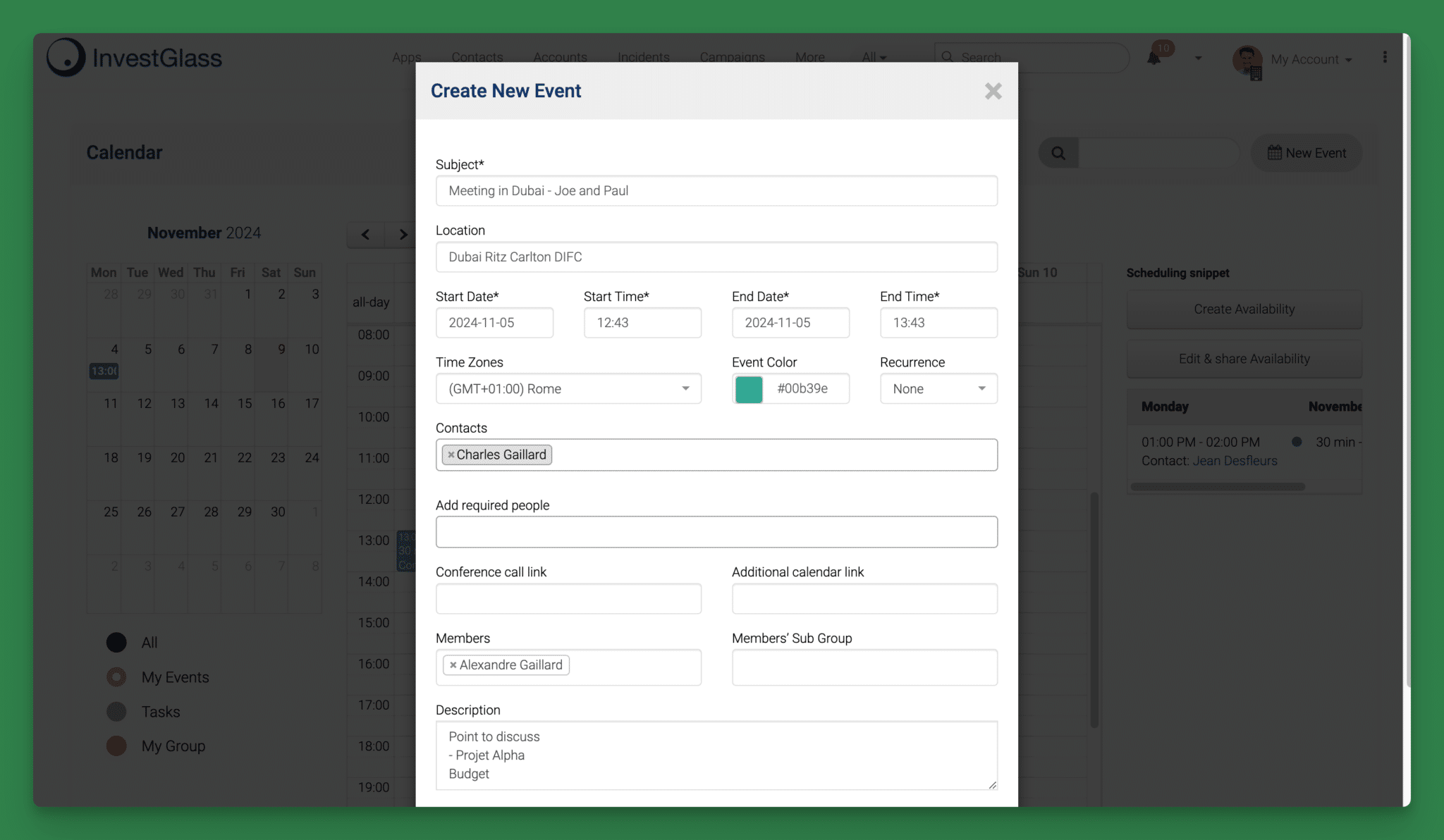
Meeting invitation emails play a crucial role, serving not just as informational notes but also as the preliminary image of your forthcoming meeting. When crafted skillfully, they help to place the event firmly on the participants’ agendas and encourage them to regard it with importance. A lack of an apt invitation raises the risk that attendees will overlook or disregard the gathering. An expertly designed invite conveys professionalism and lays down an optimistic groundwork for the proceedings.
Introducing the concept of the meeting lifecycle is essential, as it encompasses the various stages and processes that occur before, during, and after a meeting. Managing these stages effectively enhances collaboration and reduces inefficiencies.
These invitations are instrumental in enlightening participants about what is expected at this upcoming engagement: detailing objectives and any preparatory steps required, fostering unity and awareness amongst those involved. Adjusting how you phrase your communication so that it resonates well with its intended audience can greatly amplify its resonance and effectiveness.
Ultimately, factors such as composition, substance, transparency of information presented within a meeting invitation email have profound influence over whether it accomplishes its purpose effectively.
Wesentliche Elemente einer E-Mail-Einladung zu einem Treffen

Crafting an effective meeting invitation via email demands attention to essential components, ensuring the invite is not only compelling but also exudes professionalism. Such elements encompass a concise subject line that immediately informs the recipient of the content, detailed information about the meeting itself, and incorporating a personal touch which adds warmth and engagement.
It’s crucial to provide a distinct call to action within your email that specifies when and where (for in-person gatherings) this interaction will occur. Clarity here eliminates any potential confusion regarding event logistics. Now let’s delve deeper into each element for better understanding.
Formulierung einer klaren Betreffzeile
Your meeting invitation’s subject line is vital. It dictates whether the recipient will open the email or not. Striving for brevity, aim for a subject line length of 36-50 characters to improve chances of the email being read. Clear and precise subject lines have shown a 47% higher chance of being opened over those that are ambiguous, leading commonly to disinterest.
Not only does a succinct subject line capture attention, but it also establishes expectations for the content of your meeting-related communication.
Erstellen eines klaren und prägnanten E-Mail-Textes
Beim Verfassen einer Follow-up-E-Mail ist es wichtig, eine klare und prägnante E-Mail-Körper die Ihre Botschaft wirksam vermittelt. Ein gut strukturierter E-Mail-Text sollte eine kurze Einleitung, einen klaren Zweck und eine spezifische Aufforderung zum Handeln enthalten. Hier sind einige Tipps, die Ihnen bei der Erstellung eines klaren und prägnanten E-Mail-Textes helfen:
- Kurz und bündig halten: Achten Sie auf maximal 100-150 Wörter in Ihrem E-Mail-Text.
- Einfache Sprache verwenden: Vermeiden Sie Jargon oder Fachausdrücke, die Ihren Empfänger verwirren könnten.
- Aufzählungspunkte oder nummerierte Listen verwenden: Unterteilen Sie große Textblöcke in kleinere, leichter verdauliche Abschnitte.
- Verwenden Sie ein klares und prägnantes Format: Verwenden Sie Überschriften, Zwischenüberschriften und Leerraum, damit Ihre E-Mail leicht zu lesen ist.
Example of a clear and concise email body:
“Hi [Recipient],
I wanted to follow up on our previous conversation regarding [Topic]. I believe our solution can help you [Achieve a specific goal]. I’d love to schedule a call to discuss further.
Best, [Your Name]”
Einschließlich Details zum Meeting
Ensuring that your meeting invitation contains all the essential details is crucial for ensuring attendees are informed and on time. It’s imperative to clearly articulate the specifics of who, what, where, when, and why related to the meeting. Employing clear and concise language helps eliminate any potential ambiguity which could lead to misunderstandings among participants.
Additionally, keeping meeting attendees informed and engaged by providing additional agenda details or pre-reads can enhance their preparedness and overall participation, thus facilitating a more efficient and productive meeting experience.
To improve readability and help invitees retain important information about the meeting more effectively, use formatting strategies like bullet points as well as a layout that’s easy to navigate on mobile devices. Providing precise location information be it an actual physical address or a link for video conferencing is vital in facilitating complete attendance at your event.
Eine persönliche Note hinzufügen
Tailoring your meeting invitation emails by incorporating the recipient’s name can notably boost their engagement, as it grabs their attention and conveys a sense of appreciation. Including tailored details that pertain to an invitee’s unique role or achievements amplifies the significance of the meeting for them, thereby enhancing the likelihood of their participation.
Employing these strategies for personalizing invitations not only fosters greater involvement but also aids in forging more robust relationships with those you are inviting to your meetings.
E-Mail-Vorlagen für Sitzungseinladungen
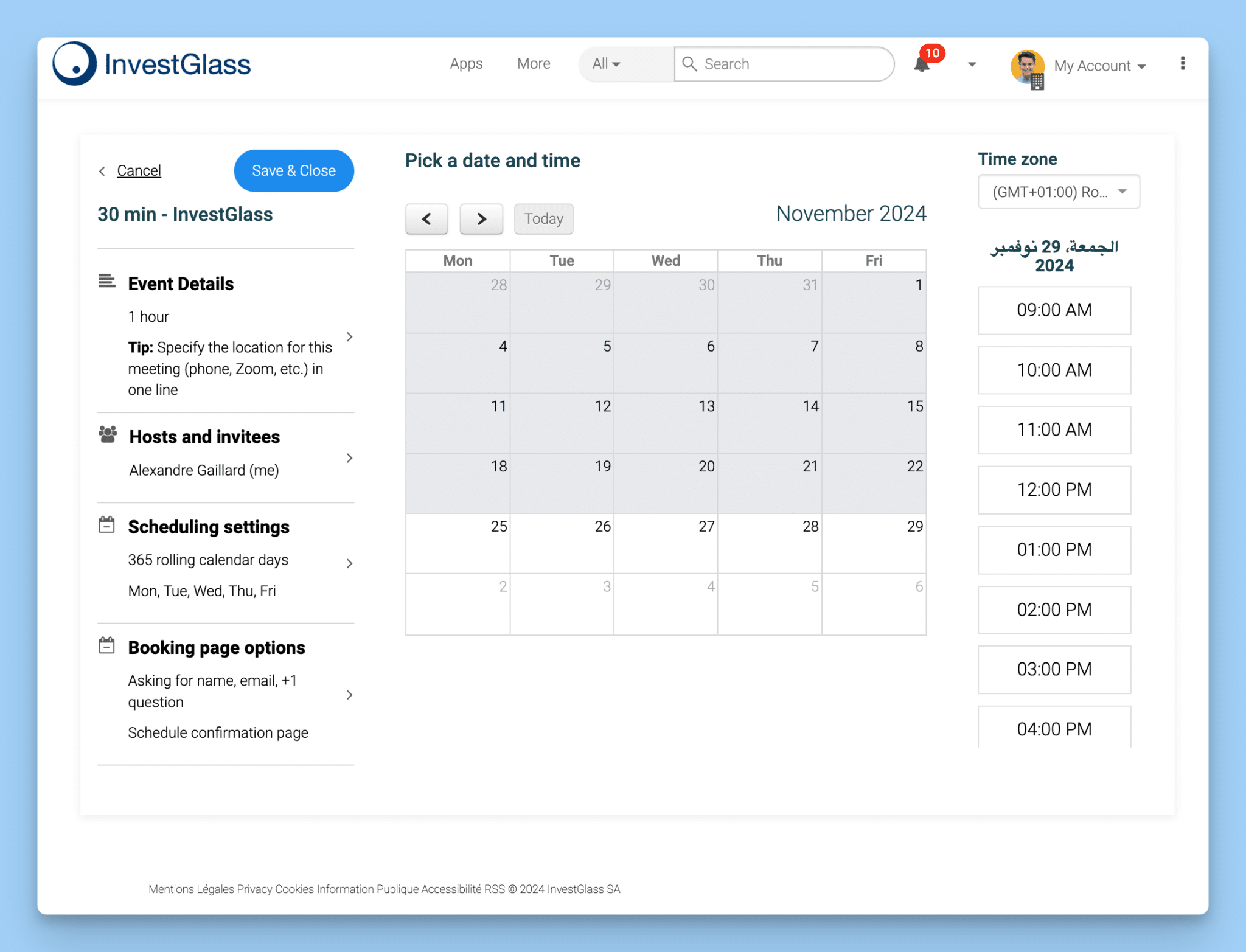
Vorlagen können bei der Erstellung effektiver Einladungs-E-Mails zu Besprechungen ein wahrer Lebensretter sein. Sie sparen Zeit, sorgen für Konsistenz und lassen sich leicht angepasst to match your voice, meeting type, and industry. Using the right templates not only enhances clarity and professionalism, but also increases engagement.
Additionally, utilizing a follow up email template can maintain consistency and effectiveness in your follow-up communications, especially in link building and E-Mail-Kontaktaufnahme.
Let’s explore some specific templates for different types of meetings, from team meetings to Webinare.
Einladung zur Teambesprechung
Collaboration and alignment within a team are greatly enhanced by holding regular team meetings. To effectively summon recipients to attend a particular meeting, it’s crucial to send an official meeting invitation email that is well-outlined with all vital information. ‘Invitation: Team Meeting on [Day]’ serves as an appropriate subject line for the invitation to the team meeting, unequivocally conveying the intent and substance of the communication.
Employing standardized templates for shared meetings guarantees that consistency in your communications is preserved by automatically associating each gathering with its proper agenda according to the objective of these meetings.
Einladung zu einem persönlichen Treffen
One-on-one meetings are crucial for personal interactions and detailed discussions. A recommended subject line for such an invitation is ‘Let’s Schedule a Time to Discuss [topic]’ and include a meeting request.
The body should include the meeting time, supporting documents, and goals, and invitees can easily schedule the meeting using the provided meeting link.
Einladung zum Kundentreffen
Kundengespräche sind für die Pflege und den Ausbau von Beziehungen unerlässlich. Die Betreffzeile muss fesselnd sein. Denken Sie an etwas wie ‘Zeit für Ihre nächste Synchronisation mit [Name des Unternehmens]’. Der Ton sollte freundlich, aber professionell sein, und die Angabe eines Calendly-Links kann die Terminplanung erleichtern.
Einladung zu einem Vorstellungsgespräch
Interview invitations need to be clear and detailed. Please use the subject line: ‘Invitation to interview for [Role]’. This should be followed by the company name, ‘[Company Name]’. The body should schedule a call, provide information about the candidate’s background, role details, and the organization.
Additionally, include your name, title, company name, and contact information in the closing.
Einladung zum Verkaufsgespräch
Beginnen Sie Ihre Einladung zu einem Verkaufsgespräch mit einer Danksagung, z. B. “Vielen Dank für [Lead Source], ich hoffe, es war nützlich für Sie!” Ermutigen Sie den Empfänger, sich zu engagieren, indem Sie ihn fragen, ob er für ein kurzes Gespräch zur Verfügung stehen würde, um herauszufinden, wie Sie ihm helfen können, und geben Sie einen Link an, über den er das Treffen bequem buchen kann.
Einladung zum Webinar
Einladungen zu einem Webinar müssen eine verlockende Betreffzeile enthalten, eine prägnante Einführung bieten und wesentliche Informationen über die Veranstaltung bereitstellen. Es ist wichtig, einen eindeutigen Call-to-Action zu haben, der die Teilnehmer zur Registrierung für das Webinar leitet, und die Aufnahme von Links zur Registrierung in die Einladung macht die Anmeldung einfach.
Tipps zum Verfassen besserer Einladungen zu Sitzungen
Crafting superior invitations for meetings can markedly improve both engagement and communication. Invitations that are well-composed ensure that attendees are properly notified about the meeting details while also motivating them to participate.
To ensure your invitations catch the attention of potential participants, we will examine several key points on how to distinguish your meeting invites from others.
Kurz und bündig
When crafting meeting invitation emails, it’s important to be succinct. A brief email shows consideration for the invitee’s time by highlighting only the necessary details. Employing bullet points can enhance clarity, enabling recipients to swiftly comprehend critical information.
It’s also crucial to find a balance in follow-up emails. While persistence is key, sending too many follow-ups can be perceived as desperate or pushy, potentially annoying the recipient. Conversely, too few follow-ups can result in lost momentum.
By steering clear of superfluous details, you prevent bombarding recipients with too much information and help maintain their attention on the principal aspects of the meeting.
Klarer und prägnanter Aufruf zum Handeln
Ein klarer und prägnanter Handlungsaufruf (Call-to-Action, CTA) ist in einer Follow-up-E-Mail unerlässlich. Ein CTA sagt dem Empfänger, was er als Nächstes tun soll, und hilft, das Gespräch voranzubringen. Hier sind einige Tipps, die Ihnen helfen, einen klaren und präzisen CTA zu erstellen:
- Konkret sein: Geben Sie klar und deutlich an, welche Maßnahme der Empfänger ergreifen soll.
- Handlungsorientierte Sprache verwenden: Verwenden Sie Verben wie “Terminieren Sie einen Anruf”, “Antworten Sie auf diese E-Mail” oder “Klicken Sie auf diesen Link”.”
- Verwenden Sie ein Gefühl der Dringlichkeit: Schaffen Sie ein Gefühl der Dringlichkeit, indem Sie Formulierungen wie “zeitlich begrenztes Angebot” oder “exklusive Gelegenheit” verwenden.”
Example of a clear and concise CTA:
“Schedule a call with me to discuss how our solution can help you achieve your goals. Click this link to schedule a time that works for you: [Insert Calendly link]”
Anpassung des Tons an die Zuhörerschaft
It is crucial to tailor the tone of your meeting invitation email in alignment with the nature of your audience for successful communication. Incorporating recipients’ names into emails can elevate engagement and promote better response rates. Opt for a formal approach when extending invitations to superiors, whereas adopting an informal manner may be more appropriate among familiar coworkers.
Aligning the tone suitably fosters favorable replies and boosts the chances that invitees will participate in the meeting.
Korrekturlesen vor dem Absenden
Korrekturlesen ist wichtig, um Tippfehler, grammatikalische Fehler und ungünstige Formulierungen in E-Mails zu erkennen. Es gewährleistet Professionalität und trägt zu einer klaren Kommunikation bei. Überprüfen Sie vor dem Versenden einer Einladung zu einem Treffen die Korrektheit der Links zu den Treffen und der E-Mail-Adressen der Empfänger.
Reviewing a preview of your email helps verify its appearance and ensures the subject line is complete.
Terminplanungswerkzeuge für Besprechungseinladungen verwenden
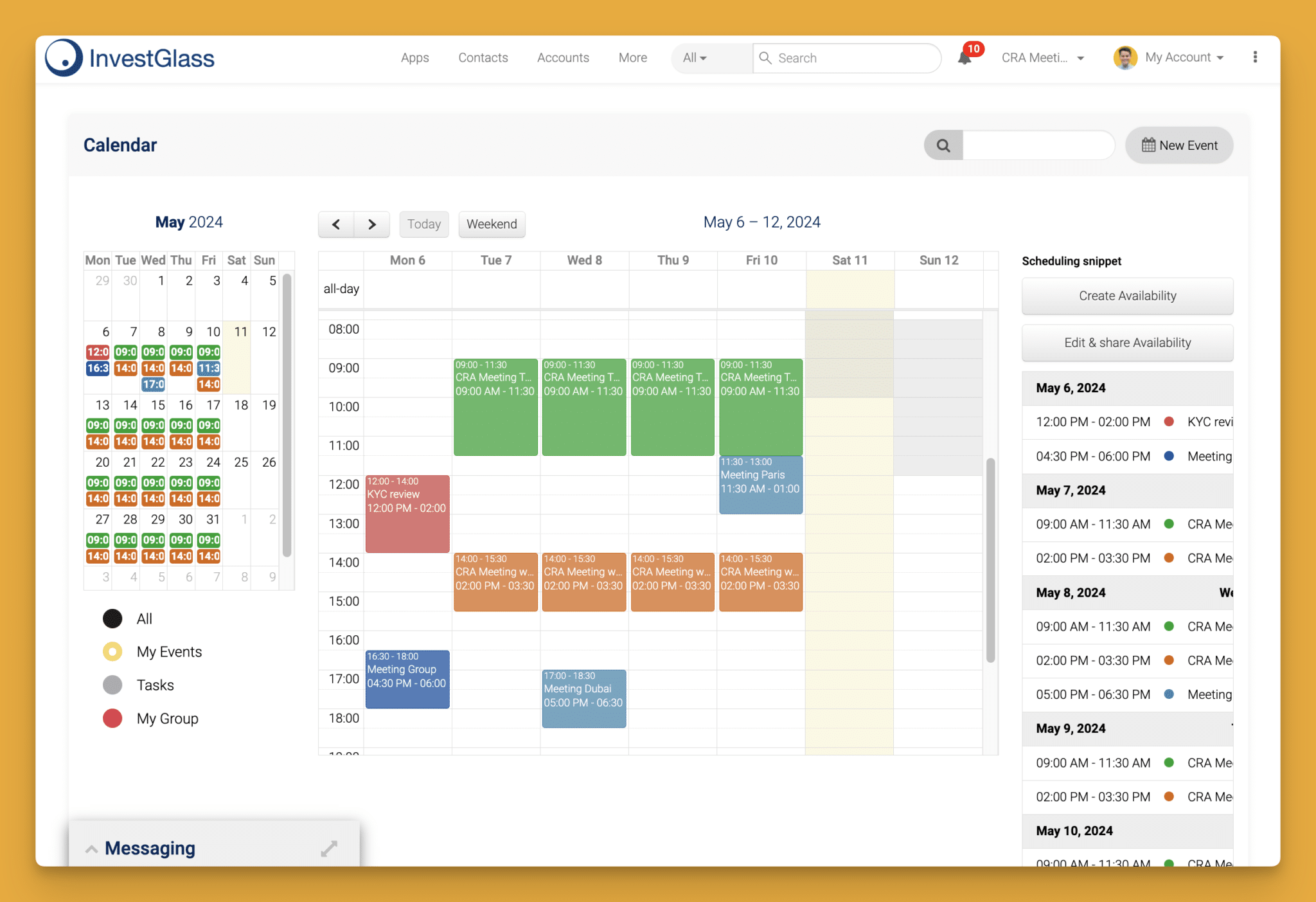
Utilizing scheduling applications such as Google Calendar and Calendly can greatly improve the management of meetings, facilitating you to arrange them with ease. The use of meeting invites simplifies the coordination required for meetings by reducing the necessity for manual follow-ups.
However, using multiple tools to schedule meetings can lead to valuable information getting lost, as different team members may use various incompatible systems. This reliance on distinct platforms like Google Calendar and Evernote can result in a lack of shared visibility and miscommunication among stakeholders, ultimately impacting the effectiveness of the meeting lifecycle.
Investigating how incorporating scheduling links into your invitations along with setting up automated reminders could make your approach to organizing a meeting even more successful is worth considering.
Hinzufügen von Terminplanungslinks
Incorporating a scheduling link within your meeting invitation streamlines the coordination of appointments and eliminates the need for prolonged email exchanges. Utilizing platforms such as Calendly, attendees can effortlessly select from time slots that automatically adjust to their respective time zones.
To facilitate this process, you may include your personal booking URL directly into the invitation or improve user experience by embedding clickable options displaying specific dates and times from which invitees can make their selection.
Automatisieren von Besprechungserinnerungen
Reminders that are sent automatically serve an important function in ensuring meetings remain a priority, which leads to better participation. By setting these reminders to go off at different intervals prior to a meeting, the likelihood of attendees showing up is increased.
With platforms such as Calendly, users have the capability to create personalized workflows for dispatching alerts, encompassing Textnachricht Benachrichtigungen.
Follow-up-E-Mails nach Einladungen zu Treffen
After extending invitations for a meeting, it’s essential to send follow-up emails that affirm participation and convey extra information. Such emails play a pivotal role in maintaining the momentum of dialogue post-meeting by elucidating the forthcoming actions.
Examining when and what to include in these follow-up communications can greatly enhance their impact, fostering an environment where clarity regarding next steps is prioritized.
Timing Ihrer Folgemaßnahmen
It is recommended to wait around two to three days after your initial outreach before sending the first follow-up email. Afterward, consider sending a second follow-up four to five days following the first one, and schedule a third follow-up for one week following the second.
Care should be taken not to send an excessive number of follow up emails, as doing so may come across as overly eager or aggressive. Thus, proper timing of these communications is critical in order not to create an unfavorable impression.
Übertriebene E-Mail-Follow-ups
Übertriebene Nachfassaktionen per E-Mail können für die Empfänger sehr abschreckend sein. Es ist wichtig, ein Gleichgewicht zwischen Nachfassaktionen und dem Respekt vor der Zeit des Empfängers zu finden. Hier sind einige Anzeichen dafür, dass Sie es mit dem Nachfassen von E-Mails übertreiben:
- Sie versenden zu viele E-Mails in einem kurzen Zeitraum.
- Sie geben dem Empfänger nicht genug Zeit, um zu reagieren.
- Sie bieten nicht in jeder E-Mail einen Mehrwert.
Um zu vermeiden, dass Sie es mit den E-Mail-Nachfassaktionen übertreiben, sollten Sie darauf achten:
- Verteilen Sie Ihre E-Mails zeitlich: Geben Sie dem Empfänger genügend Zeit zu antworten, bevor Sie eine weitere E-Mail senden.
- Bieten Sie in jeder E-Mail einen Mehrwert: Stellen Sie sicher, dass jede E-Mail neue Informationen oder Erkenntnisse enthält, die für den Empfänger relevant sind.
- Verwenden Sie ein klares und prägnantes Format: Verwenden Sie ein klares und prägnantes Format, damit der Empfänger Ihre E-Mail schnell lesen und beantworten kann.
Bereitstellung von Zusatzinformationen
Das Versenden von Follow-up-E-Mails ist ein entscheidender Schritt, um sicherzustellen, dass alle an der Besprechung Beteiligten bereit und über deren Bedeutung und Zweck informiert sind. Um Missverständnisse zu vermeiden, ist es wichtig, dass wichtige Details enthalten such as the date, time, place of the meeting, and a list of participants.
Meeting notes play a crucial role in ensuring a consistent and accurate record of discussions, which helps in real-time collaboration among participants.
Reference previous exchanges and summarize earlier conversations within these follow up communications. This assists in refreshing important topics for attendees. By incorporating additional valuable content like fresh insights or pertinent articles into your follow up messages could heighten curiosity levels among recipients was zu einer besseren Interaktion mit diesen E-Mails führt.
Häufige Fehler in Einladungs-E-Mails zu Meetings vermeiden
Wenn Sie sicherstellen, dass die Einladungs-E-Mails zu einer Besprechung klar und deutlich sind und die notwendigen Details enthalten, können Sie das Verständnis erheblich verbessern. Es ist wichtig, typische Fehler zu vermeiden, wie z. B. das Füllen dieser Einladungen mit übermäßigen Informationen, die Verwendung zweideutiger Formulierungen oder das Fehlen einer Tagesordnung für die Besprechung.
Überfrachtung mit Informationen
Wenn man die Empfänger mit einer Fülle von Informationen bombardiert, kann dies zu Verwirrung führen und ihre Beteiligung verringern. Es ist von Vorteil, die wichtigsten Punkte hervorzuheben, um den Empfängern zu helfen, die Bedeutung und den Zweck des Treffens zu erfassen. Vermeiden Sie eine Überflutung, indem Sie überflüssige Details weglassen und sich auf das Wesentliche konzentrieren, indem Sie Aufzählungspunkte verwenden, um die Klarheit Ihrer Präsentation zu verbessern.
Unklare Sprache verwenden
Meeting invitation emails that lack clarity or contain ambiguous language can cause confusion and misinterpretation. If the invitations do not provide concrete details, attendees may be left to conjecture about critical elements like the meeting’s schedule and intent. Such uncertainty might contribute to reduced participation since potential attendees might prioritize a meeting whose importance is unclear.
It is important to incorporate precise information and defined goals in your meeting invitations. This helps prospective participants grasp the reasons for convening and facilitates their decision-making regarding attendance at the meeting.
Vergessen, eine Tagesordnung beizufügen
Failing to include a meeting agenda can result in participants attending the meeting without a clear understanding of what is expected or the primary issues at hand. This lack of preparation can lead to key subjects not being adequately addressed and diminishes the overall productivity of the meeting.
Informing stakeholders about an upcoming meeting and sharing a clear agenda enhances the value of the meeting and assists attendees in deciding their participation, ensuring that all relevant topics are covered and productive discussions take place.
Conversely, incorporating a concise agenda into invitations for meetings is crucial as it directs attendees towards essential discussion topics and objectives. By making sure that everyone understands what needs to be accomplished during the gathering, an agenda significantly boosts the efficiency with which these aims are met.
Keine Steigerung des Werts von Inhalten
Ein häufiger Fehler bei Follow-up-E-Mails ist es, den Wert des Inhalts nicht zu erhöhen. Es ist wichtig, in jeder E-Mail neue Informationen oder Erkenntnisse zu liefern, die für den Empfänger relevant sind. Hier sind einige Möglichkeiten, den Wert des Inhalts zu erhöhen:
- Teilen Sie relevante Artikel oder Forschungsergebnisse: Teilen Sie Artikel oder Forschungsergebnisse, die für die Interessen oder Probleme des Empfängers relevant sind.
- Bieten Sie exklusive Angebote: Bieten Sie exklusive Angebote oder Rabatte an, die nur dem Empfänger zur Verfügung stehen.
- Persönliche Empfehlungen bereitstellen: Personalisierte Empfehlungen auf der Grundlage der Interessen oder Bedürfnisse des Empfängers.
Example of increasing the value in content:
“I wanted to follow up on our previous conversation regarding [Topic]. I came across an article that I think you’ll find interesting: [Insert link to article]. I’d love to discuss how our solution can help you achieve your goals. Schedule a call with me to learn more: [Insert Calendly link]”
Zusammenfassung
Zusammenfassend lässt sich sagen, dass die Gestaltung einer überzeugenden Einladung zu einem Treffen E-Mails sind entscheidend für den Erfolg Ihrer Sitzungen, was zu einer höheren Beteiligung und zu fruchtbaren Ergebnissen führt. Konzentrieren Sie sich darauf, prägnante Betreffzeilen zu entwerfen, die Aufmerksamkeit erregen, alle notwendigen Details über die Besprechung zu enthalten und jeder Einladung eine persönliche Note zu verleihen. Der Einsatz von Vorlagen und fortschrittlichen Planungstools kann auch die Effizienz und Ausgereiftheit Ihres Kommunikationsprozesses. Wenn Sie typische Fehler vermeiden und sich an unsere Hinweise halten, werden Sie effizientere Besprechungen und bessere berufliche Beziehungen fördern. Setzen Sie diese Taktiken in die Praxis um und erleben Sie, wie sich die Durchführung Ihrer Sitzungen deutlich verbessert!
Häufig gestellte Fragen
Warum ist eine klare Betreffzeile wichtig?
A clear subject line is crucial because it grabs attention and sets the tone for your email, making people more likely to open it.
A well-crafted subject can significantly boost engagement and response rates.
Welche Angaben sollten in einer E-Mail-Einladung zu einem Treffen enthalten sein?
Make sure to include who, what, where, when, and why of the meeting, along with a clear call to action and any necessary links.
This way, everyone will know exactly what to expect!
Wie kann ich meine Einladungs-E-Mails zu Meetings personalisieren?
To make your meeting invitation emails more engaging, address recipients by their names and include specific details that relate to them.
This personal touch can boost attendance and make your invite feel more thoughtful.
Welche Vorteile bietet die Verwendung von Terminplanungs-Tools für Besprechungseinladungen?
Using scheduling tools for meeting invitations really helps streamline organization, cuts down on manual follow-ups, and boosts attendance with automated reminders.
It’s a smart way to keep everyone on the same page!
Welche häufigen Fehler sollte ich in Einladungs-E-Mails zu Meetings vermeiden?
Steer clear of overloading your meeting invitation with too much information and using vague language.
Always include an agenda to keep things clear and focused!
Verwandte Artikel
Swiss Sovereign CRM: Auf KI aufgebaut.
Bereit zu handeln.


