
Avete difficoltà a scrivere un'e-mail di invito efficace per una riunione? Un invito ben fatto può aumentare la partecipazione e dare il giusto tono alla riunione. Questo articolo fornisce dieci suggerimenti e modelli per aiutarvi a creare inviti che vengano notati e a cui si risponda.
Punti di forza
- Le e-mail di invito alla riunione sono efficaci e creano un tono professionale, assicurando che i partecipanti conoscano i dettagli della riunione, evitando malintesi e scarsa partecipazione.
- Gli elementi chiave di un invito di successo includono un oggetto chiaro, dettagli completi sulla riunione e un tocco personale per coinvolgere i destinatari.
- L'uso di modelli e strumenti di pianificazione può migliorare la chiarezza, l'efficienza e la professionalità degli inviti alle riunioni, mentre un follow-up efficace rafforza la partecipazione.
L'importanza di e-mail di invito alle riunioni efficaci
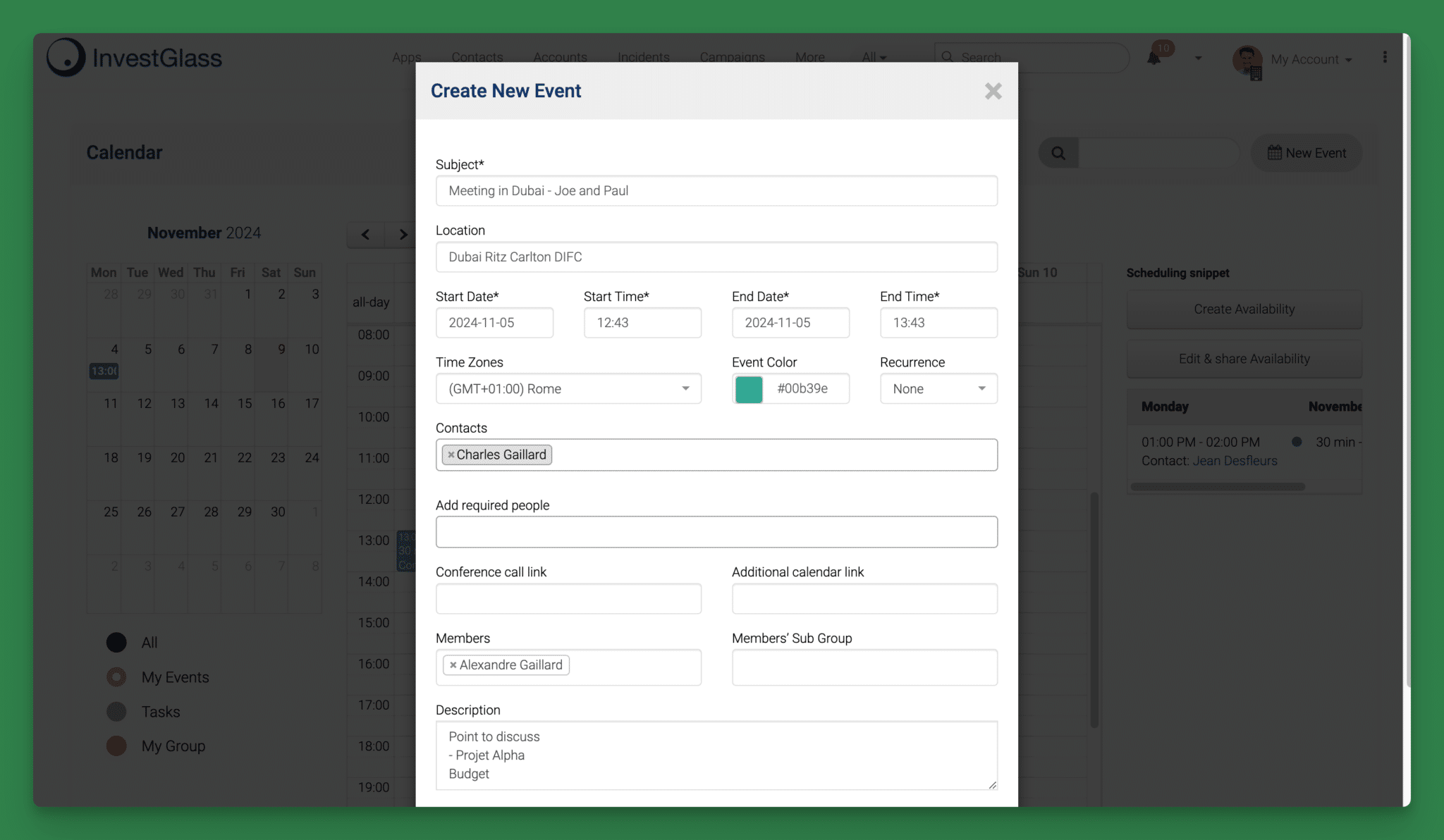
Le e-mail di invito a riunioni svolgono un ruolo cruciale, fungendo non solo da note informative ma anche dall'immagine preliminare del vostro prossimo incontro. Se redatte con abilità, aiutano a inserire saldamente l'evento nell'agenda dei partecipanti e li incoraggiano a considerarlo con importanza. La mancanza di un invito appropriato aumenta il rischio che i partecipanti trascurino o ignorino l'incontro. Un invito progettato con cura trasmette professionalità e pone le basi ottimistiche per i lavori.
L'introduzione del concetto di ciclo di vita della riunione è essenziale, in quanto racchiude le varie fasi e i processi che si verificano prima, durante e dopo una riunione. La gestione efficace di queste fasi migliora la collaborazione e riduce le inefficienze.
Questi inviti sono fondamentali per chiarire ai partecipanti cosa ci si aspetta da questo imminente impegno: illustrano in dettaglio gli obiettivi e le eventuali fasi preparatorie richieste, favorendo l'unità e la consapevolezza tra le persone coinvolte. Modulare la formulazione della comunicazione in modo che risuoni positivamente con il pubblico di riferimento può amplificarne notevolmente la risonanza e l'efficacia.
In ultima analisi, fattori come la composizione, il contenuto e la trasparenza delle informazioni presentate all'interno di un'email di invito a una riunione esercitano un'influenza profonda sul fatto che essa raggiunga o meno il suo scopo in modo efficace.
Elementi essenziali di un'e-mail di invito a una riunione

La creazione di un invito a una riunione efficace tramite e-mail richiede attenzione agli elementi essenziali, garantendo che l'invito non sia solo convincente ma trasudisca anche professionalità. Tali elementi comprendono un oggetto conciso che informi immediatamente il destinatario del contenuto, informazioni dettagliate sulla riunione stessa e l'incorporazione di un tocco personale che aggiunga calore e coinvolgimento.
È fondamentale inserire all'interno della tua email un invito all'azione chiaro che specifichi quando e dove (nel caso di incontri in presenza) avverrà questa interazione. La chiarezza in questo punto elimina qualsiasi potenziale confusione riguardo alla logistica dell'evento. Ora approfondiamo ciascun elemento per una migliore comprensione.
Creare un oggetto chiaro
L’oggetto del tuo invito a una riunione è fondamentale. È proprio quello a determinare se il destinatario aprirà o meno l’e-mail. Cerca di essere conciso: punta a un oggetto di 36-50 caratteri per aumentare le probabilità che l’e-mail venga letta. È stato dimostrato che gli oggetti chiari e precisi hanno una probabilità 47% maggiore di essere aperti rispetto a quelli ambigui, che spesso suscitano disinteresse.
Non solo un oggetto conciso cattura l'attenzione, ma stabilisce anche le aspettative per il contenuto della comunicazione relativa alla riunione.
Creare un corpo dell'e-mail chiaro e conciso
Quando si prepara un'e-mail di follow-up, è essenziale creare un messaggio chiaro e conciso. corpo dell'email che comunichi efficacemente il vostro messaggio. Un corpo dell'e-mail ben strutturato dovrebbe includere una breve introduzione, uno scopo chiaro e un invito specifico all'azione. Ecco alcuni suggerimenti per aiutarvi a creare un corpo dell'e-mail chiaro e conciso:
- Siate brevi e diretti al punto: Puntate a un massimo di 100-150 parole nel corpo dell'e-mail.
- Utilizzare un linguaggio semplice: Evitate di utilizzare termini tecnici o gergali che potrebbero confondere il vostro destinatario.
- Utilizzare punti elenco o elenchi numerati: Suddividere grandi blocchi di testo in parti più piccole e digeribili.
- Utilizzare un formato chiaro e conciso: Utilizzate titoli, sottotitoli e spazi bianchi per facilitare la lettura delle vostre e-mail.
Esempio di corpo di un'email chiaro e conciso:
“Ciao [Destinatario],
Desideravo riprendere la nostra precedente conversazione riguardo a [Topic]. Credo che la nostra soluzione possa aiutarvi a [Achieve a specific goal]. Mi farebbe molto piacere programmare una chiamata per approfondire l'argomento.
Cordiali saluti, [Il tuo nome]”
Compresi i dettagli della riunione
Garantire che l'invito alla riunione contenga tutti i dettagli essenziali è fondamentale per assicurarsi che i partecipanti siano informati e puntuali. È imperativo articolare chiaramente le specificità di chi, cosa, dove, quando e perché relativi alla riunione. L'impiego di un linguaggio chiaro e conciso aiuta ad eliminare qualsiasi potenziale ambiguità che potrebbe portare a malintesi tra i partecipanti.
Inoltre, mantenere i partecipanti alla riunione informati e coinvolti fornendo ulteriori dettagli sull'ordine del giorno o letture preliminari può migliorare la loro preparazione e la partecipazione complessiva, facilitando così un'esperienza di riunione più efficiente e produttiva.
Per migliorare la leggibilità e aiutare i partecipanti a memorizzare più efficacemente le informazioni importanti sulla riunione, utilizza strategie di formattazione come gli elenchi puntati e un layout facile da navigare sui dispositivi mobili. Fornire informazioni precise sulla posizione, che si tratti di un indirizzo fisico o di un link per la videoconferenza, è fondamentale per facilitare la completa partecipazione al tuo evento.
Aggiungere un tocco personale
Personalizzare le email di invito alle riunioni includendo il nome del destinatario può incrementare notevolmente il suo coinvolgimento, poiché cattura l'attenzione e trasmette un senso di apprezzamento. Includere dettagli su misura relativi al ruolo unico o ai risultati di un invitato amplifica l'importanza della riunione per lui, aumentando così la probabilità della sua partecipazione.
L'impiego di queste strategie per personalizzare gli inviti non solo favorisce un maggiore coinvolgimento, ma aiuta anche a costruire relazioni più solide con le persone che invitate alle vostre riunioni.
Modelli di e-mail di invito a una riunione
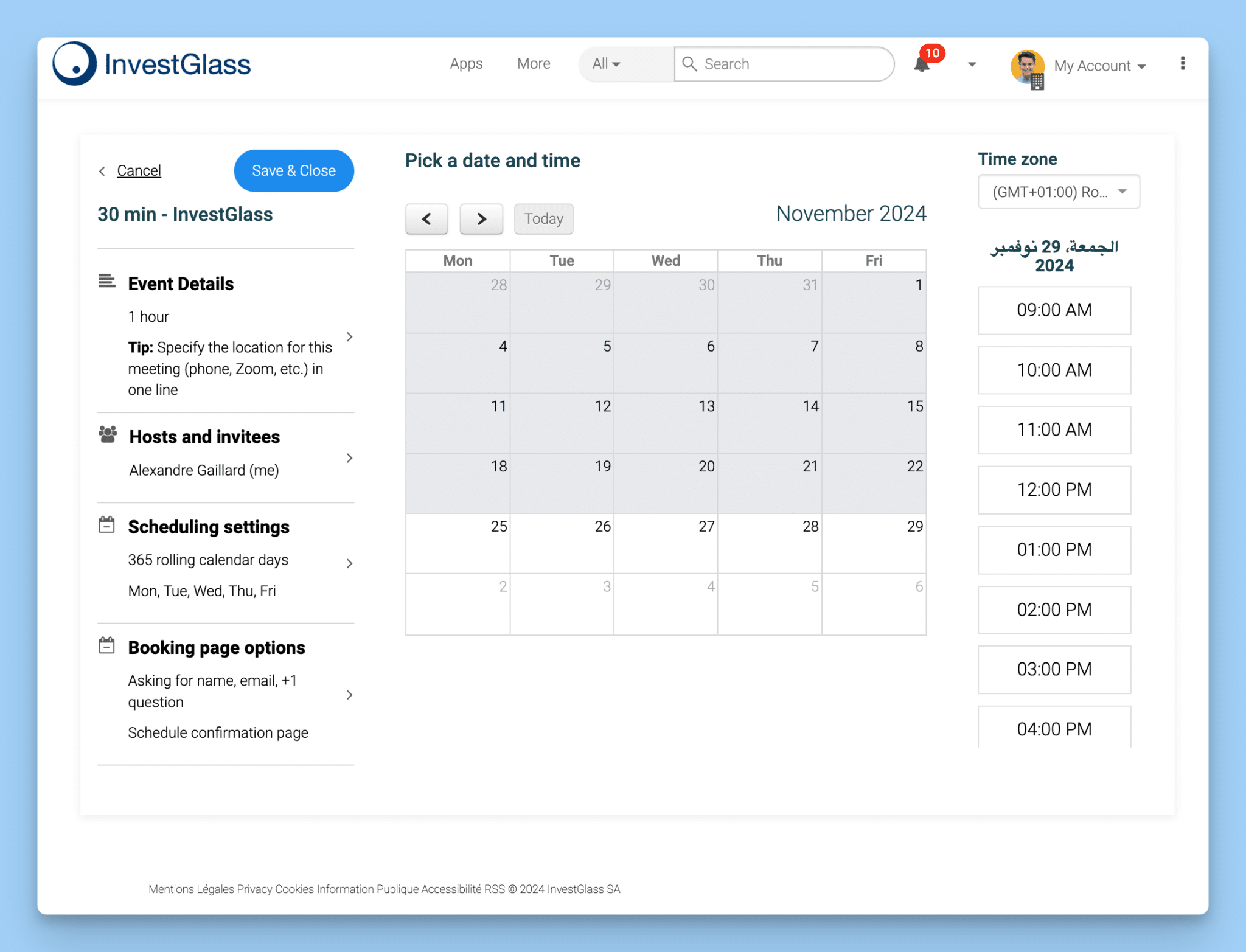
I modelli possono essere una salvezza quando si tratta di creare e-mail di invito a riunioni efficaci. Fanno risparmiare tempo, assicurano la coerenza e possono essere facilmente personalizzato per adattarsi alla tua voce, al tipo di riunione e al tuo settore. L'utilizzo dei modelli giusti non solo migliora la chiarezza e la professionalità, ma aumenta anche il coinvolgimento.
Inoltre, l'utilizzo di un modello di email di follow-up può mantenere coerenza ed efficacia nelle comunicazioni di follow-up, in particolare nella costruzione di link e sensibilizzazione via e-mail.
Esploriamo alcuni modelli specifici per diversi tipi di riunioni, dalle riunioni di team alle webinar.
Invito alla riunione di squadra
La collaborazione e l'allineamento all'interno di un team sono notevolmente migliorati tenendo riunioni regolari del team. Per convocare efficacemente i destinatari a partecipare a una riunione particolare, è fondamentale inviare un'e-mail di invito ufficiale alla riunione che sia ben delineata con tutte le informazioni vitali. ‘Invito: Riunione del team il [Giorno]’ funge da oggetto appropriato per l'invito alla riunione del team, trasmettendo inequivocabilmente l'intento e la sostanza della comunicazione.
L'impiego di modelli standardizzati per le riunioni condivise garantisce che la coerenza nelle vostre comunicazioni sia preservata associando automaticamente ogni incontro alla sua agenda appropriata in base all'obiettivo di tali riunioni.
Invito a una riunione individuale
I colloqui individuali sono fondamentali per le interazioni personali e le discussioni dettagliate. Un oggetto consigliato per tale invito è ‘Programmiamo un momento per discutere di [argomento]’ e include una richiesta di riunione.
Il corpo dell'email dovrebbe includere l'orario della riunione, i documenti di supporto e gli obiettivi, e i partecipanti possono facilmente programmare la riunione utilizzando il link fornito.
Invito alla riunione con il cliente
Gli incontri con i clienti sono fondamentali per mantenere e promuovere le relazioni. L'oggetto deve essere accattivante. Considerate qualcosa come ‘È il momento della prossima sincronizzazione con [nome della società]’. Il tono deve essere amichevole ma professionale e l'inclusione di un link a Calendly può facilitare la programmazione.
Invito alla riunione per il colloquio
Gli inviti ai colloqui devono essere chiari e dettagliati. Si prega di utilizzare l'oggetto: ‘Invito a colloquio per [Ruolo]’. Questo dovrebbe essere seguito dal nome dell'azienda, ‘[Nome Azienda]’. Il corpo del messaggio dovrebbe programmare una chiamata, fornire informazioni sul background del candidato, sui dettagli del ruolo e sull'organizzazione.
Inoltre, includi il tuo nome, titolo, nome dell'azienda e informazioni di contatto nella chiusura.
Invito alle vendite
Iniziate l'invito alla telefonata di vendita esprimendo gratitudine, ad esempio: “Grazie per [Lead Source], spero che sia stato utile per voi!”. Incoraggiate l'impegno del destinatario chiedendo se è disponibile per una breve chiacchierata per capire come potreste aiutarlo e fornite un link per prenotare comodamente l'incontro.
Invito al webinar
Gli inviti a un webinar devono avere un oggetto accattivante, offrire un'introduzione concisa e fornire informazioni essenziali sull'evento. È fondamentale avere una call-to-action ben definita che indirizzi i partecipanti verso il processo di registrazione al webinar, e incorporare i link per la registrazione all'interno dell'invito rende semplice l'iscrizione.
Suggerimenti per scrivere inviti a riunioni migliori
Creare inviti per riunioni di livello superiore può migliorare notevolmente sia il coinvolgimento che la comunicazione. Inviti ben redatti assicurano che i partecipanti siano adeguatamente informati sui dettagli della riunione e li motivano anche a partecipare.
Per assicurarvi che i vostri inviti catturino l'attenzione dei potenziali partecipanti, esamineremo diversi punti chiave su come distinguere gli inviti alle vostre riunioni dagli altri.
Breve e dolce
Quando si redigono le email di invito alle riunioni, è importante essere concisi. Una breve email dimostra considerazione per il tempo dell'invitato evidenziando solo i dettagli necessari. L'impiego di elenchi puntati può migliorare la chiarezza, consentendo ai destinatari di comprendere rapidamente le informazioni fondamentali.
È anche fondamentale trovare un equilibrio nelle email di follow-up. Sebbene la persistenza sia fondamentale, inviare troppi follow-up può essere percepito come disperato o insistente, potenzialmente infastidendo il destinatario. Al contrario, un numero troppo esiguo di follow-up può causare una perdita di slancio.
Evitando dettagli superflui, eviti di sovraccaricare i destinatari con troppe informazioni e aiuti a mantenere la loro attenzione sugli aspetti principali della riunione.
Utilizzo di un invito all'azione chiaro e conciso
Una call-to-action (CTA) chiara e concisa è essenziale in un'e-mail di follow-up. Una CTA indica al destinatario l'azione successiva da intraprendere e aiuta a far progredire la conversazione. Ecco alcuni suggerimenti per creare una CTA chiara e concisa:
- Siate specifici: Indicate chiaramente l'azione che volete far compiere al destinatario.
- Utilizzare un linguaggio orientato all'azione: Usate verbi come “Programmate una chiamata”, “Rispondete a questa e-mail” o “Cliccate su questo link”.”
- Usare un senso di urgenza: Create un senso di urgenza utilizzando frasi come “Offerta a tempo limitato” o “Opportunità esclusiva”.”
Esempio di una CTA chiara e concisa:
“Pianifica una chiamata con me per discutere di come la nostra soluzione può aiutarti a raggiungere i tuoi obiettivi. Clicca su questo link per scegliere l'orario più comodo per te: [Inserire link Calendly]”
Adattare il tono al pubblico
È cruciale adattare il tono della tua e-mail di invito alla riunione in linea con la natura del tuo pubblico per una comunicazione di successo. Inserire i nomi dei destinatari nelle e-mail può aumentare il coinvolgimento e promuovere tassi di risposta migliori. Opta per un approccio formale quando estendi inviti a superiori, mentre adottare un modo informale potrebbe essere più appropriato tra colleghi familiari.
Allineare il tono in modo appropriato favorisce risposte favorevoli e aumenta le probabilità che gli invitati partecipino alla riunione.
Correzione di bozze prima dell'invio
La correzione di bozze è fondamentale per individuare errori di battitura, grammaticali e di formulazione nelle e-mail. Garantisce la professionalità e aiuta a mantenere una comunicazione chiara. Prima di inviare un invito a una riunione, controllate il correttezza dei link alle riunioni e degli indirizzi e-mail dei destinatari.
La revisione di un'anteprima dell'email aiuta a verificarne l'aspetto e garantisce che l'oggetto sia completo.
Utilizzo degli strumenti di pianificazione per gli inviti alle riunioni
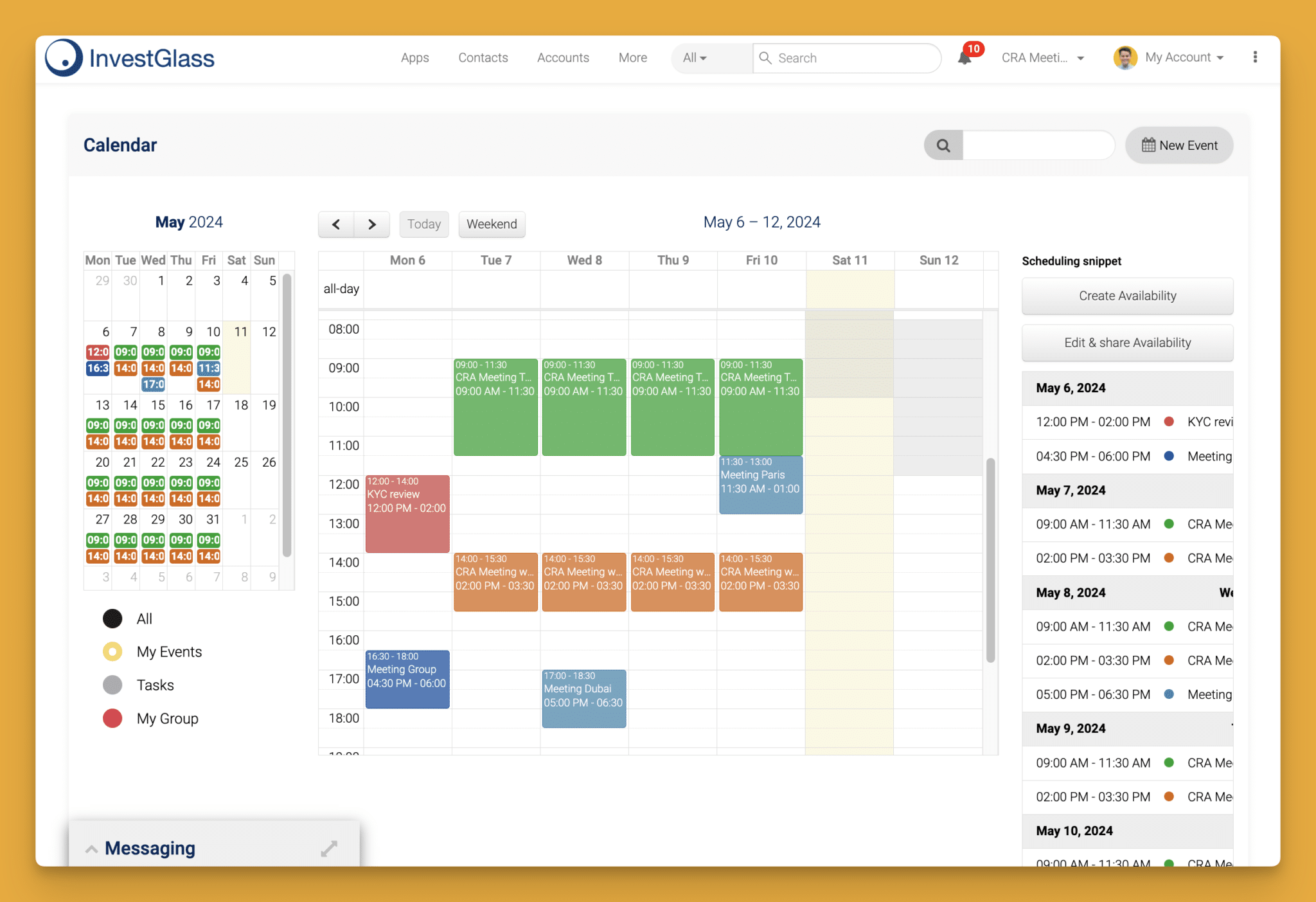
L'utilizzo di applicazioni di pianificazione come Google Calendar e Calendly può migliorare notevolmente la gestione delle riunioni, facilitandone l'organizzazione con facilità. L'uso degli inviti alle riunioni semplifica il coordinamento necessario per gli incontri, riducendo la necessità di follow-up manuali.
Tuttavia, l'uso di più strumenti per pianificare le riunioni può causare la perdita di informazioni preziose, poiché i diversi membri del team potrebbero utilizzare vari sistemi incompatibili. Questa dipendenza da piattaforme distinte come Google Calendar ed Evernote può comportare una mancanza di visibilità condivisa e incomprensioni tra gli stakeholder, incidendo in ultima analisi sull'efficacia del ciclo di vita della riunione.
Vale la pena considerare come l'incorporare link di pianificazione nei vostri inviti insieme all'impostazione di promemoria automatici possa rendere il vostro approccio all'organizzazione di una riunione ancora più di successo.
Aggiunta di link di pianificazione
L'inserimento di un link di pianificazione all'interno dell'invito alla riunione semplifica il coordinamento degli appuntamenti ed elimina la necessità di prolungati scambi di email. Utilizzando piattaforme come Calendly, i partecipanti possono selezionare senza sforzo gli orari disponibili che si adattano automaticamente ai rispettivi fusi orari.
Per facilitare questo processo, potete includere il vostro URL di prenotazione personale direttamente nell'invito o migliorare l'esperienza utente incorporando opzioni cliccabili che mostrano date e orari specifici tra cui gli invitati possono effettuare la loro scelta.
Automatizzazione dei promemoria delle riunioni
I promemoria inviati automaticamente svolgono un'importante funzione nel garantire che le riunioni rimangano una priorità, il che porta a una migliore partecipazione. Impostando questi promemoria affinché si attivino a intervalli diversi prima di una riunione, aumenta la probabilità che i partecipanti si presentino.
Con piattaforme come Calendly, gli utenti hanno la capacità di creare flussi di lavoro personalizzati per l'invio di avvisi, che comprendono messaggio di testo notifiche.
E-mail di follow-up dopo gli inviti alle riunioni
Dopo aver inviato gli inviti per una riunione, è essenziale inviare email di follow-up che confermino la partecipazione e trasmettano informazioni aggiuntive. Tali email svolgono un ruolo fondamentale nel mantenere il momento del dialogo dopo la riunione, chiarendo le azioni future.
Esaminare quando e cosa includere in queste comunicazioni di follow-up può migliorarne notevolmente l'impatto, favorendo un ambiente in cui viene data priorità alla chiarezza sui passaggi successivi.
Tempistica dei follow-up
Si consiglia di attendere circa due o tre giorni dal primo contatto prima di inviare la prima email di follow-up. In seguito, si consiglia di inviare un secondo follow-up a quattro o cinque giorni dal primo, e di programmare un terzo follow-up a una settimana di distanza dal secondo.
Si dovrebbe prestare attenzione a non inviare un numero eccessivo di e-mail di sollecito, poiché ciò potrebbe risultare eccessivamente ansioso o aggressivo. Pertanto, una tempistica adeguata di queste comunicazioni è fondamentale per non creare una cattiva impressione.
Esagerare con i follow-up via e-mail
Esagerare con i follow-up delle e-mail può essere un grave errore per i destinatari. È essenziale trovare un equilibrio tra il follow-up e il rispetto del tempo del destinatario. Ecco alcuni segnali che indicano che state esagerando con i follow-up delle e-mail:
- State inviando troppe e-mail in un breve periodo.
- Non state dando al destinatario il tempo sufficiente per rispondere.
- Non state fornendo valore in ogni e-mail.
Per evitare di esagerare con i follow-up via e-mail, assicuratevi di:
- Distanziare le e-mail: Date al destinatario il tempo necessario per rispondere prima di inviare un'altra e-mail.
- Fornire valore in ogni e-mail: Assicuratevi che ogni e-mail fornisca nuove informazioni o approfondimenti rilevanti per il destinatario.
- Utilizzare un formato chiaro e conciso: Utilizzate un formato chiaro e conciso per facilitare al destinatario la scansione rapida e la risposta alla vostra e-mail.
Fornire informazioni aggiuntive
L'invio di e-mail di follow-up è un passo fondamentale per garantire che tutti i partecipanti alla riunione siano pronti e informati sul suo significato e scopo. Per evitare qualsiasi malinteso, è fondamentale includere i dettagli chiave come la data, l'ora, il luogo della riunione e un elenco dei partecipanti.
Gli appunti delle riunioni svolgono un ruolo cruciale nel garantire una registrazione coerente e accurata delle discussioni, il che aiuta nella collaborazione in tempo reale tra i partecipanti.
Fai riferimento agli scambi precedenti e riassumi le conversazioni precedenti all'interno di queste comunicazioni di follow-up. Questo aiuta a rinfrescare argomenti importanti per i partecipanti. L'inserimento di ulteriore contenuto di valore, come nuove intuizioni o articoli pertinenti, nei messaggi di follow-up potrebbe aumentare i livelli di curiosità tra i destinatari che porta a una migliore interazione con tali e-mail.
Errori comuni da evitare nelle e-mail di invito alle riunioni
Assicurarsi che le e-mail di invito alle riunioni siano chiare e comunichino efficacemente i dettagli necessari può migliorare notevolmente la comprensione. È importante evitare errori tipici come riempire gli inviti di informazioni eccessive, utilizzare un linguaggio ambiguo o omettere di aggiungere l'ordine del giorno della riunione.
Sovraccarico di informazioni
Bombardare i destinatari con un'abbondanza di informazioni potrebbe causare confusione e una diminuzione del loro coinvolgimento. È utile evidenziare i punti chiave per aiutare i destinatari a cogliere il significato e l'intento della riunione. Evitate di sommergerli, riducendo i dettagli superflui e concentrandovi sui dati cruciali, utilizzando punti elenco per migliorare la chiarezza della vostra presentazione.
Utilizzo di un linguaggio poco chiaro
Le e-mail di invito a riunioni che mancano di chiarezza o contengono un linguaggio ambiguo possono causare confusione e travisamento. Se gli invitati non forniscono dettagli concreti, i partecipanti potrebbero essere lasciati a fare congetture su elementi critici come il programma e lo scopo della riunione. Tale incertezza potrebbe contribuire a una ridotta partecipazione, poiché i potenziali partecipanti potrebbero dare la priorità a una riunione la cui importanza non è chiara.
È importante inserire informazioni precise e obiettivi definiti negli inviti alle riunioni. Questo aiuta i potenziali partecipanti a comprendere i motivi della convocazione e facilita la loro decisione in merito alla partecipazione all'incontro.
Dimenticare di includere un ordine del giorno
Il mancato inserimento di un ordine del giorno della riunione può fare sì che i partecipanti si presentino alla riunione senza una chiara comprensione di ciò che è previsto o dei problemi principali in questione. Questa mancanza di preparazione può portare a non affrontare adeguatamente argomenti chiave e riduce la produttività complessiva della riunione.
Informare gli stakeholder su una riunione imminente e condividere un'agenda chiara aumenta il valore dell'incontro e aiuta i partecipanti a decidere la loro presenza, garantendo che tutti gli argomenti rilevanti siano trattati e che si svolgano discussioni produttive.
Al contrario, inserire un ordine del giorno conciso negli inviti alle riunioni è fondamentale poiché orienta i partecipanti verso gli argomenti di discussione e gli obiettivi essenziali. Assicurandosi che tutti comprendano ciò che deve essere compiuto durante l'incontro, un ordine del giorno aumenta significativamente l'efficienza con cui tali scopi vengono raggiunti.
Non aumentare il valore dei contenuti
Non aumentare il valore dei contenuti è un errore comune nelle e-mail di follow-up. È essenziale fornire nuove informazioni o approfondimenti rilevanti per il destinatario in ogni e-mail. Ecco alcuni modi per aumentare il valore dei contenuti:
- Condividere articoli o ricerche rilevanti: Condividere articoli o ricerche rilevanti per gli interessi o i punti dolenti del destinatario.
- Proporre offerte esclusive: Offrire offerte o sconti esclusivi, disponibili solo per il destinatario.
- Fornire raccomandazioni personalizzate: Fornire raccomandazioni personalizzate in base agli interessi o alle esigenze del destinatario.
Esempio di aumento del valore nel contenuto:
“Volevo dare seguito alla nostra precedente conversazione riguardo a [Argomento]. Mi sono imbattuto in un articolo che penso troverai interessante: [Inserisci link all'articolo]. Mi piacerebbe discutere di come la nostra soluzione può aiutarti a raggiungere i tuoi obiettivi. Prenota una chiamata con me per saperne di più: [Inserisci link Calendly]”
Sintesi
Per riassumere, creare inviti a riunioni convincenti è essenziale per il successo delle vostre riunioni, con conseguente aumento della partecipazione e dei risultati. Concentratevi sull'ideazione di oggetti concisi che catturino l'attenzione, includendo tutti i dettagli necessari sulla riunione e aggiungendo un tocco personale a ogni invito. L'utilizzo di modelli e di strumenti di pianificazione avanzati può anche elevare il livello di partecipazione alle riunioni. l'efficienza e la sofisticazione del vostro processo di comunicazione. Se eviterete gli errori tipici e vi atterrete alle nostre indicazioni, potrete favorire riunioni più efficienti e rafforzare i legami professionali. Mettete in pratica queste tattiche per assistere a un miglioramento significativo del modo in cui vengono condotte le vostre riunioni!
Domande frequenti
Perché è importante un oggetto chiaro?
Un oggetto chiaro è fondamentale perché attira l'attenzione e definisce il tono dell'email, aumentando la probabilità che le persone la aprano.
Un oggetto ben strutturato può aumentare significativamente il coinvolgimento e i tassi di risposta.
Quali dettagli devono essere inclusi in un'e-mail di invito a una riunione?
Assicurati di includere chi, cosa, dove, quando e perché della riunione, insieme a una chiara chiamata all'azione e a tutti i link necessari.
In questo modo, tutti sapranno esattamente cosa aspettarsi!
Come posso personalizzare le e-mail di invito alle riunioni?
Per rendere le tue email di invito alle riunioni più coinvolgenti, rivolgiti ai destinatari chiamandoli per nome e includi dettagli specifici che li riguardano.
Questo tocco personale può aumentare la partecipazione e rendere il vostro invito più curato.
Quali sono i vantaggi dell'utilizzo di strumenti di pianificazione per gli inviti alle riunioni?
L'utilizzo di strumenti di pianificazione per gli inviti alle riunioni aiuta davvero a semplificare l'organizzazione, riduce i follow-up manuali e aumenta la partecipazione grazie ai promemoria automatici.
È un modo intelligente per fare in modo che tutti siano sulla stessa pagina!
Quali sono gli errori più comuni da evitare nelle e-mail di invito alle riunioni?
Evita di sovraccaricare l'invito alla riunione con troppe informazioni e di usare un linguaggio vago.
Includi sempre un ordine del giorno per mantenere le cose chiare e focalizzate!

