
ChatGPT affects banking by bringing advanced ai into core banking work, changing how financial institutions handle fraud detection, customer service automation, personalized financial advice, and credit risk assessment. The banking industry is experiencing its most profound transformation since the advent of digital banking, with artificial intelligence reshaping every facet of financial services. Technological innovation is a driving force behind this transformation, enabling banking industries to adapt to rapid change and integrate advanced AI solutions. From fraud detection systems that process millions of transactions in milliseconds to personalized financial advice delivered through virtual assistants, ai systems are fundamentally changing how banks operate and serve customers.
This transformation isn’t happening gradually it’s accelerating at breakneck speed. In 2025, ai technologies have moved from experimental pilots to mission-critical infrastructure across financial institutions worldwide. For banking professionals, financial institutions, technology decision-makers, and other stakeholders tracking the future of financial services, the shift is now tied directly to competitiveness, efficiency, risk control, and customer growth. The impact spans every aspect of banking operations, from customer-facing applications to back-office processes that drive operational efficiency.
Om te begrijpen hoe ai het bankwezen beïnvloedt, moet je zowel kijken naar de directe veranderingen die de dagelijkse bedrijfsvoering veranderen als naar de strategische verschuivingen op de lange termijn die de toekomst van de financiële dienstverlening zullen bepalen. Om concurrerend te blijven, moeten banken de toepassing van AI afstemmen op een duidelijke bedrijfsstrategie die innovatie, operationele efficiëntie en klantgerichtheid in het veranderende financiële landschap ondersteunt. Deze uitgebreide analyse onderzoekt de huidige staat van ai in bankieren, changes in customer experience, operational efficiency, risk management, regulatory and compliance challenges, investment trends, best practices for adoption, and the emerging technologies shaping banking’s future.
Inleiding tot kunstmatige intelligentie in het bankwezen
Kunstmatige intelligentie (AI) is your gateway to redefining your banking operations and delivering the exceptional experiences your clients demand. When you embrace AI technologies, you’re not just staying competitive you’re positioning your institution to thrive and scale faster in today’s rapidly evolving financial landscape. By integrating advanced AI systems into your core banking operations, you can automate those time-consuming routine tasks like fraud detection and credit risk assessment, freeing up your teams to focus on what truly matters: building valuable client relationships and driving growth.
Your adoption of artificial intelligence isn’t just about automation it’s about transforming how you connect with clients and manage risk. With AI models analyzing vast amounts of customer behavior data, you can deliver personalized financial advice and tailored solutions that truly meet individual needs. This level of personalization doesn’t just enhance client satisfaction; it builds the long-term loyalty that keeps your institution ahead of the competition.
Bovendien helpen AI-innovaties je om voorop te blijven lopen door processen te stroomlijnen, operationele kosten te verlagen en je duurzame groeistrategieën te ondersteunen. Nu AI-tools steeds geavanceerder worden, kunt u deze technologieën gebruiken om diepere inzichten te krijgen in de behoeften van klanten, uw besluitvorming te optimaliseren en nieuwe kansen voor bedrijfsuitbreiding te creëren. De integratie van AI into your banking operations is no longer optional it’s your strategic advantage for thriving in the digital age and delivering exceptional client experiences.
De onmiddellijke impact: hoe AI de bankactiviteiten van vandaag opnieuw vormgeeft
De omarming van ai door de bankensector heeft een ongekend niveau bereikt, met financiële instellingen die in 2023 specifiek $21 miljard investeren in ai technologieën. Deze enorme investering weerspiegelt een toename van 78% adoptiegraad van financiële instellingen ten opzichte van het voorgaande jaar, wat aantoont dat de toepassing van ai is veranderd van een experimentele fase naar een strategische noodzaak.
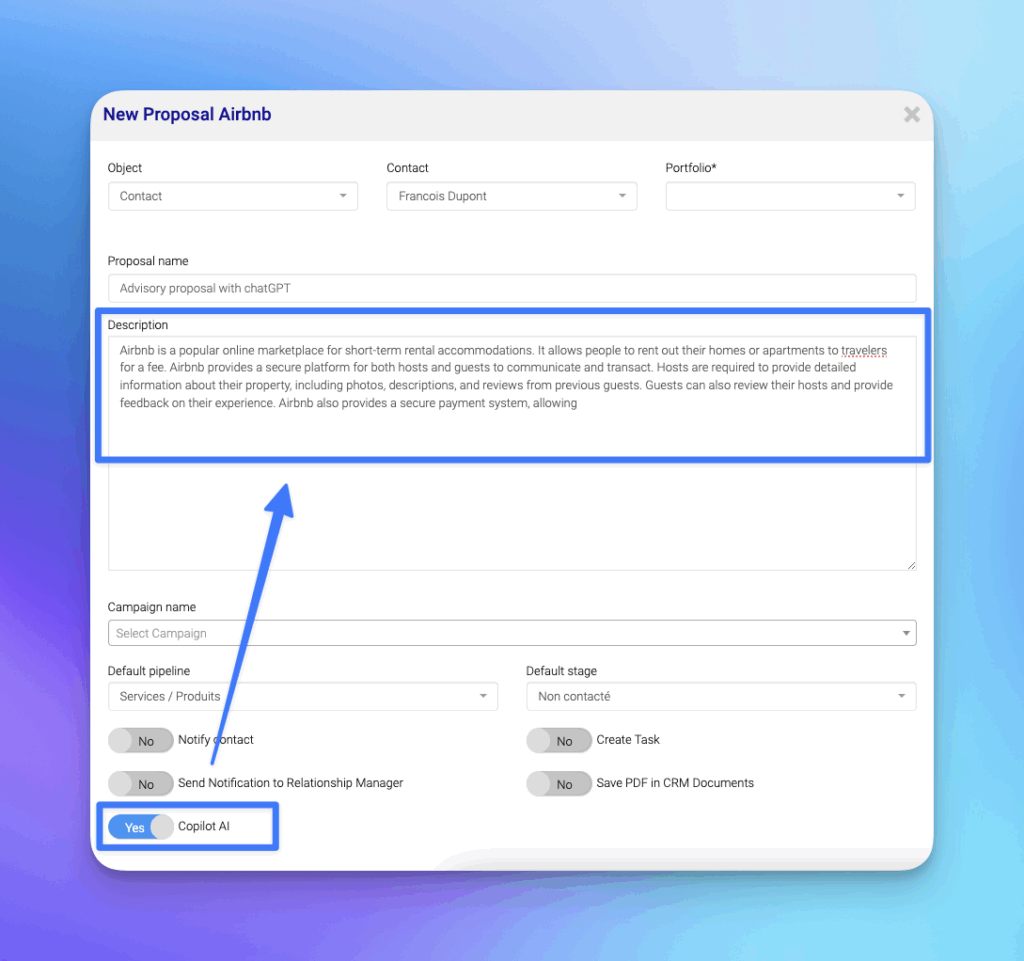
ChatGPT integratie met InvestGlass om banken en adviseurs te helpen
The integration of AI technologies in financial institutions is driving a shift toward ai driven solutions that modernize traditional banking operations. These solutions streamline manual processes, improve decision-making, and, with emerging autonome AI in het bankwezen, help banks stay competitive in a rapidly evolving landscape.
Realtime fraudedetectie is een van de meest zichtbare toepassingen waarbij ai onmiddellijk invloed heeft op bankactiviteiten. Geavanceerde ai modellen analyseren transactiepatronen, gebruikersgedrag en risico-indicatoren om verdachte activiteiten binnen milliseconden te identificeren. Deze systemen hebben opmerkelijke resultaten geboekt, waardoor het fraudeverlies tot 40% is gedaald ten opzichte van traditionele methoden, terwijl tegelijkertijd de klantervaring is verbeterd door het minimaliseren van valse meldingen die voorheen legitieme transacties blokkeerden.
De transformatie strekt zich uit tot klantenservice door middel van 24/7 ai-gestuurde chatbots en virtuele assistenten die routinematige vragen afhandelen zonder menselijke tussenkomst. Deze ai tools verwerken zoekopdrachten in natuurlijke taal, hebben in realtime toegang tot klantgegevens en geven gepersonaliseerde antwoorden op basis van individuele accountgeschiedenis en voorkeuren. Grote banken melden dat deze systemen nu meer dan 80% van de basisinteracties van de klantenservice afhandelen, waardoor menselijke medewerkers zich kunnen richten op complexe kwesties die empathie en geavanceerde probleemoplossing vereisen. Door repetitieve taken zoals het beantwoorden van veelgestelde vragen en het verwerken van eenvoudige verzoeken te automatiseren, kunnen medewerkers zich richten op activiteiten met een hogere waarde die de klanttevredenheid en bedrijfsgroei stimuleren.
Misschien wel het belangrijkst: geautomatiseerde kredietscores en leningen goedkeuringsprocedures have revolutionized lending operations. ai algorithms analyze structured and unstructured data from multiple sources including traditional credit reports, bank transaction history, social media activity, and alternative data sources to make credit risk assessments. This comprehensive analysis cuts decision time from days to minutes, and some ChatGPT-assisted internal tasks that once took 12-15 minutes can now be completed in just a few seconds, helping to enhance efficiency in lending operations while improving accuracy in predicting repayment probability.
De integratie van machine learning-modellen in de beoordeling van kredietrisico's heeft banken in staat gesteld om de toegang tot krediet uit te breiden voor voorheen achtergestelde bevolkingsgroepen. Door rekening te houden met bredere gegevenssets en patronen te identificeren die menselijke kredietbeoordelaars mogelijk over het hoofd zien, kunnen ai systemen kredietwaardige leners identificeren die geen traditionele kredietgeschiedenis hebben, waardoor financiële inclusie wordt ondersteund terwijl de normen voor risicobeheer worden gehandhaafd.
Revolutie in klantervaring door AI-technologieën
The way customers interact with their banks has been completely transformed through ai capabilities, creating more personalized and efficient services that adapt to individual needs and preferences in real-time. AI enables banks to deliver personalized services by leveraging advanced data analysis and machine learning to tailor offerings, communications, and support to each customer’s unique financial situation. Modern banking apps powered by ai technologies analyze spending patterns, financial goals, and behavioral data to provide hyper-personalized recommendations that help customers make better financial decisions.
Toonaangevende financiële instellingen zoals JPMorgan Chase hebben ai-gestuurde platforms geïmplementeerd die gepersonaliseerd financieel advies geven op basis van uitgebreide analyses van klantgedrag en marktomstandigheden. Hun virtuele assistent kan uitgavenpatronen analyseren, budgetoptimalisaties voorstellen en investeringsmogelijkheden aanbevelen die zijn afgestemd op individuele risicoprofielen en financiële doelstellingen.
Bank of America’s Erica virtual assistant exemplifies how ai tools have revolutionized customer interactions. This ai agent handles millions of customer requests monthly, from basic account inquiries to complex financial planning assistance. This kind of conversational banking helps customers feel understood and supported, which matters because 79% of customers expect brands to demonstrate understanding and care, especially from a trusted financial brand. Erica can predict customer needs based on transaction history, proactively alert users to unusual spending patterns, and provide insights that help customers achieve their financial goals.
As part of broader banking technology, these interfaces show how conversational banking extends beyond simple voice commands into more natural customer interactions. Customers can check account balances, transfer funds, pay bills, and receive financial insights using natural language voice commands. This technology integrates seamlessly with existing smart home ecosystems, making banking services accessible through familiar interfaces that customers already use daily.
Conversational AI also supports digital onboarding and compliance documentation.
Realtime transactiemonitoring ai algoritmes analyseren voortdurend transactiepatronen om mogelijk frauduleuze activiteiten te identificeren en klanten direct te waarschuwen via pushberichten, sms'jes of e-mail. Deze proactieve aanpak voorkomt niet alleen financiële verliezen, maar wekt ook vertrouwen door te laten zien dat de bank zich inzet voor de veiligheid van de klant.
ai-driven wealth management platforms have democratized access to sophisticated investment advice previously available only to high-net-worth individuals. Robo-advisory services use advanced ai models to create and manage diversified investment portfolios based on individual risk tolerance, time horizons, and financial objectives. These platforms provide continuous AI-gestuurd portefeuillebeheer, automatic rebalancing, and tax-loss harvesting, delivering professional-grade wealth management at a fraction of traditional costs.
The personalization extends beyond investment advice to include customized product recommendations. ai systems analyze customer data to identify life events, changing financial needs, and opportunities for additional services. When a customer’s spending patterns suggest they’re planning a major purchase, the system can proactively offer relevant financing options or savings strategies, with financial education helping customers act on those recommendations confidently.

InvestGlass Smart Agent Prompt
Operationele efficiëntie en risicomanagement verbeteren
Behind the scenes, ai technologies are driving unprecedented improvements in efficient services, risk management, and banking operations. Geautomatiseerde controle op naleving heeft zich ontpopt als een essentiële toepassing die het aantal overtredingen van de regelgeving met 60% vermindert door continue monitoring van transacties, communicatie en bedrijfsprocessen op basis van complexe wettelijke vereisten. Effectieve ai strategieën zijn nu essentieel voor naleving van regelgeving en risicobeheer, en zorgen ervoor dat banken zich kunnen aanpassen aan veranderende regelgeving en toekomstige trends.
ai-powered document processing has eliminated manual data entry tasks that previously consumed thousands of hours of human labor. Natural language processing systems can extract relevant information from contracts, loan applications, regulatory filings, and other documents with greater accuracy and speed than human processors. This automation not only reduces costs but also minimizes errors that could lead to compliance issues or customer dissatisfaction. By automating these processes, banks reduce manual work for bank employees so teams can focus on higher-value tasks that drive growth and competitiveness.
Predictive analytics for market trends and investment opportunities represent another area where ai capabilities provide significant competitive advantages. ai models analyze vast amounts of market data, economic indicators, news sentiment, and historical patterns to identify trends and opportunities that human analysts might miss. These insights inform trading strategies, risk management decisions, and product development initiatives, and they are increasingly embedded in generative ai tools used across modern banking technology. AI also enhances a bank’s ability to monitor compliance and manage risk more effectively, improving risk mitigation and overall AI-gestuurd portefeuillebeheer. These advanced capabilities provide a competitive advantage for banks, enabling them to stay ahead of industry trends and outperform their rivals.
Machine learning-algoritmen hebben een revolutie teweeggebracht in de opsporing van witwaspraktijken (AML) door verdachte patronen te identificeren in complexe netwerken van transacties en relaties. Traditionele systemen op basis van regels genereerden vaak veel fout-positieven die handmatig moesten worden gecontroleerd, terwijl ai-gestuurde systemen veel nauwkeuriger onderscheid kunnen maken tussen legitieme complexe transacties en daadwerkelijke witwasactiviteiten.
Geautomatiseerde rapportages en stresstests voor toezichthouders hebben complianceprocessen gestroomlijnd die voorheen veel handmatige inspanning vereisten. Hulpsystemen kunnen vereiste rapporten genereren door gegevens uit meerdere bronnen samen te voegen, waardoor nauwkeurigheid en consistentie worden gewaarborgd terwijl strakke deadlines van toezichthouders worden gehaald. Modellen voor stresstests op basis van machine learning kunnen duizenden marktscenario's simuleren om de veerkracht van portefeuilles onder verschillende economische omstandigheden te beoordelen.
De integratie van ai tools in risicobeheer strekt zich uit tot krediet portefeuillebeheer, where predictive models continuously assess the likelihood of default across entire loan portfolios. These systems can identify early warning signs of borrower distress and recommend proactive interventions to minimize losses while supporting customer retention. In some banking use cases, generative AI can improve risk assessment efficiency by 27–35%.
Fraudeopsporing en vooruitgang op het gebied van cyberbeveiliging
De evolutie van fraudedetectie met behulp van ai is een van de meest geavanceerde manieren om fraude op te sporen. toepassingen van kunstmatige intelligentie in the banking sector. Modern ai systems analyze transaction behavior in real-time, identifying suspicious patterns within milliseconds of transaction initiation. These systems consider hundreds of variables simultaneously including transaction amount, merchant type, geographic location, time of day, and historical spending patterns to calculate risk scores with remarkable precision.
Behavioral biometric authentication has emerged as a powerful replacement for traditional password-based security systems. ai algorithms learn individual typing patterns, mouse movements, touch screen interactions, and other behavioral characteristics to create unique biometric profiles. This technology, combined with geautomatiseerde KYC-verificatie, can detect account takeover attempts even when criminals have obtained legitimate login credentials, providing an additional layer of security that’s nearly impossible to replicate.
Detectiesystemen voor ai-driven bedreigingen beschermen de infrastructuur van banken door netwerkverkeer, systeemlogboeken en gebruikersgedrag te analyseren om potentiële cyberaanvallen te identificeren voordat ze schade kunnen aanrichten. Deze systemen maken gebruik van machine learning om normale gedragspatronen vast te stellen en anomalieën te signaleren die kunnen duiden op kwaadaardige activiteiten. Dankzij deze proactieve aanpak kunnen beveiligingsteams reageren op bedreigingen voordat ze escaleren tot ernstige inbreuken.
Het delen van gegevens tussen instellingen voor verbeterde fraudepreventienetwerken heeft geleid tot gezamenlijke verdedigingssystemen waarbij banken geanonimiseerde fraude-indicatoren delen om het hele financiële ecosysteem te beschermen. Hulpsystemen analyseren patronen tussen meerdere instellingen om opkomende fraudeconstructies te identificeren en verdedigingsmaatregelen in realtime bij te werken bij alle deelnemende organisaties.
Beslissingen nemen met AI
AI is revolutionizing decision-making in banking, giving financial institutions the power to make smarter, faster, and more profitable decisions than ever before. With cutting-edge AI models at your fingertips, banks can unlock massive volumes of customer data, market trends, and economic indicators to drive real-time decision making across every corner of their operations. This isn’t just about technology it’s about empowering your institution with the insights that separate industry leaders from the competition.
Deze datagestuurde transformatie betekent dat uw bank direct kan schakelen wanneer de markten verschuiven, risicoblootstelling kan verminderen en lucratieve kansen kan grijpen op het moment dat ze zich voordoen. Automatisering op basis van AI zorgt automatisch voor routinematige beslissingen, zodat uw waardevolle teams zich kunnen richten op de complexe, strategische uitdagingen die echte bedrijfswaarde opleveren. Het resultaat? Dramatische efficiëntieverbeteringen en een slimmere toewijzing van middelen, waardoor uw concurrentie in de achteruitkijkspiegel verdwijnt.
AI-driven predictive analytics are your crystal ball for spotting risks and opportunities before they hit your bottom line. By continuously scanning customer behaviors and market signals, AI systems help you stay three steps ahead adjusting strategies proactively and driving sustainable growth that builds lasting value. When you make informed, data-backed decisions, you’re not just improving your competitive edge you’re securing your institution’s financial future.
In today’s lightning-fast finance sector, AI-powered decision making isn’t optional it’s essential. Banks that harness this technology don’t just survive; they deliver exceptional customer experiences and achieve the kind of sustainable growth that transforms good institutions into industry titans. The question isn’t whether you can afford to invest in AI it’s whether you can afford not to.
Kritische uitdagingen en risicobeheer in AI-bankieren
Hoewel ai enorme kansen biedt voor de banksector, brengt het ook aanzienlijke uitdagingen met zich mee die financiële instellingen zorgvuldig moeten managen om een verantwoorde inzet van ai te garanderen. Algoritmische vooringenomenheid bij het goedkeuren van leningen en kredietbeslissingen is een van de grootste zorgen, omdat ai modellen die zijn getraind op historische gegevens bestaande discriminerende praktijken kunnen bestendigen of versterken.
Data privacy concerns with customer information processing have become increasingly complex as ai systems require access to vast amounts of personal and financial data to function effectively. Banks must balance the need for comprehensive data analysis with customer privacy expectations, data security, and regulatory requirements for data protection. The challenge is particularly acute given the sensitive nature of financial information and the potential consequences of data breaches.
Black box decision-making creates transparency issues that can undermine customer trust and regulatory compliance. Many ai models, particularly deep learning systems, operate in ways that are difficult to explain or interpret. ChatGPT may also struggle with understanding financial terminology, which can affect accuracy in sensitive banking contexts. When an ai system denies a loan application or flags a transaction as suspicious, customers and regulators may demand explanations that the technology cannot easily provide.
Regulatory compliance challenges across different jurisdictions add complexity to ai implementation, as banks operating internationally must navigate varying requirements for ai governance, data protection, and algorithmic transparency. These challenges also impact financial firms more broadly, as implementing ai tools requires alignment with financial regulations, and ai models must comply with federal regulations to avoid bias. The rapidly evolving regulatory landscape means that compliance frameworks must be continuously updated to address new requirements and guidance.
Kwetsbaarheden in de cyberbeveiliging van ai systemen creëren nieuwe aanvalsvectoren die kwaadwillende actoren kunnen uitbuiten. ai modellen kunnen worden gemanipuleerd door middel van aanvallen van tegenstanders die ervoor zorgen dat ze onjuiste beslissingen nemen, en het gecentraliseerde karakter van veel ai systemen creëert hoogwaardige doelwitten voor cybercriminelen. Banken moeten robuuste beveiligingsmaatregelen implementeren die specifiek zijn ontworpen om de ai infrastructuur te beschermen en tegelijkertijd de systeemprestaties en -beschikbaarheid op peil te houden.
Om traditionele functies in het bankwezen te kunnen verplaatsen, is zorgvuldig veranderingsmanagement nodig nu ai systemen taken automatiseren die voorheen door menselijke werknemers werden uitgevoerd. Hoewel ai menselijke capaciteiten vaak eerder aanvult dan vervangt, kunnen sommige functies overbodig worden, wat uitdagingen met zich meebrengt voor personeelsplanning, omscholing en het behoud van het moreel van werknemers tijdens transformatieperioden.
Regelgevend kader en nalevingsvereisten
De regelgeving voor ai in het bankwezen ontwikkelt zich snel, waarbij nieuwe kaders ontstaan om de unieke uitdagingen van kunstmatige intelligentiesystemen aan te pakken. De EU AI Act implementatievereisten voor financiële instellingen stellen uitgebreide regels op voor de ontwikkeling, inzet en controle van ai systemen. Banken die actief zijn in Europa moeten ervoor zorgen dat hun ai systemen voldoen aan strenge eisen op het gebied van risicobeoordeling, documentatie en menselijk toezicht. De integratie van ai in compliance frameworks is essentieel voor banken om effectief te voldoen aan deze wettelijke vereisten, processen te stroomlijnen en het risicobeheer te verbeteren.
De richtlijnen van de Amerikaanse Executive Order voor ai in de banksector benadrukken de noodzaak van verantwoorde ontwikkeling van ai met behoud van innovatiemomentum. Deze richtlijnen vereisen van banken dat ze de impact van het ai systeem op de eerlijkheid, veiligheid en effectiviteit beoordelen en dat ze passende bestuursstructuren implementeren om toezicht te houden op de inzet en werking van ai.
Normen voor documentatie en controleerbaarheid van ai besluitvorming vereisen dat banken uitgebreid vastleggen hoe ai systemen beslissingen nemen, inclusief training van gegevensbronnen, modelarchitecturen, validatieprocedures en voortdurende prestatiemonitoring. Deze documentatie moet voldoende zijn om onderzoek en audits door toezichthouders mogelijk te maken en tegelijkertijd de interne bestuursprocessen te ondersteunen.
Consumentenbeschermingsmaatregelen en uitlegbare ai vereisten verplichten banken om duidelijke uitleg te geven over ai gestuurde beslissingen die van invloed zijn op klanten. Als een ai systeem krediet weigert of een transactie markeert, hebben klanten het recht om de redenering achter de beslissing te begrijpen en om een menselijke beoordeling van de uitkomst te vragen.
Investeringstrends en marktgroei in AI-banken
The financial commitment to ai technologies across the banking sector reflects the strategic importance of these innovations for competitive positioning and operational excellence. Total ai investment in financial services reached $35 billion during 2023, with major banks allocating 15-20% of their entire IT budgets specifically to ai initiatives. This level of investment demonstrates that ai adoption has moved beyond experimental projects to become a core component of digital transformation strategies, a view reinforced by the 66% of banking executives who believe new technologies will drive banking over the next five years.
Financial institutions are increasingly forming strategic partnerships with fintech companies to accelerate ai innovation and access specialized expertise. These collaborations enable traditional banks to leverage cutting-edge ai capabilities developed by technology-focused startups while providing fintechs with access to established customer bases and regulatory expertise. The partnership model has proven particularly effective for deploying generative ai applications, including developing digital advisors, and new customer-facing ai services.
De verwachte rendementen op investeringen in ai zijn aanzienlijk: projecties geven aan dat financiële diensten op basis van ai $2 biljoen kunnen bijdragen aan de wereldeconomie door verbeterde efficiëntie, uitgebreide toegang tot financiële diensten en verbeterde mogelijkheden voor risicobeheer. Individuele banken rapporteren ROI-prognoses die een rendement van 300% laten zien op investeringen in ai binnen 3 jaar, voornamelijk gedreven door operationele kostenbesparingen, verbeterd risicomanagement en verbeterde klantenwerving en -behoud.
The investment landscape reveals particular focus areas where banks expect the highest returns. In investment banking, AI is enhancing research, financial modeling, and advisory services, supporting deal-making, market analysis, and client engagement. Dedicated platforms like an AI-gereed CRM voor private banken help operationalize these capabilities across front and middle office teams. Fraud detection and prevention systems typically demonstrate ROI within 12-18 months due to direct loss reduction and improved operational efficiency. Customer service automation delivers returns through reduced staffing costs and improved customer satisfaction scores. Credit risk assessment improvements generate value through better loan performance and expanded lending opportunities.
Venture capital investment in banking ai startups has accelerated dramatically, with specialized funds emerging to focus exclusively on financial technology innovations. All-in-one platforms such as InvestGlass for sales automation exemplify how this ecosystem development ensures continued innovation flow from startups to established banks while creating competitive pressure to deploy ai capabilities more rapidly and effectively.
The geographic distribution of ai banking investments shows concentration in major financial centers, with New York, London, Singapore, and Hong Kong leading in both investment volume and innovation deployment. However, emerging markets are rapidly adopting ai banking solutions and specialized CRM systems for financial institutions, often leapfrogging traditional banking infrastructure to deploy mobile-first, ai-powered financial services.
Toekomstperspectief: AI banking trends voor 2025 en daarna
The trajectory of ai development in banking points toward even more transformative changes across the broader financial industry in the coming years. Embedded finance integration through ai-powered APIs will enable non-financial companies to seamlessly incorporate banking services into their products and platforms. This trend will blur traditional industry boundaries as retailers, healthcare providers, and technology companies offer banking services powered by ai infrastructure, while central banks themselves explore KI voor monetair beleid en digitale valuta.
Quantum computing toepassingen voor complexe financiële modellering vertegenwoordigen een paradigmaverschuiving die een revolutie teweeg kan brengen in risicobeoordeling, portfolio optimalisatie en fraudedetectie. Hoewel ze zich nog in een vroeg ontwikkelingsstadium bevinden, beloven kwantumverrijkte ai systemen rekenproblemen op te lossen die op dit moment nog onoplosbaar zijn, waardoor nieuwe benaderingen van marktvoorspelling, cryptografische beveiliging en real-time risicoanalyse mogelijk worden.
generative ai for automated financial reporting and analysis will transform how banks create regulatory reports, investment research, and customer communications. Integrating AI technology into bank workflows and reporting systems will help these tools fit existing operations more effectively. These systems can generate comprehensive financial analyses, create personalized investment reports, and draft regulatory filings with minimal human intervention while maintaining accuracy and compliance with reporting standards.
De convergentie van blockchain- en aitechnologieën belooft meer veiligheid en transparantie voor financiële transacties. Slimme contracten die worden aangestuurd door ai kunnen complexe financiële overeenkomsten automatisch uitvoeren op basis van real-time gegevensanalyse, terwijl blockchaintechnologie onveranderlijke transactieregistraties levert die ai systemen kunnen analyseren voor fraudedetectie en nalevingscontrole.
Sustainable finance optimization through ai-driven ESG (Environmental, Social, and Governance) analysis will become increasingly important as regulatory requirements for sustainability reporting expand. ai systems can analyze vast amounts of ESG data to help banks assess the sustainability impact of their investments and lending decisions while identifying opportunities in green finance.
Open bankieren evolution with ai-powered data aggregation will create new possibilities for personalized financial services that span multiple institutions. ai platforms will analyze data from various financial sources to provide comprehensive financial insights, automated money management, and optimized product recommendations across the entire financial ecosystem. As these technologies mature, digital banking supercharges personalization, speed, and resilience.
Looking ahead, banks must remain adaptable, continuously learning and adjusting their strategies to harness ai’s full potential. Integrating ai technologies will be essential for fostering innovation and delivering secure services for a more resilient and agile banking sector in the future.
Opkomende technologieën die de AI-toekomst van het bankwezen vormgeven
Natural Language Processing voor het analyseren van contracten en het beoordelen van juridische documenten ontwikkelt zich snel. Systemen zijn nu in staat om complexe financiële overeenkomsten te analyseren, belangrijke voorwaarden en risico's te identificeren en mogelijke complianceproblemen te signaleren. Deze mogelijkheden zullen de tijd en kosten die gemoeid zijn met juridische beoordelingsprocessen drastisch verminderen en tegelijkertijd de nauwkeurigheid en consistentie verbeteren.
Computer vision-toepassingen in het bankwezen gaan verder dan de traditionele verwerking van cheques en omvatten onder meer identiteitscontrole, verificatie van documenten en beveiliging van filialen. Geavanceerde systemen kunnen de identiteit van klanten verifiëren door meerdere biometrische factoren tegelijkertijd te analyseren en tegelijkertijd frauduleuze documenten detecteren door middel van gedetailleerde beeldanalyse die de menselijke capaciteiten te boven gaat.
Edge computing die realtime ai verwerking op filialen mogelijk maakt, betekent een belangrijke verschuiving in de richting van gedistribueerde ai architecturen. Door ai workloads lokaal te verwerken in plaats van te vertrouwen op gecentraliseerde cloudsystemen, kunnen banken latentie verminderen, privacybescherming verbeteren en servicebeschikbaarheid behouden, zelfs als de netwerkconnectiviteit beperkt is. Deze ontwikkelingen hebben vooral invloed op retailbankieren, waar het optimaliseren van de klantervaring en het stroomlijnen van operationele workflows essentieel zijn voor het behouden van een voorsprong op de concurrentie.
Digital twin-technologie voor simulatie en optimalisatie van bankactiviteiten creëert virtuele replica's van bankprocessen die ai-systemen kunnen gebruiken om nieuwe strategieën te testen, workflows te optimaliseren en de impact van operationele veranderingen te voorspellen voordat ze in productieomgevingen worden geïmplementeerd. Deze mogelijkheid maakt continue verbetering van bankactiviteiten mogelijk door middel van datagestuurde experimenten en optimalisatie.
Strategische implementatie: Best Practices voor AI-adoptie in het bankwezen
Successful ai transformation in banking requires balancing ai automation with human oversight across technology deployment, organizational change, and risk management. Developing comprehensive ai governance frameworks represents the foundation of responsible ai adoption, establishing clear policies for ai system development, deployment, monitoring, and maintenance.
Het opbouwen van ai talent door middel van trainingsprogramma's en strategische werving is een kritieke succesfactor geworden voor banken die hun ai investeringen willen maximaliseren. Organisaties moeten een balans zien te vinden tussen het inhuren van externe expertise en het ontwikkelen van interne capaciteiten, het creëren van carrièrepaden die toptalent op het gebied van ai aantrekken en tegelijkertijd zorgen voor kennisoverdracht naar bestaande werknemers. Succesvolle programma's combineren meestal formele training in ai technologieën met hands-on projectervaring die werknemers in staat stelt nieuwe vaardigheden toe te passen in echte bancaire contexten.
Strategieën voor de integratie van legacy-systemen voor een naadloze implementatie van ai vereisen zorgvuldige planning om ervoor te zorgen dat nieuwe ai mogelijkheden toegang hebben tot de benodigde gegevens en kunnen integreren met bestaande bedrijfsprocessen. Veel banken hebben tientallen jaren oude kernsystemen die nooit zijn ontworpen voor integratie met ai. Dit zorgt voor technische uitdagingen die moeten worden aangepakt met middleware-oplossingen, api-ontwikkeling en geleidelijke systeemmodernisering.
Customer education initiatives for ai-powered services adoption play a crucial role in realizing the full value of ai investments. Customers must understand how ai enhances their banking experience while feeling confident that their data is protected and that they retain control over important financial decisions. Successful education programs use multiple channels to explain ai benefits in clear, non-technical language, help users understand generative ai tools used in banking services, and address common concerns about privacy and algorithm bias.
Voortdurende modelmonitoring en prestatieoptimalisatieprocessen zorgen ervoor dat ai systemen na verloop van tijd accuraat en effectief blijven. Bankomgevingen veranderen voortdurend door marktomstandigheden, regelgevingsupdates en veranderende klantbehoeften, waardoor ai modellen regelmatig moeten worden bijgeschoold en gevalideerd. Toonaangevende banken implementeren geautomatiseerde monitoringsystemen die de prestaties van modellen in realtime volgen en potentiële problemen signaleren voordat ze van invloed zijn op de klantervaring of bedrijfsresultaten.
Implementatietijdlijnen voor ai banking projecten beslaan meestal 12-24 maanden voor grote initiatieven, waarbij pilotprogramma's vaak binnen 3-6 maanden van start gaan om concepten te valideren en vertrouwen in de organisatie op te bouwen. Aanbevolen wordt om 60% van de investeringen in ai te besteden aan technologie-infrastructuur, 25% aan talentontwikkeling en verandermanagement, en 15% aan doorlopende monitoring en optimalisatie.
De meest succesvolle ai implementaties volgen een gefaseerde aanpak die begint met toepassingen met een laag risico, zoals chatbots en fraudedetectie, voordat wordt overgegaan op complexere use cases zoals geautomatiseerde acceptatie en beleggingsadvies. Deze progressie stelt organisaties in staat om expertise op te bouwen, governanceprocessen te ontwikkelen en waarde aan te tonen terwijl het implementatierisico wordt beheerst.
Risicobeperkende strategieën tijdens de gehele ontwikkelingscyclus van ai omvatten uitgebreide testprotocollen, procedures voor het opsporen en corrigeren van afwijkingen en terugvalmechanismen die de continuïteit van de service garanderen als ai systemen onverwachte situaties tegenkomen. Regelmatige audits van de prestaties van het ai systeem, zowel intern als extern, helpen bij het identificeren van potentiële problemen voordat ze invloed hebben op klanten of bedrijfsactiviteiten.
The transformation of banking through ai technologies represents more than technological change it’s a fundamental reimagining of how financial institutions operate, compete, and serve customers. Banks that successfully navigate this transformation will leverage ai to create sustainable competitive advantages, improve risk management, and deliver exceptional customer experiences that drive business value and support financial stability.
Naarmate de mogelijkheden van ai zich verder ontwikkelen, moeten banken zich blijven aanpassen, continu leren en hun strategieën aanpassen om het volledige potentieel van ai te benutten en tegelijkertijd het vertrouwen van klanten in hun financiële instellingen te behouden. De organisaties die deze uitdaging aangaan, zullen de toekomst van het bankwezen en de financiële dienstverlening voor de komende decennia vormgeven.
Veelgestelde vragen (FAQ's)
Q1: How does ChatGPT enhance personalized customer service in banking?
ChatGPT leverages advanced natural language processing to provide 24/7 personalized customer support, handling over 80% of basic inquiries. It tailors responses based on individual account history and preferences, creating a conversational banking experience that improves customer satisfaction and loyalty.
Q2: What significant improvements can banks expect by integrating ChatGPT?
Banks can achieve significant improvements in operational efficiency by automating routine tasks, reducing fraud losses by up to 40%, and accelerating credit risk assessments. ChatGPT also enhances customer engagement through personalized financial advice and faster response times.
Q3: Are there challenges in implementing ChatGPT in banking?
Yes, challenges include ensuring data privacy and security, integrating ChatGPT with existing legacy systems, training customers and staff for adoption, and complying with evolving financial regulations. Banks must also address potential AI biases and maintain human oversight.
Q4: Can ChatGPT assist with loan applications and account management?
Absolutely. ChatGPT-powered chatbots can guide users through loan applications, monitor credit scores, and assist with account management tasks like automatic payments and updating personal information, making banking more accessible and convenient.
Q5: What are the future prospects of AI and ChatGPT in banking?
The future holds even more incredible prospects, including deeper integration with embedded finance, quantum computing for risk modeling, generative AI for automated reporting, and enhanced ESG analysis. These advancements will further personalize services and optimize banking operations.
Conclusie
ChatGPT is revolutionizing the banking industry by enabling personalized customer service, driving significant improvements in operational efficiency, and transforming the conversational banking experience. By automating routine tasks and enhancing risk management, banks can focus on building stronger client relationships and delivering tailored financial solutions. While challenges such as data privacy, regulatory compliance, and customer adoption remain, the integration of ChatGPT and AI technologies offers even more incredible prospects for the future of banking. Financial institutions that embrace these innovations strategically will not only improve customer satisfaction but also secure a competitive advantage in the rapidly evolving financial landscape.

