
マネーロンダリングは通常、「配置(placement)」「層化(layering)」「統合(integration)」という3つの段階を経て行われます。マネーロンダリングとは、不法に得た資金を処理し、その違法な出所を隠蔽して、合法的な金融システムに組み込むことを目的とした犯罪行為です。この3段階のプロセスにより、犯罪者は不法に得た「汚れた資金」を、一見合法的な出所から得られた資金のように見せかけることができます。 国連薬物犯罪事務所(UNODC)によると、マネーロンダリングは世界のGDPの2~5%を占めており、これは年間で約1.48兆~1.42兆に相当する。 銀行, 、資産運用会社、保険会社、その他 金融機関, 不正資金が正規の経済活動に完全に流入する前に不審なパターンの特定を可能にする効果的な統制を構築するためには、これらのマネーロンダリングの段階を理解することが不可欠です。スイスのソブリン企業であるInvestGlassは、 CRMとコンプライアンス アメリカや中国のクラウドインフラに依存することなく、各段階におけるマネーロンダリングの疑いのある活動を金融機関が検知することを支援する自動化プラットフォーム。.
資金洗浄とは何ですか?
マネーロンダリングとは、犯罪による収益を正当な出所から得たものであるかのように偽装するプロセスのことです。この金融犯罪により、犯罪者は税務当局や法執行機関をかわしながら、違法活動の利益を享受することが可能になります。.
マネーロンダリングを助長する先行犯罪には、以下のようなものがあります。
- 麻薬密売
- 汚職と収賄
- サイバー詐欺
- 脱税
- 人身売買
- 制裁逃れ
資金洗浄された資金は、銀行、決済機関、暗号資産取引所、不動産取引、高級品市場、および法律事務所、会計事務所、信託会社などの専門的仲介業者を通じて移動します。FATF(金融活動作業部会)の40勧告のような国際的枠組みや EU資金洗浄防止指令 (2015年の第4次マネーロンダリング指令、2018年の第5次マネーロンダリング指令、2021年の第6次マネーロンダリング指令)は、根底にある犯罪そのものだけでなく、マネーロンダリング行為の検知に重点を置いています。以下のセクションでは、規制当局および世界中の金融犯罪取締ネットワークによって認識されている3つの段階について詳しく説明します。.
汚れた金:不正資金の起源
ダーティマネーとは、麻薬密売、脱税、腐敗、テロ資金供与などの違法行為によって生み出された資金を指します。犯罪者はその違法な出所を隠蔽し、合法的な金融システムに持ち込もうとするため、これらの不正資金はマネーロンダリングプロセスの出発点となります。マネーロンダリングの主な目的は、ダーティマネーが合法的な出所から得られたものであるように見せかけ、犯罪者が疑いを持たれることなくその資金を使用、投資、あるいは移転できるようにすることです。.
汚染された資金の出所は、麻薬密売に関与する組織犯罪ネットワークから、脱税やテロ資金供与を行う個人や法人に至るまで多岐にわたる。一度得られたこれらの違法資金は、その出所を隠蔽するために設計された一連の金融取引を通じて移動させられることが多い。ここで金融機関の役割が極めて重要となる。銀行、ウェルス・マネージャー、その他の規制対象企業は、マネーロンダリング防止(AML)の最前線に立ち、汚染された資金の存在を示す可能性のある不審な取引を特定し報告する任務を負っている。.
顧客確認や取引モニタリングを含む堅ろうなマネーロンダリング対策の枠組みは、不正資金が正当な金融システムに流入するのを防ぐために不可欠である。金融機関は、汚れた資金の出所と移動を把握することにより、マネーロンダリングスキームをより的確に検知・阻止し、自らの業務およびより広範な経済を金融犯罪に関連するリスクから守ることができる。.
マネーロンダリングの3つの段階の概要
ほとんどのマネーロンダリングの手口は、実際には各段階が重複したり繰り返されたりする場合であっても、資金の流れには3つの段階があります:
ステージ | 定義 |
|---|---|
配置 | 不正な現金や価値を金融システムに持ち込むこと |
レイヤリング | 監査証跡を隠蔽するために複数の取引を通じて資金を移動させること |
統合 | 不正に得た資金を合法的な金融システムに流入させ、資産や所得として正当なものに見せかけること |
これらの段階は、伝統的な銀行業務、貿易ベースのマネーロンダリング、オンライン決済、暗号資産全体に適用されます。コンプライアンスチームは、KYC、リスクスコアリング、取引モニタリング、ケース管理などの統制を、これら3つの段階すべてにマッピングする必要があります。InvestGlassのワークフローとAI駆動型モニタリングは、各段階に結びついた特定のリスク指標をターゲットにするよう設定できます。.

ステージ1:配置(プレースメント):不正資金が金融システムに流入する
配置段階とは、不正に入手した資金が金融システムに初めて流入するか、後に換金可能な資産に変換される最初の時点である。この段階は、多くの場合、大量の違法な現金、高価値の物品、または規制当局の監視を引き起こす明白な行動の変化を伴うため、マネーロンダラーにとって最も脆弱な時期とみなされている。大量の現金の密輸は、この段階において多額の違法資金を金融システムに出し入れするために一般的に使用される手法である。.
一般的な配置技術
ストラクチャリングまたはスマーフィング(トランザクションのストラクチャリングとも呼ばれる)犯罪収益である10万ユーロを、報告基準をわずかに下回る多数の預金に分割すること。EU加盟国では、これは1万ユーロの現金報告制限を下回るよう、複数の銀行口座にまたがって9,000ユーロずつ連続して預金することを含み得る。.
現金取引が多いビジネス: レストラン、カジノ、ナイトクラブ、洗車場、あるいは小規模な小売店を利用して、不正な資金を正当な売上と混在させること。来店客数から見て月5万スイスフラン程度の売上と推測されるにもかかわらず、月50万スイスフランの売上を報告しているチューリッヒのブティックが、この手口の一例である。.
両替商および送金事業者現金を外貨やプリペイドカードに換えること、あるいはマネーオーダーのような金銭的証書を購入すること。.
高級資産の現金購入ロンドン、ジュネーブ、ドバイ、シンガポールなどの市場で時計、宝石、車両、美術品を購入し、後にきれいな銀行送金のために転売すること。.
マネー・ミュール本人の代わりに違法資金を入金したり、顧客口座関係を開設したりする個人を募集すること。.
資金密輸によるプレースメント手法
現金密輸は、マネーロンダリングプロセスのプレースメント(資金配置)段階で頻繁に用いられる手口である。この方法は、多額の現金を物理的に国境を越えて輸送するものであり、多くの場合、規制の緩い管轄区域の海外口座に預け入れたり、資産に投資したりするために行われる。このように現金を移動させることで、犯罪者は金融機関や規制当局の目をくらまそうとし、不正資金の出所の追跡を困難にしている。.
現金の密輸は、汚れた資金が即座に発見されることなく金融システムに流入することを可能にするため、マネーロンダリング防止の取り組みを複雑化させる。現金が新たな管轄区域に持ち込まれると、銀行口座への預け入れ、外貨への両替、あるいは高価な商品の購入などに利用される可能性があり、これらはいずれもその違法な出所をさらに不透明にする。.
現金密輸に対抗するため、金融機関と法執行機関は協力して、特に多額の現金預金や高リスク管轄区域への送金を伴う疑わしい取引を監視し、報告しなければならない。強化された顧客管理、堅牢な取引モニタリング、および国境を越えた情報共有は、現金密輸に関連するマネーロンダリング活動を特定し阻止するための不可欠なツールである。マネーロンダリング防止体制を強化し、現金の動きに対する警戒を維持することで、不正資金が正当な金融システムに侵入するリスクを大幅に軽減することができる。.
就職活動におけるレッドフラッグ
- 多額または反復的な現金預金に対して明確な事業上の合理的な理由がない顧客
- 休眠口座または低活動口座における突然の多額の現金取引
- 異なる支店や都市から複数の人が同じ口座に入金すること
- 顧客の取引と一致しない収入源
インベストガラス デジタル・オンボーディング KYCモジュールは職業、資金源、予想される口座活動を収集し、不審な預金(プレースメント)の行動を早期に検知し、入り口でのマネーロンダリングを防止するのに役立ちます。.
ステージ2:レイヤリング(資金の出所の隠蔽)
レイヤリング(多層化)には、資金をその犯罪的起源から遠ざけるために設計された複雑な取引が含まれます。この段階は、国境を越えた送金、複数の口座、電信送金、ペーパーカンパニー、オルタナティブ金融システムなどを含む意図的な複雑さゆえに、マネーロンダリングの労力の60パーセントから70パーセントを費やすことがよくあります。.
一般的な重ね着のテクニック
迅速な国境を越えた送金キプロスからラトビア、シンガポールへと数日送金され、多くの場合、電信送金を利用して複数の法域間を素早く資金移動させ、意図的に追跡を困難な監査証跡を作り出している。.
タックスヘイブン(秘密保持管轄区域)のペーパーカンパニー名義上の取締役を置く、イギリス領ヴァージン諸島またはパナマで登記された法人。パナマ文書は、何兆ドルもの金融取引を容易にしているそのような214,000の法人を暴いた。.
貿易ベースのマネーロンダリング: 関連する海外子会社間で出荷される商品の過大請求または過少請求。UNODCは、TBMLの年間取引額を$240億~$600億と推計している。.
暗号資産の変換: Tornado.cash(2022年の利用禁止措置が行われる前に$7十億を処理していた)のような取引所やミキサーを通じて資金を移動させ、その後、別の法域で法定通貨に再変換する。.
架空の融資およびコンサルティング契約:実質的なサービス提供を伴わない関連企業間での支払いで、違法な出所を隠蔽するために単に資金を循環させているもの。.
レイヤリングにおけるレッドフラッグ
- 明確な事業目的のない複雑な取引チェーン
- 給与や仕入先への支払いのような通常の商取引を伴わずに、銀行口座間を急速に通過する資金
- 顧客のプロファイルからはそのような関連性が正当化されないにもかかわらず、高リスク管轄区域が関与する取引
- 社内アラートの閾値をわずかに下回る循環送金
ダンスク銀行エストニア支店のスキャンダル(2007年から2015年)では、ロシアやアゼルバイジャンの5,000社のペーパーカンパニーを経由して巧妙に隠された2,000億ユーロの不審な非居住者による資金移動が明るみに出ました。このマネーロンダリングスキームは、2017年の内部告発者によって暴露されるまで監視の目を逃れていました。.
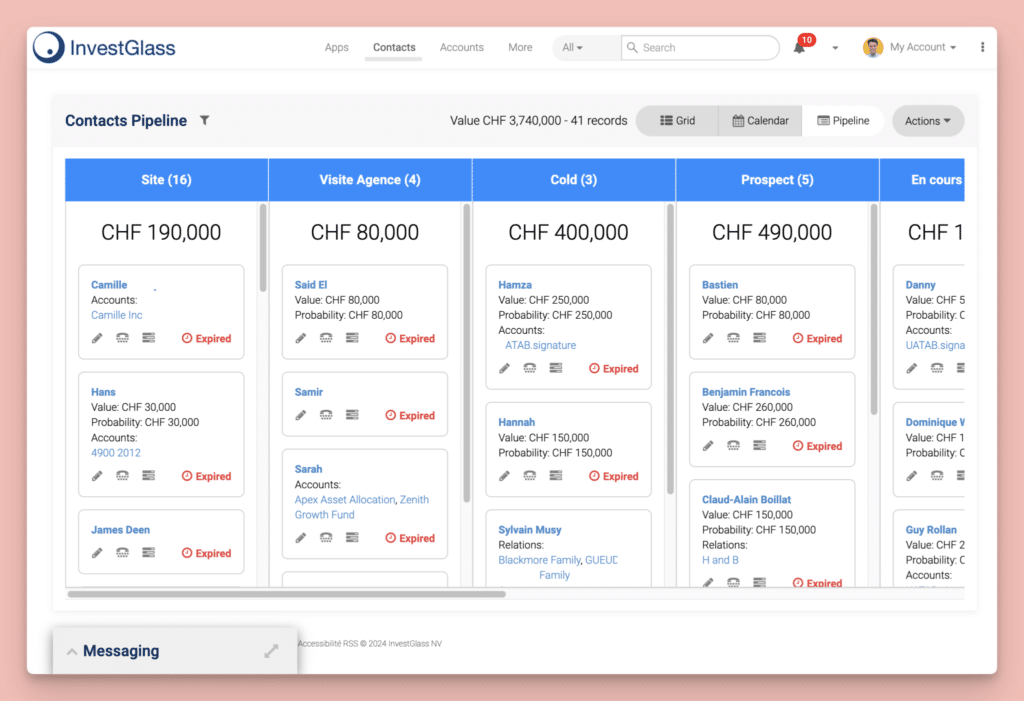
インベストガラス トランザクション監視とAI-駆動型のルールは、循環的な支払い、資金移動の速度、あるいは疑われないように意図された繰り返しの送金など、通常とは異なるパターンを検知することができます。.
ステージ3:統合(インテグレーション):資金が表向きは正当な富として戻ってくる
統合段階は、洗浄された資金が疑いを招くことなく使途、投資、あるいは高級資産としての保有ができるよう、合法的な金融システムに再導入される最終段階です。この時点において、資金はしばしば事業利益、回収された貸付金の返済、投資リターン、配当金の受領、またはキャピタルゲインのように見せかけられ、その不法な出所をさらに隠蔽するためにペーパーカンパニーを通じて送金されることもあります。.
一般的な統合戦略
不動産投資ロンドン、パリ、チューリッヒ、ドバイなどの市場での不動産購入。英国のゴールデンビザ制度は、2023年の取り締まり前に、推定10億から40億ポンドを資金洗浄した。.
合法的な事業の買収ホテル、物流会社、建設会社など、不正な資金が正当な売上に紛れ込む企業。.
高級資産ヨット、プライベートジェット、美術品は、何年も保有されたり転売されたりするため、追跡がほぼ不可能になります。.
証券ポートフォリオ不法な資金が投資資本として入り込み、合法的に見える配当やキャピタルゲインとして表面化する。.
給与体系幽霊従業員に給与を支払い、税金や社会保険料も完納して、合法的な外見を作り出すこと。.
統合におけるレッドフラッグ
- 明確な資金源がないまま高額資産を取得している、申告所得が控えめな顧客
- 不動産購入や事業投資の背後にある複雑な所有構造
- 通常のビジネスパターンに合致しない、頻繁な早期ローン返済
- KYCデータおよび申告された資産形成の源泉と一致しない資産
InvestGlassのポートフォリオ管理と顧客資産概要のヘルプ リレーションシップ・マネージャー コンプライアンス担当者は、申告された資産と取引行動がKYC記録と一致しているかを相互確認します。.
3つの段階に分類される一般的なマネーロンダリングの手法
多くの手法が複数の段階にまたがっていますが、それぞれに主要な要素があります。
テクニック | プライマリーステージ | Key Indicator |
|---|---|---|
Cash smuggling across borders | 配置 | Large cash movements avoiding customs declaration threshold |
Shell and front companies | Layering/Integration | Companies controlled by nominees with no real operations |
Trade-based money laundering | All three | Invoice discrepancies between related parties |
Cryptocurrency mixers | レイヤリング | Funds routed through mixing services before fiat conversion |
Real estate transactions | 統合 | Property purchases inconsistent with declared income |
Focused transaction monitoring rules within InvestGlass can be aligned to specific technique-stage combinations. For example, rules can flag unusual trade patterns, high-risk merchant category codes, or suspicious crypto exposure across SWIFT transfers, SEPA payments, and virtual asset service providers.
3つの段階における規制当局の期待とAML態勢
Effective anti money laundering programmes must combine customer due diligence, ongoing monitoring, and reporting obligations aligned to all three stages of money laundering.
Key regulatory frameworks include:
- FATF Recommendations: Define customer due diligence, 受益権 transparency, and suspicious transactions reporting
- EU AML Directives: Require enhanced due diligence for politically exposed persons and high-risk customers
- Swiss FINMA guidance: Mandates risk-based controls for Swiss financial institutions
- UK Money Laundering Regulations 2017: Updated in 2020 and 2022 with expanded requirements
A designated compliance officer is responsible for ensuring adherence to these AML regulations, reviewing AML strategies, and maintaining ongoing regulatory compliance within the organisation.
ステージごとの操作
ステージ | Key Controls |
|---|---|
配置 | Customer onboarding, source of funds checks, cash activity monitoring, AML reporting threshold compliance |
レイヤリング | Transaction monitoring rules, sanctions screening, network detection for organised crime patterns |
統合 | Ongoing due diligence, periodic KYC reviews, wealth event analysis, scrutiny of real estate transactions |
InvestGlass acts as a sovereign RegTech platform where institutions can centralise KYC records, risk scores, workflow approvals, and alert investigations inside Swiss or on-premise infrastructure, supporting compliance with proliferation financing and terrorism financing requirements.
InvestGlassが3つのステージすべてにおいて機関投資家をサポートする方法
InvestGlass provides integrated capabilities aligned to each money laundering stage:
Placement detection: Digital onboarding and KYC forms collect structured data on source of wealth, occupations, and expected activity. This helps identify suspicious patterns before illicit funds fully enter the financial system.
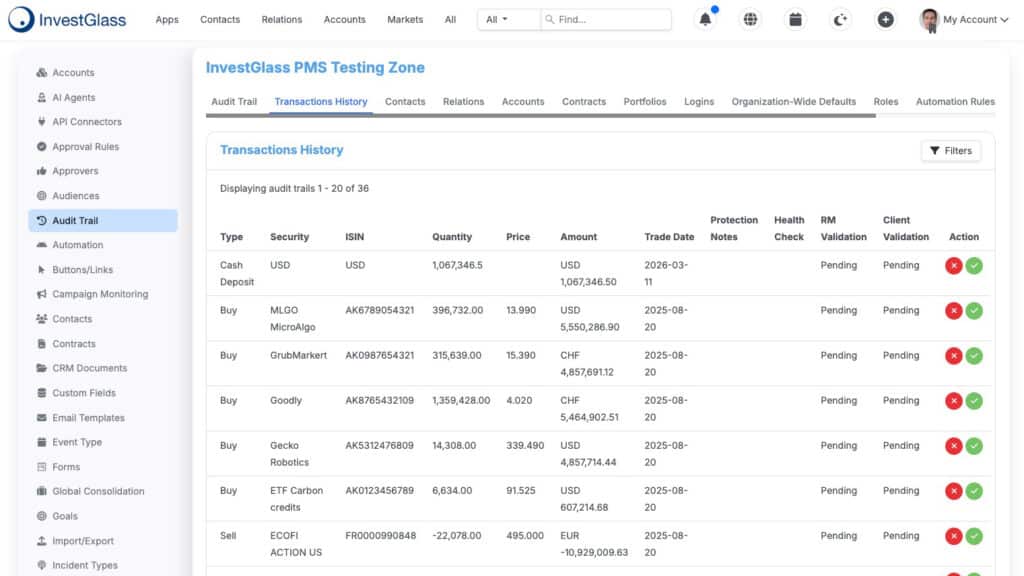
Layering monitoring: CRM and transaction monitoring capabilities enable teams to configure rules for layering behaviour, including rapid fund movements, unusual counterparties, and cross-border flows involving foreign bank accounts.
Integration oversight: Portfolio management and client-wealth views allow compliance staff to verify that declared wealth matches transactional behaviour, flagging integration attempts involving luxury assets or unexplained business ventures.
Case management: Workflow automation features help compliance officers review alerts, document investigations, and file suspicious activity reports efficiently, maintaining a complete audit trail.
スイスのデータ主権: Data stored in Switzerland or on-premise avoids dependence on American or Chinese cloud providers, helping clients protect the sovereignty of their own client data while meeting regulatory requirements across jurisdictions.
金融機関が3つの段階に対処するための実践的な戦略
Senior managers and MLROs can use this framework to strengthen controls:
- Conduct documented risk assessments that explicitly map products, services, geographies, and customer types to money laundering risks at each stage
- Implement risk-based KYC with enhanced due diligence for high-risk clients, complex ownership structures, offshore companies, and politically exposed persons
- デプロイ automated transaction monitoring aligned to institutional risk appetite, with clear escalation paths for suspicious transactions and complete audit trails
- Develop staff training programmes with modules on the three stages, incorporating real case studies like Danske Bank and the Paradise Papers
- Centralise policies and procedures so teams can access up-to-date controls alongside client records, reducing the risk of money laundering activities going undetected
InvestGlass can centralise compliance documentation, training materials, and control frameworks within the CRM, ensuring consistent application across all customer transactions and reducing reputational risks.
マネーロンダリングリスクの軽減
Mitigating money laundering risks is a fundamental responsibility for financial institutions and businesses seeking to protect the integrity of the financial system. The money laundering process, which unfolds across the three stages of placement, layering, and integration, presents multiple opportunities for illicit funds to enter and circulate within the legitimate economy. To prevent money laundering and reduce exposure to financial crime, organisations must adopt a comprehensive anti money laundering (AML) framework that addresses each stage of money laundering.
A robust AML programme begins with thorough customer due diligence, ensuring that the origins of funds and the nature of client relationships are clearly understood from the outset. Financial institutions should implement effective know-your-customer (KYC) procedures, verifying identities, assessing the legitimacy of sources of wealth, and establishing expected patterns of customer transactions. This vigilance is particularly important during the placement stage, where dirty money is most likely to be introduced into the financial system.
Ongoing monitoring of customer transactions is essential to identify suspicious patterns that may indicate potential money laundering. Automated systems can help detect complex transactions, unusual flows of funds, or activity involving high risk jurisdictions. When suspicious transactions are identified, they must be reported promptly to the relevant authorities, such as the Financial Crimes Enforcement Network, in accordance with regulatory requirements.
Regular staff training is another critical element in mitigating money laundering risks. Employees should be equipped to recognise the red flags associated with each stage of money laundering, from large cash deposits to intricate layering schemes and unexplained integration of wealth. Periodic audits and reviews of AML controls help ensure that policies remain effective and adapt to emerging threats.
Businesses should also be mindful of the specific risks associated with certain transaction types, such as cash-intensive operations or dealings with offshore companies. By maintaining accurate records, conducting enhanced due diligence for higher-risk clients, and staying informed about the latest regulatory developments, organisations can strengthen their defences against money launderers.
Ultimately, preventing money laundering requires a proactive and dynamic approach. By understanding the three stages of money laundering, implementing robust AML measures, and fostering a culture of compliance, financial institutions and businesses can help safeguard the legitimate financial system from the infiltration of illicit funds.
主要な事例から学ぶ現実世界の例と教訓
Public enforcement cases illustrate how the three stages operate at scale and where controls failed.
Danske Bank Estonia (2007-2015): €200 billion in suspicious non-resident flows revealed systematic weaknesses in KYC at placement, inadequate transaction monitoring during layering, and acceptance of unexplained wealth at integration. The scandal resulted in €4 billion in fines and demonstrated how combating money laundering requires end-to-end controls.
Panama Papers (2016): The leak of 11.5 million documents from Mossack Fonseca revealed extensive use of offshore shell companies for layering criminal proceeds. Professional money launderers exploited opacity in secrecy jurisdictions to help clients integrate illicit money as apparently legitimate business profits.
主要な教訓
- Insufficient verification of beneficial ownership enables placement of illegal activities proceeds
- Lack of effective monitoring allows complex layering flows to pass undetected
- Acceptance of unexplained wealth permits successful integration
- Integrated RegTech solutions like InvestGlass can close gaps across all three stages
マネーロンダリングの段階に関する概要と主要なポイント
The three stages of money laundering, placement, layering, and integration, remain the foundational framework for understanding and combating money laundering. Each stage presents distinct opportunities for detection and distinct challenges for compliance teams.
主なポイント:
- Placement offers the best chance for early detection through cash monitoring and source of funds verification
- Layering exploits complexity, cross-border flows, and opaque structures, requiring sophisticated transaction monitoring
- Integration is harder to spot without strong KYC and holistic client views that compare declared wealth against actual behaviour
- End-to-end AML programmes must tie together onboarding, monitoring, and reporting across all stages
- Financial institutions must pay expenses on robust compliance infrastructure to prevent terrorist financing and financial crime
InvestGlass provides a Swiss sovereign alternative for institutions seeking to enhance AML controls while maintaining full data control. By avoiding reliance on American or Chinese infrastructure, organisations protect the sovereignty of their client data while meeting regulatory expectations.
Compliance officers, CROs, and COOs should review their current controls against the three-stage framework and evaluate whether an integrated CRM and AML workflow platform could address identified gaps. Effective prevention of money laundering starts with understanding these stages and mapping controls to each one.


