
Indice dei contenuti
- The Dawn of Autonomous Intelligence: A New Era for Business
- Key Takeaways for Your Business
- What Exactly is an AI Agent?
- Unpacking Agentic AI: Beyond Simple Automation
- The Fundamental Differences: AI Agents vs. Agentic AI
- Why This Distinction Matters for Your Enterprise
- InvestGlass and the Agentic Future: Swiss Sovereignty in Action
- Implementing Agentic AI: Best Practices and Considerations
- The Transformative Power of Agentic AI in Various Industries
- Domande frequenti (FAQ)
The Dawn of Autonomous Intelligence: A New Era for Business
Imagine a world where your business processes not only run themselves but also adapt, learn, and even anticipate future needs without constant human oversight. This is not a distant sci-fi fantasy, but the rapidly approaching reality driven by advancements in artificial intelligence. You might have heard terms like ‘AI agents’ and ‘agentic AI’ circulating, often used interchangeably, yet they represent distinct concepts with profound implications for how you manage your operations and engage with clients. Understanding the nuances between these two is crucial for any forward-thinking organisation looking to harness the true power of AI. Are you ready to unlock unprecedented levels of efficiency and innovation, or will you be left behind, struggling with outdated automation strategies? Let InvestGlass guide you through this complex, yet exciting, landscape.
Key Takeaways for Your Business
AI agents are task-specific, rule-driven tools designed for automating repetitive processes within defined boundaries. They excel at focused automation but lack the broader orchestration capabilities of agentic AI. Agentic AI represents a higher level of autonomy, enabling systems to plan, reason, and coordinate actions across multiple agents and tools to achieve complex, overarching business goals. It adapts dynamically to new information. The distinction is vital for effective AI adoption; misapplying these technologies can lead to inefficiencies and suboptimal outcomes. Agentic AI offers transformative potential for entire industries, while AI agents provide targeted efficiency gains. InvestGlass, with its commitment to Swiss sovereignty, provides a secure and robust platform for deploying both AI agents and agentic AI solutions, ensuring data protection and compliance. Implementing agentic AI requires careful consideration of governance, risk management, and continuous monitoring to mitigate potential challenges and ensure ethical deployment. The future of AI points towards increasingly autonomous systems, with agentic AI poised to handle a significant portion of daily work decisions, driving productivity and innovation across various sectors.
What Exactly is an AI Agent?
An AI agent is essentially a software-based system engineered to perceive its environment, process that information, and then take specific actions to achieve a predefined goal. Think of them as highly specialised virtual assistants for specific functions, similar in concept to Google Assistant but built for a narrower business purpose. In a business context, this often translates to handling well defined tasks through task level automation. For instance, an AI agent might be responsible for retrieving a specific client record from your InvestGlass CRM system for financial services, validating data entries, routing customer service requests to the correct department, or generating automated responses based on established protocols. They can also automate tasks such as routing requests at scale or suggest relevant products in retail or manage patient relationships in dental practices based on user behaviour. They operate within explicit boundaries and permissions; unlike traditional ai, ai agents rely on predefined logic, rules, or narrow models to interpret inputs and make decisions. These agents frequently interact with various enterprise systems and tools, often connecting multiple tools, to carry out their assigned actions, making them invaluable for streamlining individual processes, especially when embedded into an all-in-one InvestGlass automation platform. However, it is important to remember that while highly efficient at their designated tasks, individual AI agents are not inherently designed to orchestrate complex, end-to-end workflows that span multiple systems or require dynamic, adaptive planning. Their strength lies in focused automation, and ai agents excel in narrow execution rather than broad orchestration. They are reactive by nature, responding to triggers or user prompts, and their learning capabilities are typically limited to their narrow domain, improving through developer updates or refined training data. This makes them excellent for automating repetitive tasks, but less suited for scenarios demanding significant autonomy or cross-functional reasoning.
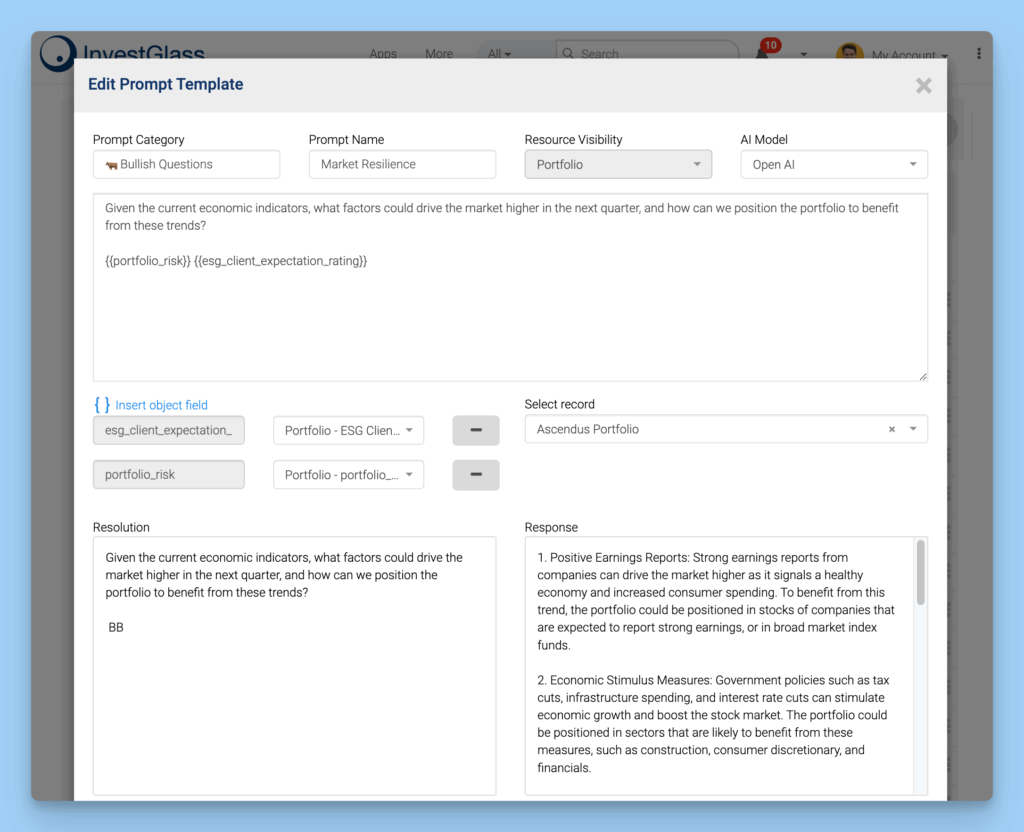
InvestGlass IA agenziale per venditori e banchieri
Unpacking Agentic AI: Beyond Simple Automation
If AI agents are the specialised tools in your digital toolbox, then the difference in agent vs agentic ai is that the term agentic ai refers to the master craftsman who knows precisely how to use those tools, when to use them, and how to adapt their approach to build something truly remarkable. Agentic AI refers to sophisticated systems capable of autonomous decision-making and action, going far beyond merely responding to commands or analysing data. Agentic ai operates with greater autonomy than task-bound agents, setting its own goals, formulating intricate plans, and executing tasks with minimal human intervention while constantly learning and adapting as it goes. This is the true revolution: agentic systems act as coordinated, goal-driven frameworks that reason, plan, and orchestrate across multiple agents, tools, and enterprise systems rather than functioning as isolated automations. Consider how InvestGlass helps you manage customer relationships; agentic AI could take that a step further, proactively identifying client needs, orchestrating personalised outreach campaigns, and even adapting sales strategies based on real-time market shifts. It’s about automating entire processes end-to-end, rather than just isolated steps.
At its core, agentic AI embodies a continuous cycle of perception, reasoning, planning, action, and reflection. It perceives information from its environment, uses a large language model as part of broader ai models that enable reasoning and planning over that data, develops strategic plans, executes actions, and then reflects on the outcomes to learn and improve. Depending on the use case, it may coordinate specialized ai agents or rely on a single agent. This dynamic adaptation is what sets it apart. It’s not just following a script; it’s writing and rewriting the script as circumstances evolve. For example, an agentic AI system could monitor financial markets, perform data analysis, identify emerging trends, and select the best course of action within predefined risk parameters, all while providing transparent audit trails for compliance. This level of autonomy and adaptability is what makes agentic AI a game-changer for organisations seeking to optimise workflows and drive innovation. It moves beyond task automation to intelligent orchestration of multi step processes, ensuring that your digital operations are not just efficient, but also resilient and forward-thinking. This is a significant leap from the reactive nature of individual AI agents, demanding a more holistic and strategic approach to implementation. The potential for busines transformation is immense.
The Fundamental Differences: AI Agents vs. Agentic AI
To truly grasp the implications of these technologies, we must clearly delineate the ai agent vs agentic distinction. While they share a common foundation in artificial intelligence, their scope, capabilities, and intended applications vary significantly. It is not merely a matter of scale, but a fundamental difference in design and purpose. Understanding these distinctions is critical because each level of ai capability must match the right system to the right business need.
Here is a breakdown of the key differences:
In practice, traditional ai agents handle defined tasks, while more autonomous agentic approaches coordinate decisions across wider workflows.
This comparison highlights that while AI agents are excellent for streamlining specific tasks, agentic AI provides the orchestration layer necessary for complex, enterprise-wide automation. Most ai agents are constrained systems built for the specific workflows they are designed to support, whereas agentic AI can coordinate multiple ai agents across broader processes. You might deploy an AI agent to handle initial customer inquiries, but you would use agentic AI to manage the entire customer lifecycle, from initial contact through to resolution and follow-up, coordinating multiple agents and systems along the way. The choice between the two depends entirely on the complexity of the problem you are trying to solve and the level of autonomy you require. Misapplying these technologies—expecting an AI agent to handle complex, cross-functional workflows, for instance—can lead to significant inefficiencies and frustration. Therefore, a clear understanding of these differences is the first step towards successful AI adoption.
Why This Distinction Matters for Your Enterprise
Understanding the fundamental differences between AI agents and agentic AI is not merely an academic exercise; it has profound practical implications for your business. The strategic deployment of these technologies can be a significant differentiator, impacting everything from operational efficiency to competitive advantage. Choosing the right AI approach should align with business goals and risk tolerance, ensuring optimal performance and cost-effectiveness while preventing the misapplication of resources that can lead to suboptimal outcomes and wasted investment. For example, deploying a simple AI agent for a task that requires dynamic adaptation and multi-system orchestration should prompt the same evaluation used when deploying ai agents versus adopting a broader agentic ai approach – it might get the job done eventually, but not efficiently or effectively.
Effective AI adoption hinges on this clarity. AI agents are ideal for straightforward, repetitive tasks where the rules are clear and the outcomes predictable. They can significantly improve efficiency in specific areas, such as reducing resolution times in IT support or automating routine data entry into your InvestGlass CRM. However, for complex, adaptive scenarios that demand reasoning across multiple domains and continuous learning, agentic AI is the superior choice. It empowers organisations to automate entire processes end-to-end, transforming workflows and driving innovation. Consider the difference between an AI agent that automates a single step in a KYC verification process and an agentic AI system that manages the entire KYC verification and remediation process , adapting to new regulatory requirements and proactively identifying potential compliance issues. The latter offers a far greater strategic advantage.
Risk management is another critical aspect where this distinction becomes paramount. AI agents, with their limited scope and predictable behaviour, are generally safer for low-risk applications. Their actions are constrained by predefined rules, making their behaviour easier to audit and control. Agentic AI, by its very nature, introduces a higher degree of autonomy and, consequently, potential risks. Unpredictable behaviour, the potential for data exposure through interconnected agents, and increased coordination complexity are all factors that must be carefully managed. This necessitates robust governance frameworks, continuous monitoring, and stringent auditing processes to mitigate risks effectively. Risk assessment should be a core step before scaling autonomous systems. For InvestGlass clients, this means leveraging our Swiss sovereignty and secure infrastructure to ensure that even the most autonomous agentic AI systems operate within a trusted and compliant environment, safeguarding sensitive data and maintaining regulatory adherence.
“The future of business intelligence isn’t just about collecting data; it’s about intelligently acting on it, autonomously and proactively,” states Alexandre Gaillard, CEO of InvestGlass. “Our clients demand solutions that not only streamline their operations but also provide a competitive edge while upholding the highest standards of data security and compliance. This is where agentic AI, built on a foundation of robust AI agents, truly shines, especially within a framework of La sovranità digitale svizzera.”
The business impact of agentic AI is transformative. While AI agents offer incremental improvements in efficiency, agentic AI has the potential to revolutionise entire industries. By enabling autonomous systems that drive productivity, foster innovation, and generate significant cost savings, agentic AI can reshape how businesses operate. From healthcare to logistics, and particularly in financial services, the ability of agentic AI to manage complex, dynamic tasks with minimal human oversight is a game-changer, especially when applied to Strategie di gestione del portafoglio guidate dall'IA. It allows human talent to focus on higher-value, creative, and strategic initiatives, leaving the intricate orchestration of operational processes to intelligent autonomous systems. This shift is not just about doing things faster; it’s about doing entirely new things, unlocking capabilities that were previously unimaginable. The market is already seeing this shift; a report by Gartner in 2023 indicated that 40% of enterprise applications will include task-specific AI agents by 2026, up from under 5% in 2025 [1]. A separate survey found that 91% of IT executives believe non-technical teams drive agentic AI initiatives. This rapid adoption underscores the growing recognition of AI agents’ value, paving the way for more sophisticated agentic AI deployments.
Content Upgrade Box: Elevating Your CRM with AI Discover how to successfully integrate AI agents into your existing InvestGlass CRM system to automate routine tasks, enhance data quality, and free up your sales and marketing teams for more strategic activities. Learn about the practical steps to identify suitable processes for automation and ensure a seamless transition. How to Successfully Use a CRM System
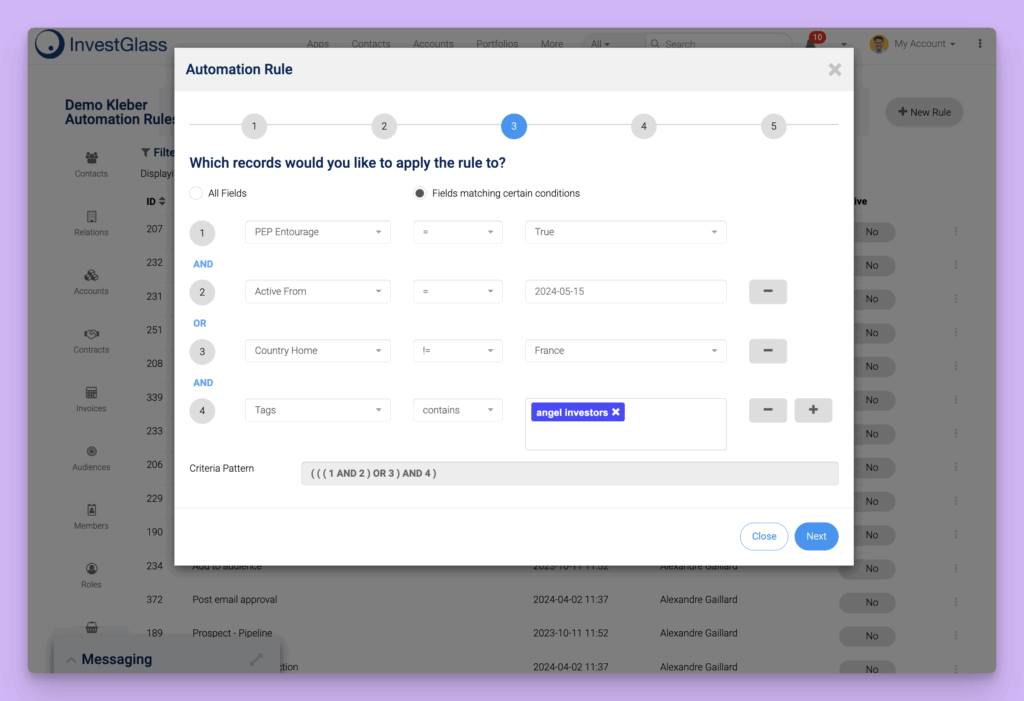
Automazione di InvestGlass per il KYC
InvestGlass and the Agentic Future: Swiss Sovereignty in Action
In a world increasingly reliant on digital solutions, the foundation upon which these technologies are built is paramount. For InvestGlass, this foundation is rooted in Swiss sovereignty, a commitment that extends to every aspect of our platform, including the deployment of advanced AI agents and agentic AI systems. You see, while the allure of autonomous AI is undeniable, the underlying concerns about data privacy, security, and regulatory compliance are equally significant. This is where the InvestGlass advantage becomes clear. Our dedication to Swiss data protection laws, which are among the strictest globally, provides an unparalleled level of assurance for your sensitive information. When you leverage InvestGlass, you are not just adopting cutting-edge AI; you are embracing a secure, compliant, and trustworthy ecosystem. This commitment to data integrity and privacy is a cornerstone of our offering, ensuring that your journey into the agentic future is both innovative and secure. The Swiss approach to data protection is renowned worldwide, providing a robust framework that safeguards sensitive information against unauthorised access and misuse. This is particularly vital in the context of AI, where vast amounts of data are processed and analysed. InvestGlass ensures that your AI operations are not only efficient but also ethically sound and legally compliant, giving you peace of mind in an increasingly complex digital landscape.
InvestGlass understands that the future of finance, wealth management, and customer relationship management hinges on intelligent automation that respects privacy and adheres to stringent ethical guidelines, particularly as banks explore IA agentiva per il rilevamento delle frodi e l'esperienza del cliente. Our platform is designed to facilitate the seamless integration of AI agents for specific tasks, such as automating client onboarding processes or streamlining portfolio management for private banks. Furthermore, our architecture supports the development and deployment of sophisticated agentic AI solutions that can orchestrate complex workflows across your entire organisation. Imagine an agentic AI system within InvestGlass that not only manages your sales pipeline but also proactively identifies cross-selling opportunities, personalises client communications, and ensures every interaction complies with local and international regulations. This is the power of agentic AI, amplified by the inherent security and reliability of InvestGlass Swiss sovereignty. Our solutions are built to empower your business with intelligent automation, while simultaneously upholding the highest standards of data protection and regulatory compliance. This dual focus on innovation and security is what sets InvestGlass apart, making us the ideal partner for your AI journey.
Content Upgrade Box: The Power of Digital Onboarding Streamline your client acquisition process with InvestGlass’s digital onboarding solutions. Learn how agentic AI can automate identity verification, document collection, and compliance checks, reducing manual effort and improving customer experience. Explore the benefits of a seamless and secure onboarding journey. La guida definitiva all'onboarding digitale per il settore bancario
Implementing Agentic AI: Best Practices and Considerations
Implementing agentic AI successfully requires more than just understanding its technical capabilities; it demands a strategic approach that addresses governance, ethics, and operational integration. Implementation choices should reflect business complexity, oversight needs, and risk tolerance. The complexity and autonomy of agentic AI systems mean that careful planning and execution are paramount to realising their full potential while mitigating associated risks. A haphazard approach can lead to unintended consequences, undermining the very benefits you seek to achieve. Therefore, consider these best practices as you embark on your agentic AI journey.
Firstly, define clear objectives and scope. Before deploying any agentic AI system, articulate precisely what you aim to achieve. Teams should also assess whether they need simple agents for well defined tasks or more autonomous systems that can support business operations. What specific business problems will it solve? What are the measurable outcomes? Clearly defined objectives will guide the development and deployment process, ensuring that the AI system aligns with your strategic goals. Without a clear vision, even the most advanced agentic AI can become a solution in search of a problem, leading to wasted resources and disillusionment. This clarity is especially important when integrating with existing systems like your InvestGlass CRM, where seamless operation is key.
Secondly, prioritise data quality and accessibility. Agentic AI systems thrive on high-quality, relevant data. Ensure your data sources are clean, accurate, and readily accessible. Poor data quality will inevitably lead to flawed decision-making and suboptimal performance from your AI. InvestGlass provides robust data management tools that can help you consolidate and cleanse your data, creating a solid foundation for your agentic AI initiatives. Remember, the intelligence of your AI is only as good as the data it consumes.
Thirdly, establish robust governance and ethical frameworks. The autonomous nature of agentic AI necessitates strong oversight. Develop clear guidelines for decision-making, accountability, and human intervention. By 2026, half of enterprise AI governance frameworks will include real-time monitoring. Address ethical considerations such as fairness, transparency, and privacy from the outset. This is where InvestGlass’s commitment to Swiss sovereignty becomes a significant advantage, offering a regulatory environment that prioritises data protection and ethical AI deployment. Our platform is designed to help you maintain compliance and trust, even as your AI systems become more autonomous. The regulatory landscape around AI is evolving rapidly, and having a framework that anticipates these changes is crucial for long-term success.
Fourthly, adopt a phased implementation approach. Start with smaller, well-defined projects to gain experience and build confidence. Begin with narrow use cases in software development or operations before scaling autonomy. Gradually expand the scope and complexity of your agentic AI deployments as you learn and refine your strategies. This iterative approach allows for continuous improvement and reduces the risk of large-scale failures. It also provides opportunities to demonstrate early successes, building internal support and momentum for broader adoption. Think of it as a series of controlled experiments, each building on the last.
Fifthly, foster a culture of continuous learning and adaptation. Agentic AI systems are designed to learn and evolve. Your organisation must also be prepared to adapt. Invest in training your teams to work alongside AI, understand its capabilities, and interpret its outputs. Establish mechanisms for continuous monitoring and evaluation, allowing you to fine-tune your AI systems and address any emerging issues promptly. This ongoing engagement ensures that your agentic AI remains effective and aligned with your evolving business needs. The partnership between human intelligence and artificial intelligence is key to unlocking true transformative potential.
Finally, ensure seamless integration with existing infrastructure. Agentic AI should augment, not disrupt, your current operations. Choose platforms like InvestGlass that offer flexible APIs and integration capabilities, allowing your AI systems to interact smoothly with your existing CRM, ERP, and other critical business applications. Some deployments may begin with robotic process automation or a single agent before expanding into broader agentic systems. This ensures a cohesive and efficient ecosystem, maximising the value of your AI investments. The goal is to create a synergistic environment where all your systems work together harmoniously. The complexity of integrating new technologies can often be a stumbling block, but with careful planning and the right platform, it can be a smooth transition.
The Transformative Power of Agentic AI in Various Industries
Agentic AI is not confined to a single sector; its transformative potential spans across a multitude of industries, reshaping operations, enhancing customer experiences, and transforming industries through better automation, adaptability, and decision-making. From finance to healthcare, and from manufacturing to retail, the ability of agentic AI to orchestrate complex tasks autonomously is proving to be a game-changer. Let us explore some key examples of how this advanced form of AI is making a tangible impact.
In the financial services sector, agentic AI is revolutionising everything from fraud detection to personalised wealth management. Imagine an agentic AI system that continuously monitors transactions for anomalies, not just flagging suspicious activities but also autonomously initiating investigations, freezing accounts, and notifying relevant authorities, all while adhering to strict regulatory compliance and supporting wider business operations. For wealth managers, agentic AI can analyse vast amounts of market data, predict trends, and autonomously rebalance client portfolios based on individual risk profiles and financial goals, freeing up human advisors to focus on high-value client relationships and enabling more gestione efficace del portafoglio utilizzando l'IA. Advanced deployments can also generate code or trigger automated scripts when conditions require it. InvestGlass, with its secure and compliant platform, is at the forefront of enabling such sophisticated applications, ensuring that financial institutions can leverage agentic AI with confidence, knowing their data is protected by Swiss sovereignty. The precision and speed of agentic AI in these scenarios far exceed human capabilities, leading to more secure and efficient financial operations.
In healthcare, agentic AI holds the promise of transforming patient care and operational efficiency. Consider an agentic AI system that manages patient pathways, from initial diagnosis through to treatment and follow-up. It could coordinate appointments, order tests, monitor patient vital signs, and even suggest personalised treatment plans based on real-time data and medical research, all while ensuring patient privacy and data security. This could lead to earlier diagnoses, more effective treatments, and a significant reduction in administrative burden for healthcare professionals, mirroring how specialised CRM solutions for therapists already streamline patient workflows and compliance. The ability to process and synthesise complex medical information rapidly allows for more informed decision-making and better patient outcomes.
Manufacturing and logistics are also ripe for agentic AI disruption. In manufacturing, agentic AI can optimise production lines, predict equipment failures, and autonomously adjust supply chains to respond to fluctuating demand or unforeseen disruptions. In logistics, it can manage entire fleets of autonomous vehicles, optimising routes, scheduling deliveries, and even handling unexpected events like traffic delays or vehicle breakdowns. This leads to increased efficiency, reduced costs, and more resilient operations. The ability of agentic AI to adapt to dynamic environments is particularly valuable in these fast-paced sectors.
Retail is another area where agentic AI is set to redefine customer engagement and operational efficiency. Agentic AI can power highly personalised shopping experiences, from recommending products that suggest relevant products based on individual behaviour and purchase history to managing inventory levels and optimising pricing strategies in real-time. It can also automate customer service interactions, resolving complex queries and proactively offering assistance based on customer behaviour. These systems can also support human agents by handling routine issues before escalation. This results in increased customer satisfaction, higher sales, and more efficient inventory management. The ability to anticipate customer needs and respond dynamically creates a truly engaging shopping experience.
“The integration of agentic AI into core business functions is no longer a luxury, but a necessity for competitive advantage,” says Alexandre Gaillard, CEO of InvestGlass. “Organisations that embrace this shift, particularly those that prioritise secure and compliant deployment, will be the ones that lead their respective markets. Our commitment to Swiss sovereignty ensures that our clients can innovate with confidence, knowing their data and operations are protected.” This highlights the critical role of a trusted platform like InvestGlass in facilitating the adoption of advanced AI solutions. The ethical considerations and data security aspects are paramount, and InvestGlass provides a robust solution that addresses these concerns head-on.
The market for agentic AI is experiencing exponential growth. A report by IDC in 2024 projected that global spending on AI systems, including agentic AI, would exceed $500 billion by 2027, with a significant portion allocated to solutions that drive autonomous decision-making and process orchestration [2]. This growth is fuelled by the increasing recognition among businesses of the tangible benefits that agentic AI can deliver, from enhanced productivity to improved customer satisfaction. This broader wave of ai technology is increasing demand for more autonomous and intelligent systems. The demand for intelligent automation that can adapt and learn is driving this rapid expansion, making agentic AI a key investment for forward-thinking enterprises. The future of work will undoubtedly involve a symbiotic relationship between human and agentic AI, where complex tasks are handled with unprecedented efficiency and intelligence.
Content Upgrade Box: Building a Future-Proof Sales Pipeline Learn how InvestGlass can help you construct a robust sales pipeline, integrating AI agents to automate lead qualification with optimal lead scoring models, nurture prospects, and predict sales outcomes. Discover strategies for optimising your sales process and driving consistent revenue growth. What is a Sales Pipeline and How Do You Build One?
Domande frequenti (FAQ)
What is the primary difference between an AI agent and agentic AI?
In agent vs agentic AI terms, an AI agent is typically designed for specific, predefined tasks, operating within strict rules. Agentic AI, conversely, is a more sophisticated system capable of autonomous decision-making, planning, and orchestrating multiple tasks to achieve complex goals, adapting dynamically to new information.
Why is Swiss sovereignty important for AI deployment?
Swiss sovereignty ensures that data processed by AI systems is protected under some of the world’s strictest data privacy laws. This provides unparalleled security, compliance, and trust, especially crucial for sensitive financial and personal data handled by platforms like InvestGlass.
Can AI agents and agentic AI work together?
Absolutely. AI agents can serve as components within a larger agentic AI system. The agentic AI can orchestrate and coordinate multiple AI agents across workflows to achieve broader, more complex objectives, including teams of specialized AI agents with distinct roles.
What are the main benefits of implementing agentic AI in a business?
The benefits include enhanced operational efficiency, autonomous decision-making, improved adaptability to changing market conditions, significant cost savings, and the ability to unlock new levels of innovation and strategic advantage. As organisations mature, more AI systems can become autonomous across the enterprise.
What are the potential risks associated with agentic AI?
Potential risks include unpredictable behaviour due to high autonomy, challenges in auditing and control, and increased complexity in ensuring data security and compliance. Robust governance and monitoring are essential to mitigate these risks.
How does InvestGlass support the implementation of agentic AI?
InvestGlass provides a secure, compliant, and robust platform rooted in Swiss sovereignty, offering tools for data management, integration with existing systems, and a framework that supports ethical and responsible AI deployment.
Is agentic AI suitable for small businesses?
While often associated with large enterprises, agentic AI can be scaled to suit businesses of all sizes. Small businesses can start with targeted agentic AI solutions to automate specific complex workflows and gradually expand.
What industries are most impacted by agentic AI?
Industries such as financial services, healthcare, manufacturing, logistics, and retail are experiencing significant transformation through agentic AI, due to its ability to manage complex, dynamic tasks with minimal human oversight. It is also gaining traction in software development, where coordinated planning and execution matter.
How can businesses ensure ethical AI deployment?
Ethical AI deployment requires establishing clear governance frameworks, prioritising data privacy, ensuring transparency in decision-making, and implementing continuous monitoring and auditing processes, all of which are supported by InvestGlass’s secure environment.
What is the future outlook for agentic AI?
The future outlook for agentic AI is one of exponential growth and increasing integration into core business functions. It is expected to drive significant productivity gains and reshape how businesses operate, fostering a symbiotic relationship between human and artificial intelligence, from commercial banks to AI-augmented central banking and monetary policy.

