
Punti di forza
Questa guida alle RFP bancarie è una guida passo-passo per il 2026 per la gestione di una RFP bancaria per la gestione della tesoreria, i prestiti, le piattaforme digitali, CRM, portali per i clienti o tecnologia di base. Si concentra su rischio, conformità, sicurezza informatica, sovranità dei dati e selezione oggettiva dei fornitori.
- Una RFP bancaria è sia un documento RFP formale sia un processo RFP strutturato utilizzato per confrontare servizi bancari e partner tecnologici.
- Il team delle RFP dovrebbe includere finanza, tesoreria, IT, rischi, legale, approvvigionamento, utenti aziendali e risorse umane, garantendo un processo ben strutturato che aumenti l'efficienza riducendo al minimo i ritardi e la confusione.
- I moderni RFP bancari devono valutare la residenza dei dati, la resilienza operativa, le capacità di intelligenza artificiale, la sicurezza, lecommissioni e le prestazioni.
- InvestGlass supporta le organizzazioni regolamentate con una sede svizzera sovrano Piattaforma CRM e di automazione per la gestione di documenti, approvazioni, punteggi e comunicazioni.
- InvestGlass è progettato per le istituzioni che cercano una soluzione non americana e non cinese che protegga la sovranità dei clienti.
Introduzione: Cos'è una RFP bancaria oggi?
Entro il 2026, le RFP bancarie sono andate ben oltre il semplice confronto dei prezzi. Una richiesta di offerta (RFP) ben strutturata è essenziale per un procurement di successo nel settore bancario, fungendo da questionario completo che invita i fornitori a presentare proposte dettagliate. Fornire informazioni chiare e dettagliate nella RFP aiuta i decisori a fare una scelta informata, consentendo risposte esaustive e comparabili. Il modulo RFP dovrebbe essere personalizzato per comunicare chiaramente gli obiettivi e le specifiche organizzative, garantendo risposte pertinenti e accurate.
Una richiesta di proposta (RFP) bancaria viene emessa a una banca, a un fornitore fintech o a un fornitore di servizi per richiedere informazioni dettagliate su servizi, tecnologia, conformità, modello di relazione e struttura delle commissioni. È anche un processo ripetibile, che va dalla valutazione delle esigenze ai punteggi, dalla negoziazione alla decisione finale. Le organizzazioni devono decidere le aree di focus e i criteri di valutazione per garantire l'allineamento con i propri obiettivi. Per le istituzioni svizzere ed europee, il documento deve affrontare esplicitamente la residenza dei dati, la sovranità e le aspettative normative, inclusi DORA.
Quando lanciare una RFP per i servizi bancari
Una RFP dovrebbe essere riservata a servizi bancari ad alto impatto, pluriennali o di importanza strategica, non a acquisti di routine. I fattori scatenanti comuni includono la sostituzione di un fornitore attuale dopo un lungo rapporto, il consolidamento delle banche dopo una fusione, il lancio onboarding digitale, o aggiungendo la gestione del portafoglio e l'integrazione CRM. Nel decidere di lanciare una RFP, le organizzazioni dovrebbero considerare fattori chiave come l'importanza strategica, il rischio e l'allineamento con gli obiettivi a lungo termine.
Gli enti regolamentati possono indire una nuova gara d'appalto ogni tre-cinque anni, soprattutto quando i membri del consiglio di amministrazione richiedono una revisione dei fornitori di servizi critici. Il processo di RFP richiede un'attenta pianificazione e coordinamento per garantire che l'organizzazione ottenga i servizi di cui ha bisogno, il che include la definizione di obiettivi chiari e la valutazione delle risorse prima di emettere la RFP.
Usa una richiesta di informazioni (RFI) per una ricognizione preliminare del mercato, un rinnovo diretto per la continuità a basso rischio e una completa RFP quando investimento, rischio, tecnologia o obiettivi a lungo termine cambiano sostanzialmente.

Preparazione interna: Governance, ambito e il team della RFP
Una solida preparazione determina la qualità delle risposte dei fornitori e il successo della selezione finale. Nominare un executive sponsor, solitamente il CFO, il COO o il Responsabile della Tesoreria, con autorità approvata dal consiglio di amministrazione o dal comitato direttivo.
Crea un team per le RFP composto da finanza, tesoreria, operazioni, IT, cybersecurity, gestione dei rischi, conformità, approvvigionamento, risorse umane e linee di business. Il team dovrebbe tenere riunioni di avvio per definire ambito, obiettivi, criteri di valutazione, priorità, scadenze, regole di contatto e comunicazioni.
Mappa i servizi esistenti, le lacune, i vincoli legacy e gli obblighi normativi in un registro dei requisiti. Utilizza una matrice rigorosa per suddividere le aspettative aziendali in “requisiti obbligatori imprescindibili”, “valore aggiunto opzionale” e “considerazioni neutrali/future” per escludere i fornitori non conformi.
InvestGlass può fungere da spazio di lavoro sovrano ospitato in Svizzera o on-premise, mantenendo documenti RFP, approvazioni, domande di chiarimento e tracce di audit in un unico ambiente controllato. L'utilizzo di risorse utili come modelli di esempio e liste di controllo può inoltre supportare la preparazione del team RFP e garantire un processo agevole.
Progettare il documento RFP: struttura, contenuti e domande indispensabili
Una richiesta di offerta (RFP) bancaria completa dovrebbe essere organizzata in sezioni distinte e strutturate logicamente. Le componenti fondamentali di un documento RFP dovrebbero includere una chiara introduzione, l'ambito del progetto, requisiti dettagliati, criteri di valutazione e linee guida per la presentazione, al fine di garantire chiarezza e comparabilità nelle risposte dei fornitori. È inoltre essenziale essere preparati a rispondere tempestivamente e chiaramente alle domande dei fornitori durante il processo, poiché ciò garantisce equità e chiarezza per tutti i partecipanti.
Un documento RFP dovrebbe esprimere termini specifici riguardo a ciò che l'organizzazione sta cercando, comprese informazioni dettagliate sui servizi richiesti, per evitare di ricevere proposte vaghe o irrilevanti. Standardizzate le risposte dei fornitori fornendo alle banche un questionario chiaro e un formato di prezzo da seguire per prevenire proposte non corrispondenti.
Includi sezioni per:
- Contesto, obiettivi e risultati attesi
- Ambito dei servizi bancari
- Requisiti tecnici, integrazioni e API
- Sicurezza, conformità e resilienza operativa
- Protezione dei dati, sovranità, backup e sub-responsabili
- Livelli di servizio, supporto, commissioni e tabelle dei prezzi
- Formato di invio, lista di controllo e scadenze
Chiedere agli offerenti di identificare dove sono archiviati i dati, chi può accedervi e se vengono utilizzati sub-responsabili americani o cinesi. Chiedere inoltre informazioni su KYC, AML, onboarding digitale, intelligenza artificiale e portali per i clienti., strumenti di portfolio e formazione.
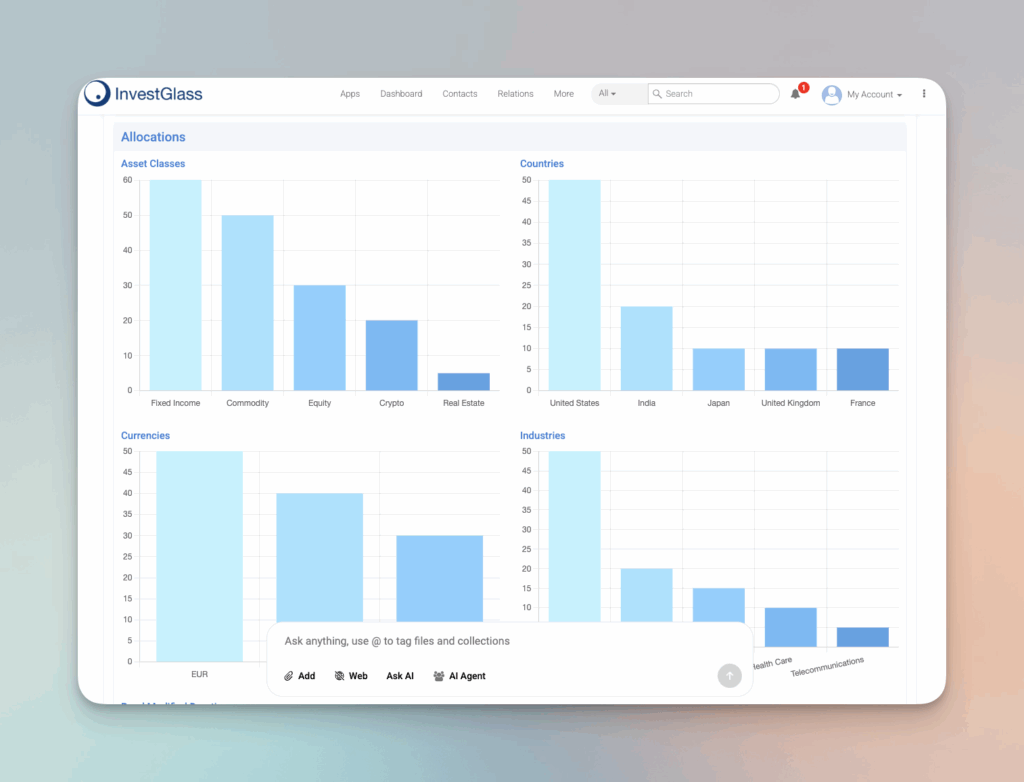
Il flusso di lavoro del processo RFP end-to-end
I flussi di lavoro disciplinati proteggono l'equità, la trasparenza e la difendibilità normativa. Un tipico processo di RFP bancario richiede solitamente da 10 a 12 settimane dalla pubblicazione alla selezione, sebbene la pianificazione completa, la contrattualizzazione e l'onboarding possano estendere il progetto complessivo.
Delinea una timeline rigorosa con date esplicite per il periodo di domande e risposte, il termine per la presentazione delle offerte, le presentazioni dei finalisti e la data di implementazione prevista. Un flusso pratico è:
- Pianificazione e approvazione interna
- Bozza del documento di RFP
- Market sounding o RFI
- Invita potenziali fornitori
- Sessione di domande e risposte
- Invio della proposta
- Valutazione e punteggio
- Presentazioni e due diligence
- Negoziazione
- Selezione finale
Condividi tutte le domande e le risposte in modo anonimo con tutti i partecipanti. Questo mantiene il processo equo e supporta la parità di informazioni.
Punteggio, Valutazione E Preselezione
Una strategia di valutazione oggettiva e basata sui dati è fondamentale nel processo di RFP per difendersi dai pregiudizi personali e garantire un processo decisionale equo nella selezione dei fornitori. Un processo di RFP ben strutturato consente alle organizzazioni di richiedere proposte complete e comparabili a fornitori qualificati, facilitando una valutazione equa e oggettiva dei potenziali partner.
Ponderazione degli esempi
Criteri | Peso |
|---|---|
Funzionalità e copertura del servizio | 30% |
Prezzi e costo totale | 25% |
Tecnologia e integrazione | 20% |
Rischio, conformità e sovranità | 15% |
Relazione e affinità culturale | 10% |
Ogni domanda deve essere mappata ai criteri e utilizzare una scala da 1 a 5. Punteggi indipendenti, riunioni di calibrazione e note di motivazione aiutano a creare una rosa difendibile di due o quattro finalisti.
Valutare la stabilità finanziaria valutando attentamente la capacità operativa e la salute finanziaria a lungo termine della banca per gestire le dimensioni dell'organizzazione.
Requisiti RFP per il settore bancario moderno: Sicurezza, Sovranità e Innovazione
Un RFP bancario del 2026 deve andare oltre le funzionalità di base dei prodotti. Richiedete prove della certificazione ISO 27001 o SOC 2 Type II, la frequenza dei penetration test, la gestione degli incidenti, la cronologia delle violazioni, il disaster recovery, la crittografia in transito e a riposo e le prestazioni del servizio.
La protezione dei dati dovrebbe coprire il GDPR, la legge svizzera sulla protezione dei dati, l'ubicazione dei dati, i backup, i log, gli hyperscaler e il trasferimento transfrontaliero. Molte istituzioni europee e svizzere ora preferiscono fornitori sovrani non controllati da società madri americane o cinesi, riducendo l'esposizione a ordinamenti giuridici stranieri.
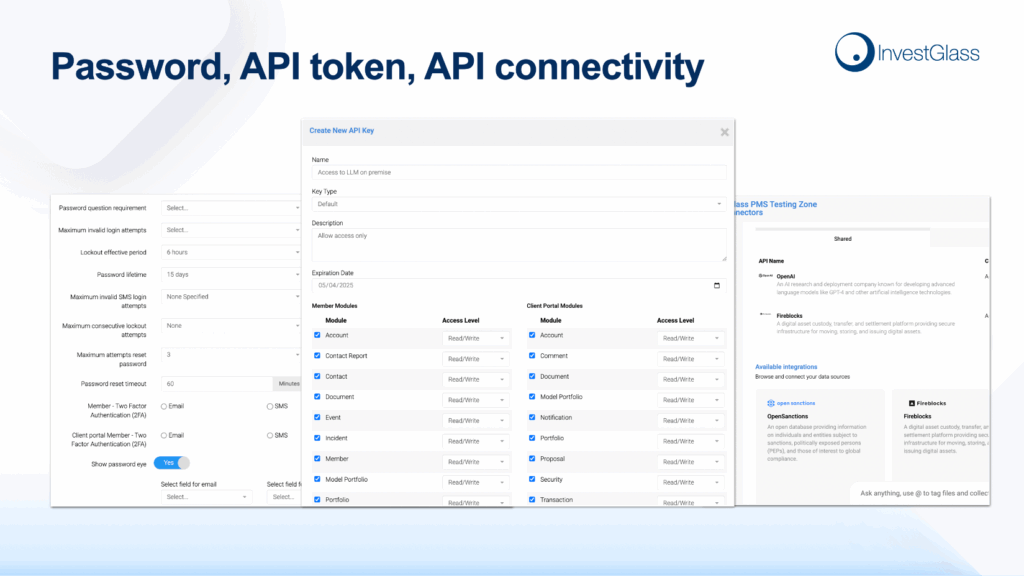
Includere automazione guidata dall'intelligenza artificiale, analisi, open banking, prontezza delle API e rendicontazione ESG ove pertinente. InvestGlass si allinea a queste priorità attraverso hosting svizzero, distribuzione on-premise, flussi di lavoro di conformità, CRM, portale clienti e automazione basata sull'intelligenza artificiale sotto un'infrastruttura controllata.
Gestione delle comunicazioni con i fornitori, dei chiarimenti e dei sopralluoghi
La comunicazione strutturata riduce il rischio legale. Stabilisci un unico punto di contatto, come un portale sicuro o un'email dedicata, e vieta le conversazioni parallele con i singoli membri del team.
Prevedere un periodo di chiarimento definito per i fornitori per presentare domande di chiarimento su ambito, sistemi o requisiti di rischio. Condividere risposte anonimizzate con tutti gli offerenti.
Per i fornitori selezionati, effettuare visite in loco o workshop virtuali incentrati su dimostrazioni dal vivo, resilienza, capacità del centro di assistenza e verifica delle affermazioni operative. I partecipanti possono aspettarsi di vedere dimostrazioni di prodotti e di impegnarsi in discussioni con il personale chiave per affrontare requisiti specifici e chiarire eventuali problemi in sospeso. Registrare le interazioni significative in InvestGlass per preservare l'equità e creare una pista di controllo revisionabile.
Dal offerente preferito alla selezione finale e all'inserimento
L'RFP non si conclude con la valutazione dei punteggi. Designare un offerente preferito solo dopo la valutazione quantitativa, la valutazione qualitativa, la due diligence e l'approvazione del consiglio di amministrazione.
La negoziazione dovrebbe riguardare le strutture dei prezzi, gli accordi sui livelli di servizio, la gestione del cambiamento, l'uscita dei dati, i diritti di audit, i subappaltatori e la residenza dei dati. Una volta firmato, create un piano di onboarding con tappe fondamentali, responsabili, comunicazioni, controlli dei rischi e formazione.
Definire la governance in anticipo, inclusi revisioni trimestrali dei servizi, revisioni strategiche annuali, dashboard delle prestazioni e percorsi di escalation. Questa è una buona pratica e supporta il successo a lungo termine.
Esempi di casi e consigli pratici per le RFP bancarie
Una banca europea di medie dimensioni sostituisce il proprio servizio online bancario e CRM i criteri di chiara sovranità la guidano verso una piattaforma ospitata in Svizzera piuttosto che verso un ecosistema cloud controllato da stranieri.
Un altro esempio: un ente del settore pubblico o un'organizzazione senza scopo di lucro bandisce una richiesta di offerta (RFP) per servizi di banking transazionale e gestione della liquidità. La governance formale, la documentazione con controllo di versione e le prove dettagliate per i revisori diventano essenziali.
Consigli pratici:
- Limita i fornitori invitati a un numero gestibile.
- Evitare questionari troppo lunghi.
- Pianificate workshop di valutazione prima che arrivino le proposte.
- Mantieni un registro delle lezioni apprese.
- Affronta tempestivamente le insidie comuni. Le insidie comuni nel processo di RFP includono la mancanza di chiarezza nel documento di RFP, che può portare a risposte vaghe da parte dei fornitori, e una pianificazione insufficiente che potrebbe causare ritardi e conflitti.
Come InvestGlass sostiene un processo RFP sicuro e sovrano
InvestGlass aiuta le organizzazioni regolamentate a gestire complesse richieste di proposta (RFP) bancarie in un unico ambiente sicuro. La piattaforma centralizza interazioni, documenti con controllo di versione, contatti, approvazioni, punteggi e registri delle decisioni, preservando al contempo la sovranità dei dati dei clienti.
Onboarding e KYC digitali I flussi di lavoro possono supportare la valutazione di partner bancari e relativi fornitori di servizi. I moduli di portfolio management e client portal sono particolarmente rilevanti per le banche e i gestori patrimoniali che valutano depositari, sistemi di core banking o canali digitali.
L'automazione basata sull'intelligenza artificiale può aiutare a redigere sezioni standard, indirizzare le approvazioni e analizzare le risposte dei fornitori rispetto a criteri predefiniti. A differenza degli ecosistemi americani o cinesi, InvestGlass offre un'alternativa sovrana svizzera per le istituzioni che desiderano il controllo sulle informazioni finanziarie e sui clienti sensibili.
L'utilizzo di una RFP aiuta le organizzazioni a ridurre i costi garantendo che i fornitori di servizi offrano tariffe competitive e consente di identificare il fornitore che meglio si adatta alla cultura e alle esigenze tecnologiche dell'organizzazione. L'emissione di una RFP bancaria aiuta le organizzazioni a ridurre i costi garantendo che i fornitori di servizi offrano tariffe competitive, il che può portare a risparmi significativi nel tempo. L'utilizzo di una RFP consente alle organizzazioni di identificare i fornitori che meglio si adattano alla loro cultura, servizio clienti, e le esigenze tecnologiche, favorendo relazioni a lungo termine e risultati migliori.
Una RFP efficace produce risposte su misura, convenienti e conformi dai migliori fornitori del mercato. Una Richiesta di Offerta (RFP) ben strutturata è essenziale per un approvvigionamento di successo nel settore bancario, poiché aiuta ad attrarre i partner giusti e a mitigare i rischi. Una Richiesta di Offerta (RFP) ben strutturata è essenziale per un approvvigionamento di successo nel settore bancario, poiché aiuta ad attrarre i partner giusti e a mitigare i rischi.
FAQ
Quanto tempo dovrebbe durare un processo di RFP bancario dal lancio alla selezione finale?
Una normale richiesta di offerta (RFP) bancaria richiede solitamente da tre a sei mesi, dalla pianificazione alla negoziazione del contratto. Dalla pubblicazione alla selezione, un processo standard richiede spesso da 10 a 12 settimane. I progetti multinazionali possono richiedere fino a nove mesi.
Quanti fornitori dovrebbero essere invitati a partecipare a una RFP bancaria?
La maggior parte delle istituzioni invita da quattro a otto fornitori. Ciò garantisce una concorrenza sufficiente senza sovraccaricare il team di valutazione. Un RFI più leggero può aiutare a restringere il mercato prima della richiesta formale.
Qual è la differenza tra un RFI, un RFP e un RFQ nel settore bancario?
Un RFI raccoglie prime informazioni di mercato. Un RFP richiede proposte dettagliate, piani di implementazione e prove di conformità. Un RFQ si concentra principalmente sul prezzo per un servizio chiaramente definito.
Una banca più piccola o un gestore patrimoniale può condurre un processo di RFP semplificato?
Sì. Le istituzioni più piccole possono utilizzare documenti più brevi, un numero inferiore di fornitori e una valutazione semplificata, pur continuando a documentare chiaramente decisioni, criteri e governance.
Perché la sovranità dei dati è così importante nelle RFP bancarie moderne?
La sovranità dei dati determina quali leggi si applicano ai dati dei clienti. Per le istituzioni svizzere ed europee, influisce sulla riservatezza, sulla conformità e sull'esposizione a ordinamenti giuridici stranieri. Per questo motivo molti preferiscono piattaforme sovrane come InvestGlass.

