
Einführung in zeichnungsberechtigte Personen
Eine zeichnungsberechtigte Person ist die Person, die offiziell bevollmächtigt ist, Dokumente unterschreiben im Namen eines Unternehmens, das die Organisation rechtlich an Verträge, finanzielle Vereinbarungen und offizielle Korrespondenz bindet. Ob Sie eine Firma eröffnen Bank Konten, das Abschließen von Lieferantenverträgen oder das Abschließen des Onboardings von Kunden, die Person, die unterschreibt, trägt ein erhebliches rechtliches Gewicht.
Das Falschmachen führt zu echten Problemen. Verträge werden undurchsetzbar. Banken lehnen Transaktionen ab. Prüfer beanstanden Kontrollmängel.
Wichtige Punkte zum Verständnis:
- Die rechtliche Vertretungsmacht muss ausdrücklich durch Vorstandsbeschluss, Delegationsmatrizen oder Vollmacht erteilt werden.
- Nicht verwaltete Zeichnungsberechtigungsregeln setzen Unternehmen rechtlichen Risiken, Betrug und Compliance-Verstößen aus.
- Digital CRM und Vertrags-Workflows können diese Regeln automatisch zentralisieren und durchsetzen
InvestGlass bietet eine Schweizer, nicht-amerikanische und nicht-chinesische Plattform, die speziell entwickelt wurde, um Finanzinstituten dabei zu helfen, die Rollen der zeichnungsberechtigten Personen in ihrem Unternehmen zu zentralisieren und zu kontrollieren Kundenlebenszyklus und operative Verantwortlichkeiten. Wenn Sie Klarheit darüber suchen, was ein zeichnungsberechtigter Vertreter ist oder wer im Namen eines Unternehmens unterschreiben kann, bietet dieser Leitfaden praktische Antworten.
Was ist ein Zeichnungsberechtigter?
Eine vertretungsberechtigte Person ist eine Person, die formell dazu befugt ist, Verträge zu unterzeichnen und ein Unternehmen bei Finanztransaktionen rechtlich zu binden., Bankbeziehungen, und amtlichen Dokumenten. Ihre Unterschrift wird rechtlich so behandelt, als hätte das Unternehmen selbst unterschrieben.
Nicht jeder Direktor, Manager oder Mitarbeiter besitzt automatisch diese rechtliche Befugnis. Die Zeichnungsberechtigung muss ausdrücklich durch eine formelle Vollmacht erteilt werden, typischerweise durch einen Vorstandsbeschluss, die Unternehmenssatzung oder eine schriftliche Delegation.
Betrachten Sie einen Lieferantenvertrag im Wert von 75.000 £. Wenn ein Vertriebsleiter diesen ohne entsprechende Befugnis unterzeichnet, ist die Vereinbarung möglicherweise anfechtbar. Der Lieferant könnte die Leistung verweigern, und Ihrem Unternehmen drohen potenzielle Rechtsstreitigkeiten. Wenn dagegen eine befugte Person denselben Vertrag unterzeichnet, wird das Dokument rechtlich bindend, und das Unternehmen übernimmt alle Verpflichtungen.
Der Unterschied ist wichtig: Ein Zeuge oder einfacher Unterzeichner bestätigt lediglich, dass ein Dokument existiert. Ein bevollmächtigter Zeichnungsberechtigter verpflichtet das Unternehmen zu rechtlich gültigen Verpflichtungen und verfügt über die tatsächliche Befugnis dazu.
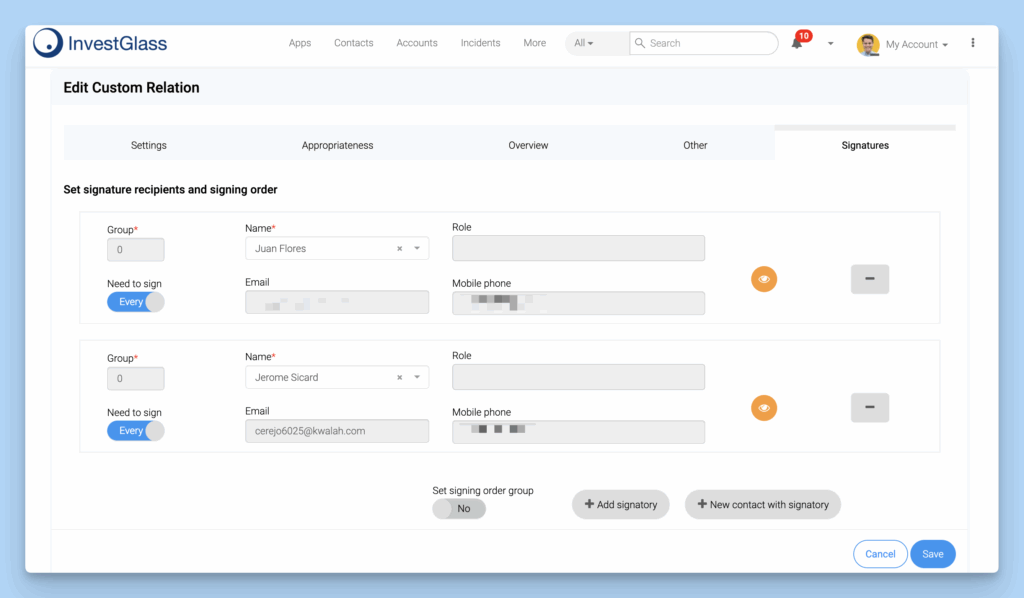
Wer kann Zeichnungsberechtigter in einem Unternehmen sein?
Typische Profile für Rollen mit Zeichnungsberechtigung umfassen:
- Gründer und Vorstandsmitglieder
- Vorstände und Finanzvorstände
- Unternehmensjuristen und Unternehmensekretäre
- Leitende Angestellte mit übertragenen Befugnissen für bestimmte Transaktionsarten
Die Geschäftsfähigkeit ist Voraussetzung für die Berechtigung. Die meisten Rechtsordnungen schließen Minderjährige, für bankrott erklärte Personen, Personen mit bestimmten geistigen Behinderungen und disqualifizierte Geschäftsführer aus. Eine Person muss in der Lage sein, die rechtlichen Folgen ihrer Unterschrift zu verstehen.
Entscheidend ist, dass Aktionäre nicht automatisch Zeichnungsberechtigte werden. Eigentum und erteilte Befugnisse sind getrennte Angelegenheiten. Vertrauenswürdige Nicht-Eigentümer, einschließlich externer Rechtsanwälte oder Treuhänder, können bei ordnungsgemäßer Dokumentation Zeichnungsbefugnisse durch eine Vollmacht erhalten.
Beton Beispiel: Ein regionaler Vertriebsleiter erhält möglicherweise die Befugnis, Kundenverträge bis zu einem Wert von 50.000 £ zu unterzeichnen. Verträge, die diesen Schwellenwert überschreiten, erfordern die Weiterleitung an einen CFO oder eine gemeinsame Zeichnungsberechtigung. Diese begrenzte Befugnis schützt sowohl das Unternehmen als auch die Einzelperson vor unbefugten Verpflichtungen über ihre operativen Verantwortlichkeiten hinaus.
Wie Zeichnungsberechtigung erteilt, eingeschränkt und widerrufen wird
Erteilungsbefugnis
Standardmechanismen zur Festlegung der Zeichnungsberechtigung umfassen:
Mechanismus | Beschreibung |
|---|---|
Vorstandsbescheid | Direktoren ernennen Personen offiziell und definieren deren Aufgabenbereich |
Unternehmensstatuten | Konstituierende Dokumente, in denen Zeichnungsberechtigungen festgelegt sind |
Delegationsmatrix | Interne Richtlinien, die Schwellenwerte nach Vertragsart oder -wert festlegen |
Vollmacht | Schriftliche Genehmigung für zeitweilige oder spezifische Zwecke |
Grenzen setzen
Organisationen integrieren routinemäßig Einschränkungen wie:
- Finanzielle Obergrenzen (z. B. Abteilungsleiter zeichnen bis zu 25.000 £ ab)
- Einschränkungen nach Vertragsart (z. B. nur Arbeitsverträge)
- Anforderungen an gemeinsame Zeichnungsberechtigten für hochvolumige Geschäfte
Widerruf und Aktualisierungen
Der Entzug der Zeichnungsberechtigung erfordert einen formalen Prozess. Wenn beispielsweise ein CFO ausscheidet, muss das Gremium einen neuen Beschluss fassen, der ihm die Befugnis entzieht, und anschließend Banken, Vertragspartner und Register benachrichtigen.
Veraltetes Beispiel: Im März 2024 Finanzdienstleistungen Das Unternehmen hat seine Liste der zeichnungsberechtigten Personen nach einem CFO-Wechsel aktualisiert. Der Vorstand hat einen Beschluss gefasst, diesen im Protokoll festgehalten und Aktualisierungen innerhalb von 30 Tagen an die Bankpartner übermittelt. Interne Aufzeichnungen wurden bereinigt und von den verbleibenden Zeichnungsberechtigten wurden Schulungsbestätigungen eingeholt.
Arten und Grade der Vertretungsmacht
Unternehmen nutzen ein abgestuftes System, um Geschwindigkeit und Kontrolle in den Geschäftsprozessen in Einklang zu bringen. Das Verständnis dieser Ebenen hilft Organisationen dabei, den jeweiligen Transaktionsarten die richtigen Zeichnungsberechtigten zuzuordnen.
Volle oder Allgemeine Vertretungsmacht
Ein CEO besitzt möglicherweise die allgemeine Befugnis, jeden Vertrag ohne Obergrenze zu unterzeichnen. Diese rechtliche Befugnis erfordert eine enge Überwachung durch den Vorstand, da der Umfang im Wesentlichen unbegrenzt ist. Aufsichtsräte verlangen oft regelmäßige Berichte über Verträge, die im Rahmen solcher Befugnisse abgeschlossen wurden.
Eingeschränkte Befugnis
Abteilungsleiter erhalten häufig begrenzte Befugnisse für bestimmte Arten von Transaktionen oder finanzielle Obergrenzen. Ein Einkaufsleiter kann beispielsweise Lieferantenverträge bis zu 30.000 £ unterzeichnen, während komplexere Verträge oberhalb dieser Schwelle eine Eskalation erfordern.
Sonder- oder vorübergehende Befugnis
Projekt- oder Interimskräfte können Befugnisse erhalten, die automatisch ablaufen. Eine 90-tägige Vollmacht für eine einmalige Akquisition sorgt für eine ordnungsgemäße Autorisierung, ohne ein dauerhaftes Risiko zu erzeugen.
Gemeinsame Behörde
Für risikoreiche Maßnahmen benötigen Unternehmen mehrere Zeichnungsberechtigte. Die Eröffnung von Firmenbankkonten, die Aufnahme von Geschäftskrediten über 100.000 £ oder die Unterzeichnung von Gesellschaftervereinbarungen erfordern möglicherweise die Unterschriften von CEO und CFO. Diese gemeinsame Entscheidungsstruktur verringert das Risiko von Alleingängen und stärkt die Corporate Governance.
Rechtliche, finanzielle und regulatorische Auswirkungen
Die Regeln für Zeichnungsberechtigte bestimmen direkt, ob unterzeichnete Vereinbarungen gültig und durchsetzbar sind. Fehler in diesen Regeln haben erhebliche rechtliche Konsequenzen zur Folge.
Rechtliche Folgen einer unbefugten Unterschrift
Unter Rechtsrahmen wie dem US Uniform Commercial Code § 3-402 bindet die Unterschrift eines Vertretungsberechtigten den Vollmachtgeber, wenn eine ordnungsgemäße Bevollmächtigung vorliegt. Ohne diese:
- Verträge können anfechtbar sein
- Die Person haftet persönlich für die Falschdarstellung ihrer Vertretungsmacht.
- Die Organisation kann die Vereinbarung nicht gegenüber den Vertragsparteien durchsetzen.
Anscheinsvollmacht
Auch ohne formelle Genehmigung kann eine Anscheinsvollmacht Unternehmen binden. Wenn eine Organisation es jemandem im Laufe der Zeit erlaubt hat, als bevollmächtigter Zeichnungsberechtigter zu handeln, dürfen Vertragspartner vernünftigerweise auf dieses Muster vertrauen. Gerichte haben bindende Vereinbarungen auf der Grundlage langjähriger Praxis bestätigt, selbst wenn eine formelle Delegation fehlte.
Regulatorische Erwartungen
Finanzinstitute sind mit spezifischen Compliance-Risiken konfrontiert. Banken, Wertpapierfirmen und Stellen des öffentlichen Sektors müssen:
- Aktuelle Unterschriftenlisten führen
- Bereitstellung der Audit-Trail-Dokumentation für Regulierungsbehörden
- Aktualisieren Sie Datensätze nach Personalwechseln umgehend.
Grenzüberschreitende Aspekte
Internationale Transaktionen erhöhen die Komplexität. Die Unterzeichnung offizieller Dokumente in ausländischen Jurisdiktionen kann Folgendes erfordern:
- Beglaubigung
- Apostille
- Appointment of local representatives
A UK-based firm signing financial agreements with a Swiss counterparty must verify that its signatory’s authority is recognised under Swiss law.
Operative Anwendungsfälle: Wenn zeichnungsberechtigte Personen erforderlich sind
Authorised signatories appear across the full range of business contracts and financial documents.
Kommerzielle Operationen
- Vendor agreements and supplier contracts
- Client contracts and NDAs
- Lease agreements for premises or equipment
Personalwesen
- Employment contracts
- Severance agreements
- Benefits documentation
Banking und Treasury
- Opening company bank accounts
- Changing IBANs or payment instructions
- Signing loan documents with banks in Switzerland, the EU, or the United Kingdom
- Executing trading authorisation forms
Regulierte Industrien
In wealth management and insurance, authorised signatories confirm:
- KYC approval completion
- Client onboarding sign-off
- Regulatory filing submissions
Centralised management of proper signatories avoids delays, repeated checks, and confusion between departments. A UK bank rejecting a lease because the signatory list was outdated costs time and damages relationships.
Risiken einer schlecht verwalteten Zeichnungsbefugnis
Unclear or outdated authority rules generate multiple risk categories:
Ungültige oder nicht durchsetzbare Verträge
- Agreements signed without proper authority may be declared void
- Counterparties can refuse performance
- Legal proceedings become necessary to resolve disputes
Betrug und interne Unterschlagung
- Weak controls enable unauthorised spending
- Employees may exceed financial limits without detection
- Lack of synchronisation with finance systems creates gaps
Prüfungs- und Regulierungsfeststellungen
- Missing signatory registers flag control failures
- Outdated documentation triggers compliance investigations
- Reputational damage follows regulatory scrutiny
Industry data indicates disputes arising from remote signing ambiguities increased by 25% in 2024, highlighting the need for clear authority rules in digital environments.
Best Practices für die Verwaltung von Zeichnungsberechtigten
Effective management of signatory authority requires systematic processes aligned with corporate governance standards.
Klare Delegationsrichtlinien aufstellen
Draft internal policies that define:
- Which roles hold what levels of authority
- Monetary thresholds (e.g., £10,000 solo, £500,000 joint)
- Required combinations of signers for specific transaction types
- Escalation procedures for complex agreements
Führen Sie ein zentrales Register
Keep an always-current register of authorised signatories accessible to legal, finance, and operations teams. This register should include:
- Name and position
- Scope of authority granted
- Effective dates
- Any limitations or conditions
Führen Sie regelmäßige Überprüfungen durch
Review signatory arrangements at least annually, and immediately after:
- Board changes
- Mergers or restructurings
- Departure of key personnel
Neue Unterzeichner schulen
Ensure every new signatory understands:
- The legal effect of their signature
- The limits of their authority
- Legal responsibilities and potential personal liability
Obtain written acknowledgements confirming this training. Industry benchmarks suggest governance tightening reduces errors by 40 to 60 percent.
Wie InvestGlass Ihnen hilft, Zeichnungsberechtigte zu kontrollieren
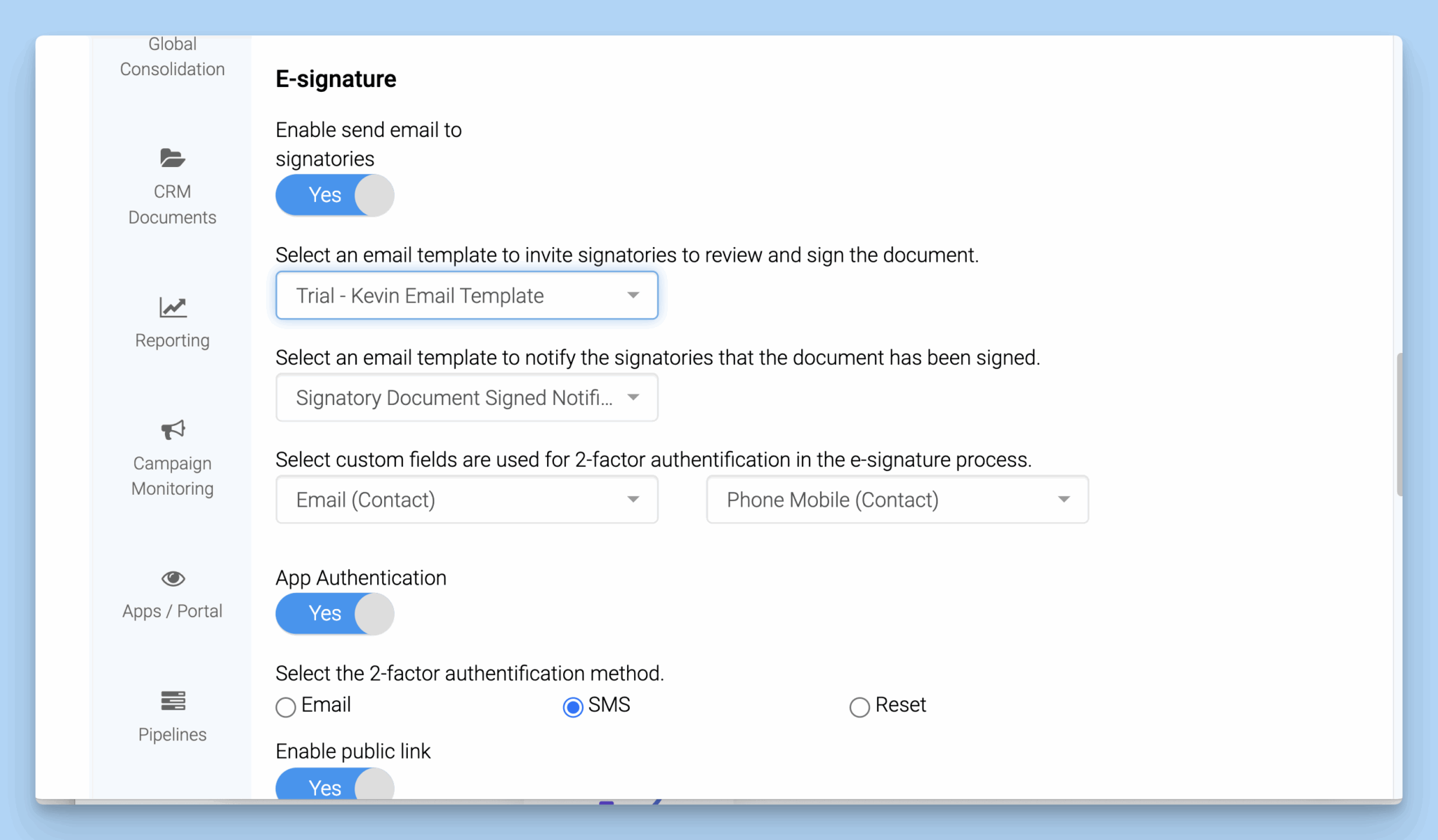
InvestGlass, als Schweizer souverän CRM and automation platform, enables banks, wealth managers, and regulated institutions to model signatory rules directly inside their approval workflows.
Rollen- und Berechtigungskonfiguration
Configure user roles and approval matrices so only users with proper authority can approve or sign specific contract approvals or onboarding steps. The system enforces your company policy automatically.
Prüfpfad und Berichterstattung
InvestGlass records comprehensive audit trail information:
- Who signed what document
- When the signature occurred
- Under which role or authority level
- Device and IP information
This documentation supports both internal reviews and external audits.
Souveränes Hosting
InvestGlass is hosted in Switzerland or on-premise, providing a non-American, non-Chinese solution that preserves full sovereignty over client and signatory data. You maintain control without relying on platforms subject to foreign surveillance or extraterritorial access laws.
Integration mit E-Signatur-Tools
While InvestGlass integrates with electronic signature tools, authority checks remain inside the InvestGlass environment. This prevents unauthorised signature requests from bypassing your formal authorisation structure.
Datensouveränität und warum eine Schweizer Plattform für das Unterzeichnenden-Management wichtig ist
Data sovereignty refers to keeping data within a jurisdiction whose laws you trust and can predict. For signatory data, mandates, and related legal documents, this control is critical.
Globale Plattformrisiken
Typical global cloud platforms headquartered in the United States or China expose your data to:
- US CLOUD Act access requests
- Chinese national security law requirements
- Extraterritorial data demands
Vorteile der Schweizer Infrastruktur
Swiss infrastructure operates under laws that prioritise privacy and restrict foreign access. European and international financial institutions increasingly prefer sovereign solutions that:
- Align with EU GDPR requirements
- Meet Middle Eastern and Asian regulatory expectations
- Support internal risk policies prohibiting US or Chinese data hosting
Industry experts note that over 70% of European institutions shifted toward sovereign solutions following 2023 privacy rulings. For signatory management, where legal validity depends on demonstrable control, Swiss hosting provides audit-proof assurance.
Häufig gestellte Fragen zu Zeichnungsberechtigten
Can there be multiple signatories in one company, and how should limits be divided?
Yes. Most organisations appoint multiple signatories with tiered limits. Executives may hold full authority for larger financial agreements, while department heads receive limited authority for routine purchases. Dividing limits by value and contract type ensures the right person signs each document.
Does an authorised signatory need to be a director or shareholder?
No. Authority can be delegated to any individual with legal capacity. Non-owners, including external legal counsel or trustees, can serve via power of attorney. What matters is formal approval and documented delegation.
How quickly should a company update banks and partners after revoking signatory authority?
Best practice is immediate notification. Depending on jurisdiction, formal updates should reach banks and key counterparties within 7 to 30 days. UK practice typically requires immediate notice to prevent invalid agreements being executed.
Can a non-resident individual be an authorised signatory for a company incorporated in Switzerland or the United Kingdom?
Yes, provided they are formally authorised. Cross-border validity may require apostille certification or local notarisation. Always consult local legal counsel for specific requirements in your jurisdiction.
Managing authorised signatories effectively protects your organisation from legal disputes, unenforceable contracts, and regulatory findings. A systematic approach to signing authority, combined with the right technology platform, ensures both the company and the individual signatory remain legally protected.
InvestGlass embeds signatory rules directly into your client lifecycle, onboarding, and contract workflows. To see how approval workflows and audit trail capabilities can strengthen your corporate governance, explore what InvestGlass offers as a Swiss sovereign platform designed for regulated institutions.


