
Masz problem z napisaniem skutecznej wiadomości e-mail z zaproszeniem na spotkanie? Dobrze przygotowane zaproszenie może zwiększyć frekwencję i nadać spotkaniu odpowiedni ton. Ten artykuł zawiera dziesięć wskazówek i szablonów, które pomogą Ci stworzyć zaproszenia, które zostaną zauważone i na które odpowiesz.
Kluczowe wnioski
- Skuteczne wiadomości e-mail z zaproszeniem na spotkanie nadają profesjonalny ton i zapewniają, że uczestnicy znają szczegóły spotkania, zapobiegając nieporozumieniom i niskiej frekwencji.
- Kluczowe elementy udanego zaproszenia obejmują jasny temat, wyczerpujące szczegóły spotkania i osobisty charakter, aby zaangażować odbiorców.
- Korzystanie z szablonów i narzędzi do planowania może zwiększyć przejrzystość, wydajność i profesjonalizm zaproszeń na spotkania, a skuteczne działania następcze zwiększają frekwencję.
Znaczenie skutecznych wiadomości e-mail z zaproszeniem na spotkanie
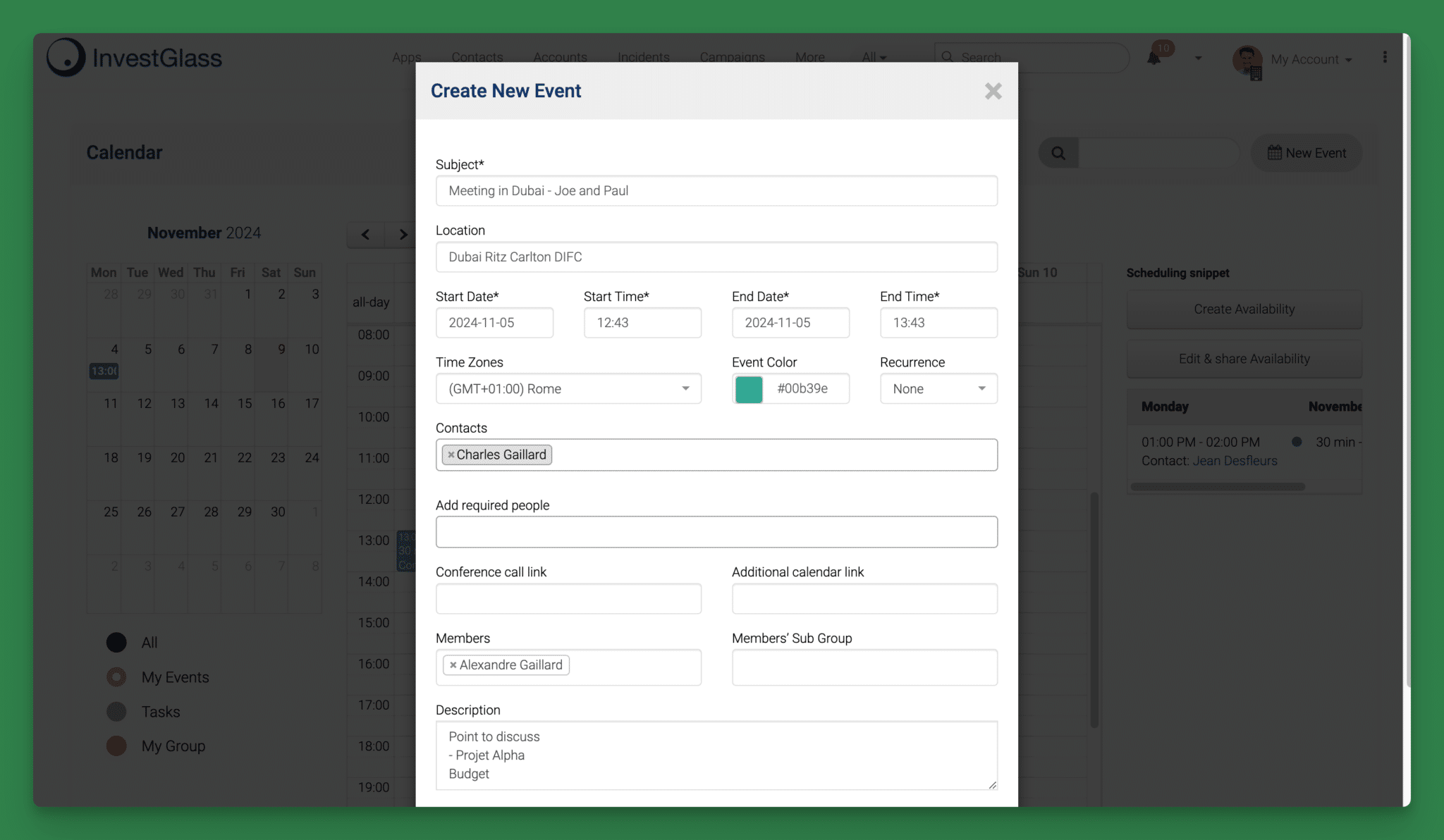
Meeting invitation emails play a crucial role, serving not just as informational notes but also as the preliminary image of your forthcoming meeting. When crafted skillfully, they help to place the event firmly on the participants’ agendas and encourage them to regard it with importance. A lack of an apt invitation raises the risk that attendees will overlook or disregard the gathering. An expertly designed invite conveys professionalism and lays down an optimistic groundwork for the proceedings.
Introducing the concept of the meeting lifecycle is essential, as it encompasses the various stages and processes that occur before, during, and after a meeting. Managing these stages effectively enhances collaboration and reduces inefficiencies.
These invitations are instrumental in enlightening participants about what is expected at this upcoming engagement: detailing objectives and any preparatory steps required, fostering unity and awareness amongst those involved. Adjusting how you phrase your communication so that it resonates well with its intended audience can greatly amplify its resonance and effectiveness.
Ultimately, factors such as composition, substance, transparency of information presented within a meeting invitation email have profound influence over whether it accomplishes its purpose effectively.
Podstawowe elementy wiadomości e-mail z zaproszeniem na spotkanie

Crafting an effective meeting invitation via email demands attention to essential components, ensuring the invite is not only compelling but also exudes professionalism. Such elements encompass a concise subject line that immediately informs the recipient of the content, detailed information about the meeting itself, and incorporating a personal touch which adds warmth and engagement.
It’s crucial to provide a distinct call to action within your email that specifies when and where (for in-person gatherings) this interaction will occur. Clarity here eliminates any potential confusion regarding event logistics. Now let’s delve deeper into each element for better understanding.
Tworzenie jasnego tematu wiadomości
Your meeting invitation’s subject line is vital. It dictates whether the recipient will open the email or not. Striving for brevity, aim for a subject line length of 36-50 characters to improve chances of the email being read. Clear and precise subject lines have shown a 47% higher chance of being opened over those that are ambiguous, leading commonly to disinterest.
Not only does a succinct subject line capture attention, but it also establishes expectations for the content of your meeting-related communication.
Tworzenie jasnej i zwięzłej treści wiadomości e-mail
Podczas tworzenia wiadomości follow-up ważne jest, aby była ona jasna i zwięzła. treść wiadomości e-mail który skutecznie przekazuje wiadomość. Dobrze skonstruowana treść wiadomości e-mail powinna zawierać krótkie wprowadzenie, jasny cel i konkretne wezwanie do działania. Oto kilka wskazówek, które pomogą Ci stworzyć jasną i zwięzłą treść wiadomości e-mail:
- Krótko i na temat: Celuj w maksymalnie 100-150 słów w treści wiadomości e-mail.
- Używaj prostego języka: Unikaj używania żargonu lub terminów technicznych, które mogą zmylić odbiorcę.
- Używaj punktorów lub list numerowanych: Dzielenie dużych bloków tekstu na mniejsze, bardziej strawne fragmenty.
- Używaj jasnego i zwięzłego formatu: Używaj nagłówków, podtytułów i białej przestrzeni, aby ułatwić czytanie wiadomości e-mail.
Example of a clear and concise email body:
“Hi [Recipient],
I wanted to follow up on our previous conversation regarding [Topic]. I believe our solution can help you [Achieve a specific goal]. I’d love to schedule a call to discuss further.
Best, [Your Name]”
W tym szczegóły spotkania
Ensuring that your meeting invitation contains all the essential details is crucial for ensuring attendees are informed and on time. It’s imperative to clearly articulate the specifics of who, what, where, when, and why related to the meeting. Employing clear and concise language helps eliminate any potential ambiguity which could lead to misunderstandings among participants.
Additionally, keeping meeting attendees informed and engaged by providing additional agenda details or pre-reads can enhance their preparedness and overall participation, thus facilitating a more efficient and productive meeting experience.
To improve readability and help invitees retain important information about the meeting more effectively, use formatting strategies like bullet points as well as a layout that’s easy to navigate on mobile devices. Providing precise location information be it an actual physical address or a link for video conferencing is vital in facilitating complete attendance at your event.
Dodawanie osobistego charakteru
Tailoring your meeting invitation emails by incorporating the recipient’s name can notably boost their engagement, as it grabs their attention and conveys a sense of appreciation. Including tailored details that pertain to an invitee’s unique role or achievements amplifies the significance of the meeting for them, thereby enhancing the likelihood of their participation.
Employing these strategies for personalizing invitations not only fosters greater involvement but also aids in forging more robust relationships with those you are inviting to your meetings.
Szablony wiadomości e-mail z zaproszeniem na spotkanie
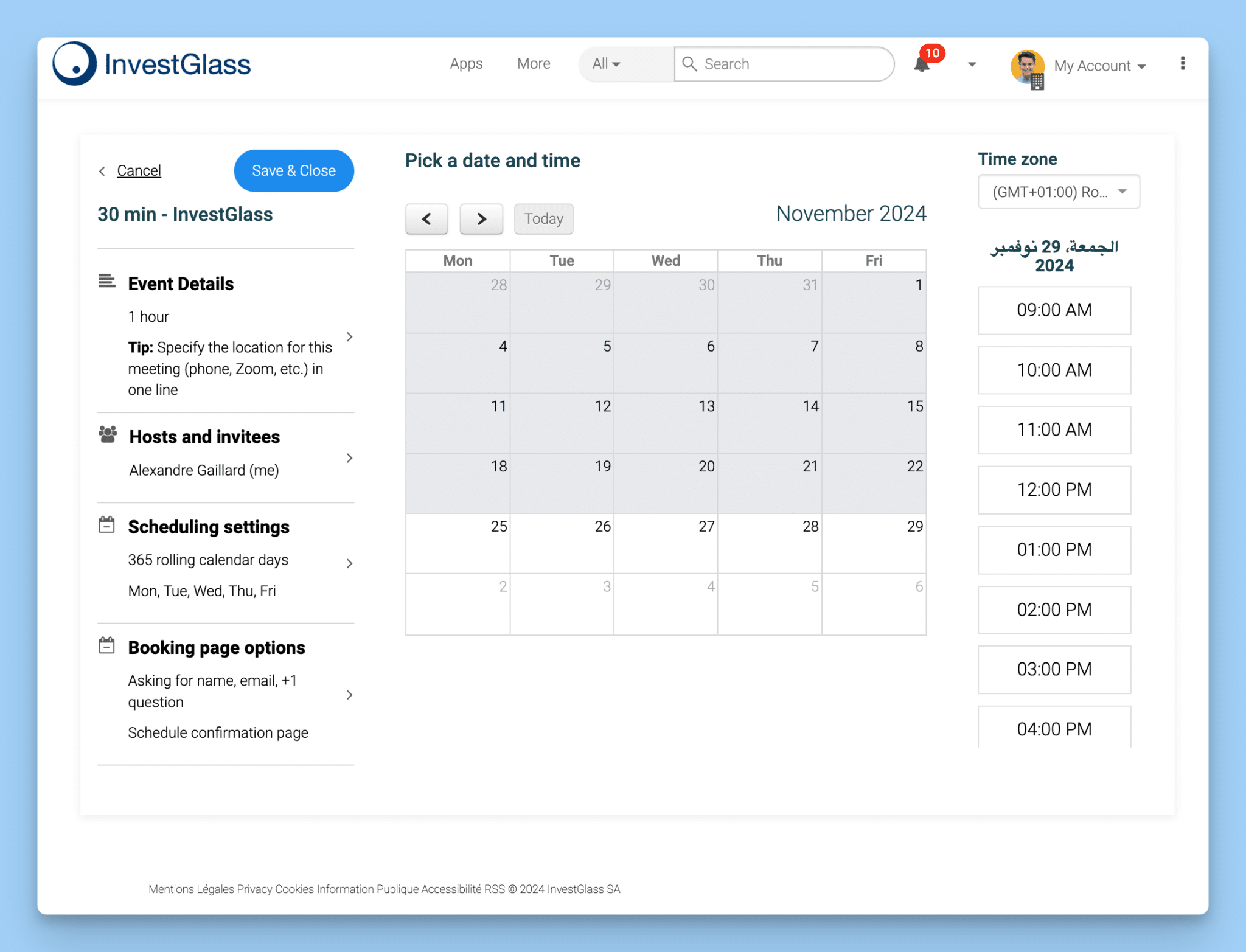
Szablony mogą uratować życie, jeśli chodzi o tworzenie skutecznych wiadomości e-mail z zaproszeniami na spotkania. Oszczędzają czas, zapewniają spójność i mogą być łatwo dostosowany to match your voice, meeting type, and industry. Using the right templates not only enhances clarity and professionalism, but also increases engagement.
Additionally, utilizing a follow up email template can maintain consistency and effectiveness in your follow-up communications, especially in link building and zasięg poczty elektronicznej.
Let’s explore some specific templates for different types of meetings, from team meetings to webinaria.
Zaproszenie na spotkanie zespołu
Collaboration and alignment within a team are greatly enhanced by holding regular team meetings. To effectively summon recipients to attend a particular meeting, it’s crucial to send an official meeting invitation email that is well-outlined with all vital information. ‘Invitation: Team Meeting on [Day]’ serves as an appropriate subject line for the invitation to the team meeting, unequivocally conveying the intent and substance of the communication.
Employing standardized templates for shared meetings guarantees that consistency in your communications is preserved by automatically associating each gathering with its proper agenda according to the objective of these meetings.
Zaproszenie na spotkanie indywidualne
One-on-one meetings are crucial for personal interactions and detailed discussions. A recommended subject line for such an invitation is ‘Let’s Schedule a Time to Discuss [topic]’ and include a meeting request.
The body should include the meeting time, supporting documents, and goals, and invitees can easily schedule the meeting using the provided meeting link.
Zaproszenie na spotkanie z klientem
Spotkania z klientami są niezbędne do utrzymywania i rozwijania relacji. Temat wiadomości musi być wciągający. Rozważ coś w stylu ‘Czas na następną synchronizację z [nazwa firmy]’. Ton powinien być przyjazny, ale profesjonalny, a dołączenie linku do Calendly może ułatwić planowanie.
Zaproszenie na rozmowę kwalifikacyjną
Interview invitations need to be clear and detailed. Please use the subject line: ‘Invitation to interview for [Role]’. This should be followed by the company name, ‘[Company Name]’. The body should schedule a call, provide information about the candidate’s background, role details, and the organization.
Additionally, include your name, title, company name, and contact information in the closing.
Zaproszenie do rozmowy sprzedażowej
Rozpocznij zaproszenie do rozmowy sprzedażowej od wyrażenia wdzięczności, na przykład: “Dziękuję za [Lead Source], ufam, że było to dla Ciebie korzystne!”. Zachęć odbiorcę do zaangażowania, pytając, czy byłby dostępny na krótką rozmowę, aby dowiedzieć się, jak możesz mu pomóc, i podaj link, pod którym może wygodnie zarezerwować spotkanie.
Zaproszenie na webinarium
Zaproszenia na webinar muszą zawierać kuszący temat, zwięzłe wprowadzenie i istotne informacje o wydarzeniu. Ważne jest, aby zaproszenia zawierały wyraźne wezwanie do działania, kierujące uczestników do procesu rejestracji na webinar, a zamieszczenie linków do rejestracji w zaproszeniu ułatwia rejestrację.
Wskazówki dotyczące pisania lepszych zaproszeń na spotkania
Crafting superior invitations for meetings can markedly improve both engagement and communication. Invitations that are well-composed ensure that attendees are properly notified about the meeting details while also motivating them to participate.
To ensure your invitations catch the attention of potential participants, we will examine several key points on how to distinguish your meeting invites from others.
Krótko i na temat
When crafting meeting invitation emails, it’s important to be succinct. A brief email shows consideration for the invitee’s time by highlighting only the necessary details. Employing bullet points can enhance clarity, enabling recipients to swiftly comprehend critical information.
It’s also crucial to find a balance in follow-up emails. While persistence is key, sending too many follow-ups can be perceived as desperate or pushy, potentially annoying the recipient. Conversely, too few follow-ups can result in lost momentum.
By steering clear of superfluous details, you prevent bombarding recipients with too much information and help maintain their attention on the principal aspects of the meeting.
Korzystanie z jasnego i zwięzłego wezwania do działania
Jasne i zwięzłe wezwanie do działania (CTA) ma zasadnicze znaczenie w wiadomości e-mail typu follow-up. Wezwanie do działania informuje odbiorcę, jakie działania należy podjąć w następnej kolejności i pomaga posunąć rozmowę do przodu. Oto kilka wskazówek, które pomogą Ci stworzyć jasne i zwięzłe wezwanie do działania:
- Bądź konkretny: Jasno określ, jakie działania ma podjąć odbiorca.
- Używaj języka zorientowanego na działanie: Używaj czasowników takich jak “Zaplanuj rozmowę”, “Odpowiedz na tę wiadomość e-mail” lub “Kliknij ten link”.”
- Wykorzystaj poczucie pilności: Stwórz poczucie pilności, używając zwrotów takich jak “Oferta ograniczona czasowo” lub “Ekskluzywna okazja”.”
Example of a clear and concise CTA:
“Schedule a call with me to discuss how our solution can help you achieve your goals. Click this link to schedule a time that works for you: [Insert Calendly link]”
Dopasowanie tonu do odbiorców
It is crucial to tailor the tone of your meeting invitation email in alignment with the nature of your audience for successful communication. Incorporating recipients’ names into emails can elevate engagement and promote better response rates. Opt for a formal approach when extending invitations to superiors, whereas adopting an informal manner may be more appropriate among familiar coworkers.
Aligning the tone suitably fosters favorable replies and boosts the chances that invitees will participate in the meeting.
Korekta przed wysłaniem
Korekta ma kluczowe znaczenie dla wychwytywania literówek, błędów gramatycznych i niezręcznych sformułowań w wiadomościach e-mail. Zapewnia to profesjonalizm i pomaga utrzymać jasną komunikację. Przed wysłaniem zaproszenia na spotkanie sprawdź poprawność linków do spotkań i adresów e-mail odbiorców.
Reviewing a preview of your email helps verify its appearance and ensures the subject line is complete.
Korzystanie z narzędzi do planowania zaproszeń na spotkania
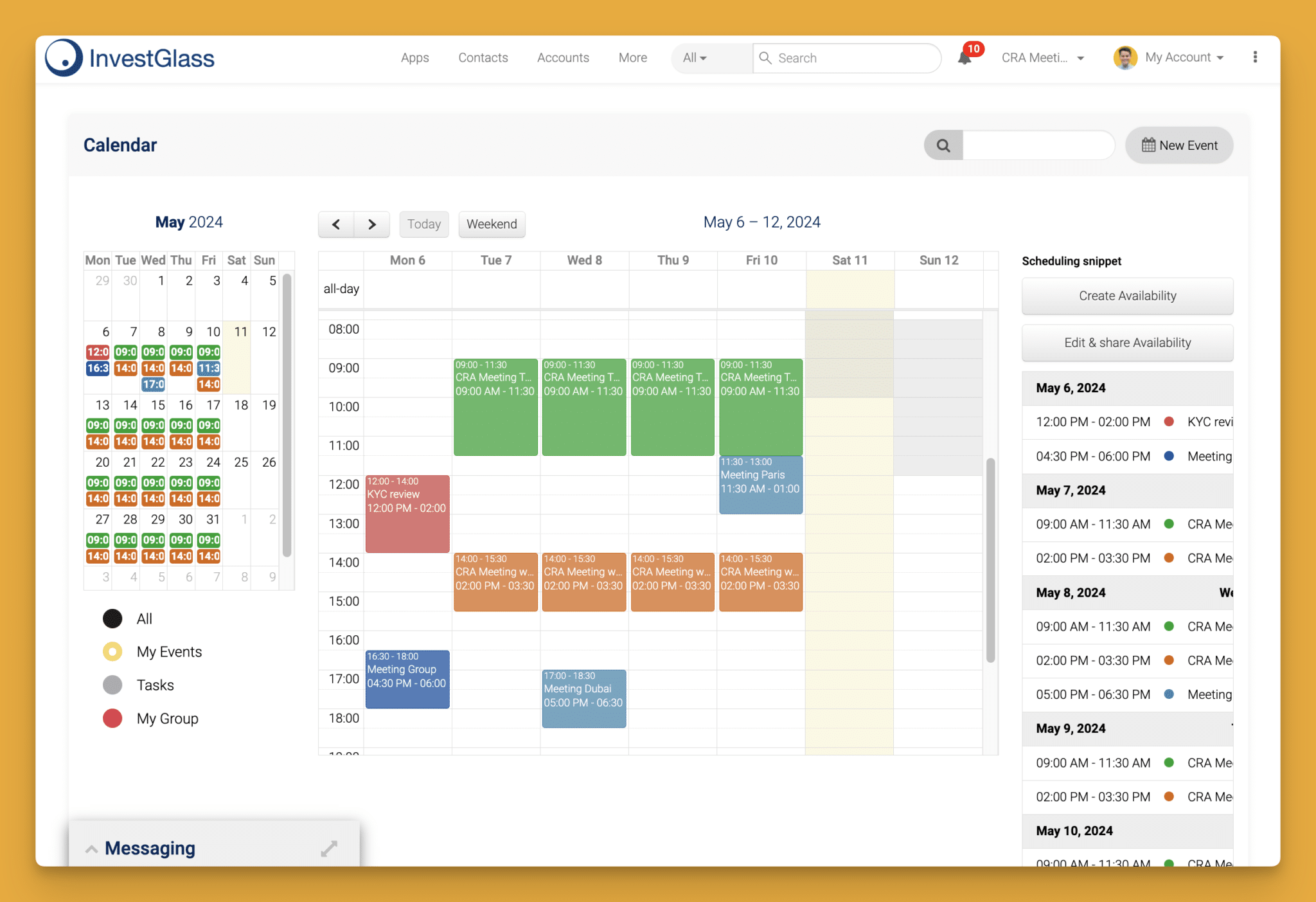
Utilizing scheduling applications such as Google Calendar and Calendly can greatly improve the management of meetings, facilitating you to arrange them with ease. The use of meeting invites simplifies the coordination required for meetings by reducing the necessity for manual follow-ups.
However, using multiple tools to schedule meetings can lead to valuable information getting lost, as different team members may use various incompatible systems. This reliance on distinct platforms like Google Calendar and Evernote can result in a lack of shared visibility and miscommunication among stakeholders, ultimately impacting the effectiveness of the meeting lifecycle.
Investigating how incorporating scheduling links into your invitations along with setting up automated reminders could make your approach to organizing a meeting even more successful is worth considering.
Dodawanie łączy do harmonogramu
Incorporating a scheduling link within your meeting invitation streamlines the coordination of appointments and eliminates the need for prolonged email exchanges. Utilizing platforms such as Calendly, attendees can effortlessly select from time slots that automatically adjust to their respective time zones.
To facilitate this process, you may include your personal booking URL directly into the invitation or improve user experience by embedding clickable options displaying specific dates and times from which invitees can make their selection.
Automatyzacja przypomnień o spotkaniach
Reminders that are sent automatically serve an important function in ensuring meetings remain a priority, which leads to better participation. By setting these reminders to go off at different intervals prior to a meeting, the likelihood of attendees showing up is increased.
With platforms such as Calendly, users have the capability to create personalized workflows for dispatching alerts, encompassing wiadomość tekstowa powiadomienia.
Dalsze wiadomości e-mail po zaproszeniach na spotkania
After extending invitations for a meeting, it’s essential to send follow-up emails that affirm participation and convey extra information. Such emails play a pivotal role in maintaining the momentum of dialogue post-meeting by elucidating the forthcoming actions.
Examining when and what to include in these follow-up communications can greatly enhance their impact, fostering an environment where clarity regarding next steps is prioritized.
Harmonogram działań następczych
It is recommended to wait around two to three days after your initial outreach before sending the first follow-up email. Afterward, consider sending a second follow-up four to five days following the first one, and schedule a third follow-up for one week following the second.
Care should be taken not to send an excessive number of follow up emails, as doing so may come across as overly eager or aggressive. Thus, proper timing of these communications is critical in order not to create an unfavorable impression.
Nadmierne wysyłanie wiadomości e-mail
Przesadne wysyłanie wiadomości e-mail może być dla odbiorców bardzo zniechęcające. Ważne jest, aby zachować równowagę między kontynuowaniem wiadomości a szanowaniem czasu odbiorcy. Oto kilka oznak, że możesz przesadzać z e-mailami follow-up:
- Wysyłasz zbyt wiele wiadomości e-mail w krótkim czasie.
- Nie dajesz odbiorcy wystarczająco dużo czasu na odpowiedź.
- Nie dostarczasz wartości w każdym e-mailu.
Aby nie przesadzić z e-mailami follow-up, upewnij się, że:
- Odstępy między wiadomościami e-mail: Daj odbiorcy wystarczająco dużo czasu na odpowiedź przed wysłaniem kolejnej wiadomości e-mail.
- Dostarczanie wartości w każdej wiadomości e-mail: Upewnij się, że każda wiadomość e-mail zawiera nowe informacje lub spostrzeżenia, które są istotne dla odbiorcy.
- Używaj jasnego i zwięzłego formatu: Używaj jasnego i zwięzłego formatu, aby ułatwić odbiorcy szybkie zeskanowanie wiadomości i udzielenie na nią odpowiedzi.
Dostarczanie dodatkowych informacji
Wysyłanie kolejnych wiadomości e-mail jest kluczowym krokiem w zapewnieniu, że wszyscy zaangażowani w spotkanie są gotowi i poinformowani o jego znaczeniu i celu. Aby zapobiec nieporozumieniom, ważne jest, aby zawierać kluczowe szczegóły such as the date, time, place of the meeting, and a list of participants.
Meeting notes play a crucial role in ensuring a consistent and accurate record of discussions, which helps in real-time collaboration among participants.
Reference previous exchanges and summarize earlier conversations within these follow up communications. This assists in refreshing important topics for attendees. By incorporating additional valuable content like fresh insights or pertinent articles into your follow up messages could heighten curiosity levels among recipients prowadzące do lepszej interakcji z tymi wiadomościami e-mail.
Najczęstsze błędy, których należy unikać w e-mailach z zaproszeniami na spotkania
Upewnienie się, że wiadomości e-mail z zaproszeniem na spotkanie są jasne i skutecznie przekazują niezbędne szczegóły, może znacznie poprawić zrozumienie. Ważne jest, aby unikać typowych błędów, takich jak wypełnianie tych zaproszeń nadmierną ilością informacji, używanie dwuznacznego języka lub pomijanie dodawania agendy spotkania.
Przeładowanie informacjami
Zasypywanie odbiorców natłokiem informacji może spowodować dezorientację i spadek ich zaangażowania. Korzystne jest podkreślenie kluczowych punktów, aby pomóc odbiorcom w zrozumieniu znaczenia i intencji spotkania. Unikaj ich zalewania, ograniczając zbędne szczegóły i koncentrując się na kluczowych danych, stosując wypunktowania w celu zwiększenia przejrzystości prezentacji.
Używanie niejasnego języka
Meeting invitation emails that lack clarity or contain ambiguous language can cause confusion and misinterpretation. If the invitations do not provide concrete details, attendees may be left to conjecture about critical elements like the meeting’s schedule and intent. Such uncertainty might contribute to reduced participation since potential attendees might prioritize a meeting whose importance is unclear.
It is important to incorporate precise information and defined goals in your meeting invitations. This helps prospective participants grasp the reasons for convening and facilitates their decision-making regarding attendance at the meeting.
Zapomnienie o dołączeniu agendy
Failing to include a meeting agenda can result in participants attending the meeting without a clear understanding of what is expected or the primary issues at hand. This lack of preparation can lead to key subjects not being adequately addressed and diminishes the overall productivity of the meeting.
Informing stakeholders about an upcoming meeting and sharing a clear agenda enhances the value of the meeting and assists attendees in deciding their participation, ensuring that all relevant topics are covered and productive discussions take place.
Conversely, incorporating a concise agenda into invitations for meetings is crucial as it directs attendees towards essential discussion topics and objectives. By making sure that everyone understands what needs to be accomplished during the gathering, an agenda significantly boosts the efficiency with which these aims are met.
Brak zwiększania wartości treści
Brak zwiększania wartości treści jest częstym błędem w e-mailach follow-up. Ważne jest, aby w każdym e-mailu dostarczać nowe informacje lub spostrzeżenia, które są istotne dla odbiorcy. Oto kilka sposobów na zwiększenie wartości treści:
- Udostępnianie odpowiednich artykułów lub badań: Udostępniaj artykuły lub badania, które są istotne dla zainteresowań lub bolączek odbiorcy.
- Oferuj ekskluzywne oferty: Oferowanie ekskluzywnych ofert lub rabatów, które są dostępne tylko dla odbiorcy.
- Dostarczanie spersonalizowanych rekomendacji: Dostarczanie spersonalizowanych rekomendacji opartych na zainteresowaniach lub potrzebach odbiorcy.
Example of increasing the value in content:
“I wanted to follow up on our previous conversation regarding [Topic]. I came across an article that I think you’ll find interesting: [Insert link to article]. I’d love to discuss how our solution can help you achieve your goals. Schedule a call with me to learn more: [Insert Calendly link]”
Podsumowanie
Podsumowując, tworzenie atrakcyjnych zaproszeń na spotkania E-maile są niezbędne do osiągnięcia sukcesu spotkań, prowadząc do większego uczestnictwa i owocnych wyników. Skoncentruj się na projektowaniu zwięzłych tematów, które przyciągają uwagę, zawierając wszystkie niezbędne szczegóły dotyczące spotkania i dodając osobisty charakter do każdego zaproszenia. Wykorzystanie szablonów i zaawansowanych narzędzi do planowania może również podnieść jakość spotkań. wydajność i zaawansowanie procesu komunikacji. Unikając typowych błędów i stosując się do naszych wskazówek, zwiększysz efektywność spotkań, a także wzmocnisz kontakty zawodowe. Zastosuj te taktyki w praktyce, aby zaobserwować znaczną poprawę w sposobie prowadzenia spotkań!
Często zadawane pytania
Dlaczego jasny temat wiadomości jest ważny?
A clear subject line is crucial because it grabs attention and sets the tone for your email, making people more likely to open it.
A well-crafted subject can significantly boost engagement and response rates.
Jakie szczegóły powinny znaleźć się w wiadomości e-mail z zaproszeniem na spotkanie?
Make sure to include who, what, where, when, and why of the meeting, along with a clear call to action and any necessary links.
This way, everyone will know exactly what to expect!
Jak mogę spersonalizować wiadomości e-mail z zaproszeniami na spotkania?
To make your meeting invitation emails more engaging, address recipients by their names and include specific details that relate to them.
This personal touch can boost attendance and make your invite feel more thoughtful.
Jakie są korzyści z używania narzędzi do planowania zaproszeń na spotkania?
Using scheduling tools for meeting invitations really helps streamline organization, cuts down on manual follow-ups, and boosts attendance with automated reminders.
It’s a smart way to keep everyone on the same page!
Jakich typowych błędów należy unikać w wiadomościach e-mail z zaproszeniami na spotkania?
Steer clear of overloading your meeting invitation with too much information and using vague language.
Always include an agenda to keep things clear and focused!

