
はじめに:プライベート・エクイティ向けCRMとは何か(そしてなぜ2026年に重要なのか)
プライベート・エクイティ向けCRMソフトウェアは、プライベート・キャピタル投資会社の実際の業務に合わせて専用に構築された記録システムです。リニアな(直線的な)営業ファネル向けに設計された一般的な顧客関係管理ソフトウェアとは異なり、プライベート・エクイティ向けCRMは、複数のファンド、ヴィンテージ、事業体にわたり、ディールフロー、資金調達活動、IR(投資家向け広報)、ポートフォリオモニタリング、エグジット準備に至るまで、投資ライフサイクル全体を管理します。.
なぜ今これが重要なのか。2020年以降、プライベートエクイティ業界では記録的なファンド組成、相対取引(プロプライエタリ・ディール)を巡る激しい競争、そしてリターンを圧迫する金利上昇が見られる。LP(有限責任社員)の資本は引き締められ、デューデリジェンスのサイクルは長期化している。米国、英国、欧州の規制当局はより明確な監査証跡を求めており、LPの間ではILPA(米国リミテッド・パートナーシップ協会)準拠のレポーティングが基本要件としてますます期待されるようになっている。プライベートエクイティ会社には、流用された営業ツールではなく、複雑なディール・パイプラインの管理に特化したCRMが必要である。.
このガイドでは、優れたプライベート・エクイティ向けCRMに求めるべき要件、人工知能がディールや投資家のワークフローをどのように変革しているか、そしてディールのソーシング、エグゼキューション、および投資家体験を真に向上させるプラットフォームをどのように評価し、導入し、運用すべきかについて解説します。.
プライベートエクイティファームに専用CRMが必要な理由
20億ユーロの運用資産(AUM)、並行して稼働する3つのファンドのヴィンテージ、そして複数の地域にまたがる40社のポートフォリオ企業を持つ中堅プライベート・エクイティ(PE)ファームを考えてみてください。そのディールチームは、スプレッドシートでパイプラインを追跡しています。投資家データは一般的なCRMに保存されています。デューデリジェンスの資料は共有ドライブやメールのスレッドに眠っています。ヨーロッパにおけるセクター別の積極的なデューデリジェンス段階にある案件の数など、簡単な質問に答えるためでさえ、システム間の整合性を取るのに何時間もかかります。.
プライベートエクイティ専用に構築されたCRMソリューションは、この摩擦を解消します。独自案件のソーシング、案件の追跡、キャピタルコール、LP(有限責任組合員)とのコミュニケーション、ポートフォリオのモニタリングなどのエンドツーエンドのワークフローを、単一の集中型プラットフォーム内でサポートします。CRMシステムは、PEファンド(プライベート・エクイティ・ファンド)を、すべてのチームメンバーが同じ基盤に基づいて業務を行う、高度に統合されたデータ駆動型の組織へと変革します。PE向けCRMは、データを集約することで業務効率を向上させ、GP(無限責任組合員)、LP、バンカー、経営陣にわたるコンタクトやインタラクションの信頼できる唯一の情報源(シングル・ソース・オブ・トゥルース)を作り出します。.
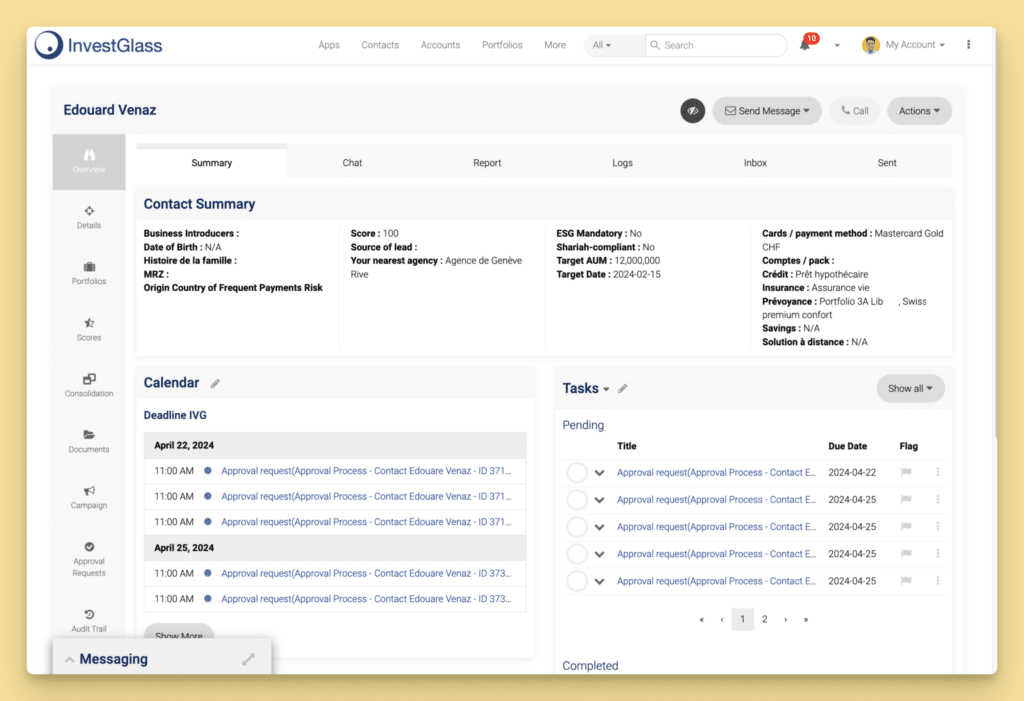
汎用的なCRMは、PE(プライベート・エクイティ)のワークフローを営業向けの項目に無理やり当てはめます。短いディールサイクル、直線的なステージ、ファンド構造の欠如、ディール単位の権限管理の欠如、そして多大な手動データ入力です。データの品質は低下し、監査証跡は不完全であり、チーム全体が投資価値を生まない手作業に時間を費やしています。一方で、規制やLP(有限責任組合員)からの報告に対する期待は高まり続けています。GDPR、SECの検査、そして ILPA報告基準 プライベートエクイティ向けCRMは、コンプライアンスを遵守し監査可能な形で、業務に不可欠な存在となります。プライベートエクイティ向けCRMはマルチファンド構造をサポートし、投資家データを一元管理してパーソナライズされたやり取りを可能にすることで、競争が激化する資金調達環境においてファームに優位性をもたらします。.
最高のプライベート・equity CRMに求められる主要機能
本セクションでは、2026年において本格的なプライベート・エクイティ(PE)ファームであれば必ず求めるべき、譲れない機能について概説する。ディールフロー、株主(投資家)関係、資金調達の可視性、およびオペレーショナル・リスクに直接影響を与える機能に焦点を当てている。以下のサブセクションは、ベンダー評価やRFP(提案依頼書)の実施における実用的なチェックリストとして扱ってほしい。.
ディールフローおよびパイプライン管理
効果的なパイプライン管理ツールにより、構造化されたマルチステージのビュー内で、ソーシングからディールのクロージングまでの追跡が可能になります。リニアな(直線的な)セールスパイプラインとは異なり、PE(プライベート・エクイティ)のディールサイクルは非線形であり、機会はスクリーニング、LOI(意向表明書)、デューデリジェンス、交渉の間を行ったり来たりします。効果的なCRMは、ディールが実際に進展する様子を反映した、マルチステージかつ非線形のディールパイプラインをサポートします。.
主な能力は以下の通り:
- ステージ、テーシス、およびソースのトラッキング。. すべての案件には、セクター、地域、ファンドの配分、および流入経路(バンカー、創業者、LPからの紹介、独自開拓)のタグ付けを行う必要があります。.
- 一元管理されたIC記録. 投資委員会の議事録、承認記録、レッドフラッグ(懸念事項)のログがディール記録と並行して保存され、単一の信頼できる情報源(シングル・ソース・オブ・トゥルース)を構築します。.
- 複数年の契約履歴. 完全な書類と関係性の文脈を維持したまま、何年も経ってから「見送り」になった案件を再び掘り起こす能力。.
- パイプラインダッシュボード. パートナーや運営委員会に可視化される、ソース別の勝率、ステージ滞留日数、ティーザーからLOIへの転換率、ディール破談の理由などの主要指標。.
プライベート・エクイティ向けのCRMは、手作業によるボトルネックを解消することでディールフローを効率化し、ディールサイクルを短縮します。ディールフローの追跡は、チームがタスクを割り当て、並行する作業ストリームを調整するのに役立ちます。ブローカーやコンサルタントとのやり取りを追跡することでディールソースの育成が促進され、どの関係も冷え切ってしまうことがなくなります。1つの ブルーオレンジ・デジタルによるケーススタディ 調査の結果、取引システムを集中化した後、運用資産総額(AUM)が$20Bの企業では、適格な取引案件が40%増加し、これまで見過ごされていた$2.3Bを超える投資機会が発見されたことが判明した。.
資金調達&LP / 投資家リレーションズ追跡
2024年から2026年にかけての資金調達サイクルは大幅に長期化しており、組織的なLPトラッキングが不可欠となっています。強固な投資家との関係は、資金調達の継続的なコミットメントを得る上で極めて重要であり、改善されたIR活動は、あらゆるファンドやヴィンテージにおけるコミュニケーション履歴の追跡とパーソナライズされたアプローチにかかっています。.
プライベート・equity(PE)向けの堅牢なCRMは、すべてのLP(有限責任組合員)の面談、電話、メールを記録し、特定のファンド、共同投資家、別勘定(セパレート・アカウント)に紐づけて、完全なコミュニケーションのタイムラインを表示する必要があります。複数のヴィンテージにわたるリアップ(追加出資)を含め、各投資家の出資約束額、サイドレター、キャピタルコール(資本払込請求)の履歴を追跡することは基本中の基本です。特化型のPE向けCRMは、LP管理や大規模な資金調達のために、複雑な投資家データの維持を支援します。.
パーソナライズされた資金調達により、LP(リミテッド・パートナー)の投資嗜好に基づいたアウトリーチのカスタマイズが可能になります。プライベート・エクイティ(PE)投資家をタイプ(年金基金、大学基金、ファミリーオフィス)、投資規模、地域、過去の関心度別にセグメント化することで、関係性を強化し、投資家エクスペリエンスを向上させます。ブランド化された投資家向けポータル、カスタマイズされた投資家向け報告ツール、自動リマインダーにより、資金調達前、調達中、調達後を通じてLPのエンゲージメントを維持します。専用のCRMを活用しているPEファームでは、投資家とのコミュニケーション効率の向上が報告されており、専用CRMはパーソナライズされた投資家体験を通じて関係管理を強化します。.
組み込みのレポーティング、アナリティクス、データエンリッチメント
静的なスプレッドシートは、LPや社内ステークホルダーの期待を満たさなくなっています。一元化されたレポートは、案件、資金調達予測、ポートフォリオのKPIを網羅したリアルタイムのダッシュボードを通じて、ステークホルダーに包括的なパフォーマンス指標を提供します。パフォーマンス追跡により、ポートフォリオ保有企業のオペレーショナルKPIがダッシュボードに統合され、パートナーが手動での再フォーマットなしで確認できるようになります。.
データのリアルタイムアクセスは、投資マネージャーによるデータ駆動型の意思決定を促進します。これらは投資家の好みや市場動向に関するリアルタイムの洞察を提供し、IRチームがLPからの質問を予測し、自信を持って対応できるようにします。40以上のサードパーティデータソースからのデータエンリッチメントはCRMに不可欠であり、統合されたデータプロバイダーから企業の基本属性、所有権の変更、資金調達ラウンド、リーダーシップの移行を自動的に取得します。分析機能には、セクターのヒット率、バンカーの生産性、LPエンゲージメントスコア、ファンド全体の成立までのベンチマークタイムが含まれる必要があります。ListAlphaによると、スプレッドシートから移行した企業は、記録されたディールが3倍、メモの活動が5倍増加しています。.
コンプライアンス、セキュリティ、監査証跡
データ取り扱いや利益相反に関する規制当局の監視やLP(リミテッド・パートナー)によるデューデリジェンスの厳格化が続いています。CRMはSOC 2 Type IIおよびGDPR基準に準拠する必要があり、規制コンプライアンスソリューションは、SEC(証券取引委員会)とFCA(金融行動監視機構)の両方の記録保持の期待を満たす安全な監査証跡と組み込みのKYC/AMLチェックを提供しており、現在多くの企業が検討を進めています。 より迅速で拡張性の高いオンボーディングを実現する自動KYC認証.
CRMは案件レベルの権限に対するきめ細やかなアクセス制御を提供し、機密情報が承認された担当者のみに確実に閲覧されるようにする必要があり、先を見据えた企業はどのように エージェンティックAIは不正検知と顧客体験を向上させることができます。 これらのガバナンスフレームワーク内で。以下を探してください:
- 誰がレコードにアクセスまたは編集したかを追跡する変更不可能な監査証跡
- 透かし、有効期限、保持ポリシーを備えた安全なドキュメントストレージ
- マルチファンドおよびマルチストラテジーの構造をサポートするロールベースアクセス制御
- ファンド間のデータ漏洩を防ぐための自動情報バリア
- データセキュリティ認証および保存時・転送時の暗号化
プライベート・エクイティ向けCRMプラットフォームの評価方法
構造化された評価プロセスは、要件定義から始まり、候補の絞り込み、自社のデータを使用したデモ、サンドボックスでのテスト、および同規模の企業へのリファレンス確認(電話照会)へと続きます。案件追跡の深度、株主・投資家対応能力、既存のテックスタックとの統合性、導入支援、および総保有コスト(TCO)の観点からベンダーを評価してください。現在の戦略と、新しい地域やアセットクラスへの将来的な展開の双方を考慮に入れてください。.
お使いの技術スタックと統合できますか?
システム間の連携不足は導入の妨げとなり、データリスクをもたらします。OutlookやGmail、データルーム、電子署名ツール(DocuSign)、ポートフォリオ監視システム、ファンド会計・ERPプラットフォームなど、既存のテックスタックと統合できるCRMを探してください。CRMが内部のデータレイク、BIツール、AIエージェントの間でデータの送受信を行えるようにするためには、堅牢なAPIとウェブフックが不可欠です。.
主な統合ワークフローには、メールの自動ログ記録、カレンダーからの連絡先の同期、ポートフォリオダッシュボードからの財務情報のディールレコードへの取り込みが含まれます。ある例では、, サンドトン・キャピタル、投資家・案件・ポートフォリオのデータを統合 Dynamics 365を活用し、ファンド管理業務、レポーティング、CRMプラットフォーム間におけるデータの二重入力を排除しました。.
How Customizable Is the CRM?
PE firms need flexible fields and workflows that reflect their unique investment strategy and approval process. This includes custom objects for funds, SPVs, and co-invest vehicles, tagging schemes for sector, thesis, and sourcing channel, and configurable deal stages that mirror the IC workflow.
Role-based dashboards should serve partners, principals, associates, and IR teams, each showing the key metrics relevant to their role. Permission models must support multi-fund, multi-strategy structures without exposing sensitive deals to the entire team. Low-code or no-code configuration is preferable to heavy consulting projects, allowing firms to iterate as they evolve. By contrast, platforms like Dynamo offer CRM capabilities that are primarily manual, limiting scalability for growing firms, whereas more modern, finance-focused platforms such as InvestGlass for financial institutions emphasize automation, digital onboarding, and integrated portfolio management.
Implementation, Data Migration & Ongoing Support
Prolonged implementations of 6 to 12 months stall momentum and erode confidence. DealCloud deployments typically take 6 to 12 months, which is a significant consideration for firms seeking rapid value. Implementation should take less than 60 days for effectiveness, and several vendors now deliver go-live within four to six weeks.
An ideal 60-day rollout follows a clear sequence: discovery, configuration, data migration from spreadsheets, legacy CRMs, and email archives (including cleansing, deduplication, and data enrichment), pilot with a single fund or team, then full deployment. Training should be tailored: senior partners receive high-level dashboard orientation, associates learn day-to-day deal tracking, and IR professionals focus on LP pipelines. Ask vendors about support SLAs, account management, and roadmap transparency to ensure the CRM remains an asset over five to ten years.
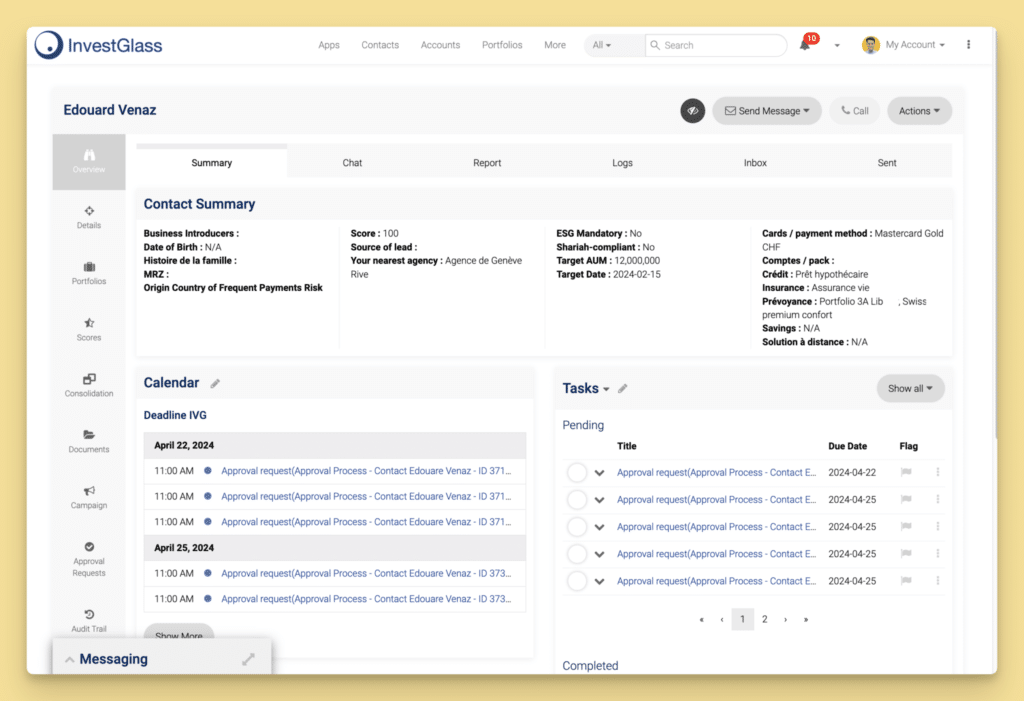
AI-Powered CRM: How Artificial Intelligence Is Changing Deal & Investor Workflows
Between 2023 and 2026, advances in AI have moved beyond marketing claims to practical, daily use in private equity CRMs. The following subsections break down automating routine tasks, relationship intelligence, document intelligence, and predictive insights, all grounded in real use cases. Responsible AI usage in regulated environments requires attention to data governance, explainability, and privacy.
Automatic Data Capture & Relationship Intelligence
Automatic data capture is essential for CRM adoption. A modern ai powered crm continuously syncs firm-wide email and calendar data to create and update contacts, companies, and deals without manual data entry. Private equity CRMs automate data capture from emails and calendars, and private equity CRMs automate data capture, reducing manual entry for investment professionals.
Affinity captures email and calendar data automatically, and Affinity is used by over 3,300 private capital firms. Affinity deploys firm-wide in under 60 days, making it one of the faster platforms to operationalise. Affinity’s relationship intelligence scores connection strength automatically using recency, frequency, and direction of communication. Relationship intelligence tracks networks to leverage introductions with various contacts, helping partners see “who knows whom” before outreach. Relationship intelligence helps identify warm introduction paths to investors, surfacing dormant relationships that should be reactivated during sourcing or fundraising cycles.
Document Intelligence, Summarisation & Workflow Automation
AI tools now handle concrete document workflows: parsing CIMs, management presentations, NDAs, term sheets, and board decks. Structured data points such as revenue, growth rates, ownership, and key risks are extracted from PDFs into CRM fields automatically, removing hours of manual work per deal. In one case study, the Dutch firm Arcola used AI to summarise 50-page teasers into one-page memos, freeing significant time for the deal team.
CRMs offer operational efficiencies through AI and automation of record updates, including trigger-based workflows: when a deal moves stage or a new document is uploaded, the system prompts next steps, assigns tasks, or drafts follow-up communications. Automated workflows free up team members for high-value activities in PE firms, and effective CRMs automate investor communications and workflow processes. Workflow automation extends to generating tear sheets, investment memos, and recurring IC reports directly from enriched data.
Predictive Insights for Deal Flow & Fundraising
Predictive insights use data analytics to forecast risks across portfolio holdings, spot underperforming sectors, and identify which sourcing channels produce the strongest returns. Predictive scoring can prioritise inbound deals by flagging opportunities similar to past top-quartile investments.
Forecasting tools for fundraising efforts show projected close dates, expected commitments, and at-risk LPs based on engagement data. Portfolio-level insights, such as early warning indicators from performance trends or missed reporting deadlines, help operating partners intervene before value erodes. Explainability matters: LPs and compliance teams should be able to trace how scores or recommendations were generated. According to an EY survey, PE firms are steadily increasing investment in technology for decision support and deal analytics.
Best Practice Workflows: Using a Private Equity CRM Across the Investment Lifecycle
What follows is a practical guide through the PE lifecycle, from initial contact through exit, showing what “good” looks like when a firm fully leverages its pe crm.
Deal Sourcing & Origination
The CRM becomes the central hub for mapping bankers, brokers, CEOs, and LPs as sourcing channels. Track outreach campaigns, log conferences and events, and monitor which relationships generate proprietary deal flow. Integration with third party data providers allows screening companies by size, geography, ownership, and growth metrics, saving analysts hours of research. Workflows for capturing inbound teasers and routing them to the right sector teams ensure no potential investments slip through.
Screening, Diligence & Investment Committee
Early-stage screening notes, financial snapshots, and high-level risks are logged from day one. Standardised diligence checklists and task lists tied to each opportunity are visible to legal, tax, and operating partners. Q&A with management teams and advisors is centralised, avoiding scattered email threads during tight deal timelines. IC materials draw directly from up-to-date CRM data, reducing last-minute data hunting. Post-IC, outcomes and reasons for pass or approval are stored to inform future deal evaluation.
Ownership, Portfolio Monitoring & Value Creation
Post-investment, the CRM tracks board meetings, covenants, value-creation initiatives, and milestones for each of the firm’s portfolio companies. Integration with portfolio management and monitoring tools allows quarterly numbers and KPIs to flow into dashboards automatically. Introductions to potential customers, strategic partners, and add-on targets are logged. IR teams can answer LP questions about company-level performance quickly, drawing on ongoing notes and actionable insights. Templates for 100-day plans and annual strategic reviews sit within the platform.
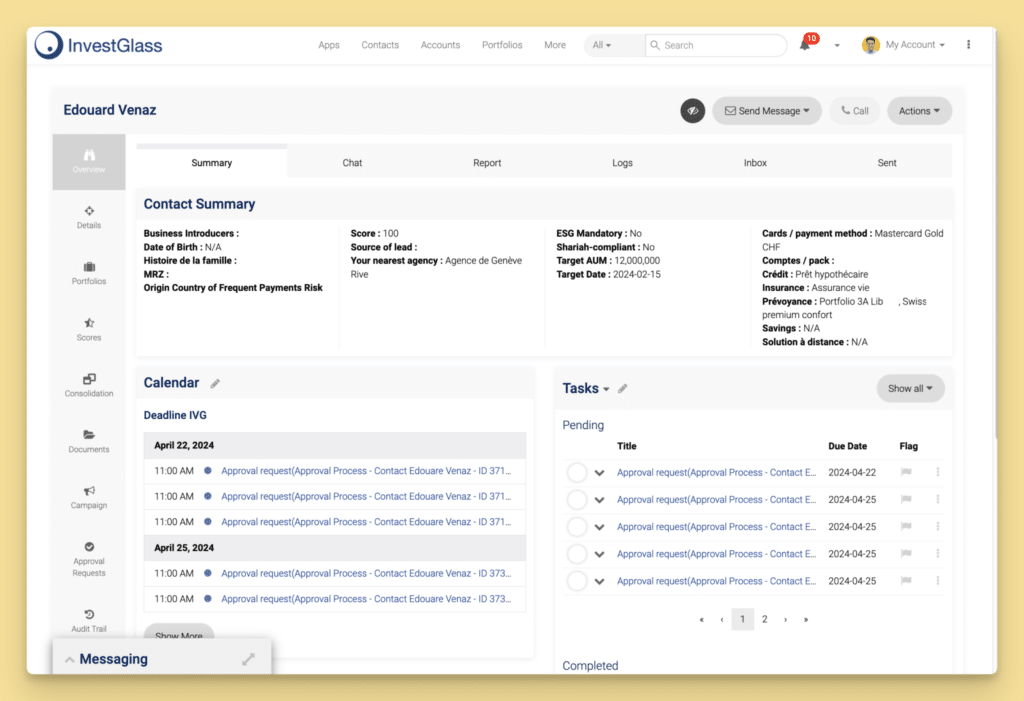
Exit Preparation & Track Record Management
CRM histories support exit planning by aggregating performance data, buyer relationship history, and banker interactions. The system tracks deals through bidder management, NDAs, management presentations, and data room access throughout the sale process. Realised exits feed automatically into track-record views used in future fundraising decks and PPMs. Archiving workflows preserve full audit trails and protect sensitive data post-exit. Specific KPIs such as MOIC, IRR, and hold period should be easily queryable across the firm’s history.
Choosing the Right Private Equity CRM for Your Firm
There is no single best crm. Fit depends on firm size, strategy, geography, and existing systems. A €2B mid-market buyout fund has different needs from alternative investment firms managing $80B across growth equity and infrastructure, from sector-specific solutions like InvestGlass CRM for dental clinics, or from private banking CRMs such as InvestGlass designed for wealth managers. Define concrete objectives: reduce manual data entry by 70%, cut reporting time in half, increase proprietary deal flow by 30%. Segment needs by team: deal team, investor relations, finance and fund management, and operations.
A practical step-by-step process:
- Requirements workshop. Interview investment, operations, IR, and compliance teams. Map current workflows and pain points.
- Market scan. Compare horizontal crm platforms against vertical private equity crm software providers.
- Demos with real data. Import sample deals and LPs, simulate report generation.
- Reference calls. Speak with firms of comparable size and strategy about implementation timelines, costs, and adoption.
- Pilot project. Start with one fund or team, refine, then deploy firm-wide.
Assess long-term partnership: vendor roadmap, AI capabilities, data portability, and support quality over five to ten years.
Frequently Asked Questions About Private Equity CRM
What is a private equity CRM? A private equity CRM is crm software specifically designed to manage private markets workflows, including deal flow, fundraising, LP commitments, co investors, portfolio KPIs, and long-horizon deal cycles across multiple funds and entities.
How is a private equity CRM different from generic sales CRM software? A generic crm is built for short, linear sales cycles with few stakeholders. An equity crm supports fund structures, multi-year investor relationships, capital calls, side-letter tracking, portfolio monitoring, and compliance features that venture capital firms and PE firms depend on.
Can a CRM replace spreadsheets for deal tracking and fundraising? Yes. A dedicated platform manages investor data, pipeline management, and the capital raising process with integrated workflows, audit trails, and enriched data. Firms that migrate report measurable improvements in data quality, visibility, and speed.
What is a realistic implementation timeframe? Affinity deploys firm-wide in under 60 days. By contrast, DealCloud deployments typically take 6 to 12 months. Delays typically stem from unclear requirements, poor data migration planning, or weak stakeholder alignment.
What are the AI benefits? An ai powered crm delivers automated data capture, relationship intelligence, document summarisation, and predictive sourcing. These capabilities streamline operations and free teams for higher-value analysis.
How should I evaluate data security and compliance? Require SOC 2 Type II certification, GDPR compliance, encryption at rest and in transit, role based access controls, and immutable audit trails. Confirm how the vendor handles data rooms and retention policies.
Conclusion: Turning Your CRM into a Competitive Advantage
A well-implemented private equity CRM transforms from an administrative burden into a strategic asset. It delivers better deal sourcing and tracking, stronger investor relationships through personalised outreach, faster reporting, and an intuitive platform that the entire team actually uses. It provides an intuitive interface for every role, from associate to managing partner, and strengthens the tech stack that underpins competitive performance.
The cost of inaction is real. Firms relying on spreadsheets, disconnected tools, and manual work will continue to lose proprietary deal flow, disappoint LPs with slow reporting, and carry unnecessary operational risk. Start by auditing your current workflows: identify gaps in automation, data quality, and integration. Map those gaps to measurable objectives, then benchmark against peers to quantify the potential ROI of upgrading your crm software. The private capital firms that move decisively today will be the ones raising capital and closing deals more efficiently for the next decade.

