
Wstęp: Zakres, odbiorcy i znaczenie
Pogłębiona należyta staranność jest zazwyczaj wymagana w przypadku klientów, transakcji i jurysdykcji wysokiego ryzyka. Niniejszy artykuł jest przeznaczony dla specjalistów ds. zgodności oraz instytucji finansowych, które chcą dokładnie zrozumieć, kiedy pogłębiona należyta staranność (EDD) jest wymagana, do kogo ma zastosowanie oraz dlaczego rozpoznawanie czynników wyzwalających EDD jest niezbędne dla zgodności z przepisami dotyczącymi przeciwdziałania praniu pieniędzy (AML). Wiedza o tym, kiedy stosować EDD, gwarantuje, że organizacje mogą identyfikować i mitygować ryzyka związane z praniem pieniędzy, finansowaniem terroryzmu i innymi przestępstwami finansowymi, spełniając jednocześnie oczekiwania regulacyjne i unikając kar.
Czego się dowiesz
- Na czym polega wzmożona należyta staranność (EDD) i czym różni się od standardowej należytej staranności wobec klienta
- Konkretne okoliczności i rodzaje klientów wymagających pogłębionej weryfikacji (EDD)
- Rola wzmożonej należytej staranności (EDD) w zarządzaniu klientami wysokiego ryzyka i zapewnianiu zgodności z przepisami AML
- Jak kompleksowa ocena ryzyka wpływa na stosowanie WSR
- Najlepsze praktyki wdrażania pogłębionej należytej staranności (EDD) w instytucjach finansowych
Wzrokowe podsumowanie przepływu pracy procesu pogłębionej należytej staranności (EDD)
Czym jest rozszerzona analiza due diligence (EDD)?
Pogłębiona należyta staranność (EDD) to bardziej rygorystyczny i szczegółowy proces weryfikacji i oceny tożsamości, działalności finansowej i profilu ryzyka klienta w porównaniu do standardowej należytej staranności wobec klienta (CDD). EDD jest opartym na ryzyku rozszerzeniem procedury Poznaj Swojego Klienta (proces KYC, obejmujące dokładniejsze badania w przypadku klientów lub transakcji wysokiego ryzyka. Jest ono zaprojektowane głównie w celu mitygacji wyższego ryzyka związanego z niektórymi klientami, transakcjami lub jurysdykcjami, które potencjalnie mogłyby ułatwiać pranie pieniędzy, finansowanie terroryzmu lub inne przestępstwa finansowe.
EDD kieruje się podejściem opartym na ryzyku w celu oceny i mitygacji powiązanych zagrożeń i jest nakazana przez wymogi regulacyjne. Podczas gdy CDD ma zastosowanie do wszystkich klientów, EDD jest wymagana w szczególności w przypadku klientów wysokiego ryzyka lub sytuacji zidentyfikowanych w drodze szczegółowej oceny ryzyka. Ramy regulacyjne, takie jak Grupa Specjalna ds. Przeciwdziałania Praniu Pieniędzy (FATF) i władze lokalne, podkreślają EDD jako kluczowy mechanizm obronny w globalnej walce z przestępczością finansową.
Kluczowe różnice między CDD a EDD
- Zakres i głębia: Standardowe CDD weryfikuje podstawowe informacje o tożsamości i profil ryzyka, podczas gdy EDD obejmuje wyczerpujące badanie tła klienta, zachowań finansowych oraz źródła pochodzenia majątku.
- Dokumentacja: W ramach wzmożonej należytej staranności (EDD) wymagane jest zebranie dodatkowych dokumentów, takich jak potwierdzenie dochodów, dokumenty własności firmy lub szczegółowe historie transakcji.
- Monitorowanie: Klienci podlegający podwyższonej należytej staranności (EDD) są monitorowani częściej i z większą wnikliwością, aby szybko wykryć nietypowe lub podejrzane działania.
Z naszego doświadczenia w InvestGlass, szwajcarskim CRM o suwerennym charakterze i cyfrowy onboarding platformie, EDD jest kluczowym elementem zapewniającym rygorystyczną zgodność z przepisami AML. Obejmuje ono gromadzenie dodatkowych informacji, weryfikację źródeł pochodzenia środków oraz ścisłe monitorowanie bieżących relacji z klientami. Rozszerzona należyta staranność wobec klienta obejmuje dodatkowe kontrole, takie jak analiza źródła pochodzenia środków, przegląd negatywnych doniesień medialnych oraz bieżące monitorowanie w porównaniu do standardowego CDD. Ten podwyższony poziom kontroli pomaga firmom skutecznie zarządzać ryzykiem i ograniczać je.
Rozumiejąc podstawową koncepcję pogłębionej należytej staranności, instytucje finansowe mogą lepiej przygotować się do identyfikacji sytuacji, w których jest ona konieczna, oraz wdrożyć odpowiednie środki w celu ochrony swojej działalności. W kolejnych sekcjach zostaną omówione konkretne scenariusze i profile klientów, w przypadku których EDD jest zazwyczaj wymagane.
Czego się dowiesz
- Konkretne scenariusze wymagające wzmożonej należytej staranności
- Dlaczego wzmożona należyta staranność (EDD) ma kluczowe znaczenie w zarządzaniu klientami wysokiego ryzyka
- Jak zgodność z przepisami AML wymusza potrzebę wzmocnionej weryfikacji
- Rola oceny ryzyka w ustalaniu wymogów dotyczących wzmożonej należytej staranności (EDD)
- Praktyczne wskazówki od InvestGlass dotyczące wdrażania skutecznej pogłębionej należytej staranności (EDD)
Kiedy wymagane jest wzmożone należyte staranność?
Pogłębiona należyta staranność (EDD) jest wymagana przede wszystkim w kontaktach z klientami wysokiego ryzyka lub przy transakcjach stwarzających większe zagrożenie dla integralności instytucji finansowych i zgodności z przepisami. W swojej istocie EDD jest bardziej rygorystyczną formą należytej staranności wobec klienta (CDD), zaprojektowaną w celu zapewnienia głębszego wglądu w potencjalne ryzyka oraz ograniczenia możliwości prania pieniędzy, finansowania terroryzmu lub oszustw.
Lista podsumowująca: Główne czynniki wyzwalające EDD
- Gdy klient lub transakcja stwarza wyższe ryzyko prania pieniędzy lub narażenia na sankcje
- Czynynniki wysokiego ryzyka, w tym osoby zajmujące eksponowane stanowiska polityczne (PEP), jurysdykcje podwyższonego ryzyka oraz skomplikowane struktury własnościowe
- Nietypowe transakcje odbiegające od normalnego zachowania klienta, takie jak duże wpłaty gotówkowe
- Gdy klient przekazuje sfałszowane lub skradzione dokumenty podczas procesu wdrażania
- Gdy klient znajduje się w kraju znajdującym się na czarnej lub szarej liście FATF
- W przypadku transakcji o dużej wartości, które stwarzają wyższe ryzyko prania pieniędzy lub przestępczości finansowej
- Gdy informacje pochodzące ze standardowych środków bezpieczeństwa finansowego (CDD) są niewystarczające do oceny ryzyka
Klienci i jurysdykcje wysokiego ryzyka
Pogłębiona należyta staranność (EDD) jest wymagana, gdy klient lub transakcja zostaną zaklasyfikowane jako ryzykowne. Obejmuje to osoby fizyczne lub podmioty z krajów zidentyfikowanych przez organy regulacyjne jako posiadające nieodpowiednie mechanizmy przeciwdziałania praniu pieniędzy (AML) lub wysoki poziom korupcji. Jurysdykcje wysokiego ryzyka to kraje o słabych mechanizmach przeciwdziałania praniu pieniędzy lub objęte sankcjami, powiązane z klientami lub transakcjami wyższego ryzyka. Na przykład klienci z jurysdykcji znajdujących się na szarej lub czarnej liście Grupy Specjalnej ds. Przeciwdziałania Praniu Pieniędzy (FATF), powszechnie określanej jako kraje wysokiego ryzyka, wymagają wzmożonej kontroli. Identyfikacja klienta i weryfikacja podmiotów prawnych są kluczowymi etapami w tym procesie, zwłaszcza w przypadku obrotu z krajami wysokiego ryzyka, w celu zagwarantowania legalności i zgodności z przepisami.
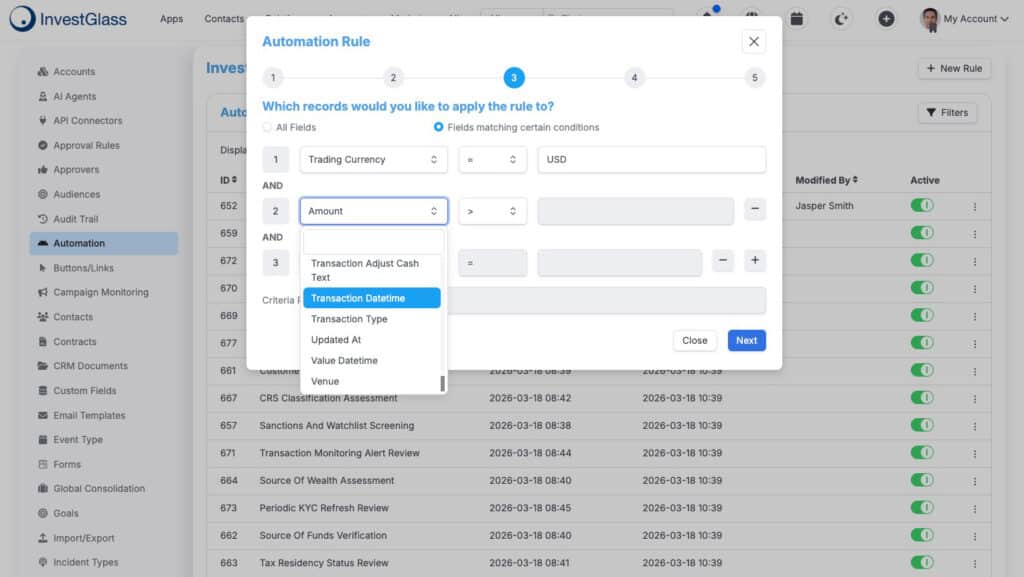
Nasza wiedza w InvestGlass wskazuje, że ramy oceny ryzyka powinny traktować ryzyko geograficzne jako kluczowy czynnik. Włączenie wywiadu dotyczącego ryzyka suwerennego do Twojej System CRM uruchamia zautomatyzowane wyzwalacze w celu wdrożenia wzmożonych środków podczas pozyskiwania klientów z tych obszarów wysokiego ryzyka.
Osoby zajmujące eksponowane stanowiska polityczne (PEP)
Osoby zajmujące eksponowane stanowiska polityczne (PEP) to osoby pełniące ważne funkcje publiczne, członkowie ich rodzin oraz bliskie osoby współpracujące, które uznaje się za stwarzające wyższe ryzyko korupcji i prania pieniędzy. Ze względu na swoje stanowisko osoby PEP wiążą się z wyższym ryzykiem zaangażowania w łapownictwo lub korupcję. Organy regulacyjne powszechnie wymagają od firm stosowania wzmożonych środków należytej staranności (EDD) podczas pozyskiwania klientów będących osobami PEP lub przeprowadzania z nimi transakcji. Osoby wysokiego ryzyka, takie jak PEP, wymagają dostosowanej listy kontrolnej należytej staranności w ramach procesu EDD, aby zapewnić dokładną weryfikację i ciągłe monitorowanie.
Szwajcarska platforma CRM InvestGlass integruje kompleksowe narzędzia do weryfikacji PEP, zapewniając organizacjom możliwość efektywnego identyfikowania i zarządzania tymi profilami wysokiego ryzyka.
Złożone struktury własnościowe i przejrzystość beneficjentów rzeczywistych
Złożone struktury własnościowe odnoszą się do podmiotów o nieprzejrzystej strukturze własności, która ukrywa rzeczywistego właściciela beneficjent (UBO). Kiedy klienci używają złożonych struktur korporacyjnych, aby ukryć swoją prawdziwą beneficjenci rzeczywiści, firmy muszą przeprowadzić pogłębioną należytą staranność, aby ujawnić te szczegóły. Jest to kluczowe dla zapobiegania nadużywaniu spółek celowych do celów niezgodnych z prawem. Przegląd historii transakcji klienta oraz transakcji finansowych jest niezbędny do wykrycia podejrzanej aktywności i oceny legalności struktury własnościowej.
Z naszego doświadczenia w InvestGlass wynika, że rozszerzone procedury należytej staranności muszą obejmować weryfikację informacji o beneficjentach rzeczywistych (UBO) oraz bieżące monitorowanie zmian w strukturze własności lub kontroli.
Nietypowe lub wartościowe transakcje
Nietypowe lub o dużej wartości transakcje obejmują wzorce aktywności, które są złożone, duże lub nie mają oczywistego celu ekonomicznego, co uruchamia pogłębioną należytą staranność (EDD). Wszelkie transakcje, które są nietypowo duże lub złożone w stosunku do inwestora znany biznes profil często uruchamia wzmożoną należytą staranność. Takie transakcje mogą wskazywać na próby prania pieniędzy lub finansowania terroryzmu.
Zgodność z przepisami AML wymaga, aby firmy wdrażały zautomatyzowane powiadomienia w swoich cyfrowych platformach wdrażania klientów w celu oznaczania tych transakcji do pogłębionej analizy.
Relacje bez użycia twarzy
Zdalne wdrażanie pracowników lub klientów oraz transakcje przeprowadzane bez bezpośredniej interakcji fizycznej zwiększają ryzyko oszustw tożsamościowych. Pogłębiona należyta staranność pomaga zweryfikować autentyczność klientów za pomocą dodatkowej dokumentacji, weryfikacji biometrycznej lub zewnętrznych źródeł danych.
Cyfrowe rozwiązania InvestGlass w zakresie wdrażania klientów usprawniają te procesy, czyniąc pogłębioną należytą staranność (EDD) praktyczną i skalowalną przy jednoczesnym zachowaniu zgodności z przepisami.
Inne czynniki wyzwalające EDD
- Gdy klient przekazuje sfałszowane lub skradzione dokumenty podczas procesu wdrażania
- Gdy informacje pochodzące ze standardowych środków bezpieczeństwa finansowego (CDD) są niewystarczające do oceny ryzyka
EDD ma zasadnicze znaczenie dla wdrażania klientów wysokiego ryzyka i minimalizowania ryzyka związanego z istniejącymi relacjami. Jest to szczególnie ważne dla instytucji finansowych ze względu na wysoką stawkę związaną z obsługą dużych transakcji i klientów podwyższonego ryzyka.
Dlaczego wzmożona należyta staranność jest konieczna?
Oczekiwania regulacyjne i zgodność z przepisami AML
Regulatory na całym świecie nakazują instytucjom finansowym i niektórym przedsiębiorstwom niefinansowym wdrażanie podejścia opartego na ryzyku w zakresie należytej staranności wobec klientów. Pogłębiona należyta staranność jest fundamentalnym elementem tego podejścia, szczególnie w celu mitygacji wyższych ryzyk. EDD zapewnia uzasadnioną pewność, że wymogi regulacyjne są spełniane poprzez weryfikację wiarygodności klientów i wspieranie bieżącego monitorowania.
Niedopełnienie obowiązku odpowiedniego przeprowadzenia pogłębionej należytej staranności (EDD) może prowadzić do surowych kar, uszczerbku na reputacji oraz utraty licencji. Nasze doświadczenie w InvestGlass pokazuje, że kompleksowe ramy EDD chronią organizacje przed naruszeniami przepisów i budują zaufanie interesariuszy.
Ochrona systemu finansowego
EDD służy jako kluczowa bariera chroniąca przed przenikaniem nielegalnych środków do systemu finansowego. Poprzez bardziej wnikliwą weryfikację klientów wysokiego ryzyka, instytucje mogą wykrywać i zapobiegać praniu pieniędzy, finansowaniu terroryzmu oraz innym przestępstwom finansowym.
Mitygacja ryzyka i zarządzanie reputacją
Klienci wysokiego ryzyka mogą narażać firmy na ryzyko operacyjne, prawne i wizerunkowe. Pogłębiona należyta staranność ogranicza te ryzyka, zapewniając, że przyjmowani są wyłącznie legalni klienci oraz że są oni stale monitorowani. Skuteczna strategia ciągłego monitorowania, dostosowana do profilu ryzyka klienta, jest niezbędna do wykrywania podejrzanych aktywności i reagowania na zmiany poziomu ryzyka.
Platforma CRM InvestGlass wspiera ciągłą ocenę ryzyka poprzez integrację strumieni danych w czasie rzeczywistym, co pozwala firmom aktualizować profile ryzyka i uruchamiać pogłębioną należytą staranność (EDD), gdy pojawiają się nowe wskaźniki ryzyka.
Ułatwianie podejmowania świadomych decyzji opartych na ryzyku
EDD umożliwia firmom podejmowanie świadomych decyzji dotyczących przyjęcia, kontynuacji lub zakończenia relacji biznesowych. Zapewnia głębszy wgląd w przeszłość klientów, źródło ich funduszy oraz planowane wzorce transakcyjne. Przypisanie oceny ryzyka każdemu klientowi pomaga w stosowaniu środków EDD i zapewnia, że zasoby są koncentrowane na relacjach o wyższym ryzyku.
Ta informacja wywiadowcza ma kluczowe znaczenie dla skutecznego zarządzania ryzykiem i zgodności z przepisami, dostosowując się do standardów międzynarodowych, takich jak te wyznaczone przez FATF.
Podsumowując, pogłębiona należyta staranność jest wymagana w każdym przypadku wystąpienia podwyższonego ryzyka związanego z klientem lub transakcją. Niezależnie od tego, czy wynika ono z lokalizacji geograficznej, powiązań politycznych, złożoności struktury własnościowej, wielkości transakcji, czy zdalnego pozyskiwania klienta, EDD zapewnia dokładne zrozumienie ryzyka oraz chroni firmy przed przestępczością finansową i sankcjami regulacyjnymi. W InvestGlass nasza szwajcarska platforma CRM i cyfrowego wdrażania klientów o statusie suwerennym umożliwia przedsiębiorstwom wdrażanie skutecznych, skalowalnych procesów EDD zgodnych z globalnymi standardami compliance w zakresie przeciwdziałania praniu pieniędzy (AML).
EDD pomaga instytucjom finansowym w odpowiedzialnym zarządzaniu relacjami podwyższonego ryzyka oraz zapewnia zgodność z przepisami AML/KYC. Jego znaczenie polega na pomocy instytucjom w spełnianiu wymogów regulacyjnych i unikaniu strat wizerunkowych.
Aby uzyskać więcej wskazówek na temat optymalizacji procesów oceny ryzyka i należytej staranności wobec klienta, zapoznaj się z naszym Rozwiązania w zakresie zgodności z przepisami AML i dowiedz się, jak InvestGlass może wspierać Twoje wymagania dotyczące pogłębionej należytej staranności.
Przejście: Teraz, gdy omówiliśmy, kiedy i dlaczego wymagane jest EDD, spójrzmy na konkretne profile klientów, które uruchamiają wzmożoną należytą staranność.
Do kogo ma zastosowanie wzmożona należyta staranność? (PEP, jurysdykcje wysokiego ryzyka, złożone struktury własnościowe)
Opis Meta:
Dowiedz się, do kogo ma zastosowanie wzmożona należyta staranność (EDD), w tym do osób zajmujących eksponowane stanowiska polityczne (PEP), klientów z jurysdykcji wysokiego ryzyka oraz osób o złożonych strukturach własnościowych. Dowiedz się, w jaki sposób EDD wzmacnia zgodność z przepisami AML i ocenę ryzyka.
Czego się dowiesz
- Konkretne profile klientów, które wymagają wzmożonej należytej staranności
- Dlaczego osoby zajmujące eksponowane stanowiska polityczne (PEP) oraz osoby z jurysdykcji wysokiego ryzyka wymagają dodatkowej weryfikacji
- Wyzwania stawiane przez złożone struktury własnościowe w ramach należytej staranności wobec klienta
- Jak stosowanie pogłębionej należytej staranności (EDD) wspiera skuteczną zgodność z przepisami AML i zarządzanie ryzykiem
Profile klientów podlegających pogłębionej należytej staranności
Podwyższona należyta staranność (EDD) dotyczy przede wszystkim klientów, którzy wykazują podwyższone ryzyko prania pieniędzy lub finansowania terroryzmu. Należą do nich:
- Osoby zajmujące eksponowane stanowiska polityczne (PEP): Osoby zajmujące eksponowane stanowiska polityczne (PEP) to osoby pełniące ważne funkcje publiczne, członkowie ich rodzin oraz bliski współpracownicy, u których występuje wyższe ryzyko korupcji i prania pieniędzy.
- Jurysdykcje wysokiego ryzyka: Jurysdykcje wysokiego ryzyka to kraje o słabych mechanizmach przeciwdziałania praniu pieniędzy lub objęte sankcjami, powiązane z klientami lub transakcjami wyższego ryzyka.
- Złożone struktury własnościowe: Złożone struktury własnościowe odnoszą się do podmiotów o nieprzejrzystej strukturze własności, która ukrywa rzeczywistego beneficjenta rzeczywistego (UBO).
Identyfikacja klientów wysokiego ryzyka i stosowanie wobec nich dostosowanych procedur należytej staranności ma zasadnicze znaczenie dla skutecznej oceny ryzyka i zgodności z przepisami. Z naszego doświadczenia w InvestGlass wynika, że zrozumienie tych kategorii ma kluczowe znaczenie dla utrzymania skutecznej zgodności z przepisami AML i przeprowadzania dokładnych ocen ryzyka.
Pogłębiona należyta staranność wobec klienta jest szczególnie istotna w przypadku branż wysokiego ryzyka. Niektóre sektory, takie jak bankowość, giełdy kryptowalut i hazard, podlegają silniejszemu nadzorowi regulacyjnemu ze względu na podatność na przestępczość finansową. Do branż wysokiego ryzyka należą sektory z natury bardziej podatne na przestępczość finansową, takie jak hazard, aktywa wirtualne i bankowość korespondencka.
Osoby zajmujące eksponowane stanowiska polityczne (PEP)
PEP-ie to osoby, które pełnią lub pełniły eksponowane stanowiska publiczne, takie jak głowy państw, wyżsi urzędnicy państwowi czy wysoką rangą oficerowie wojskowi. Ze względu na swoje wpływy i dostęp do funduszu publicznych, PEP-ie są z natury bardziej narażeni na udział w korupcji lub schematach łapówkarskich. W związku z tym organy regulacyjne na całym świecie nakazują instytucjom finansowym i dostawcom usług stosowanie wzmożonej należytej staranności podczas pozyskiwania lub monitorowania klientów będących PEP-ami.
Podwyższona należyta staranność (EDD) wobec PEP wiąże się z dokładniejszą weryfikacją, taką jak sprawdzanie źródeł majątku i funduszy, bieżące monitorowanie transakcji oraz uzyskanie zgody wyższego kierownictwa przed nawiązaniem relacji biznesowej. Celem jest ograniczenie ryzyka nieświadomego ułatwiania nielegalnej działalności finansowej. W InvestGlass nasza szwajcarska platforma CRM integruje zautomatyzowane alerty i spersonalizowane profile ryzyka, umożliwiając płynną identyfikację i monitorowanie PEP w ramach solidnego procesu należytej staranności wobec klienta.
Klienci z jurysdykcji wysokiego ryzyka
Kolejną kluczową grupą wymagającą wzmożonych środków należytej staranności są klienci powiązani z jurysdykcjami o podwyższonym ryzyku prania pieniędzy, korupcji lub finansowania terroryzmu. Regiony te mogą podlegać sankcjom międzynarodowym, posiadać słabe ramy regulacyjne lub wykazywać znaczny poziom tajemnicy finansowej.
Procedury podwyższonej należytej staranności (EDD) wobec klientów z tych jurysdykcji wysokiego ryzyka zazwyczaj obejmują weryfikację legalności działalności gospodarczej, wzmocnione kontrole źródła pochodzenia środków oraz dokładniejsze monitorowanie transakcji. Zapewnia to zgodność z regulacjami międzynarodowymi i lokalnymi, ograniczając ryzyko reputacyjne i finansowe dla instytucji.
Nasza wiedza fachowa w zakresie rozwiązań CRM o szwajcarskiej suwerenności w InvestGlass pokazuje, że integracja danych dotyczących ryzyka jurysdykcyjnego bezpośrednio z procesami wdrażania klientów (onboarding) pozwala na dynamiczne stosowanie środków wzmożonej należytej staranności (EDD). Podejrzenie to zwiększa efektywność zgodności z przepisami i zapewnia, że żaden klient wysokiego ryzyka nie ominie kluczowych zabezpieczeń.

Klienci o złożonej strukturze własnościowej
Podmioty o złożonej strukturze własności lub kontroli często stwarzają podwyższone ryzyko, ponieważ mogą ukrywać rzeczywistych beneficjentów rzeczywistych. Takie skomplikowanie może wynikać z wielu warstw własności, wykorzystania funduszy powierniczych, akcjonariuszy nominowanych lub spółek offshore.
Stosowanie wzmożonej należytej staranności w takich przypadkach wiąże się z przeprowadzeniem szczegółowych dochodzeń w celu zidentyfikowania i zweryfikowania rzeczywistych beneficjentów rzeczywistych (UBO). Obejmuje to gromadzenie kompleksowej dokumentacji, przeprowadzanie weryfikacji przeszłości oraz zrozumienie celu i charakteru stosunków gospodarczych. Instytucje finansowe muszą również ocenić, czy struktura została zaprojektowana w celu uniknięcia kontroli regulacyjnej lub ukrycia nielegalnej działalności.
Z naszego doświadczenia w InvestGlass wynika, że cyfrowe platformy onboardingowe wyposażone w zaawansowane narzędzia należytej staranności upraszczają weryfikację złożonych struktur własnościowych. Automatyzując gromadzenie danych i ich weryfikację krzyżową z globalnymi bazami, nasze rozwiązanie CRM umożliwia zespołom ds. zgodności przeprowadzanie gruntownych ocen ryzyka bez uszczerbku dla efektywności operacyjnej.
Inne kategorie klientów wysokiego ryzyka
Podczas gdy PEP-ogry, jurysdykcje wysokiego ryzyka i złożone struktury własnościowe są najczęstszymi powództwami do wdrożenia wzmożonej należytej staranności (EDD), inne kategorie klientów również mogą jej wymagać, w tym:
- Klienci z nietypowymi lub podejrzanymi wzorcami transakcji
- Przedsiębiorstwa działające w branżach wysokiego ryzyka, takich jak kasyna, handel bronią czy kryptowaluty
- Klienci niebędący rezydentami lub niemający woli podania pełnych informacji
Zastosowanie wzmożonych środków należytej staranności wobec tych grup pomaga utrzymać solidne ramy należytej staranności wobec klienta, zapewniając odpowiednie zarządzanie wszystkimi potencjalnymi ryzykami.
Znaczenie pogłębionej należytej staranności w zgodności z przepisami AML
Zastosowanie wzmożonych środków należytej staranności wobec tych klientów wysokiego ryzyka to nie tylko wymóg regulacyjny, ale także kluczowy element dojrzałego programu zgodności z przepisami AML. Wprowadzenie EDD zapewnia bardziej szczegółowe zrozumienie profilu ryzyka klienta, co jest niezbędne do skutecznej oceny ryzyka i podejmowania decyzji.
W InvestGlass opowiadamy się za wbudowywaniem przepływów pracy EDD w procesy CRM i cyfrowego wdrażania klientów. Integracja ta pozwala instytucjom finansowym na zachowanie ciągłej zgodności z przepisami, dostosowywanie się do zmieniających się oczekiwań regulacyjnych oraz skuteczną ochronę przed przestępczością finansową.
Rozpoznając, kto wymaga wzmożonej należytej staranności, oraz wdrażając ukierunkowane procedury, organizacje mogą znacząco ograniczyć ekspozycję na ryzyko przestępczości finansowej, jednocześnie usprawniając działania związane z compliance. Nasza szwajcarska platforma CRM o charakterze suwerennym w InvestGlass oferuje dopasowane rozwiązania ułatwiające te złożone procesy należytej staranności, co gwarantuje, że Państwa instytucja wyprzedza stale zmieniające się otoczenie regulacyjne.
Zrozumienie, kto wymaga pogłębionej weryfikacji tożsamości (EDD), stanowi podstawę do zbadania ram regulacyjnych, które regulują te wymagania.
Ramy regulacyjne regulujące pogłębioną należytą staranność (FATF, unijne dyrektywy AMLD, FinCEN)
Opis Meta:
Poznaj kluczowe ramy regulacyjne regulujące pogłębioną należytą staranność (EDD), w tym zalecenia FATF, unijną dyrektywę w sprawie przeciwdziałania praniu pieniędzy (AML) oraz wytyczne FinCEN. Zrozum, w jaki sposób przepisy te kształtują zgodność z przepisami AML oraz ocenę ryzyka w przypadku klientów wysokiego ryzyka.
Czego się dowiesz
- Rola FATF w ustalaniu globalnych standardów dotyczących wzmożonej należytej staranności (EDD)
- Jak dyrektywa o przeciwdziałaniu praniu pieniędzy Unii Europejskiej nakazuje wdrożenie WSR
- Znaczenie regulacji FinCEN w Stanach Zjednoczonych
- Wpływ tych ram prawnych na procesy należytej staranności wobec klienta
- Najlepsze praktyki w zakresie zgodności z przepisami i zarządzania ryzykiem przy wykorzystaniu pogłębionej weryfikacji klientów (EDD)
Ramy regulacyjne regulujące podwyższoną należytą staranność
Pogłębiona należyta staranność (EDD) jest kluczowym elementem zgodności z przepisami dotyczącymi przeciwdziałania praniu pieniędzy (AML). Jest ona wymagana przez szereg międzynarodowych i krajowych organów regulacyjnych w celu mitygacji ryzyka stwarzanego przez klientów wysokiego ryzyka i złożone transakcje. Z naszego doświadczenia w InvestGlass wynika, że zrozumienie otoczenia regulacyjnego regulującego kwestie EDD jest niezbędne dla instytucji finansowych i przedsiębiorstw dążących do zachowania zgodności z przepisami i ochrony swojej działalności.
FATF: Globalny standardzista w zakresie EDD
Grupa Specjalna ds. Przeciwdziałania Praniu Pieniędzy (FATF) to organizacja międzyrządowa, która wyznacza globalne standardy w zakresie zwalczania prania pieniędzy, finansowania terroryzmu i innych powiązanych zagrożeń. Rekomendacje FATF stanowią fundament struktur zgodności z przepisami AML (przeciwdziałania praniu pieniędzy) na całym świecie.
Grupa FATF wyraźnie nakłada wymóg stosowania wzmożonej należytej staranności wobec klientów i transakcji stwarzających większe ryzyko. Obejmuje to osoby zajmujące eksponowane stanowiska polityczne (PEP), korespondencyjne relacje bankowe, a jurysdykcje ze strategicznymi brakami w kontrolach przeciwdziałania praniu pieniędzy (AML). Zalecenie 10 FATF podkreśla potrzebę zwiększonej kontroli i ciągłego monitorowania takich klientów wysokiego ryzyka.
W praktyce FATF wymaga, aby instytucje przeprowadzały kompleksową ocenę ryzyka w celu zidentyfikowania sytuacji wymagających podwyższonej staranności (EDD). Ocena ta wiąże się z gromadzeniem szczegółowych informacji na temat tożsamości klienta, źródła pochodzenia środków oraz charakteru stosunków gospodarczych. Celem jest zapewnienie, aby pod legalnymi transakcjami nie ukrywała się żadna nielegalna działalność.
W InvestGlass nasza szwajcarska platforma CRM oparta na suwerennych danych uwzględnia zasady GAFI, umożliwiając bezproblemową integrację procesów wzmożonej należytej staranności (EDD), które są zgodne z najwyższymi międzynarodowymi standardami zgodności. Pomaga to firmom przeprowadzać szczegółową należytą staranność wobec klientów, jednocześnie skutecznie zarządzając ryzykiem.
Dyrektywa UE w sprawie przeciwdziałania praniu pieniędzy: Wzmocnienie wzmożonej należytej staranności w państwach członkowskich
Dyrektywy Unii Europejskiej w sprawie przeciwdziałania praniu pieniędzy (AMLD) to kluczowe instrumenty regulacyjne, które egzekwują zgodność z przepisami AML w państwach członkowskich. Najnowsze wersje, AMLD 6 i AMLD 5, kładą duży nacisk na wdrażanie środków wzmożonej należytej staranności wobec klientów wysokiego ryzyka.
Zgodnie z unijną dyrektywą w sprawie przeciwdziałania praniu pieniędzy (AMLD), instytucje finansowe muszą identyfikować i weryfikować tożsamość klientów, przeprowadzać dokładnie ocenę ryzyka oraz stosować środki należytej staranności (EDD) w kontaktach z osobami zajmującymi eksponowane stanowiska polityczne (PEP), w przypadku transakcji o dużej wartości oraz klientów z państw trzecich wysokiego ryzyka. Dyrektywy wymagają również ciągłego monitorowania stosunków gospodarczych w celu szybkiego wykrywania podejrzanych aktywności.
Istotną cechą unijnej dyrektywy w sprawie przeciwdziałania praniu pieniędzy (AMLD) jest obowiązek prowadzenia rejestrów beneficjentów rzeczywistych oraz przeprowadzania należytej staranności w odniesieniu do trustów i struktur korporacyjnych. Przejrzystość ta ma kluczowe znaczenie dla skutecznego stosowania wzmożonych środków należytej staranności (EDD), ponieważ pomaga ujawnić ukrytą własność, która może stwarzać ryzyko prania pieniędzy.
Nasza wiedza fachowa w zakresie szwajcarskich systemów CRM o gwarantowanej suwerenności danych w InvestGlass pokazuje, że automatyzacja zgodności z wymogami rozszerzonej należytej staranności (EDD) unijnej dyrektywy w sprawie przeciwdziałania praniu pieniędzy (AMLD) może drastycznie ograniczyć błędy manualne i poprawić sprawozdawczość regulacyjną. Dzięki dostosowanym modelom oceny ryzyka instytucje mogą zapewnić spójne stosowanie EDD we wszystkich segmentach klientów.
FinCEN: Amerykańskie oczekiwania regulacyjne dotyczące wzmożonej należytej staranności
W Stanach Zjednoczonych Sieć ds. Przestępstw Finansowych (FinCEN) jest kluczowym organem regulacyjnym nadzorującym zgodność z przepisami dotyczącymi przeciwdziałania praniu pieniędzy (AML). FinCEN wydaje szczegółowe wytyczne dotyczące tego, kiedy i jak stosować podwyższoną należytą staranność, w szczególności na mocy Ustawy o tajemnicy bankowej (BSA).
Przepisy FinCEN wymagają od instytucji finansowych wdrożenia solidnych programów należytej staranności wobec klientów, które obejmują weryfikację tożsamości klientów, zrozumienie struktur własnościowych oraz monitorowanie transakcji. W przypadku rachunków uznanych za wysokie ryzyko, takich jak rachunki korespondentów, rachunki nierezydentów będących cudzoziemcami lub klienci działający w branżach wysokiego ryzyka, FinCEN nakazuje wzmożoną kontrolę.
Jednym z krytycznych aspektów podkreślanych przez FinCEN jest ciągłe monitorowanie klientów wysokiego ryzyka w celu szybkiego identyfikowania podejrzanej aktywności. Instytucje muszą dokumentować swoje metodologie oceny ryzyka oraz prowadzić rejestry wykazujące zgodność ze standardami wzmożonej należytej staranności (EDD).
Platforma InvestGlass wspiera zgodność z wymogami EDD FinCEN, zapewniając wszechstronny cyfrowy proces wdrażania klientów oraz narzędzia do oceny ryzyka. Ułatwia to gromadzenie informacji o klientach i zapewnia spójne stosowanie kontroli AML, co ogranicza ryzyko regulacyjne.
Połączony wpływ tych ram regulacyjnych
Razem FATF, unijna dyrektywa AML (AMLD) oraz FinCEN tworzą solidne ramy regulacyjne, które zobowiązują instytucje do przyjęcia wzmożonej należytej staranności jako istotnej części ich programów zgodności z przepisami AML. Ramy te podzielają wspólne zasady:
- Identyfikacja i weryfikacja klientów wysokiego ryzyka
- Szczegółowe oceny ryzyka w celu dostosowania działań należytej staranności
- Ciągłe monitorowanie stosunków gospodarczych
- Dokumentacja i prowadzenie rejestrów do audytów regulacyjnych
Dla przedsiębiorstw działających międzynarodowo lub obsługujących klientów transgranicznych dostosowanie się do tych regulacji może być skomplikowane. Jednak wykorzystanie zaawansowanych systemów CRM i rozwiązań do cyfrowego wdrażania klientów, takich jak te oferowane przez InvestGlass, pozwala na bezproblemową integrację zgodności z przepisami, ułatwiając efektywną ocenę ryzyka i przestrzeganie procedur AML.
Wnioski
Podsumowując, pogłębiona należyta staranność to nie tylko najlepsza praktyka, ale także wymóg regulacyjny egzekwowany przez wiodące światowe organy, takie jak FATF, unijne dyrektywy AML (AMLD) oraz FinCEN. Ramy te zapewniają, że instytucje finansowe wdrażają rygorystyczne kontrole w celu identyfikacji i mitygacji ryzyka stwarzanego przez klientów wysokiego ryzyka. Rozumiejąc te standardy regulacyjne i włączając je do procesów należytej staranności wobec klienta, organizacje mogą wzmocnić swoją zgodność z przepisami AML oraz zabezpieczyć swoją działalność przed przestępczością finansową.
Dla firm dążących do usprawnienia procesów wzmożonej należytej staranności (EDD) przy jednoczesnym zachowaniu zgodności z przepisami, InvestGlass oferuje dedykowane rozwiązania zaprojektowane tak, aby sprostać rygorystycznym wymaganiom tych ram regulacyjnych, zapewniając bezpieczny i zgodny z przepisami proces wdrożenia klienta.
Mając jasne zrozumienie kontekstu regulacyjnego, przyjrzyjmy się procesowi przeprowadzania wzmożonej należytej staranności krok po kroku.
Krok po kroku: Proces wzmożonej należytej staranności
Opis Meta:
Poznaj kompleksowy, krok po kroku proces wzmożonej należytej staranności (EDD), który jest niezbędny do zarządzania klientami wysokiego ryzyka i zapewnienia skutecznej zgodności z przepisami AML. Dowiedz się, jak przeprowadzać dokładne oceny ryzyka i wdrażać skuteczną należytą staranność wobec klientów dzięki spostrzeżeniom od InvestGlass.
Czego się dowiesz
- Szczegółowe etapy procesu wzmożonej należytej staranności
- Dlaczego wzmożona należyta staranność (EDD) ma kluczowe znaczenie w zarządzaniu klientami wysokiego ryzyka
- Jak przeprowadzić dokładną ocenę ryzyka podczas należytej staranności wobec klienta
- Najlepsze praktyki w zakresie utrzymania zgodności z przepisami AML
- Praktyczne wnioski oparte na doświadczeniu InvestGlass
Pogłębiona należyta staranność (EDD) jest kluczowym elementem każdego solidnego systemu przeciwdziałania praniu pieniędzy (AML), zwłaszcza w przypadku obsługi klientów wysokiego ryzyka. Proces ten obejmuje szereg skrupulatnych kroków zaprojektowanych w celu uzyskania głębszego wglądu w profil klienta, źródło pochodzenia funduszy oraz zachowania transakcyjne. W tej sekcji szczegółowo omawiamy proces EDD krok po kroku, podkreślając najlepsze praktyki oraz to, w jaki sposób firmy takie jak InvestGlass wykorzystują technologię do usprawnienia zgodności z przepisami.
Krok 1: Identyfikacja i weryfikacja tożsamości klienta
- Identyfikacja i weryfikacja tożsamości klienta
- Ustaw proces w InvestGlass
- Zweryfikuj tożsamość klienta z wyższym stopniem weryfikacji niż w przypadku standardowej należytej staranności wobec klienta.
- Pozyskuj i uwierzytelniaj oficjalne dokumenty, takie jak paszporty, narodowe dowody osobiste lub świadectwa rejestracji spółek.
- W przypadku klientów wysokiego ryzyka należy wyjść poza podstawową weryfikację dokumentów, co obejmuje krzyżowe sprawdzanie wielu źródeł identyfikacji oraz, tam gdzie to możliwe, zastosowanie weryfikacji biometrycznej.
- Instytucje finansowe muszą przeprowadzać pogłębioną należytą staranność, gdy klient dostarcza zmienione lub skradzione dokumenty podczas rejestracji.
- Integracja takich narzędzi weryfikacyjnych w szwajcarskiej platformie CRM opartej na suwerenności danych znacznie ogranicza ryzyko związane z oszustwami tożsamościowymi.
Krok 2: Szczegółowa ocena ryzyka i profilowanie klienta
- Szczegółowa ocena ryzyka i profilowanie klienta
- Ustaw proces w InvestGlass
- Oceń profil ryzyka klienta na podstawie kilku czynników:
- Ustaw proces w InvestGlass
- Położenie geograficzne
- Rodzaj prowadzonej działalności gospodarczej
- Źródło majątku i funduszy
- Status osoby zajmującej eksponowane stanowisko polityczne (PEP)
- Poprzednie zachowania finansowe i ryzyko utraty reputacji
- Ustal profil ryzyka klienta i przypisz mu ocenę ryzyka, aby określić wymagany poziom należytej staranności.
- Automatyzacja oceny ryzyka za pomocą zaawansowanych algorytmów osadzonych w platformach CRM poprawia dokładność i wydajność.
Krok 3: Zrozumienie źródła pochodzenia funduszy i majątku
- Zrozumienie źródła pochodzenia środków i majątku
- Ustaw proces w InvestGlass
- Zyskaj jasne zrozumienie źródła pochodzenia funduszy i majątku klienta.
- Klienci muszą przedstawić szczegółowe informacje na temat sposobu zgromadzenia swoich środków, w tym dokumentację potwierdzającą, taką jak wyciągi bankowe, zeznania podatkowe, sprawozdania finansowe lub dowody zysków biznesowych.
- Zweryfikuj rzeczywiste aktywa klienta, takie jak nieruchomości, obok sprawozdań finansowych, aby zapewnić przejrzystość i legalność w zakresie własności oraz rzeczywistej wartości aktywów.
Krok 4: Rozszerzony monitoring i szczegółowa analiza transakcji
- Zwiększony monitoring i analiza transakcji
- Ustaw proces w InvestGlass
- EDD wykracza poza początkowe wdrożenie i wymaga ciągłego monitorowania transakcji oraz zachowań klienta w celu wykrywania wszelkich podejrzanych działań.
- Klienci wysokiego ryzyka podlegają częstszym i bardziej szczegółowym przeglądom w porównaniu do klientów standardowych.
- Przesiewowe badania negatywnych materiałów prasowych (adverse media screening) są kluczowe dla identyfikacji potencjalnych ryzyk reputacyjnych lub zgodności z przepisami związanych z klientami lub transakcjami.
- Monitorowanie transakcji obejmuje ustalanie progów dla nietypowej aktywności, weryfikowanie legalności transakcji, przeglądanie historii transakcji klienta pod kątem podejrzanych wzorców oraz przeprowadzanie okresowych przeglądów profili klientów.
Krok 5: Uzyskanie zatwierdzenia kierownictwa wyższego szczebla
- Przeprowadzenie zatwierdzenia przez wyższe kierownictwo
- Ustaw proces w InvestGlass
- Wiele ram regulacyjnych nakłada na wyższą kadrę zarządzającą obowiązek przeglądu i zatwierdzania przyjmowania klientów wysokiego ryzyka po przeprowadzeniu pogłębionej należytej staranności.
- Wyższa kadra zarządzająca musi ocenić, czy potencjalne relacje biznesowe są zgodne z apetytem na ryzyko i polityką zgodności firmy.
- Narzędzia przepływu pracy, które to dokumentują proces zatwierdzania zapewnić przejrzysty i podlegający audytowi ślad.
Krok 6: Dokumentacja i prowadzenie rejestrów
- Dokumentacja i prowadzenie rejestrów
- Ustaw proces w InvestGlass
- Prawidłowa dokumentacja ma fundamentalne znaczenie w całym procesie EDD.
- Wszystkie kroki z weryfikacja tożsamości a ocena ryzyka dotycząca źródła pochodzenia środków oraz zgoda wyższego kierownictwa muszą być skrupulatnie rejestrowane i bezpiecznie przechowywane.
- Organy regulacyjne często wymagają od firm przechowywania tych rejestrów przez długi czas, zazwyczaj od pięciu do dziesięciu lat.
Krok 7: Przegląd okresowy i ponowna ocena
- Okresowy przegląd i ponowna ocena
- Ustaw proces w InvestGlass
- Klienci wysokiego ryzyka wymagają ciągłych, okresowych przeglądów w celu ponownej oceny ich profili ryzyka i zapewnienia dalszej zgodności z przepisami AML.
- Może to wiązać się z aktualizacją dokumentacji, ponowną oceną źródeł majątku oraz uaktualnieniem parametrów monitorowania transakcji.
- Automatyzacja przypomnień i przepływów pracy dla tych okresowych przeglądów zmniejsza ryzyko przeoczenia.
Krok 8: Eskalacja i zgłaszanie podejrzanych działań
- Eskalacja i zgłaszanie podejrzanych działań
- Ustaw proces w InvestGlass
- Jeśli podczas procesu pogłębionej należytej staranności (EDD) lub późniejszego monitorowania pojawią się jakiekolwiek podejrzane działania lub rozbieżności, firmy muszą zgłosić te ustalenia wewnętrznie i potencjalnie powiadomić odpowiednie władze, takie jak jednostki analityki finansowej (FIU).
- Podejrzana aktywność powinna być zgłaszana bezpośrednio do jednostki analityki finansowej (FIU) danej yrysdykcji, aby zapewnić odpowiedni nadzór i zgodność z przepisami AML.
- Sporządzenie raportu szczegółowo opisującego wyniki dochodzenia jest kluczowym etapem w procesie EDD.
Podsumowując, proces wzmocnionej należytej staranności (EDD) to szczegółowe, wieloetapowe podejście mające na celu ograniczenie ryzyka związanego z klientami wysokiego ryzyka. Skrupulatnie przestrzegając tych kroków, instytucje finansowe mogą wzmocnić swoje ramy zgodności z przepisami AML i chronić się przed sankcjami regulacyjnymi. Nasza ekspertyza w InvestGlass podkreśla wartość wykorzystania rozwiązań opartych na technologii w celu usprawnienia i ulepszenia każdej fazy tego krytycznego procesu.
Aby uzyskać więcej informacji na temat należytej staranności wobec klienta i oceny ryzyka, zapoznaj się z naszym Blog InvestGlass i odkryj, jak nasza szwajcarska platforma CRM o pełnej suwerenności danych może wesprzeć Twoją drogę do zgodności z przepisami.
Przejście: Po zapoznaniu się z procesem EDD, zobaczmy, jak automatyzacja może jeszcze bardziej zwiększyć zgodność z przepisami i efektywność.
Jak InvestGlass automatyzuje przepływy pracy EDD, podsumowanie i 10 często zadawanych pytań
Jak InvestGlass automatyzuje przepływy pracy EDD
Udoskonalona należyta staranność (EDD) jest kluczowym elementem skutecznej zgodności z przepisami AML i zarządzania ryzykiem, w szczególności w przypadku współpracy z klientami wysokiego ryzyka. Z naszego doświadczenia w InvestGlass wynika, że ręczne procesy EDD mogą być czasochłonne, podatne na błędy i kosztowne, co często prowadzi do luk w zgodności lub nieefektywności operacyjnej.
Dlatego InvestGlass opracował inteligentny system CRM i platformę cyfrowego wdrożenia (onboardingu), które zostały zaprojektowane w celu automatyzacji i usprawnienia przepływów pracy związanych ze zwiększoną należytą starannością (EDD) bez uszczerbku dla standardów regulacyjnych. Rozwiązania RegTech są coraz częściej wykorzystywane do automatyzacji zadań związanych ze zwiększoną należytą starannością, co poprawia efektywność i zgodność z przepisami. Narzędzia oparte na sztucznej inteligencji i uczeniu maszynowym są również wdrażane w celu szybszego i dokładniejszego wykrywania ryzyka w procesach EDD. Zautomatyzowane procesy EDD pomagają ograniczyć liczbę fałszywych alarmów i pozwalają zespołom ds. zgodności skupić się na rzeczywistych zagrożeniach.
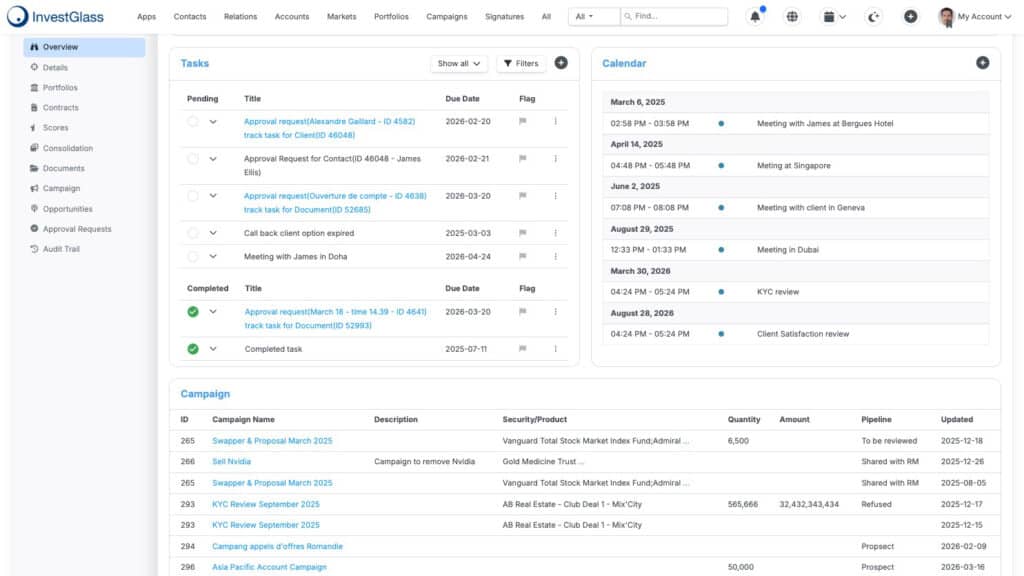
Nasza szwajcarska platforma CRM o pełnej suwerenności danych integruje zaawansowane narzędzia oceny ryzyka, które automatycznie oznaczają klientów wymagających podwyższonej należytej staranności w oparciu o predefiniowane kryteria, takie jak ryzyko geograficzne, osoby zajmujące eksponowane stanowiska polityczne (PEP), wzorce transakcyjne oraz źródło pochodzenia środków. Po oznaczeniu klientów system uruchamia dostosowane przepływy pracy, które prowadzą the compliance officers (funkcjonariuszy ds. zgodności) przez niezbędne etapy, w tym pogłębioną weryfikację tożsamości, gromadzenie dokumentacji oraz stały monitoring.
Automatyzacja obejmuje również solidne gromadzenie danych dotyczących należytej staranności wobec klienta (CDD), w ramach którego InvestGlass wykorzystuje dynamiczne kwestionariusze i portale przesyłania dokumentów, dostosowujące się do profili ryzyka w czasie rzeczywistym. Zapewnia to zastosowanie odpowiedniego poziomu kontroli w zależności od ryzyka, ograniczenie niepotrzebnych tarć w przypadku niskiego ryzyka klienci podczas skupiania się zasoby dotyczące przypadków wysokiego ryzyka.
Zautomatyzowane powiadomienia i funkcje zarządzania zadaniami pomagają zespołom ds. zgodności z przepisami dotrzymywać terminów i śledzić zmiany regulacyjne, co sprzyja budowaniu kultury proaktywnego zarządzania ryzykiem. Dodatkowo funkcja raportowania gotowego do audytu w systemie InvestGlass upraszcza sprawozdawczość regulacyjną i audyty wewnętrzne, zapewniając przejrzyste dowody podejmowanych działań w zakresie przeciwdziałania praniu pieniędzy (AML).
Nasza wiedza fachowa w zakresie szwajcarskich systemów CRM zgodnych z wymogami suwerenności pokazuje, że automatyzacja procesów EDD nie tylko obniża koszty operacyjne, ale także znacznie zwiększa dokładność i zgodność z przepisami. Pozwala to instytucjom finansowym na lepsze zarządzanie ryzykiem oraz utrzymanie zaufania zarówno ze strony regulatorów, jak i klientów.
Wnioski
Podsumowując, pogłębiona należyta staranność jest niezastąpionym procesem w zarządzaniu klientami wysokiego ryzyka i zapewnianiu ścisłej zgodności z przepisami AML. Wymaga ona dokładnej oceny ryzyka oraz szczegółowej należytej staranności wobec klienta, wykraczającej poza standardowe procedury weryfikacyjne. Chociaż złożoność EDD może stwarzać wyzwania, automatyzacja tych przepływów pracy za pomocą platform takich jak InvestGlass oferuje potężne rozwiązanie.
Nasze doświadczenie pokazuje, że integracja inteligentnej automatyzacji ogranicza błędy ludzkie, przyspiesza wdrażanie pracowników oraz zapewnia ciągłe monitorowanie – wszystko to jest niezbędne do skutecznego zarządzania zgodnością z przepisami. W miarę ewolucji oczekiwań regulacyjnych, wykorzystanie zaawansowanego systemu CRM i cyfrowej platformy wdrażania gwarantuje, że instytucje finansowe zachowają odporność i zgodność z przepisami.
Dla organizacji zaangażowanych w utrzymanie najwyższych standardów należytej staranności, InvestGlass zapewnia kompleksową, skalowalną platformę zaprojektowaną tak, aby płynnie spełniać i przewyższać wymagania regulacyjne.
Często zadawane pytania (FAQ)
1. Co to jest wzmożona należyta staranność (EDD)?
Podwyższona należyta staranność to bardziej szczegółowy i rygorystyczny proces weryfikacji tożsamości i profilu ryzyka klienta, zwłaszcza w przypadku osób uznanych za stwarzające wysokie ryzyko. Obejmuje ona dodatkowe kontrole i ciągłe monitorowanie w celu zapewnienia zgodności z przepisami dotyczącymi przeciwdziałania praniu pieniędzy.
2. Kiedy zazwyczaj wymagany jest EDD?
EDD jest zazwyczaj wymagana w przypadku klientów wysokiego ryzyka, takich jak osoby zajmujące eksponowane stanowiska polityczne (PEP), klienci z jurysdykcji wysokiego ryzyka lub osoby o złożonej strukturze własnościowej. Jest to również konieczne, gdy transakcje wydają się podejrzane lub są nietypowo duże.
3. W jaki sposób InvestGlass pomaga w EDD?
InvestGlass automatyzuje przepływy pracy EDD poprzez integrację narzędzi oceny ryzyka, dynamicznego gromadzenia danych i zautomatyzowanych alertów, usprawniając cały proces przy jednoczesnym zachowaniu zgodności z normami regulacyjnymi.
4. Jakie rodzaje klientów są uważane za klientów wysokiego ryzyka?
Klienci wysokiego ryzyka obejmują osoby powiązane z osobami zajmującymi eksponowane stanowiska polityczne, klientów z krajów o słabych przepisach dotyczących przeciwdziałania praniu pieniędzy (AML), firmy o skomplikowanej strukturze własnościowej oraz osoby dokonujące transakcji o dużej wartości lub transakcji transgranicznych.
5. Czym różni się wzmożona należyta staranność (EDD) od standardowej należytej staranności wobec klienta?
Standardowe należytej staranności wobec klienta (CDD) obejmuje podstawową weryfikację tożsamości i ocenę ryzyka, podczas gdy EDD wymaga głębszego dochodzenia, w tym weryfikacji źródła pochodzenia funduszy, wzmożonego monitorowania oraz bardziej kompleksowej dokumentacji.
6. Czy EDD może być w pełni zautomatyzowane?
Podczas gdy niektóre aspekty pogłębionej należytej staranności (EDD) wymagają ludzkiego osądu, wiele zadań proceduralnych, takich jak gromadzenie danych, ocenianie ryzyka i generowanie alertów, można skutecznie zautomatyzować za pomocą platform takich jak InvestGlass.
7. Dlaczego ciągłe monitorowanie jest ważne w ramach pogłębionej należytej staranności (EDD)?
Bieżący monitoring zapewnia, że wszelkie zmiany w profilu ryzyka klienta lub podejrzane działania zostaną szybko wykryte, co pozwala instytucjom na podjęcie terminowych działań w celu mitygacji ryzyka.
8. W jaki sposób InvestGlass wspiera zgodność z przepisami AML?
InvestGlass wspiera zgodność z przepisami AML, zapewniając bezpieczną, skalowalną platformę, która automatyzuje procesy należytej staranności, zachowuje ścieżki audytu i generuje raporty regulacyjne, zmniejszając ryzyko związane z compliance.
9. jaką rolę odgrywa ocena ryzyka w EDD?
Ocena ryzyka identyfikuje klientów stwarzających większe zagrożenie, umożliwiając instytucjom zastosowanie odpowiedniego poziomu należytej staranności i zapewniając, że zasoby skupiają się na najważniejszych obszarach.
10. Czy InvestGlass jest odpowiedni dla wszystkich rodzajów instytucji finansowych?
Tak, InvestGlass został zaprojektowany tak, aby był elastyczny i skalowalny, co czyni go odpowiednim dla szerokiego grona instytucji finansowych, od zarządzających majątkiem po banki, poszukujących solidnych rozwiązań w zakresie zgodności z przepisami AML oraz cyfrowego wdrażania klientów.
Dla organizacji poszukujących sposobów na optymalizację programów zgodności i uproszczenie złożonych procesów należytej staranności, InvestGlass oferuje nowoczesne rozwiązanie dostosowane do wymogów współczesnych regulacji finansowych. Odkryj, jak nasza platforma może już dziś odmienić Twoje procedury pogłębionej należytej staranności. Odwiedź InvestGlass aby dowiedzieć się więcej.

