
Looking to draft a request for proposal for banking technology solutions? This guide will help you outline your requirements, set clear evaluation criteria, and attract top technology partners. By following these steps, you’ll create a structured and effective RFP that aligns with your institution’s goals.
Principales conclusiones
- The RFP process in banking technology is a formal procedure that must align with the institution’s strategic goals to secure optimal partnerships.
- A well-structured RFP must include clear objectives, evaluation criteria, and a detailed questionnaire to ensure comprehensive vendor comparisons.
- Successful implementation of banking technology requires organized project management, comprehensive training, and continuous monitoring to meet evolving banking needs.
Understanding the Banking Technology RFP Process
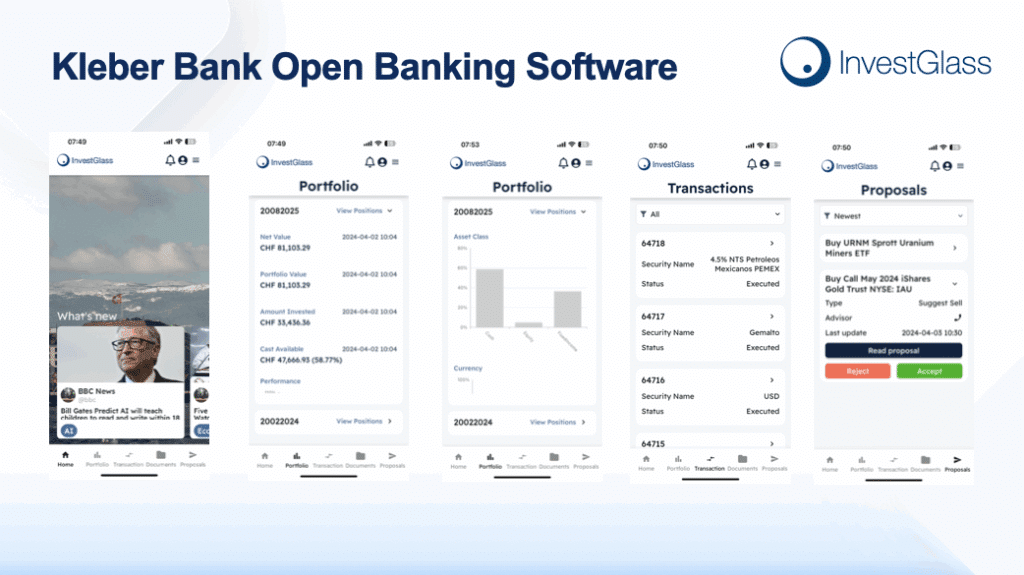
The Request for Proposal (RFP) process in the banking sector is a strategic and formalized bid-seeking procedure designed to connect entidades financieras with potential technology partners. Organizations often begin with an existing rfp template, which they then customize to reflect their specific goals and requirements, ensuring that responses are relevant and comprehensive. An RFP in banking technology solutions aims to formally seek bids to secure services that meet financial goals, including servicios bancarios rfp. This process is increasingly common among financial services firms, highlighting its growing significance in the industry.
A well-structured RFP serves as a strategic document that organizes the exchange of information needed to select a firm that meets the specific needs of the requesting organization. It includes detailed information on services, expertise, performance, fees, and other important factors. An effective RFP reflects the specific needs of the requesting organization, serving as a crucial tool for due diligence. The RFP process can take several months and requires careful planning and detailed attention to ensure a successful outcome. The administrative burden of conducting an RFP is significant, with Excel and emails being the primary communication tools currently used.
A well-organized RFP can significantly impact business opportunities for technology providers. Empresas often conduct RFPs due to required periodic reviews and the need for new partners as a result of operational changes. This strategic approach ensures not only the fairness and transparency of the vendor selection process but also the alignment of technology solutions with the long-term goals of financial institutions. There are also signs that RFPs are moving toward an online browser interface format, reflecting broader finance process automation trends.
For more insights on banking technology solutions and RFP best practices, visit InvestGlass, a leading platform offering innovative tools tailored to financial institutions.
Defining Banking Technology Solutions
Banking technology solutions encompass a wide range of systems and platforms designed to enhance the efficiency and security of financial institutions. Core banking systems are essential for managing daily transactions and operations within a bank. These systems ensure that banks can handle customer accounts, process transactions, and manage financial records seamlessly.
In addition to core systems, digital banking platforms play a crucial role in enhancing customer interaction and service delivery through online channels. These platforms enable customers to access banking services anytime and anywhere, which significantly improves the overall customer experience with their chosen banking services provider.
Furthermore, cybersecurity measures are critical in proteger these banking technology solutions from threats and ensuring data integrity.
The Importance of a Well-Structured RFP
A well-structured RFP is vital for obtaining detailed and comparable offers from technology providers. It ensures fairness in evaluating financial services firms by using the same criteria for evaluation, promoting a level playing field for all participants. Incorporating a formal grading structure, where proposals are scored using standardized and objective measures, further enhances fairness and allows for a more comprehensive evaluation process. Including clear evaluation criteria in an RFP not only enhances fairness but also aids in making informed decisions by allowing easy comparisons of vendor proposals in a fair and objective manner.
Documenting the RFP process helps maintain transparency and accountability throughout vendor selection. This formalized bid-seeking process requires the RFP committee to discuss and agree on the evaluation criteria, which fosters a comprehensive understanding of the organization’s needs and expectations. Using an evaluation structure that enables the committee to grade respondents’ answers to each question on a scale from excellent to unacceptable helps level the playing field during the proposal evaluation process.
Ultimately, a well-organized RFP can significantly contribute to the successful implementation of banking technology solutions by ensuring that the chosen provider aligns with the institution’s strategic goals. To explore tools that simplify this process, consider InvestGlass for its comprehensive technology and RFP management capabilities.
Goals and Objectives of Your RFP
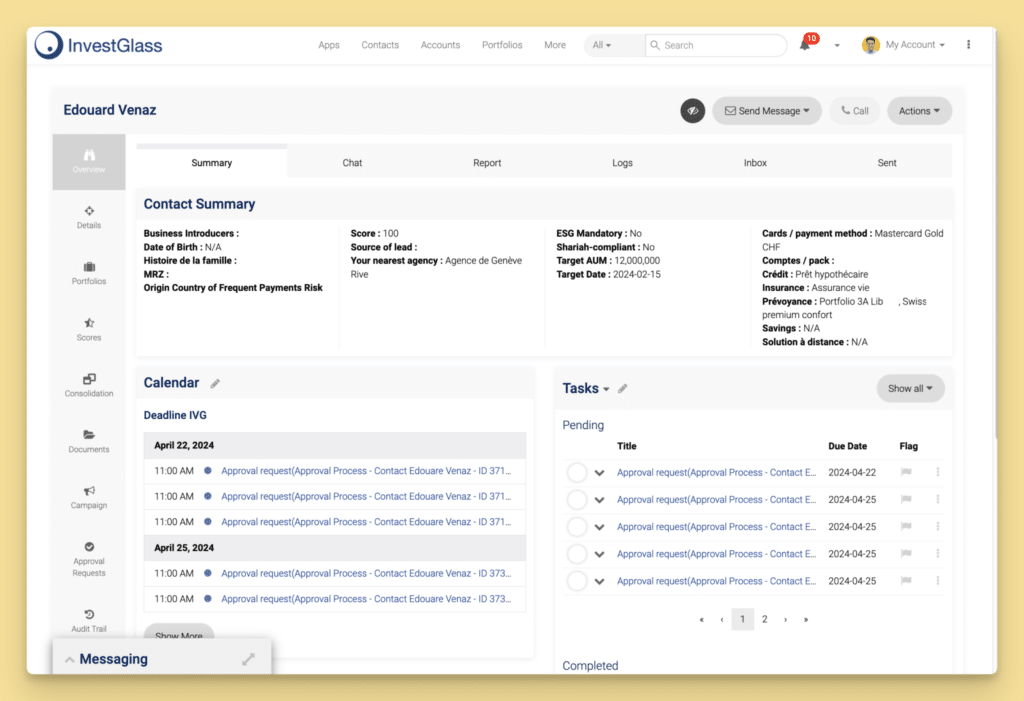
The primary goal of the RFP process is to solicit complete and comparable proposals from qualified providers. Before issuing the RFP, organizations must:
- Establish clear goals to guide the procurement process effectively.
- Define a well-structured business case.
- Allocate dedicated resources to manage the process.
- Conduct enough advance research on potential providers to ensure suitable firms are invited.
- Undertake sufficient internal evaluation to clarify organizational needs and requirements.
- Define the business objectives and requirements before creating an RFP to ensure alignment with organizational needs.
Effective implementation of banking technology focuses on enhancing client relationships and seamlessly integrating new systems. A well-structured RFP aids organizations in making informed decisions by allowing easy comparisons of vendor proposals. When allocating resources, it is important to determine how many firms to invite to submit proposals, as the number of firms multiplied by the number of questions in the RFP directly impacts the evaluation workload. By setting clear goals and objectives, financial institutions can ensure that the RFP process aligns with their long-term strategy and operational needs.
Aligning with Organizational Goals
The RFP must align with the organization’s long-term strategy to ensure relevance and effectiveness. Such alignment ensures the technology solution meets immediate needs while supporting broader strategic objectives.
Whether it’s a nonprofit organization conducts an RFP for better operational efficiency or a financial institution seeking to enhance its service offerings, aligning the RFP with organizational goals is crucial for success.
Establishing Clear Objectives
Defining specific objectives such as improving customer experience, enhancing security, or increasing operational efficiency is crucial for the success of the RFP process. Engaging in conversations with clients to reveal specific pain points and desired solutions can significantly inform objective setting. Specificity in the RFP document clearly communicates organizational needs, ensuring informative vendor responses.
Utilizing a well-defined RFP process can help organizations lower costs by fostering competitive pricing among vendors. Clearly outlined objectives ensure that received proposals are relevant and actionable, streamlining the selection process.
Planning Your Banking Technology RFP

Planning the RFP process is a critical step in ensuring its success. To do this effectively:
- Define clear objectives to ensure the RFP process aligns with organizational strategy.
- Customize questions in the RFP questionnaire to fit your organization’s specific needs.
- Remove irrelevant questions to ensure proposals contain the necessary information for informed decision-making.
Consulting stakeholders who regularly engage with banking services, as well as involving human resources and other relevant departments, ensures a multidisciplinary team contributes to the planning process. This collaborative approach ensures the RFP addresses all relevant aspects, leading to comprehensive and useful proposals, supported by strategic consulting services.
Undertaking Sufficient Internal Evaluation
An internal evaluation involves the following steps:
- Ensuring that invited firms can offer the desired range of services.
- Verifying vendor compliance with various regulations and assessing their security measures.
- Conducting a preliminary request for information (RFI) to gauge interest and narrow down potential technology candidates, including sufficient internal evaluation and self evaluation formulating.
- Involving asset managers and financial advisors in the evaluation process to ensure a comprehensive assessment of proposals, risk management, and alignment with fiduciary duties.
Selecting the right vendors involves ensuring compliance and relevant capabilities, providing a detailed record for audits. This meticulous approach documents the evaluation process and ensures vendor alignment with institutional needs and regulatory requirements.
Setting Priorities
Each RFP should clearly outline the project’s objectives, including the specific services required and any associated timelines. Identifying key priorities and must-have features is crucial for a successful RFP process requires. Deciding on weighting factors early in the process helps clarify which criteria matter most, allowing candidate firms to tailor their responses and enabling a more effective evaluation. Using a requirements matrix to categorize features as “Must Have” or “Nice to Have” further supports vendor comparisons.
Aligning objectives and must-have features with strategic goals enhances the chances of selecting a suitable technology partner.
Formulating the RFP Committee
To effectively manage the RFP process:
- Appoint one person to oversee the RFP process, collaborating with a multidisciplinary committee.
- Establish a small multidisciplinary committee to support the RFP process, incorporating expertise from various sectors.
- Engage an expert to help navigate the RFP process and define priorities, especially for first-time issuers.
The appointed individual should dedicate 20 to 30 hours to the RFP project to effectively manage it. This approach ensures efficient management of the RFP process and consideration of all relevant aspects.
Crafting the RFP Document
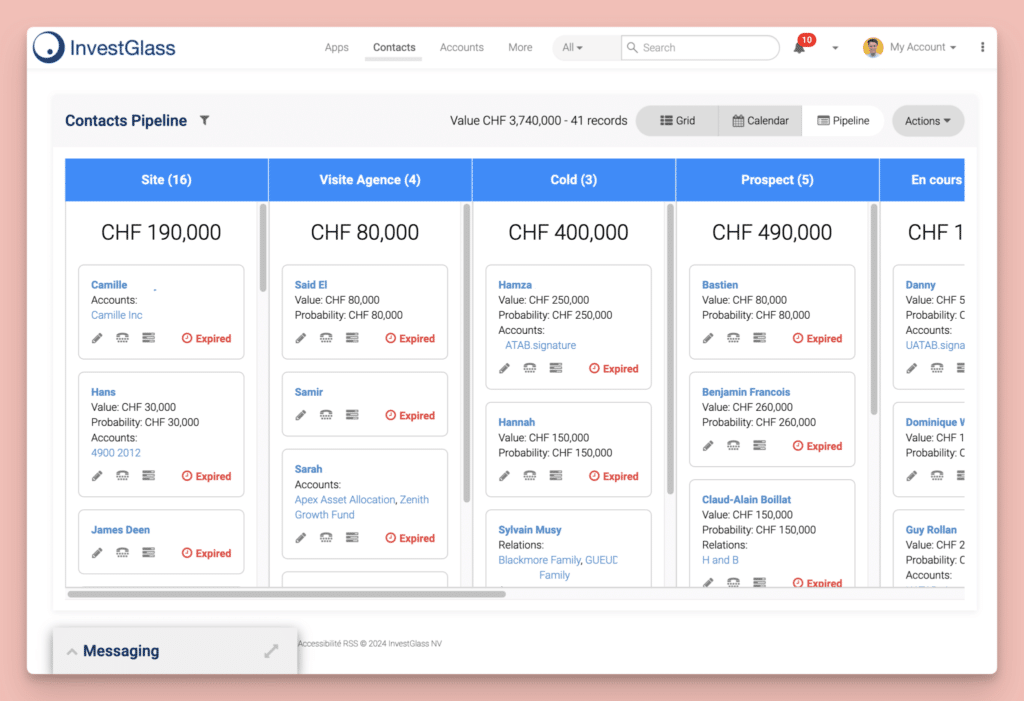
An RFP in the banking sector serves as a structured document to collect proposals from potential vendors, facilitating a comparison of services. The introduction and background section should detail the current state, goals, and specific needs to inform potential vendors. When considering cartera management, organizations may opt for a comprehensively outsourced structure, where a single firm acts as an extension of staff and has full discretion over portfolio implementation decisions. Clear headings and a logical structure effectively organize the RFP technical sections.
At the start of the technical sections, it is essential to include a clear and concise executive summary, as this is the first section clients read and should effectively outline the value proposition and unique strengths of the firm. Key components for a banking technology RFP include an executive summary, functional and technical requirements, compliance standards, vendor experience, and structured pricing.
The technical sections should provide a detailed scope of work that defines both functional and technical specifications, along with:
- Detailed information about the approach, methodologies, and expertise to guide vendors in their submissions.
- Access to related documentation to enhance the quality of vendor proposal submissions.
- Use visual aids like charts and graphs to effectively illustrate key points within the RFP documentation.
Essential Components
The RFP should include:
- Information about the organization’s mission, structure, and long-term goals
- Investment policy statement
- Spending policies
- Asset allocation
- Sample asset allocation
- Performance reports
- Long term investment pools
- Details on investment assets and how they are managed, including oversight and allocation processes
- Mandatory certifications such as PCI-DSS, ISO 27001, and SOC 2
- Technical security requirements, including encryption standards, multi-factor authentication, and disaster recovery plans
- Regulatory requirements such as BSA/AML and KYC compliance
For risk management concerns, detail the firm’s operational risk management strategies and successes in the RFP.
The financial section of the RFP should include:
- A detailed breakdown of costs and the value of each component, specifying one-time implementation fees, recurring licensing, and support fees.
- Varied pricing options or packages to make the proposal more attractive.
- Clear and transparent pricing to avoid confusion or mistrust.
- A thorough explanation of the fee structure, ensuring all billing practices and policies are fully understood.
Questionnaire for Candidates
The RFP questionnaire must request detailed information on the candidate firms’ qualifications, services, and past performance metrics, while specifically assessing the firm’s ability to deliver the required services. A detailed questionnaire gathers crucial information about candidate firms’ capabilities and previous experience, which reflects the firm’s ability. Additionally, the rfp document requests information that is essential to provide candidate firms services for evaluating potential partners.
A well-structured questionnaire ensures that the proposals received contain the information necessary for informed decision-making.
Timeline and Expectations
It’s crucial to outline a clear timeline in the RFP that includes deadlines for proposal submissions and periods for evaluation. Establishing a calendar with reminders for important dates facilitates planning during the RFP process. Begin careful planning to ensure all aspects are covered.
This structured approach ensures that all stakeholders are aware of the key milestones and deadlines, leading to a more organized and efficient process.
Issuing the RFP

Distributing the RFP effectively enhances the chances of attracting suitable technology providers. A successful rfp procedure includes post-issuance steps such as selecting suppliers, answering follow-up questions, and sending reminders to non-respondents.
This engagement keeps potential vendors aware of deadlines and requirements.
Selecting Potential Vendors
The Treasury must determine the number and selection of banks to include in the RFP process. If you are satisfied with your current advisor’s services, consider including them in the new RFP. Doing so can ensure you continue to benefit from their expertise.
This strategic selection process ensures that you are considering the most relevant and capable vendors for your needs.
Communication Strategy
Clear communication aligns vendor responses with RFP requirements and expectations. A centralized document for answering vendor questions ensures equal information distribution and no unfair advantages.
Keeping potential vendors informed about any changes to the RFP is vital for maintaining trust and clarity.
Providing Access to Additional Information
Allocating time for questions and deliberation in the RFP timeline allows vendors to seek clarification and gather necessary information. Allowing respondents three to four weeks to reply ensures they can prepare comprehensive proposals.
This approach ensures that vendors have sufficient time to provide in depth responses and fair and thoughtful set responses.
Evaluating Proposals
The important evaluation stage begins with a thorough review of all RFP responses to ensure proposals are complete and meet the requirements. During this stage, the RFP committee discuss responses, clarify discrepancies, and collaboratively assess the fit of each respondent, often through face-to-face meetings and detailed deliberation. If proposals are incomplete, contact respondents to provide missing information or enforce completion deadlines. Deciding whether to contact respondents depends on the completeness and quality of the initial proposals, ensuring a fair and thorough assessment before moving forward. Initial RFP criteria and internal discussions should guide the proposal evaluation process.
Choosing a vendor is a critical process that requires careful assessment of various factors, including vendor capabilities and alignment with organizational needs. Reference checks are essential to validate the claims made by vendors and assess their reliability before making a final decision.
Effective contract negotiations are essential to finalize the terms and ensure mutual agreement. It is essential to allow sufficient time for the RFP committee to deliberate during the evaluation stage to avoid rushing the decision-making process.
Scoring Process
Evaluation criteria for vendor selection should include:
- Assessing financial stability to ensure vendors can meet their commitments.
- Evaluating vendors based on their previous experience with similar projects.
- Assessing if a vendor’s experience aligns with the specific scope of your project’s requirements.
- Using a structured grading evaluation scale and evaluation structure to facilitate a more consistent assessment of the proposals.
Utilizing a structured scorecard can assist in maintaining consistent and accurate evaluations during RFP scoring. To improve the proposal evaluation process, consider the following:
- Give preference to candidates who closely adhere to the RFP instructions during evaluation.
- Utilize a vendor comparison matrix.
- Apply a weighted scoring approach.
In-Person Presentations
In-person presentations during the RFP process allow thorough assessment of vendor capabilities. Final presentations offer deeper engagement and assessment of vendor capabilities.
Presentations provide an opportunity for the RFP committee to engage with vendors and clarify any doubts.
Seeking Clarifications
Seek clarifications to ensure vendor proposals meet RFP requirements. It is crucial to ensure that vendor proposals align with the specific requirements outlined in the RFP to avoid misunderstandings. When seeking clarifications, ensure queries are concise to facilitate quick and effective responses from vendors.
Clear, concise communication leads to efficient vendor responses and a smoother RFP process.
Making the Final Decision
Narrowing the vendor list ensures a focused evaluation of the most suitable technology providers. Narrowing down finalists involves setting specific criteria aligned with the bank’s objectives and assessing vendor performance against them. Final evaluations should include detailed assessments, reference checks, and careful consideration of the vendors’ capabilities as well as risks involved.
Selection should culminate in contract negotiations that clarify expectations, deliverables, and ensure alignment with the bank’s goals. This comprehensive approach ensures that the chosen vendor is well-suited to meet the institution’s needs and strategic objectives.
Narrowing Down Finalists
Establishing clear criteria for decision-making helps streamline the selection of a technology provider. Objective factors beyond pricing, including soft skills, should be considered when selecting finalists for an RFP. Engaging in follow-up discussions can reveal additional insights about a vendor’s approach and compatibility.
The vendor selection process includes:
- Pre-proposal interactions and final presentations, which offer insights into a vendor’s capabilities.
- Narrowing candidates down to a smaller shortlist to select finalists for in-person meetings.
- Conducting follow-up interviews or additional presentations if no clear winner emerges.
A finals presentation is an in-person interview by the top three prospective providers.
Final Evaluation and Selection
After evaluating RFP candidates, the investment management committee should arrive at a majority decision. Consider experience, previous success, and infrastructure when making the final vendor decision with qualified investment service providers, investment services, and a registered investment adviser, leveraging investment expertise. Choosing the right investment service provider is crucial for optimal outcomes in a more highly diversified portfolio and informed portfolio implementation decisions, as determined by the board or investment committee, based on objective rationale.
This thorough evaluation process ensures that the selected vendor is the best fit for the institution’s needs and goals.
Implementing the Chosen Solution
Successful implementation of banking technology requires a detailed project management strategy that includes defined roles and responsibilities. This strategy ensures an organized and efficient implementation process, leading to successful technology integration.
Project Planning
A detailed project plan should outline timelines and milestones for the implementation of banking technology. A comprehensive project plan outlines key milestones, deadlines, and deliverables to keep implementation on track.
This structured approach ensures that all team members are aware of their responsibilities and the project’s progress.
Formación y asistencia
Providing comprehensive training and ongoing support is crucial for staff to adapt to new banking technologies. Tailor effective training programs to different staff roles to ensure comfort with new technology.
Adequate training ensures that staff are familiar with the new technology, which minimizes disruption during the transition.
Monitoring and Evaluation
Continuous monitoring and evaluation are necessary to ensure that the implemented technology meets the bank’s objectives. Regular assessment of the implemented solution measures performance against established benchmarks to perform stress tests.
Ongoing evaluation is crucial to determine if the implemented solution continues to meet the bank’s evolving needs and objectives.
Resumen
In conclusion, mastering the RFP process for banking technology solutions involves several critical steps, from understanding the basics and setting clear objectives to crafting the document and evaluating proposals. By aligning the RFP with organizational goals, planning effectively, and ensuring thorough evaluation and strategic alignment, financial institutions can select the most suitable technology partners. This comprehensive approach ensures successful implementation and continuous improvement of banking technology solutions, driving the institution forward.
For further resources and innovative banking technology solutions, explore InvestGlass, a trusted partner in the financial technology space.
Preguntas frecuentes
Why is a well-structured RFP important for banking technology solutions?
A well-structured RFP is essential for acquiring detailed and comparable proposals from technology providers, fostering fairness and transparency in the selection process while facilitating informed decision-making.
What are the key components of an RFP document?
The key components of an RFP document are the organization’s mission and structure, long-term goals, risk management strategies, and a comprehensive financial section. Including these elements ensures clarity and guides potential respondents effectively.
How should I select potential vendors for my RFP?
To select potential vendors for your RFP, assess the number of candidates carefully and consider including current advisors if their services meet your needs. Clear communication and transparency in providing additional information will enhance the selection process.
What is the importance of in-person presentations during the RFP process?
In-person presentations are crucial during the RFP process as they facilitate deeper engagement and allow for a thorough assessment of vendor capabilities, ensuring alignment with requirements and addressing any potential doubts effectively.
How can organizations ensure successful implementation of the chosen banking technology solution?
Organizations can ensure successful implementation of banking technology by developing a detailed project management strategy, providing comprehensive training and support for staff, and continuously monitoring and evaluating to adapt to evolving needs. This approach fosters a smooth transition and enhances effectiveness.


