
A financial consultant helps individuals, families, and businesses make informed financial decisions across investing, retirement, tax planning, and risk management. Whether you are a 45-year-old mapping out retirement at age 67 or a young professional building an emergency fund, this guide explains what a financial consultant does, how they differ from other financial professionals, how they are regulated, and how to choose the right one for your specific situation.
Introduction to Financial Consultants
A financial consultant is a professional who provides personalized advice on budgeting, investing, insurance, retirement planning, and tax strategies. Consider a practical example: in 2026, a 45-year-old earning £95,000 per year wants to retire at 67 with sufficient income to maintain their lifestyle. A financial consultant would analyse their current savings, project future social security benefits, recommend an asset allocation aligned with their risk tolerance, and propose a tax-efficient withdrawal strategy for their retirement accounts. This is the kind of structured, goal-oriented work that defines the role.
Financial consultants sit within the broader world of financial services and wealth management. While banks focus on lending and deposits, insurance agents on policies, and stockbrokers on securities transactions, a financial consultant integrates multiple disciplines to offer a holistic view of a client’s finances. They coordinate with accountants, solicitors, and insurance specialists when the situation demands it.
The key areas where they add value include financial planning, investment management, retirement planning, tax planning, and risk management. These areas often overlap, but a competent consultant addresses them as parts of a single, coherent strategy rather than isolated tasks.
It is worth noting that the terms “financial consultant” and “financial advisor” are often used interchangeably. However, there can be important differences in regulation, compensation structures, and scope of services depending on how a firm defines the role. Some organisations prefer “consultant” to signal advisory depth rather than product sales. Throughout this article, both terms appear, and the distinctions are explained where they matter.
What Is a Financial Consultant?
A financial consultant is a type of financial advisor who provides customised financial planning and investment guidance to individuals, families, and sometimes businesses. Their work goes beyond selling investment products. They analyse a client’s full financial picture to develop a personalized plan tailored to the client’s goals, time horizon, and appetite for risk.
In 2026, financial consultants work in diverse settings. Some operate as independent registered investment advisors offering fee-only services. Others are employed by banks, brokerage firms, or wealth management companies. Some hold hybrid registrations, acting both as brokers and as advisors. These employment setups shape the services offered and the regulatory standards that apply.
They assess clients’ financial situations before making recommendations. This typically begins with a discovery meeting where the consultant gathers data on income, expenses, financial assets, liabilities, insurance coverages, and current investments. From there, they perform cash-flow modelling, risk tolerance assessments, and retirement projections, including social security claiming strategies. Concrete services include portfolio reviews, education funding plans (for example, preparing for a child entering university in autumn 2030), and estate planning recommendations.
Credentials matter significantly. The Certified Financial Planner (CFP®) designation is a highly regarded certification, requiring candidates to pass a comprehensive board exam. The Chartered Financial Consultant (ChFC) designation, introduced in 1982 by the American College, serves as an alternative to the CFP®; ChFC candidates complete eight courses to earn their designation. Other respected credentials include the chartered financial analyst (CFA) charter, which is more investment-analysis oriented, and the certified public accountant (CPA) qualification for those with deep accounting and tax expertise. Financial consultants may also hold advanced degrees like MBAs. Regardless of educational background, the best consultants analyse risk and provide expertise in investments and taxes as part of holistic planning rather than narrow product sales.
What Do Financial Consultants Do Day to Day?
A typical weekday for a financial consultant blends client-facing meetings with behind-the-scenes analysis. Mornings often start with consultations, perhaps a video call with a 53-year-old couple reviewing their retirement planning projections, followed by an in-person meeting with a client wanting to consolidate three old 401(k) retirement accounts into a single IRA. Investment advisors help manage investment portfolios based on risk tolerance, and much of this work happens in the mid-day hours when the consultant reviews how client allocations have drifted and whether rebalancing is needed.
Afternoons are frequently spent updating financial plans. This might involve running scenarios for retiring early at 62 versus 65, or designing a monthly savings plan for a 30-year-old aiming to purchase a home in 2028. Financial consultants help manage multiple retirement accounts effectively, ensuring that pension plans, employer schemes, and personal savings work in concert. They also coordinate with accountants on tax filing or with solicitors on trust documentation, while relying on automated KYC verification for compliant client onboarding.
Soft skills are essential to the job. Communication, listening, and the ability to explain complex topics such as tax-loss harvesting, Roth conversions, or the trade-offs of annuities in simple terms are what distinguish a competent consultant from a mediocre one. Financial consultants provide guidance on insurance decisions and investment strategies, and clients need to understand the reasoning behind each recommendation.
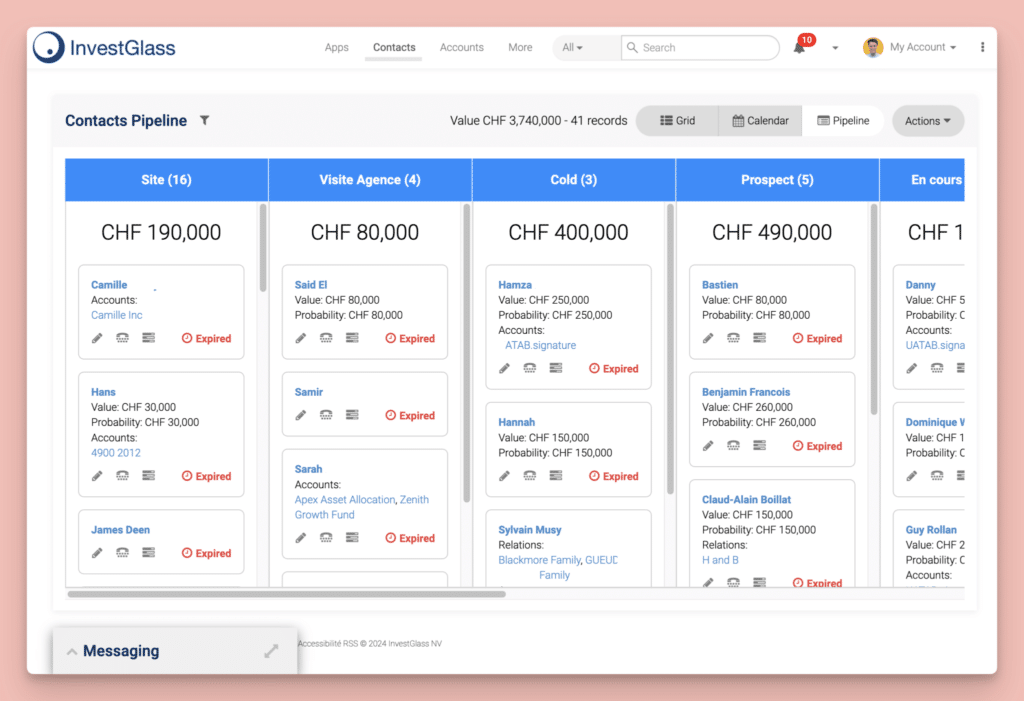
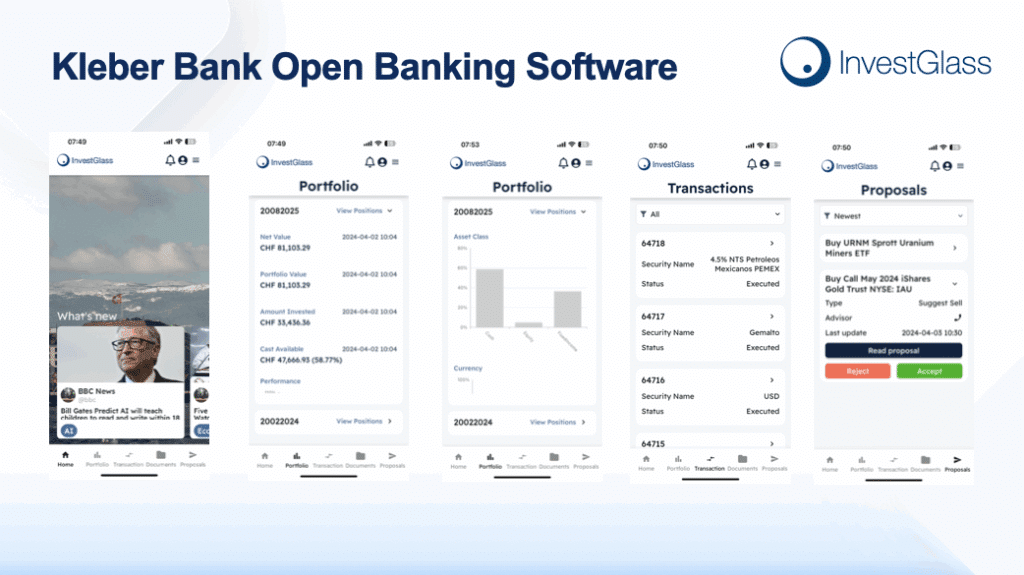
Technology has reshaped daily operations considerably from 2020 to 2026. Consultants now rely heavily on financial planning software, secure client portals, and video conferencing to serve clients remotely. One notable platform is InvestGlass, a comprehensive CRM and digital onboarding tool designed specifically for financial consultants. InvestGlass enables consultants to streamline client management, automate compliance workflows, and deliver personalised investment advice efficiently through its 金融服务专用 CRM. Its integration with portfolio management and risk assessment tools powered by AI allows consultants to provide specific advice tailored to client needs while maintaining regulatory compliance. AI-powered features within InvestGlass also assist in analysing client data and generating customised financial plans, helping consultants provide legal and compliant guidance seamlessly.
Financial Consultants vs. Financial Advisors and Other Financial Professionals
Although “financial consultant” and “financial advisor” are broadly interchangeable, firms may assign labels for legal, regulatory, or branding reasons. Financial advisors may also be called wealth managers or financial planners depending on the organisation. Understanding these important differences helps you identify the right professional for your needs.
Other financial professionals occupy related but distinct roles. Stockbrokers primarily execute securities transactions. Insurance agents sell insurance policies. Wealth managers cater to high-net-worth individuals with comprehensive services spanning trust administration, estate planning, and philanthropic strategy. A financial planner focuses on long-term goals such as budgeting, retirement, and tax efficiency. Financial coaches, by contrast, focus on budgeting and basic money habits without offering investment management. Robo-advisors are digital platforms offering low-cost automated investment options, typically suited to clients with straightforward needs and lower balances.
Designations clarify specialisation. A certified financial planner tends to cover a broad range of planning areas: retirement, tax, insurance, and estate planning. A chartered financial analyst is more oriented towards portfolio analysis and security service evaluation. Choosing the right credential depends on whether you need comprehensive personal finance planning or deep investment analytics.
Compensation structures are another area where clarity matters. Fee-only advisors do not earn commissions from product sales; they charge clients directly through AUM fees, retainers, hourly rates, or a flat fee. Commission-based professionals earn income from selling investment products such as annuities or loaded funds. Fee-based (hybrid) advisors combine both. Industry studies estimate the median blended AUM fee for portfolios up to $1 million at roughly 1% per year. Standalone comprehensive plan fees charged average around $3,000, while retainer or subscription models average approximately $4,500 per year. Consultants may charge flat fees, hourly rates, or commissions depending on the engagement. Over 77% of U.S. financial advisers now operate on fee-based or fee-only models, with commission-based revenue declining to about 23% of average advisor revenue.
To find a financial professional who fits your needs, consider the specific situation: someone approaching retirement may prioritise social security timing and withdrawal strategies, while a young family might need budgeting, debt management, and education savings guidance.
How Financial Consultants Are Regulated
The regulatory framework governing financial consultants in the U.S. involves several layers. Registered investment advisers must register either with the SEC (for firms exceeding certain asset thresholds) or with state securities regulators. Broker-dealers and their registered representatives fall under FINRA oversight. Insurance-related activities are regulated by state insurance authorities.
Fiduciaries are legally bound to act in the best interest of their clients. This fiduciary duty, rooted in the Investment Advisers Act of 1940, requires advisors to avoid conflicts of interest and disclose any material conflicts. By contrast, the suitability standard allows advisors to recommend products that are merely suitable for clients without necessarily being optimal. Regulation Best Interest (Reg BI), which took effect in 2020, raised the bar for broker-dealers by requiring them to meet a “best interest” standard when recommending securities to retail customers, though this remains distinct from full fiduciary duty.
Consumers can research a consultant’s background using publicly available tools. The SEC’s Investment Adviser Public Disclosure (IAPD) database provides access to Form ADV filings, which detail services offered, fees charged, disciplinary history, and potential conflicts. FINRA BrokerCheck covers licensing and infractions for broker-dealer representatives. Before hiring a consultant for wealth management or retirement planning, reviewing their Form ADV Part 2 is a practical step. You might discover, for example, that a consultant earns both client fees and commissions, or that they have a disciplinary record that warrants caution.
Regulatory scrutiny continues to intensify. The 2026 Deloitte investment management regulatory outlook highlights stronger oversight of fee disclosures, conflicts of interest, and the clarity of fiduciary status across the financial industry.
When You Should Consider Hiring a Financial Consultant
Certain life milestones and money issues commonly signal the need for professional guidance. Financial consultants guide clients through major life changes affecting finances, whether that involves starting a high-income job, getting married, buying a home, receiving an inheritance, or approaching retirement.
Consider a couple aged 55 in 2026 who aim to retire in 2038 with $600,000 saved across multiple retirement accounts, including employer pension plans and personal IRAs. A consultant would knit together social security claiming decisions, tax-efficient withdrawal order, healthcare planning, and estate considerations into a single coherent strategy. This is the kind of assistance provided when complexity exceeds what most people can confidently manage alone.
During volatile markets, such as the sharp downturns of 2020 and 2022, a financial consultant helps clients stay aligned with their long-term financial plan. Rather than reacting emotionally by selling at a loss, investors working with a consultant benefit from adjusted investment strategies, rebalanced portfolios, and stress-tested projections. Even in an environment of higher interest rates, a consultant can identify opportunities in fixed-income assets and recalibrate buying power accordingly.
Near age 65, consultants assist with Medicare-related decisions, tax planning around required minimum distributions, and social security optimisation. They also help with debt management by evaluating financing options to minimise borrowing costs, an area relevant to family members carrying mortgages, student loans, or other liabilities, and many private banks use specialised CRM platforms for portfolio and relationship management to support this work.
You do not need to be ultra-wealthy to benefit. Young professionals and families starting with modest portfolios often work with consultants who offer financial planning focused on cash flow, budgeting, and debt reduction. Many firms now offer project-based or hourly rate engagements specifically for clients in the early stages of building wealth in their own life.

How to Find and Choose a Financial Consultant
Selecting the right financial consultant is as important as the financial plan itself. A poor match can lead to misaligned financial interests, unnecessary fees, or advice that does not suit your goals.
Start with personal networks. Ask friends, family members, and colleagues for referrals, particularly those in a similar financial situation. Once you have names, verify credentials and regulatory status independently using the tools mentioned earlier. Do not rely solely on word of mouth.
Professional organisations are invaluable resources. The Financial Planning Association, NAPFA (National Association of Personal Financial Advisors), and the CFP Board all offer searchable directories filtered by location, specialty, and fee model. These tools make it straightforward to find a financial consultant who matches your requirements in 2026.
When you sit down for an initial meeting, certain financial advisor tips can help you evaluate the professional. Ask whether they are a fiduciary at all times. Ask what specific advice and services they offer, whether that includes ongoing investment services or is limited to one-time planning. Inquire about their fee structure: are they paying for personalized advice through AUM fees, a flat fee, or commissions? Ask about their typical client profile, how often they review the plan, and request a sample financial plan or proposal. These questions reveal transparency and competence, including how they use AI-driven tools for portfolio management and risk assessment.
Meeting multiple candidates helps evaluate communication styles and fit. Interview at least two or three advisors, compare written proposals, and assess how clearly each explains their approach. A consultant who cannot explain their process in plain language is unlikely to serve you well when complex decisions arise. Companies that offer financial planning often provide initial consultations at no cost, giving you an opportunity to assess fit before committing.
Building a Comprehensive Financial Plan with a Consultant
Creating a comprehensive financial plan typically follows a structured process: discovery meeting, data gathering, analysis, plan presentation, implementation, and regular review. Each stage builds on the previous one, and the result is a living document that evolves with your circumstances.
The discovery meeting establishes your financial goals, time horizon, and concerns. Data gathering covers income, expenses, assets, debts, insurance, tax returns, and investment statements. The consultant then analyses this information using cash-flow modelling, scenario projections, and risk assessments. Financial consultants help create personalised financial plans, and consultants help create personalised investment plans based on client goals.
A comprehensive plan addresses several components: emergency fund targets (typically three to six months of expenses), insurance review (life, disability, long-term care), a debt payoff schedule, retirement savings projections, education funding paths, and estate planning recommendations. Financial consultants assist with estate planning and tax management, ensuring that wills, trusts, powers of attorney, and beneficiary designations are properly structured.
Consider a family in 2026 with two children, one entering university in autumn 2030 and the other in 2033, while the parents aged 45 aim to retire at 65. The consultant models monthly savings contributions, expected portfolio returns of 6 to 7 percent, inflation assumptions of 2 to 3 percent, and projected tax brackets. The recommendation might prioritise retirement savings while allocating surplus income to 529 education plans.
Consultants use assumptions that are updated as economic conditions and tax laws change. Inflation rates, expected returns, and legislative shifts all affect projections. A plan built in 2026 will look different after a significant tax reform or a sustained period of market turbulence.
The importance of regularly revisiting the financial plan cannot be overstated, just as other advisory professions benefit from specialised CRM solutions to track client progress and outcomes. Major life changes, whether a job loss, business sale, divorce, relocation, or death of a spouse, all warrant a reassessment. Most consultants schedule annual or semi-annual check-ins, with additional reviews triggered by significant events, similar to how other professionals rely on CRM systems to manage client or patient relationships over time.

常见问题 (FAQ)
Q1: What qualifications should I look for in a financial consultant?
A1: Look for credentials such as Certified Financial Planner (CFP®), Chartered Financial Consultant (ChFC), or Chartered Financial Analyst (CFA). These designations indicate rigorous training and adherence to ethical standards. Advanced degrees like MBAs can also be a plus.
Q2: How do financial consultants charge for their services?
A2: Financial consultants may charge fees based on assets under management (AUM), flat fees, hourly rates, or commissions. Fee-only consultants do not earn commissions, which can reduce conflicts of interest.
Q3: Can a financial consultant help with tax planning?
A3: Yes, many financial consultants provide tax planning advice as part of a comprehensive financial plan, helping clients minimise tax liabilities and optimise retirement withdrawals.
Q4: Are financial consultants regulated?
A4: Yes, financial consultants who provide investment advice typically register with the SEC or state regulators as investment advisers. Broker-dealer representatives are regulated by FINRA. Fiduciaries must act in clients’ best interests.
Q5: When is the best time to hire a financial consultant?
A5: Hiring a consultant can be beneficial at any stage but is especially valuable during major life events such as marriage, inheritance, career changes, or retirement planning.
Bottom Line: Is a Financial Consultant Right for You?
Financial consultants play a vital role in helping people clarify their goals, structure their personal finance strategy, and adapt as life unfolds. They differ from other financial professionals in scope, credentials, and compensation, but the core value they offer is the same: personalised, accountable guidance through complex financial decisions. Professional financial advice can add up to 5.1% to portfolio returns over time, a figure that underscores the tangible benefit of working with a qualified professional. Financial consultants offer personalised advice to help build wealth, and this value compounds over years.
The benefit of a consultant lies not in a single plan but in ongoing adjustments to your wealth management and investing strategy. Whether you need help with retirement planning, education funding, or simply navigating the cost of competing financial priorities, a consultant who acts in your best interest can make a measurable difference.
If you are considering this step, start by clarifying your financial goals and gathering key information: assets, debts, income, expenses, insurance, and tax status. Determine the knowledge and credentials you value, establish your fee tolerance, and schedule at least one introductory meeting with a qualified advisor. The right financial consultant is not necessarily the most decorated one; it is the one whose approach, fees, and communication style align with your specific situation and long-term security.


