
利用人工智能改善客户体验,通常被称为 ‘人工智能客户体验’,是指利用聊天机器人、机器学习和预测分析等技术提供快速、个性化和高效的服务。本文将探讨人工智能如何提高客户互动和满意度。.
了解客户体验中的人工智能
在客户体验中实施人工智能已不仅仅是一种趋势。它对战略至关重要。令人印象深刻的是,65% 专门从事客户体验的领导者都承认,人工智能对于提高卓越服务具有重要意义。人工智能的意义在于它能够利用尖端技术提供快速、熟练和定制的互动,不仅满足而且预测客户的期望和需求。通过分析广泛的客户数据集,人工智能可以打造个性化的体验,与个人建立个人层面的联系,从而提高消费者的整体满意度。
将人工智能融入旨在提升消费者体验的战略中,既能提高运营效率,又能与客户的动态预期保持同步。人工智能能够加快流程,减少障碍、, 人工智能 确保客户从启动到完成的整个过程都非常顺畅。整合了这种先进人工智能技术的企业,在提供一流服务的每一个环节中,都处于领先地位。
人工智能驱动的算法与机器学习相结合,成为推动消费者关系行业标准和规范进步的关键因素,预示着一个由实时分析和预测性展望支持的个性化互动时代的到来,旨在通过持续的忠诚度努力加强客户与企业之间的联系。.
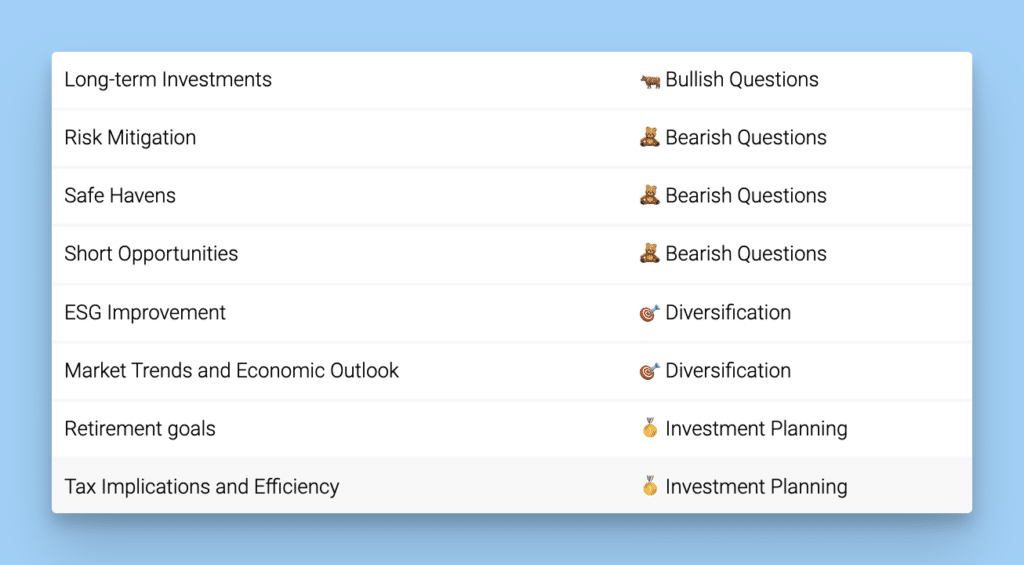
创建丰富的智能代理 
InvestGlass 事件管理软件 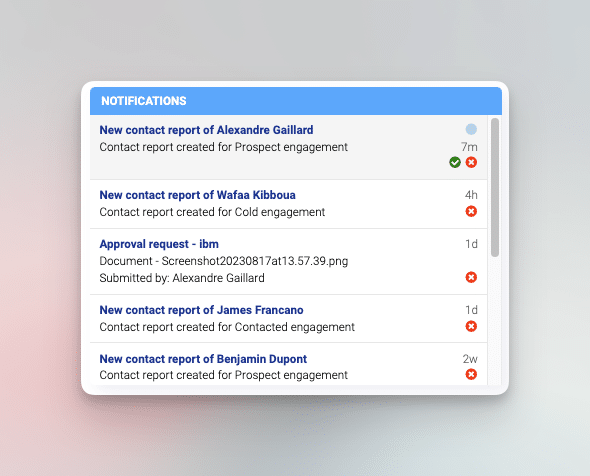
InvestGlass 任务管理  现实世界中的实例表明,人工智能正在彻底改变各个行业的客户体验。诸如InvestGlass、亚马逊和星巴克等公司正在利用人工智能提供既高效又奏效的定制化服务。这些实例阐明了人工智能增强客户互动、提升满意度水平以及培养品牌忠诚度的能力。
InvestGlass将人工智能融入其精简潜在客户开发和客户跟进的流程中。这种日常任务的自动化使公司能够投入更多时间处理战略事务,在提高生产力的同时,也提升了整体客户满意度。
亚马逊利用人工智能,根据个别购物者的行为、先前的购买记录以及购物车中的商品,来策划量身定制的产品推荐。这种个性化关怀极大地提升了平台上的用户体验,这通常会带来销售额的增长。
与此类似,星巴克不仅利用预测分析技术来制定个性化推荐,还善加管理库存水平,这显著提升了消费者的参与度,并推动了顾客更高的满意度。.
现实世界中的实例表明,人工智能正在彻底改变各个行业的客户体验。诸如InvestGlass、亚马逊和星巴克等公司正在利用人工智能提供既高效又奏效的定制化服务。这些实例阐明了人工智能增强客户互动、提升满意度水平以及培养品牌忠诚度的能力。
InvestGlass将人工智能融入其精简潜在客户开发和客户跟进的流程中。这种日常任务的自动化使公司能够投入更多时间处理战略事务,在提高生产力的同时,也提升了整体客户满意度。
亚马逊利用人工智能,根据个别购物者的行为、先前的购买记录以及购物车中的商品,来策划量身定制的产品推荐。这种个性化关怀极大地提升了平台上的用户体验,这通常会带来销售额的增长。
与此类似,星巴克不仅利用预测分析技术来制定个性化推荐,还善加管理库存水平,这显著提升了消费者的参与度,并推动了顾客更高的满意度。.
主要收获
- 人工智能能够实现快速、高效和个性化的互动,满足客户的期望,对改善客户体验至关重要。.
- 利用聊天机器人和预测分析等人工智能工具,可帮助企业预测客户需求并自动执行例行任务,从而提高满意度和运营效率。.
- 采用合乎道德的人工智能实践可确保透明度并建立客户信任,在个性化与隐私问题之间取得平衡,同时提升整体体验。.
利用 InvestGlass AI 提高客户满意度
InvestGlass 利用先进的人工智能功能简化复杂问题,改善购买过程的每个阶段,从而改变客户体验 (CX)。在网上购物和自助服务平台横跨多个渠道的今天,人工智能擅长分析行为数据、购买历史和非结构化数据。这有助于识别趋势和预测未来行为,使客户体验领导者和业务领导者能够做出更明智的数据驱动型决策。通过利用这些洞察力,企业可以提供个性化体验,提高客户满意度,同时解决数据使用中的道德问题。 InvestGlass 中的生成式人工智能工具使企业能够将大量组织数据转化为清晰、可操作的见解。这可加强决策过程,提高对客户需求的响应速度。InvestGlass 将人工智能的效率与人际互动的价值相结合,支持预测客户偏好的无缝、情境感知沟通。通过精确的趋势分析和更智能的参与策略,InvestGlass 使企业能够加强客户关系,领先于不断变化的市场需求。.了解客户体验中的人工智能
在客户体验中实施人工智能已不仅仅是一种趋势。它对战略至关重要。令人印象深刻的是,65% 专门从事客户体验的领导者都承认,人工智能对于提高卓越服务具有重要意义。人工智能的意义在于它能够利用尖端技术提供快速、熟练和定制的互动,不仅满足而且预测客户的期望和需求。通过分析广泛的客户数据集,人工智能可以打造个性化的体验,与个人建立个人层面的联系,从而提高消费者的整体满意度。
将人工智能融入旨在提升消费者体验的战略中,既能提高运营效率,又能与客户的动态预期保持同步。人工智能能够加快流程,减少障碍、, 人工智能 确保客户从启动到完成的整个过程都非常顺畅。整合了这种先进人工智能技术的企业,在提供一流服务的每一个环节中,都处于领先地位。
人工智能驱动的算法与机器学习相结合,成为推动消费者关系行业标准和规范进步的关键因素,预示着一个由实时分析和预测性展望支持的个性化互动时代的到来,旨在通过持续的忠诚度努力加强客户与企业之间的联系。.
人工智能算法的作用
我们每天接触到的许多个性化客户体验背后的驱动力正是人工智能算法。这些算法会筛选海量的消费者数据,洞察独特的喜好,从而提供量身定制的建议。人工智能还能分析客户行为以预测需求并量身定制服务,从而提升客户满意度和体验。 Spotify利用人工智能根据听众最近的音乐选择来生成个性化的播放列表,这充分展示了人工智能进行即时决策的能力。与此同时,亚马逊运用其人工智能系统分析用户的浏览习惯和购买记录,推送精准的广告和商品推荐,从而提升用户参与度和整体满意度。 AI工具的功能远不止于推荐产品。它们可以根据人口统计信息、行为和偏好对消费者进行分层,从而实现更个性化的互动。 通过研究互动历史的各个方面——包括用户的点击行为、在网站/应用内各页面或版块的停留时间,以及回顾以往的购买记录——我们正在分析用户的点击行为。AI 据此打造出精准的优惠和推荐,直击每位用户的个人需求。 这种深度个性化源于AI技术带来的深刻洞察,它为客户服务代表提供了提供无与伦比客户体验所需的关键背景信息。 生成式人工智能工具如同导航员,在客户旅程的每个接触点上丰富其体验。例如,我本人就担任咨询顾问一职。《The Muse》在其电子邮件营销活动中部署了此类人工智能技术,确保沟通内容不仅量身定制,还能有效提升打开率,从而提高用户参与度。 随着技术进步不断推动人工智能向新领域发展,其在改善’客户体验’的定制化流程中的影响也将日益深远——它有望实现更高的精准度,在互动过程中建立起极具影响力的个性化人际联系。.机器学习实现实时个性化
机器学习是增强客户体验中实时定制的基础组件。通过快速处理客户数据,机器学习使企业具备了快速适应消费者偏好的能力。这项技术利用人工智能根据用户的即时在线行为推荐合适的商品,从而促进动态个性化——想象一下,在您浏览网页时,系统推荐的商品仿佛是为您量身定制的一样。这就体现了机器学习的有效性。 结合机器学习,自然语言处理(NLP)和预测分析在提升客户参与度方面发挥着关键作用。这些复杂的工具动态审视客户行为,打造定制化体验,从而提升满意度并建立品牌忠诚度。例如,一个电子商务网站可能会应用机器学习算法来评估购物习惯,并推荐可能吸引买家的商品——这种方法旨在提高潜在销售转化率和整体消费者满意度。 机器学习快速分析客户信息的能力令人瞩目,它使企业能够提供迅速且贴切的个性化服务,从而丰富客户对其服务或产品整体互动的体验。在我们迈向一个日益竞争激烈的市场环境、消费者期望不断攀升的未来时,将这些先进技术融入旨在改善客户体验的框架中,对于那些决意在客户群体中保持关联性的企业来说,将被证明是必不可少的。.利用人工智能和 InvestGlass 增强客户互动
人工智能聊天机器人提供即时支持
人工智能驱动的聊天机器人可提供即时帮助并自主管理大量咨询,它的集成给客户服务带来了革命性的变化。人工智能可以帮助客服人员入职并提高他们的绩效。这些智能系统会初步评估问题的性质,从而更高效地将问题分配到适当的渠道,同时将人工座席从简单的任务中解放出来,专注于解决复杂的问题。令人印象深刻的是,51%% 的消费者在寻求及时服务时表示更愿意与聊天机器人对话。 这些由人工智能驱动的助手反应迅速,大大提升了客户互动及其整体满意度。事实上,68% 的人表示喜欢聊天机器人提供的这种快速支持。除了速度,这些数字助手还能提供全天候服务,从而提高公司的运营效率。 将这种自动化技术融入各种通信平台,能让企业以有效的方式增强客户服务能力。这种策略不仅能保证快速响应,还能在客户寻求帮助时做出准确回应。.虚拟助理提供个性化服务
利用人工智能,数字代理超越了简单的推荐,通过实时动态适应客户的行为和倾向,提供个性化的服务。这些虚拟助手就像见多识广的伙伴,推荐定制化的选项,从而提升整体客户体验。具体而言,生成式人工智能为销售和支持目的提供了全面且精准的对话,确保互动既流畅又量身定制。 特别专注于语音助手,它们具备回应查询、执行订单、管理设备以及提供个性化帮助的能力,从而显着提升客户满意度。利用人工智能使企业能够提供更具吸引力和定制化的体验,从而与客户建立更紧密的忠诚纽带。.自然语言处理技术促进更好的沟通
自然语言处理(NLP)在加强公司与客户之间的互动方面发挥着重要作用,它使人工智能系统能够模仿人类对话,高度准确地解释和回答客户的询问。自然语言处理的实施对人工智能聊天机器人和虚拟助理的功能至关重要,因为它能让它们熟练地处理人类语言。 将 NLP 纳入客户服务框架可显著提高用户参与度和满意度。它能促进更流畅、更本能的对话,让客户感受到认可和赞赏。因此,这能提高客户忠诚度,因为个人倾向于选择那些能提供轻松、熟练交流渠道的企业。.利用预测分析预测客户需求
分析客户数据以获得洞察力
预测分析的基石在于对客户数据进行彻底检查,利用人工智能分析客户数据,根据人口统计信息、行为模式和个人偏好将客户划分为特定群体。这种详细的分类为高度定制化的互动奠定了基础。人工智能系统可以通过评估网页浏览倾向、过去的购买行为和社交媒体活动等行为,准确定位与客户独特需求产生共鸣的产品和服务。其结果是更精细地调整 市场营销 旨在提高客户参与度的方法。 情感分析利用人工智能的优势来衡量消费者反馈中的情绪,这是预测客户是否会停止与公司合作的一个重要因素。当企业对各种形式的反馈中反映出的情绪进行评估时,它们就有能力采取积极主动的策略,如延长特价优惠或迅速解决可能会破坏关系的问题。通过深度学习能力,人工智能可对消费者的未来行为做出敏锐预测,同时引导企业抓住机遇,提升客户体验的整体质量。.预测客户问题
利用人工智能预测客户问题可以大大提高客户的整体满意度。通过预测分析对过去的互动进行分析,人工智能算法善于在问题变得更加严重之前准确地指出可能出现的并发症。例如,利用人工智能进行预测性维护可以最大限度地减少服务中断,确保客户获得更顺畅的体验,从而巩固他们对品牌的信任。当人工智能预见到问题时,公司就有机会主动联系客户,为其提供解决方案或额外帮助,从而将原本可能造成损害的事件转变为值得肯定的事件。 自然语言处理通过检查沟通模式和情感语气,迅速生成建议和警告,有助于预防性解决问题。这种有远见的策略使企业能够及时、准确地满足客户需求,从而提高消费者的满意度和忠诚度。 采用人工智能不仅有助于预测和应对挑战,还能帮助企业在客户旅程的每个阶段提供更加一致和愉悦的体验。.客户服务任务自动化
简化常规任务
人工智能自动化通过处理数据录入、管理电子邮件和处理简单的客户询问等琐碎任务,正在彻底改变运营效率。这种转变使人工座席能够专注于更细致、更有价值的工作。这种精简不仅提高了企业管理客户互动的效率,还增强了整体运营生产力。 通过预测最适合自动化的服务请求,人工智能可以帮助团队完善流程。将这些常规职责自动化可大幅提高效率,从而使人工座席人员能够专注于需要专业技能的更复杂事项。通过集中精力提高服务质量,还能同时提高员工满意度和产出水平。.改进劳动力管理
在劳动力管理中利用人工智能可大大提高企业利用历史数据精确预测人员需求的能力。这样,企业就可以根据任何特定时间的客户互动量来调整客户服务团队的日程安排。这种战略性排班对于维持高标准的服务至关重要,从而提高客户满意度。 通过利用人工智能进行明智的人员配置预测和自动日程调整,企业能够更高效地管理其员工队伍。这样的效率不仅能提高客户参与度,还能保证在高需求时期保持稳定的服务水平。从本质上讲,通过人工智能集成进行高效的劳动力管理是提供统一、优质客户体验的关键。.加强客户反馈分析
人工智能大大加强了对客户反馈的分析,为企业提供了宝贵的洞察力以改善客户体验。通过处理和理解客户反馈,人工智能可以定制互动,并确定需要改进的地方。这种分析有助于企业了解客户的情绪和行为,从而制定更加个性化和有效的服务战略。 情感分析和实时反馈监控是人工智能增强反馈分析的两个关键组成部分。这些技术使企业能够快速解决客户关切的问题,并根据当前的情绪调整战略,从而提高整体满意度和忠诚度。.客户反馈的情感分析
分析客户反馈中的情感可以深入了解客户的真实感受,因为企业正利用人工智能筛选评论、电子邮件和社交媒体帖子。这种方法能够评估整体情绪并预测潜在的客户流失风险。通过获取这些见解,公司能够识别客户群体中普遍存在的情绪,从而抢先解决不满意的根源。 掌握了情感分析的结果后,公司便能够采取有针对性的策略,例如提供折扣或致歉,以修复和巩固客户关系。这些至关重要的解读有助于企业找出改进的机会,并完善其产品和服务,以实现更高的客户满意度。.实时反馈监控
实时监控客户反馈使公司能够迅速解决客户问题,从而提高满意度。使用人工智能即时解读此类反馈,使企业能够根据客户的普遍情绪调整方法。这种具有前瞻性的方法不仅能快速满足消费者的需求,还能提升客户的整体体验。 将人工智能驱动的分析与对反应的即时监控相结合,可确保企业能够预测并超越客户的期望,提供卓越的服务质量。对消费者反应的持续警惕确保了对这一宝贵意见的不断吸收,从而促进了不懈的改进,巩固了顾客的持久忠诚度。.确保人工智能实践符合道德规范
实施合乎道德的人工智能实践在建立客户信任和保证业务运营透明度方面发挥着举足轻重的作用。生成式人工智能存在一些令人担忧的问题,如出现偏见、侵犯隐私以及可能产生欺骗性结果。企业必须进行一致的道德评估,并主动将偏见降至最低,以应对这些风险。同样重要的是,企业必须执行严格的数据保护协议,以维护其人工智能应用中的道德标准。 在部署合乎道德的人工智能解决方案时,在定制服务和尊重用户隐私之间取得平衡至关重要。客户往往倾向于那些在提供定制化体验的同时负责任地管理其数据的公司。围绕人工智能如何做出决策采取透明的做法,同时就这些流程进行明确的沟通,可以增强客户的理解和信心。解决人工智能系统中存在的潜在偏见,对于确保所有客户互动中的公平待遇从而维护消费者信任仍然至关重要。 通过保持与人工智能使用相关的公开政策,企业不仅能提高客户参与度,还能长期赢得客户的忠诚度--这表明,通过在人工智能工作中认真采用健全的道德规范,企业与消费者建立了更牢固的联系,营造了一种充满可靠性和诚信的氛围。.平衡个性化与隐私
为了在提供个性化产品的同时消除客户对数据的担忧,在定制和保护隐私之间保持平衡至关重要。当企业以诚信和清晰的态度处理信息时,客户往往会对企业产生更多的信任和忠诚。这就需要在使用数据时获得明确的同意,坦率地说明数据收集的方式,并保证对数据的保护。 实现个性化和隐私的最佳结合,既能让企业提供量身定制的服务,又不会削弱消费者的信心,从而提高客户参与度。这种和谐的平衡在维护稳固的客户关系方面发挥着关键作用,确保个人从与之互动的品牌中获得尊重。.实施透明的人工智能实践
必须采用透明的人工智能做法,以培养客户的信任感,保证技术应用的道德性。通过有效沟通人工智能算法如何处理客户数据,并阐明使用这些算法所带来的优势,企业可以帮助客户掌握其信息的使用情况。这种人工智能流程的透明度不仅能增强客户的信任,还能培养品牌忠诚度,因为消费者往往会青睐那些对自己的方法直言不讳的公司。 通过识别和解决固有的偏见来确保人工智能系统的公平性,对于维护消费者的信任起着至关重要的作用。企业必须致力于对其人工智能算法进行持续审查,同时努力将任何偏见降至最低,从而加强人工智能操作的公平性和道德性。 提高人工智能的透明度最终有助于丰富客户体验,从而为加强公司与客户之间的联系铺平道路。.人工智能提升客户体验的真实案例
现实世界中的实例表明,人工智能正在彻底改变各个行业的客户体验。诸如InvestGlass、亚马逊和星巴克等公司正在利用人工智能提供既高效又奏效的定制化服务。这些实例阐明了人工智能增强客户互动、提升满意度水平以及培养品牌忠诚度的能力。
InvestGlass将人工智能融入其精简潜在客户开发和客户跟进的流程中。这种日常任务的自动化使公司能够投入更多时间处理战略事务,在提高生产力的同时,也提升了整体客户满意度。
亚马逊利用人工智能,根据个别购物者的行为、先前的购买记录以及购物车中的商品,来策划量身定制的产品推荐。这种个性化关怀极大地提升了平台上的用户体验,这通常会带来销售额的增长。
与此类似,星巴克不仅利用预测分析技术来制定个性化推荐,还善加管理库存水平,这显著提升了消费者的参与度,并推动了顾客更高的满意度。.


