
Introduction to Liquidity Services and Surplus Assets
In 2026, liquidity services represent comprehensive, technology-driven systems that enable organisations to convert surplus assets and idle equipment into working capital. Rather than allowing machinery, vehicles, or inventory to sit and depreciate, businesses and government agencies now treat these holdings as strategic levers for improving cash flow and reducing operational drag.
Liquidity Services Inc, headquartered in Bethesda, Maryland, operates global online marketplaces connecting sellers with qualified buyers across more than 160 country pairings. The company, founded in 1999 under the leadership of William Angrick III, has completed over $10 billion in transactions, connecting 15,000 corporate and government sellers with over 5.1 million qualified buyers worldwide. Typical surplus categories span heavy equipment, industrial machinery, fleet vehicles, consumer goods, overstock, and real estate.
Organisations in manufacturing, construction, retail, and the public sector increasingly view idle assets not as waste but as recoverable capital. This article examines how liquidity services improve cash flow, support a circular economy, and reduce storage and depreciation costs.

What Are Liquidity Services?
Liquidity services are end-to-end solutions for converting physical surplus into money through online auctions, private treaty sales, and negotiated transactions. They help businesses optimise cash flow and recover asset value through structured, repeatable processes rather than one-off clearance events.
Key service components include asset valuation and condition grading, cataloging with detailed photography and specifications, marketing to targeted buyer segments, auction management software with real-time bidding, buyer vetting and payment processing, and logistics coordination for removal and transportation. Market makers in this space continuously quote buy and sell prices for an asset, whilst increased liquidity across platforms reduces the spread between bid and ask prices.
Consider a construction equipment rental company with idle cranes, dozers, and trucks. By listing those assets through a liquidity services provider ahead of the 2026 construction season, the firm captures premium pricing, avoids seasonal depreciation, and redeploys capital into newer, more in-demand equipment.
Liquidity Services Inc: Company Overview
Liquidity Services Inc is a leading surplus management company that operates from Suite 460, 6931 Arlington Road, Bethesda, Maryland, anchoring its global operations from this location. The company enables organisations worldwide to sell surplus via brands such as Liquidation.com, GovDeals, AllSurplus, and GoIndustry DoveBid.
Key financial indicators underscore the scale of this business:
- Liquidity Services reported $465.5 million in revenue for 2025
- The company has a market cap of $1.18 billion
- Gross margin stands at 46.70%, with a net margin of 6.30%
- Total debt remains modest at $14.82 million
- Current ratio is 1.51, reflecting solid short-term financial health
The company is positioned at the intersection of e commerce, logistics, and the circular economy, providing both marketplace services and increasingly SaaS-based auction software to third parties.
Core Liquidity Services for Surplus Assets
Modern liquidity services span several distinct categories of surplus disposition.
Surplus asset sales for enterprises cover manufacturing lines, MRO inventory, and excess vehicles arising from plant consolidations and technology upgrades. Fleet and heavy equipment disposition addresses dozers, loaders, excavators, cranes, and trucks, often sold where they sit to buyers in construction, mining, and infrastructure. Consumer goods and returns management handles apparel, electronics, and home goods sold in bulk lots to wholesale and secondary market buyers. Industrial and commercial real estate disposition supports auctioning surplus warehouses, factory sites, or office buildings during footprint rationalisation. Each process includes valuation guidance to help sellers decide whether to redeploy, recycle, or sell surplus for maximum capital recovery.
Serving Business, Government, and Public Sector Sellers
Private companies use liquidity services during plant closures, mergers, fleet optimisation, and technology refresh cycles to unlock value from surplus and improve capital allocation. This approach generates more business value from assets that would otherwise erode on the balance sheet.
Government agencies at municipal, state, and federal levels rely on surplus marketplaces to sell vehicles, heavy equipment, IT hardware, and seized assets with full transparency. Platforms such as GovDeals streamline compliance, public reporting, and audit trails. Educational institutions, utilities, and transportation authorities also use these services to dispose of buses, laboratory gear, and maintenance equipment. Standardised sale processes, documentation, and clear contracts support public accountability and internal governance across all seller types, and can be reinforced by specialised CRM for regulated service providers, ensuring every round of disposition meets regulatory requirements.
Marketplaces and Platforms Within Liquidity Services
Liquidity Services Inc operates multiple specialised marketplaces, each serving distinct asset classes and seller groups, and public-sector sellers often complement these with finance-focused CRM and marketing automation to manage investor relations and surplus-related workflows.
Liquidation.com handles bulk lots of surplus and returned consumer inventory from its Maryland operations, serving wholesale and resale buyers. AllSurplus focuses on industrial, transportation, and supply chain assets including heavy equipment and warehouse systems. GovDeals enables government agencies and public sector entities to sell surplus equipment and vehicles through transparent online auctions. GoIndustry DoveBid targets larger industrial plants, commercial equipment, and business supplies across global markets.
These platforms share common technology foundations: online bidding, payment processing, and buyer verification. Core liquidity providers on these platforms help maintain market stability by acting as intermediaries, whilst liquidity aggregation connects multiple liquidity sources for better pricing and broader visibility for sellers.
An emerging technology partner, the InvestGlass all-in-one CRM and automation platform, enhances liquidity services by offering a customizable, cloud-based CRM and workflow automation solution tailored for asset disposition and auction management. InvestGlass integrates seamlessly with auction software to streamline communication between sellers and buyers, automate compliance checks, and provide real-time analytics on bidding activity and asset valuation. Its digital onboarding and document management capabilities improve operational efficiency and transparency, supporting both corporate and government clients in maximizing revenue recovery from surplus assets.
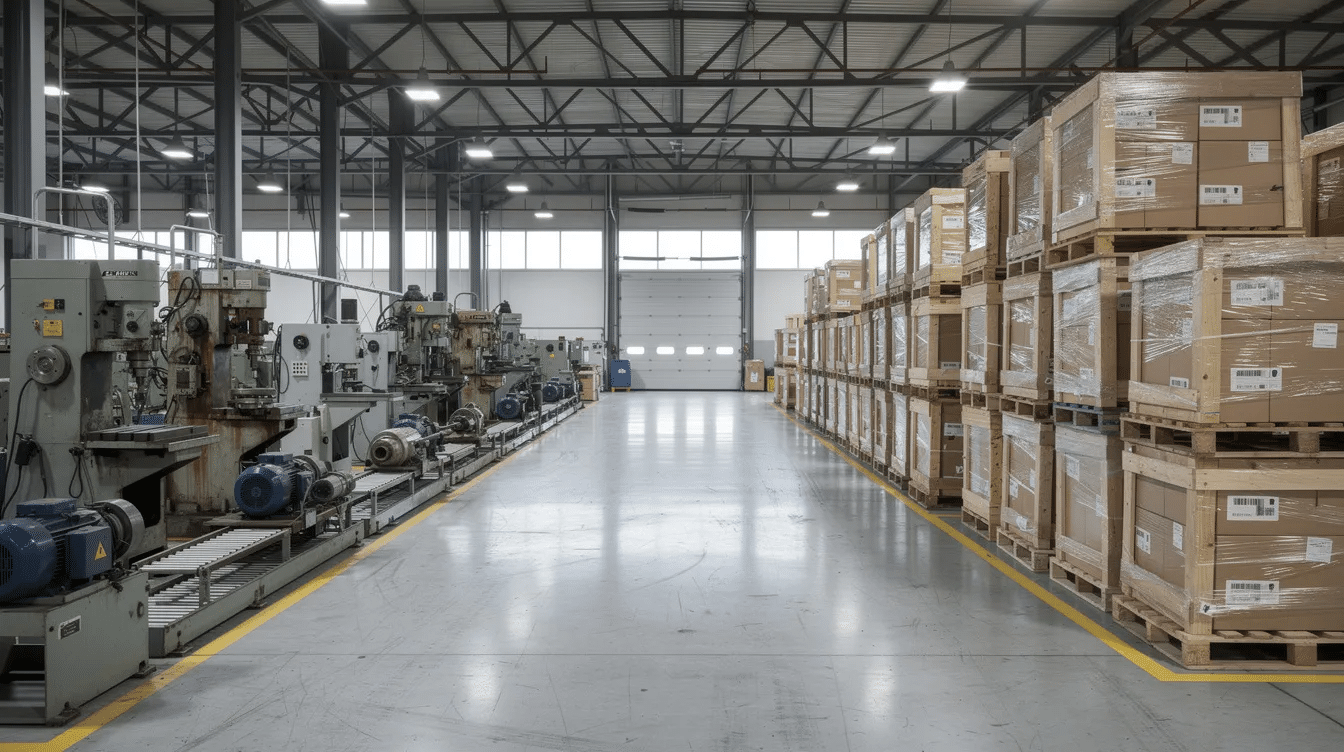
Heavy Equipment and Fleet Asset Disposition
Picture a rental company yard full of idle equipment between contracts. Each crane, loader, or truck still incurs insurance, storage, and energy costs. Idle equipment can drain profits and incur storage costs at a moment when that capital could be deployed productively. Getting the process wrong by delaying disposition past peak demand can significantly reduce recovery.
Companies can sell surplus equipment without moving it. The process typically involves on-site inspection, photography, lot listing, global marketing, online bidding, and coordinated removal by the buyer. Timing sales ahead of peak construction seasons is critical. A 2026 survey found that 83% of contractors plan to purchase at least one piece of construction equipment this year, with many preferring used assets due to cost and lead times.
Fleet managers use recovered capital to reinvest in newer or more in-demand inventory, often supported by sector-specific CRM systems for appointment and asset management. In 2026, cross-border demand for used heavy equipment is a key driver of higher recovery values, as regions facing regulatory deadlines or supply chain delays seek ready-to-work machines.
Government Surplus and Public Sector Use Cases
Government agencies rely on structured sales channels to ensure compliance, transparency, and public accountability when disposing of surplus.
Typical government surplus categories include police vehicles, public works trucks, construction equipment, office furniture, IT hardware, and real estate parcels. Marketplaces like GovDeals provide transparent, competitive bidding that meets procurement and disposition regulations. For example, the State of Ohio has used GovDeals to dispose of over 4,000 surplus vehicles through online auctions.
Consider a city government selling a fleet of surplus snowplows and street sweepers at the end of their life cycle. By listing in june or early summer rather than waiting until november, the agency captures buyer interest ahead of winter preparation. Benefits include faster turnaround versus sealed bids, wider bidder pools, higher recovery, and full visibility into how surplus is sold. Special requirements such as clear titles, environmental compliance, and documentation must be met for every transaction.
Supporting the Circular Economy
Liquidity services play a direct role in the circular economy by extending asset life, preventing usable equipment from reaching landfills, and encouraging reuse and refurbishment. Liquidity Services helps prevent unnecessary waste and carbon emissions through structured resale and remarketing. Since 1999, the company has completed over $10 billion in transactions, diverting billions of dollars worth of items from landfills.
Selling surplus assets rather than scrapping them reduces demand for new resource extraction and manufacturing. Industrial buyers regularly acquire surplus production lines or heavy equipment to expand capacity at lower cost and with reduced environmental impact. Accurate condition reporting and grading are essential for enabling trustworthy secondary markets. Many organisations now report surplus asset recovery and reuse as part of ESG and sustainability reporting frameworks.
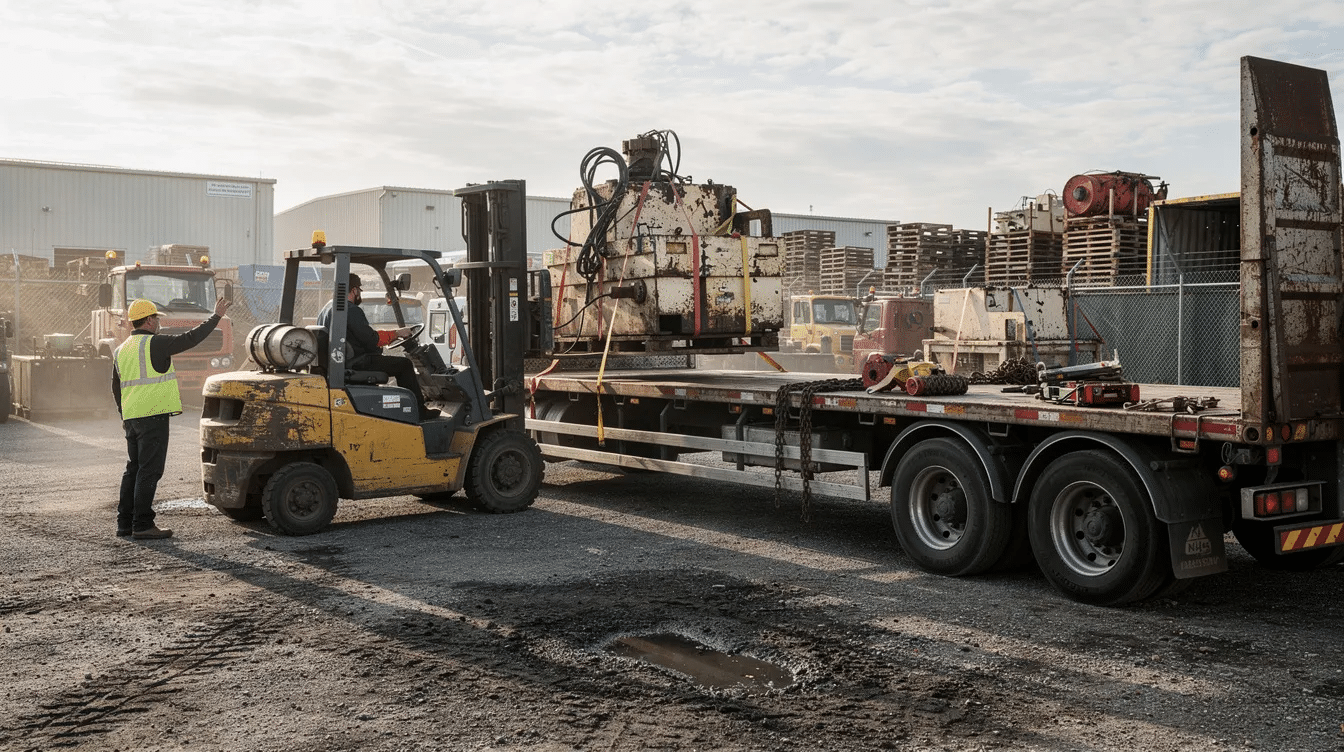
Surplus Asset Strategy and Capital Recovery
Organisations need a formal surplus strategy tied to capital planning, particularly during plant consolidations, technology refreshes, and M&A activity. Effective liquidity management enables companies to act quickly on opportunities, whilst maintaining liquidity provides a safety net during market volatility.
Key steps include: inventory all idle assets, determine redeploy versus sell decisions, choose the appropriate marketplace by asset category, and set target recovery timelines. Automated sweep services can move excess cash from sales proceeds into higher-yield instruments, and automated investment sweeps maximise returns on excess cash in a business when paired with a private-banking grade CRM and portfolio platform.
Market trend reports in 2026 identify narrowing value windows where asset values decline rapidly after certain technological or regulatory changes. Listen to what the data posts about your sector and geography. Proactive surplus management improves balance sheet efficiency, frees floor space, and can fund future projects without new debt.
Real Estate and Facility Disposition
Surplus real estate emerges when operations shift, scale down, or consolidate. Companies and government agencies sometimes classify land, warehouses, industrial plants, and office buildings as surplus when a location is no longer needed.
These properties can be sold via auction or structured sales processes coordinated alongside the disposition of on-site equipment and inventory. Integrating real estate disposition with surplus equipment sales can shorten timelines and streamline project execution. Unique considerations include environmental assessments, zoning, lease termination, and title issues. Bundling facility and equipment sales often yields better overall recovery than disposing of each separately.
Technology, Auction Software, and Data Analytics
Technology underpins every aspect of modern surplus asset disposition. Auction software platforms power cataloging, bidding, and payment workflows, with features including real-time bidding, bidder dashboards, automated invoicing, and integration with ERP or asset management systems.
Data analytics plays a growing role in pricing, predicting demand for specific asset types, and deciding when and where to announce listings. Mobile-friendly bidding interfaces and global marketing tools expand buyer access beyond local markets. Automated transaction management improves operational ease for investors and institutional buyers alike. Liquidity as a Service enables companies to access digital liquidity pools dynamically, representing the next evolution in how employees and operations teams manage surplus disposition. AI-assisted valuation and image recognition increasingly speed up listing creation and condition assessment, while 数字开户流程中的自动化KYC验证 strengthens compliance and fraud prevention for cross-border surplus transactions.
How to Choose a Liquidity Services Partner
Selecting the right partner requires a structured evaluation. Liquidity providers are categorised into types such as Tier 1 providers and market makers, and understanding which category fits your needs is essential.
- Evaluate provider experience in specific asset categories such as heavy equipment, government surplus, or consumer goods
- Review geographic reach, particularly for sellers looking to tap into demand across North America, EMEA, and other regions
- Assess technology capabilities: auction software usability, reporting dashboards, and integration with existing systems
- Prioritise compliance expertise, especially for government agencies and regulated industries
- Compare fee structures, service levels (self-service versus managed), and historical recovery rates before signing any agreement
A provider’s phone number and responsiveness during initial enquiries often signal the level of support you can expect throughout the engagement.
Conclusion: From Surplus Burden to Strategic Asset
The game has changed. Surplus assets, idle equipment, and underused real estate are no longer burdens to manage reluctantly. They represent recoverable capital that, when handled through structured liquidity services, strengthens both financial performance and environmental responsibility. Liquidity Services Inc, with its market cap of $1.18 billion and network spanning thousands of sellers and millions of buyers, demonstrates the scale and maturity this sector has reached.
The dual benefits are clear: better cash flow through disciplined capital recovery and meaningful participation in the circular economy through reuse and waste prevention. Organisations and government agencies should audit their current surplus processes in 2026 and explore modern marketplace-based solutions before value windows close further. Data, technology, and sustainability will define next-generation surplus asset strategies. The right moment to act is now.
常见问题 (FAQ)
Q1: What types of surplus assets can be sold through Liquidity Services?
Liquidity Services handles a wide range of surplus assets including heavy equipment, industrial machinery, fleet vehicles, consumer goods, overstock inventory, and commercial real estate.
Q2: How does Liquidity Services support government agencies in surplus asset disposition?
Liquidity Services provides transparent online marketplaces like GovDeals that comply with public sector regulations, ensuring accountability, audit trails, and competitive bidding for government surplus assets.
Q3: Can companies sell surplus equipment without physically moving it?
Yes, many surplus heavy equipment sales occur where the assets sit, with buyers coordinating removal after purchase, saving sellers on transportation and storage costs.
Q4: How do liquidity services contribute to sustainability and the circular economy?
By extending the life of assets through resale and reuse, liquidity services reduce waste and carbon emissions, preventing usable equipment from reaching landfills and lowering demand for new manufacturing.
Q5: What should organisations consider when choosing a liquidity services partner?
Key factors include provider experience, geographic reach, technology capabilities, compliance expertise, fee structures, and customer support responsiveness.

