
导言
欢迎阅读本指南,这是一份面向金融服务从业人员的客户入职策略综合指南。 在当今监管严格且竞争激烈的金融环境中,有效的客户入职策略对于建立信任、确保合规以及推动长期业务增长至关重要。本指南专为希望优化入职流程、降低客户流失率并提供卓越客户体验的银行、财富管理及金融服务专业人士量身定制。.
用户引导是指引导新用户从注册到在产品中取得首个有意义的成功成果的过程。这一过程对于教会用户如何有效使用产品至关重要,从而能够提升用户参与度和留存率。引导流程在购买完成后立即开始,并持续进行,直到用户能够熟练且独立地使用该产品或服务为止。.
为什么客户入职策略如此重要?因为入职流程为整个客户体验定下了基调,影响着客户对您品牌的认知,并直接关系到客户留存率、忠诚度以及营收。糟糕的入职体验会引发客户沮丧并导致其流失,而精心设计的入职流程则能将新客户转化为您企业的长期拥护者。.
摘要:最有效的客户入职策略
金融服务中最有效的客户入驻策略包括:
- 个性化欢迎邮件和互动式产品导览:这些有助于让新客户感受到受重视,并引导他们完成最初的步骤。.
- 个性化的入职体验:根据每位客户的目标和需求量身定制入职流程,有助于提高参与度和满意度。.
- 自动化与数字工具:自动化例行新手引导任务可以减少流失并提高客户留存率。.
- 清晰的入职培训清单和结构化流程:将流程分解为可管理的步骤,有助于客户了解下一步该做什么。.
- 持续支持与跟进沟通:入职培训后提供的持续指导能够让客户保持信心与参与度。.
- 收集客户反馈并采取相应措施:定期收集反馈有助于优化用户引导体验,并解决痛点。.
- 跟踪关键用户入职指标:通过监测完成率、首次价值实现时间以及功能采用率,有助于找出摩擦点并优化流程。.
- 游戏化元素:进度条和里程碑能让入门体验更具吸引力,并激发用户积极性。.
- 对客户留存率和流失率的影响:有效的客户入职流程会直接影响客户留存率和忠诚度,而糟糕的入职体验则可能导致客户感到沮丧并最终流失。在入职过程中专注于提供客户解决方案的企业,能够将流失率显著降低。.
通过实施这些策略,金融机构可以提高客户终身价值,加深客户参与度,并为长期业务成功奠定基础。.
什么是客户入驻策略?
客户入职策略是指旨在欢迎新客户、对其进行指导并将其融入企业生态系统的系统化方法。在金融领域,这需要在提供顺畅的用户体验与遵守严格的监管要求之间取得微妙的平衡。.
用户引导是指引导新用户从注册到在产品中取得首个有意义的成功成果的过程。这一过程对于教会用户如何有效使用产品至关重要,从而能够提升用户参与度和留存率。引导流程在购买完成后立即开始,并持续进行,直到用户能够熟练且独立地使用该产品或服务为止。.
客户入职流程至关重要,因为它直接影响客户留存率、满意度以及企业的长期成功,并会影响续约率和降低流失率等关键业务指标。完善的入职流程为整个客户关系奠定了基调。这是至关重要的第一印象,既可能建立信任,也可能导致客户立即流失。.
有效的策略不仅仅局限于简单的数据收集。它们涵盖了从最初注册到客户通过您的产品或服务取得首次成功这一过程的整个客户旅程。对于银行和财富管理公司而言,这意味着引导客户完成复杂的账户设置,同时确保他们感受到支持和重视。.
精心设计的引导流程有助于客户快速认识到产品或服务的价值,而体验到有效引导的客户更有可能成为品牌的忠实拥护者。.
为什么新客户入驻在金融服务中至关重要?
新客户入职引导至关重要,因为它直接影响客户留存率、运营效率和合规性。糟糕的入职体验是金融行业客户流失的主要原因之一。如果流程繁琐、需要重复输入数据或缺乏清晰的沟通,客户很快就会感到沮丧,甚至可能完全放弃申请。.

对留存率和忠诚度的影响
精简且引人入胜的新客户引导流程能够培养客户忠诚度并提高客户的终身价值。它还可减轻员工的行政负担,使其能够专注于更高价值的任务。此外,设计良好的流程可确保准确完成所有必要的了解你的客户 (KYC) 和反洗钱 (AML) 审查,从而降低法律和财务风险。.
新客户入职流程的重要意义远超最初的交易。这是营销和销售阶段所做出的承诺得到验证或打破的关键节点。在金融服务领域,由于产品往往无形且复杂,这种验证对于建立信任至关重要。如果入职流程顺畅且专业,它将巩固客户选择您所在机构的决定。.
运行效率
金融服务业获取新客户的成本之高是出了名的。. 营销活动, ,销售工作和促销活动都需要大量的投入。如果客户在入职(上手)流程中途放弃,所有这些投入都将付诸东流。因此,优化新客户入职流程不仅仅是为了改善客户体验,更是保护和最大化投资回报率的关键策略。.
从运营角度来看,低效的入职流程可能会大量消耗资源。手动数据录入、纸质表格以及脱节的沟通渠道都会导致延误和错误。这不仅会惹恼客户,还会增加员工的工作负担。通过简化和自动化新客户入职流程,机构可以显著降低运营成本并提高整体效率。.

监管合规
金融服务行业的监管环境是推动客户入驻重要性的另一个主要因素。机构必须遵守严格的“了解你的客户”(KYC)和反洗钱(AML)法规,这些法规要求机构收集并核实大量关于客户的信息。未能遵守这些法规可能会导致严厉的处罚和声誉受损。健全的客户入驻流程可确保所有必要的合规检查得以无缝整合并准确执行。.
个性化与参与度
新客户入职培训为收集有关客户的有价值数据提供了独特的机遇。这些数据可用于个性化未来的互动、定制产品推荐以及识别交叉销售机会。通过在入职过程中获取客户的全面资料,机构能够为建立更具盈利能力和持久性的关系奠定基础。.
客户入职培训对客户留存的影响怎么强调都不为过。研究持续表明,拥有积极入职体验的客户在长期内更有可能对机构保持忠诚。他们也更有可能将该机构推荐给他人,从而提供宝贵的推荐业务来源。在一个竞争激烈的市场中,这种忠诚度是一项至关重要的资产。.
相反,消极的入职体验可能会产生持久的不良后果。在关系建立的初期阶段感到沮丧或未被重视的客户更有可能转投竞争对手。即使他们确实完成了入职流程,也可能对充分参与该机构的产品和服务保持犹豫态度。这凸显了首次做好新客户入职体验至关重要的地位。.
从潜在客户到正式客户的转变是一个微妙的阶段。客户往往会体验到兴奋与焦虑交织的心情,在面对重大的财务决策时尤其如此。入职流程的设计必须旨在缓解这种焦虑,并增强客户对机构的信心。这需要清晰的沟通、富有同理心的支持以及透明的流程。.
在财富管理领域,新客户入职流程显得尤为重要。高净值客户期望获得优质的体验,其特点是高度的个性化和私密性。入职流程必须体现这些期望,提供与客户的生活方式和偏好相契合的无缝且精致的旅程。.
技术的作用
技术在促进高效的新客户入职流程中的作用是不可否认的。现代 CRM 平台(例如 InvestGlass)提供了必要工具,能够自动化工作流程、整合合规检查并提供高度个性化的体验。通过利用这些技术,机构可以克服传统的入职挑战并创造显著的竞争优势。.
同样重要的是要认识到,新客户入职培训并不是一次性事件,而是持续关系的开始。在入职过程中实施的策略和流程应为持续的互动和支持奠定基础。这包括提供持续的教育、主动的沟通,以及轻松获取账户信息和服务的途径。.
衡量成功
衡量入职培训的成功对于持续改进至关重要。机构必须跟踪关键指标,例如入职所需时间、放弃率和客户满意度评分,以识别摩擦点并实施有针对性的解决方案。这种数据驱动的方法确保入职流程保持高效,并与客户不断变化的需求保持一致。.
总而言之,新客户入网对于金融机构而言是一项关键的战略当务之急。它影响着业务的方方面面,从客户留存和运营效率到合规性以及长期盈利能力。通过投资稳健的入网策略并利用先进技术,金融机构能够将这一关键阶段转化为推动增长和成功的强大引擎。.
在了解了为什么入职培训如此重要之后,让我们来探讨一下数字化转型是如何改变入职培训环境的。.
数字化入职如何改变了现状?
数字身份注册彻底改变了金融服务格局,用自动化的在线工作流程取代了人工、纸质的流程。这一转变大幅缩短了开户所需的时间,从几天甚至几周缩短至短短几分钟。.
数字便利性的崛起
客户现在期望获得随时随地通过移动设备开户的便利。为移动应用程序提供清晰的入驻引导至关重要,因为这能确保用户在其首选设备上轻松完成整个流程,从而提高留存率和客户满意度。.
技术与安全
这一数字化转型 heavily 依赖于生物识别验证、光学字符识别(OCR)和电子签名等先进技术。这些工具不仅提升了用户体验,还提高了数据收集的准确性和安全性。诸如 投资玻璃 正处于这场变革的前沿,提供可定制的数字化客户入驻解决方案,以满足金融机构的特定需求。.
对留存率和收入的影响
精心设计的新用户引航旅程对客户留存率、产品采用率和长期收入有着直接影响,这使其成为任何客户引导策略中至关重要的组成部分。.
随着数字化客户引导成为常态,让我们探讨一些最佳实践,帮助您提供无缝且引人入胜的客户体验。.
客户入驻的最佳实践有哪些?
客户入驻最佳实践围绕着简单性、透明度和个性化展开。首要目标是在收集所有必要信息的同时,让客户的过程尽可能轻松。在入驻流程的早期取得快速成效可以鼓励客户、建立信心并创造动力。.
核心最佳实践
- 制定结构化的入职培训计划:使用入职培训核对清单和清晰的入职培训材料,引导新客户完成核心任务。.
- 个性化欢迎邮件和互动式产品导览:这些有助于客户了解如何有效使用产品,并确保他们从一开始就感受到支持。.
- 融入游戏化元素:进度条和里程碑在用户入职引导过程中起到激励作用。.
- 个性化体验:根据客户的个人资料、需求和偏好定制入驻流程。.
- 提供全渠道支持:通过电话、电子邮件、在线聊天和视频会议等多种渠道提供帮助。.
- 收集客户反馈:使用调查问卷和反馈表来获取宝贵的见解,并改善新手引导体验。.
- 持续测试与优化:利用 A/B 测试和数据分析来完善新手引导流程并解决卡点。.
1. 简化数据收集
- 避免重复索取相同的信息。.
- 利用来自现有数据库或第三方集成的数据预填充功能。.
- 使用直观、适配移动设备的表单,并明确标注必填字段。.
- 应用数据最小化原则,在每个阶段仅请求合规和账户设置所需的信息。.
- 设计具有清晰排版、逻辑分组和实用提示的用户界面。.
2. 确保透明沟通
- 在申请的每个阶段都要向客户通报其进展情况。.
- 如果出现延误或需要补充信息,请及时沟通。.
- 使用自动电子邮件或短信通知来保持客户的参与度。.
- 提供用于实时应用程序跟踪的自助服务门户。.
- 从一开始就要坦诚说明要求和时间表。.
3. 个性化体验
- 根据客户的个人资料、需求和偏好定制入职引导流程。.
- 在沟通中使用客户的姓名,并提供相关的教育材料或产品推荐。.
- 利用数据分析动态调整入职步骤。.
- 根据客户兴趣突出相关的投资选项或功能。.
4. 实现全渠道支持
- 提供电话、电子邮件、在线聊天和视频会议等多渠道支持。.
- 将在线聊天集成到新手引导流程中,以便提供即时帮助。.
- 为支持团队配备工具和客户应用状态访问权限,以提供情境化帮助。.
- 维护一个专属的客户成功团队,在入职培训后提供持续支持。.
5. 持续测试与优化
- 使用A/B测试来确定最有效的表单、信息传递和界面。.
- 定期征求客户反馈,以发现痛点。.
- 跟踪入职培训指标以衡量成功并找出需要改进的地方。.
- 根据数据和反馈实施改进,以保持流程的行业领先地位。.
遵循这些最佳实践,您可以减少客户流失,提高参与度,并确保每位客户都能获得积极的入职体验。.
既然我们已经讨论了最佳实践,接下来让我们看看如何将合规要求无缝整合到您的入职流程中。.
如何无缝整合KYC和AML合规要求?
无缝整合KYC和AML合规性需要将这些审查直接嵌入到数字入职工作流中。这确保了合规性不是事后的补充,而是流程中不可或缺的一部分。面临的挑战是在不给客户造成不必要阻碍的前提下,执行严格的审查。.
无缝合规集成步骤
- 自动化身份验证:使用能够立即将客户数据与全球观察名单和制裁数据库进行交叉比对的工具。.
- 利用 OCR 和 AI:从身份证件中提取数据并自动填写申请表。.
- 实时反洗钱筛查:对照政治公众人物(PEP)数据库和负面新闻来源筛查提取的数据。.
- 采取基于风险的方法:对低风险客户实施快速通道审批,对较高风险状况实施强化尽职调查。.
- 集中合规数据:将所有入职和合规数据存储在一个统一、安全的系统中。.
- 利用 API:集成同类最佳的第三方验证和筛查提供商。.
- 启用持续监测:在整个生命周期中持续更新和监测客户数据。.
通过将合规性嵌入到入职流程中,您可以在不牺牲用户体验的前提下确保满足监管要求。.
随着合规性的整合,自动化成为规模化和优化您入职流程的下一个关键。.
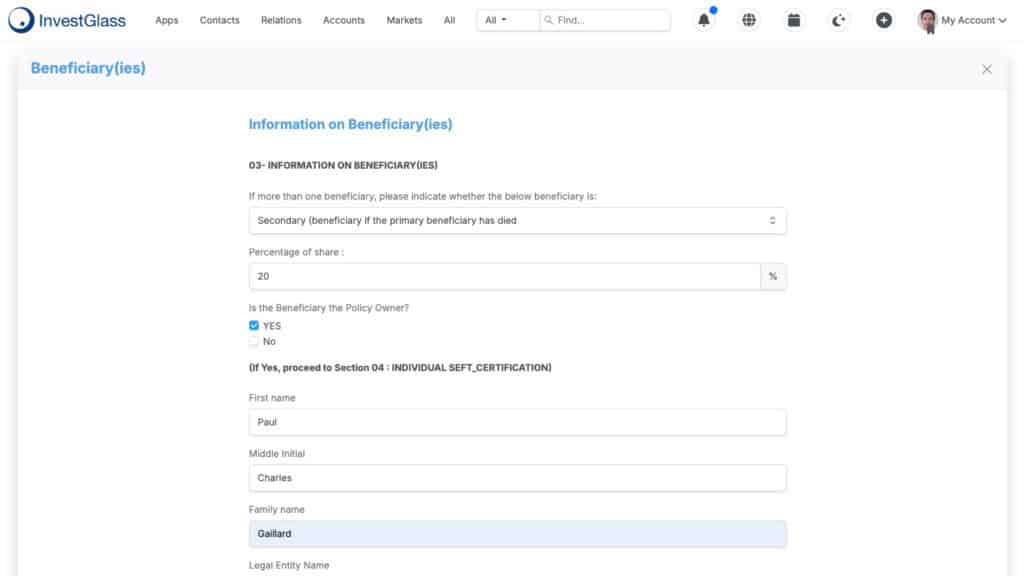
自动化在入职流程中扮演什么角色?
自动化在客户入职流程中发挥着关键作用,它能够消除人工操作、减少错误并加快周转时间。通过将常规流程自动化,金融机构可以高效扩展业务运营,并提供更一致的客户体验。.
自动化关键领域
- 文档验证:使用人工智能和机器学习从身份证件中提取并验证数据,减少人工审核并加速KYC流程。.
- 工作流路由:自动将申请引导至相应的部门或个人进行审查和批准。.
- 客户沟通:在关键节点触发自动通知,索取缺失信息,并发送提醒。.
- 数据录入与客户关系管理(CRM)更新:将入驻平台与核心银行系统及CRM进行集成,以自动填充客户数据。.
自动化的战略价值
自动化将入职流程从一项后台负担转变为前台优势。它能够实现更快、更顺畅、更安全的入职体验,从而带来更高的转化率、更强的客户满意度以及提升的盈利能力。.
实施自动化后,衡量入职培训策略的有效性至关重要。.
如何衡量入职培训的成功与否?
衡量入职培训的成功对于识别需要改进的领域以及展示入职培训策略的投资回报率 (ROI) 至关重要。客户入职指标对于评估入职流程引导新用户的有效性必不可少。.
需要跟踪的关键指标
- 入职所需时间:客户完成入职流程所需的时间。.
- 申请放弃率:开始但未完成入职流程的客户所占的百分比。.
- 获客成本:获取并引导一个新客户所需的总成本。.
- 入职完成率:完成所有入职步骤的客户所占的百分比。.
- 首次价值实现时间:客户实现其第一个有意义的结果的速度。.
- 功能采用率:客户在新手引导期间使用哪些功能以及跳过哪些功能。.
- 早期流失率:客户在注册后的最初几天或几周内取消服务的百分比。.
- 客户满意度评分:通过关键里程碑处的反馈调查收集。.
收集客户反馈
- 使用调查问卷和反馈表来了解客户的视角。.
- 询问说明的清晰度、使用的简便性以及支持人员的帮助程度。.
- 收集定量和定性数据,以确定痛点和改进机会。.
通过追踪这些指标并根据反馈采取行动,你可以不断完善你的用户引导流程。.
接下来,让我们对比一下传统入职流程与数字化入职流程,以凸显现代方法的优势。.
对比:传统入职流程与数字化入职流程
特点 | 传统入职 | 数字化入职 |
|---|---|---|
速度 | 天至周 | 分钟至小时 |
便利 | 需要进行实地拜访 | 随时随地访问 |
数据准确性 | 容易出现人为错误 | 自动化采集,高精准度 |
合规性 | 人工检查,风险更高 | 自动化实时筛选 |
客户体验 | 常常令人沮丧且枯燥乏味 | 无缝且引人入胜 |
费用 | 高昂的运营成本 | Lower cost per acquisition |
With digital onboarding offering clear advantages, let’s see how InvestGlass can help you streamline your process.
InvestGlass 是如何简化新客户入驻流程的?
InvestGlass streamlines new customer onboarding by providing a comprehensive, customisable, and automated platform designed specifically for the financial sector. As a Swiss-based 主权 CRM, it prioritises data security and compliance while delivering a superior user experience.
主要功能
- Digital onboarding module: Create tailored workflows that guide clients step-by-step.
- Built-in KYC and AML automation: Ensure regulatory requirements are met without slowing down onboarding.
- Robust API capabilities: Seamlessly integrate with existing systems for a unified ecosystem.
- Dedicated customer success and support teams: Oversee onboarding, provide personalised guidance, and offer ongoing support.
With InvestGlass, financial institutions can automate workflows, ensure compliance, and deliver a seamless digital experience that clients will love.
For wealth management professionals, onboarding requires even more advanced strategies.
财富管理客户入职的高级策略
Wealth management onboarding requires a more nuanced approach due to the complexity of the services and the high expectations of the clients. The process must be highly personalised, secure, and capable of handling extensive documentation and financial profiling.
全面财务分析
- Gather detailed information about assets, liabilities, income, and expenses.
- Use dynamic forms and interactive questionnaires for engagement.
- Assess risk tolerance and investment objectives with psychometric tools.
安全文档共享
- Provide a secure client portal for encrypted document exchange.
- Allow clients to upload sensitive financial documents safely and easily.
- Enable secure, two-way communication between clients and relationship managers.
多方入驻
- Handle complex account structures (trusts, corporations, family offices).
- Allow primary applicants to invite other parties for KYC and AML checks.
- Track progress and consolidate results for all involved parties.
与投资组合管理系统集成
- Seamlessly transfer client data and investment profiles to portfolio management systems.
- Ensure portfolio managers have immediate access to risk profiles and objectives.
- Eliminate manual data entry and reduce errors.
It is important to recognise that onboarding is not a one-time event but a continuous experience. Existing customers may require ongoing onboarding and education, especially when they purchase additional products or upgrades. Continuous support after onboarding, such as providing helpful resources, follow-up communication, and ongoing check-ins, ensures that all customers remain confident as they explore more features and services.
By implementing these advanced strategies, wealth managers can deliver a premium onboarding experience that meets the expectations of high-net-worth clients.
As onboarding evolves, let’s look ahead to the future of customer onboarding strategies.
客户入职策略的未来
The future of customer onboarding strategies will be driven by further advancements in AI, machine learning, and data analytics. These technologies will enable even greater personalisation, predictive capabilities, and automation.
We can expect to see:
- More proactive onboarding experiences, where systems anticipate client needs and guide them accordingly.
- Increased use of onboarding data to inform sales strategies and personalise future interactions.
- Integration of 开放银行 and decentralised identity solutions for faster, more secure verification.
- Regular review and development of standard operating procedures to ensure consistency and high-quality onboarding experiences.
By staying ahead of these trends, financial institutions can continue to deliver exceptional onboarding experiences.
结论
Implementing effective customer onboarding strategies is no longer optional for financial institutions; it is a critical imperative for survival and growth in a competitive landscape. By embracing digital onboarding, automating compliance checks, and personalising the client journey, firms can significantly improve retention rates, reduce operational costs, and build lasting client relationships.
The key is to view onboarding not as a one-time administrative task, but as the foundation of the entire client lifecycle. Platforms like InvestGlass provide the necessary tools and infrastructure to transform your onboarding process from a necessary evil into a strategic advantage.
常见问题
What are customer onboarding strategies?
Customer onboarding strategies are structured plans and processes designed to welcome, educate, and integrate new clients into a business, ensuring they understand and gain value from the product or service.
Why is new customer onboarding important in banking?
New customer onboarding is vital in banking because it sets the foundation for the client relationship, impacts retention rates, and ensures compliance with strict KYC and AML regulations.
什么是数字化入职?
Digital onboarding is the process of bringing a new client on board using online tools and automated workflows, eliminating the need for paper forms and in-person visits.
How does KYC integrate with client onboarding?
KYC (Know Your Customer) integrates with client onboarding through automated identity verification and background checks that occur seamlessly during the digital application process.
What are the best practices for onboarding process design?
Best practices include simplifying data collection, ensuring transparent communication, personalising the user journey, and automating repetitive tasks to reduce friction.
How can automation improve onboarding?
Automation improves onboarding by speeding up document verification, routing applications to the right departments automatically, and reducing human error in data entry.
What metrics measure onboarding success?
Key metrics include time to onboard, application abandonment rate, cost per acquisition, and client satisfaction scores gathered through feedback surveys.
How does InvestGlass help with onboarding?
InvestGlass helps by providing a customisable, automated digital onboarding platform with built-in compliance checks, designed specifically for the security and regulatory needs of financial services.
What is unique about wealth management onboarding?
Wealth management onboarding is unique because it requires deep financial profiling, secure handling of highly sensitive documents, and a highly personalised client experience.
What is the future of customer onboarding?
The future involves greater use of AI for predictive personalisation, seamless integration of open banking data, and the adoption of decentralised identity solutions for faster verification.
准备好革新您的入职体验了吗?
Don’t let a cumbersome onboarding process cost you valuable clients. Discover how InvestGlass can automate your workflows, ensure compliance, and deliver a seamless digital experience that your clients will love. 免费开始 today and see the difference a sovereign CRM can make.
将入职流程与客户目标相协调
Aligning the customer onboarding process with customer goals is fundamental to achieving successful customer onboarding and fostering long-term customer satisfaction. In today’s competitive financial services landscape, new customers expect more than just efficient registration they require an onboarding experience that is tailored to their specific objectives and delivers immediate value from your product or service.
A robust customer onboarding strategy begins with a thorough understanding of what your customers aim to achieve. This requires gathering customer data and feedback throughout the onboarding journey, utilising tools such as surveys, interviews, and analytics to track customer engagement and behaviour. By identifying the specific goals and desired outcomes of each client, the onboarding team can personalise the onboarding process, ensuring that every step remains relevant and meaningful.
An effective customer onboarding programme leverages key onboarding metrics to measure progress and success. Metrics such as onboarding completion rate, time-to-first-value, and feature adoption rate provide valuable insights into how well the onboarding process 支持客户 goals. These key performance indicators help identify areas where the onboarding experience can be optimised, ensuring that customers are guided efficiently towards their first meaningful outcome.
Structured onboarding flows and clear onboarding checklists are essential components of a successful onboarding process. By breaking down the onboarding journey into manageable steps, organisations can guide customers through each stage, providing helpful resources and ongoing communication to address any questions or concerns. This structured approach not only improves retention but also encourages customers to engage more deeply with the product or service.
Ongoing support represents another critical element of a customer-centric onboarding strategy. The onboarding team should maintain regular communication with customers, offering assistance and reviewing feedback to ensure that expectations are being met throughout the entire relationship. By proactively managing expectations and responding to customer input, organisations can continuously refine the onboarding programme and enhance the overall customer onboarding experience.
Prioritising customer goals and feedback leads to a more effective customer onboarding process, driving customer engagement, satisfaction, and loyalty. When customers feel that their needs are understood and addressed from the outset, they are more likely to remain engaged, achieve their desired outcomes, and realise the full value of the product or service. This approach not only reduces churn but also increases customer lifetime value and supports sustainable revenue growth.
Ultimately, aligning onboarding with customer goals transforms the onboarding journey from a routine administrative task into a strategic opportunity for customer success. By focusing on what matters most to customers, providing structured guidance, and offering ongoing support, financial organisations can create a successful onboarding experience that establishes the foundation for long-term customer success and business growth.


