
Биометрическая аутентификация кардинально изменила подход организаций к проверке личности. В период с 2020 по 2026 год масштабы её внедрения в мире резко возросли на фоне усиления киберугроз, ускорения цифровой трансформации в условиях пандемии и требований регулирующих органов о введении более строгих мер безопасности. Объем рынка биометрической аутентификации нового поколения в 2026 году достиг 82,17 млрд долларов США; по прогнозам, к 2030 году он достигнет 183,46 млрд долларов США при совокупном годовом темпе роста 22,21 TP3T.
Биометрическая аутентификация опирается на уникальные физические или поведенческие особенности людей, используя передовые технологии, такие как датчики и камеры, для безопасной проверки личности без необходимости использования паролей. Биометрическая аутентификация заменяет или усиливает традиционные пароли за счет использования уникальных физических черт и поведенческих характеристик. Банковское дело, wealth management, healthcare and government services now rely on these methods for secure client onboarding, account access and transaction verification. Финансовые учреждения по всей Европе и в Швейцарии все чаще внедряют биометрию для соответствия требованиям FINMA и нормативам ЕС при обеспечении беспрепятственного пользовательского опыта.
InvestGlass предлагает швейцарский суверенный альтернатива американским или китайским платформам, обеспечивающая размещение данных в дата-центрах Швейцарии и возможность развертывания локально (on-premise). Такой подход гарантирует суверенитет клиентских данных, предотвращая передачу биометрических шаблонов в иностранные юрисдикции.
Основные преимущества биометрической аутентификации:
- Повышенная безопасность за счет уникальных биологических характеристик, которые нельзя легко угадать или передать другим
- Обеспечивает аутентификацию без пароля, повышая безопасность и удобство для пользователей за счет исключения необходимости использования паролей
- Лучший пользовательский опыт с временем аутентификации менее одной секунды
- Нормативно-правовое соответствие требованиям eIDAS 2.0, GDPR и швейцарского законодательства о защите данных
Биометрическая аутентификация — это метод идентификации и проверки личности человека на основе его уникальных физических или поведенческих характеристик.
Биометрическая аутентификация — это процесс подтверждения личности человека путем измерения и анализа уникальных физических или поведенческих характеристик по сравнению с предварительно сохраненными шаблонами. В отличие от паролей, биометрические факторы присущи самому человеку и их чрезвычайно сложно воспроизвести.
Разница между биометрической аутентификацией и биометрической идентификацией имеет важное значение. Аутентификация подтверждает заявленную личность, например, когда вы разблокируете банковское приложение с помощью отпечатка пальца. Идентификация выполняет поиск по базе данных, чтобы выяснить, кем является человек, как, например, при проверке по спискам наблюдения на пограничном контроле.
Основные понятия:
- Биометрические шаблоны представляют собой математические абстракции, полученные из исходных данных датчиков, а не сохраненные изображения
- Шаблоны используют такие стандарты шифрования, как AES-256, и защищенные аппаратные анклавы
- К числу наиболее распространенных методов идентификации в 2026 году относятся отпечатки пальцев (35-60% внедрений), черты лица (28% случаев применения), узоры радужной оболочки глаза, голосовые отпечатки и поведенческие профили
- Шаблоны могут быть отозваны и перерегистрированы, в отличие от самих базовых биометрических характеристик
Как работает биометрическая аутентификация?
Биометрические системы аутентификации следуют единому оперативному процессу — от первоначальной регистрации до последующей верификации.
Пошаговый процесс
- Зачисление Характеристика пользователя фиксируется несколько раз с помощью таких датчиков, как камеры или сканеры отпечатков пальцев
- Создание шаблона – Алгоритмы извлечения признаков преобразуют захваченное изображение в математический шаблон
- Безопасное хранилище – Зашифрованный шаблон хранится в защищенных на аппаратном уровне хранилищах ключей или в суверенной облачной инфраструктуре
- Перехват аутентификации – Во время входа в систему у пользователя захватывается живой зонд
- Сопоставление – Система сравнивает зонд с сохраненным шаблоном с использованием метрик сходства
- Решение – Генерируется оценка, которая сравнивается с настраиваемыми пороговыми значениями
Современные биометрические системы в сочетании с функцией проверки живого человека обеспечивают показатель ложного принятия (FAR) ниже 0,001%. Низкий показатель FAR означает, что система редко предоставляет доступ неавторизованным пользователям, что повышает уровень безопасности и надежности. Устройства варьируются от камер смартфонов и ультразвуковых датчиков отпечатков пальцев до специализированных сканеров радужной оболочки глаза в аэропортах и считывателей вен ладони на объектах с повышенным уровнем безопасности.

Какие характеристики используют биометрические системы для подтверждения личности?
Биометрические технологии основаны на характеристиках, уникальных для каждого человека и трудно воспроизводимых в массовом масштабе. Они делятся на две категории, которые служат для различных целей аутентификации.
Физические черты включают отпечатки пальцев с узорами папиллярных линий, геометрию лица с измерением 128 и более контрольных точек, узоры радужной оболочки глаза с 240 уникальными признаками, рисунки вен с использованием подповерхностного сканирования, а также геометрию руки с измерением длины пальцев и положения суставов. Они используются для разблокировки банковских приложений, прохода через электронные шлюзы в аэропортах Шенгенской зоны и доступа к защищенным торговым площадкам.
Поведенческие особенности фиксировать динамические взаимодействия, такие как динамика нажатий клавиш на порталах онлайн-банкинга, паттерны свайпов на сенсорном экране в мобильных приложениях, траектории движений мыши на торговых платформах и анализ походки с помощью датчиков смартфона. Это обеспечивает непрерывную аутентификацию без прерывания работы пользователя.
Обе категории требуют защиты от подделки и атак с повтолением воспроизведения с помощью таких мер, как трехмерное определение наличия жизни и многокадровый анализ.
Физическая биометрия
Физические биометрические показатели измеряют стабильные физиологические характеристики, которые остаются относительно постоянными на протяжении всей жизни человека. Эта стабильность делает их подходящими для аутентификации с высоким уровнем надежности в регулируемых средах.
Основные модальности включают распознавание отпечатков пальцев, технологию распознавания лиц, сканирование радужной оболочки и сетчатки глаза, геометрию руки и распознавание рисунка вен. Каждая из них предлагает различное соотношение точности, стоимости и степени принятия пользователями.
Примеры развертывания охватывают электронные пропускные пункты в европейских аэропортах, объединяющие распознавание лиц с Биометрия паспорта, смартфоны, подтверждающие платежи с помощью сканирования отпечатков пальцев, и CRM для управления благосостоянием входы в систему, требующие верификации по лицу. Физическая биометрия служит основой для безопасного доступа в банковских и финансовых услугах.
Биометрия поведения
Поведенческая биометрия моделирует то, как пользователи взаимодействуют с устройствами и системами. Алгоритмы машинного обучения анализируют паттерны, которые со временем эволюционируют, но остаются узнаваемыми для обученной модели.
Конкретные примеры включают анализ ритма нажатия клавиш на банковских порталах с измерением времени удержания и перелета, поведение на сенсорном экране, фиксирующее скорость и силу свайпа, отслеживание энтропии мыши на торговых платформах, а также распознавание походки с использованием данных акселерометра со смартфонов.
Основное преимущество заключается в непрерывной аутентификации, которая работает в фоновом режиме после первоначального входа в систему. Когда клиент, пользующийся услугами по управлению активами, входит в систему в обычном режиме, но затем демонстрирует нестандартное поведение при торговле с отклонением 20-30% от своих типичных моделей, система может выявить потенциальный случай взлома учетной записи, не требуя повторной аутентификации при каждом действии.
Кто и почему использует биометрическую аутентификацию?
Биометрическая аутентификация охватывает множество секторов в 2026 году, каждый из которых имеет свои специфические варианты использования и нормативные требования.
Финансы и банки – Вход в мобильное приложение по отпечатку пальца или распознаванию лица, цифровая регистрация с помощью верификации по селфи — усиленная аутентификация для переводов на крупные суммы. В сфере финансовых услуг отмечается рост внедрения технологии 38%.
Управление благосостоянием и активами – Контроль доступа к портфелю, обнаружение аномального поведения во время торговых сессий, защищенный клиентский портал аутентификация.
Здравоохранение – Пациент проверка личности сокращение числа медицинских ошибок на 90%, а также контроль доступа персонала к контролируемым веществам и конфиденциальным данным.
Правительство и пограничный контроль – Терминалы для проверки электронных паспортов, которыми воспользовались 69% пассажиров, национальные программы идентификации личности, базы данных правоохранительных органов.
Корпоративные ИТ – Фреймворки доступа с нулевым доверием (zero-trust), безопасный вход на рабочие станции, физический доступ в дата-центры.
Потребительские устройства – 81% смартфонов теперь поставляются с функциями биометрической аутентификации.
Европейские финансовые компании объединяют биометрические технологии с рабочими процессами KYC и AML для обеспечения соответствия требованиям ЕС и ожиданиям FINMA. Использование беспарольных процедур позволяет сократить количество случаев мошенничества на 80%, одновременно способствуя развитию удаленной работы и повышению удобства для пользователей.
Типы методов биометрической аутентификации
Различные биометрические модальности обладают уникальными преимуществами, затратами и последствиями для конфиденциальности, а также оцениваются на основе их влияния как на безопасность, так и на пользовательский опыт. Универсального лучшего выбора не существует; регулируемые организации часто объединяют два или три метода в рамках единой стратегии управления доступом и идентификацией, следуя рекомендациям вроде NIST SP 800-63B.
В следующих разделах рассматриваются широко распространенные методы: отпечатки пальцев, распознавание лиц, голос, радужная оболочка глаза, сетчатка, рисунок вен, геометрия руки, динамика подписи, походка, поведенческие профили и мультимодальные подходы.
Распознавание отпечатков пальцев
При распознавании отпечатков пальцев с помощью оптических, емкостных или ультразвуковых датчиков с разрешением 500 dpi фиксируются узоры гребней и впадин. Эта технология берет свое начало в криминалистике XIX века и в настоящее время широко используется в смартфонах и банкоматах, на долю которой приходится примерно 60% всех биометрических решений.
Преимущества:
- Точность, превышающая 99,91 TP3T в оптимальных условиях
- Аутентификация менее чем за одну секунду
- Низкая стоимость датчиков (1–5 долларов США за штуку)
- Высокая степень знакомства и принятия пользователями
Ограничения:
- Повреждения кожи или загрязнения могут повысить частоту ложных отторжений до 5%
- Spoofing risks from lifted prints require liveness detection
- Multispectral and thermal sensors detecting sweat glands mitigate these risks
Practical examples include unlocking banking apps on mobile devices and granting access to secure trading floors using dual-finger templates at fingerprint readers.
Распознавание лиц
Facial recognition systems analyse distances between key points such as eyes, nose and jawline using 2D or 3D imaging with convolutional neural networks. The technology achieves 99% accuracy in good lighting conditions.
Преимущества:
- Fast and contactless authentication
- Works with existing smartphone and laptop cameras
- Widely adopted for consumer and banking applications
- Scalable across large user populations
Ограничения:
- Sensitivity to lighting, angle and facial coverings (FRR can reach 10% in poor conditions)
- Privacy concerns following incidents like the Clearview AI controversy
- Edge processing with anonymisation helps address surveillance concerns
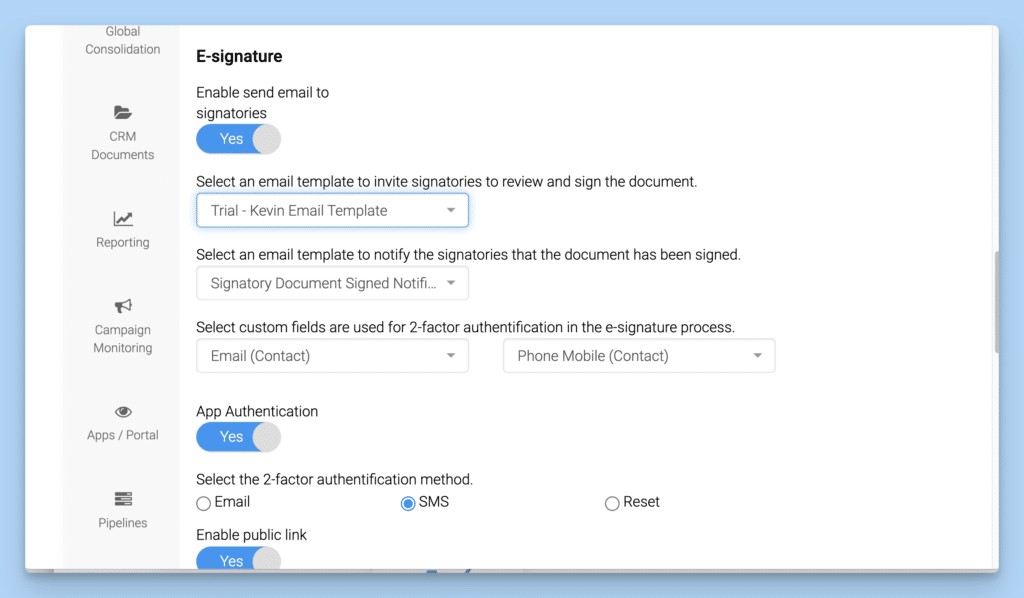
InvestGlass integrates with device-native facial recognition APIs like Windows Hello, enabling authentication without exporting biometric data to foreign clouds.
Распознавание речи
Voice biometrics extracts mel-frequency cepstral coefficients (13-40 features) analysing pitch, tone, cadence and spectral characteristics. The technology suits telephone banking and call centre verification.
Преимущества:
- Hands-free operation ideal for accessibility
- Works with standard microphones
- Natural integration into phone банковские процессы
- HSBC reports verifying 70% of calls using voice biometrics
Ограничения:
- Background noise and illness can spike false rejection rates to 15%
- Deepfake voice cloning poses emerging threats
- Random phrase challenges and liveness checks mitigate cloning risks
Метод | Convenience | Уровень безопасности | Hardware Cost |
|---|---|---|---|
Voice | Высокий | Средний | Низкий |
Face | Высокий | Средний и высокий | Низкий |
Fingerprint | Средний | Высокий | Низкий |
Распознавание радужной оболочки глаза
Iris scanning captures the highly complex trabecular meshwork of the coloured ring around the pupil using near-infrared imaging at 750-900nm wavelengths. Each iris contains approximately 240 unique features with entropy exceeding 249 bits.
Преимущества:
- Extremely low false acceptance rates (EER 0.0001%)
- Strong resistance to spoofing when combined with pupil response detection
- Stable patterns throughout adult life
Ограничения:
- Higher hardware costs (USD 50 or more per scanner)
- User discomfort at close-range scanning
- Slower consumer adoption compared to face and fingerprint
Real-world deployments include UAE border control kiosks and high-security data centres. Some smartphone manufacturers introduced iris scanning around 2017-2018, though facial recognition has since dominated mobile devices.
Сканирование сетчатки глаза
Retina scanning analyses the unique blood vessel pattern at the back of the eye using 780nm low-intensity light. The method maps over 400 vessel bifurcations, achieving accuracy rates of approximately 1 in 10 million.
This technology serves high security environments due to extreme precision and difficulty of forgery. However, the invasive nature requiring close eye contact with specialised equipment, combined with 20% user rejection rates, limits widespread deployment. Retina scanning remains a niche, maximum security method for military and government facilities.
Распознавание рисунка вен
Near-infrared sensors map haemoglobin absorption patterns in palm or finger veins, capturing structures invisible from the skin surface. This internal biometric offers unique advantages.
Преимущества:
- High resistance to spoofing since veins require live blood flow
- 99.99% accuracy even when fingers are dirty or worn
- Stable patterns throughout life
- Effective in challenging environmental conditions
Ограничения:
- Higher reader costs around USD 100
- Limited availability compared to fingerprint readers
- Slower deployment across consumer devices
Japanese ATMs and healthcare facilities commonly use palm-vein scanners for attendance tracking and secure access control. The technology excels where fingerprint quality is unreliable.
Геометрия руки
Hand geometry systems measure shape, size, finger lengths and joint positions using cameras or physical measurement plates. The approach dates to the 1970s, with widespread use in time-and-attendance systems from the 1990s onwards.
Strengths:
- Robust and easy to use
- Works reliably across diverse user populations
- Low sensitivity to surface conditions
Ограничения:
- Lower accuracy (EER 1-5%) compared to fingerprint or iris recognition
- Often paired with PIN codes for improved assurance
- Largely superseded by more accurate methods in high-security applications
Распознавание подписей и рукописного текста
Signature recognition divides into static analysis comparing signature images and dynamic analysis measuring pressure, speed and stroke order using tablets or signature pads.
Banking and legal use cases include signing loan documents and investment mandates electronically. Dynamic analysis examines how someone signs, not just the result, detecting forgeries that replicate appearance but not motion characteristics.
While signatures are familiar to users, they vary over time with age and circumstance, making them easier to imitate than physiological biometrics. Dynamic analysis significantly improves security over simple image comparison but remains secondary to other methods for high-stakes authentication.
Биометрия походки и поведенческая биометрия
Gait recognition analyses walking patterns using cameras or smartphone accelerometers, achieving approximately 94% accuracy in controlled conditions. Combined with keystroke dynamics, mouse trajectories and mobile swipe patterns, behavioural biometrics enable continuous authentication.
These methods flag unusual behaviour without interrupting users. When trading platform activity deviates significantly from established patterns, systems can require step-up verification before completing transactions. Behavioural biometrics typically complement primary authentication methods rather than serving as standalone factors for high-risk operations.
Многомодальная биометрическая аутентификация
Multimodal biometric authentication combines two or more traits, such as fingerprint plus face or face plus behavioural profile. Score fusion techniques weight individual modality results to produce combined confidence scores.
Преимущества:
- Reduced false match rates (50% improvement over single modalities)
- Improved resilience against spoofing attacks
- Flexibility across devices and environmental conditions
- Graceful degradation when one modality is unavailable
A bank might require facial recognition for login and voice verification for high-value transfers. InvestGlass supports multi-factor and multimodal authentication configurations while keeping sensitive data under Swiss or on-premise control.
Функции безопасности и риски биометрической аутентификации
Biometric authentication offers stronger security than passwords, which are implicated in 80% of data breaches. However, biometric security systems are not immune to attack, and biometric data carries unique risks since physical identifiers cannot be reset like stolen passwords.
Key protections:
- AES-256 template encryption at rest and in transit
- TPM 2.0 secure enclaves isolating biometric processing
- Liveness detection achieving 98% effectiveness against spoofing
- Hardware-backed security keys preventing template extraction
Key risks:
- Photo or 3D mask spoofing (20% FAR without liveness checks)
- Deepfake voice clones achieving 85% success rates pre-challenge
- Database breaches exposing templates (2019 Suprema incident compromised 28 million records)
- Permanence of compromise since stolen credentials cannot be replaced
EU AI Act and Swiss FADP classify biometrics as high-risk, mandating data protection impact assessments before deployment.
Определение живого присутствия
Liveness detection ensures biometric input comes from a live, present human rather than a photograph, video replay or 3D mask. Techniques include detecting natural facial micro-movements, analysing depth with infrared cameras, monitoring fingerprint texture for moisture and sweat glands, and using challenge-response phrases in voice verification.
This capability is critical for remote onboarding and Процессы KYC. The 2024 Hong Kong incident where fraudsters used deepfake video to steal USD 25 million demonstrates the consequences of inadequate liveness checks. Modern systems combine multiple detection methods to achieve 99.5% effectiveness against presentation attacks.
Коэффициент ложных допусков (FAR) и коэффициент ложных отказов (FRR)
False Acceptance Rate measures the probability that an unauthorised user is incorrectly accepted. False Rejection Rate measures the probability that a legitimate user is wrongly rejected. These metrics trade off against each other.
Environment | Typical FAR | Typical FRR |
|---|---|---|
Потребительские устройства | 0.001% | 1% |
Banking applications | 0.0001% | 0.5% |
High-security facilities | 0.000001% | 0.1% |
System operators adjust thresholds based on risk tolerance. Core banking systems prioritise low FAR, accepting slightly higher FRR to prevent unauthorised access even at the cost of occasional legitimate user friction.
Хранение биометрических данных: защита и управление конфиденциальной информацией
Biometric data storage is a cornerstone of secure biometric authentication systems, as it involves the careful management of highly sensitive information such as facial features, fingerprint scans, and iris patterns. Rather than storing raw images or recordings, modern biometric systems convert these unique identifiers into secure templates, mathematical representations that encapsulate the essential characteristics needed to confirm identity. This approach not only streamlines the authentication process but also reduces the risk of exposing personal details in the event of a data breach.
To safeguard biometric data, authentication systems employ advanced security measures at every stage. Encryption protocols such as AES-256 are used to protect templates both at rest and in transit, while secure servers and hardware-backed keystores ensure that only authorised personnel and systems can access the data. Access controls and audit trails further enhance security, allowing organisations to monitor and restrict who can interact with sensitive biometric information.
Effective management of biometric data is essential for maintaining the integrity and confidentiality of authentication systems. By adhering to best practices, such as regular security assessments, template revocation procedures, and compliance with data protection regulations, organisations can significantly reduce the risk of unauthorised access or data breaches. Ultimately, robust biometric data storage not only strengthens security but also builds trust with users, ensuring that their most personal identifiers remain protected throughout the authentication process.
Приложения биометрии для наблюдения и мониторинга
Biometric authentication systems are playing an increasingly prominent role in surveillance and monitoring across a range of high-security environments. In airport security and border control, facial recognition systems are deployed to identify and track individuals in real time, streamlining passenger flow while enhancing the detection of potential threats. These systems compare live facial features against watchlists or travel documents, providing rapid and reliable identity verification at scale.
Beyond facial recognition, behavioural biometrics such as gait analysis and keystroke recognition are being utilised by law enforcement and intelligence agencies to monitor individual behaviour and detect anomalies. For example, gait analysis can help identify persons of interest in crowded public spaces, while keystroke recognition can flag suspicious activity on secure networks. In data centres and government facilities, biometric technology is integrated into access control systems, ensuring that only authorised individuals can enter sensitive areas.
The adoption of biometrics in surveillance and monitoring delivers significant benefits, including improved security measures, reduced identity fraud, and a more seamless user experience. However, these advances also raise important questions about privacy and the potential for misuse of sensitive data. To address these concerns, it is essential for organisations to implement robust regulations, transparent policies, and technical safeguards that govern the use of biometric authentication systems. By balancing security needs with privacy protections, organisations can harness the power of biometric technology to enhance safety and efficiency while respecting individual rights.
Варианты применения биометрической аутентификации в финансовых услугах и за их пределами
Biometric authentication work spans multiple sectors with concrete implementations:
- Мобильный банкинг – Fingerprint or face unlock for app access, replacing passwords and reducing authentication time from 10+ seconds to under one second
- Цифровой ввод в должность – Selfie capture matched against identity document photos with liveness detection, enabling remote KYC completion
- Step-up verification – Voice or additional biometric factor required for high-value transfers or sensitive account changes
- Здравоохранение – Patient identity verification at admission and medication dispensing, reducing errors and identity fraud
- Border control – E-gates using facial recognition against passport photos, processing 69% of travellers
- Workplace access – Biometric readers controlling entry to secure areas, data centres and trading floors
- Retail payments – Palm-vein and facial recognition pilot programmes for checkout authentication
Platforms like InvestGlass orchestrate biometric steps within CRM, KYC, portfolio management and client portal flows while preserving data sovereignty through Swiss infrastructure.

Биометрия, KYC и комплаенс для регулируемых отраслей
Biometric verification supports KYC and AML processes by providing strong evidence that the person presenting identity documents is genuinely the account owner. This capability strengthens security while reducing manual review requirements.
A typical 2026 digital onboarding process includes:
- Document capture and optical character recognition
- Biometric face match against the document photo (99% match rate achievable)
- Liveness detection to confirm physical presence
- Скрининг контрольных списков и санкций
- Risk scoring and case management
Regulators increasingly accept well-designed biometric workflows for remote onboarding under eIDAS, PSD3 and Swiss frameworks. Audit trails must log when and how checks were performed, linking records to CRM profiles for future FINMA or regulatory inspections.
InvestGlass enables financial institutions to execute these workflows within Swiss infrastructure or on-premise, avoiding reliance on American or Chinese biometric data processors while maintaining complete audit trails.
Суверенитет данных и выбор биометрической платформы
Data sovereignty matters critically for biometrics because templates are permanent identifiers. If compromised, they cannot be changed like stolen passwords. Exporting sensitive data to jurisdictions subject to the US CLOUD Act or Chinese data localisation requirements creates unacceptable risks for European financial institutions.
Platform selection criteria:
- Data centre location in trusted jurisdictions (Swiss Tier III or higher)
- On-premise deployment options for maximum control
- End-to-end encryption models with customer-managed keys
- Integration with local identity providers and eIDAS trust services
- ISO 27001 certification and compliance attestations
InvestGlass provides a Swiss sovereign solution enabling banks and regulated entities to manage biometric-based authentication while retaining full control over infrastructure and client data. This approach contrasts with foreign cloud dependencies that may expose sensitive biometric data to extraterritorial legal demands.
Преимущества и ограничения биометрической аутентификации
Advantages:
- Stronger resistance to credential theft and credential sharing than traditional passwords
- Faster login and onboarding improving seamless user experience
- Reduced costs from password resets and helpdesk support (estimated USD 50 per user annually)
- Improved regulatory posture for KYC and access management compliance
- Reduced identity theft through unique biological characteristics verification
Ограничения:
- Privacy concerns about collection and storage of sensitive data
- Inability to change biometric traits if templates are compromised
- Potential bias and performance gaps across demographic groups (darker skin tones showing up to 20% higher FRR in some systems)
- Hardware dependencies and integration complexity
- User acceptance varies across cultures and age groups
Combining biometrics with MFA, device security and behavioural monitoring mitigates many weaknesses. Organisations should conduct risk assessments and data protection impact assessments before large-scale biometric deployments, particularly when processing biometric data across borders.
Часто задаваемые вопросы о методах биометрической аутентификации
What are biometric authentication methods? Biometric authentication methods are security techniques that verify identity using measurable physical or behavioural characteristics. Common methods include fingerprint scans, facial recognition, iris scans, voice recognition and behavioural analysis. These methods confirm identity by comparing live captures against stored templates.
Which biometric method is most accurate for high-security banking applications? Iris recognition offers the highest accuracy with equal error rates below 0.0001%, making it suitable for maximum security environments. For practical banking deployments, fingerprint recognition balances high accuracy (99.9%) with low cost and user familiarity. Multimodal approaches combining face and fingerprint further improve security.
Can biometric data be hacked and what happens if it is stolen? Biometric templates can be stolen in database breaches, as demonstrated by the 2019 Suprema incident affecting 28 million records. Unlike passwords, compromised biometrics cannot be reset. Mitigation includes strong template encryption, revocable tokenised representations and requiring new enrolment with different presentation angles or finger combinations.
How is biometric authentication used in KYC and AML processes? During digital onboarding, biometric face matching compares selfies against identity document photos with liveness detection to prevent photo spoofing. This process provides strong evidence of identity, enabling remote verification that meets regulatory requirements while creating audit trails for compliance inspections.
Is biometric authentication compatible with multi-factor authentication? Yes, biometrics integrate well as one factor within MFA frameworks. Common combinations include biometric (something you are) plus device possession (something you have) plus PIN (something you know). This layered approach enhances security beyond single-factor biometric authentication.
What should European banks consider when selecting a biometric platform with data sovereignty in mind? Banks should prioritise Swiss or EU-hosted infrastructure, on-premise deployment options, customer-managed encryption keys and compliance with GDPR and local regulations. InvestGlass offers these capabilities as a sovereign alternative to American or Chinese platforms, ensuring biometric data remains under organisational control.
Заключение: будущее биометрической аутентификации
Biometric authentication has evolved from niche security systems to mainstream banking and consumer applications by 2026. The combination of rising cyber threats, regulatory demands and user expectations for frictionless access has driven adoption across financial services, healthcare and government sectors.
Emerging trends include wider deployment of multimodal biometric authentication combining multiple traits, stronger liveness detection to combat deepfake attacks, privacy-preserving techniques like on-device processing, and closer regulatory scrutiny under frameworks like the EU AI Act.
For regulated industries, combining robust biometric authentication with sovereign hosting and strict privacy controls is essential. InvestGlass helps organisations implement biometric-enabled onboarding and authentication while maintaining full control over client data in Swiss or on-premise environments, providing a trusted non-American, non-Chinese alternative for biometric-ready CRM and onboarding workflows.


